
Blog
Greenhouse Construction in Kenya: Rates 2026
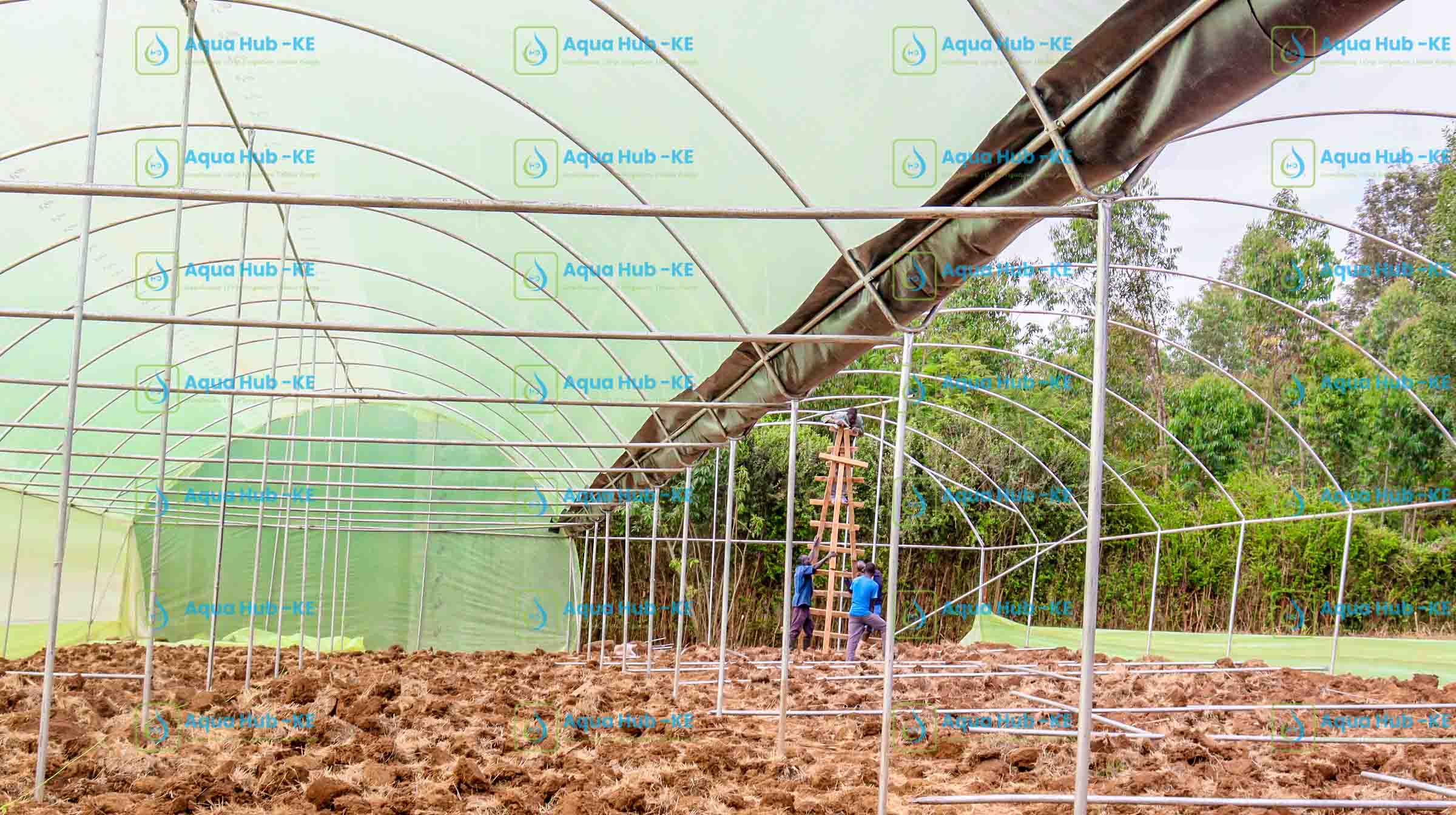
The cost of greenhouse construction in Kenya ranges from KES 165,000 to KES 840,000 for both wooden and metallic types. This price range applies to standard greenhouse sizes measuring 8 m wide by 15–30 m long or 16 m wide by 24–40 m long. Custom-made sizes are also available as per your farm size, budget and structure stability. Greenhouse farming has proven to be highly profitable, with a potential return on investment within 2 growing seasons.
Greenhouse Construction in Kenya by Aqua Hub LTD
Building a greenhouse is one of the smartest investments for farmers seeking consistent production.
At Aqua Hub LTD we follow proper steps right from site survey to installation to ensure greenhouses meet your growing needs.
Call 0790719020
Greenhouse Construction Cost in Kenya
| Width | Length | Construction Cost (Wooden Greenhouse) | Construction Cost (Metallic Greenhouse) |
| 8 M | 15 M | 165,000 | 240,000 |
| 8 M | 24 M | 180,000 | 270,000 |
| 8 M | 30 M | 240,000 | 365,000 |
| 16 M | 30 M | 390,000 | 700,000 |
| 16 M | 40 M | 480,000 | 840,000 |
The greenhouse construction cost in Kenya varies depending on size, materials, and location.
Greenhouse Construction: Demand for Climate-Smart Farming
Greenhouse farming has grown rapidly across Kenya due to climate unpredictability. The demand for quality high-value crops like tomatoes and capsicum makes greenhouses essential.
Unlike open-field farming, greenhouses:
- Reduce water usage by up to 60% through controlled irrigation
- Protect crops from pests and heavy rains
- Enable year-round production
- Improve yields per square metre.
This means that with a greenhouse, you can grow top-quality crops at low risk, due to optimal conditions.
Popular types of Farming in Greenhouse
Greenhouse Seedling Propagation
Greenhouses for seedling propagation are common, especially for vegetable growers. They are designed using shade nets or polythene sheets depending on the seedlings grown. For fruit, flower or herb seedlings, shade net houses are used.
Greenhouse black soldier fly farming
Black soldier fly (BSF), a common poultry feed larvae, are reared in cages kept inside a greenhouse. The greenhouse environment enhances optimal temperature and prevents interference or harsh climate.
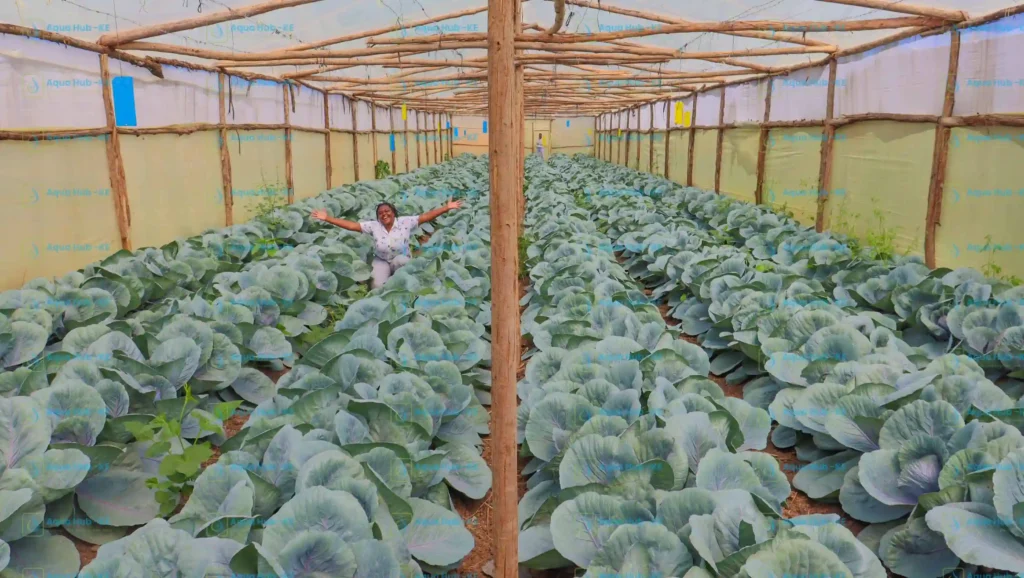
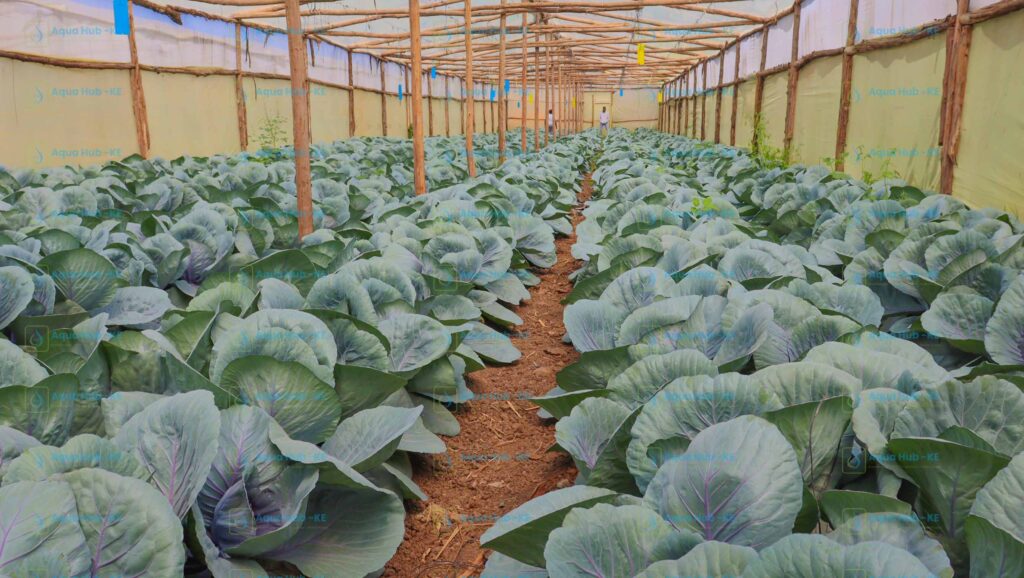
Greenhouse vegetable farming
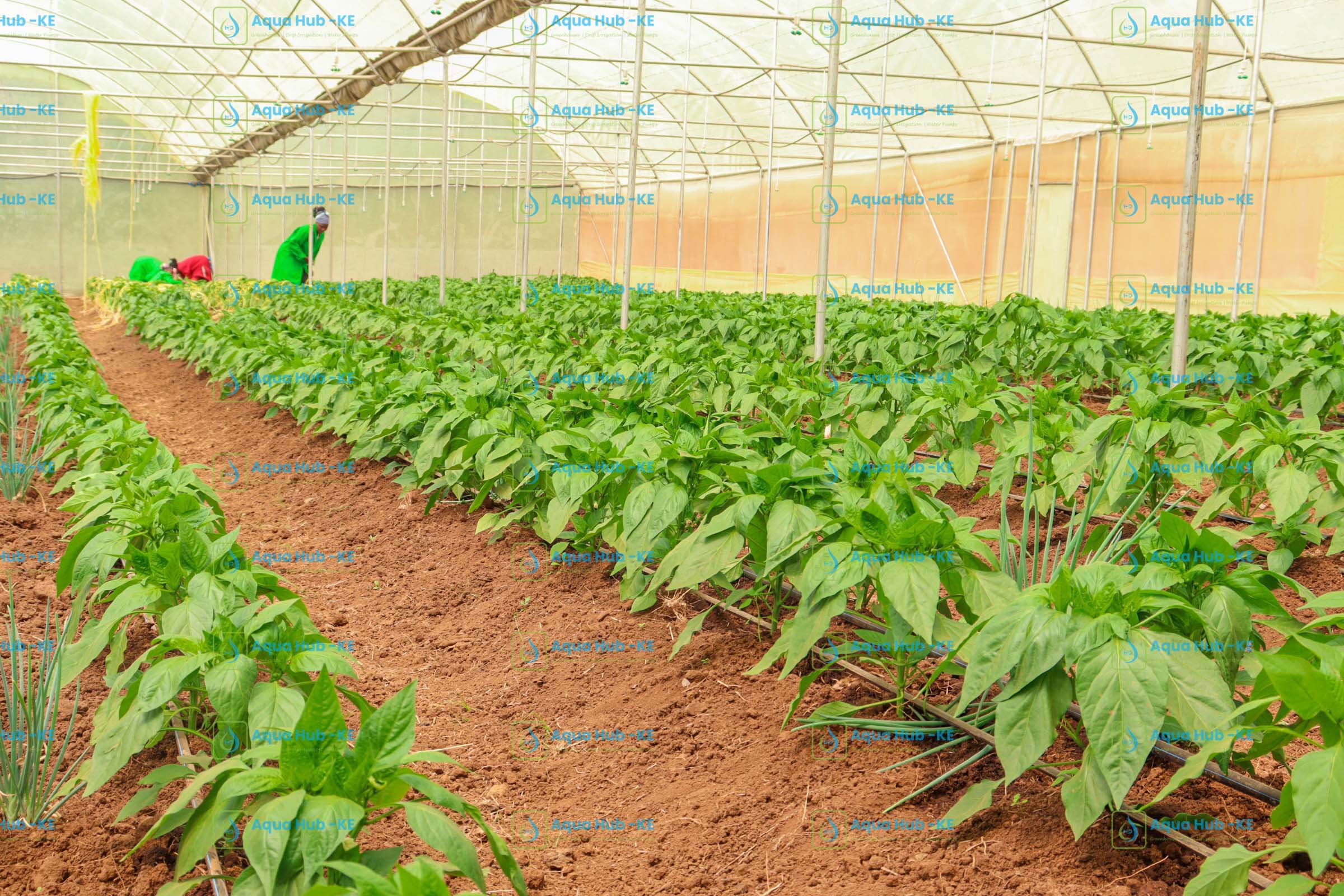
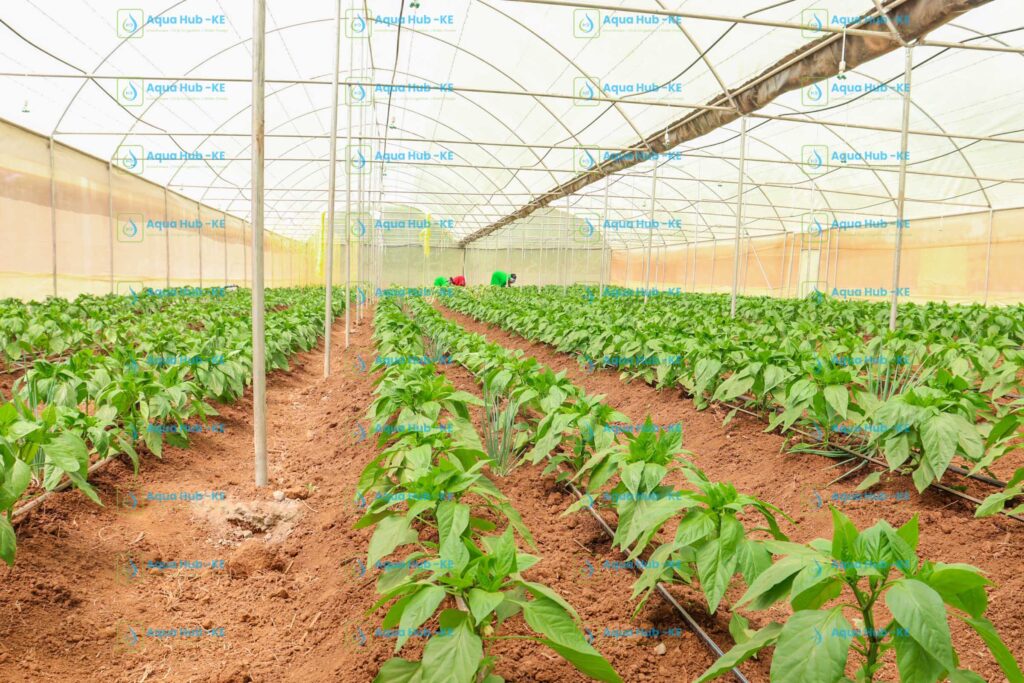
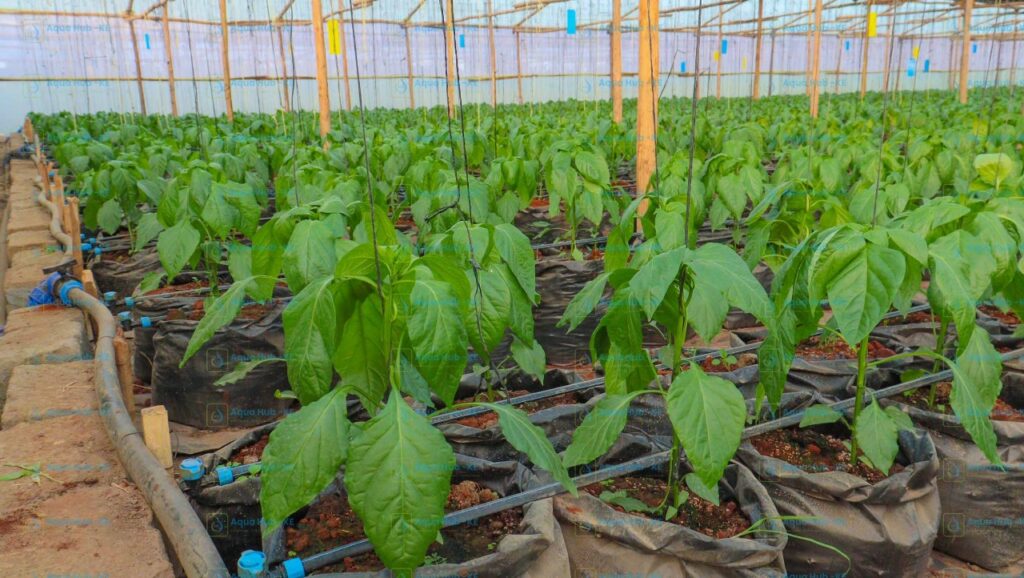
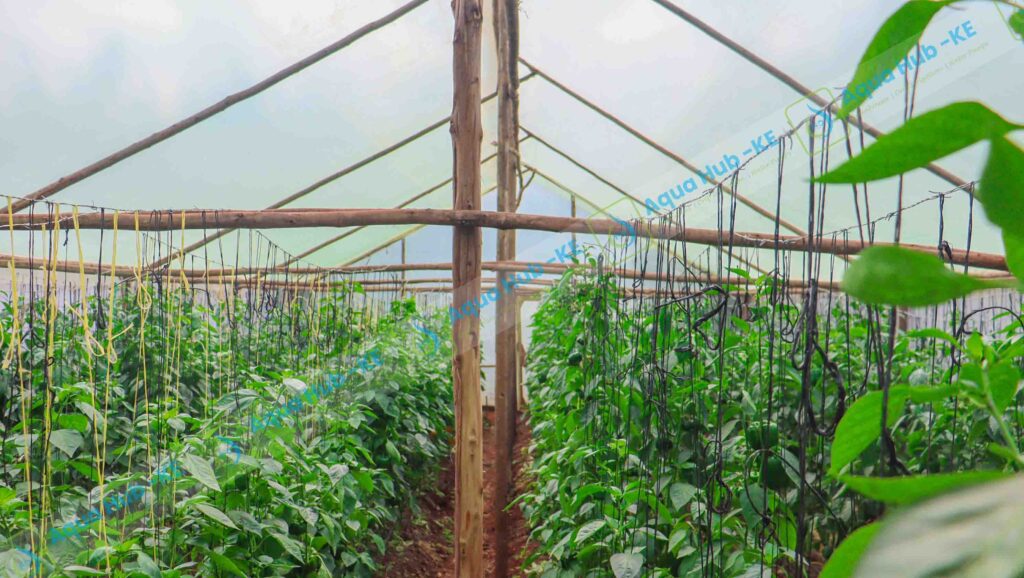
completed greenhouse with capsicum planted
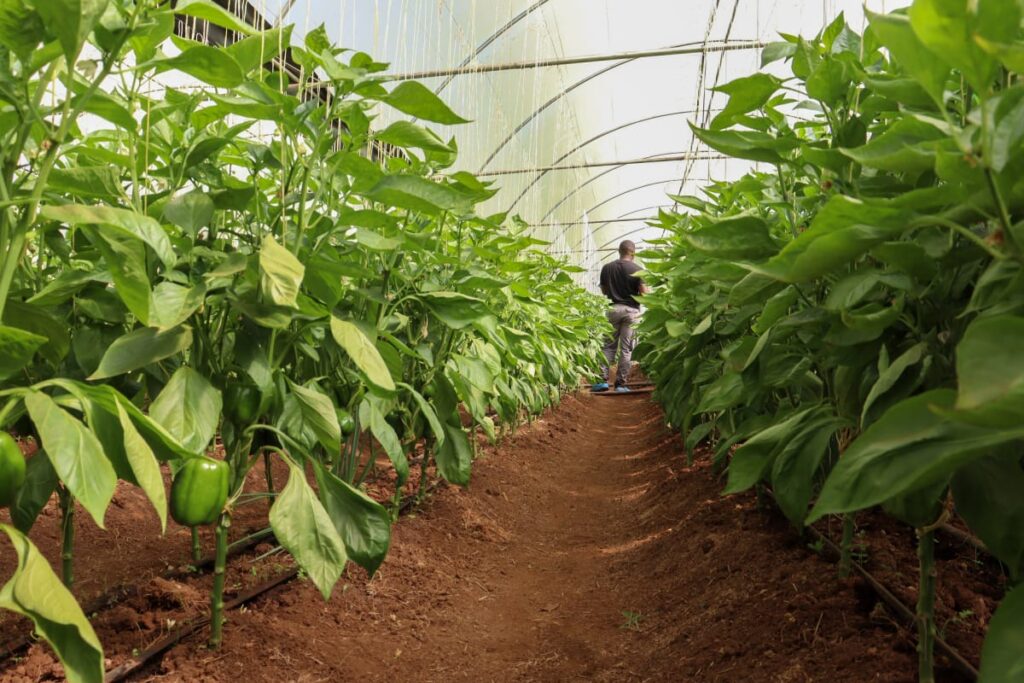
Leafy green vegetables such as kale, spinach, broccoli, arugula, cabbage and lettuce do well in a greenhouse environment. other high value vegetables such as capsicum, tomato and cucumber are also grown.
Greenhouse fruit cultivation
Strawberries, raspberries, and blueberries are the common fruits grown in a greenhouse.
Greenhouse flower farming
Greenhouse structures are essential for flower production in Kenya. Flowers do well in hot conditions, which can be achieved in a greenhouse.
Greenhouse Construction: Areas Suitable for Greenhouse
You can construct a greenhouse anywhere in Kenya so long as it is well drained, flat and has reliable water access.
Greenhouse farming is ideal for both rural and semi-urban areas, especially areas with limited land size.
Common Greenhouses to Construct in Kenya
Choosing the right structure impacts both cost and durability. The most common types include:
1. Wooden Greenhouses
- Lower upfront cost
- Suitable for small-scale farmers
- Shorter lifespan (5–7 years)
2. Metallic (Steel) Greenhouses
- Designed using Galvanized steel frames
- Generally, have a longer lifespan (10–15 years)
- Higher initial investment
3. Net Greenhouses
- Ideal for hot regions
- Primarily for shade and pest control
- Best for seedlings, ferns, flowers and vegetables.
4. Polycarbonate Greenhouses
- Made of a metallic structure with a polycarbonate cover material.
- Durable but expensive
- Best for high-end commercial operations
Greenhouse Construction Design Principles
Good greenhouse construction design determines ventilation efficiency and crop health.
Orientation
- East-West alignment reduces overheating
- Avoid wind-prone open fields without windbreaks
Apex Height
The greenhouse installation gutter height in Kenya typically ranges between 2.5 m and 3 m. A higher gutter improves airflow and reduces fungal diseases.
A well-designed greenhouse maximises sunlight entry and optimises temperature or humidity levels.
Taller greenhouses may cost slightly more initially but significantly reduce disease-related crop losses over time.
Site Selection & Installation Requirements
Before construction, consider these greenhouse installation requirements in Kenya:
- Reliable water source
- Flat or gently sloping land
- Accessibility for transport
- Soil testing
- Proper drainage
Water availability is critical. Many successful greenhouse farmers install large storage tanks to maintain uninterrupted irrigation.
Greenhouse Construction Materials
- Galvanized steel pipes (greenhouse profiles)
- UV-treated greenhouse polythene (200 microns recommended)
- Insect netting
- Wiggle wires and locking profiles
- Drip irrigation pipes
- Water tank and fittings
Greenhouse Construction in Kenya: Step-by-Step
1. Site Preparation
- Clear vegetation
- Level ground
- Mark dimensions
2. Foundation Installation
- Dig anchor holes
- Cement galvanized steel Pipes or wooden poles
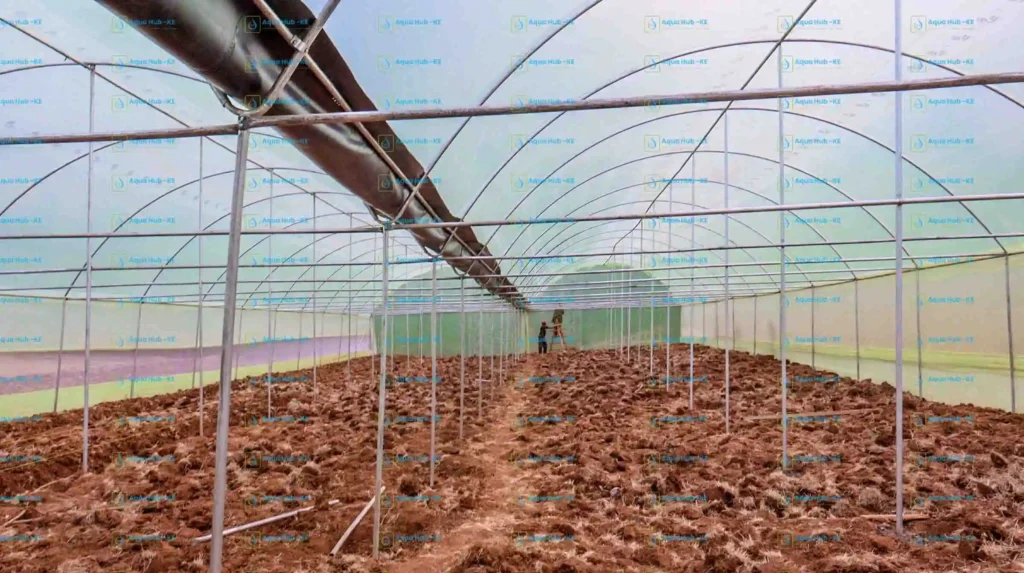
3. Frame Assembly
- Install arches using tapping screws.
- Secure cross-bracing
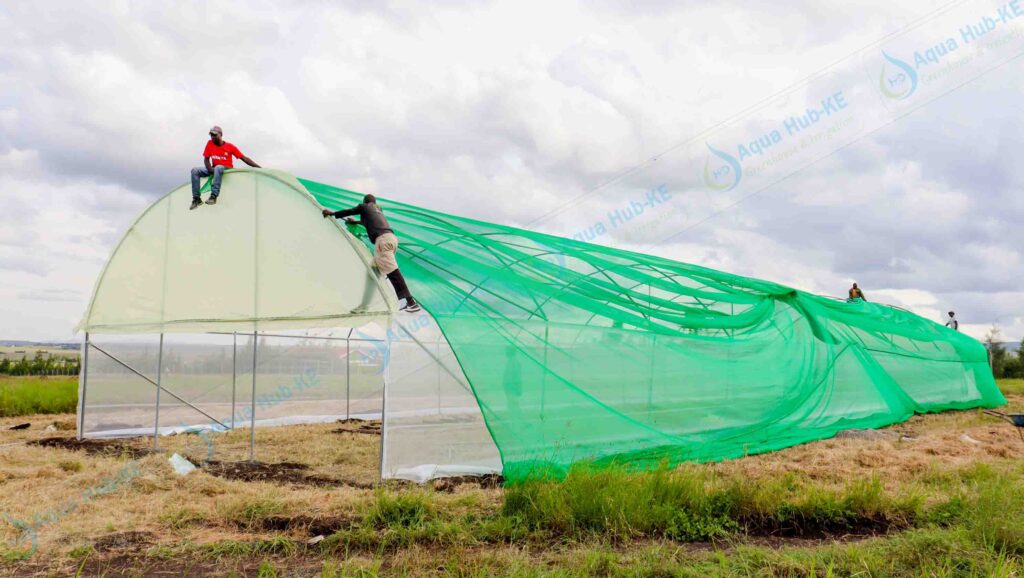
4. Polythene Cover installation
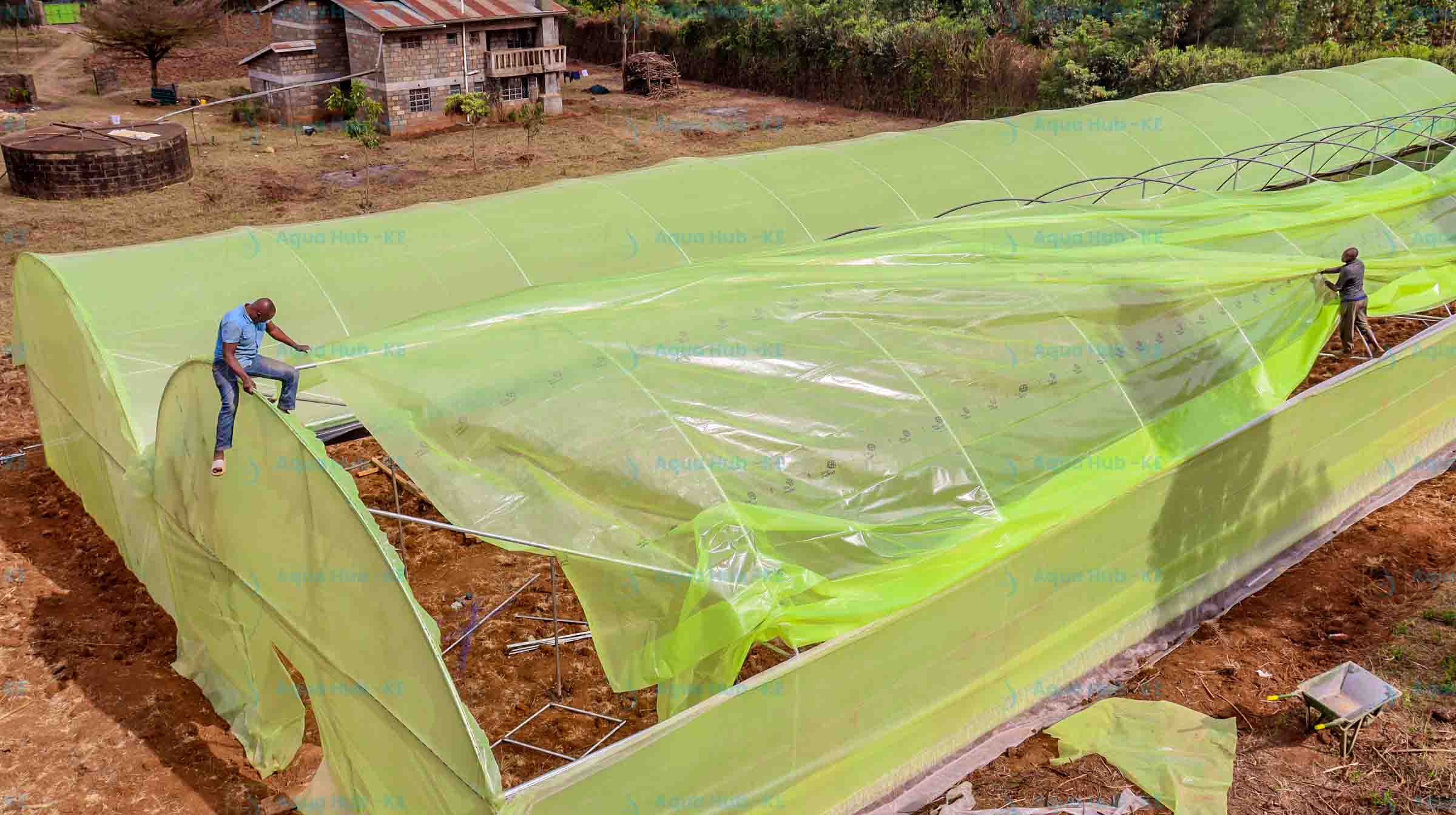
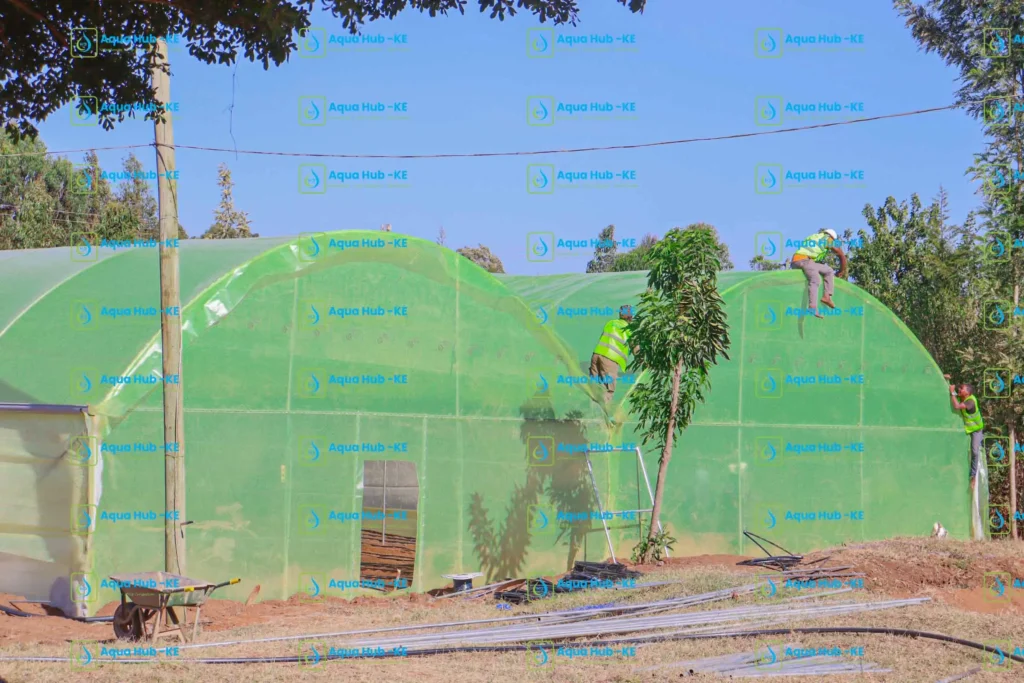
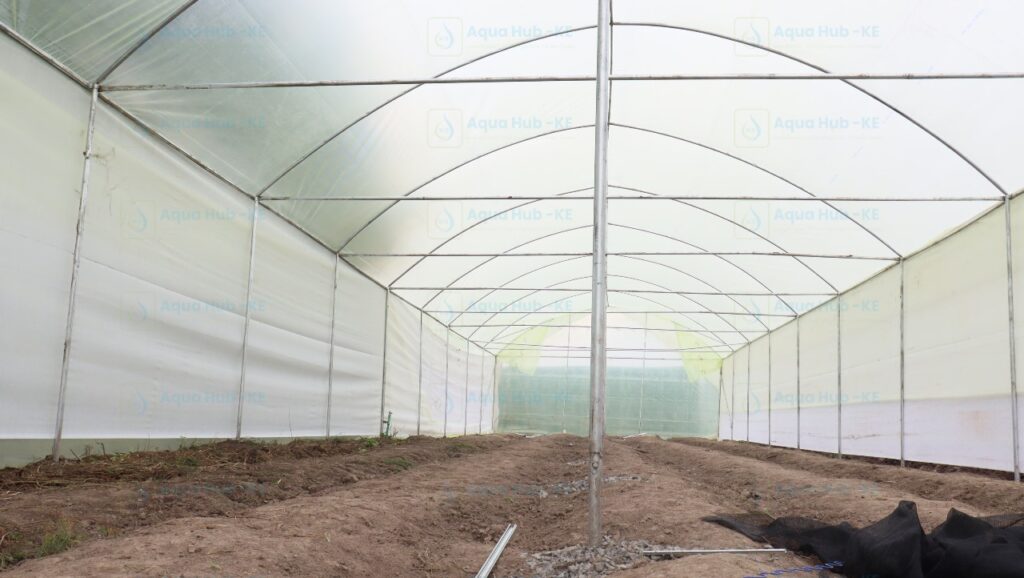
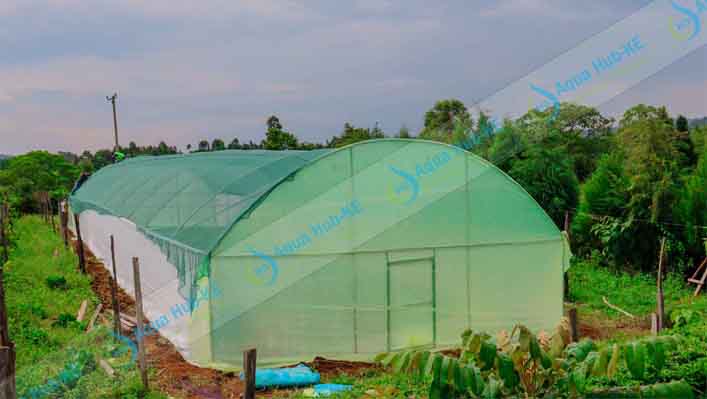
greenhouse construction in Kikuyu nearing completion
- Attach using locking profiles and wires.
- Ensure the wire holds the polythene in place.
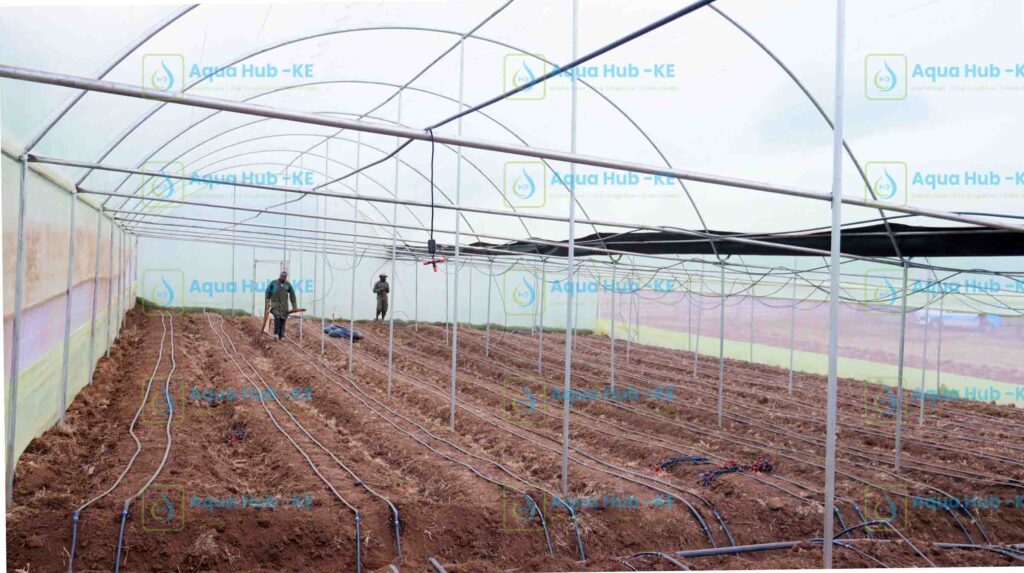
5. Install Irrigation System
- Lay drip lines
- Connect to tank or pump
Professional installation ensures structural integrity and guarantees resistance to wind damage.
Greenhouse Profiles and Accessories
Greenhouse profiles in Kenya are steel channels used to hold polythene firmly.
Accessories include wires and tapping screws used to hold the profiles to the greenhouse structure.
High-quality accessories reduce rust and heat stress. Many farmers overlook profile strength, leading to frequent repairs.
Ventilation & Temperature Control
Kenya’s tropical climate requires proper airflow management.
Temperature control methods used in greenhouses include:
- Side roll-up ventilation
- Roof vents
- Insect-proof netting
Good ventilation prevents diseases like powdery mildew. In hot regions, shade nets reduce internal temperature by 5–8°C.
Irrigation & Reliable Water Access
Efficient water use is critical for greenhouse success.
Drip irrigation is the most reliable technique to water crops inside a greenhouse.
The reason why drip irrigation is recommended for greenhouse crop irrigation is because:
- Drip irrigation reduces water waste
- It prevents fungal diseases
- It ensures uniform nutrient delivery
Water Requirement in a Greenhouse
A 120 m² greenhouse typically requires 500–800 litres per day, depending on the crop stage. Installing a storage tank ensures stable supply even during rationing.
Crop Planning & Layout
Popular greenhouse crops in Kenya include tomato, capsicum, cucumber, and strawberry varieties.
The crop layout in a greenhouse is in rows, which can often be 2–4, depending on the crop type. For capsicum and tomato plants, 2 rows of crops are planted per bed.
Proper spacing maximises yields. For example, tomatoes take a spacing of 20cm between plants and 30cm between plant rows.
Consider market demand before planting. Urban markets near Nairobi offer better pricing for premium produce.
How to Maintain Greenhouse for Long Performance
To extend greenhouse lifespan:
- Inspect polythene frequently
- Flush drip lines after crop harvest to prevent clogging
- Monitor humidity levels
Sustainability and Water Efficiency
Modern greenhouse systems are designed to ensure water use efficiency. They are designed with technology such as:
- Rainwater harvesting by use of gutters. Boost water access during dry seasons.
- Solar-powered irrigation pumps. Cuts on water pumping costs.
- Water recycling. To minimise water wastage.
These methods improve resilience, especially in drought-prone regions.
Frequently Asked Questions
1. What is the cost of greenhouse construction in Kenya?
between KES 165,000 and KES 840,000 for standard sizes.
2. What is the ideal greenhouse installation gutter height in Kenya?
Between 2.5 and 3 metres.
3. How long does a greenhouse last?
Galvanised greenhouses last for 10–15 years.
4. What materials are needed to build a greenhouse?
Steel frames, UV polythene, insect nets, irrigation pipes, and locking profiles.
5. Is greenhouse farming profitable in Kenya?
Yes, especially due to the high yield and quality of production.
6. What is the cheapest greenhouse option?
Wooden greenhouses.
7. How much water does a greenhouse use daily?
Approximately 500–800 litres for a 120 m² greenhouse.
8. What crops perform best in a greenhouse?
Tomatoes, capsicum, cucumbers, and strawberries.
9. Do I need permits for greenhouse construction in Kenya?
Permits are needed for construction in estates.
10. Where can I buy a greenhouse? Construction materials in Kenya?
Aqua Hub Kenya.