
Blog
Insect Nets for Agriculture in Kenya
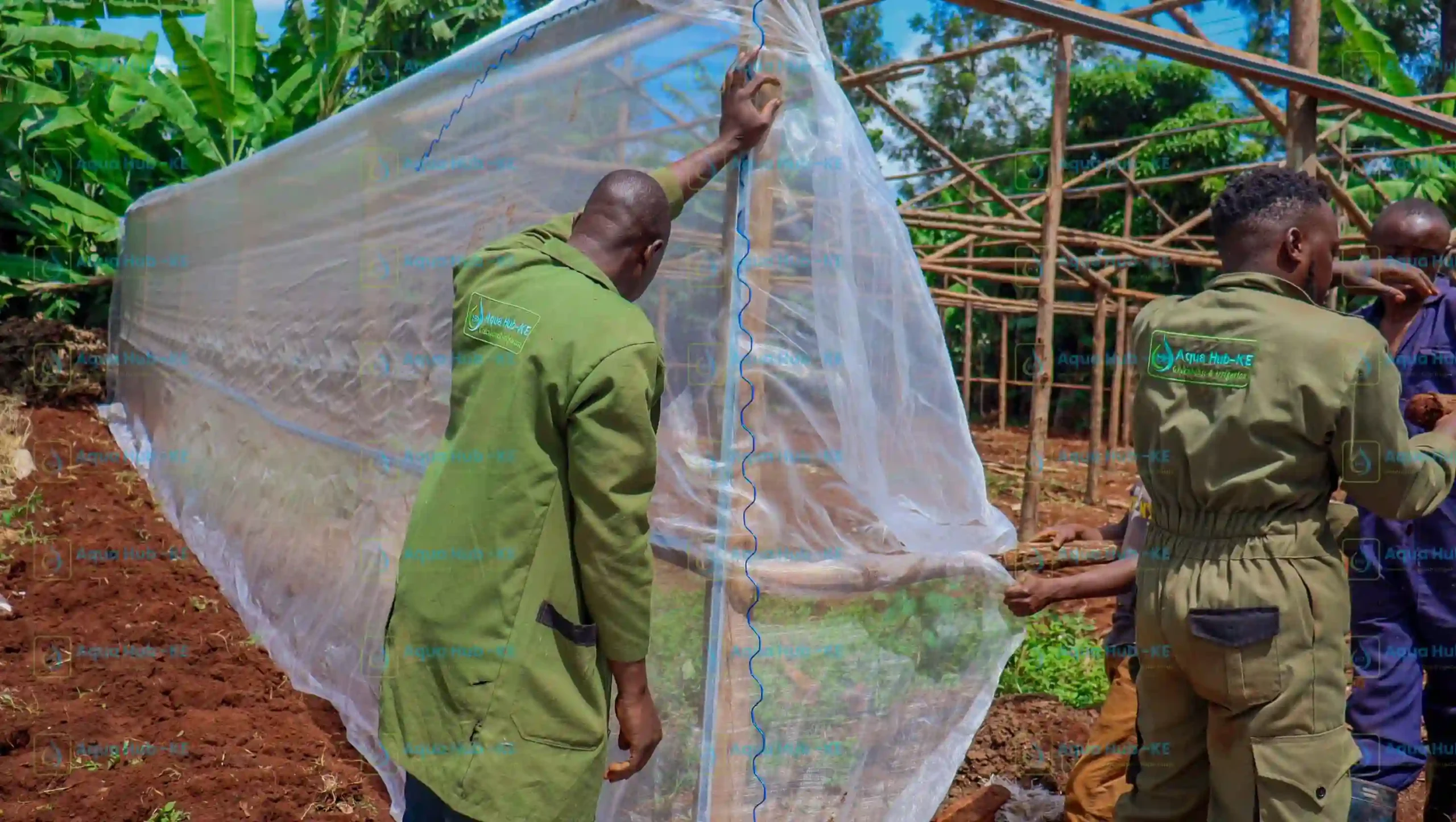
Insect nets are affordable materials for agriculture specifically to keep off insects that damage or lower crop yield.
Insect Nets for Agriculture in Kenya
Best Insect Nets for Agriculture are available in Kenya at Aqua Hub LTD at very affordable prices. We stock quality insect net for wide range of outdoor and greenhouse insect protection purposes.
Call 0790719020
Cost of Insect Nets for Agriculture
Insect nets for agriculture are sold at around KES 120 per square meter. The prices are subject to change depending on the demand and availability.
Best Insect Nets for Agriculture | Buy from Aqua Hub
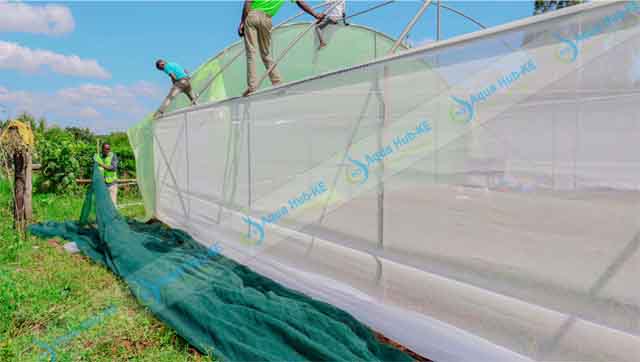
Insect nets are popular but sometimes difficult to get the right quality with many untrusted vendors in the market. To ensure you buy the right quality, Aqua Hub LTD has stocked standard UV treated insect nets for agriculture. We are the trusted supplier of agricultural nets in Kenya known for installation and supply of sustainable farming solutions.
Understanding the Specifications
- Made from UV treated polythene material
- Available in 25, 40 and 50 mesh
- Can last for 3 to 5 years
- The color of agricultural nets is white.
- Standard size of 5.5 by 50 m.
Types of Insect Nets for Agriculture
Insect nets are available in different mesh sizes; 25, 40 and 50 mesh. Every mesh size is designed for specific insect protection. The smaller the insect to block, the smaller the mesh size you need.
Common Insects and Nets for Agriculture
Insects attack crop leaves, stems and flowers. They damage the critical parts of the leaves, stem of young plants, sap or even flowers. Some insects such as stalk borers damage the stalk of maize and corn affecting the yield.
- Aphids
- Stalk borers
- Cutworms
- Maggots
- Beetles
- Moths
- Bugs
- Grasshoppers
- Slugs
- Whiteflies
How to Use Insect Nets for Agriculture
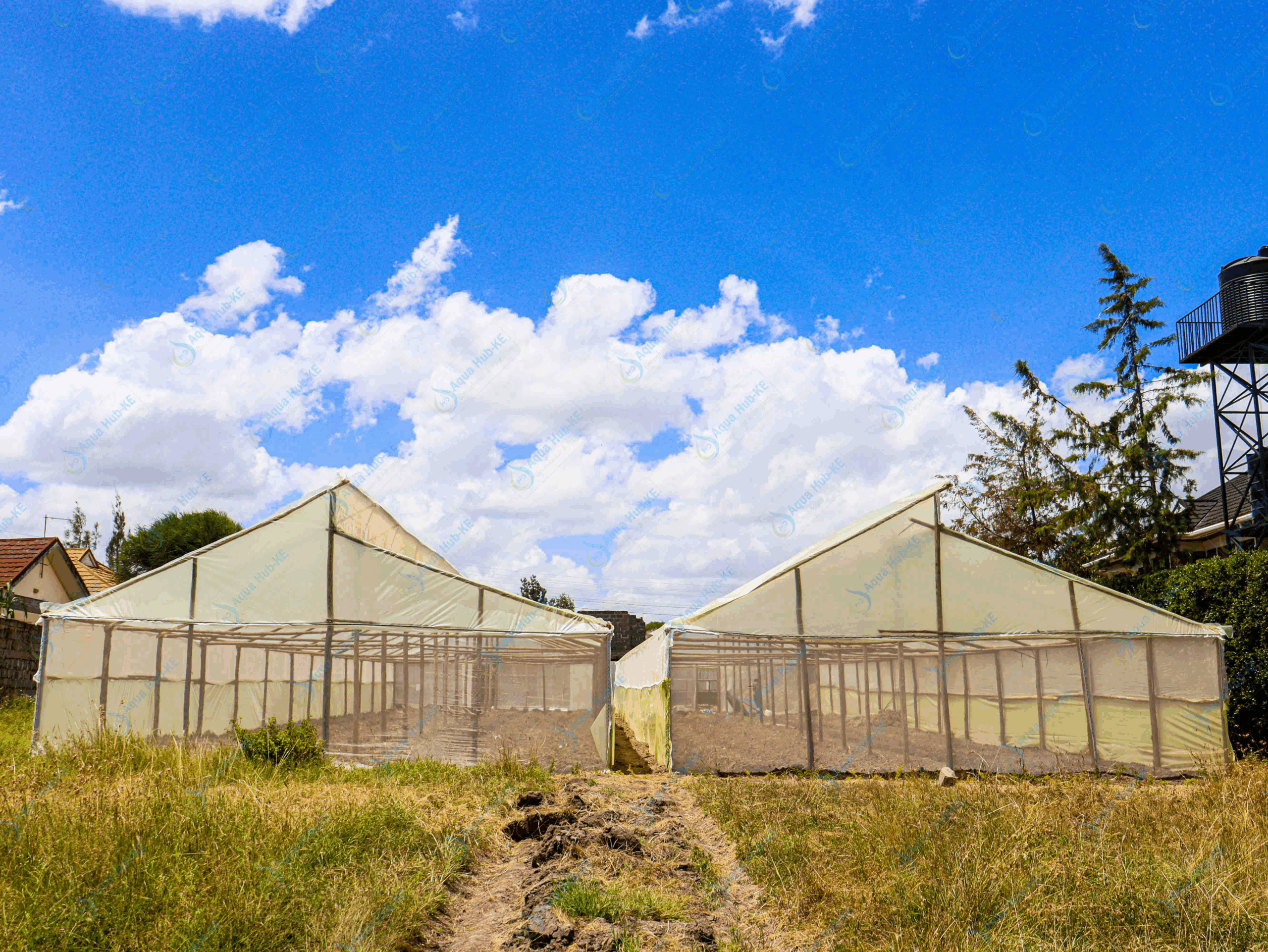
Insect nets can be used either in external or indoor growing environments to prevent the effect of insects. To use the net properly, you must first design a structure that will support or hold the net around your crops. A suitable structure is made using wooden or galvanized steel structure around the planting area.
It is more convenient to use galvanized steel support poles to install insect nets on your garden than wooden poles. Steel materials are highly durable and smooth so that low chance of tearing your net.
Comparison of Insect Protection Nets and Pesticides
Insect nets are much affordable and environmentally friendly way to keep insects out of crop fields. They do pollute soil, air or water bodies compared to pesticides which have regulations on their usage. Despite the effect of pesticides, they are still more effective for some crops. Therefore, it is ideal to integrate both insect netting and standardized pests at controlled levels to ensure efficient pest control.
How to Choose the Right Insect Nets for Agriculture
- What is the target Pest?
Understanding the exact pest and which net can prevent the entry of insects into the growing environment is important.
- Crop type
Plants that attract smaller pets such as aphids require a net with smaller mesh. For example, tomatoes, kales and cabbages.
- UV Resistance
UV treated nets are important especially for places with high rates of sunlight. Also important for long term durability.
- Size of the farm
The net to use should fit the area or the crop field you want to shield from insects. Accurate measurements should be provided.
- Application
The application whether outdoor or greenhouse determines which size and type of insect mesh to use.
Insect Net Installation Guide
Follow these steps when installing insect nets for agriculture:
- Gather all tools and materials, including nets, galvanized steel poles, tapping screws, channel profiles and wires.
- Install the support poles on intervals of 3 – 5 meters.
- Attach support horizontal or arch poles on the roof to join the vertical support poles.
- Fix channel lock profiles on to the edges of steel support poles using tapping screws.
- Unroll and lay out the net on the ground to check size and coverage.
- Attach the nets to the support structures, starting from one end by locking it onto the channel lock profiles using the wiggle wires.
- Pull the netting tight to remove wrinkles and prevent sagging while installing it.
- Inspect the entire area to make sure there are no gaps or loose sections.
6 Benefits of Using Insect Nets for Agriculture
- Top Quality crop Yield – insect nets totally block insects such as aphids, whiteflies and caterpillars, the harvest is good and without pest infection.
- Low pesticide use – the use of insect nets for agriculture is an alternative way of tackling pests. For this reason, you don’t need pesticides.
- Improves yield – crops no longer get attacked by insects when a net is used significantly resulting to high harvest.
- Environmental protection – insect nets have been tested and found to be safe for environmental use. They don’t release chemicals thus suitable for environmental use.
- Long season crop production – it is possible to grow crops any time of the year even during seasons with high insect activity.
- Climate control – insect net allows air circulation and enhances reduction in heat or humidity in greenhouse environment.
- Low fungal and other disease infections – the net allows maximum sunlight inside and thus prevents mold formation which often causes fungal infections.
Other Uses of Insects Nets for Agriculture
Insect nets also find uses in other forms of agriculture for aquatic, crop value addition and breakdown of waste. The applications are:
- Rearing of black soldier flies which produce larvae that breakdown waste to form organic manure.
- Solar dryers for crop preservation. Used as cover for parts with ventilation and air exhaust fans.
- Greenhouse design. The insect net material is ideal for greenhouse ventilation on the side walls. Let’s in air while also preventing insect entry.
- Nursery Crop protection. To protect critical young seedlings from common pests and worms.