
Kilifi, Kilifi County, Kenya
7 Acres Drip Irrigation System in Matuu-Ekalakala
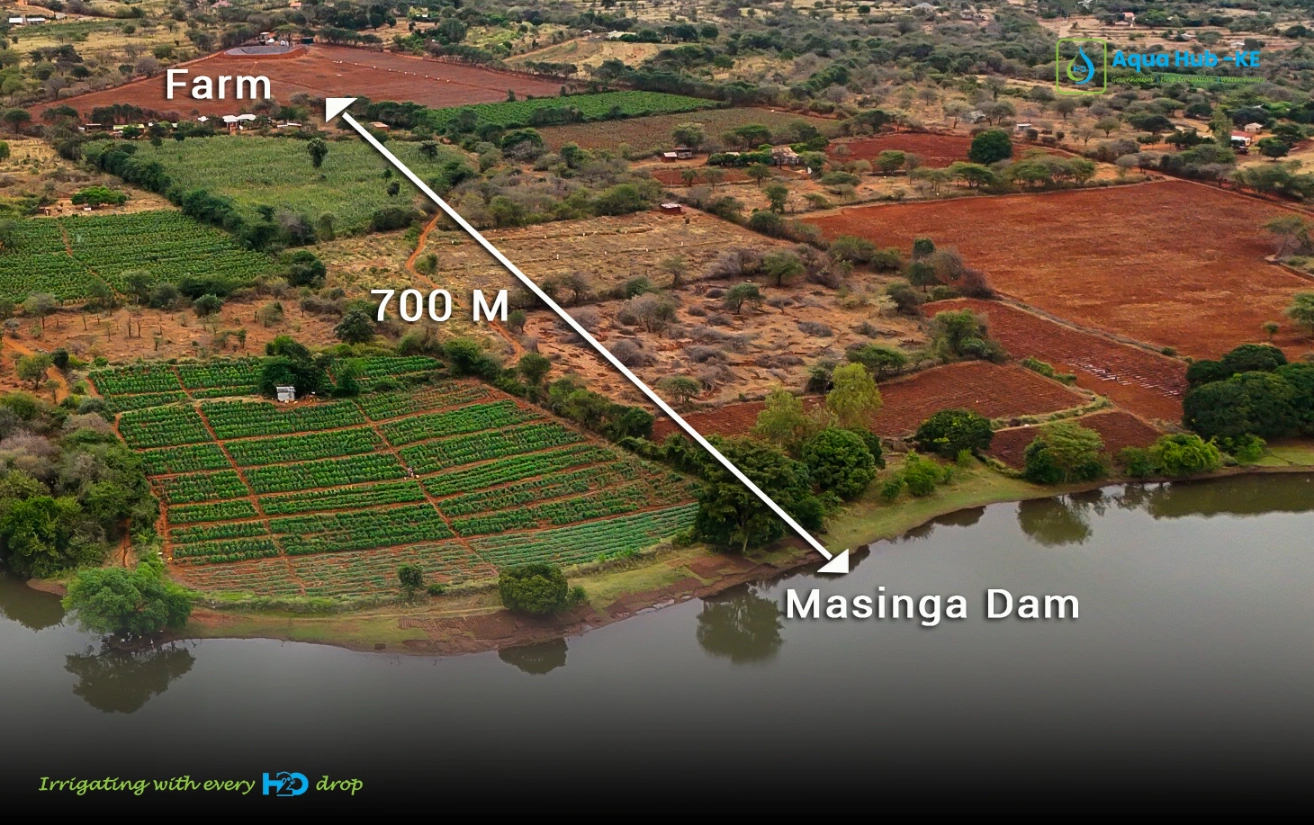
We installed an irrigation system for 7 acres from the ground up to the completion. i At the heart of the setup is a John Deere engine, powering a drip irrigation system designed to get water exactly where it’s needed with minimal waste. To keep the reservoir ( 34 m x 34 m) from losing water to seepage, we lined it with a dam liner (0.75 mm) a simple addition that makes a huge difference in how much water we actually retain. It’s a project we’re excited to share, and we hope it gives you some ideas for modern farming and effective irrigation systems.
Location
Kilifi, Kilifi County, Kenya
Duration
18 days
Completed
2026-08-26
PROJECT AT A GLANCE
What we delivered
The challenge
Before the project, the school experienced an unreliable water supply, particularly during periods of high demand and dry weather. Limited water availability affected daily activities such as cleaning, sanitation and general school operations.
The school needed a dependable water solution that could serve its students and staff while providing sufficient storage for daily use.
Our approach
Our team began with a site assessment to understand the school’s requirements and identify a suitable location for the borehole.
We then planned the drilling, pumping and storage requirements, mobilised the necessary equipment and carried out the works in stages. Throughout the project, the team worked closely with the school to minimise disruption and keep the client informed of progress.
HOW IT HAPPENED
The process, start to finish
Every Aqua Hub Kenya project follows the same stages. Here’s exactly how this one went, with photos and video from each visit.
5 August 2026
Our team visited the school to assess the site, understand the existing water challenges and discuss the school’s requirements. The proposed project scope and next steps were reviewed with the school representatives.
7 August 2026
Following the site assessment, Aqua Hub Kenya presented the proposed scope of work, project timeline and cost. The school reviewed the proposal and agreed to proceed with the project.
10–12 August 2026
Drilling equipment was transported to the site and the work area was prepared. The team completed the necessary groundwork and confirmed the drilling location before commencing the main works.
13–16 August 2026
The borehole was drilled to a depth of 120 metres. The team then installed the required casing, pumping equipment and associated water infrastructure before connecting the system to the storage tank.
17 August 2026
The completed system was tested to assess water yield and ensure that the pumping and storage components were operating as intended. The team also carried out final checks before preparing the system for handover.
18 August 2026
A final walkthrough was conducted with the school representatives. The team demonstrated the system and provided guidance on basic operation and maintenance before officially handing over the completed project
IN PICTURES
Project gallery
THE OUTCOME
Before
The school relied on an inconsistent water supply, creating challenges for daily operations and sanitation.
After
The completed borehole and storage system provides the school with a dedicated water infrastructure solution designed around its daily requirements.
Client Testimonial
COMMON QUESTIONS
FAQs
Have a similar project in mind?
Tell us about your site and we’ll get back to you with a free assessment.