
Embu County, Kenya
Dam Liner Installation for Water Storage in Embu County
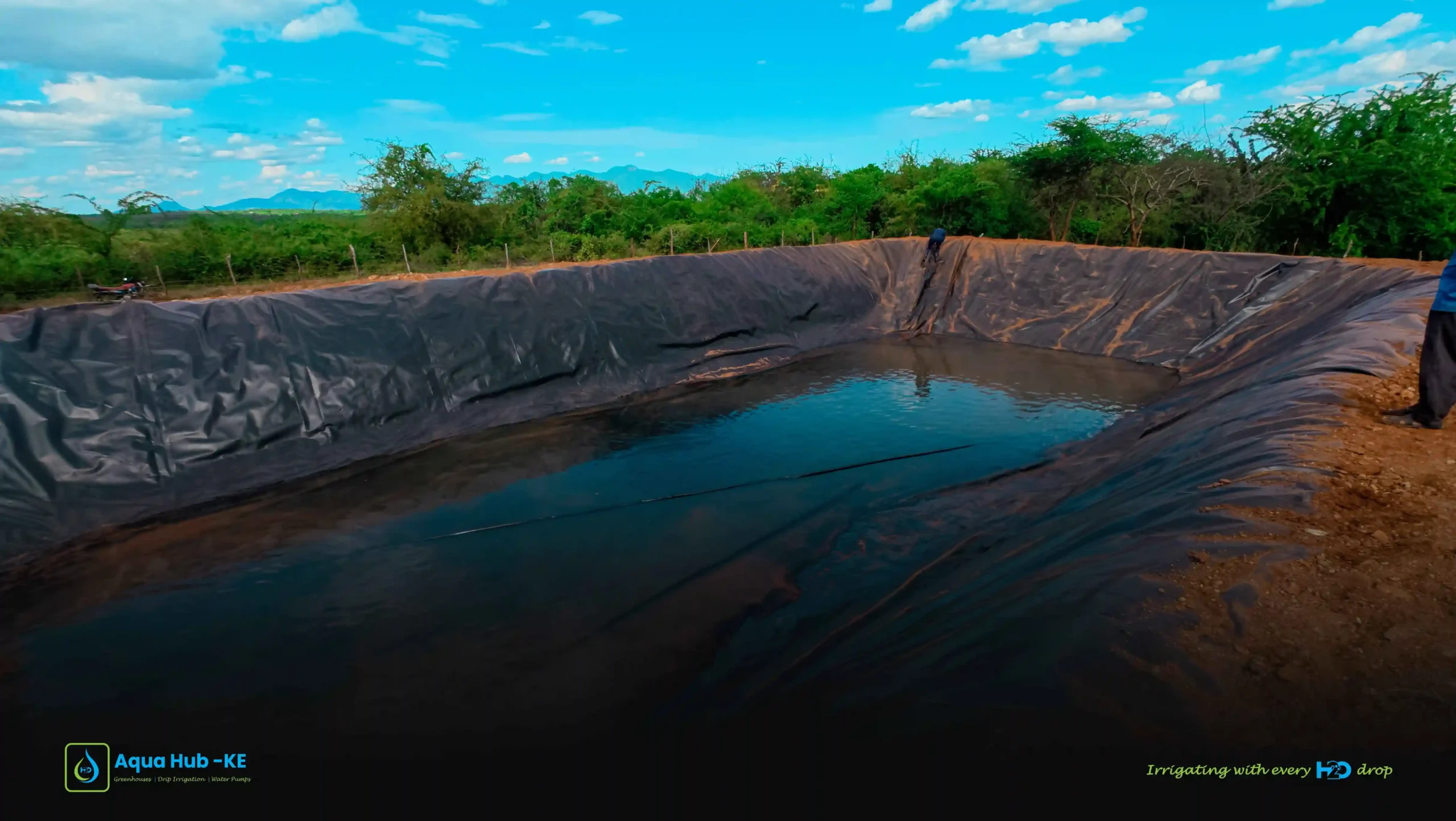
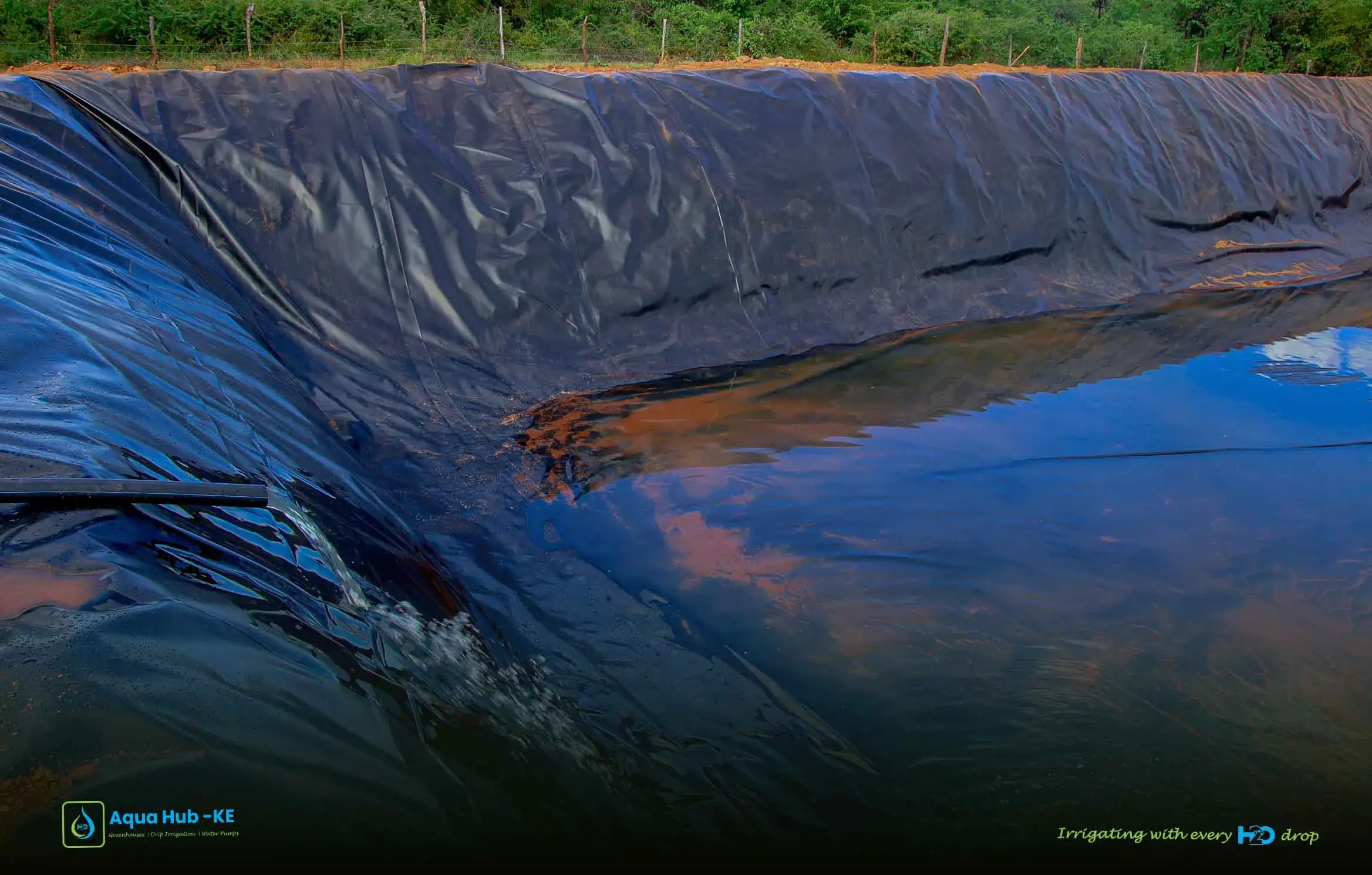
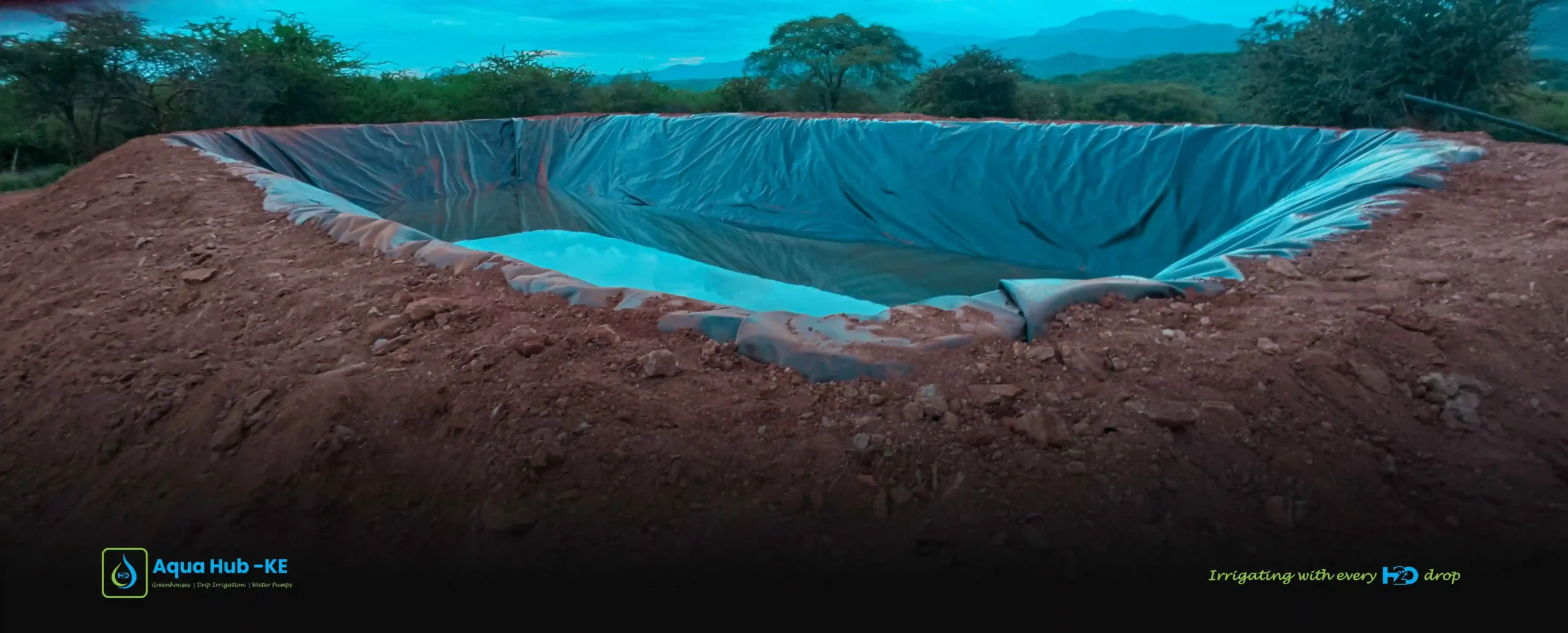
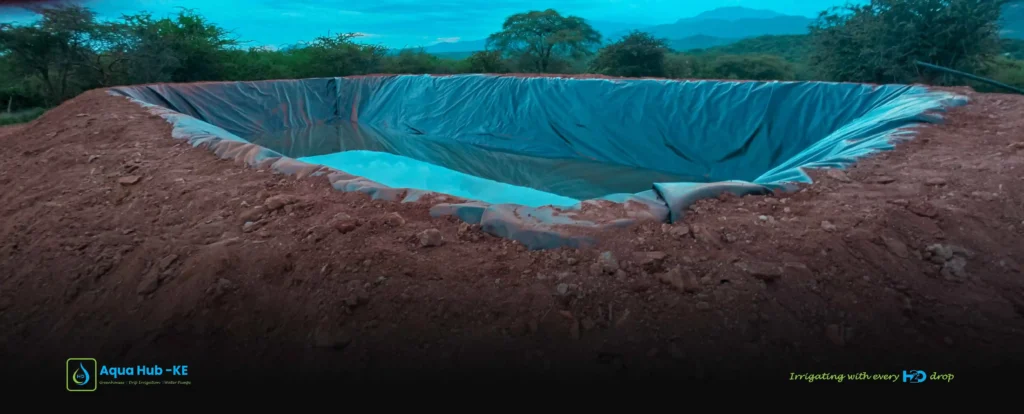
Aqua Hub Kenya installed a 0.75 mm dam liner in Embu County for a farm that needed a reliable place to store irrigation water. The new dam measures 30 m by 25 m and holds 1.2 million litres of water. We also supplied an electric submersible pump and installed it in a river, and 2 inch HDPE pipes carry the water from the river to the dam. Our team completed the installation in one day, on 13 May 2026.
Location
Embu County, Kenya
Duration
1 day
Completed
2026-05-13
PROJECT AT A GLANCE
What we delivered
Aqua Hub Kenya supplied and installed everything the client needed to fill and hold water in a new irrigation dam in Embu County. The scope covered the dam lining, the pumping equipment and the pipework between the river and the dam, and we finished it all in one day.
- A 0.75 mm dam liner installed in a 30 m by 25 m dam
- Storage capacity of 1.2 million litres of water for irrigation
- An electric submersible pump with a flow rate of 8 m³/h and a 60 m head, installed in a river
- 2 inch HDPE pipes carrying water from the river to the dam
The challenge
The client had built a new dam to store water for irrigation, but a dam of this size cannot be left unlined. Soil absorbs water, and over weeks of storage a large share of the 1.2 million litres it was meant to hold would seep away. A dam that cannot keep its water is of little use during a dry spell. The farm also had no direct way to fill it, since the water had to come from a river, so the dam needed a reliable link to that source.
Our approach
We started by lining the dam with a 0.75 mm liner, which sealed the base and sides so the water stays in the dam instead of draining into the ground. To keep the dam supplied, we installed an electric submersible pump in the river and connected it to the dam with 2 inch HDPE pipes, so water moves directly from the river into storage. The liner and the pumping line work together, so the dam can be filled and then keep what it receives.
HOW IT HAPPENED
The process, start to finish
Every Aqua Hub Kenya project follows the same stages. Here’s exactly how this one went, with photos and video from each visit.
The client came to our office with the specifications for the dam already worked out. They gave us the dam’s dimensions and the liner gauge they wanted, along with the pump and pipe requirements for moving water from the river. We went through these together and confirmed what the job needed.
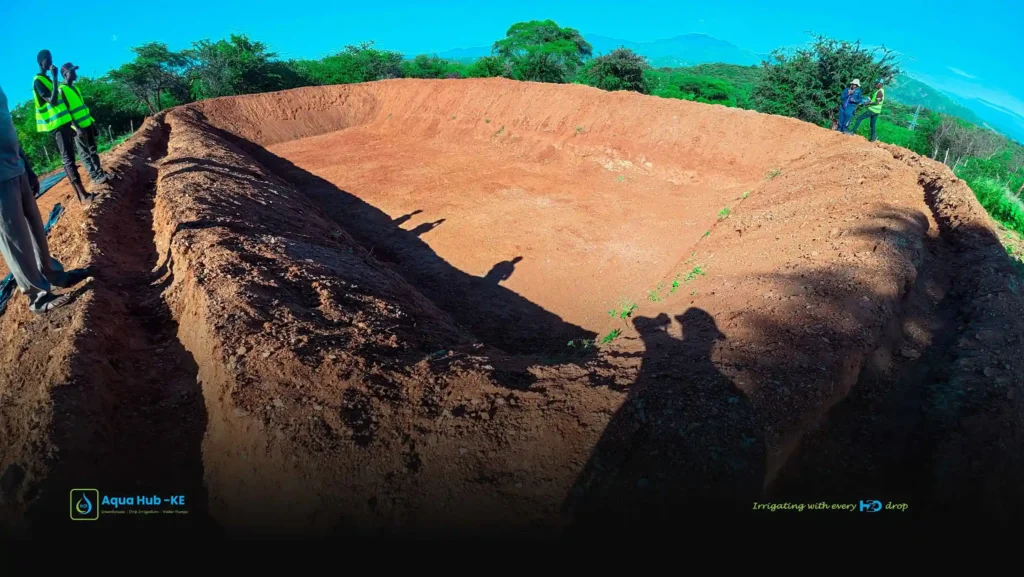
The client was presented with a proposal that set out the materials and specifications for the job. It covered the 0.75 mm liner for the dam (designed to withstand the high temperatures in Embu), as well as the submersible pump and the 2 inch HDPE pipes that would fill it. The client approved the first quote without changes, which let us fix the installation date at once. The client also agreed to supply casual labourers and give our team access to the site, which kept the work moving through the day.
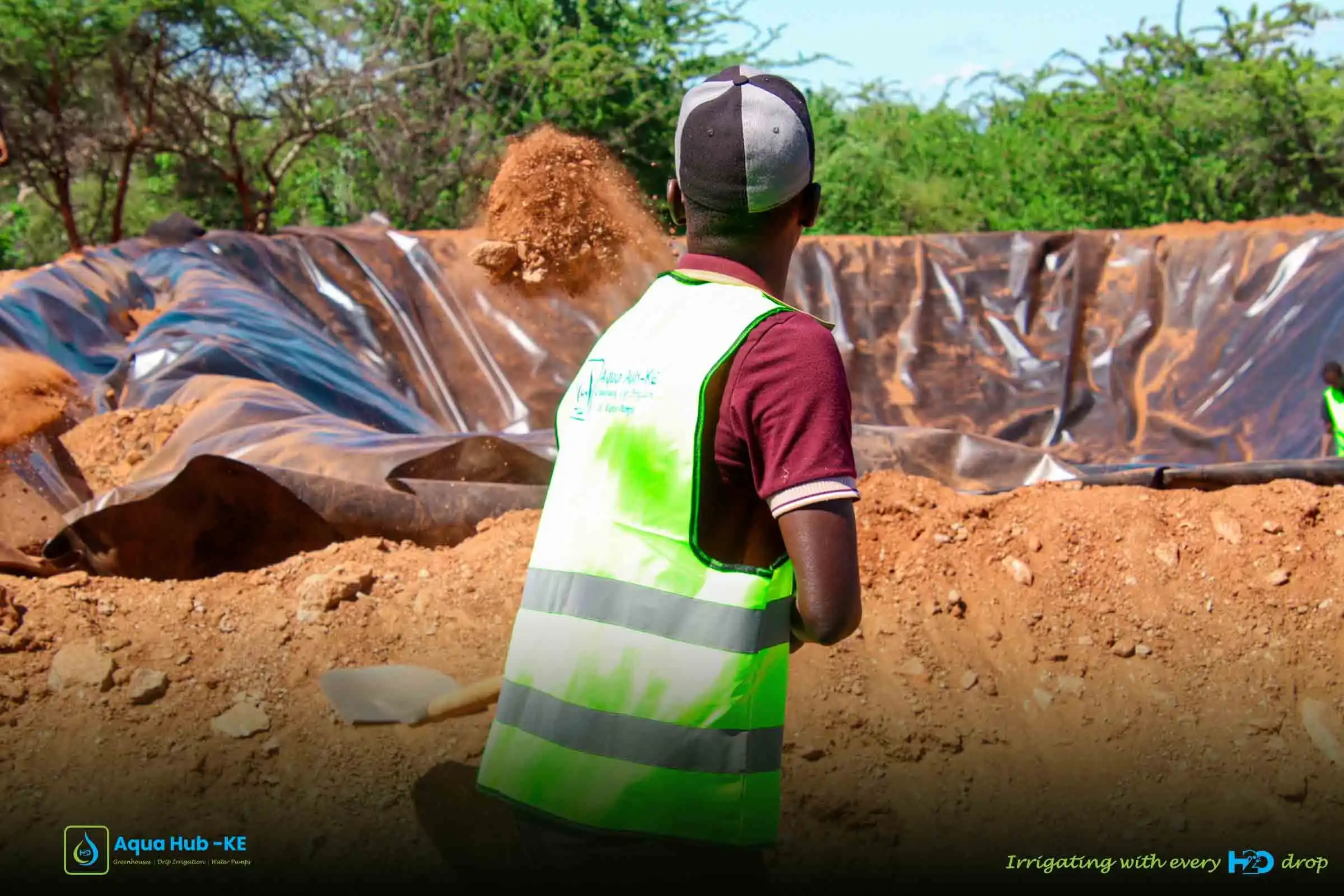
Our team arrived on site on the morning of 13 May 2026, with the liner rolls and welding equipment, as well as the pump and the 2 inch HDPE pipes. We prepared the dam so it was ready to have the liner placed in it. At the river, we set up the position where the pump would sit, so the pumping line could be installed once the dam was lined. With the casual labourers supplied by the client on hand, we started work without delay.
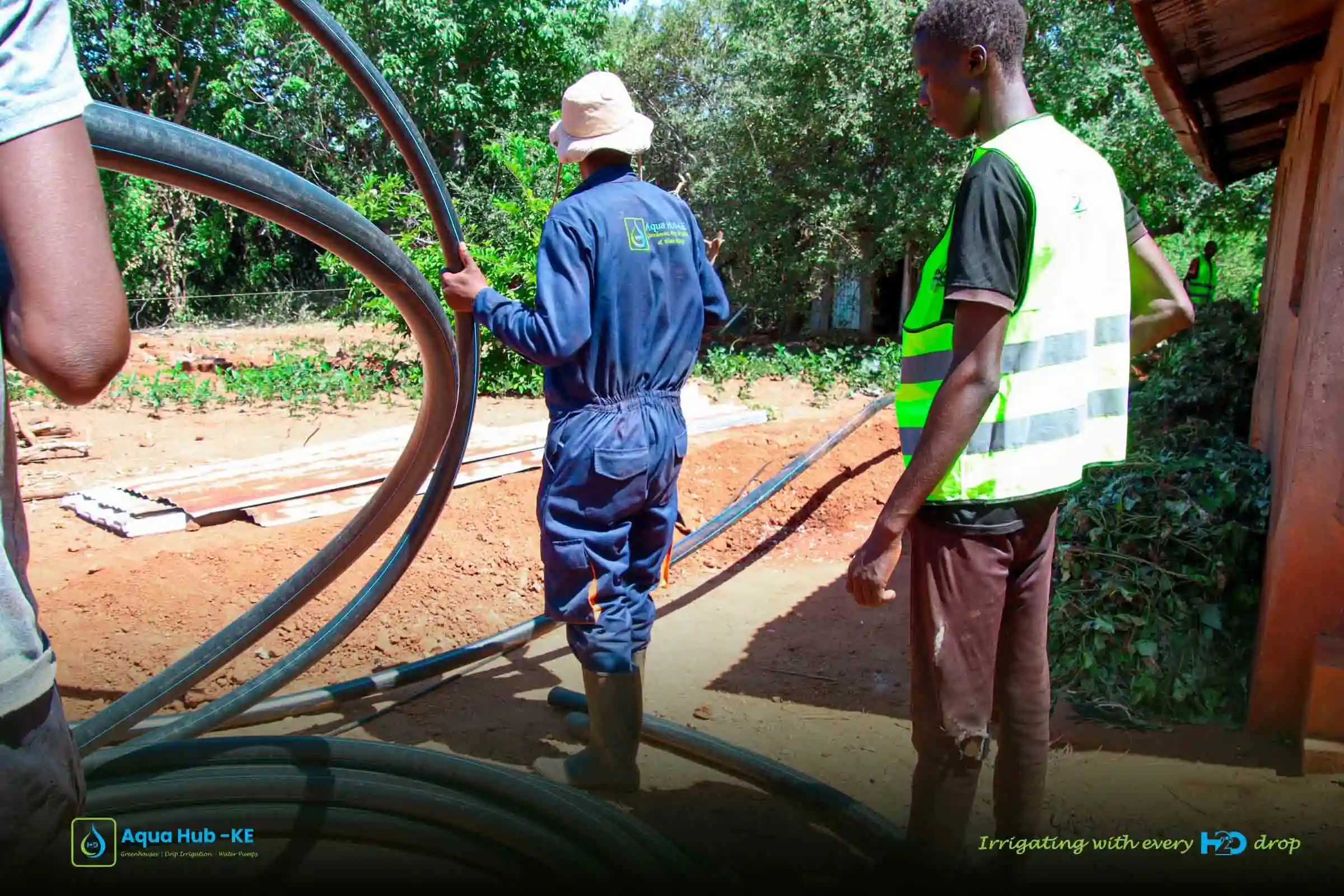
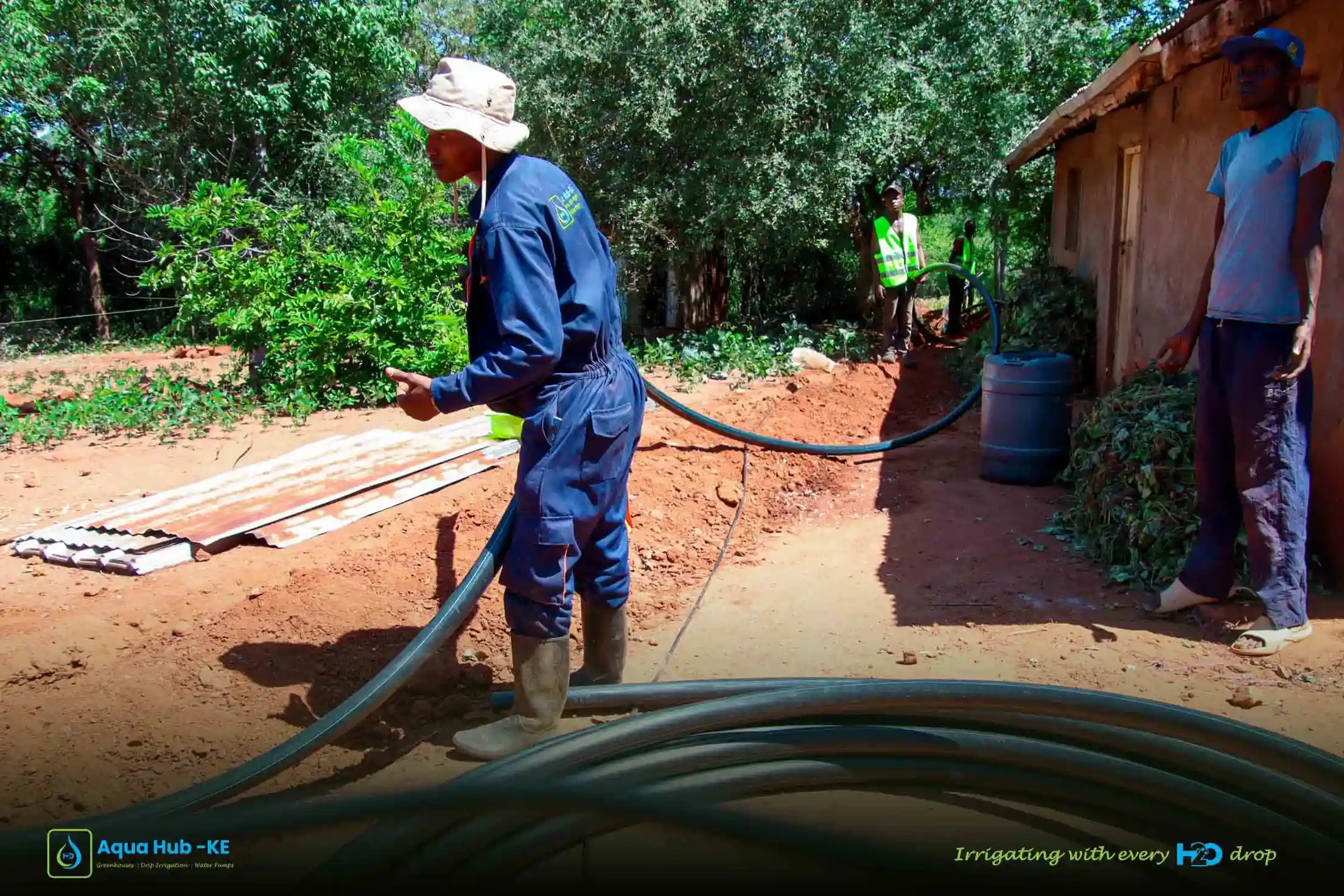
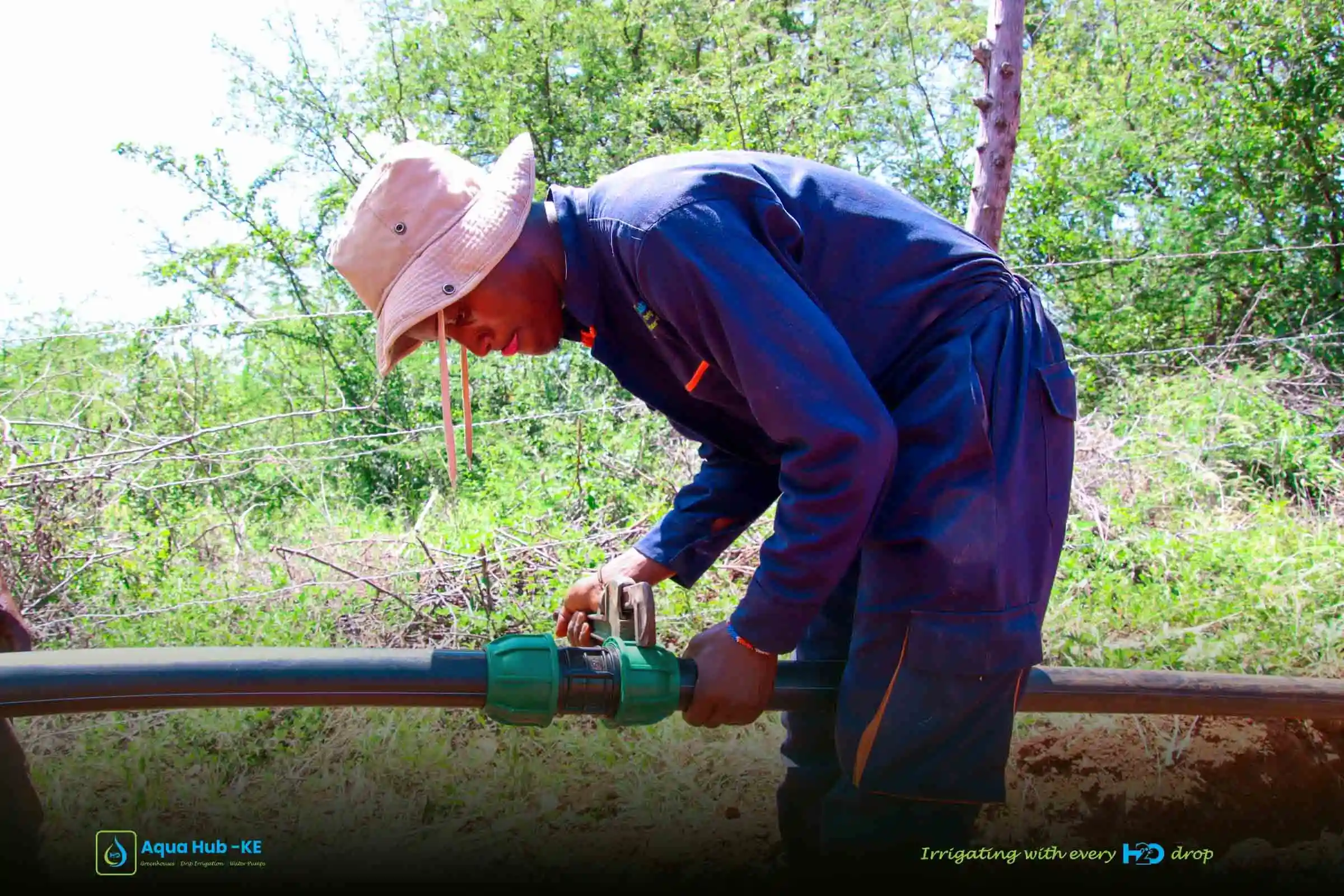
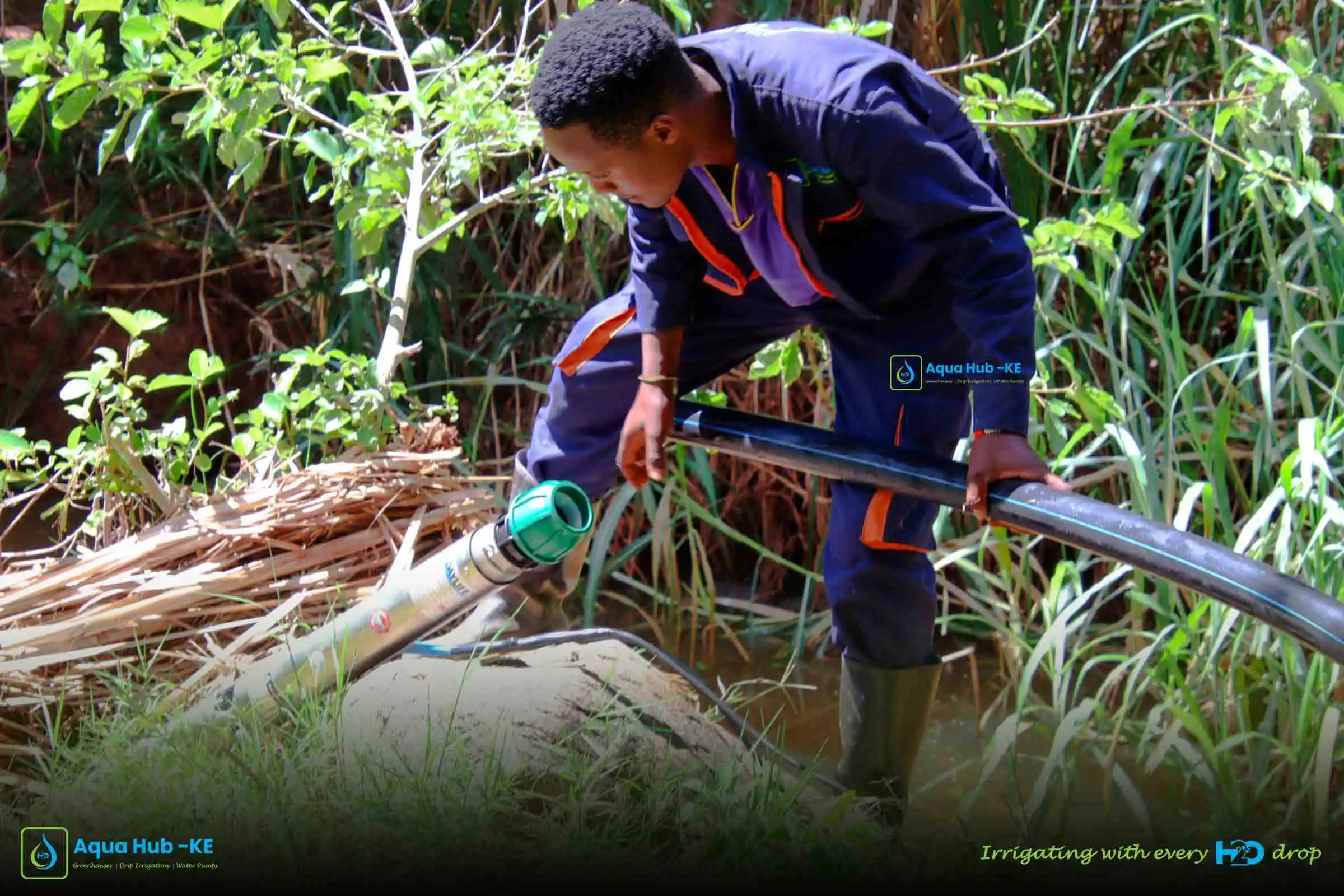
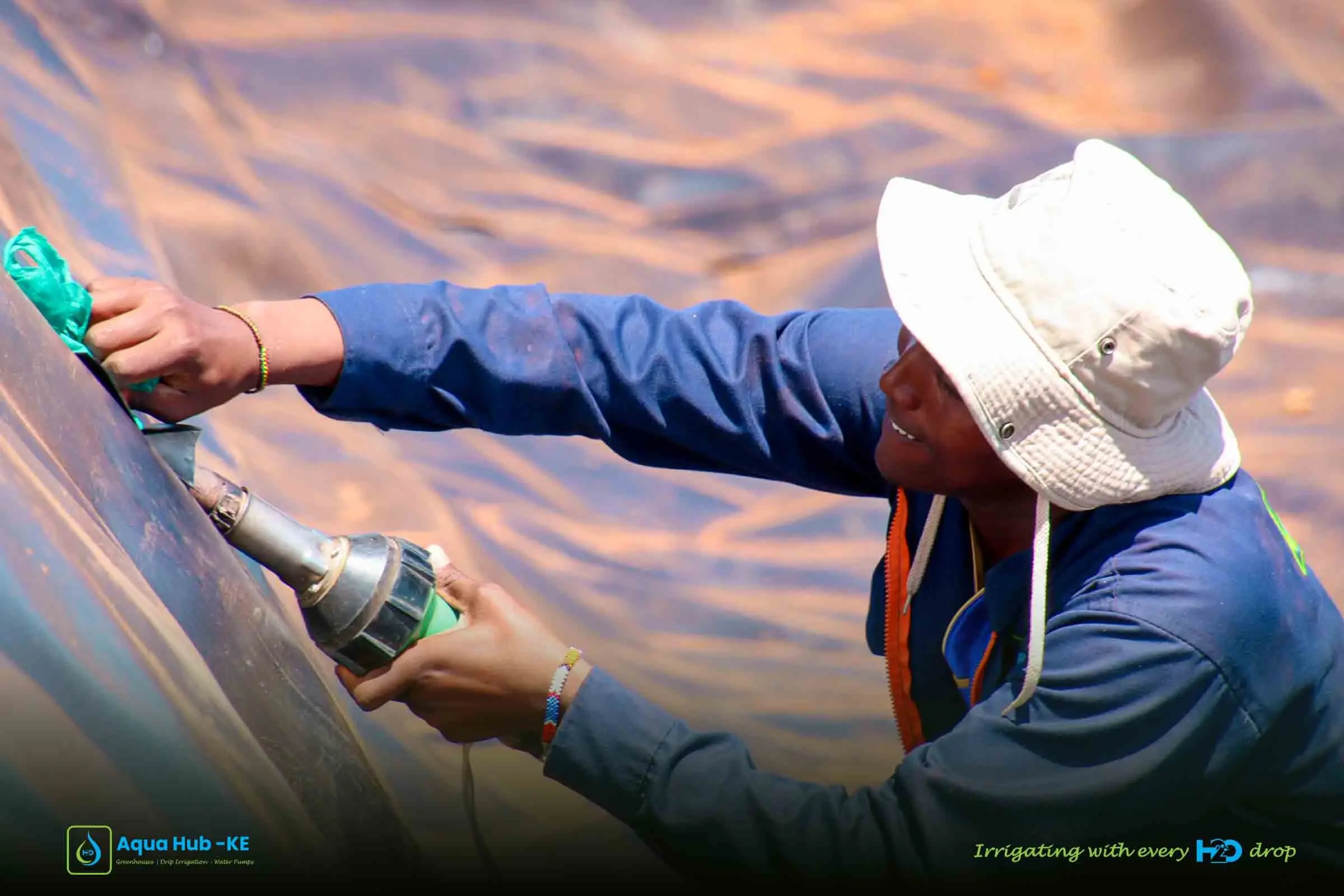
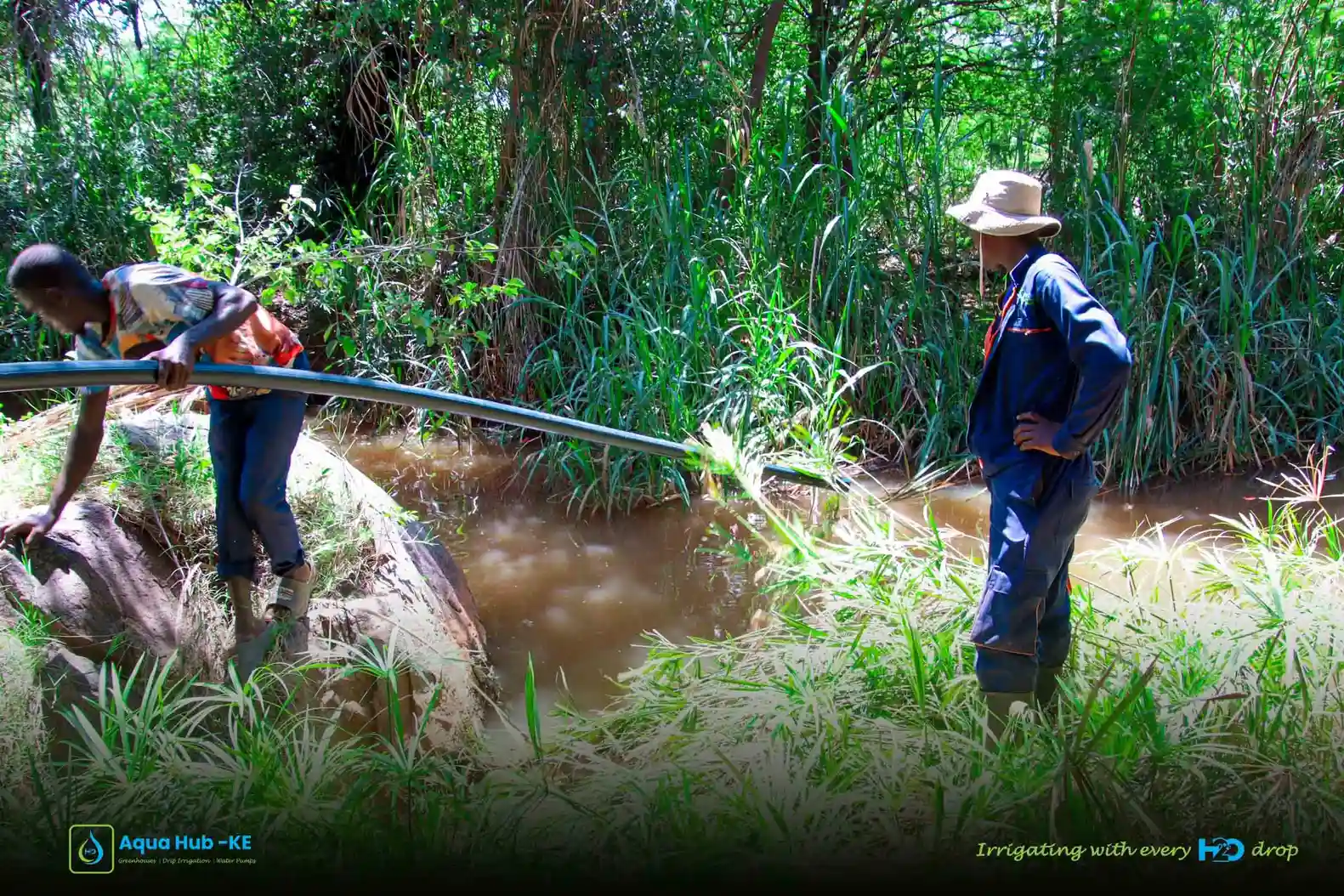
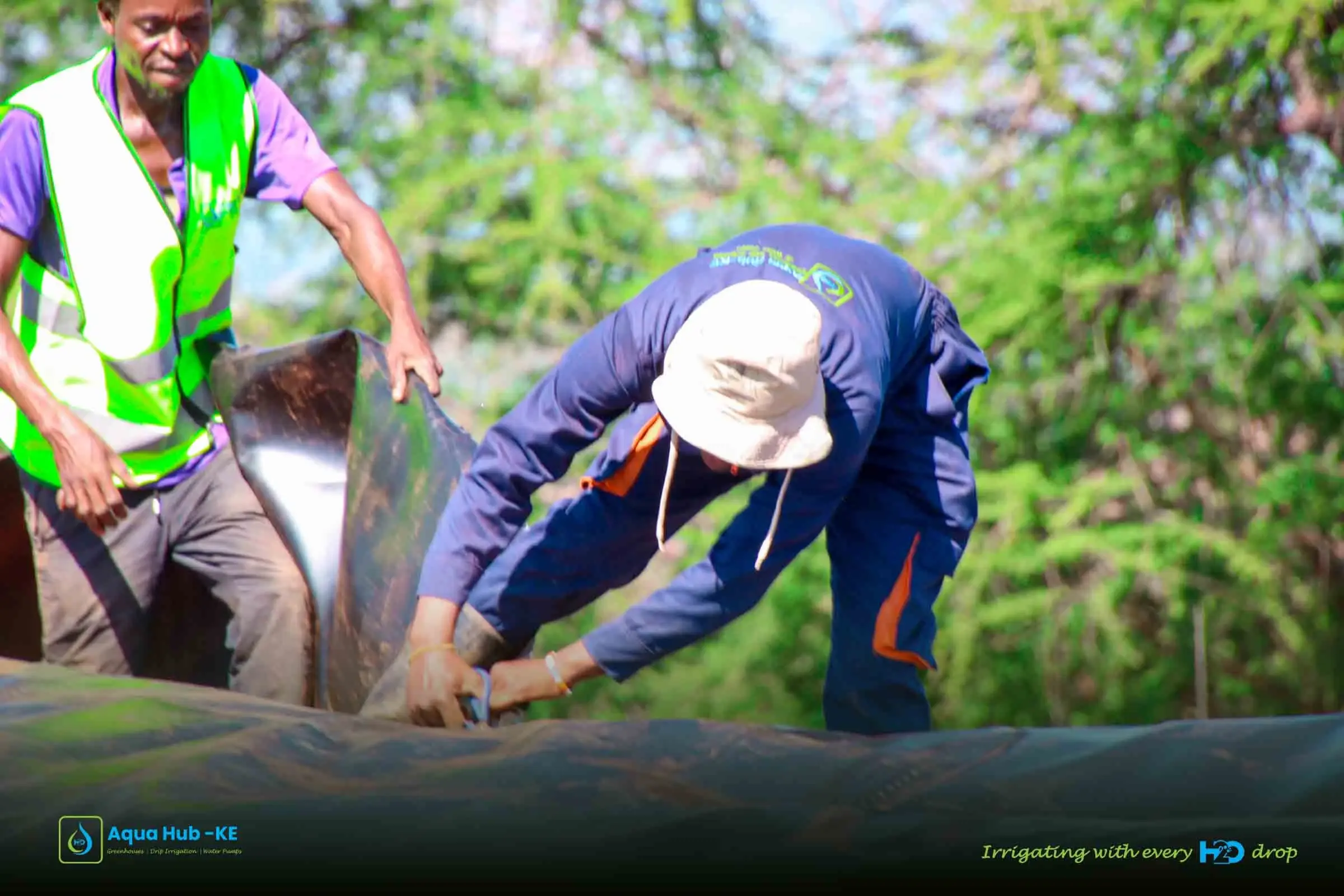
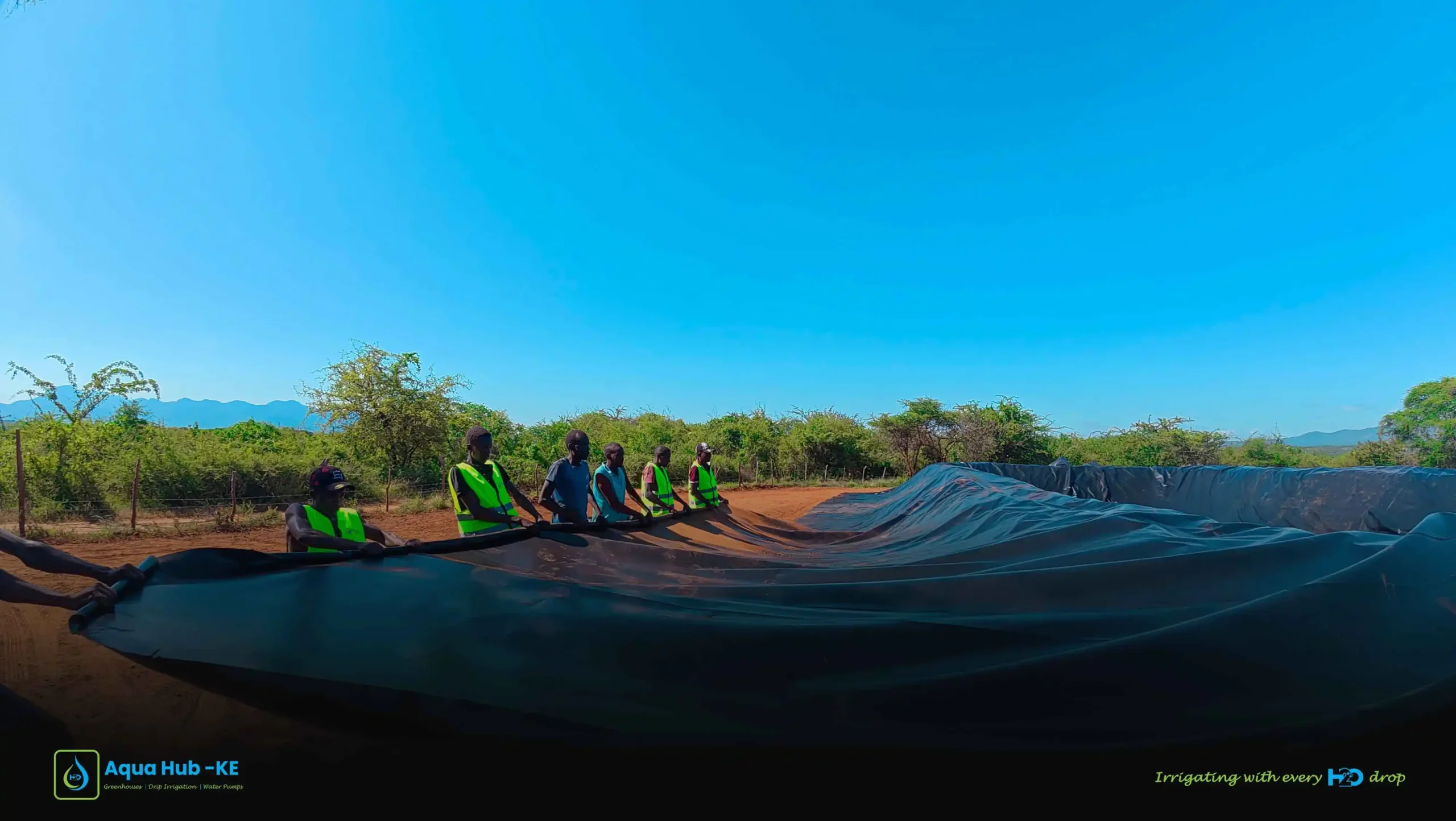
We began with the liner, unrolling it across the dam and positioning it over the base and sides. We then anchored it at the rim so it stayed in place. At the river, we lowered the electric submersible pump into the water and connected it to a solar panel. We laid the 2 inch HDPE pipes from the river to the dam and joined them along the route. Finally, we fixed the pipe outlet in the dam, so the water entered the dam at a set point.
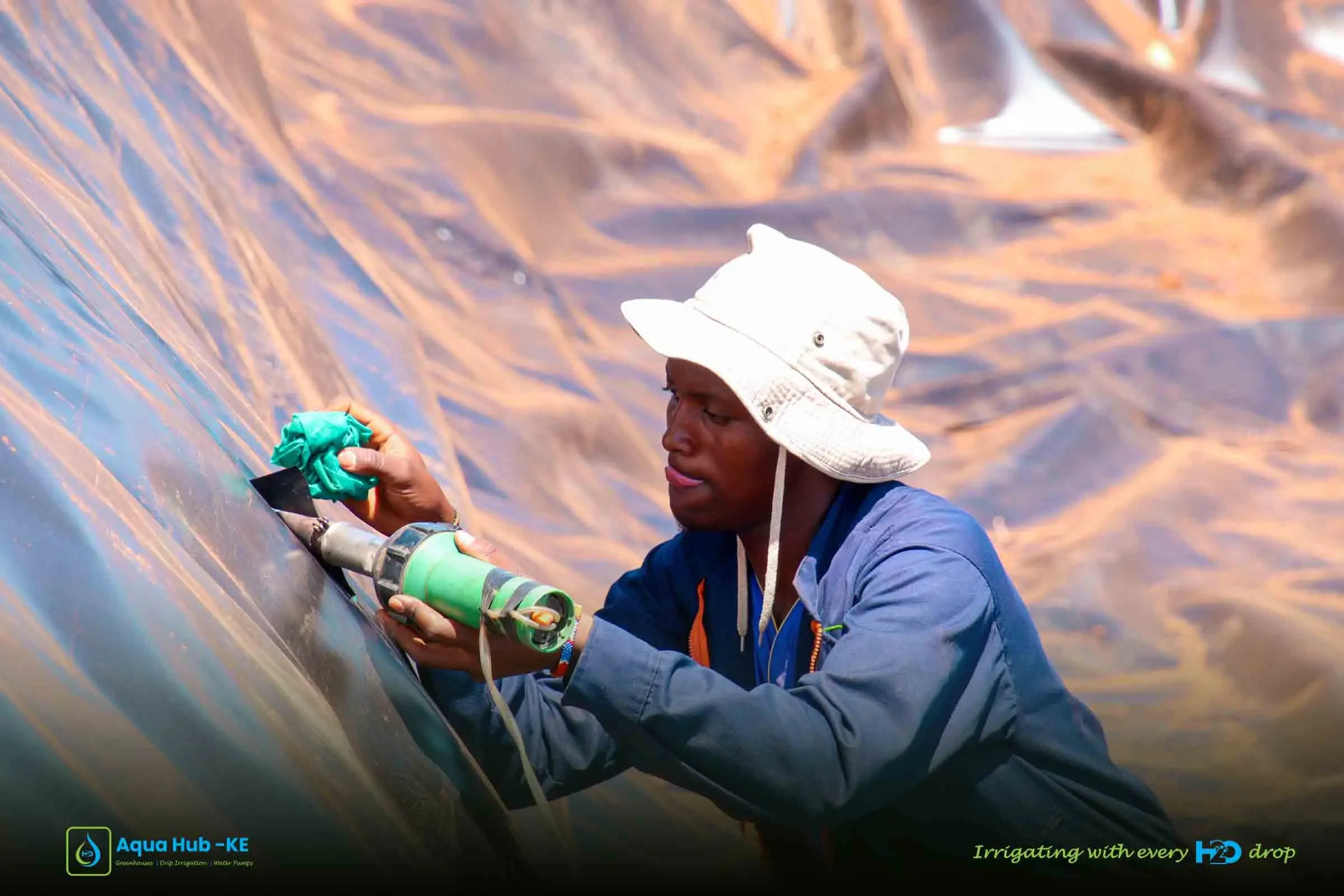
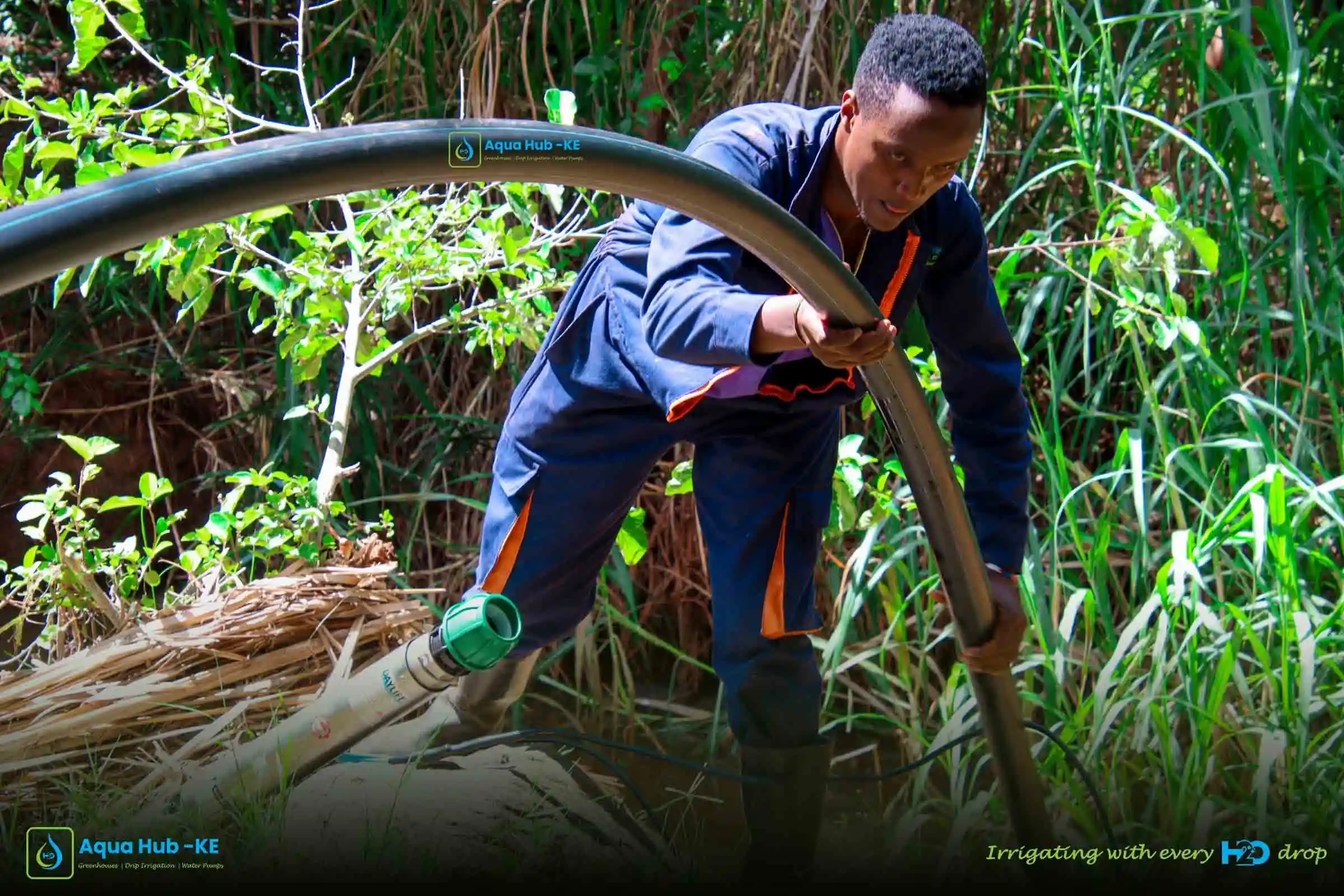
Once the liner was in place, we checked it by eye for folds or damage and confirmed that it was anchored securely at the rim. We then switched on the pump, which ran on the solar panel, and water travelled through the pipes and reached the dam. The dam began to be filled with water on the day of the installation, so the client could see the whole system working before our team left the site.
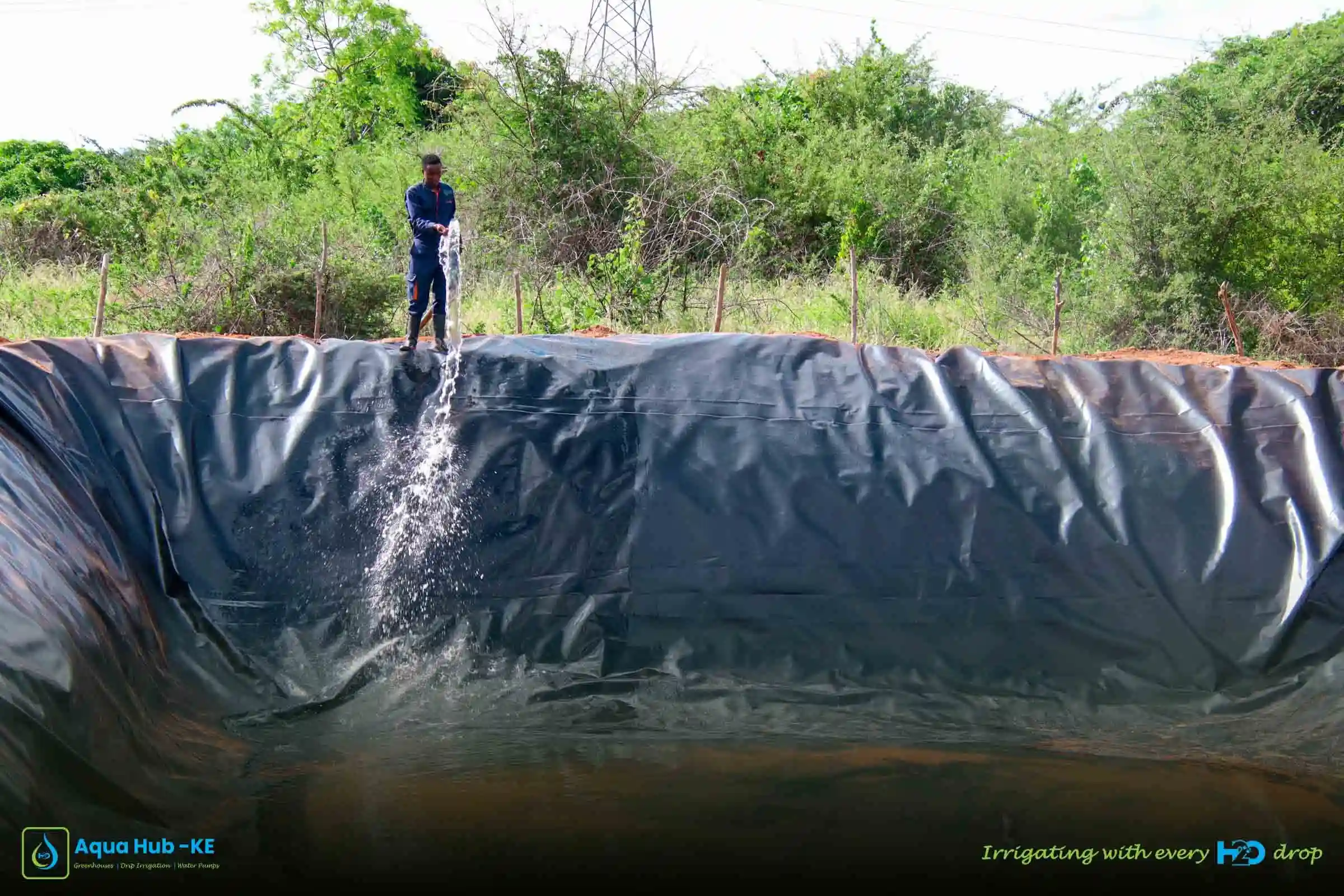
With the pumping line running and water reaching the dam, we handed the system over to the client’s team on 13 May 2026. We showed them the installation and how the system worked, and they took it over from there. The dam, the liner and the pumping line were all in place by the end of the day, ready to keep filling and to supply the farm’s irrigation needs in the coming weeks.
THE OUTCOME
Before
The school relied on an inconsistent water supply, creating challenges for daily operations and sanitation.
After
The completed borehole and storage system provides the school with a dedicated water infrastructure solution designed around its daily requirements.
Client Testimonial
COMMON QUESTIONS
FAQs
How much does it cost to install a dam liner in Kenya?
The cost of installing a dam liner in Kenya depends mainly on the dam’s size and the liner gauge, and it typically falls between [KES X] and [KES Y]. Contact us to arrange a site assessment and get a quote for your dam.
How long does a dam liner last?
A dam liner can last for many years when it is protected from sharp objects and livestock. Its lifespan depends on the gauge and on how well the dam is looked after.
What gauge of dam liner suits a farm dam?
The right gauge of dam liner for a farm dam depends on the dam’s size and the condition of the ground. Larger dams and rougher ground call for a thicker liner, while a 0.75 mm liner suits many mid-sized dams.
How long does it take to install a dam liner?
Installing a dam liner can take as little as one day for a mid-sized dam. Larger dams take longer, and the time also depends on how well the dam is prepared.
Can a dam liner be installed in a dam that already holds water?
A dam liner cannot be installed in a dam that already holds water, because it has to be laid over a dry base. The dam needs to be emptied and prepared first.
Can a solar-powered pump fill a farm dam from a river?
A solar-powered pump can fill a farm dam from a river, since it runs in daylight and needs no fuel. The larger the dam, the longer it takes, so filling may span several days.
How can you protect a dam liner from damage?
You can protect a dam liner from damage by keeping livestock and sharp objects away from the dam. Removing stones and roots from the base before laying also helps.
How much water can a farm dam hold?
The amount of water a farm dam can hold depends on its surface area and average depth. A dam measuring 30 m by 25 m and about 1.6 m deep holds roughly 1.2 million litres.
Have a similar project in mind?
Tell us about your site and we’ll get back to you with a free assessment.