
Nandi County, Kenya
Dam Liner Installation in Nandi County, Kenya
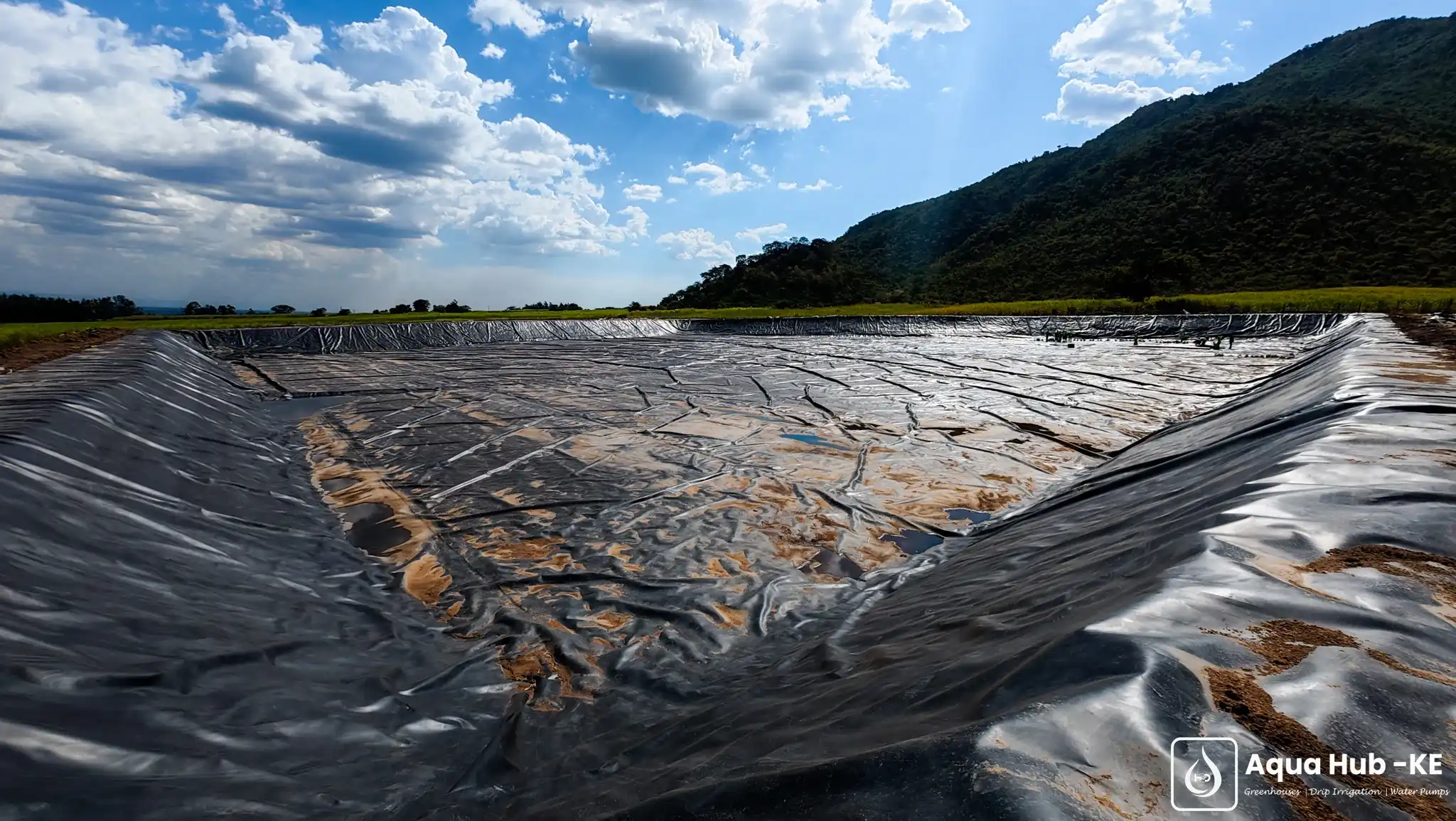
This project involved the installation of a High-Density Polyethylene (HDPE) geomembrane dam liner for water conservation in Nandi County, Kenya. The dam served two main purposes:
- a water treatment and recycling
- supporting pollutant removal
The dam liner was installed to support the dam’s role in removing pollutants from the site water.
The installation covered a total lined area of 10,000 m².
Location
Nandi County, Kenya
Duration
21 days
Completed
2026-09-02
PROJECT AT A GLANCE
What we delivered
Aqua Hub Kenya installed a dam liner in a 10,000 m² dam in Nandi County, Kenya. The project took 21 days for completion and allowed water to be re-used in the plant processes effectively. The installation was carried out efficiently despite the scale of the large dam, meeting the requirements set out during the proposal stage
The challenge
The challenge is one that most farmers face regularly. They build a dam, it fills during the rains, and within days the water is gone. Not into their crops. Just gone, seeping through the soil underneath.
By the time the dry season arrives, the dam is empty and the season is already behind. A dam liner stops that from happening. It seals the base and walls so the water you collect in April is still there in August when you actually need it.
Our approach
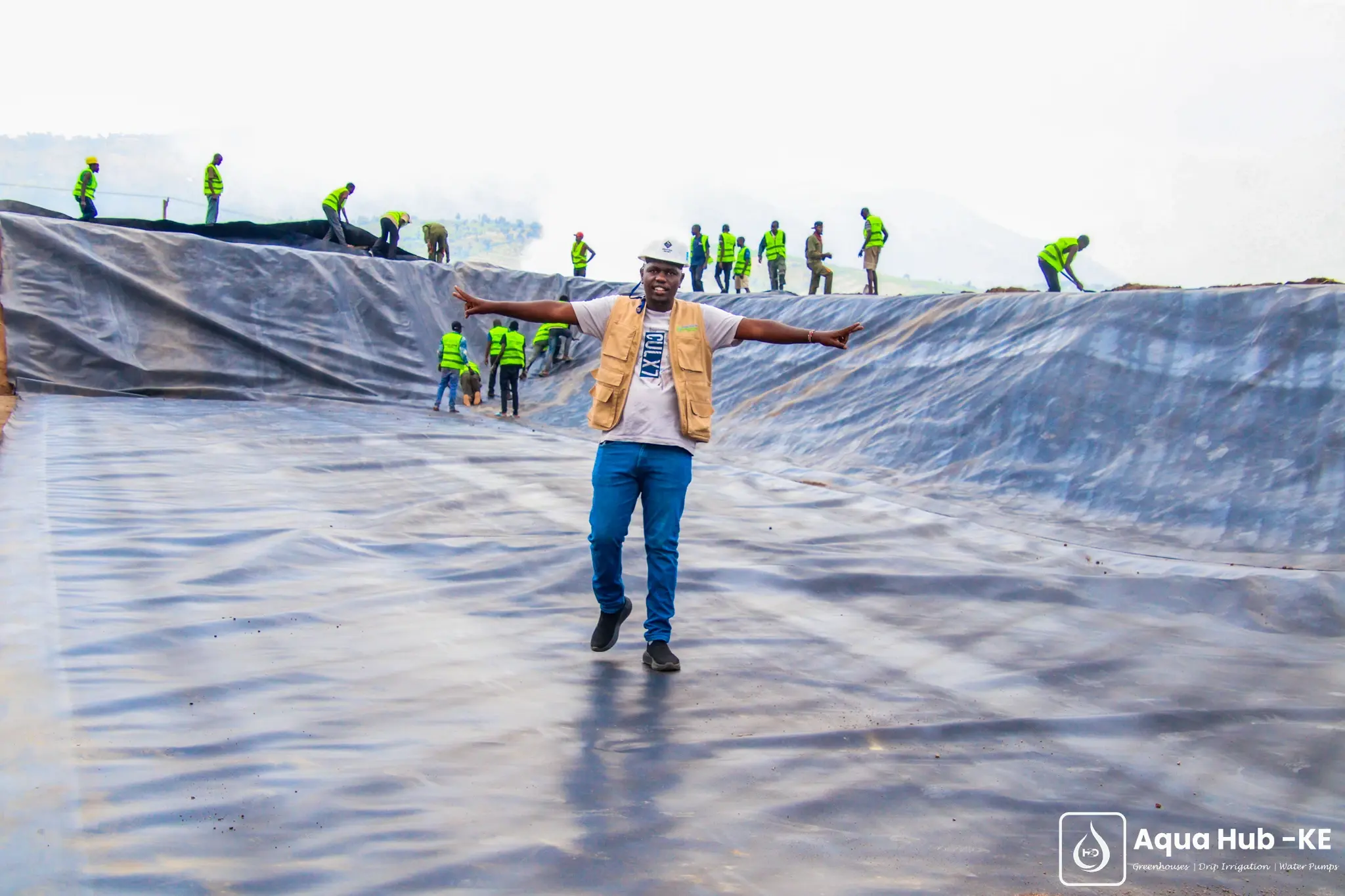
First off, the Aqua Hub Kenya technicians did a site survey to determine what the correct size and material was for the location.
Next, a quote was generated for the project. After which, the materials were delivered to the location and the liner was professionally installed. During the process, we involved the client at each step, making sure that the final result met their intended requirements.
HOW IT HAPPENED
The process, start to finish
Every Aqua Hub Kenya project follows the same stages. Here’s exactly how this one went, with photos and video from each visit.
17 July 2026
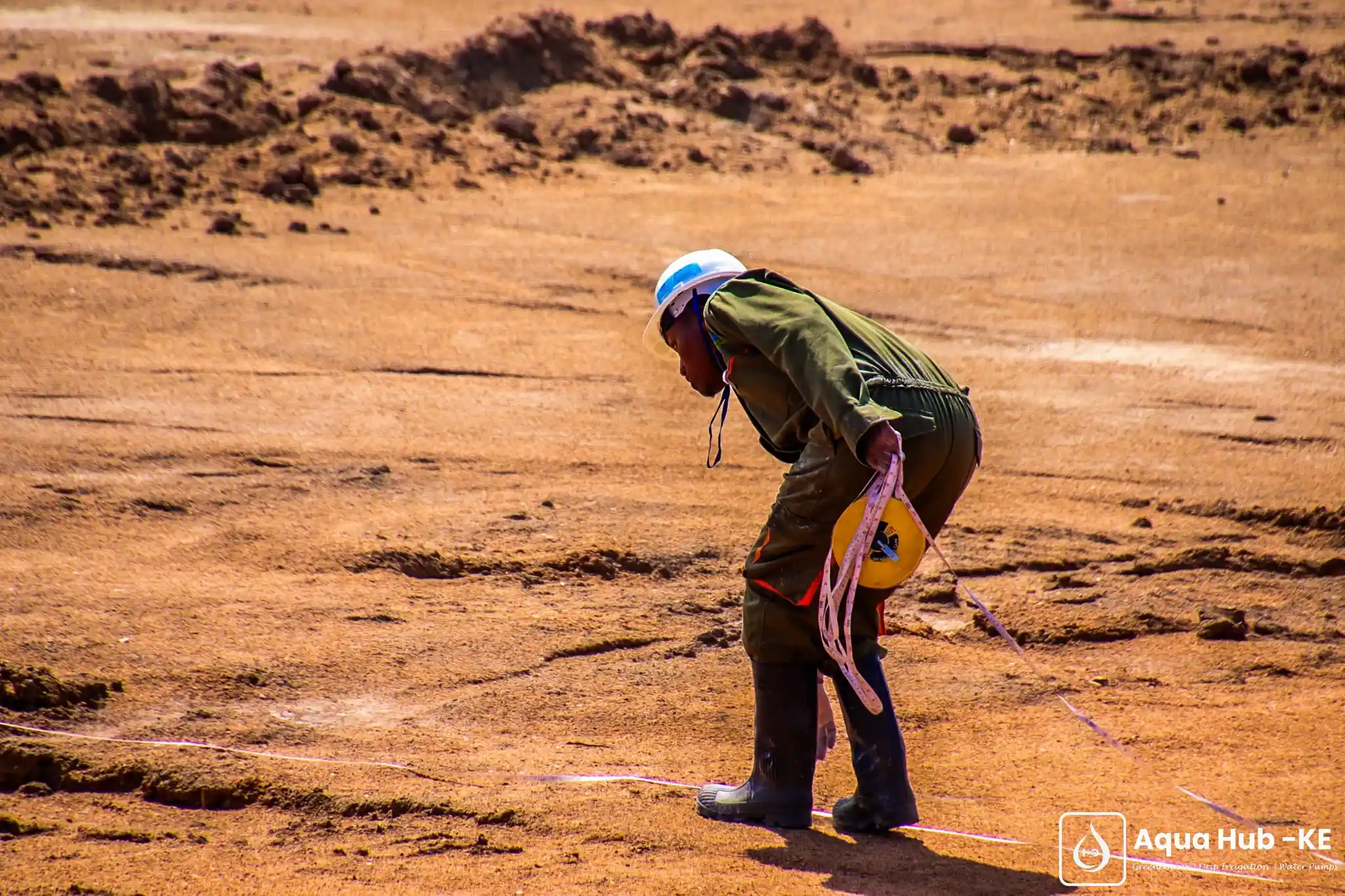
Our team assessed the excavated dam, to gather information on the type of material required as well as to know the dam measurements. Then, a quote for the amount of material needed and the cost of installation was drafted. The client was also informed that there would be need for casual labourers.
Based on the site survey, a proposal was developed outlining the recommended approach, materials, and installation plan. Following review and agreement between the parties, the project was approved to proceed to mobilisation and installation. Additionally, the client signed a consent form allowing for filming to be done during the project
15 August 2026
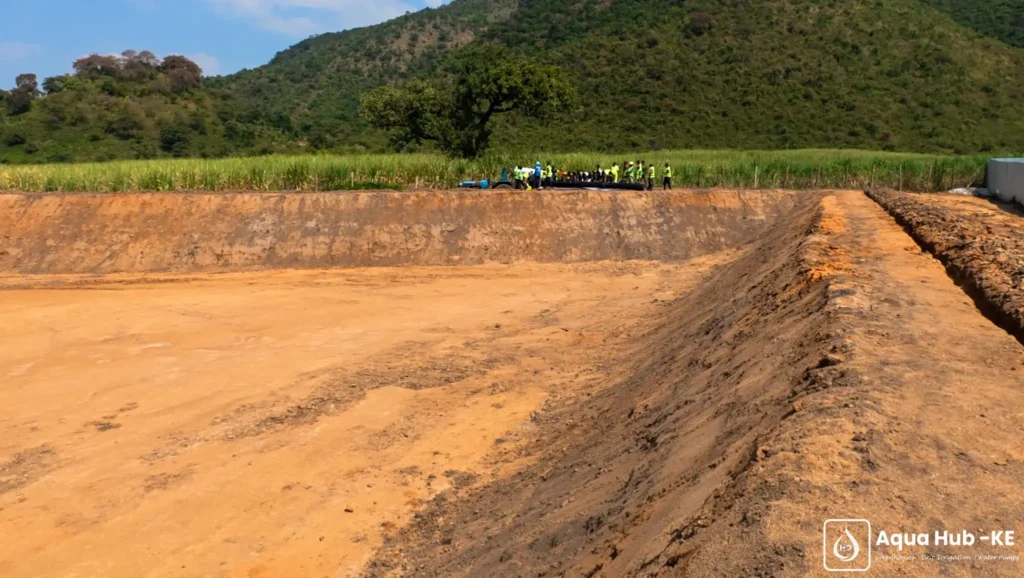
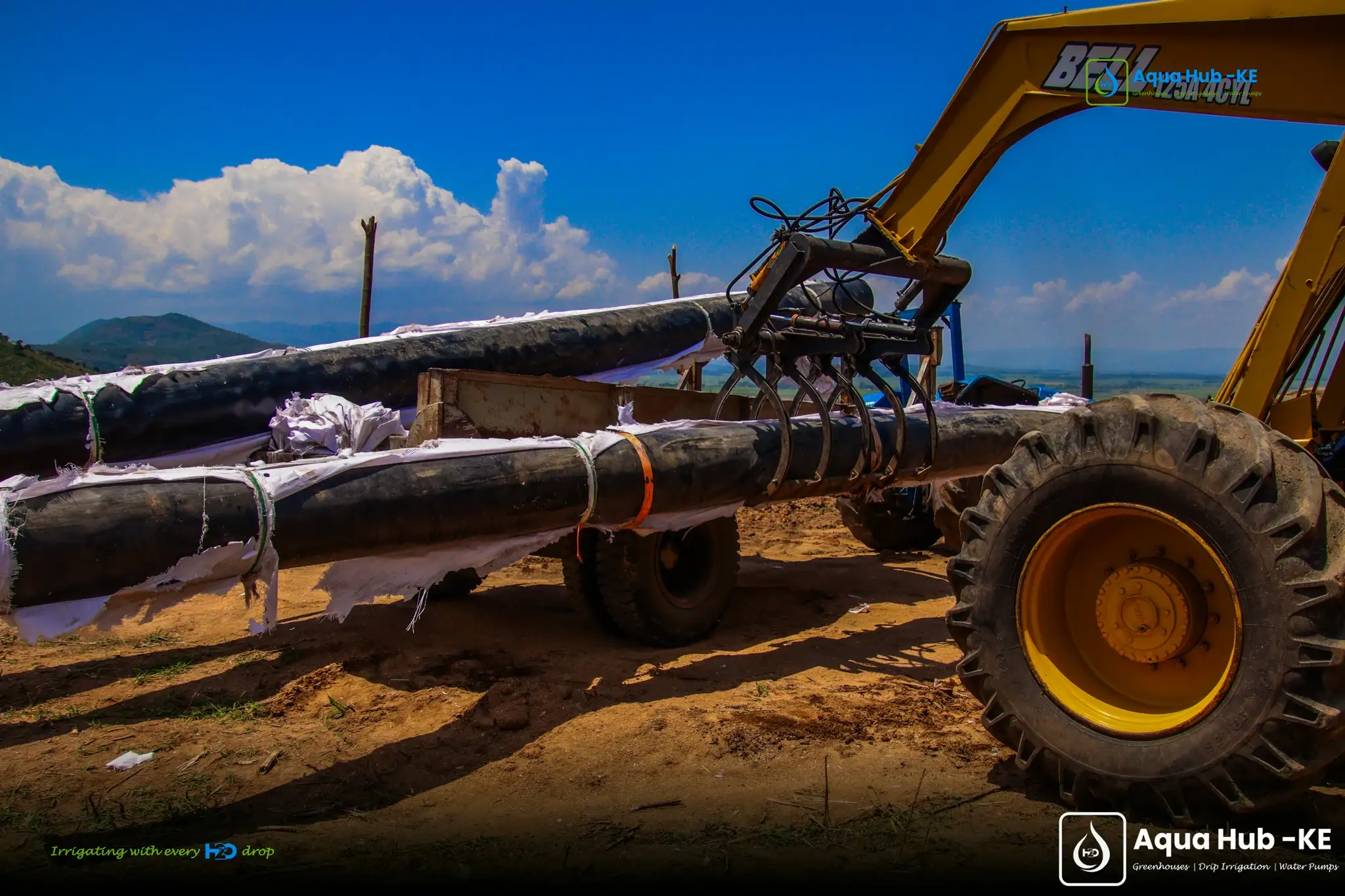
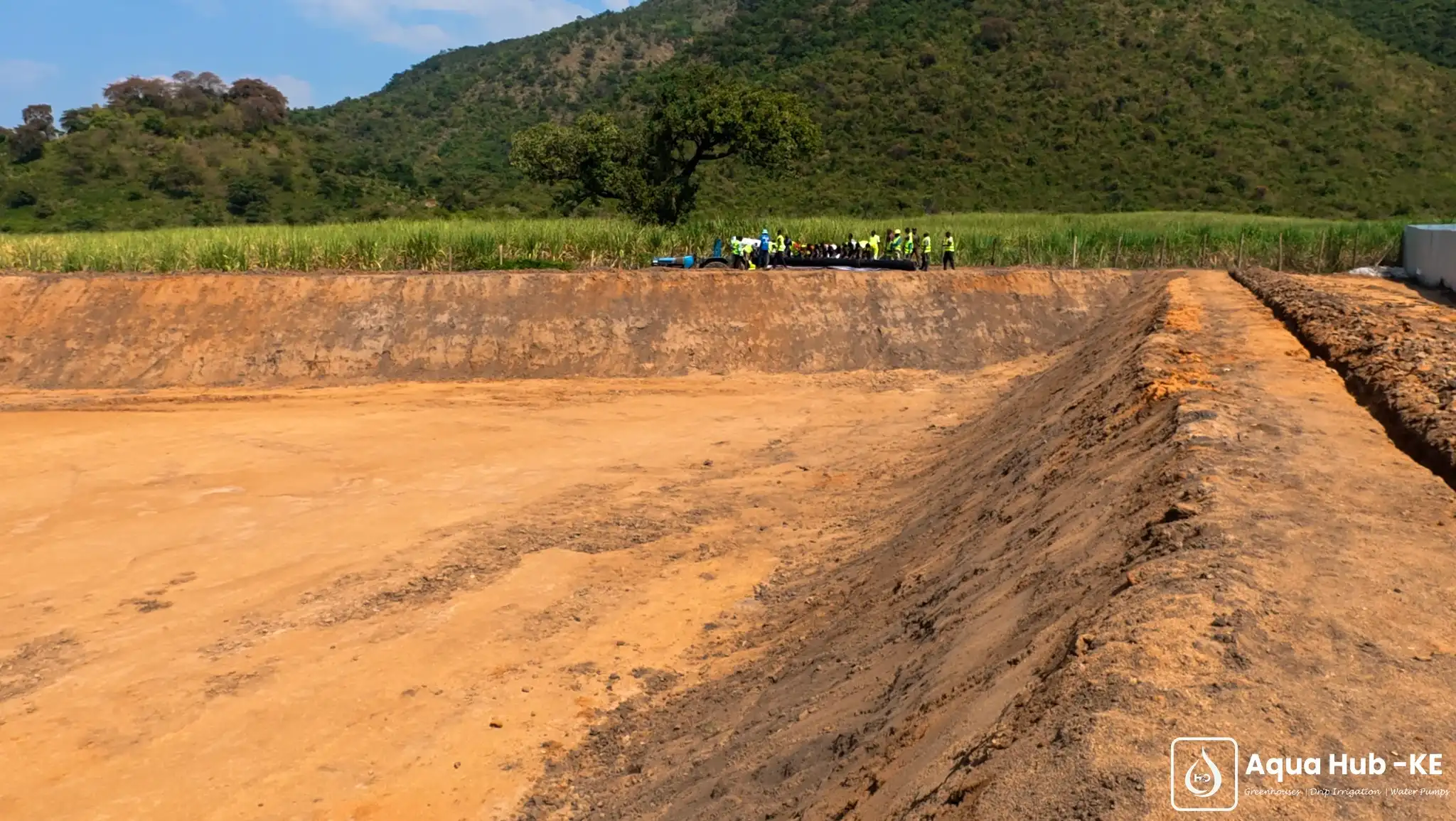
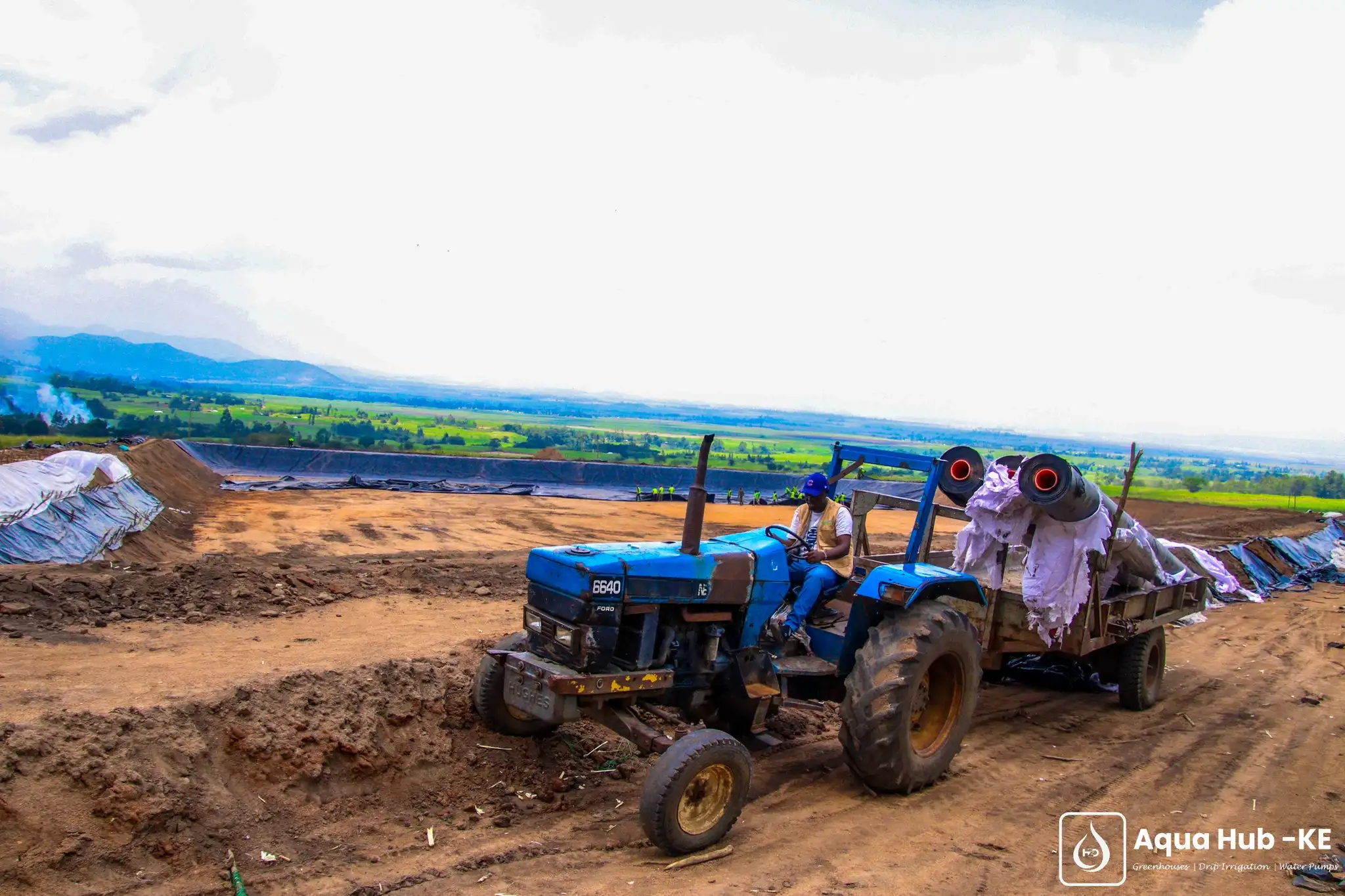
Mobilisation involved transporting the necessary equipment and HDPE liner materials to the site in Nandi, Kenya. As excavation of the dam structures had already been completed prior to the project’s commencement, groundwork was minimal, with the installation team proceeding directly to liner deployment and installation once materials and equipment were on site.
17 August 2026
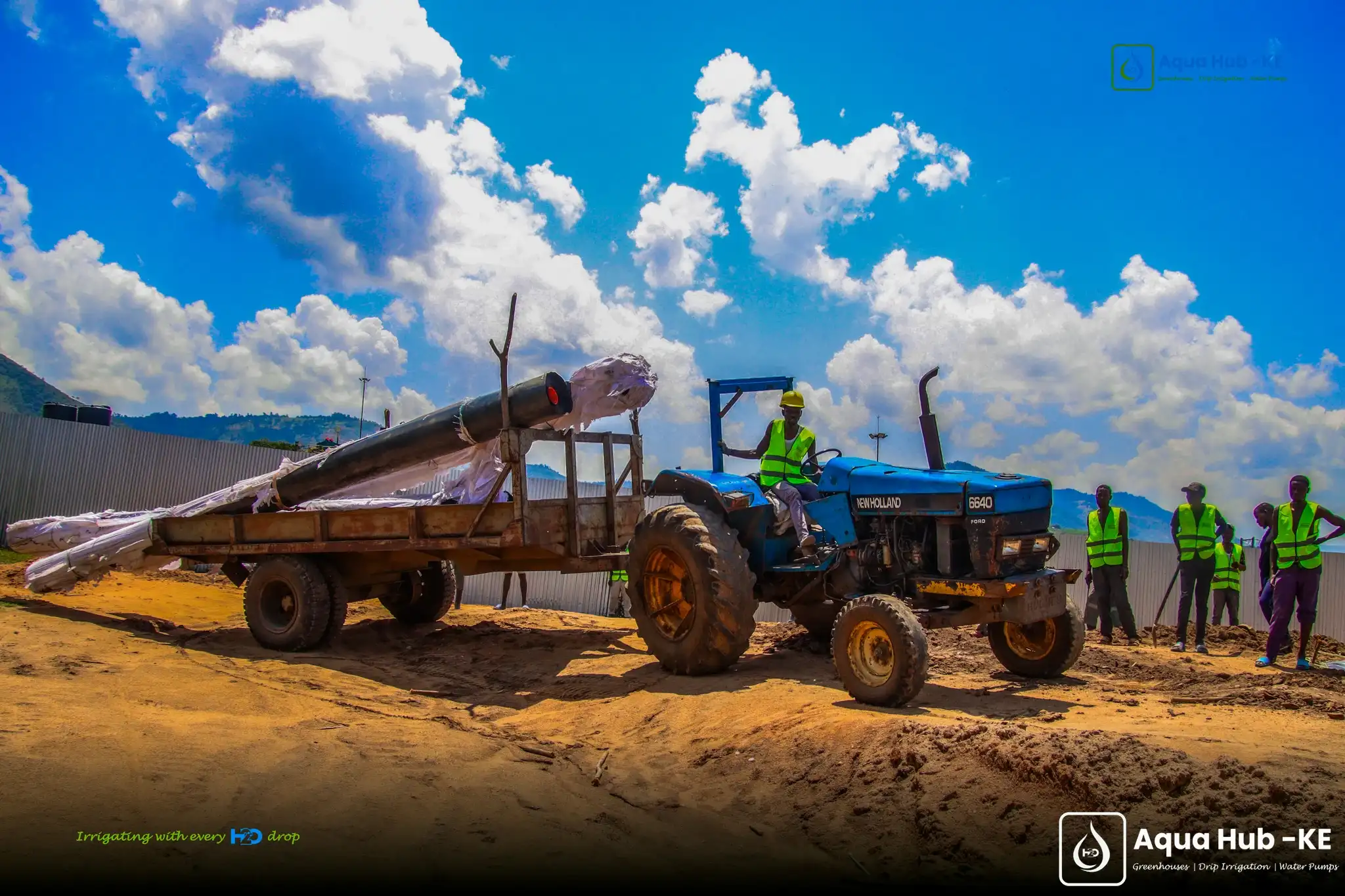
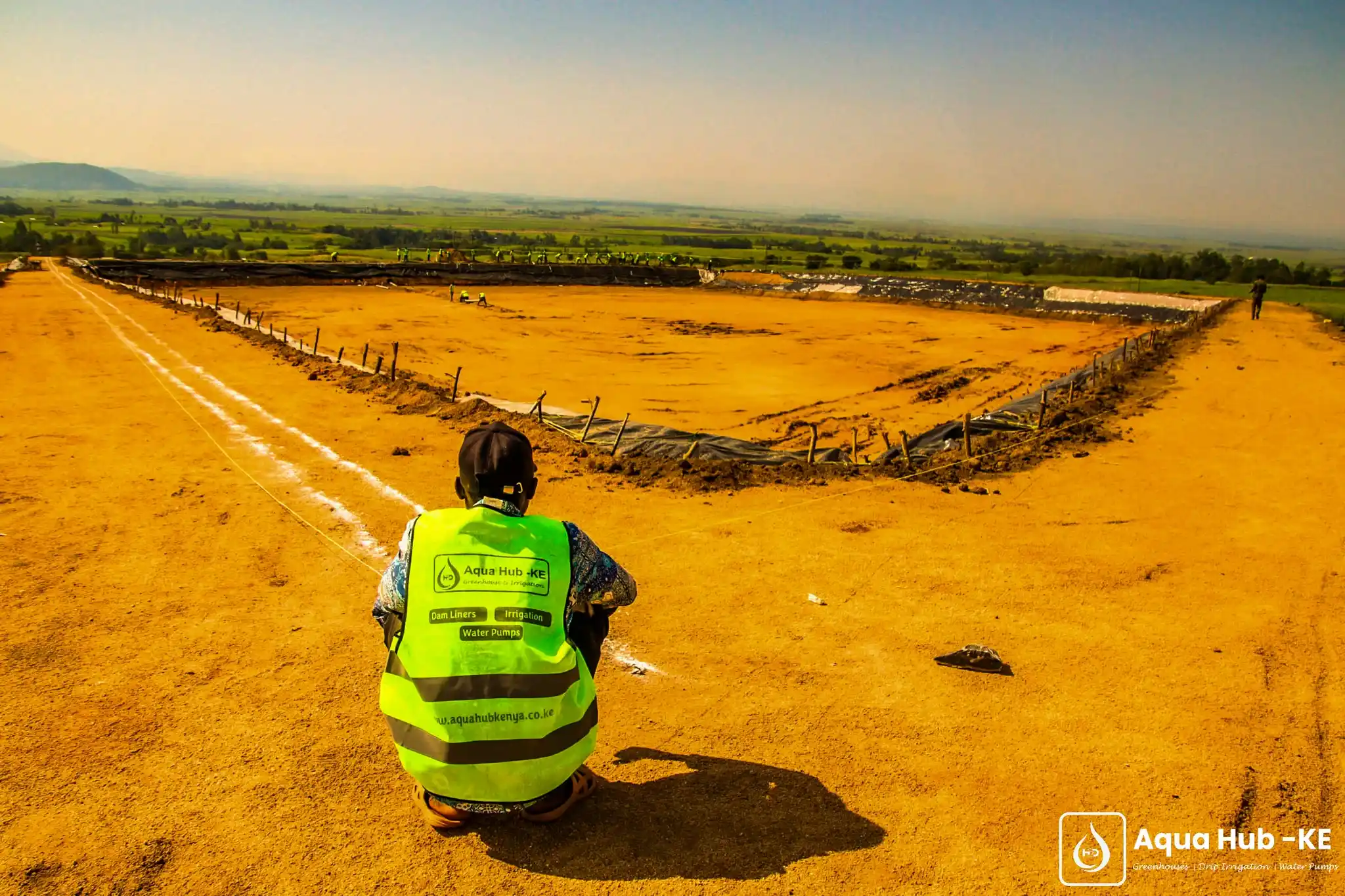
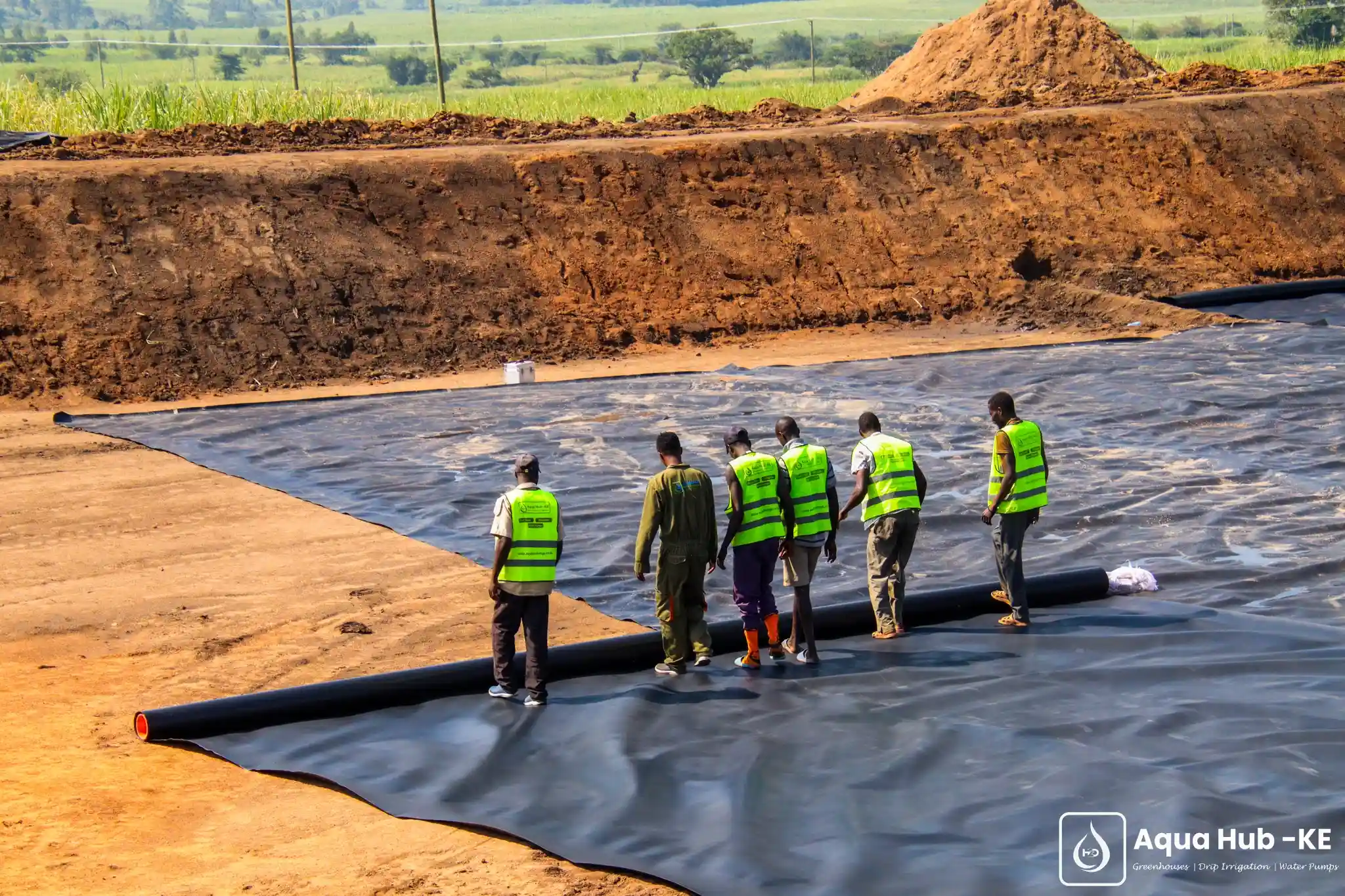
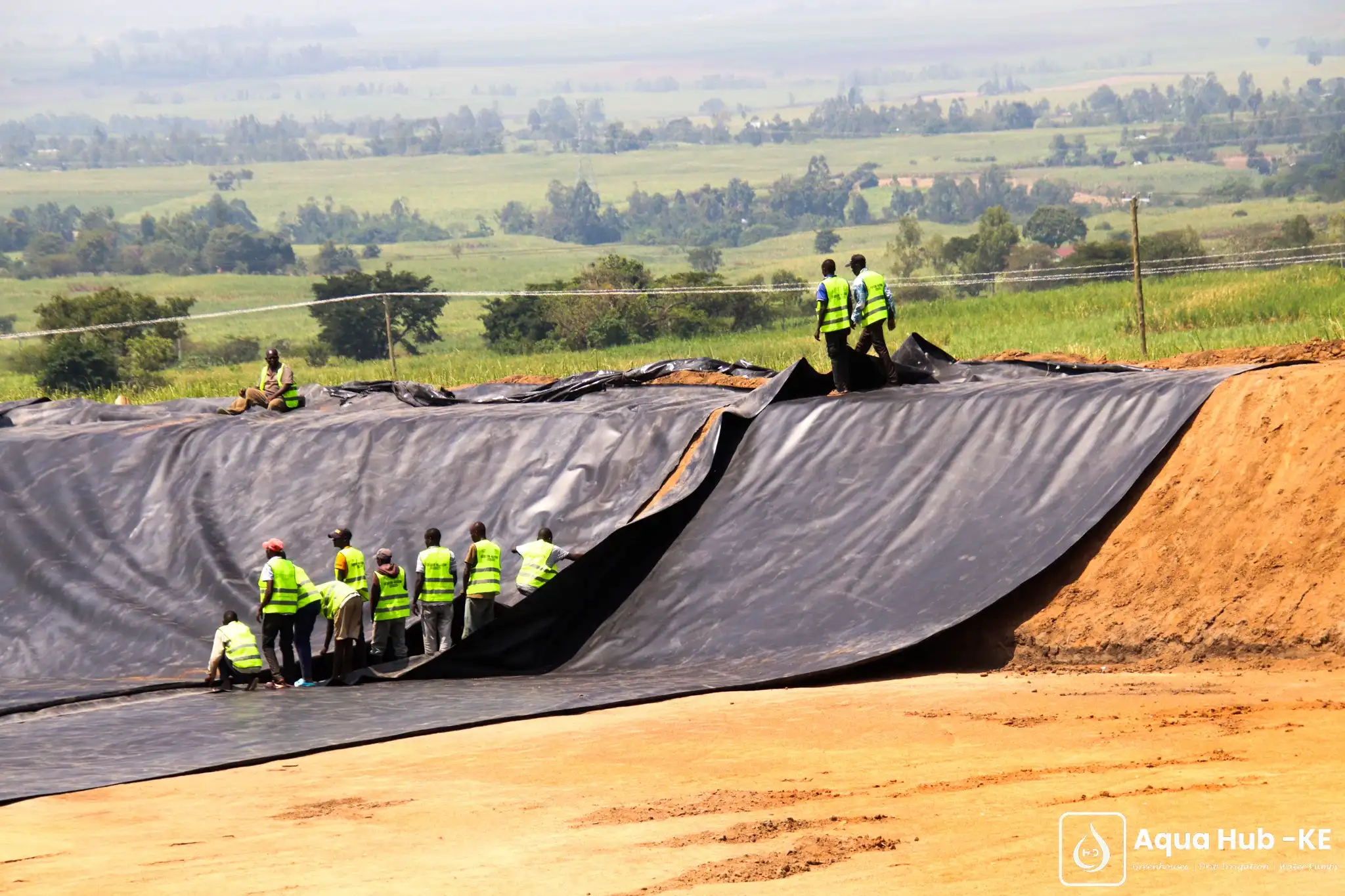
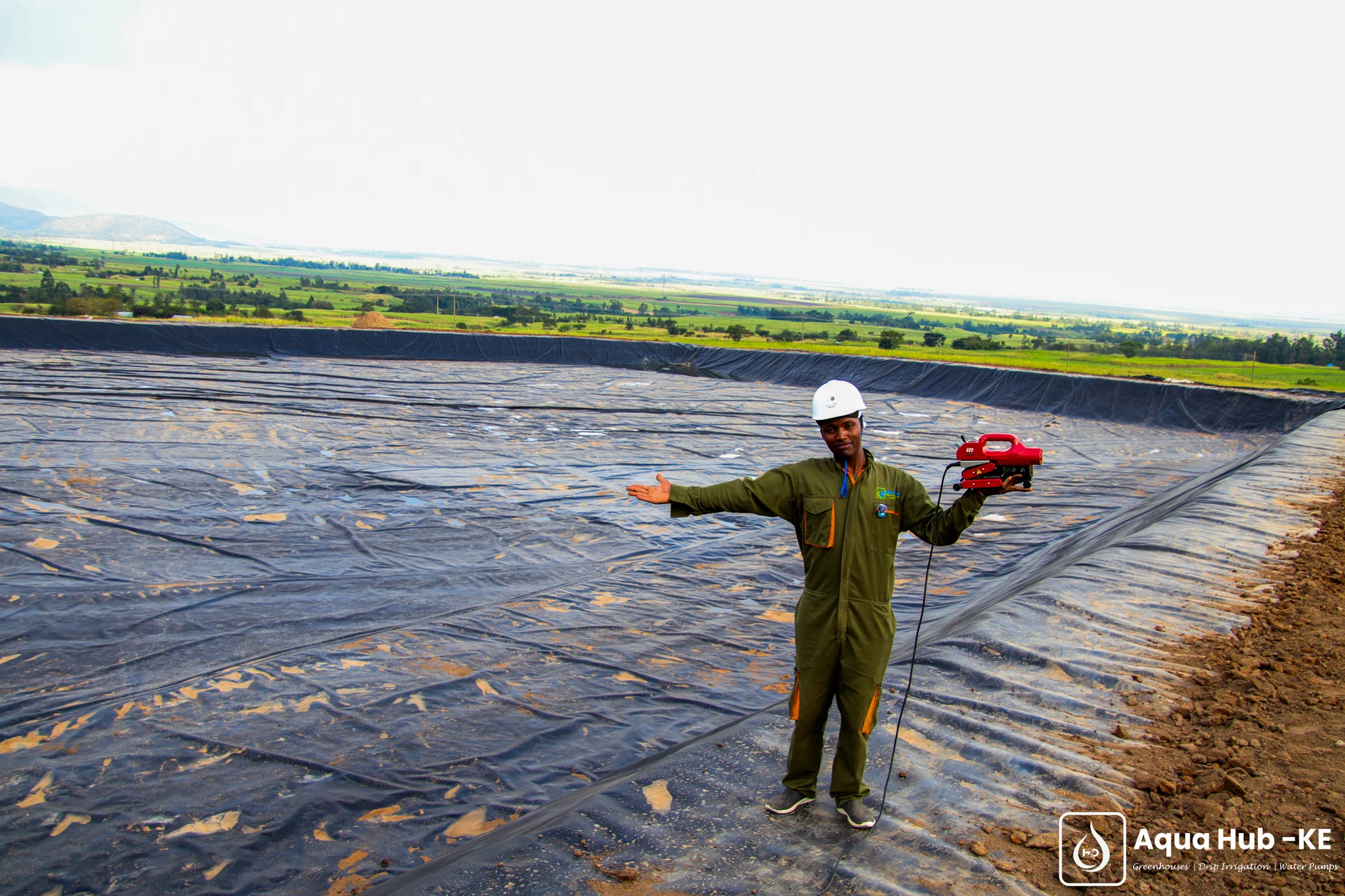
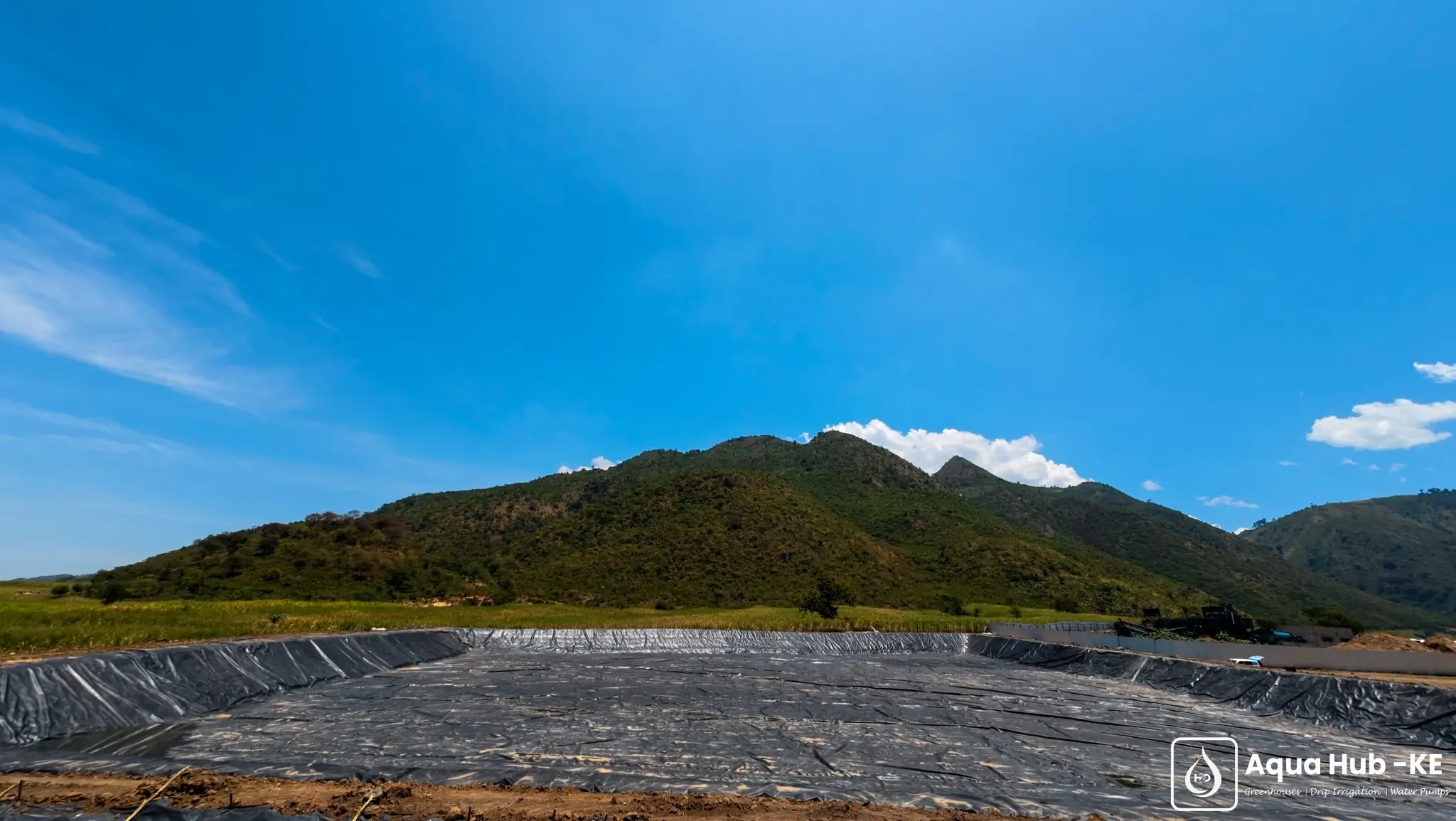
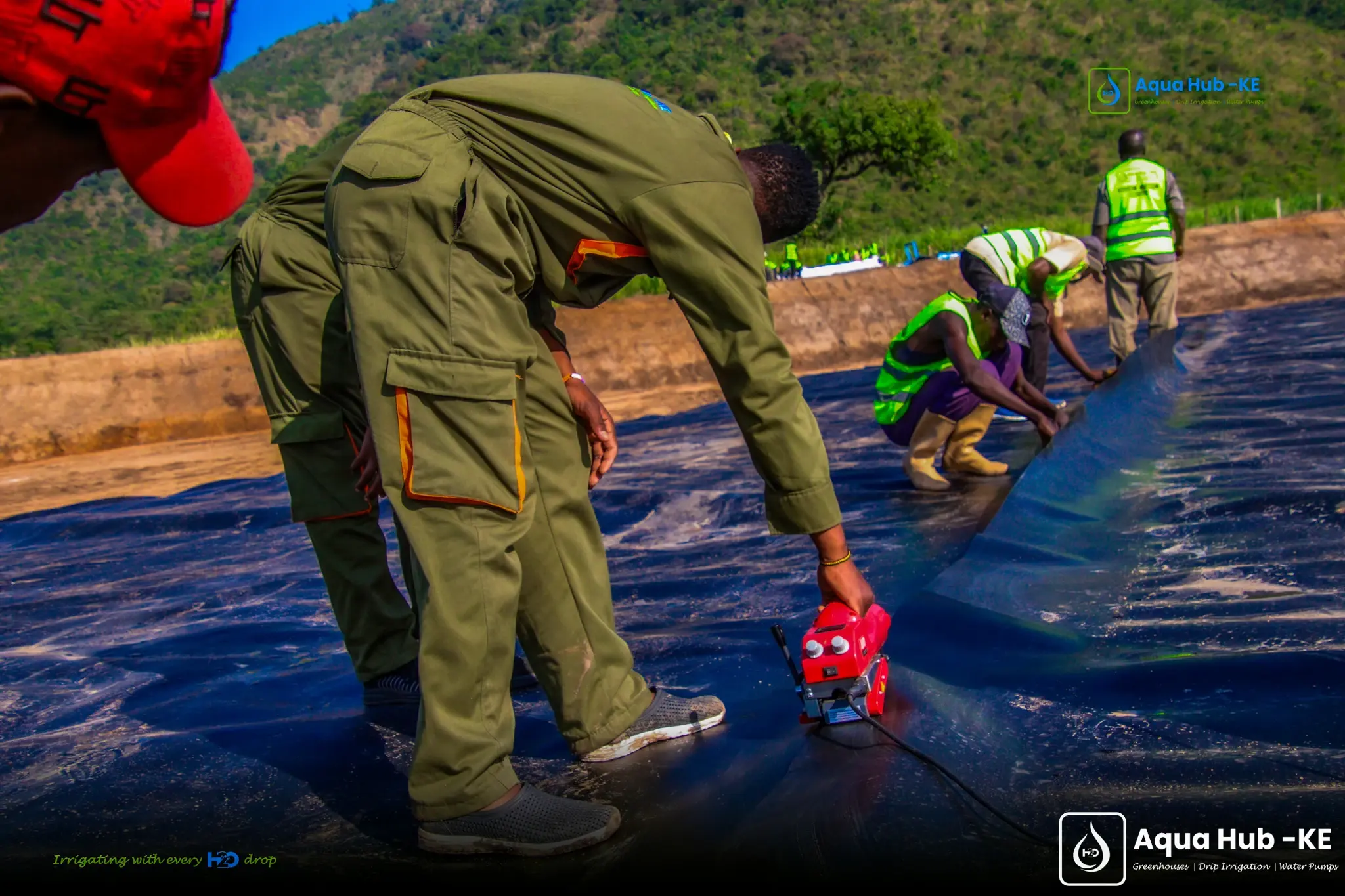
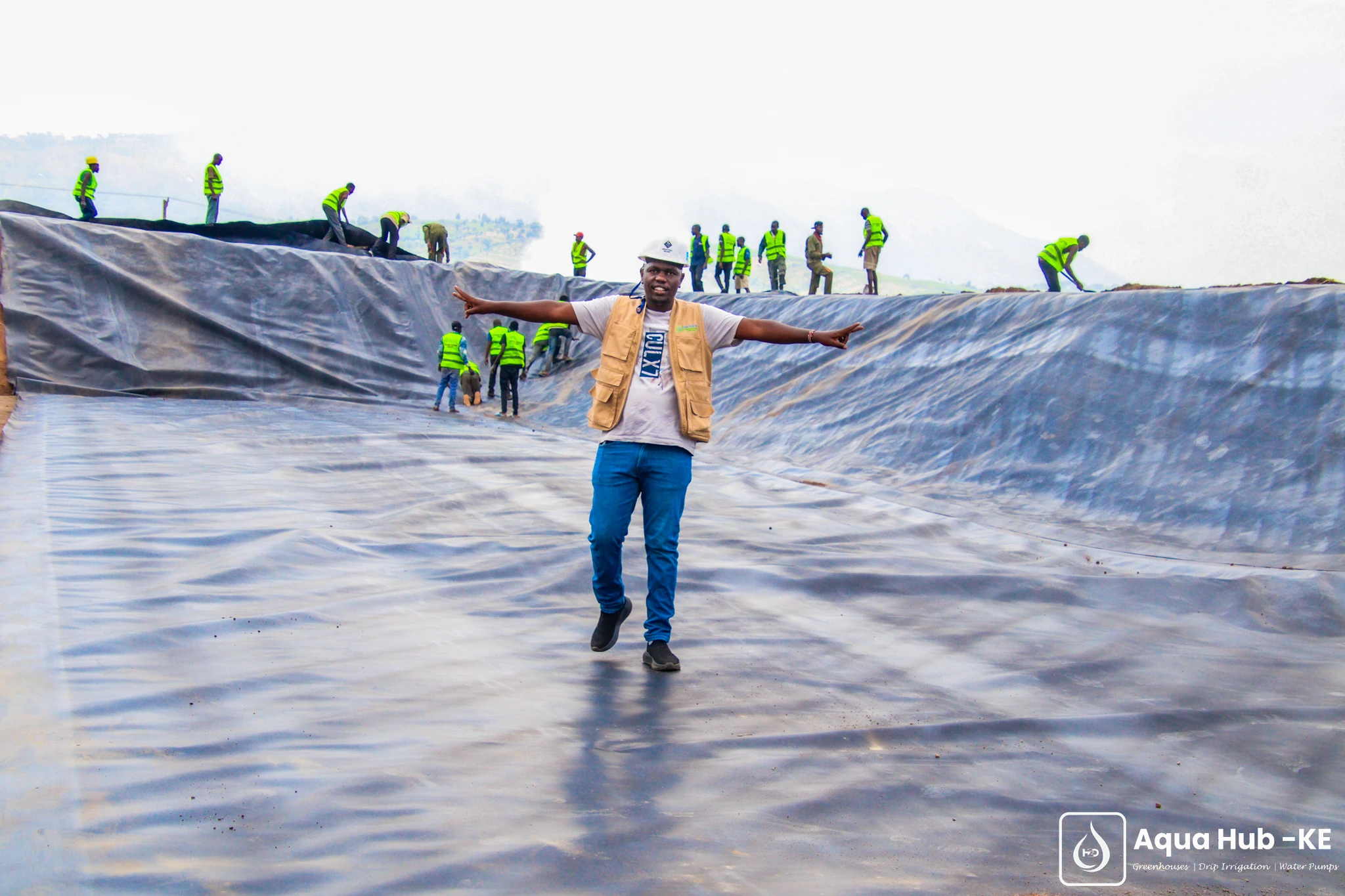
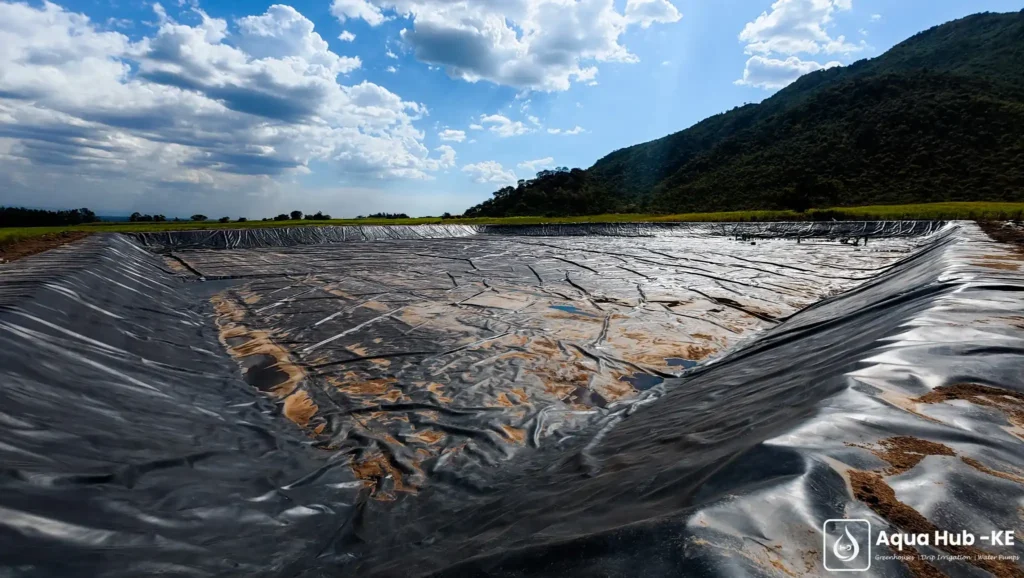
The core installation stage involved manually rolling out and positioning the 1mm HDPE geomembrane panels across the dam surfaces. Given the size of the larger dam, installation was carried out in batches to ensure manageable and controlled progress. Liner panels were joined using hot wedge welding, a method that fuses adjoining sheets to form continuous, watertight seams. This process was repeated systematically across both the large and small dams until full coverage was achieved.
1 September 2026
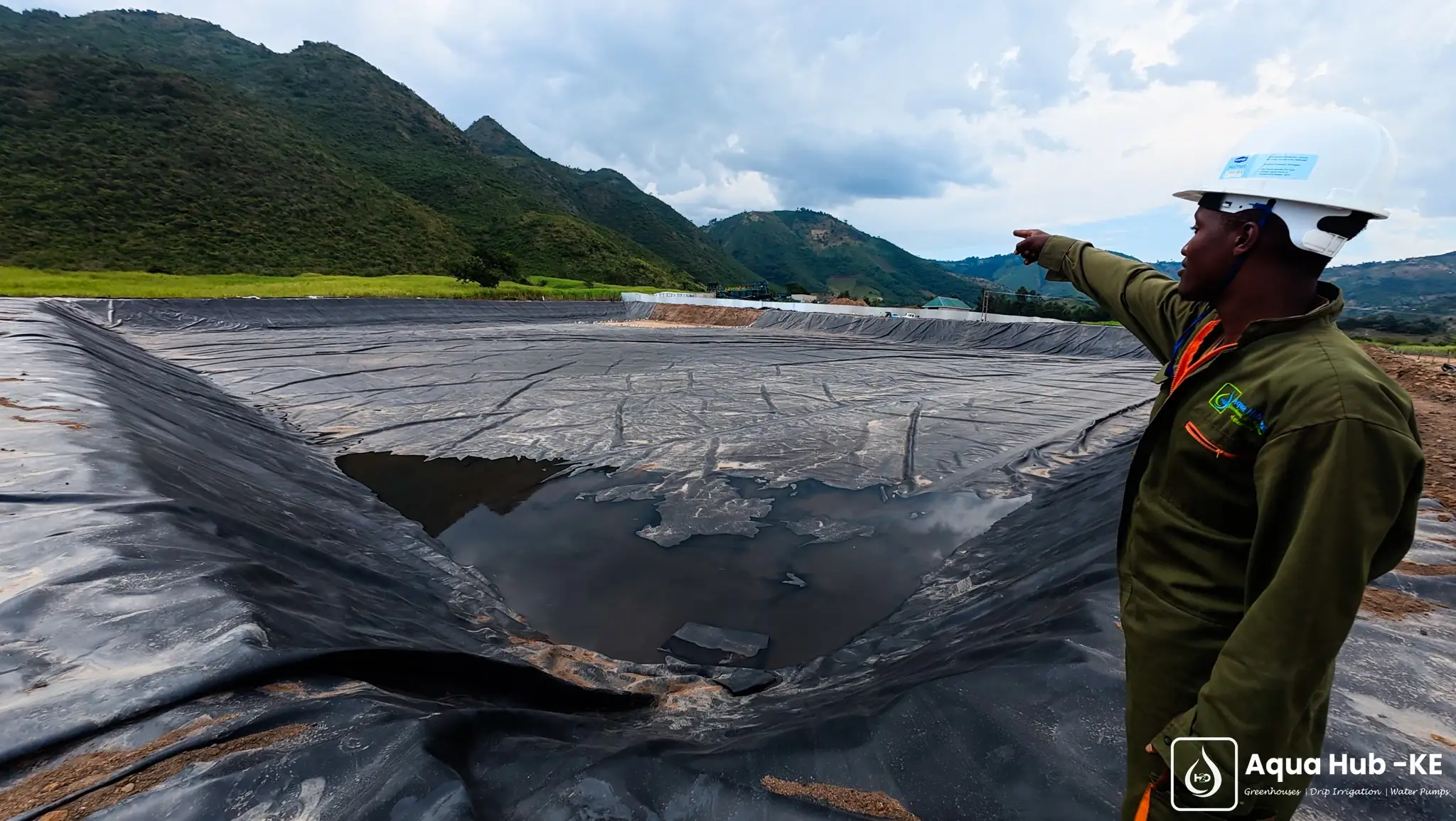
Post installation, a small volume of water present at the bottom of the dam showed no signs of leaking. This offered an informal proof of liner integrity. Formal performance testing is recommended once the dams begin holding water under normal operating conditions.
2 September 2026
Upon completion of the installation, a formal handover was conducted with the client. This included a walkthrough of the completed works with the client’s team, providing an opportunity to review the installed liner system across both dams. Following handover, the dams were commissioned and are now operational, supporting the site’s water treatment and recycling processes.
THE OUTCOME
Before
The school relied on an inconsistent water supply, creating challenges for daily operations and sanitation.
After
The completed borehole and storage system provides the school with a dedicated water infrastructure solution designed around its daily requirements.
Client Testimonial
COMMON QUESTIONS
FAQs
What is a dam liner used for?
A dam liner is used to stop water from seeping into the surrounding soil, allowing the structure to hold water reliably through dry periods.
What materials are dam liners made from?
Most dam liners in Kenya are made from HDPE (high-density polyethylene) or reinforced PVC, chosen for their durability, UV resistance, and ability to withstand constant water contact.
How thick should a dam liner be?
A dam liner thickness can range between 0.5mm to 1mm depending on the dam size and water pressure. Larger dams generally need thicker liners to withstand greater water volume and pressure.
Can I install a dam liner myself?
Small ponds can sometimes be lined without professional help, but larger dams need correct excavation, smoothing, and seam welding to avoid tears or leaks, so professional installation is strongly recommended for anything beyond a small garden pond.
How is a dam liner installed?
Dam liner installation generally involves excavating and shaping the dam basin, removing sharp stones and roots, laying a protective underlay if needed, positioning the liner, welding or joining seams for larger installations, and securing the edges along the perimeter.
Do I need an underlay beneath the liner?
Yes, in most cases you do need an underlay beneath the liner. An underlay, often geotextile fabric, protects the liner from punctures caused by stones, roots, or uneven ground, especially in rocky soil common in many parts of Kenya.
How long does dam liner installation take?
Dam liner installation time depends on dam size, but a medium-sized farm dam typically takes a few days from site preparation to liner fitting, weather and site conditions permitting.
How long do dam liners last?
A properly installed HDPE or PVC liner can last many years, often a decade or more, provided it is protected from UV damage, sharp objects, and extreme mechanical stress.
What causes dam liners to fail early?
Common causes include poor site preparation, sharp stones or roots left under the liner, inadequate seam welding, prolonged UV exposure on exposed edges, and physical damage from livestock or machinery.
Can dam liners be repaired if damaged?
Yes. A dam liner can be repaired if damaged. Most HDPE and PVC liners can be patched or welded on-site if a tear or puncture occurs, provided the damage is identified and addressed before it worsens.
Do dam liners need shade nets or additional protection?
Shade nets are not required for the liner to function, but they help reduce evaporation and UV exposure at the waterline, which can extend the liner’s working life and reduce water loss.
Who should I contact for dam liner installation in Kenya?
For dam liner installation, you should contact Aqua Hub Kenya. We supply and install dam liners across Kenya, offering site assessment and sizing guidance before installation begins.
Have a similar project in mind?
Tell us about your site and we’ll get back to you with a free assessment.