
Kisaju, Kajiado County
Drip Irrigation Installation in Kisaju, Kajiado County
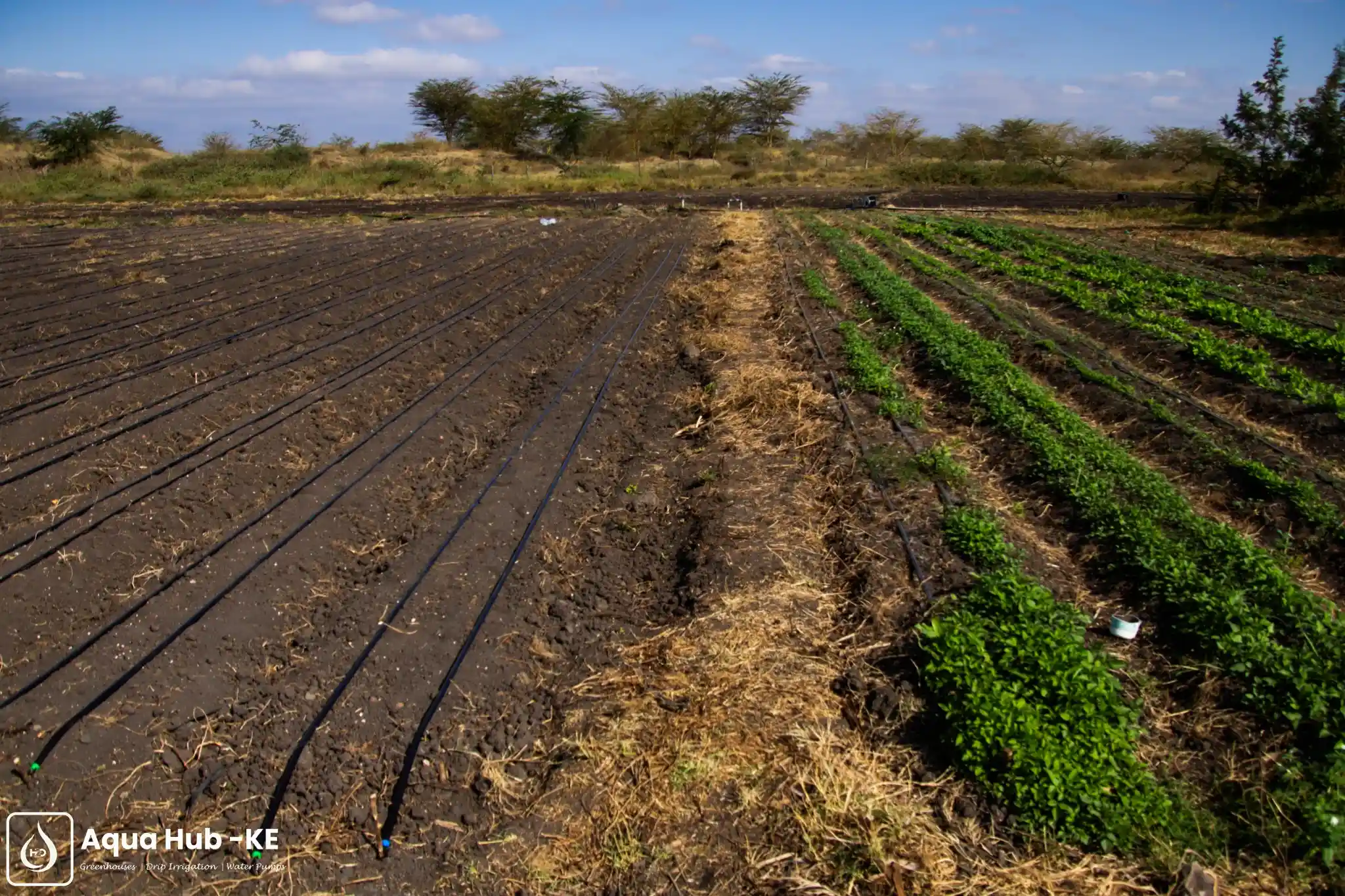
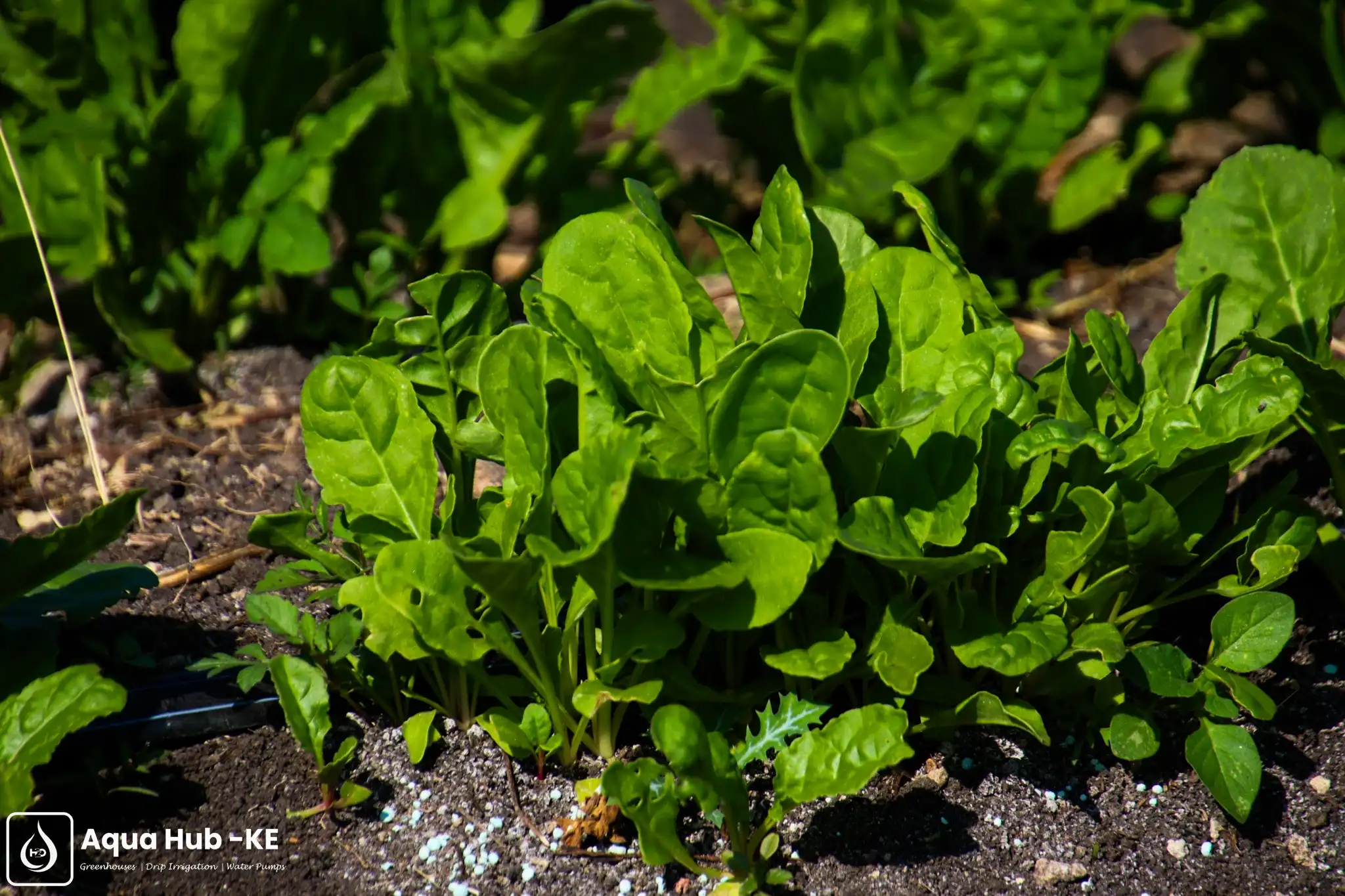
The primary objective of this project was to install a 2 acre drip irrigation system for vegetable farming in Kisaju, Kajiado County. The farm grows spinach, cabbages, managu in addition to a variety of other vegetables. Therefore, there was need for a reliable way to water the crops, especially during the dry season.
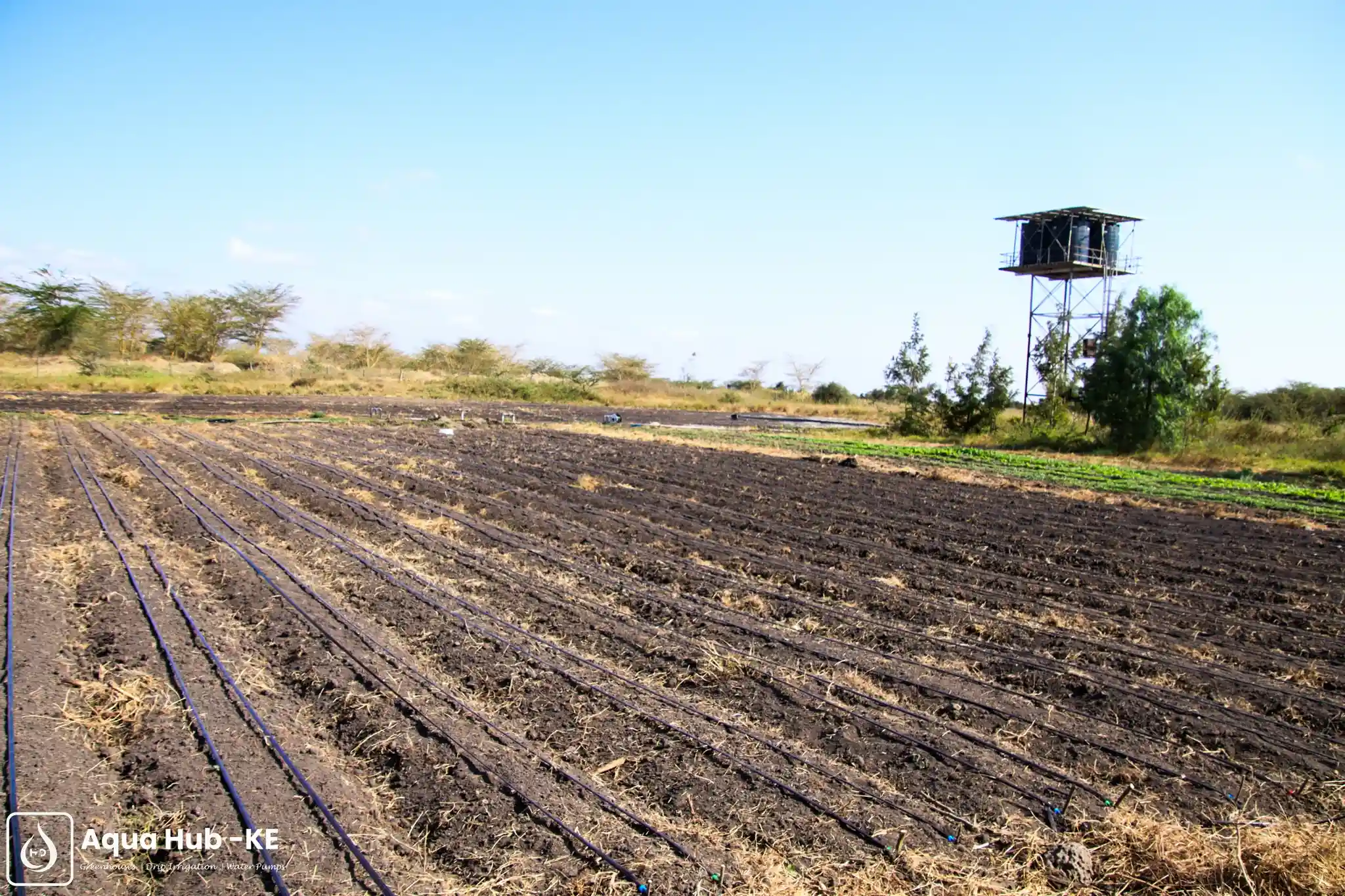
The water source for the farm was a borehole with the water being pumped and stored in 4, 10000 litre tanks at 12m elevation. Because of this setup, gravity can be used to feed the water to the drip lines across the farm.
Location
Kisaju, Kajiado County
Duration
4 days
Completed
2026-08-08
PROJECT AT A GLANCE
What we delivered
Aqua Hub Kenya installed a 2 acre drip irrigation system on a vegetable farm in Kisaju, Kajiado County. Since Kajiado is a dry area, crops need steady watering which is best supplied by drip irrigation.
Water comes from a borehole and is pumped into four 10,000 litre tanks, which gives 40,000 litres of storage on site. The tanks sit at an elevation of 12 metres, and gravity carries the water from the tanks to the drip lines. This means the system runs without a second pump, so there is no extra fuel or electricity cost on irrigation days.
Our team supplied and installed:
- 50mm HDPE mainline pipe
- 16mm drip lines (2 per bed)
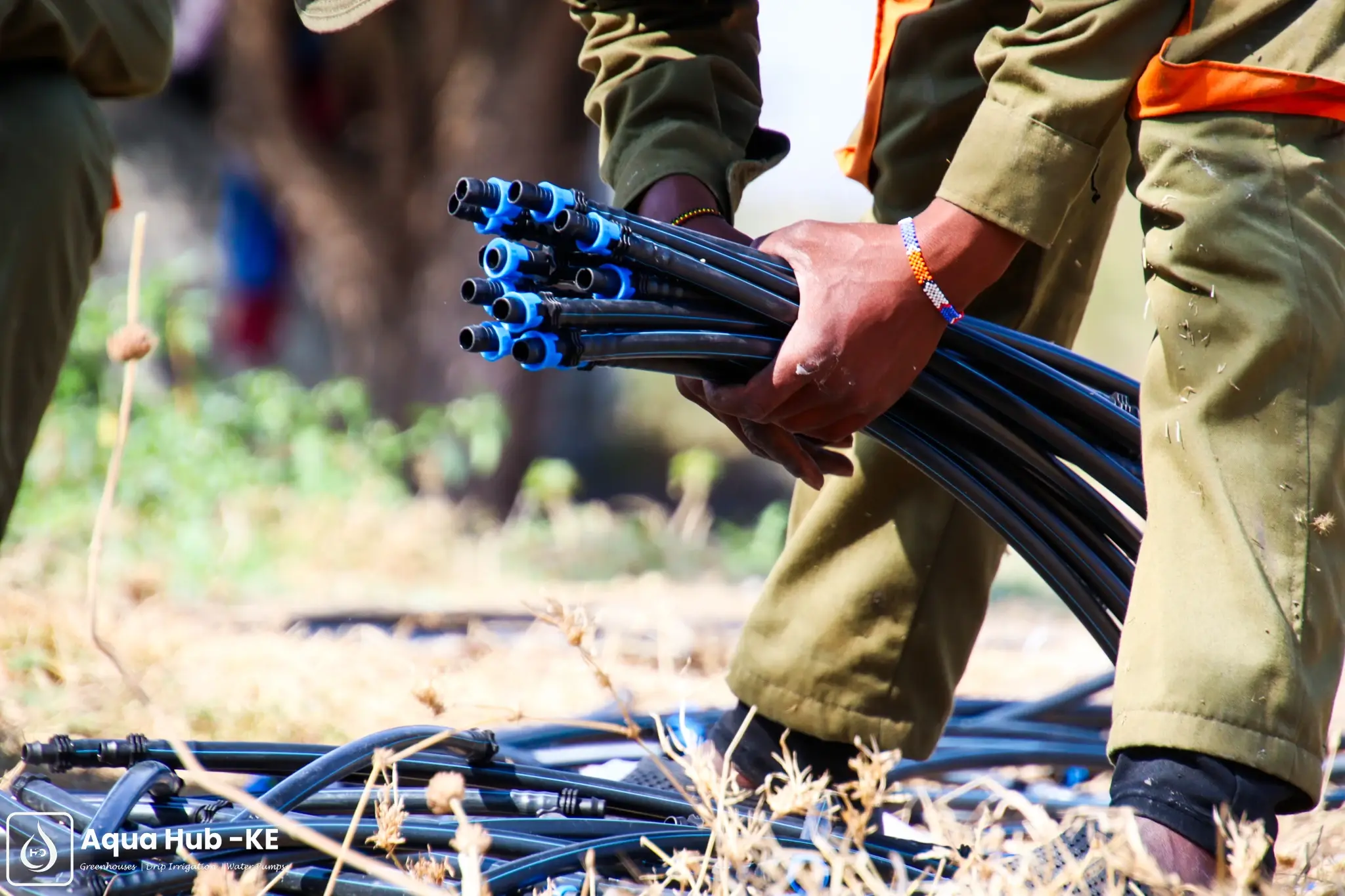
- 600 raisers, starters and takeoffs, drip endcaps and rubbers
- Valves and clamps
- Hydrants
The challenge
Kajiado is a dry area with short and unreliable rains. Vegetables like cabbages and spinach need water regularly in order to grow well and produce high yield. When the rains fail, the farm depends on its borehole.
Manual irrigation on a 2 acre farm can take many hours of labour daily. Consequently, this raises the cost of growing crops and eats into the farmers profits. Additionally, the watering could be uneven causing some crops to lack sufficient water supply.
Our approach
Our technicians surveyed the 2 acres in Kisaju, measuring the plot and confirming the 12 metre tank elevation. Because the system runs on gravity, we planned the pipe sizes and drip line lengths to keep pressure even across every row.
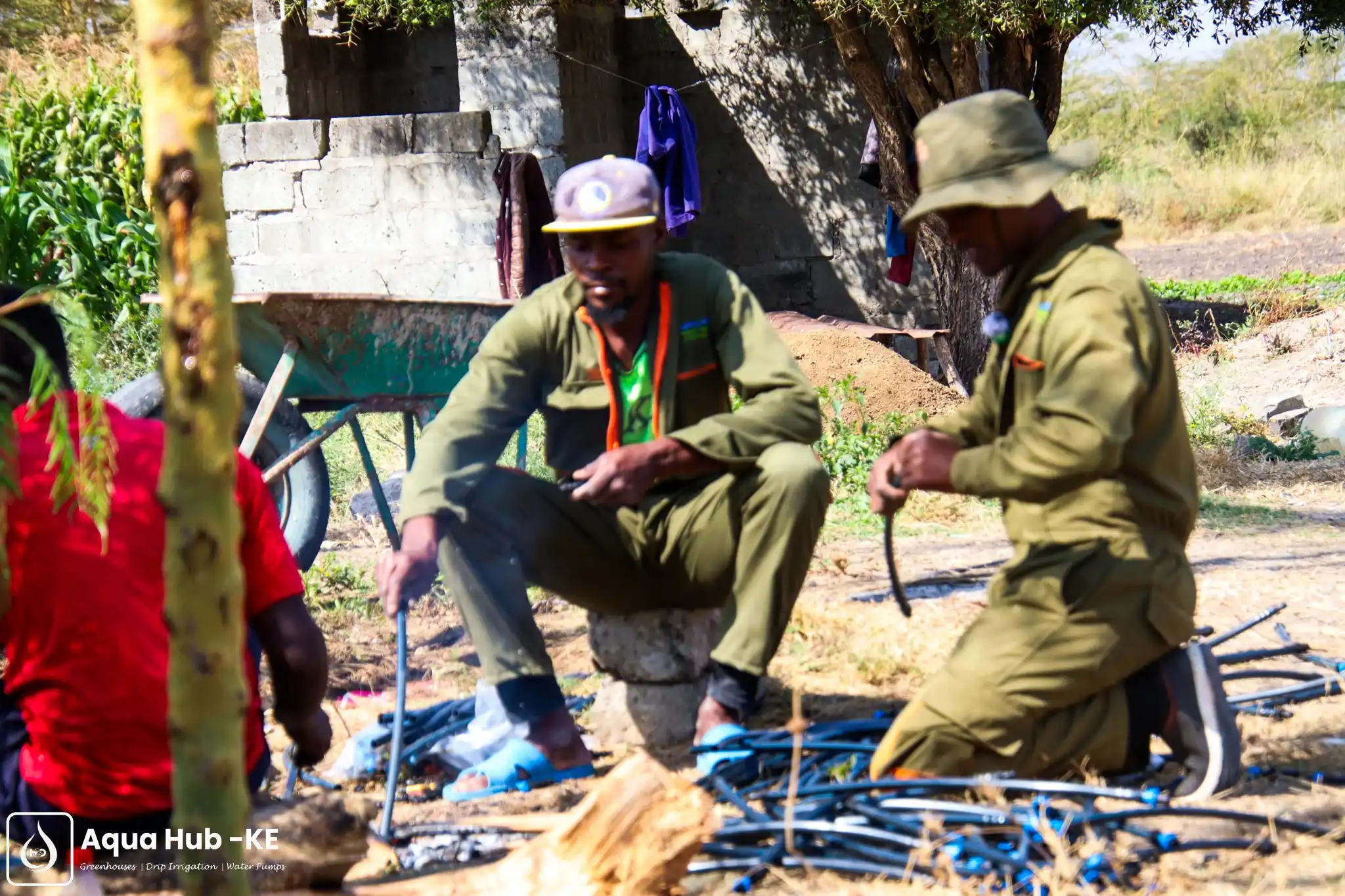
After the client approved our quote, we delivered the materials. Over 4 days, our team connected the four 10,000 litre tanks to the mainline, laid the submains and set out the drip lines along each crop row.
We ran the system to check every row was getting water and showed the client’s team how to operate it.
HOW IT HAPPENED
The process, start to finish
Every Aqua Hub Kenya project follows the same stages. Here’s exactly how this one went, with photos and video from each visit.
Our technicians visited the farm in Kisaju to survey the site. They measured the plot and checked its shape and slope, then marked out where the crop rows would run.
The survey showed that the size of the beds was different from what had been planned when we prepared the quote. We updated the row layout to match the beds on the ground before ordering and laying any pipe.
We prepared a proposal for the 2 acre drip irrigation system. It set out the scope of work, an installation timeline, a layout plan for the rows and a bill of quantities with prices.
After the site survey, we revised the proposal. The size of the beds on the ground was different from what the first quote had assumed, so the layout and the quantities were updated to match. The client reviewed the revised proposal and agreed to it before we ordered materials and began work.
3 August 2026
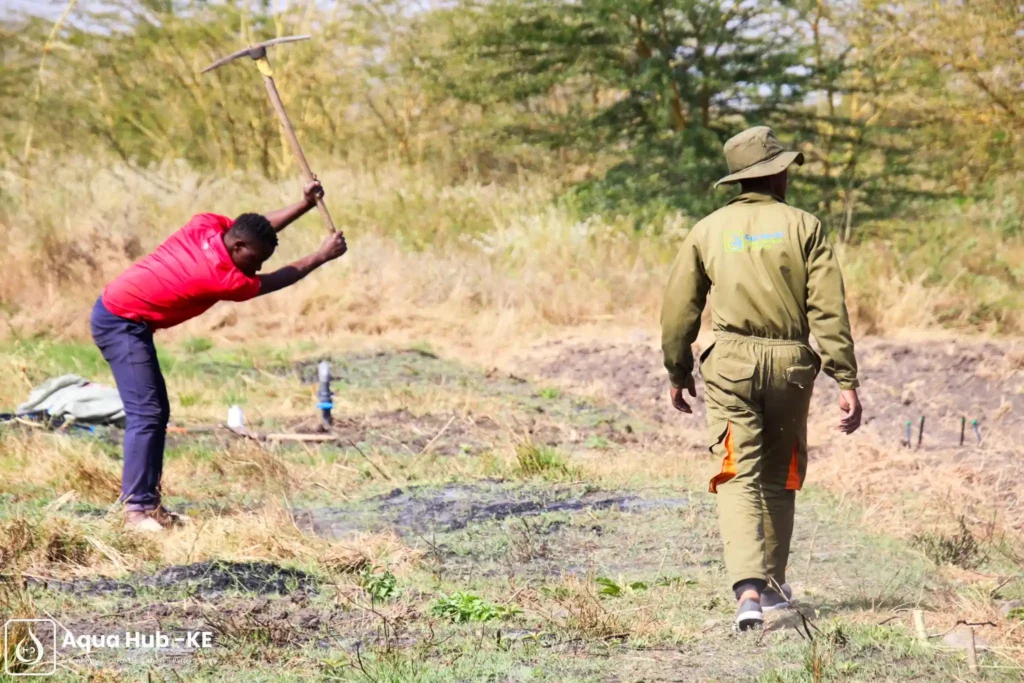
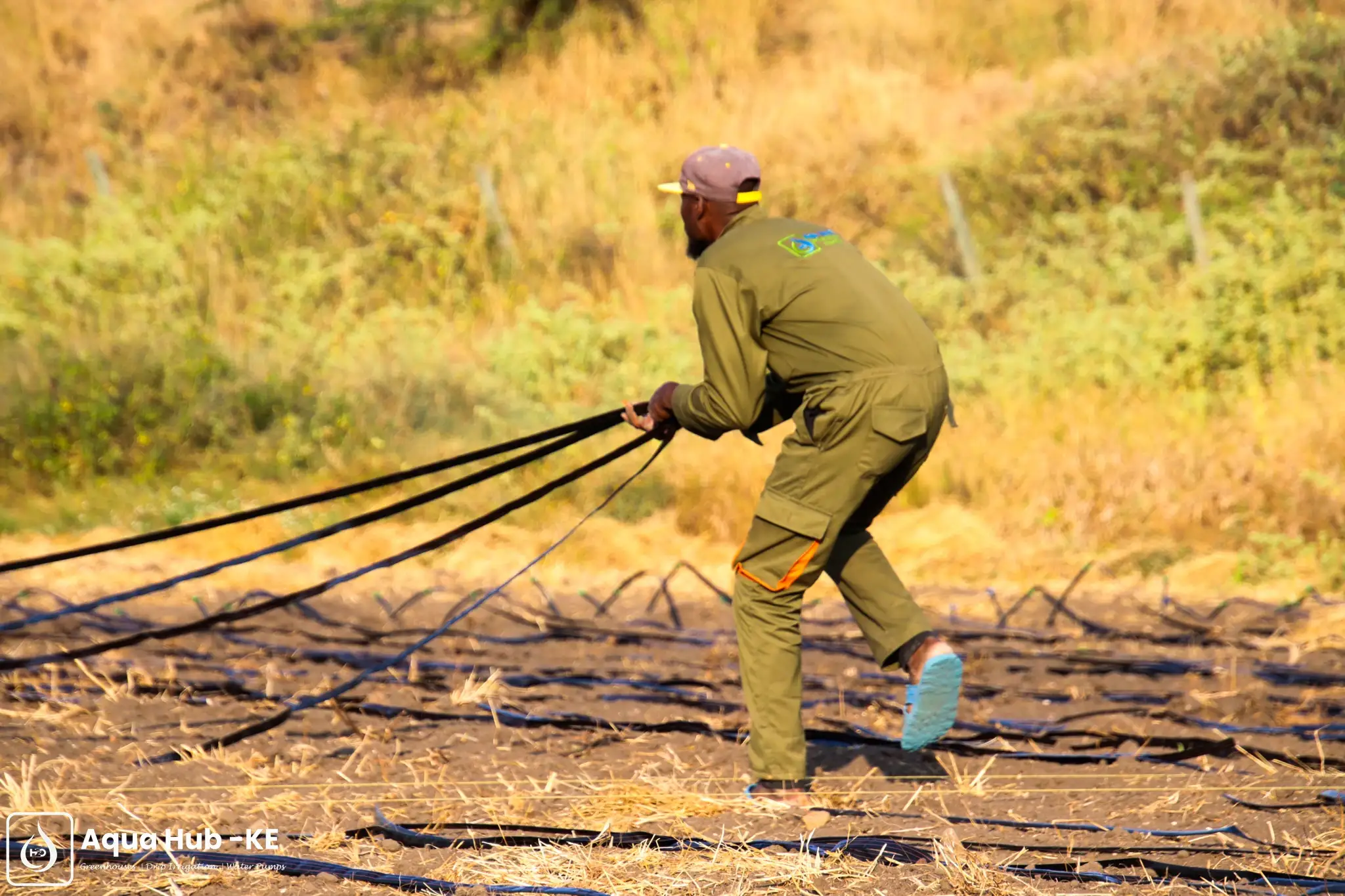
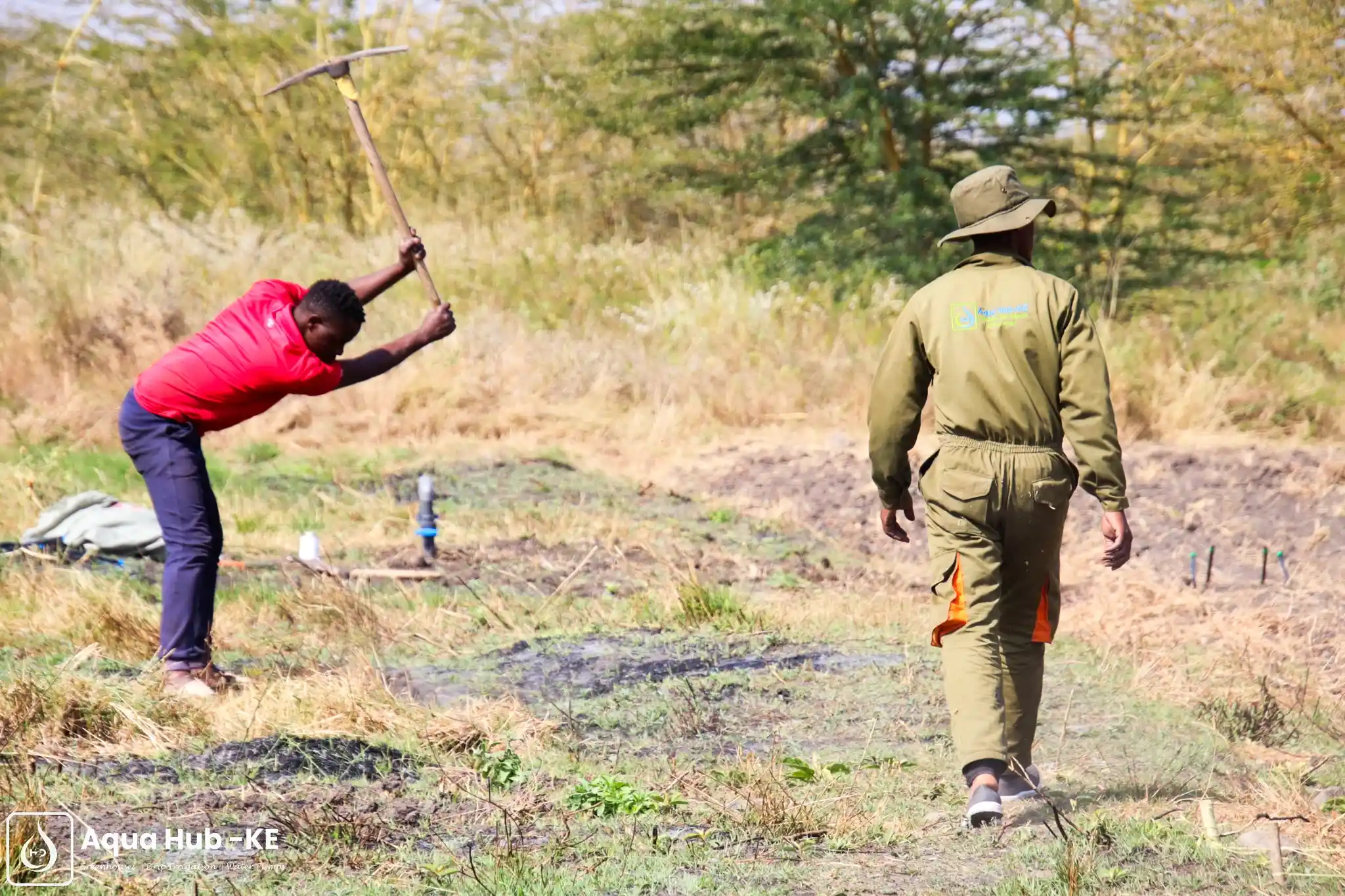
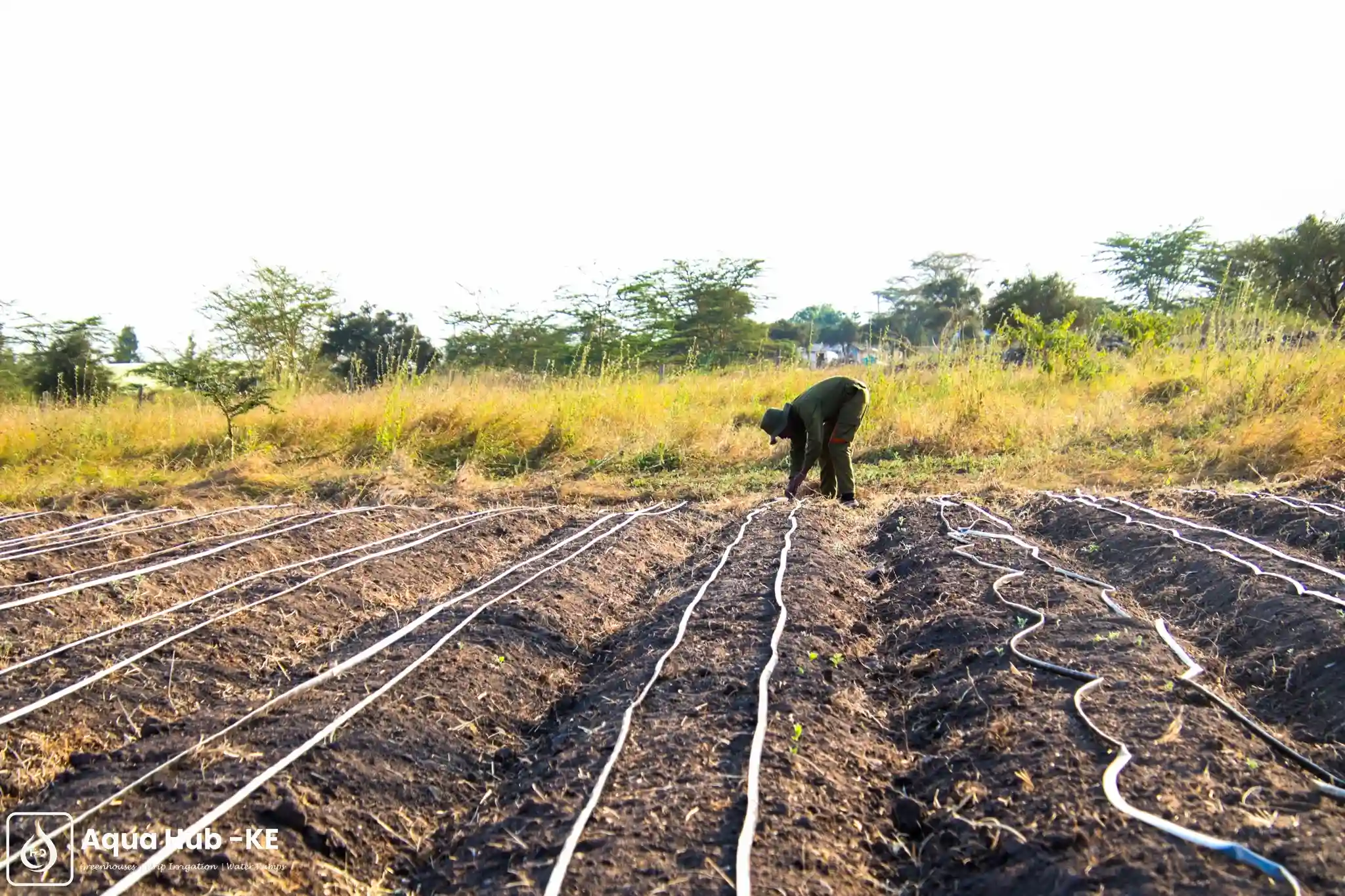
Our team and the materials arrived at the farm in Kisaju a day before installation began. The first task was groundwork. We cleared the 2 acres and marked out the crop rows, so the drip lines would follow the planting layout. We then dug the trench for the mainline, which carries water from the four 10,000 litre tanks to the field.
4 August 2026
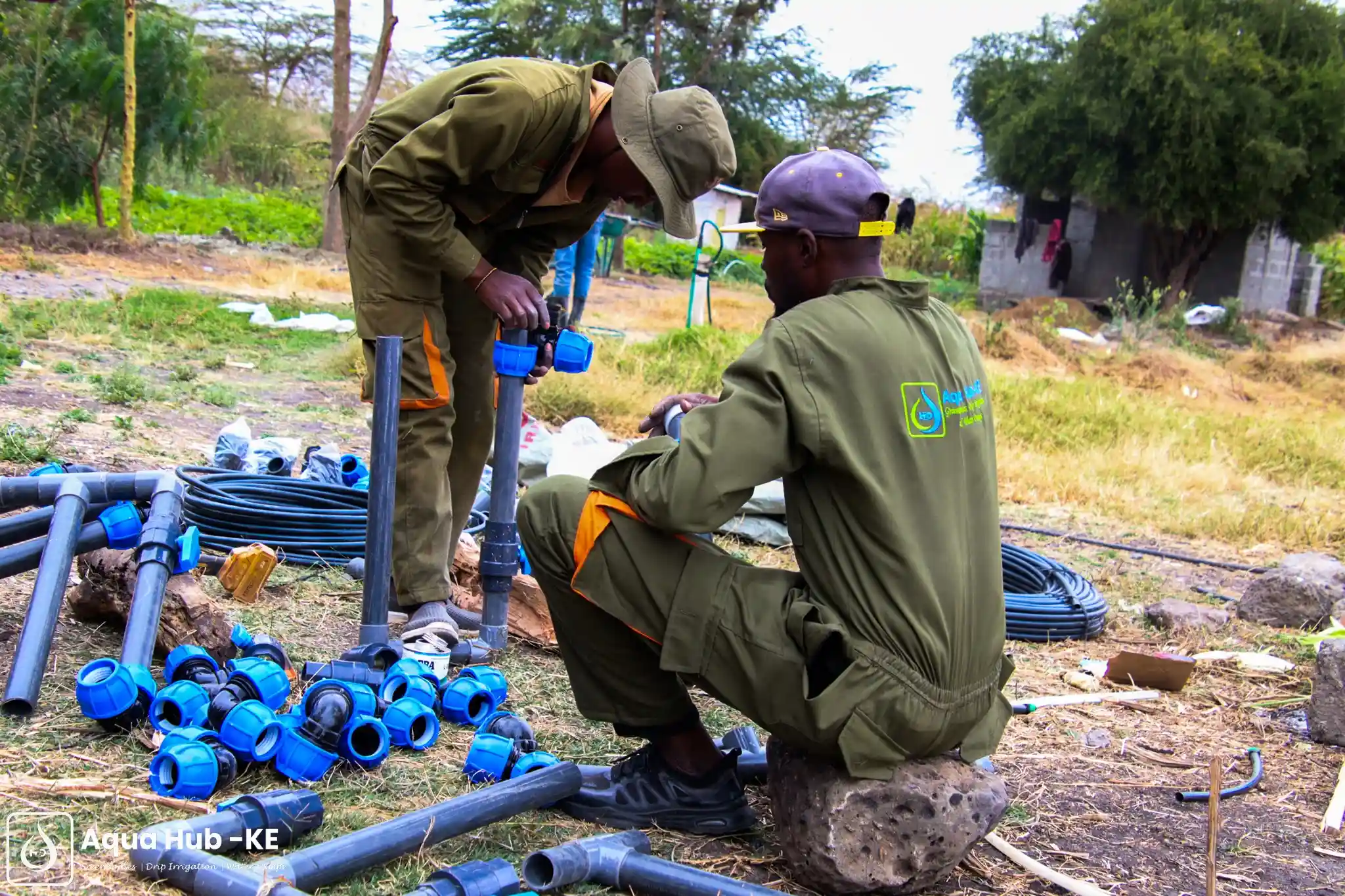
Installation began at the tanks. Our team connected the outlet of the four 10,000 litre tanks to the start of the mainline. The tanks sit at 12 metres, so this connection carries the water that feeds the whole system by gravity.
The mainline came next. We laid the pipe in the trench dug the day before and ran it from the tank area to the field. The submain pipes followed, branching off the mainline to each section of the 2 acres. The hydrant connections were then fitted, at the head of each submain, so each section can be watered separately.
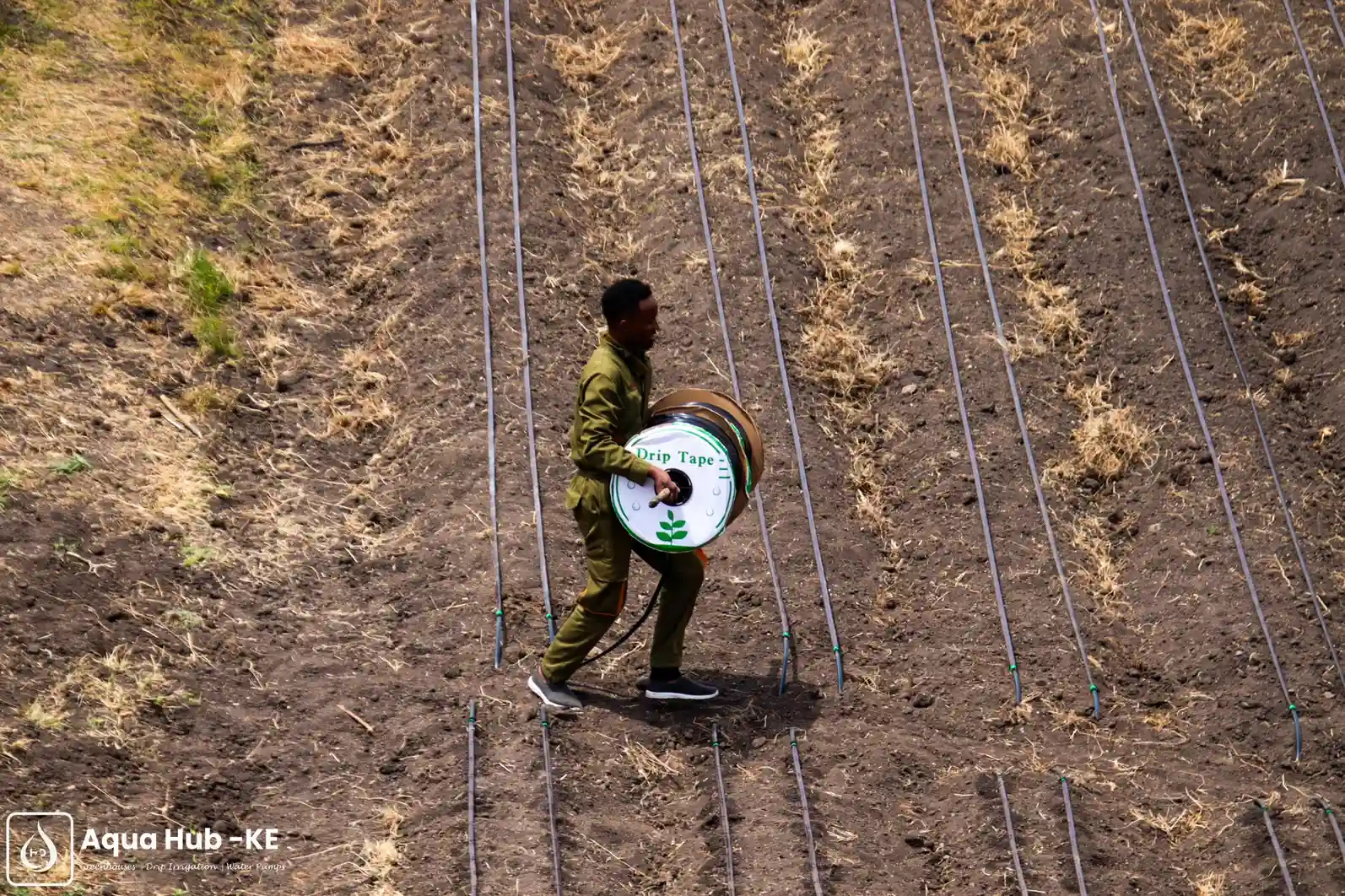
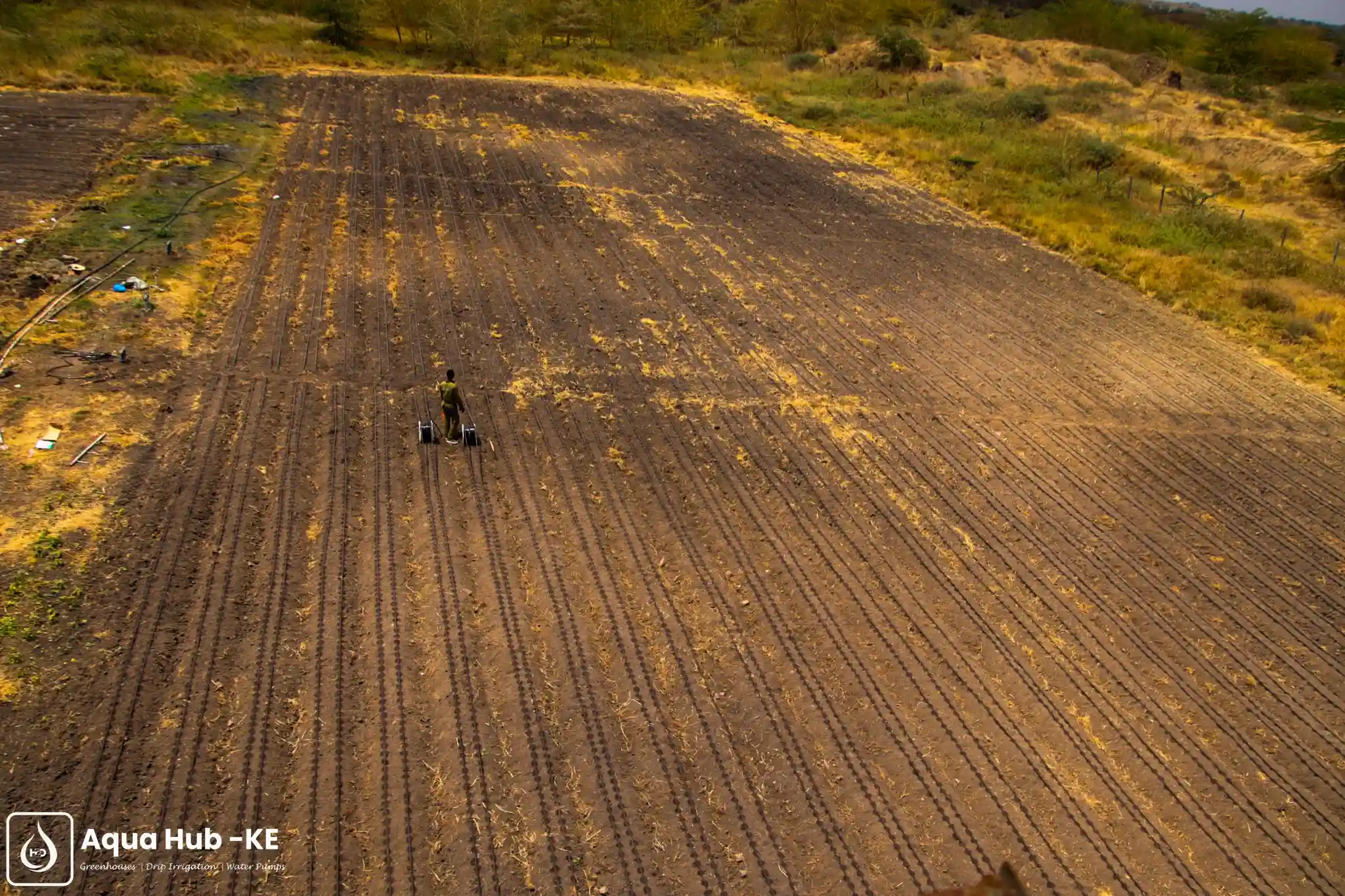
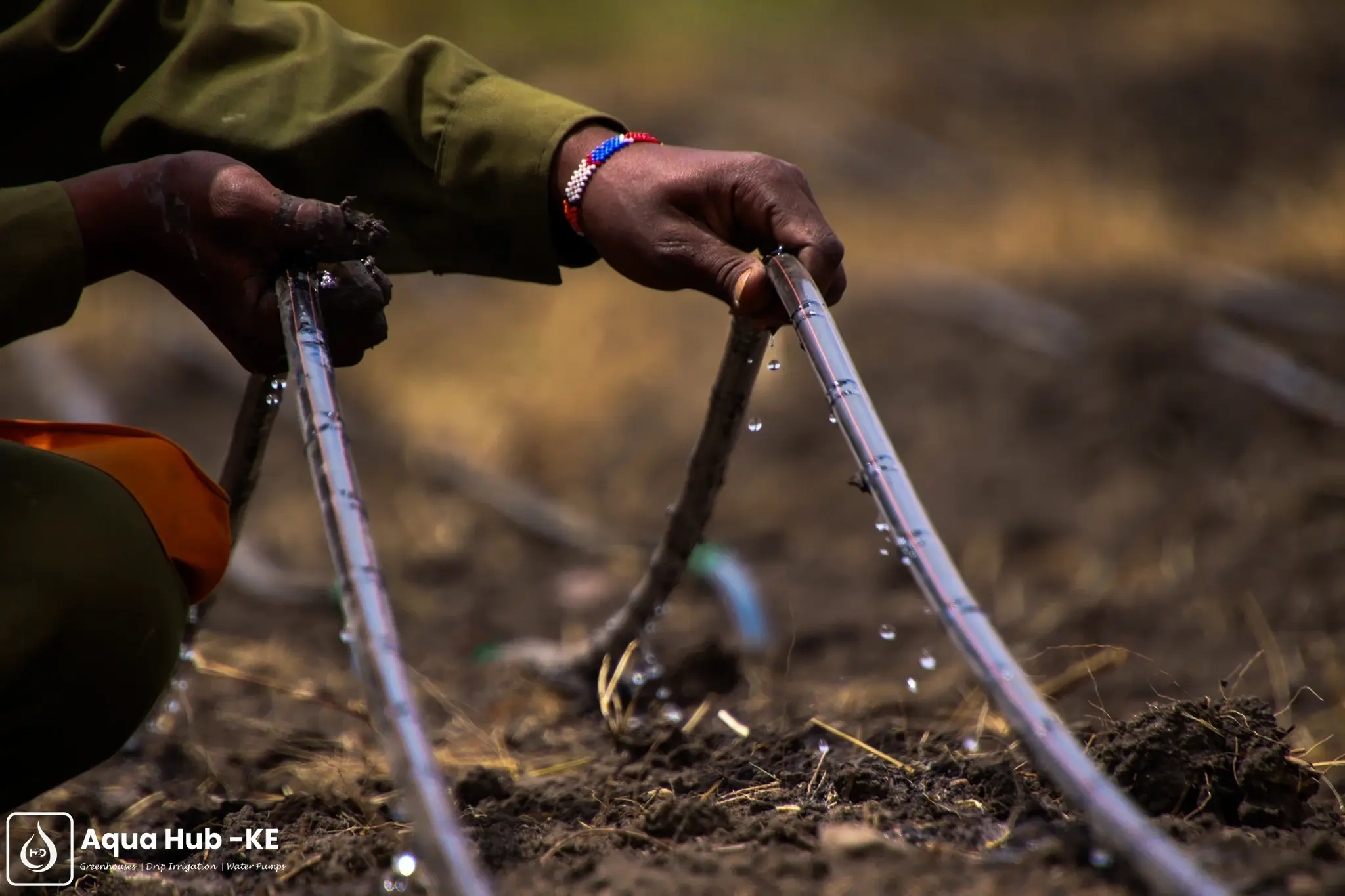
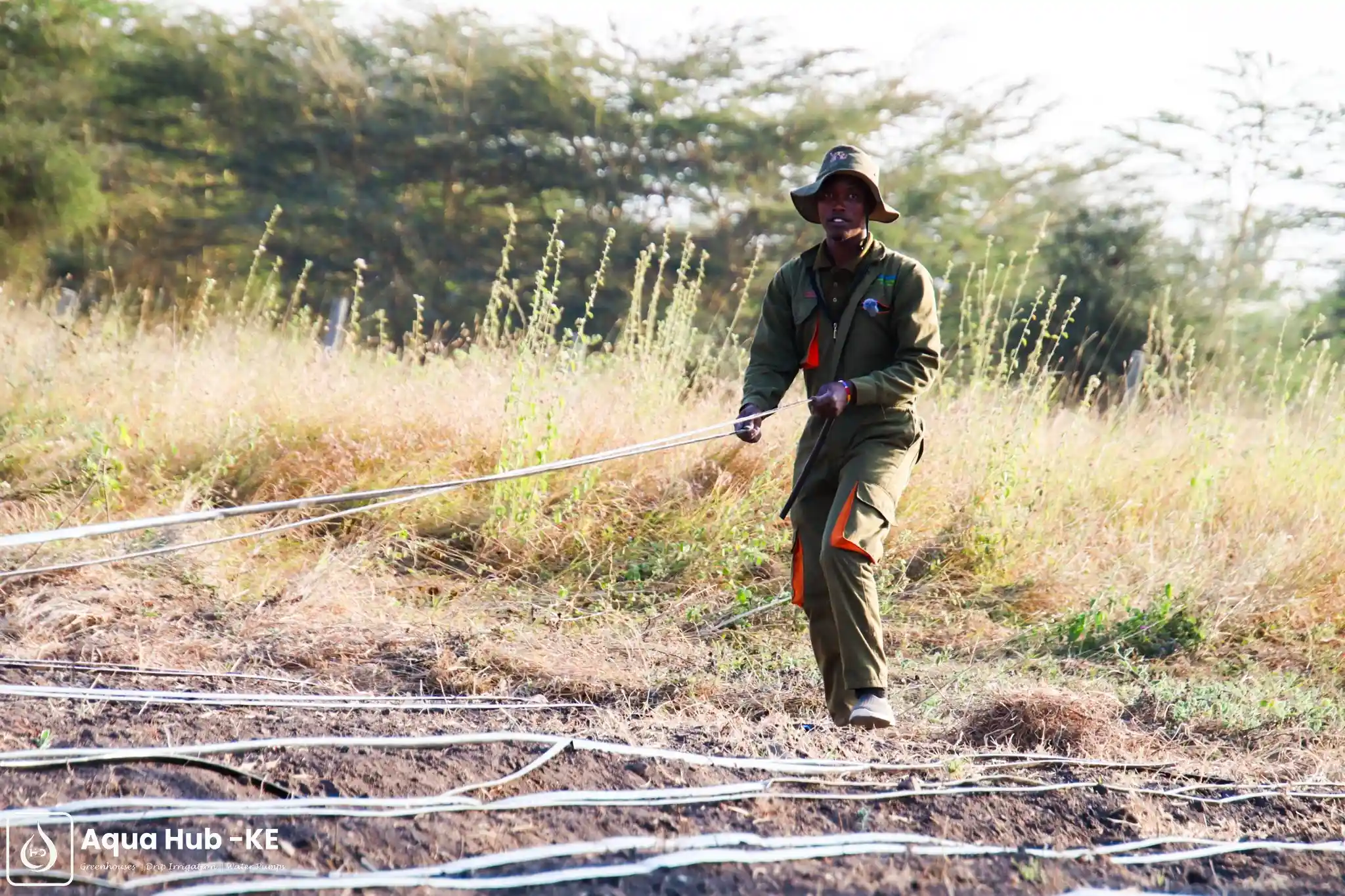
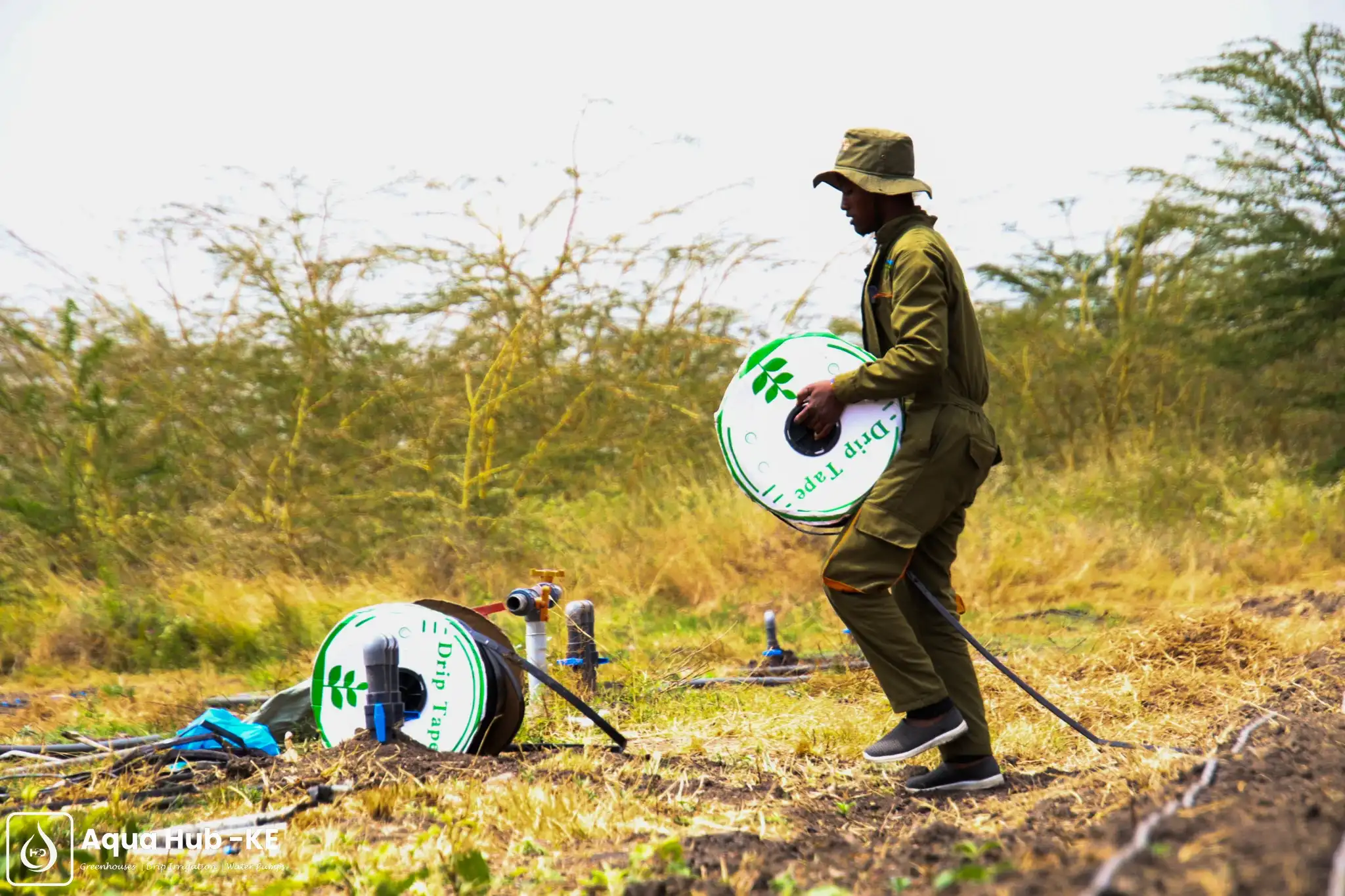
The drip lines were laid last. They were rolled out along each of the marked crop rows and joined to the submains. Laying them after the pipework meant each line could be positioned against the row markings made during groundwork.
8 August 2026
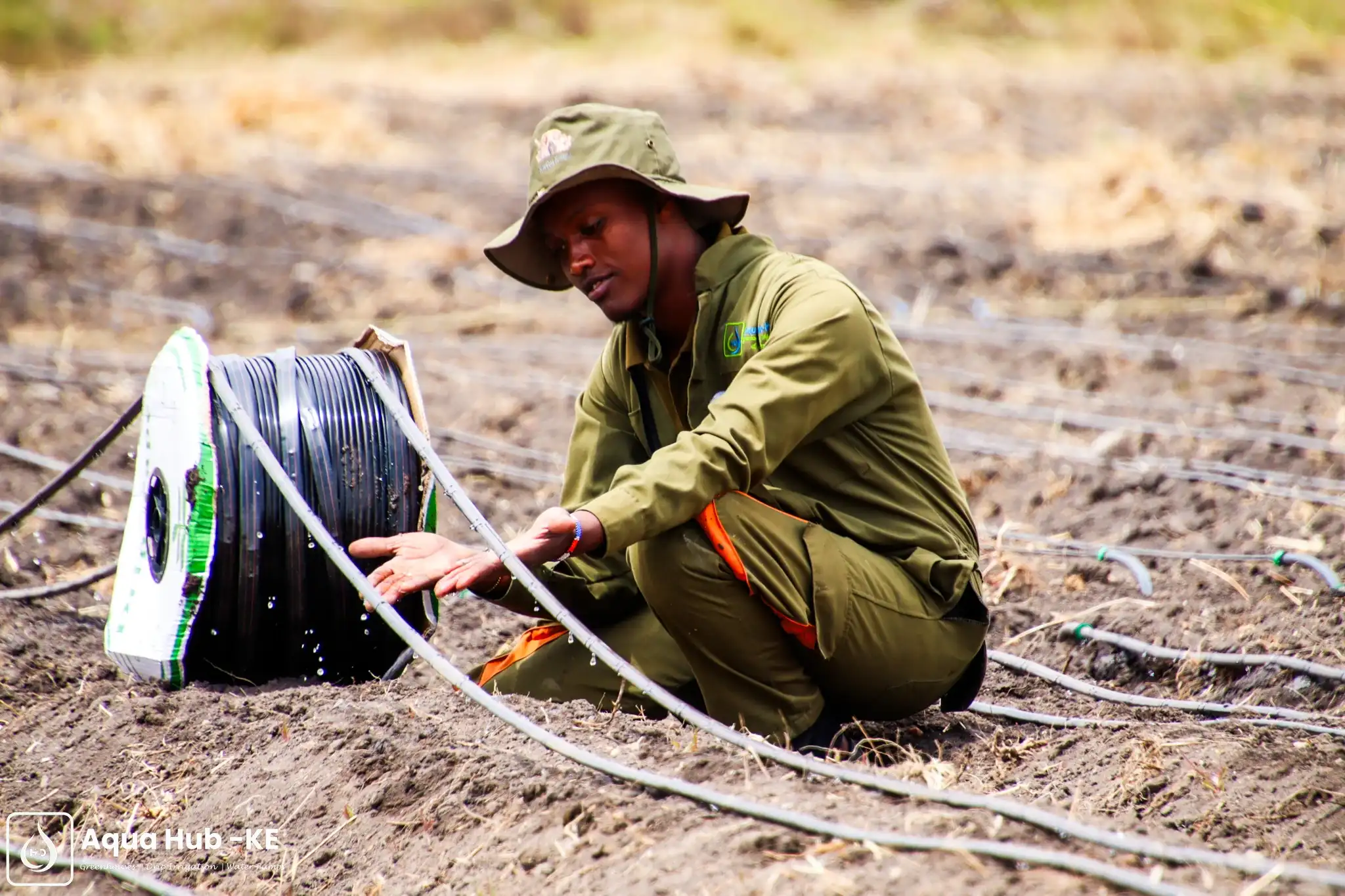
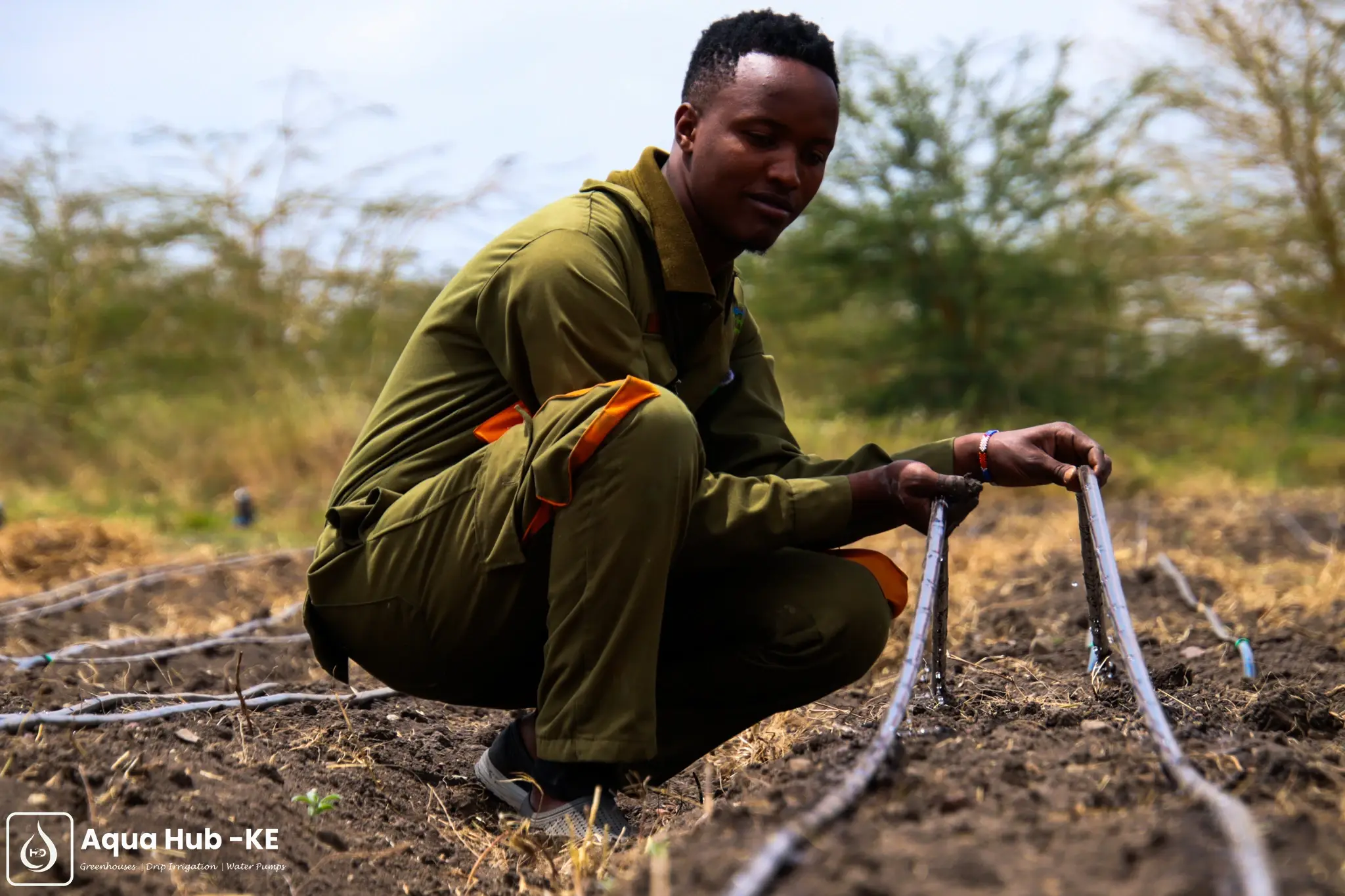
Once installation was complete, we tested the system. We opened the valves and let water flow from the four tanks down the mainline and submains to the drip lines. Our team then walked the rows and watched the emitters to confirm that each one was delivering water.
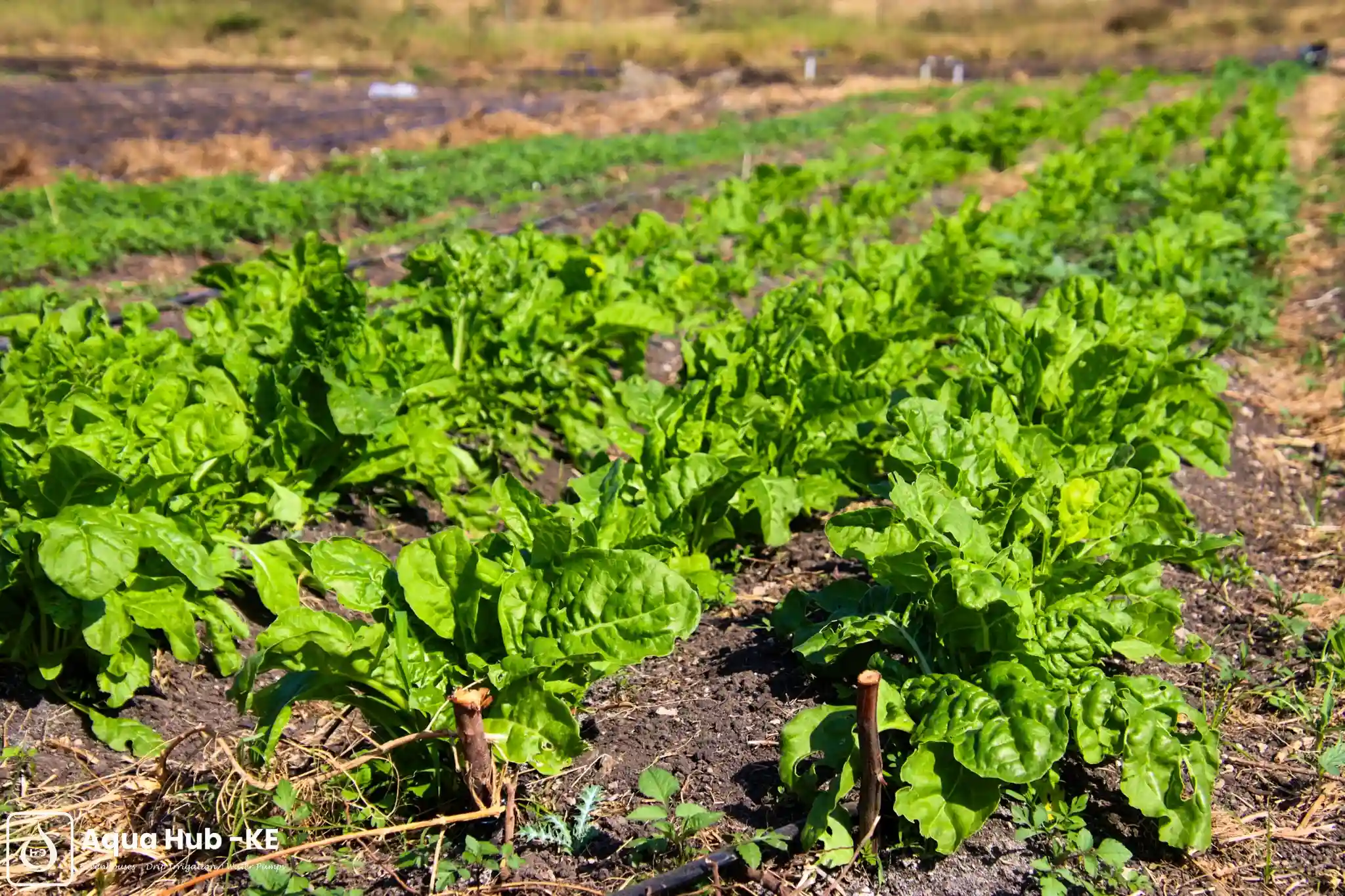
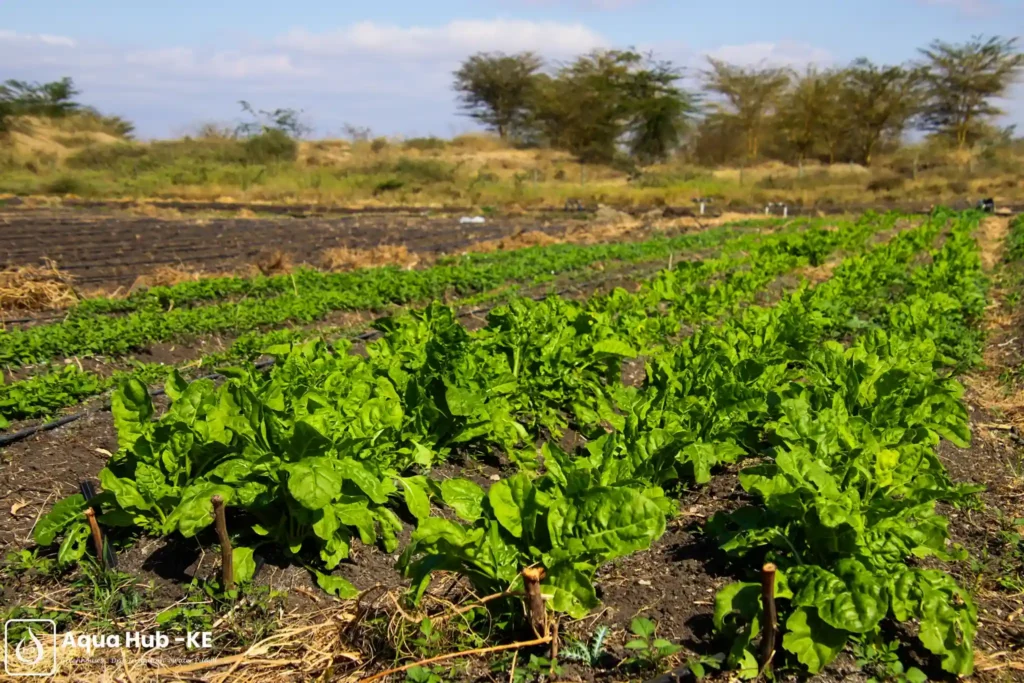
Every row watered evenly, including the rows furthest from the tanks. This shows that the 12 metre elevation gives enough pressure to run the whole 2 acres by gravity.
THE OUTCOME
Before
The school relied on an inconsistent water supply, creating challenges for daily operations and sanitation.
After
The completed borehole and storage system provides the school with a dedicated water infrastructure solution designed around its daily requirements.
Client Testimonial
COMMON QUESTIONS
FAQs
Can drip irrigation work without a pump?
Drip irrigation can work without a pump when the water tanks are raised high enough. On this project, the tanks sit at 12 metres, and gravity carries the water from the tanks to the drip lines across the 2 acres. The borehole pump is only used to fill the tanks.
How long does it take to install drip irrigation on 2 acres?
Installing drip irrigation on 2 acres took 4 days on this project. The time depends on the size of the farm, how far the tanks are from the field, and whether the land is already cleared. Groundwork was done the day before installation began.
Why is borehole water pumped into tanks before irrigating?
Borehole water is pumped into tanks first so the pump runs once and the water is stored for later. The tanks then release it to the field through gravity. This keeps fuel or electricity use low, since the pump is not running every time the crops need water.
Does drip irrigation suit spinach and managu?
Drip irrigation suits spinach, managu kales, cabbage as well as many other vegetables. This is because it waters the root zone of each plant and leaves the leaves dry. Dry leaves are less open to fungal disease, and leafy vegetables lose quality quickly when they stay wet.
How much does drip irrigation for 2 acres cost?
Drip irrigation for 2 acres costs KES 260,000 to KES 370,000. The final price depends on the pipe sizes, the drip line type, the distance from the tanks to the field, and the layout of the rows. We give a quote after assessing the site.
Does a gravity-fed drip system need maintenance?
A gravity-fed drip system needs regular maintenance. The lines should be flushed, the filter cleaned, and the emitters checked for blockages so that every row keeps getting water. We showed the client’s team how to run the system at handover.
Can Aqua Hub Kenya install drip irrigation in dry areas like Kajiado?
Aqua Hub Kenya can install drip irrigation in dry areas like Kajiado. This project was completed in Kisaju, Kajiado County, on 8 August 2026. To talk about your farm, call via telephone on 0790 719 020, or email info@aquahubkenya.co.ke.
Have a similar project in mind?
Tell us about your site and we’ll get back to you with a free assessment.