
Kiambu County, Kenya
Greenhouse for Capsicum Farming in Kenya
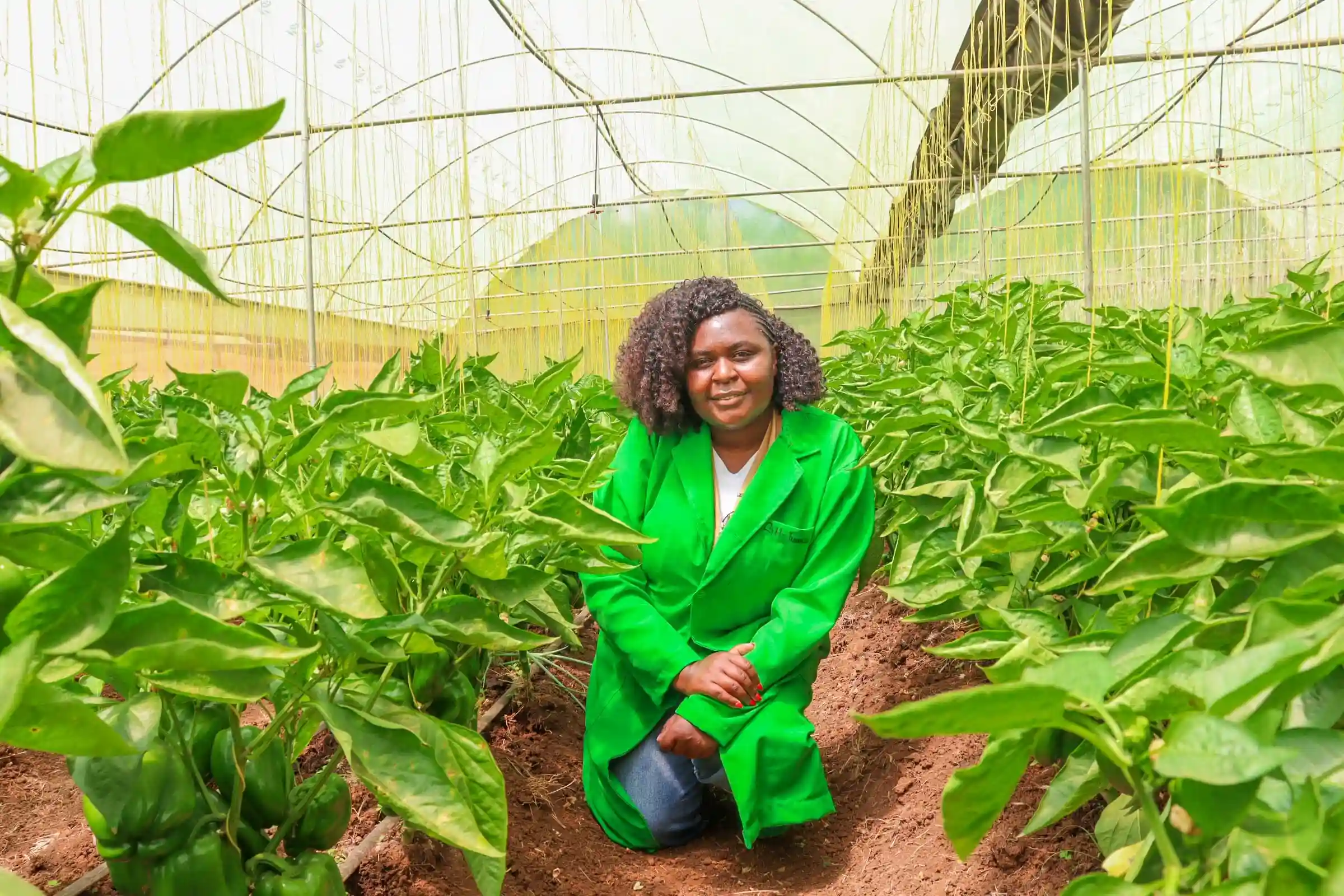
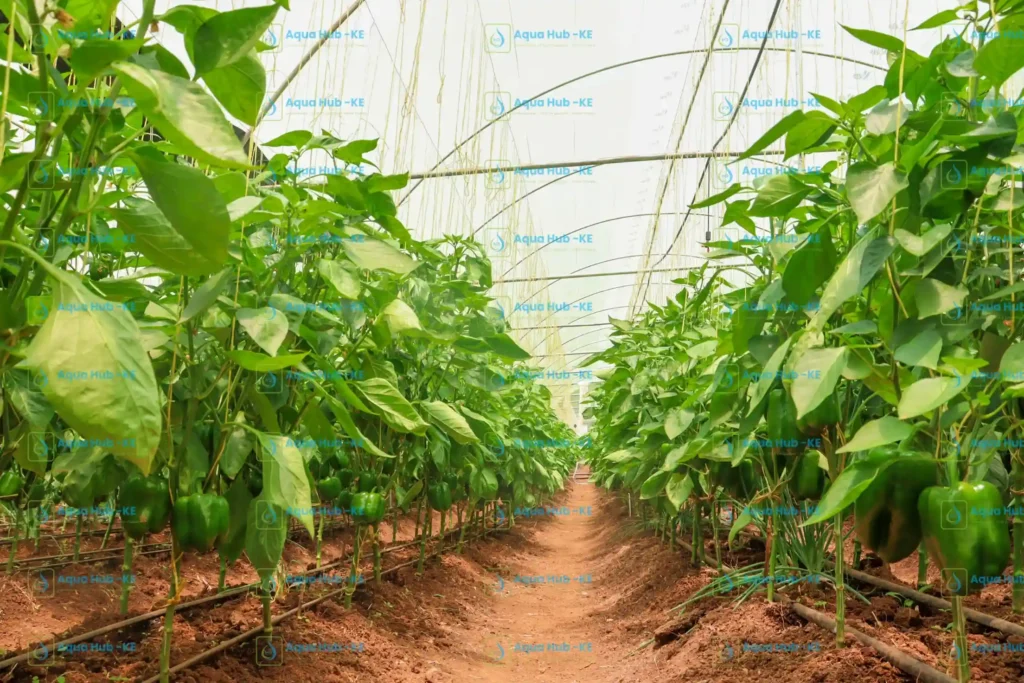
We installed four greenhouses, a solar water pumping system and solar lighting for a farm in Kikuyu, Kiambu County, in phases over about twelve months. The client had only done open field farming and wanted to grow high value crops with longer harvesting periods under cover. Three of the greenhouses measure 16 m x 45 m and the fourth measures 24 m x 45 m, which comes to 3,240 square metres under cover. Before any construction began, we took the team to three working farms in Ruai, Komarock and Gatundu, then linked them to agrovets, agronomists, plant raisers and offtakers. It’s a project we’re sharing for farmers who are planning the move from open field to greenhouse.
Location
Kiambu County, Kenya
Duration
12 months
Completed
2026-05-07
PROJECT AT A GLANCE
What we delivered
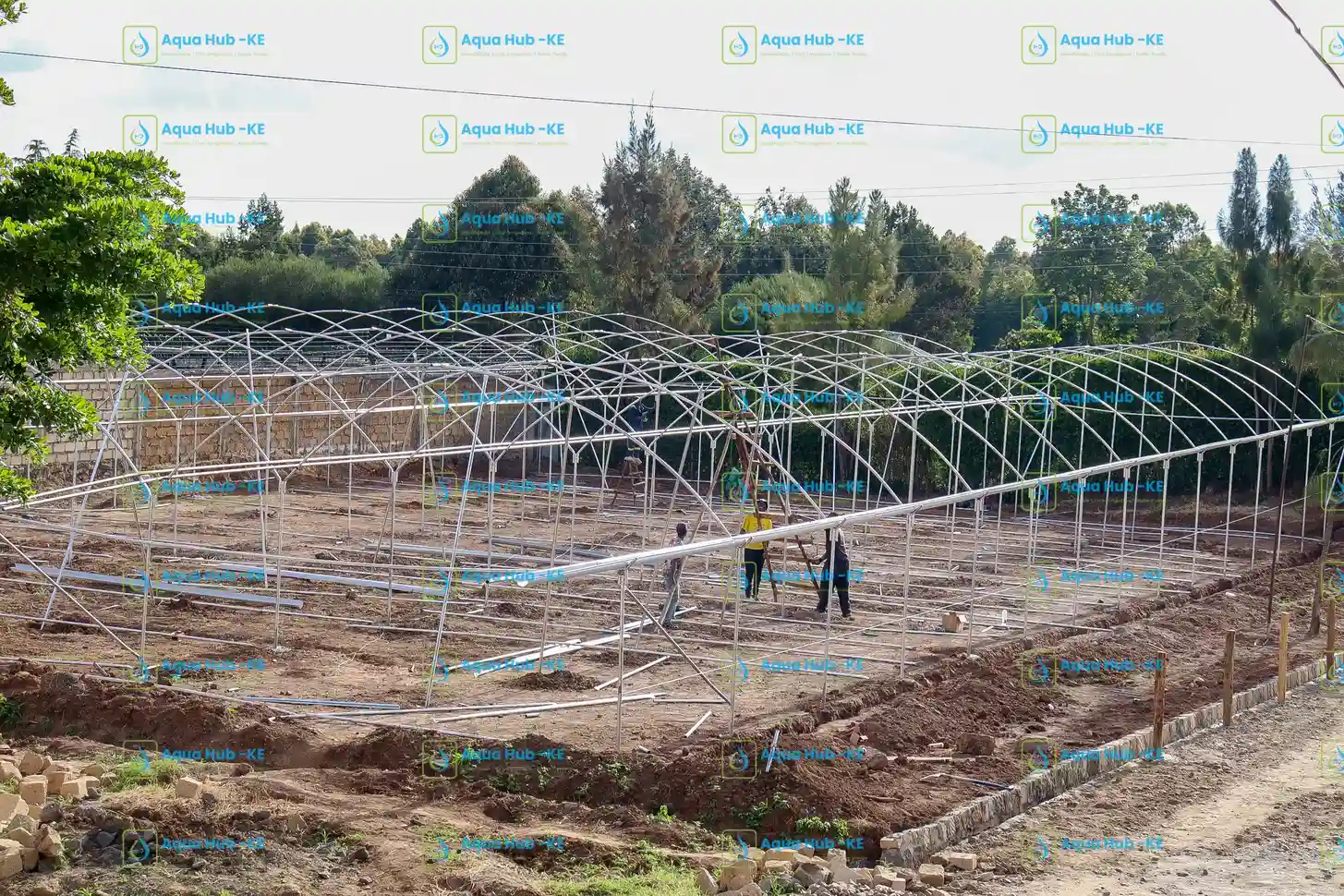
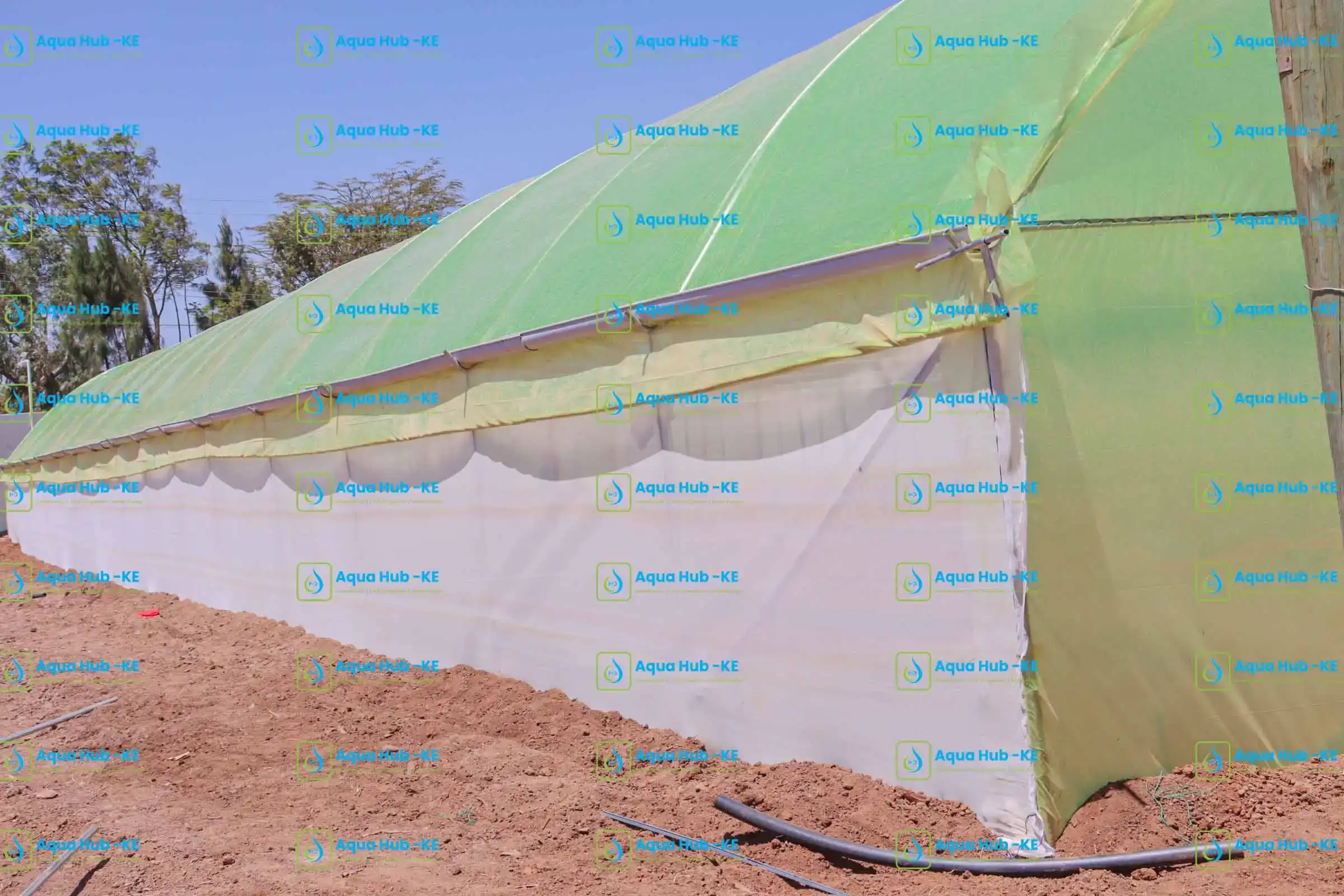
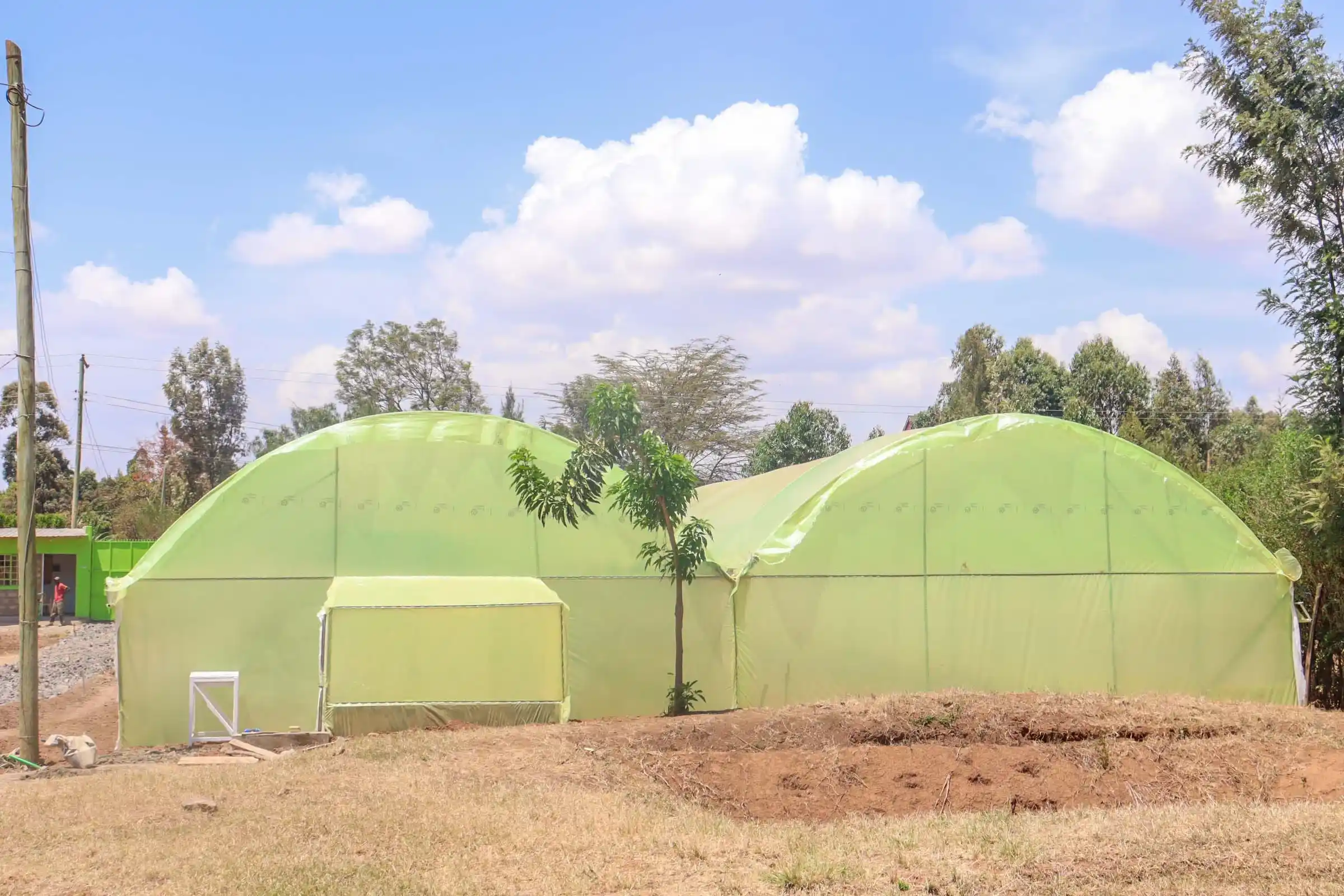
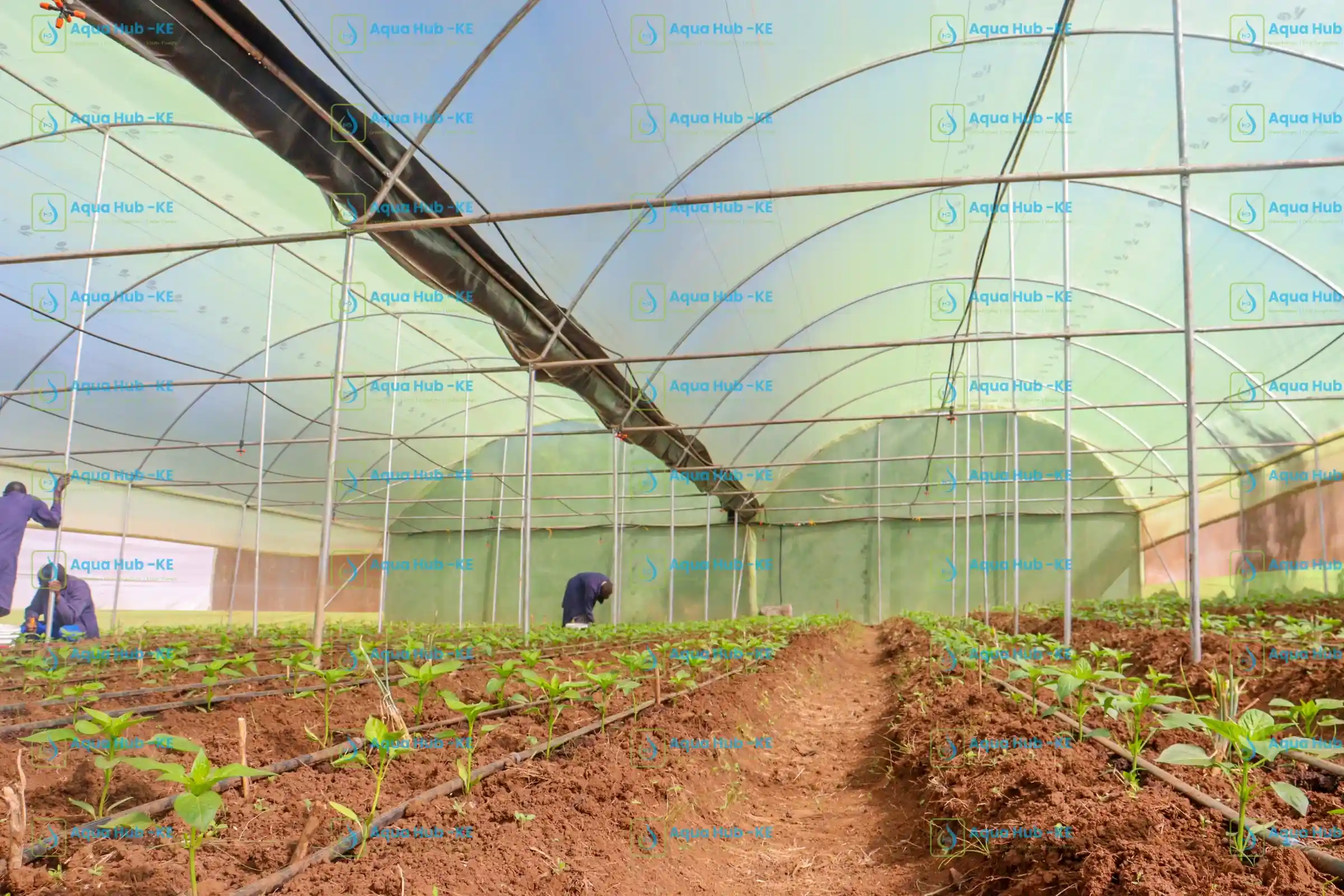
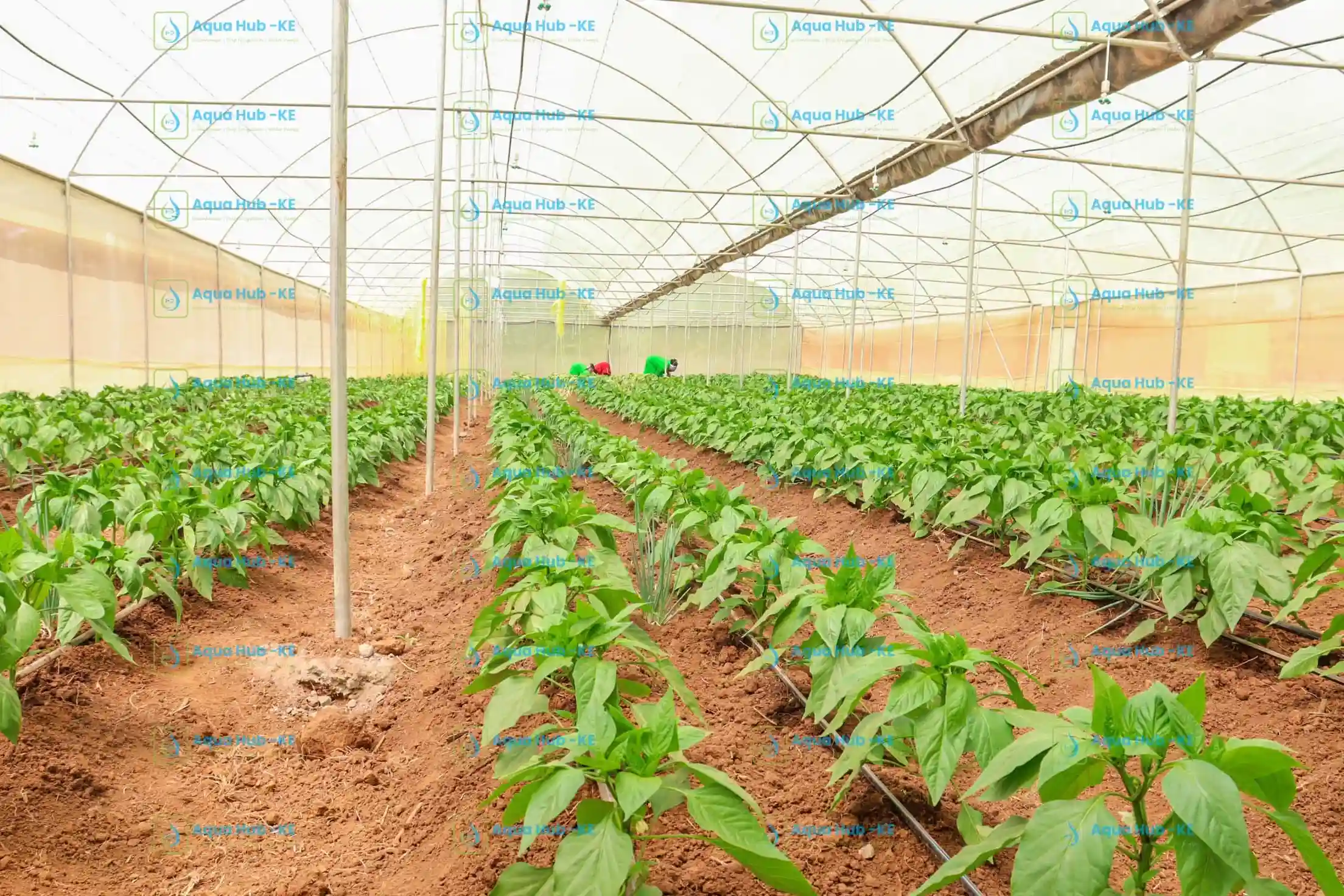
Four metallic greenhouses were setup at a farm in Kikuyu, Kiambu County, covering 3,240 square metres in total. Three of them measure 16 m x 45 m. We installed the first on 8 August 2025, the second in November 2025 and the third in January 2026. The fourth is larger, at 24 m x 45 m, and went up in March 2026. The greenhouses came with drip irrigation. The full cost of building all four at once was too high for the client, so we worked in phases and agreed the scope of work for each one before starting. In October 2025, between the first and second greenhouses, we also installed solar lighting and a solar water pumping system with tank mounting and full piping. After installation, our engineers carried out quality checks and handed the work over to the client.
The challenge
The client had only done open field farming. The owners wanted to move into greenhouse production and grow high value crops with longer harvesting periods, but they had not run a greenhouse before and did not know what it takes to manage one or sell what it produces.
Cost was the second problem. After our site visit we recommended a scope of work and gave a quotation, but building all the greenhouses together was more than the client could pay upfront. They also needed to know their soil and water before choosing how to feed the crop.
Our approach
We started working with the client on 5 March 2025, before any construction. First we took them to three farms we had already worked with, in Ruai, Komarock and Gatundu, so they could hear from the farmers about running a greenhouse and finding buyers. On 8 March 2025 we visited the site and advised on land clearing, farm layout and where to position the water installations. We stayed in touch through consultations in the months after, and connected them to agrovets, agronomists, plant raisers and offtakers.
To manage the cost, we split the work into phases and agreed the scope of each one before starting. We built the four greenhouses one at a time, from 8 August 2025 to March 2026, with the solar lighting and water pumping installed in October 2025. Once everything was in place, our engineers carried out quality checks and handed over to the client.
HOW IT HAPPENED
The process, start to finish
Every Aqua Hub Kenya project follows the same stages. Here’s exactly how this one went, with photos and video from each visit.
8 March 2025
Our team visited the farm in Kikuyu to assess the site. We advised on land clearing and preparation, the layout of the farm, and where to position the water installations.
8 March 2025
We recommended what we would supply and install, and gave the client a quotation. Building all the greenhouses together cost more than the client could pay upfront, so we agreed to work in phases instead.
We agreed the scope of work with the client in writing before starting each phase, so both sides knew what would be built and what it covered. The client approved the first phase before we installed the first greenhouse on 8 August 2025, and the later phases followed the same way.
Before 8 August 2025
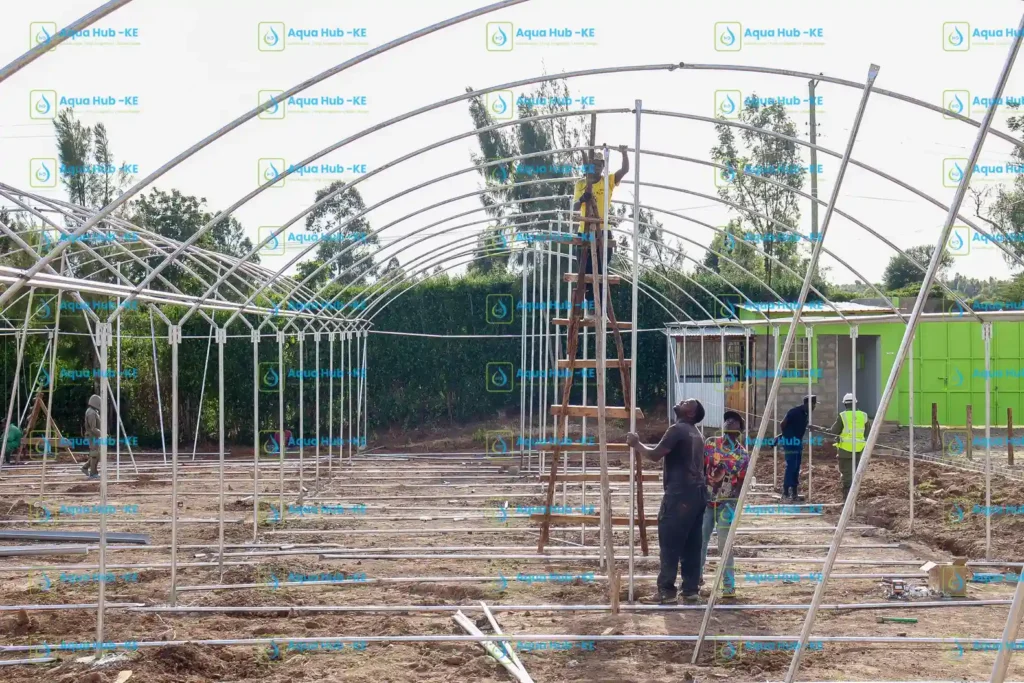
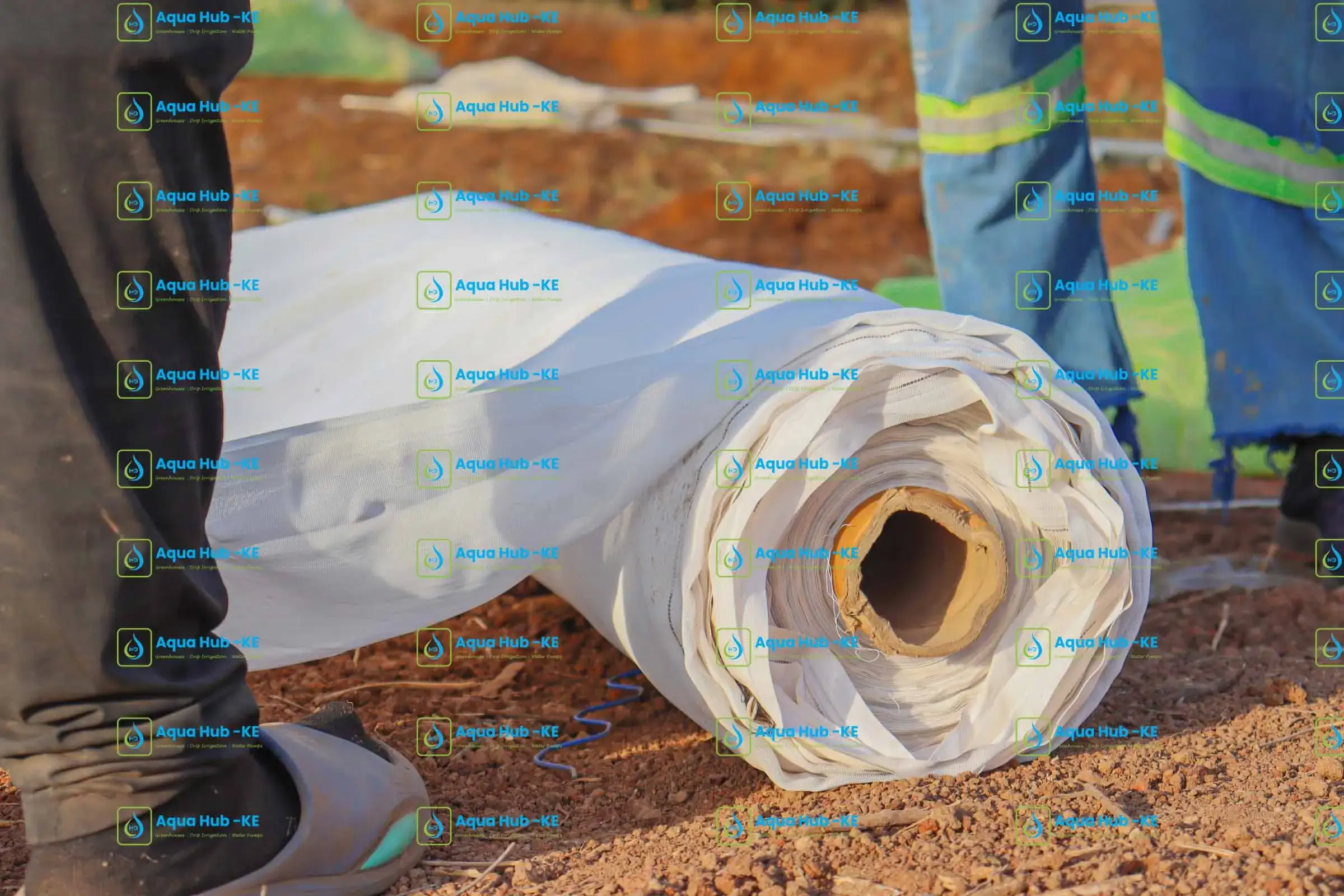
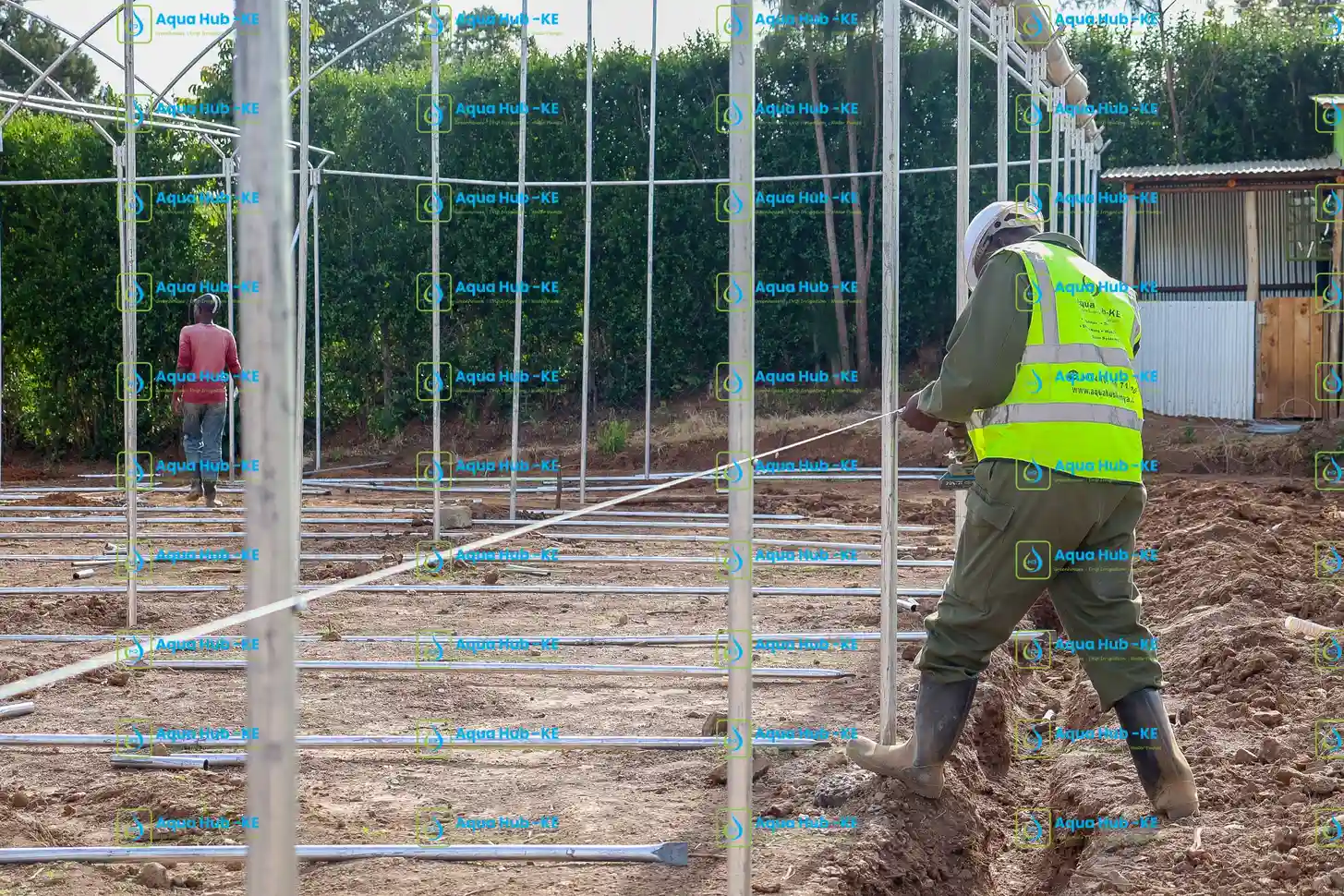
The land was cleared and prepared following the recommendations we gave after the site visit, and the farm layout agreed with the client set where the first greenhouse would stand. We delivered the metallic greenhouse materials to the farm in Kikuyu, and the first greenhouse was installed on 8 August 2025.
Before each later phase
Each later greenhouse started once we had agreed its scope of work with the client. We delivered the materials to the farm ahead of each installation, in November 2025, January 2026 and March 2026.
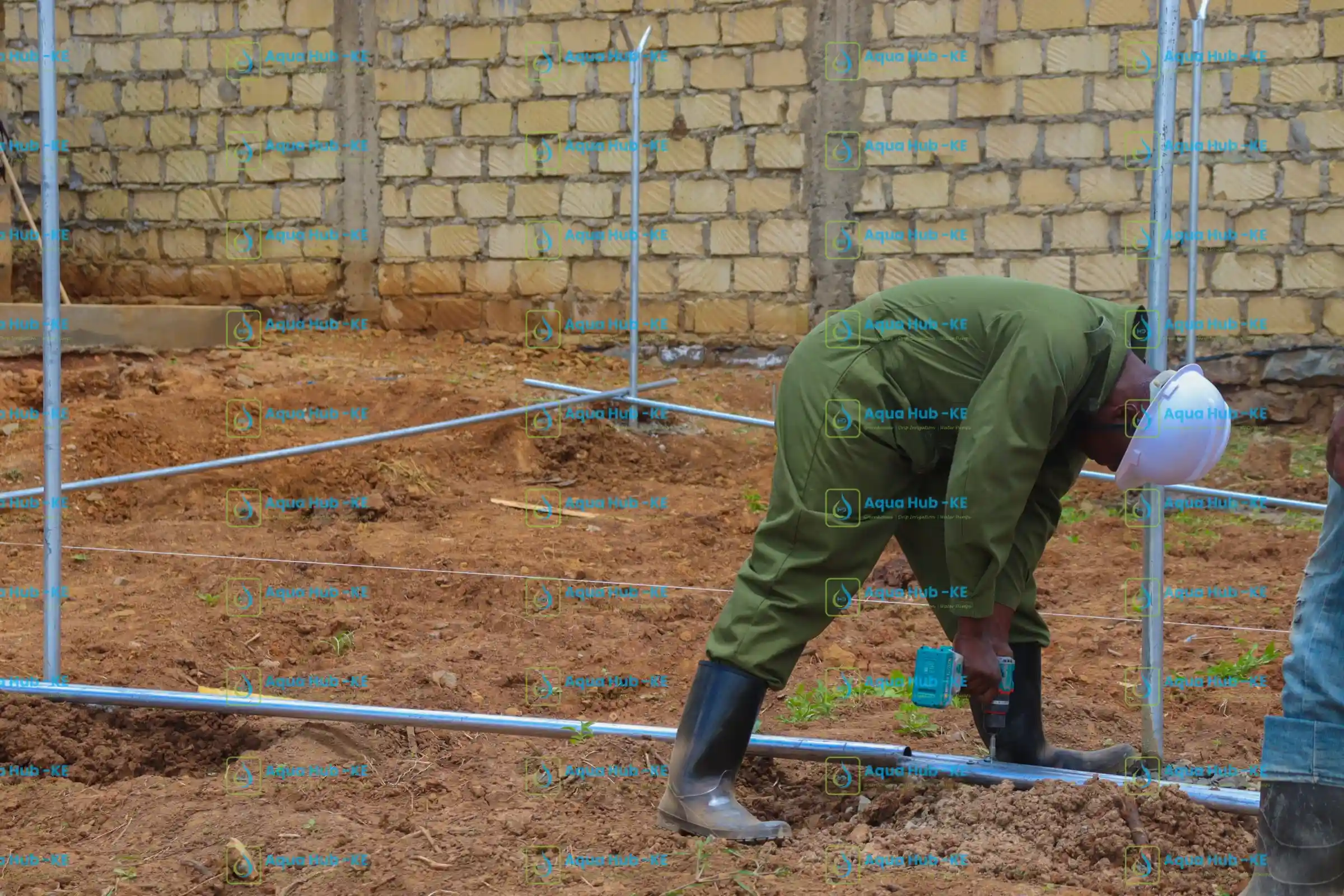
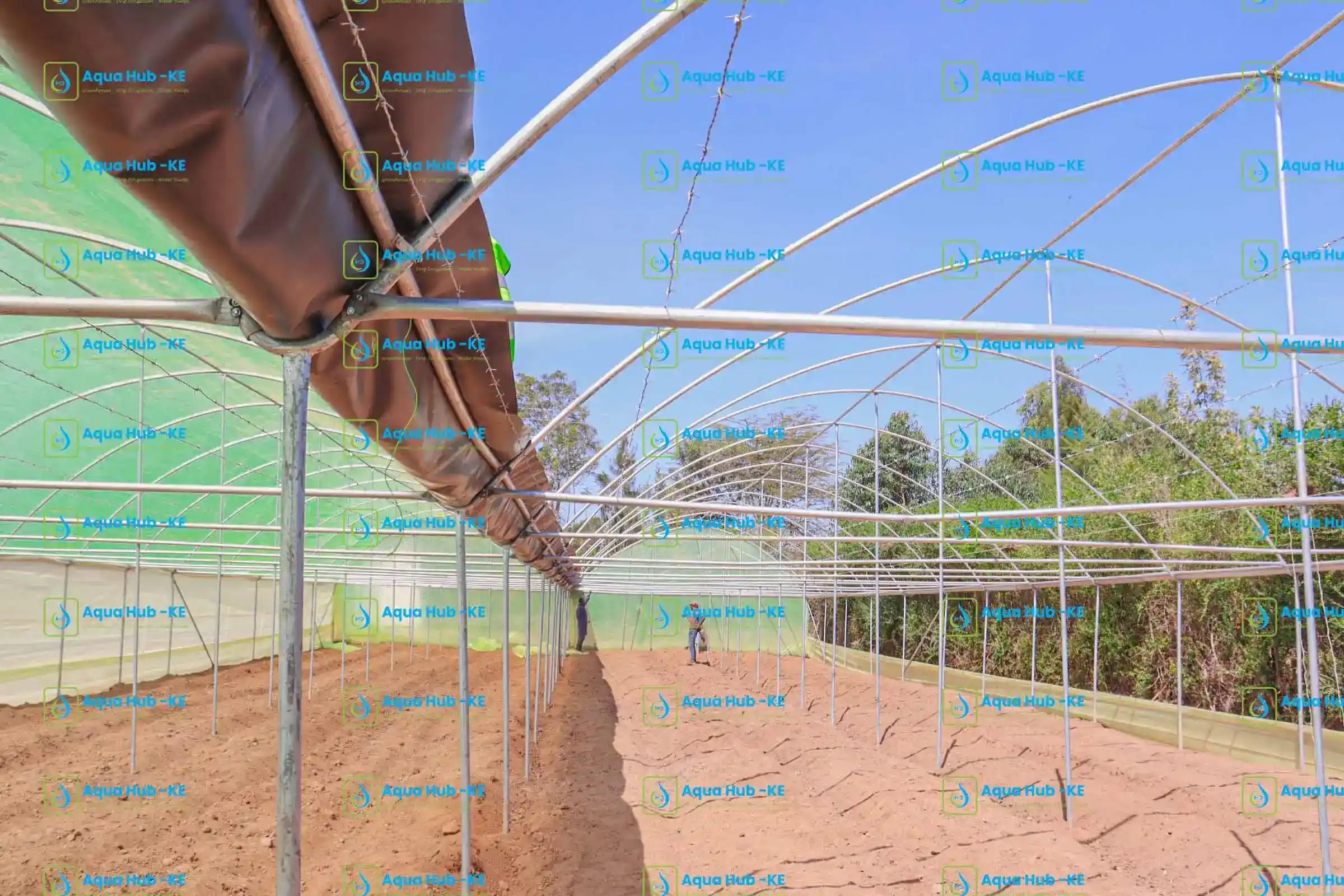
8 August 2025
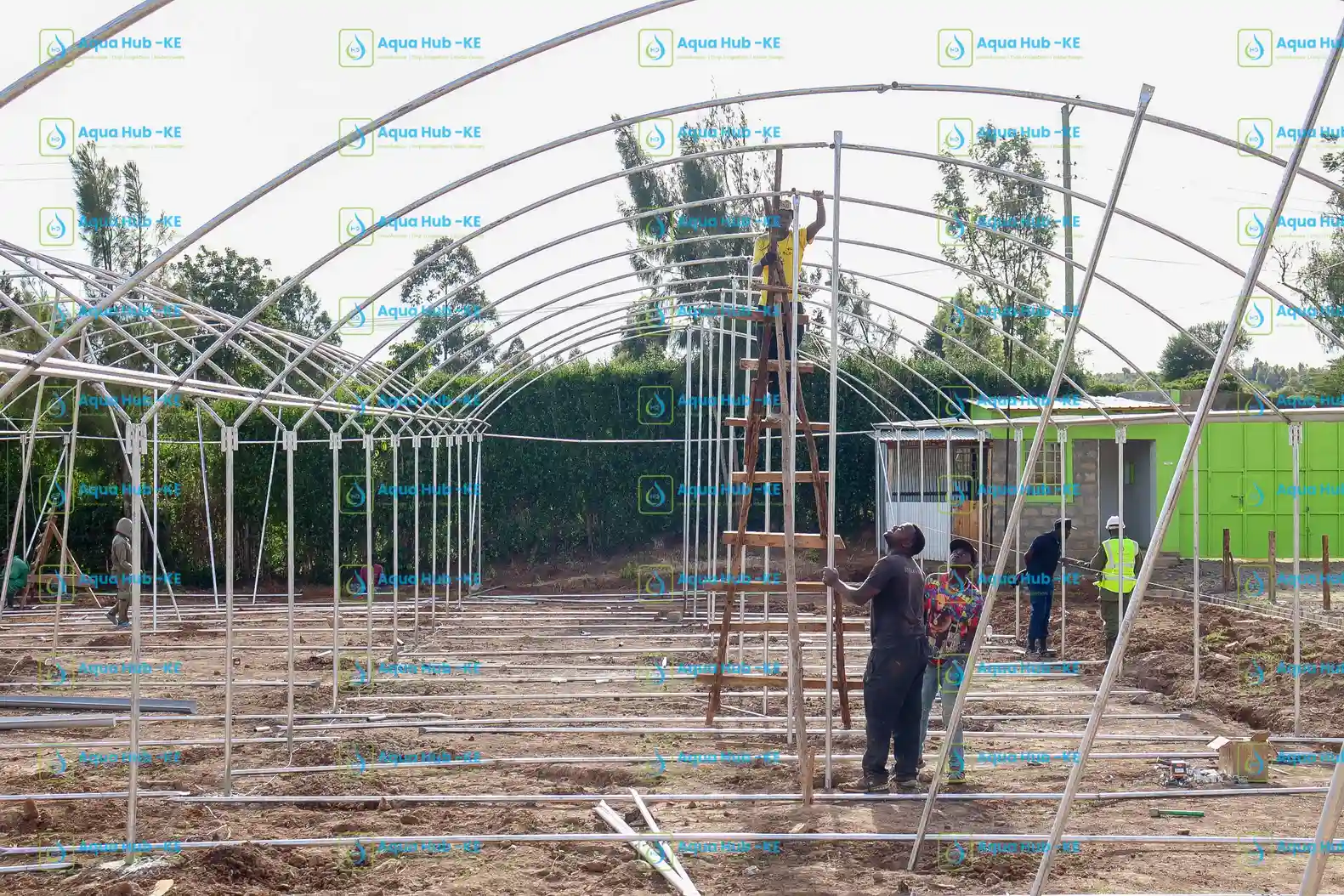
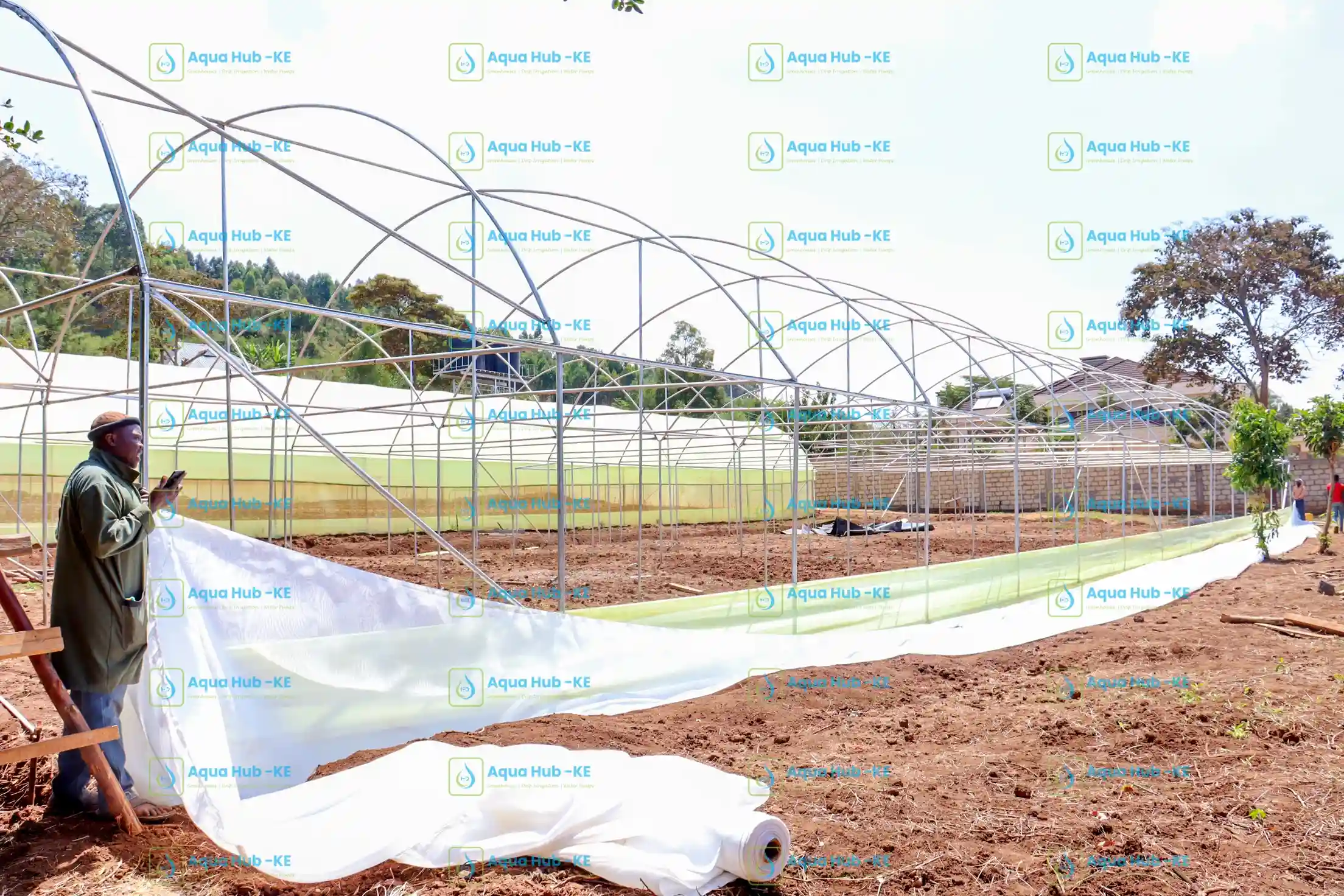
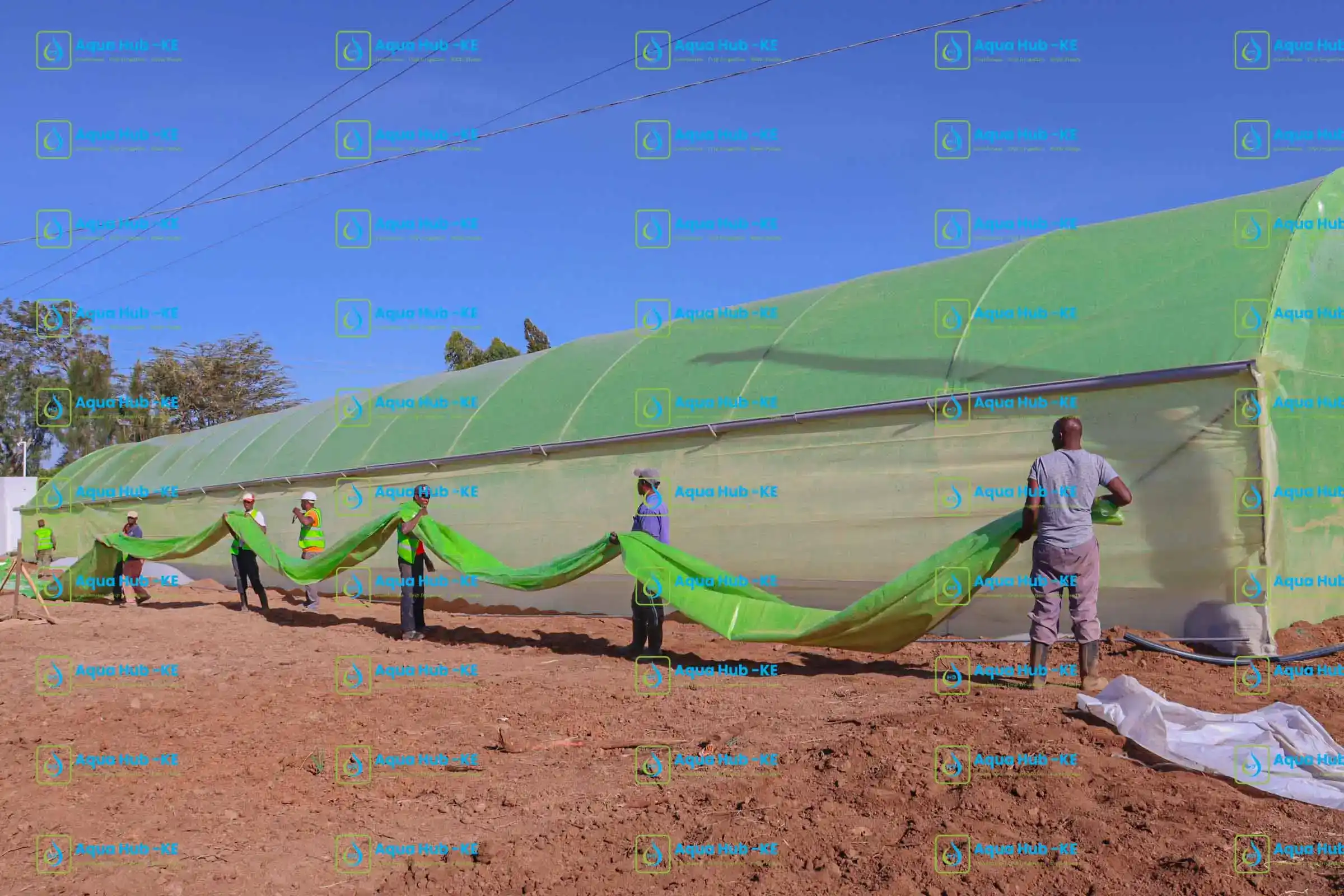
We installed the first greenhouse, a 16 m x 45 m metallic structure covered with polythene, on the prepared site.
October 2025
We installed the solar lighting and the solar water pumping system, including tank mounting and full piping. The farm now had a more reliable water supply and did not depend on grid power for pumping.
November 2025
The second greenhouse, also 16 m x 45 m, was installed with the same metallic frame and polythene cover.
January 2026
The third 16 m x 45 m greenhouse followed, built the same way.
March 2026
We installed the fourth greenhouse, the largest of the four at 24 m x 45 m, with a metallic frame and polythene cover. All four greenhouses came with drip irrigation.
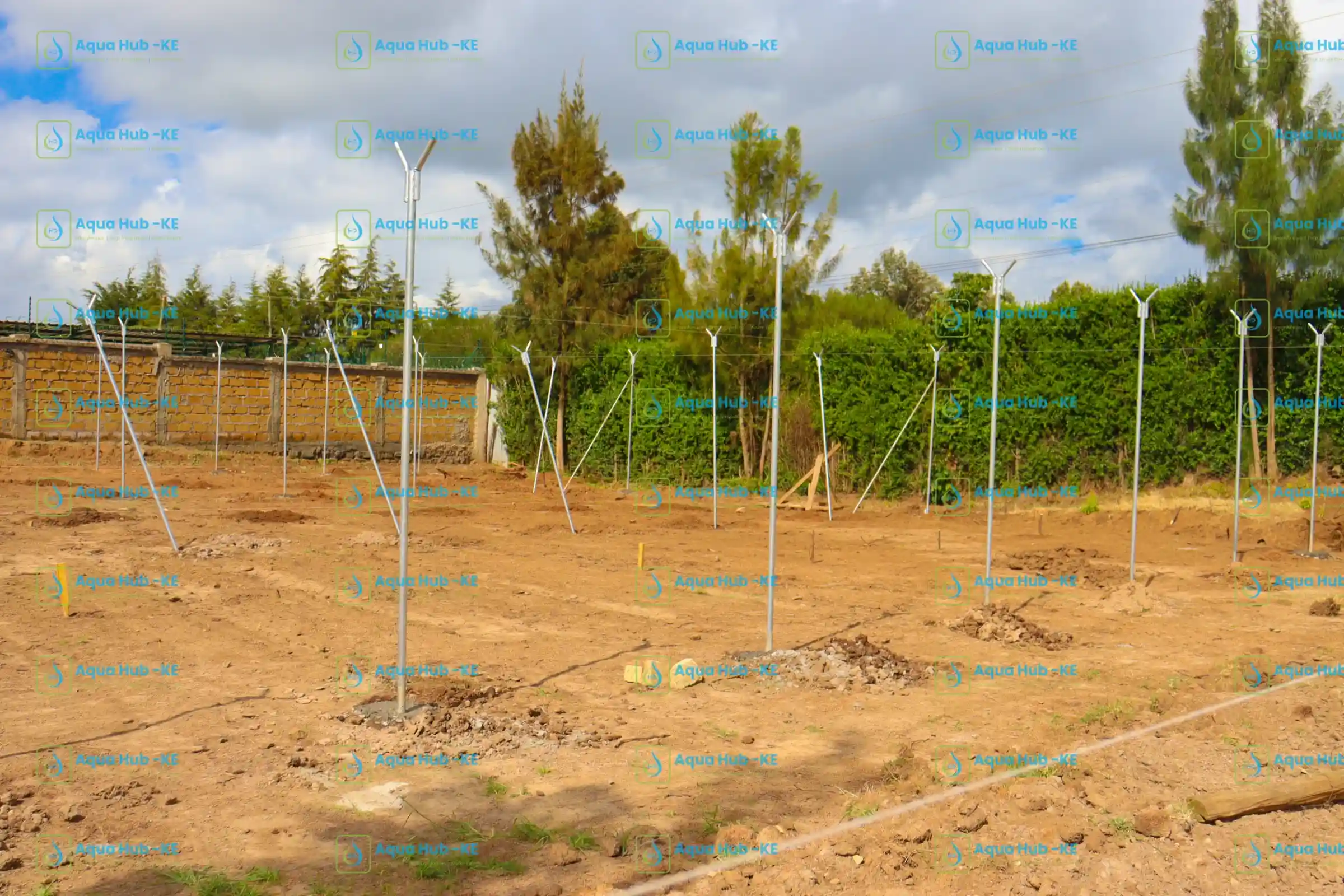
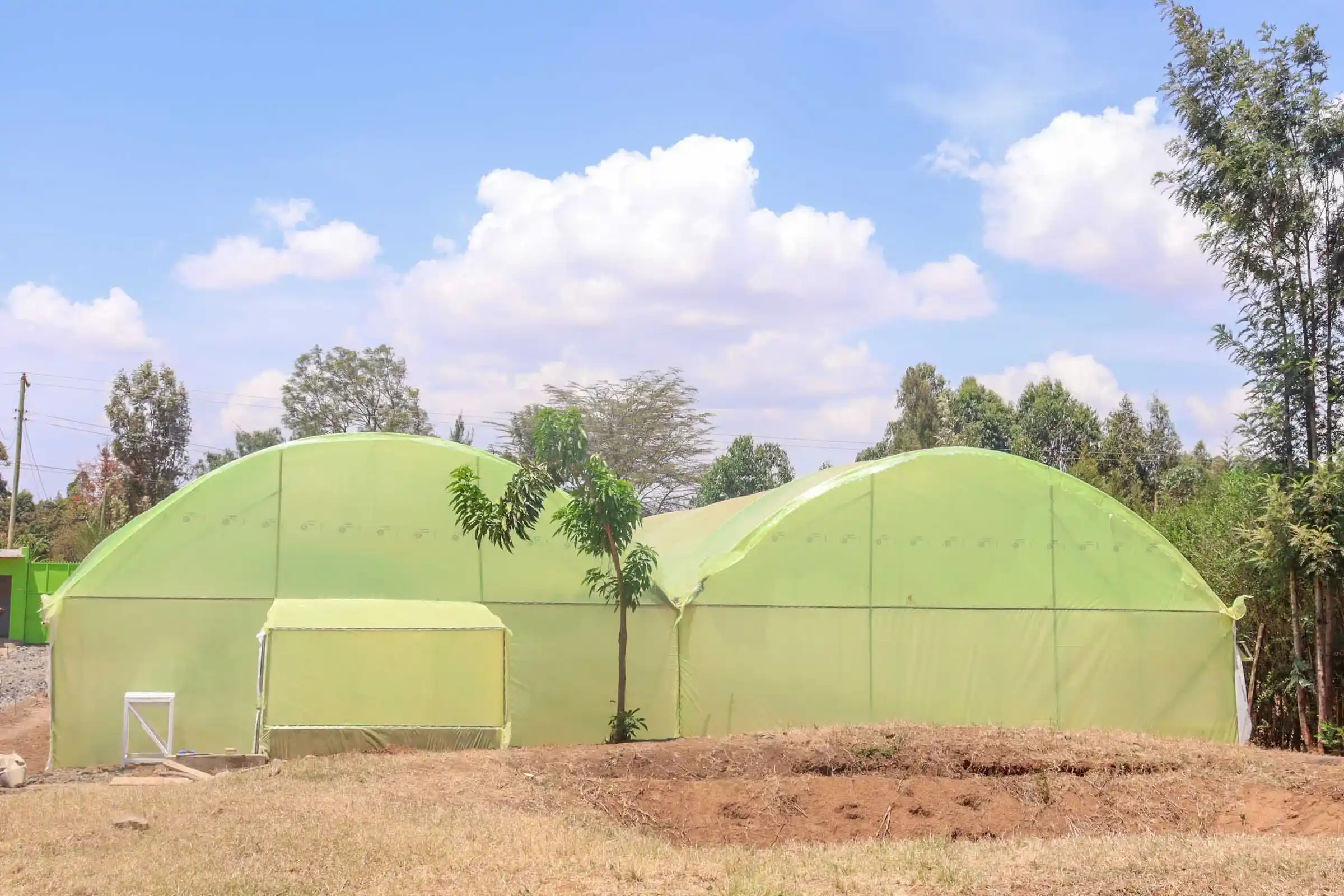
March 2026
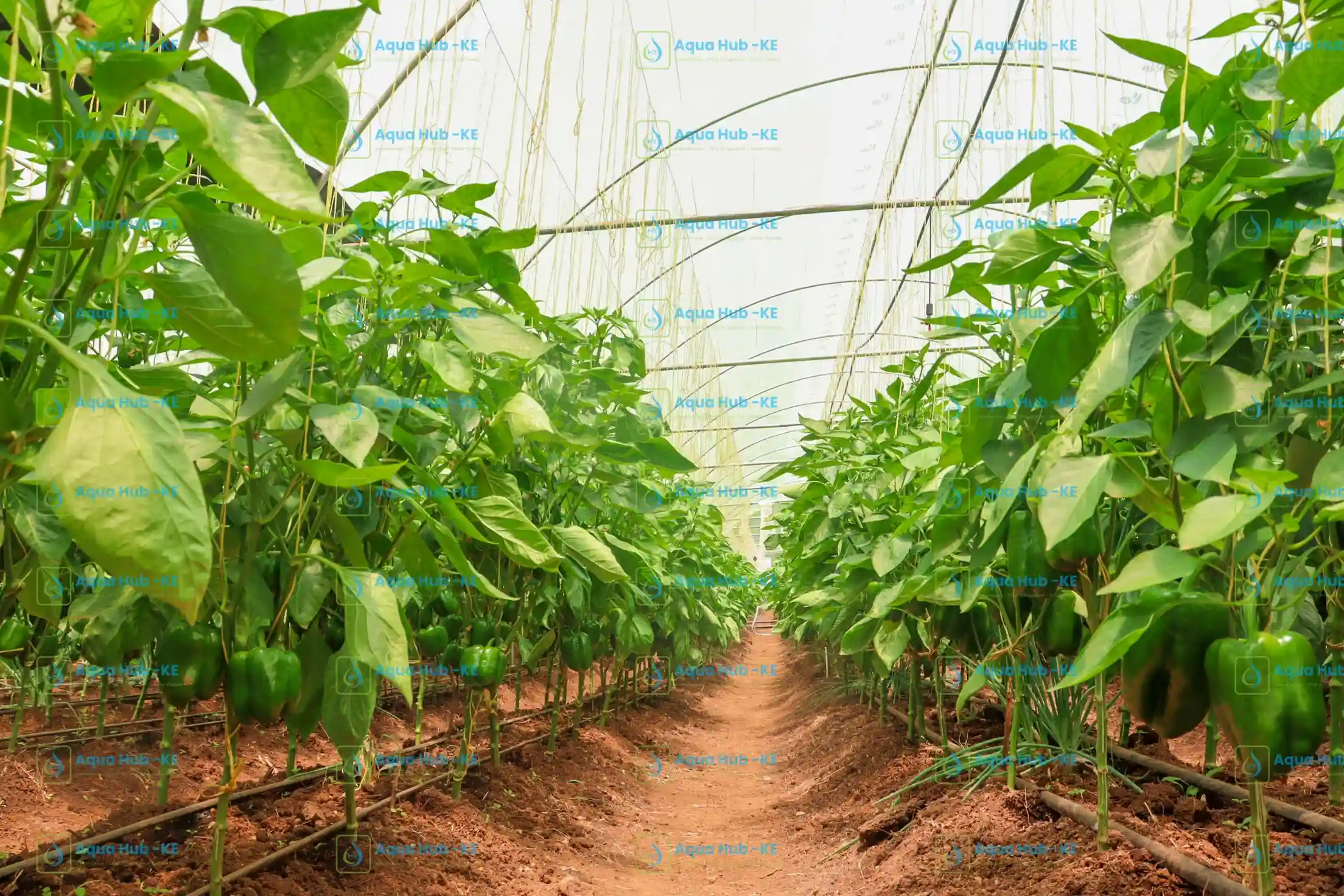
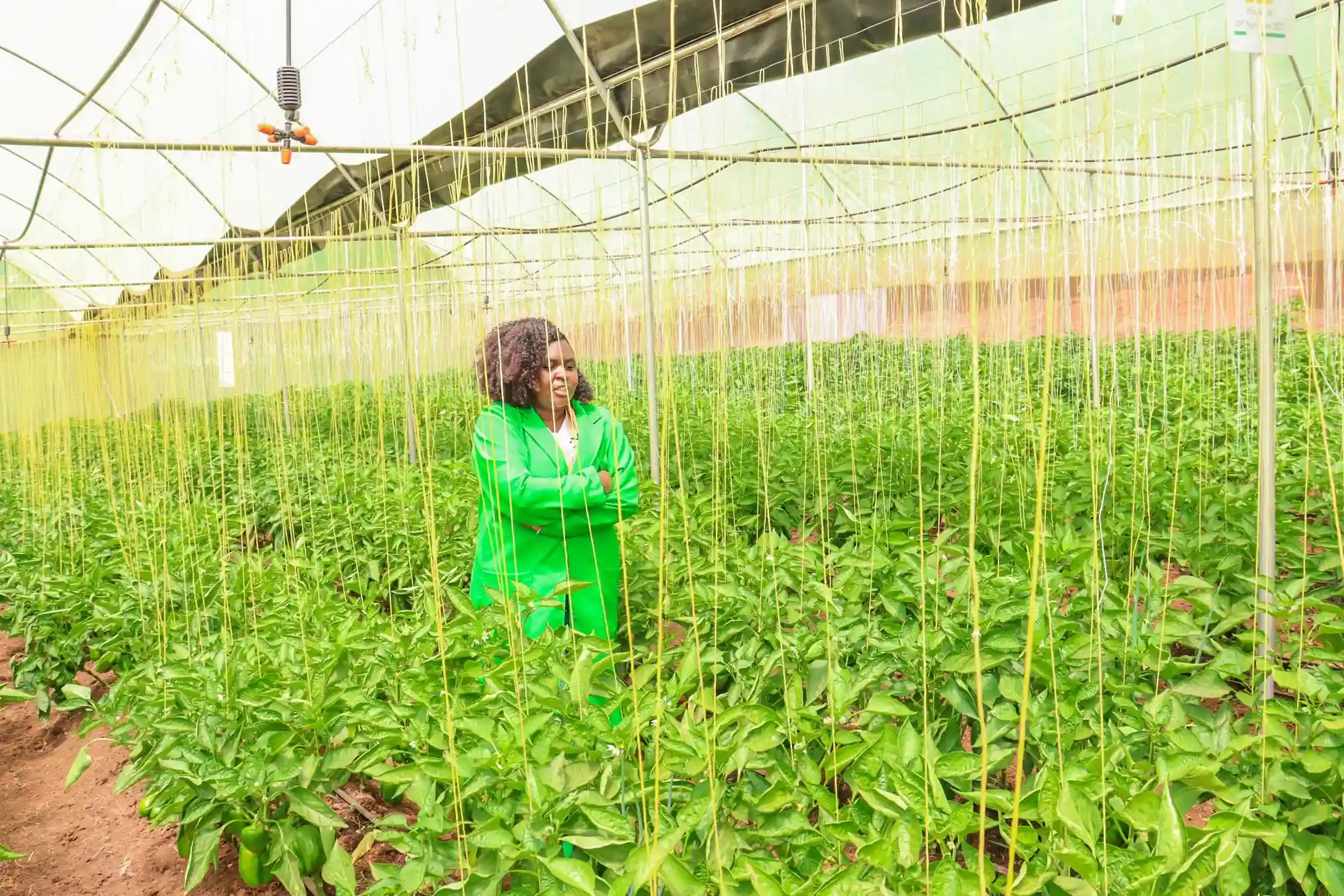
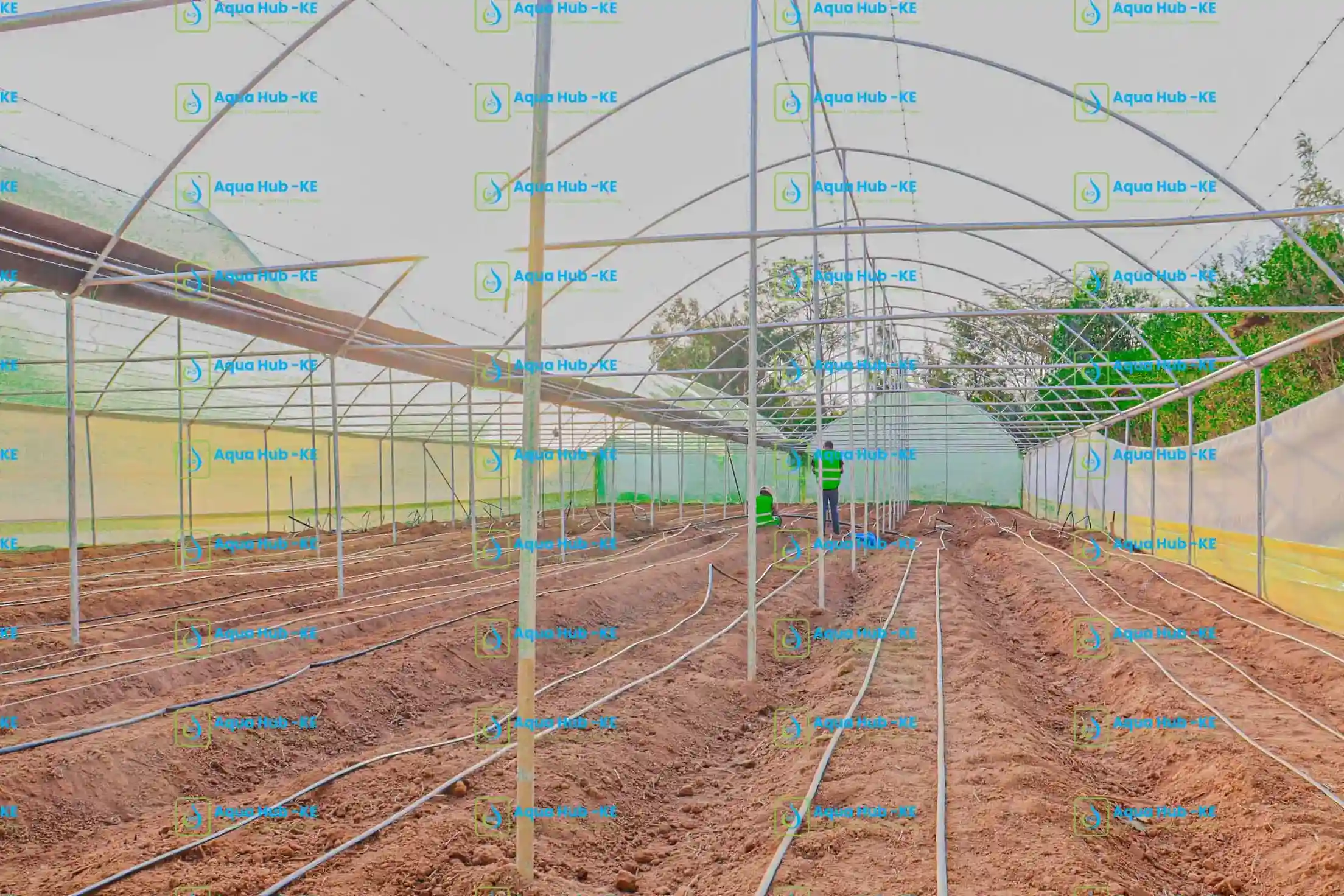
Once all four greenhouses were in place, our engineers carried out quality checks on the completed work. We inspected the four metallic structures and their polythene covers, along with the solar lighting, the solar water pumping system and the drip irrigation. The client was present for the checks.
March 2026
After the quality checks, our engineers handed the four completed greenhouses over to the client. The handover covered the metallic structures with their polythene covers, the drip irrigation, the solar lighting and the solar water pumping system installed in October 2025. The farm now has 3,240 square metres under cover in Kikuyu, Kiambu County, and we have linked the farm to offtakers for its produce.
THE OUTCOME
Before
The school relied on an inconsistent water supply, creating challenges for daily operations and sanitation.
After
The completed borehole and storage system provides the school with a dedicated water infrastructure solution designed around its daily requirements.
Client Testimonial
COMMON QUESTIONS
FAQs
How much does greenhouse installation cost?
Greenhouse installation costs depend on the size, the type of frame, the polythene used and what comes with the structure, such as drip irrigation. We give a quotation after a site visit. On this project the cost of building all the greenhouses together was more than the client could pay upfront, so we split the work into phases.
Can I build my greenhouses in phases?
You can build your greenhouses in phases. On this project we installed four greenhouses between August 2025 and March 2026, and we agreed the scope of work for each phase with the client before starting it.
What size of greenhouse should I build?
The size of greenhouse you build depends on your budget, your land and how much you want to grow. Three of the greenhouses on this project are 16 m x 45 m (720 square metres each) and the fourth is 24 m x 45 m (1,080 square metres).
What crops can I grow in a greenhouse?
The crops you can grow in a greenhouse include high value crops with longer harvesting periods. The main crop on this project was capsicum.
Should I test my soil and water before planting?
You should test your soil and water before planting, because the results tell you what crop nutrition to plan for. We advised the client on this project to do both tests and shared contacts for them.
How do I find a market for greenhouse produce?
You can find a market for greenhouse produce by visiting working greenhouse farms, asking the farmers how they sell, and linking up with offtakers. On this project we took the client to three farms in Ruai, Komarock and Gatundu before construction, and later linked them to offtakers.
What does a greenhouse installation include?
A greenhouse installation on this project included the metallic frame, the polythene cover and drip irrigation. After the work, our engineers carried out quality checks and handed the greenhouses over to the client.
Have a similar project in mind?
Tell us about your site and we’ll get back to you with a free assessment.