
Wundanyi, Taita Taveta
Shade House for Seedling Propagation in Taita-Taveta County, Kenya
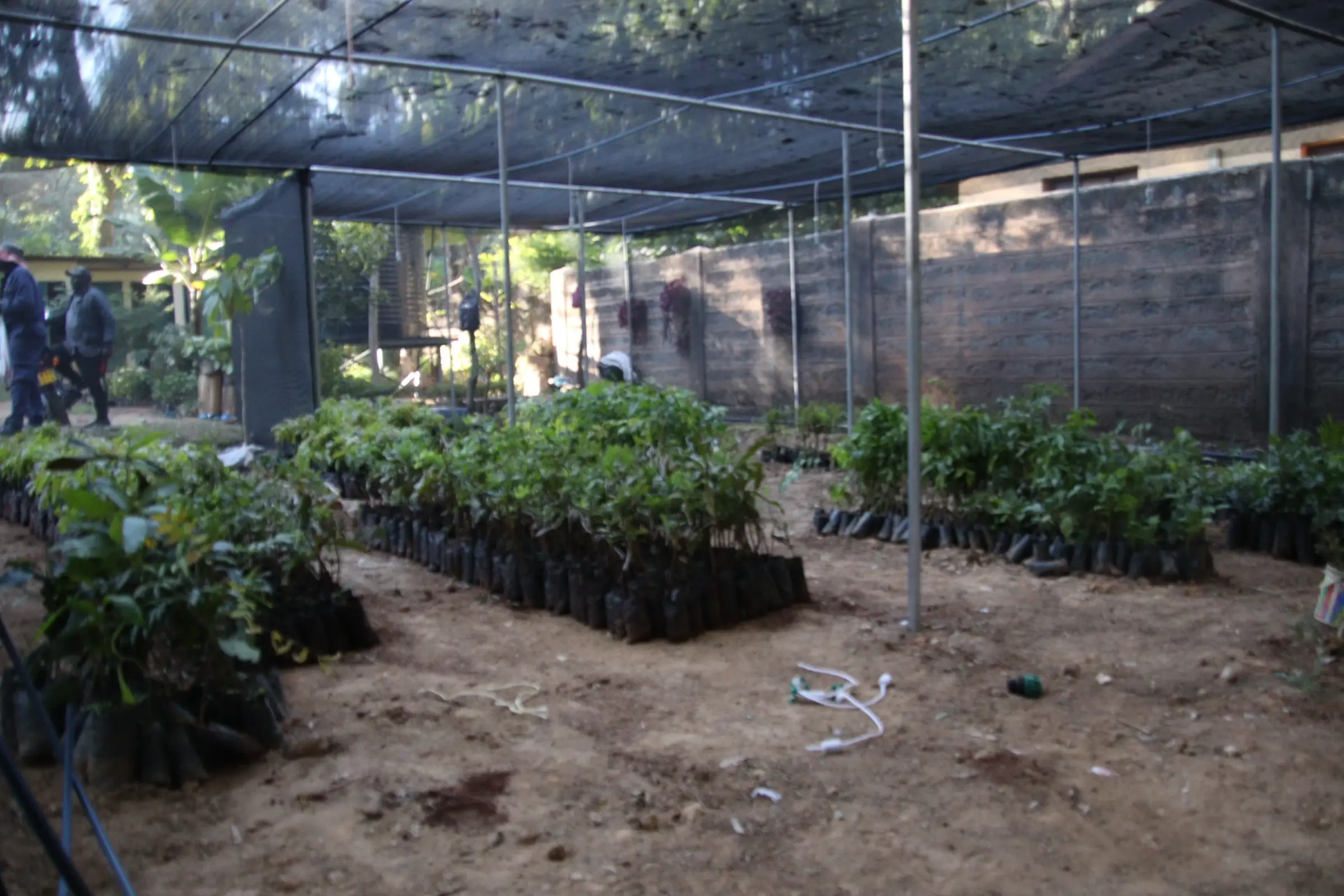
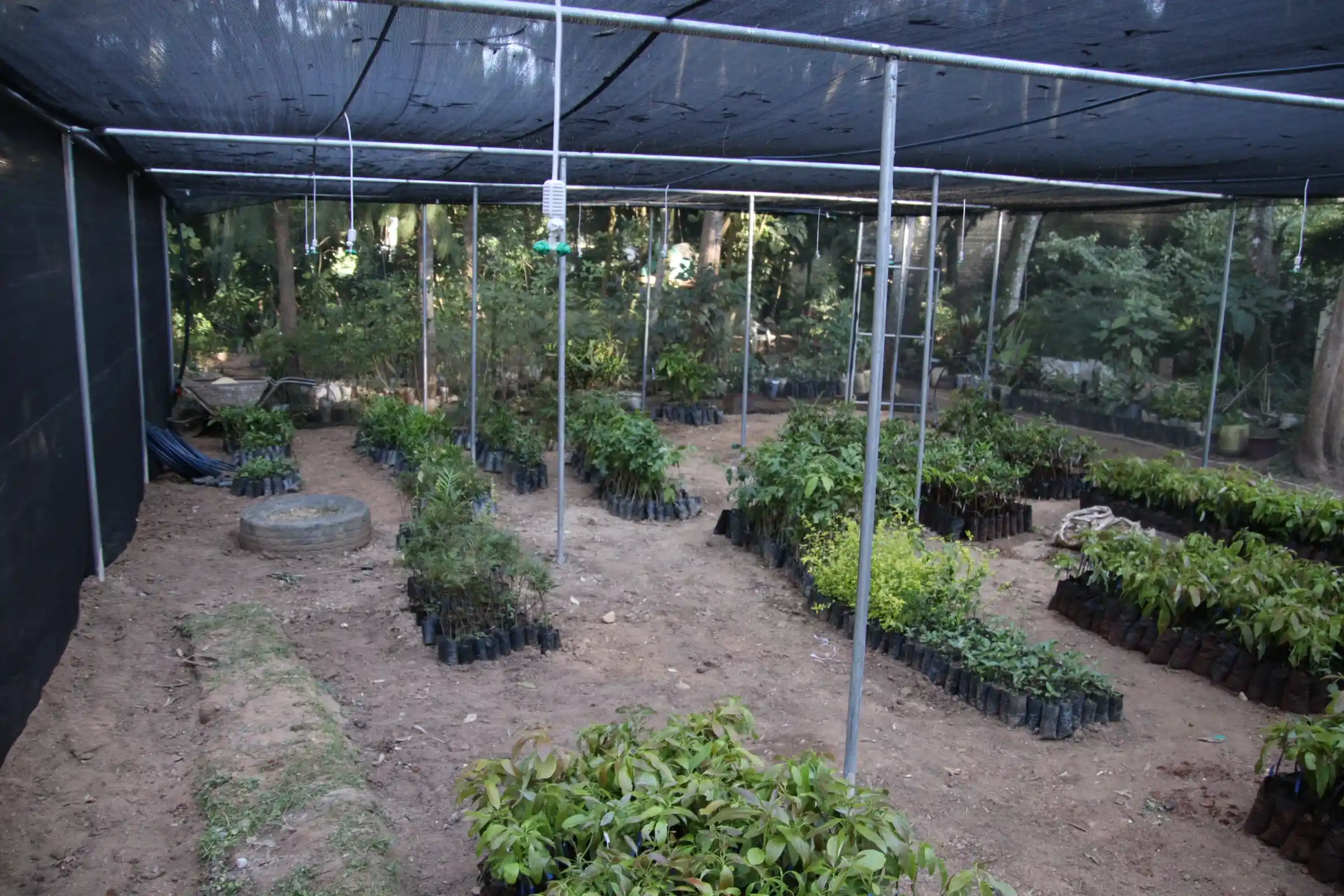
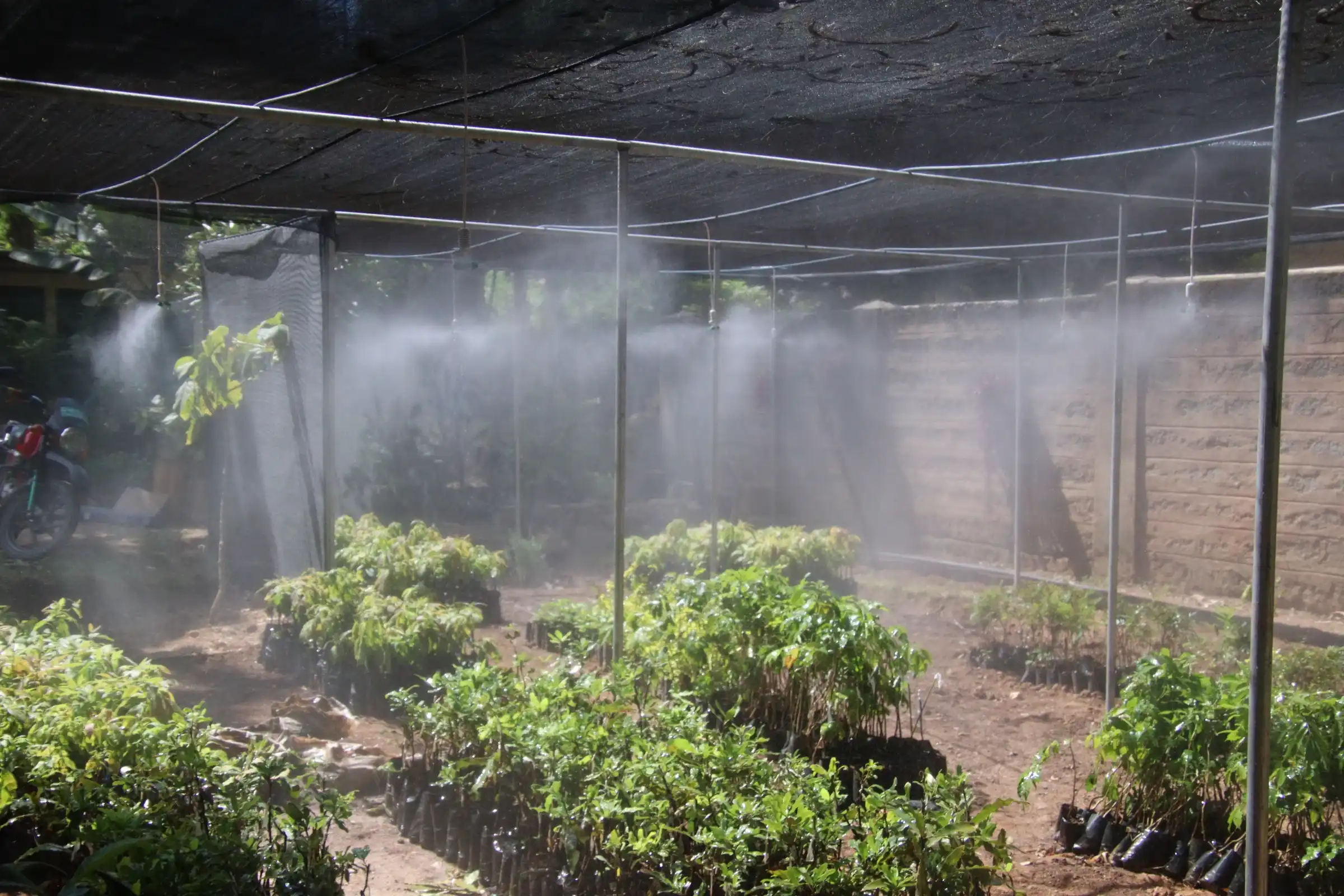
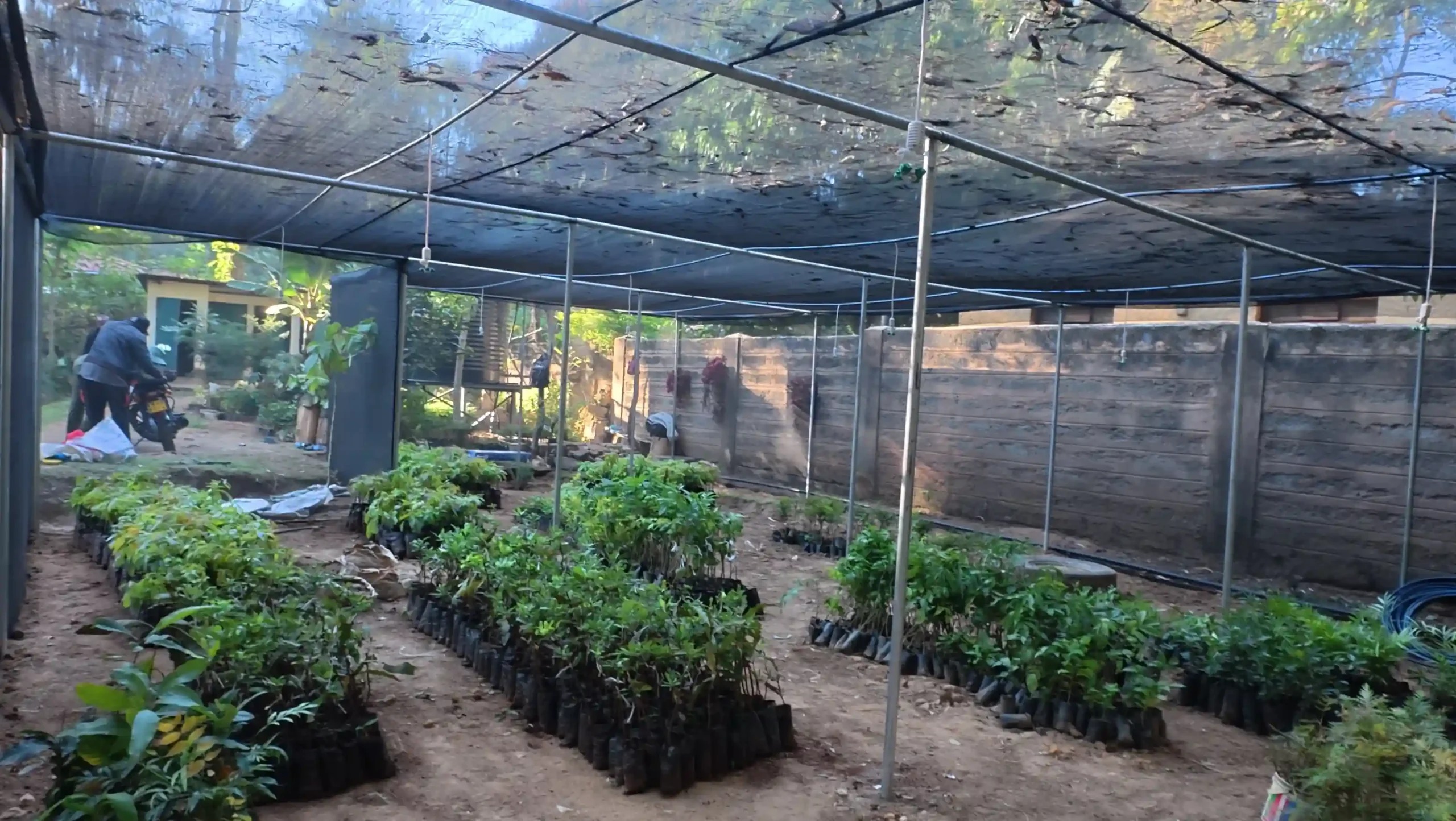
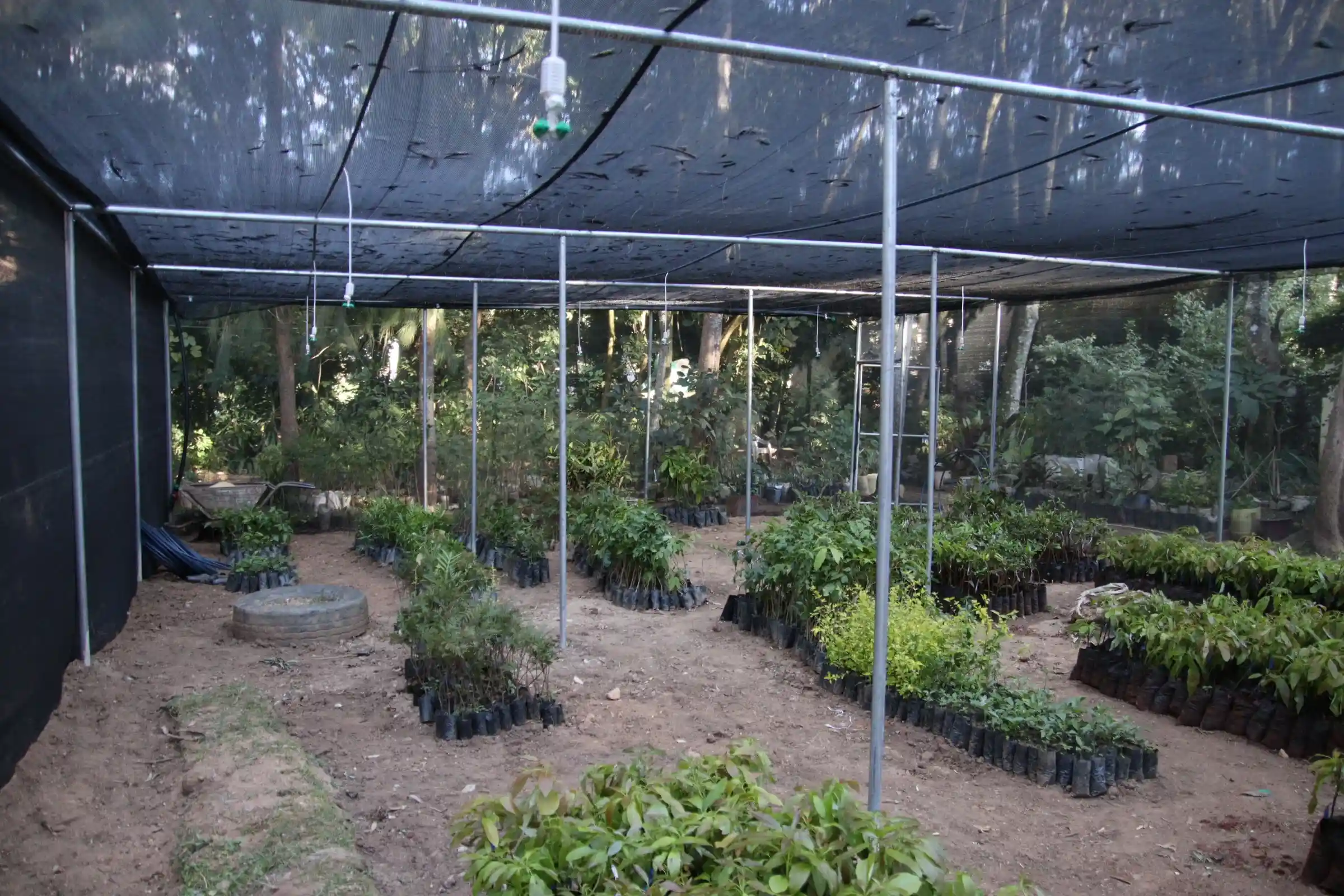
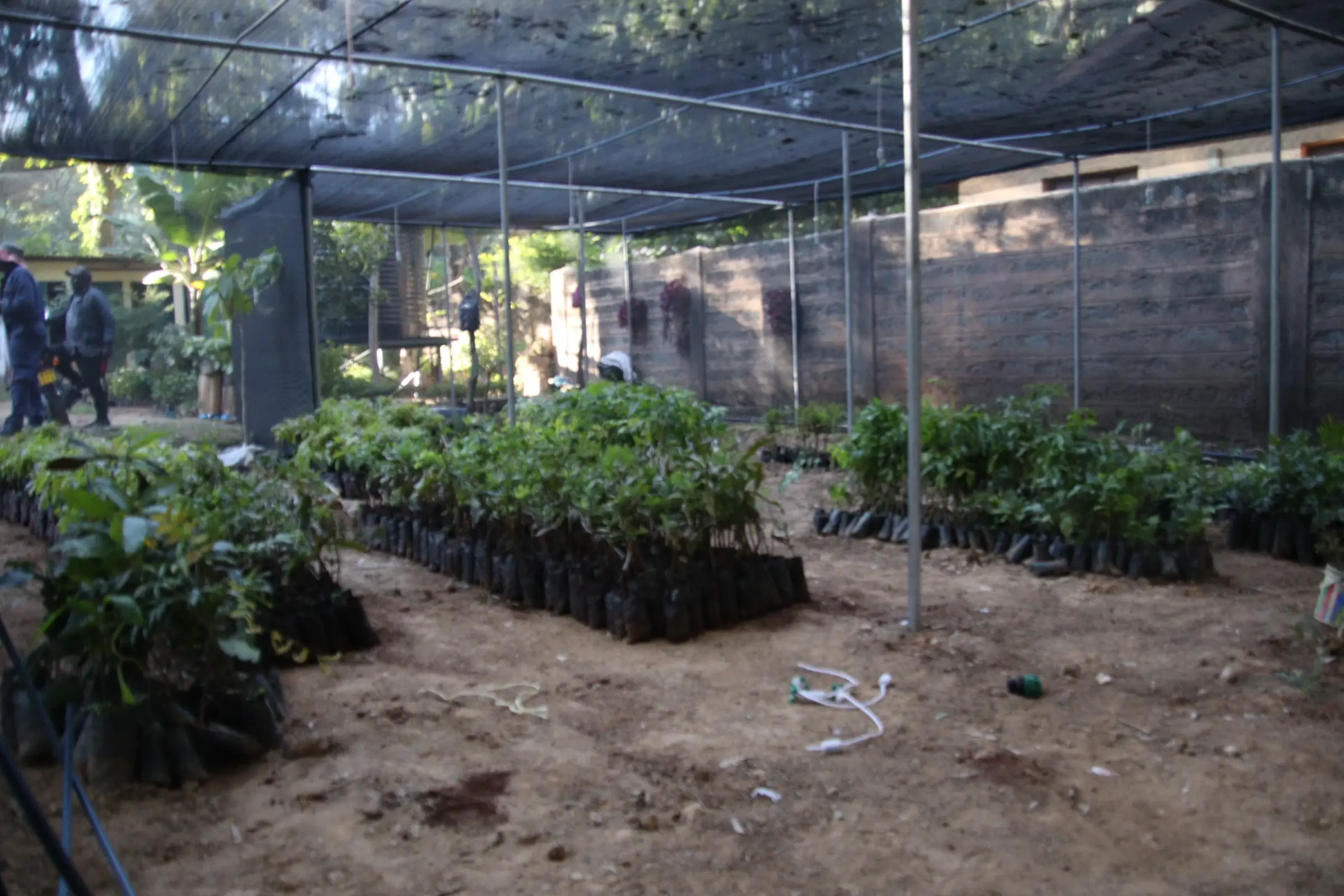
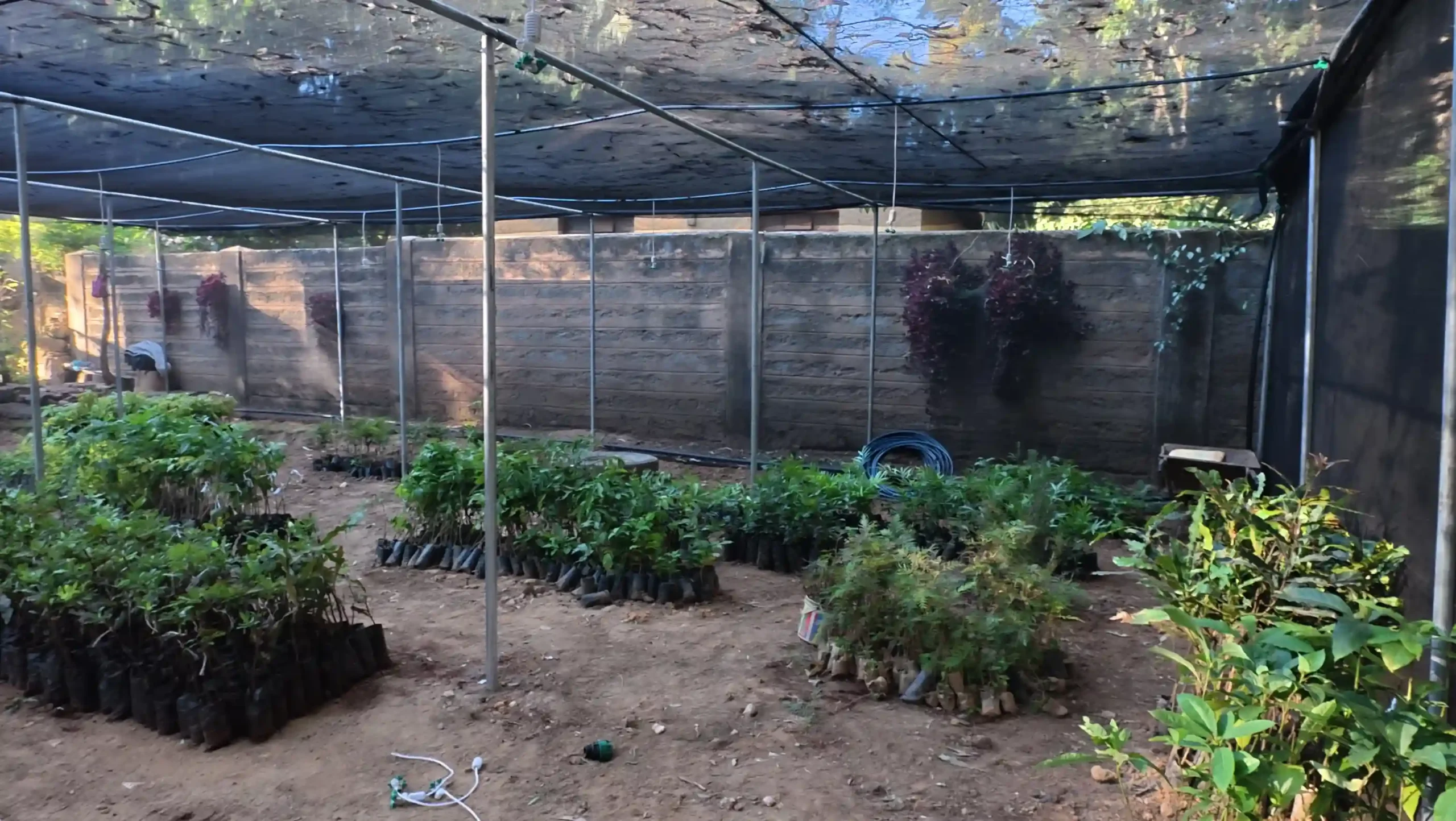
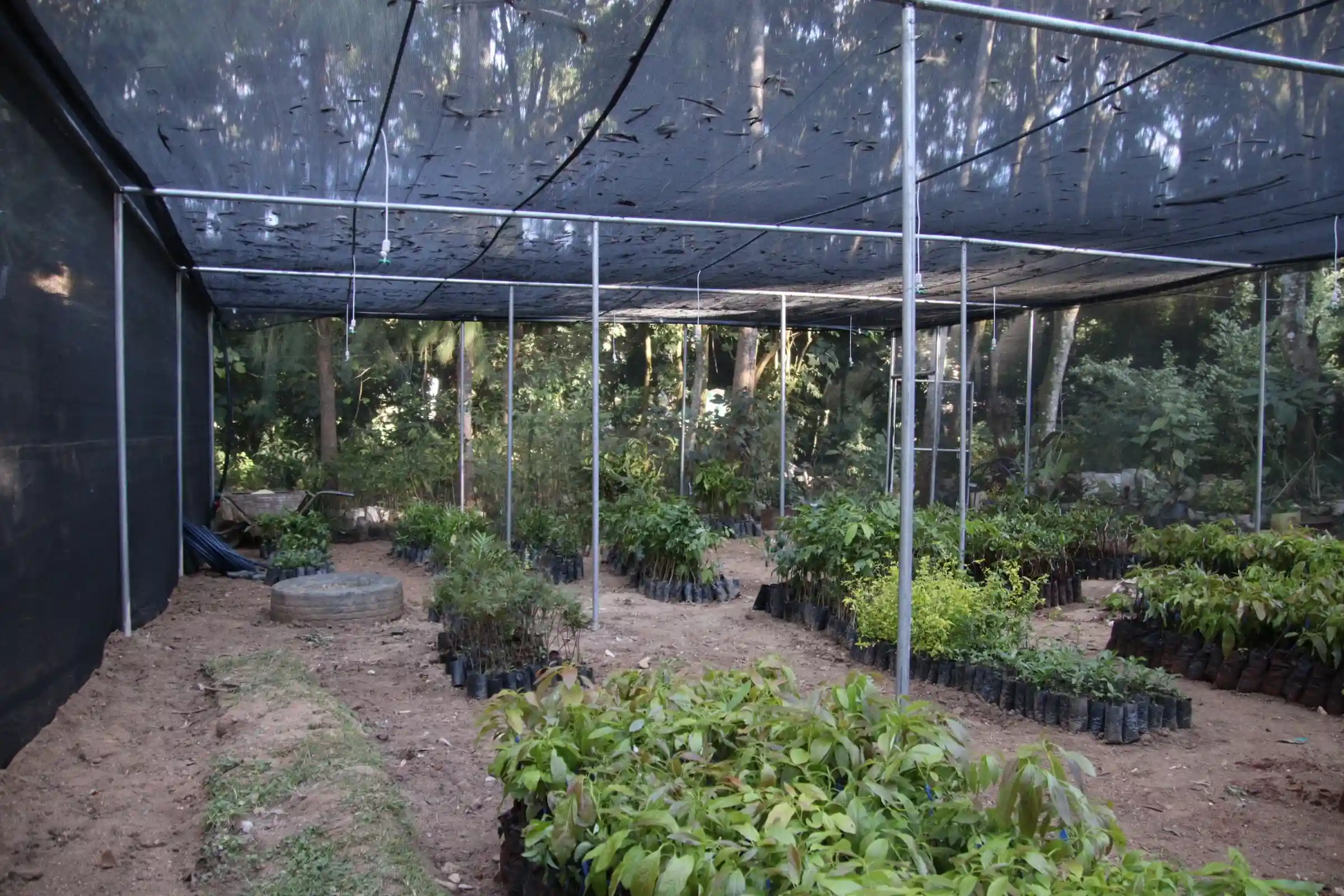
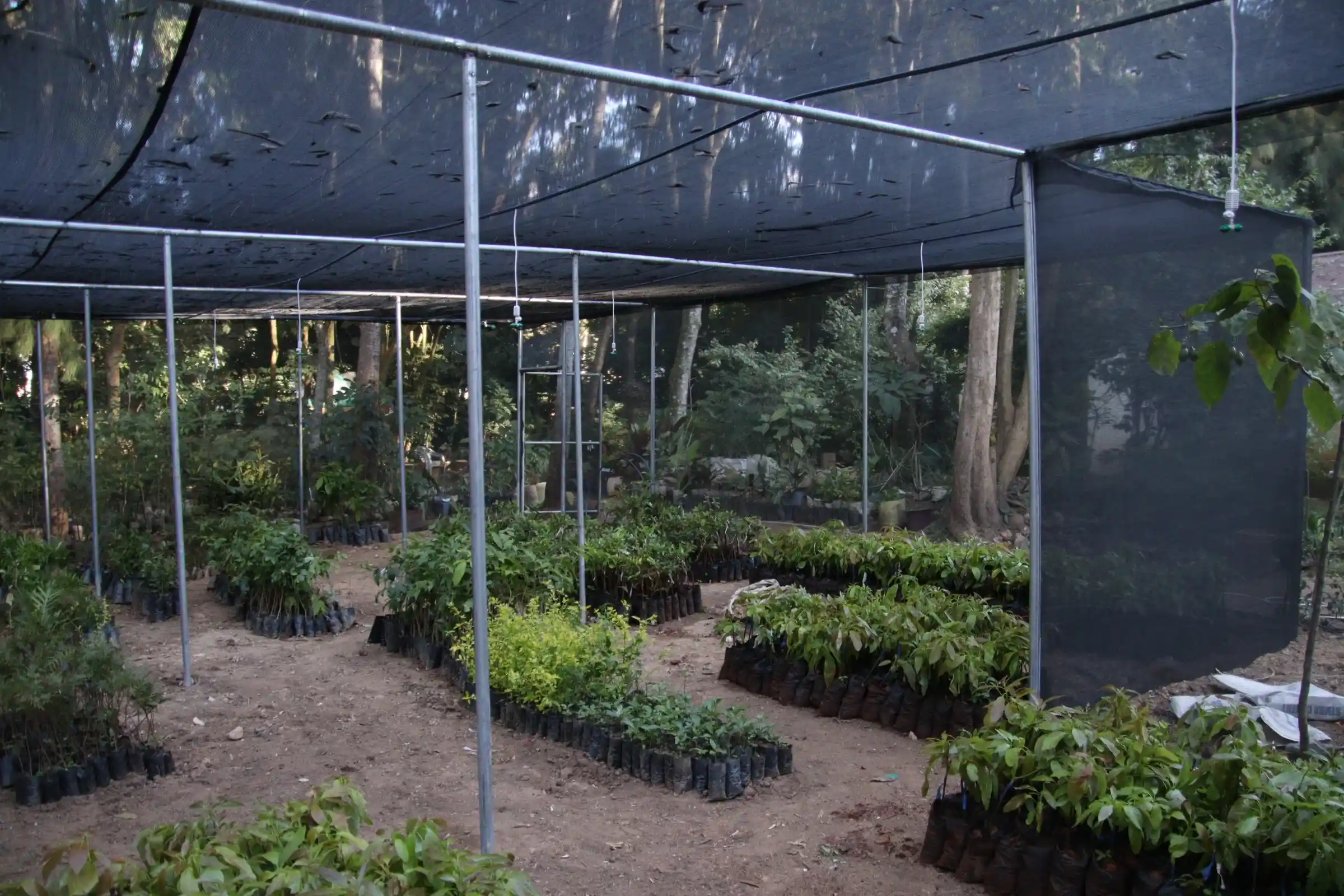
Aqua Hub Kenya built a shade house for seedling propagation in Wundanyi, Taita-Taveta County. The client wanted to improve the quality of its seedlings, and the 8x24m structure is covered with 55% shade net, which reduces the sunlight reaching them. The same water system that supplies the client’s greenhouse also supplies the shade house. Our team completed the installation in 7 days, from 8 to 14 August 2026.
Location
Wundanyi, Taita Taveta
Duration
7 days
Completed
2026-08-14
PROJECT AT A GLANCE
What we delivered
Aqua Hub Kenya delivered an 8 m x 24 m shade house for seedling propagation in Wundanyi, Taita-Taveta County, together with grafted seedlings to support the client’s propagation work. Our team supplied:
- Structural frame, 8 m x 24 m
- 55% shade netting
- Grafted macadamia seedlings
- Grafted avocado seedlings
At handover on 14 August 2026, representatives of the client and its funder checked the deliverables against the agreed specifications.
The challenge
Seedling growers who raise their plants in open conditions lose many of them before planting. Direct sun and heat dry out young seedlings, which leaves fewer plants to sell or plant out.
The seedlings that survive are often weaker and uneven in quality. What these growers need is a shaded growing space that cuts the sun and heat, so that more seedlings reach planting size.
Our approach
Our team visited the site in Wundanyi in June to look over the land and the project’s requirements. We then sent our findings and recommendations to the client’s funder for review and approval.
We recommended an 8 m x 24 m shade house with 55% shade net, sized to the client’s seedling propagation work. Once the funder approved, the project went ahead in August 2026.
HOW IT HAPPENED
The process, start to finish
Every Aqua Hub Kenya project follows the same stages. Here’s exactly how this one went, with photos and video from each visit.
June 2026
The client first contacted us in March about a shade house to improve the quality of its seedling propagation. In June, our team went to the site in Wundanyi to see where the structure would stand and to go over the project’s requirements with the client. We used the visit to prepare the recommendation that followed.
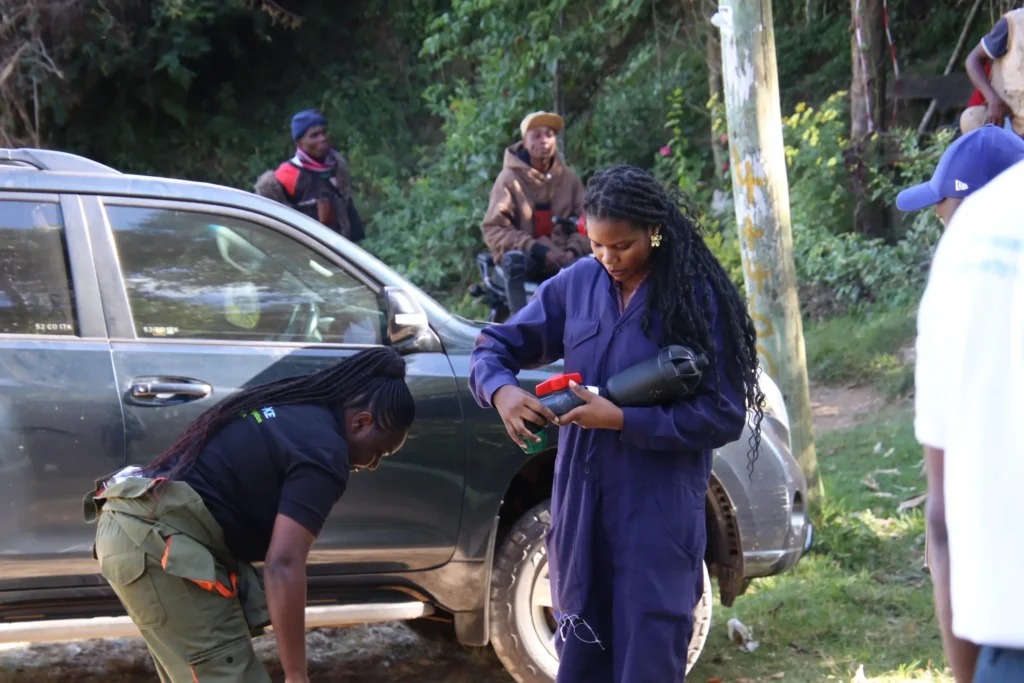
Once the visit was done, we put our findings and recommendations into a submission for the client’s funder. For the shade house, the recommendation covered an 8 m x 24 m structure with 55% shade net, along with the grafted seedlings we would supply for the client’s propagation work.
The funder reviewed the submission and approved it, which cleared the way for us to start work in August.
7 to 8 August 2026
The frame materials and the shade netting were transported to the site in Wundanyi, along with the installation team and their tools.
The ground where the shade house would stand was cleared and levelled. The 8 m x 24 m footprint was then marked out, and holes were dug for the posts.
From 8 August 2026
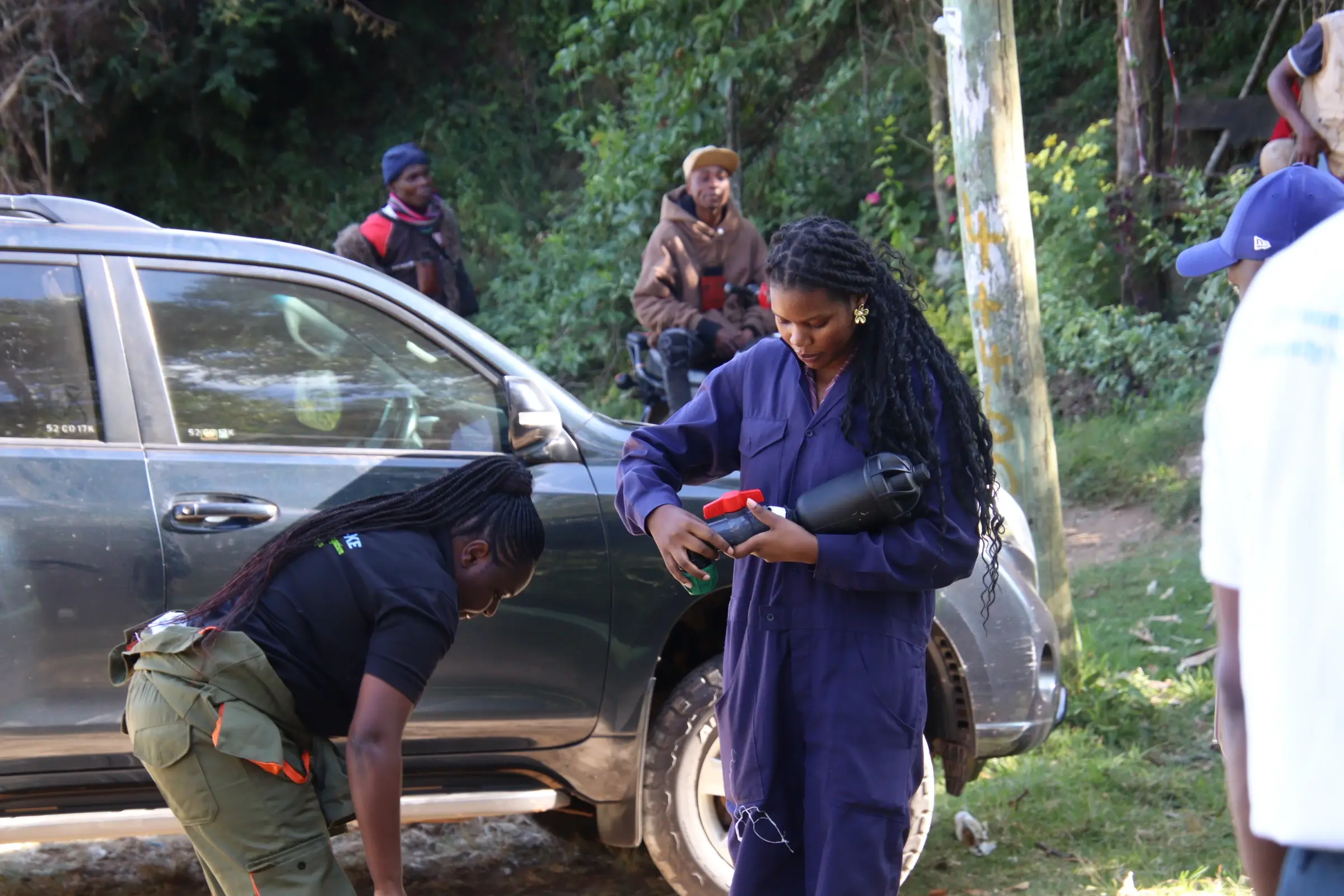
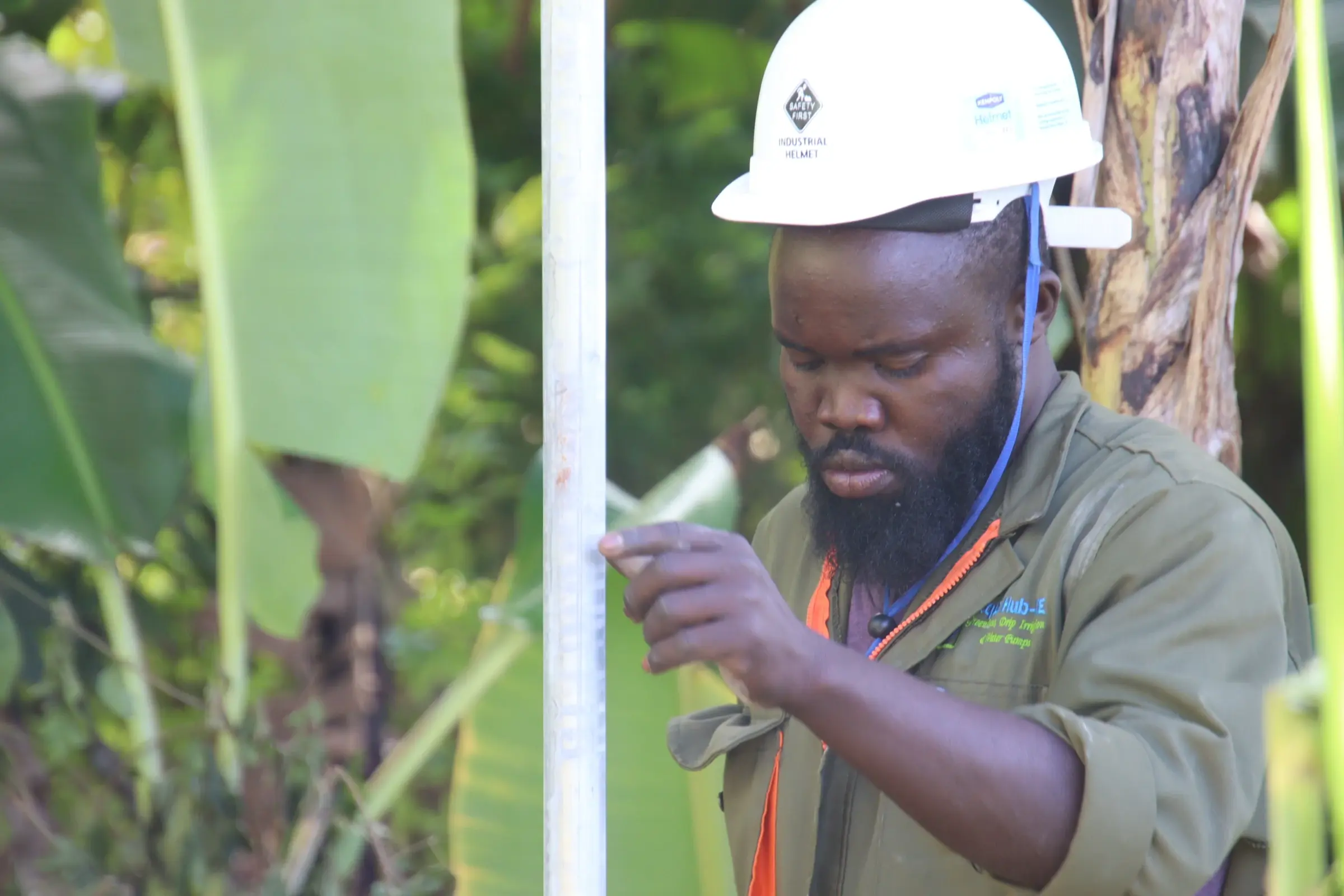
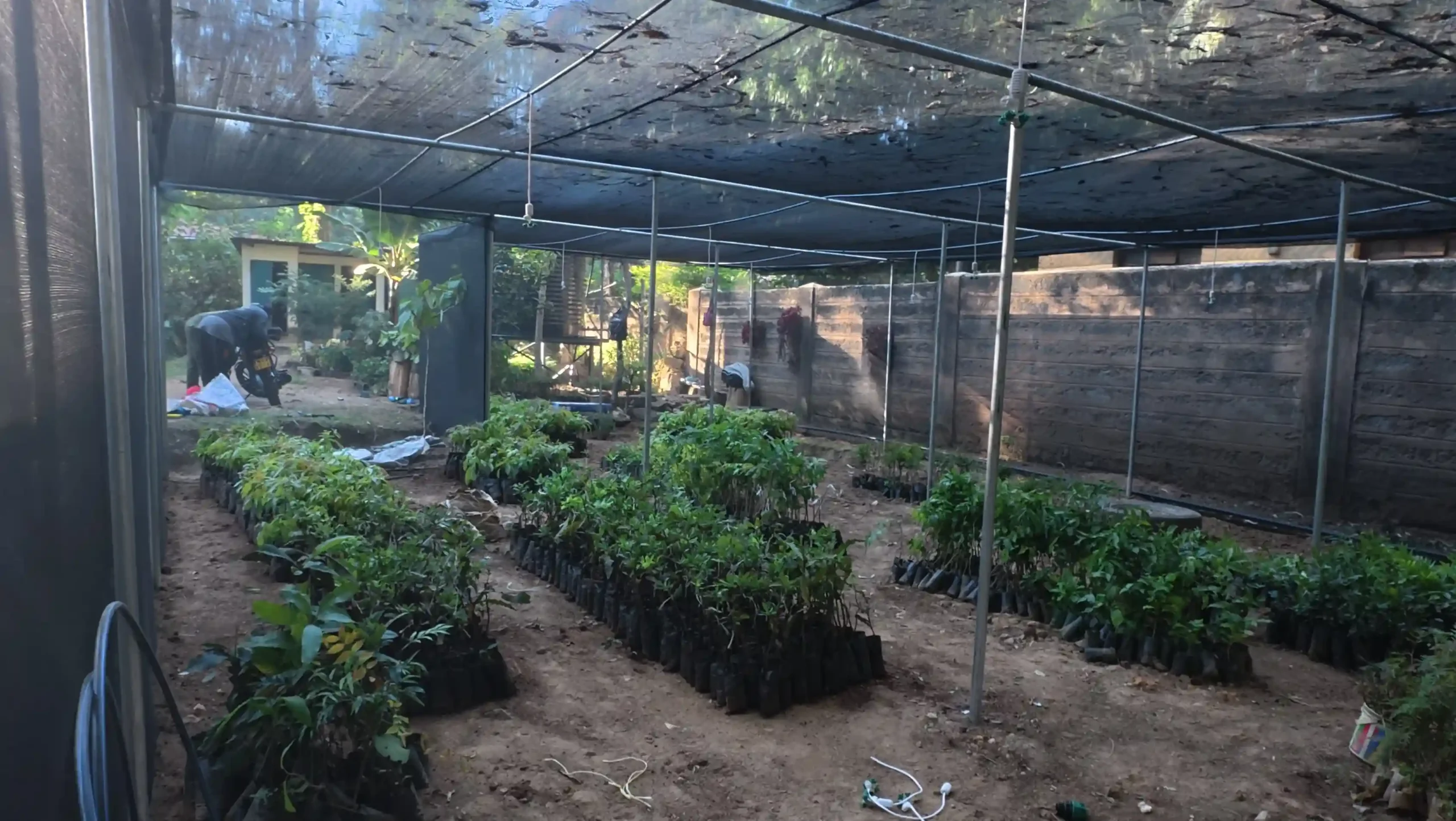
Construction began on 8 August with the frame, the first stage of building the 8 m x 24 m shade house. The posts were erected in the holes dug during groundwork, and the roof structure was fixed to them. The frame was then braced to keep it rigid.
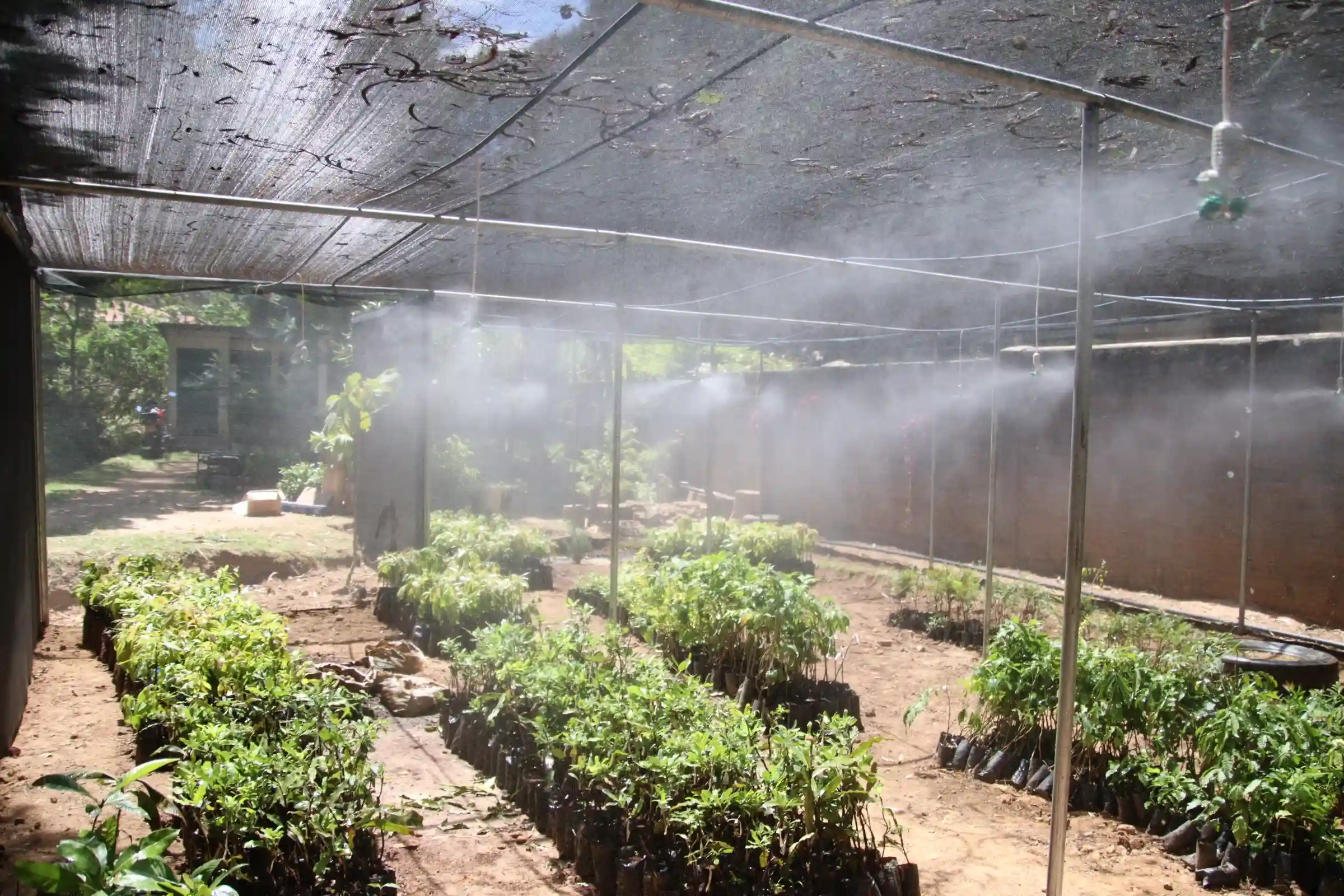
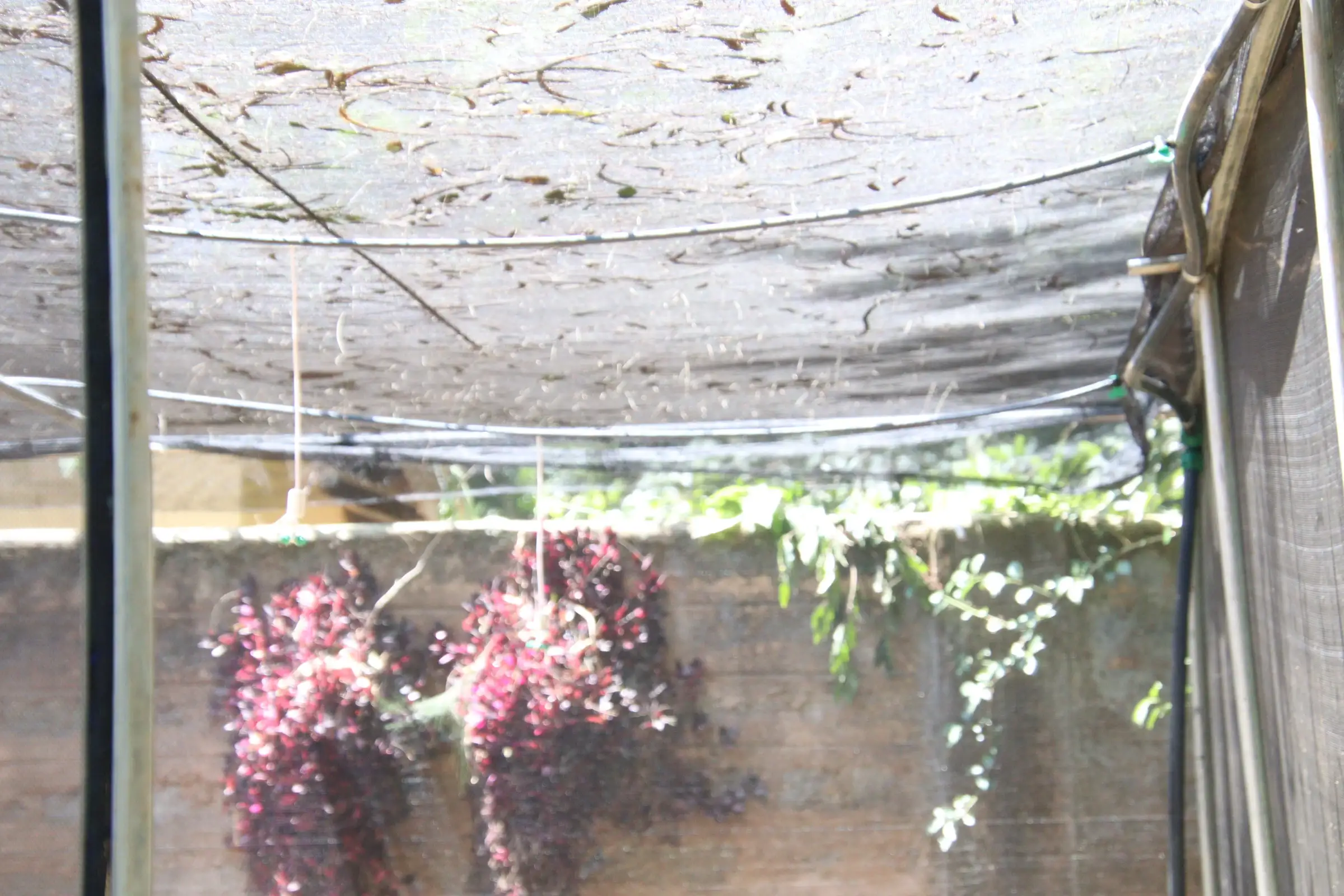
The 55% shade net came next. It was fixed securely to the frame, covering both the roof and the sides, so that the whole growing area is shaded. This reduces the direct sun reaching the seedlings underneath.
With the frame and net in place, the shade house was complete and ready for quality checks. The work took place in the same week as the greenhouse build.
14 August 2026
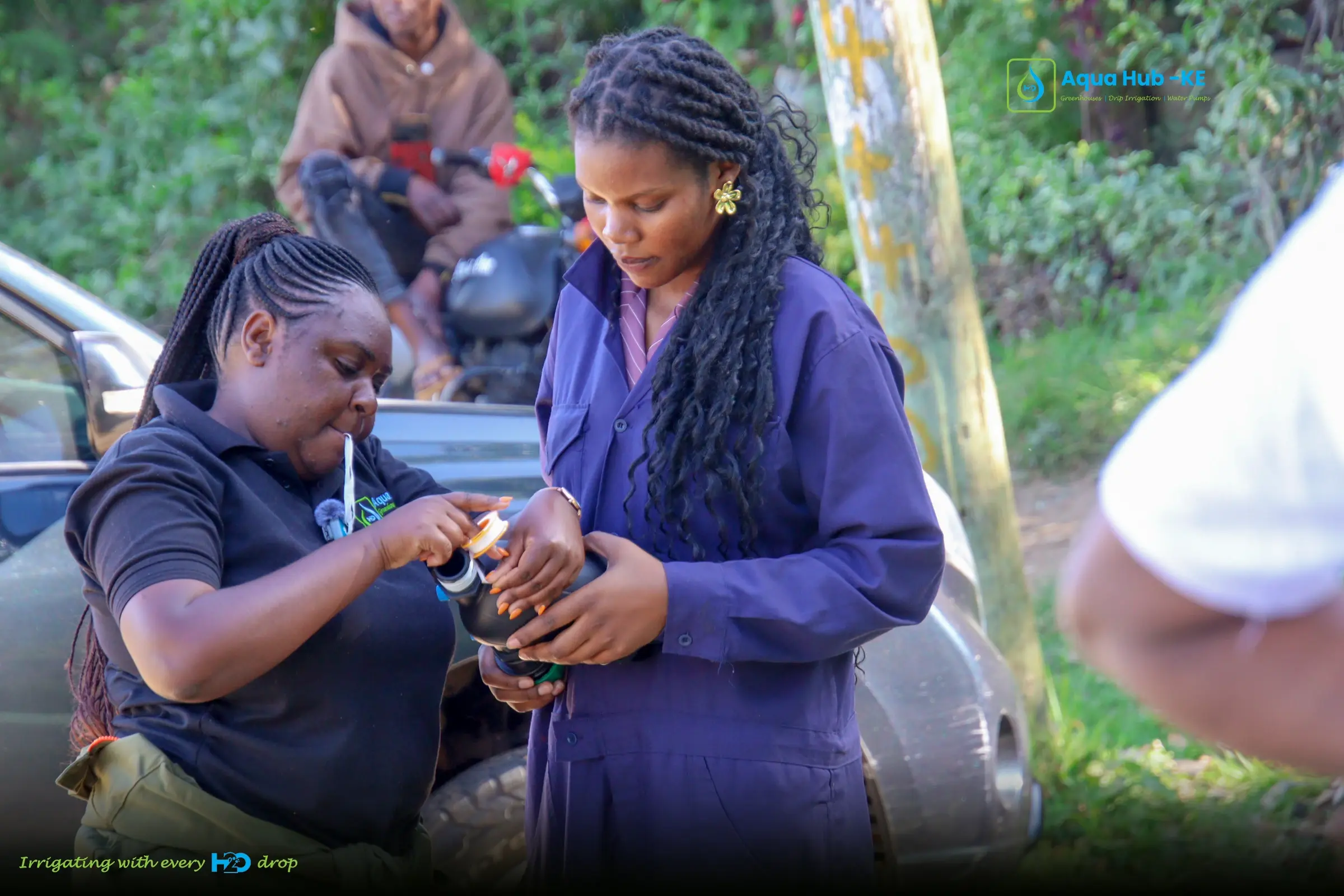
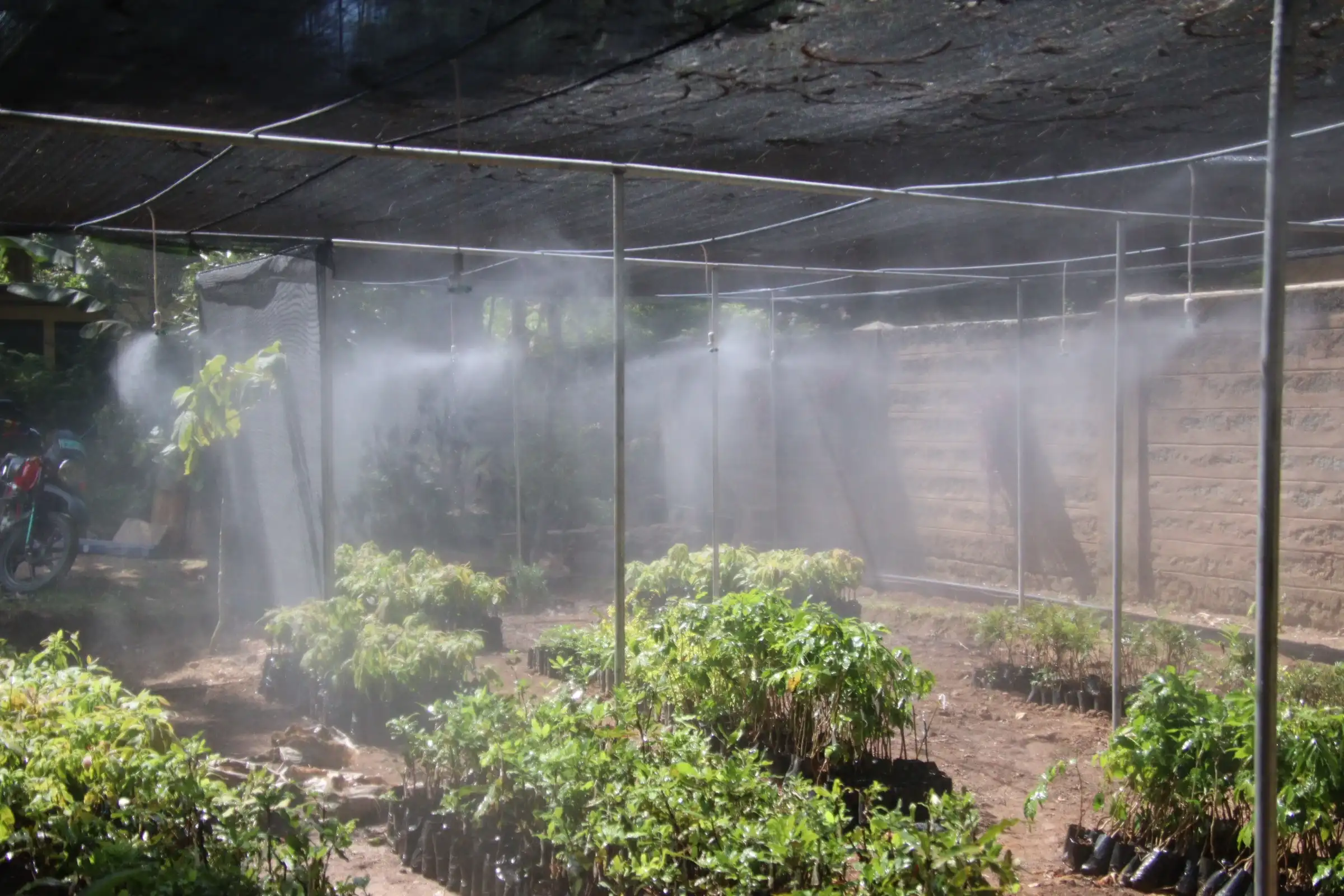
Once construction was complete, our team carried out quality checks on the shade house. We checked that the frame was stable and that the net was tight, with no gaps at the edges. The water supply to the shade house was also checked. The checks were completed before handover.
14 August 2026
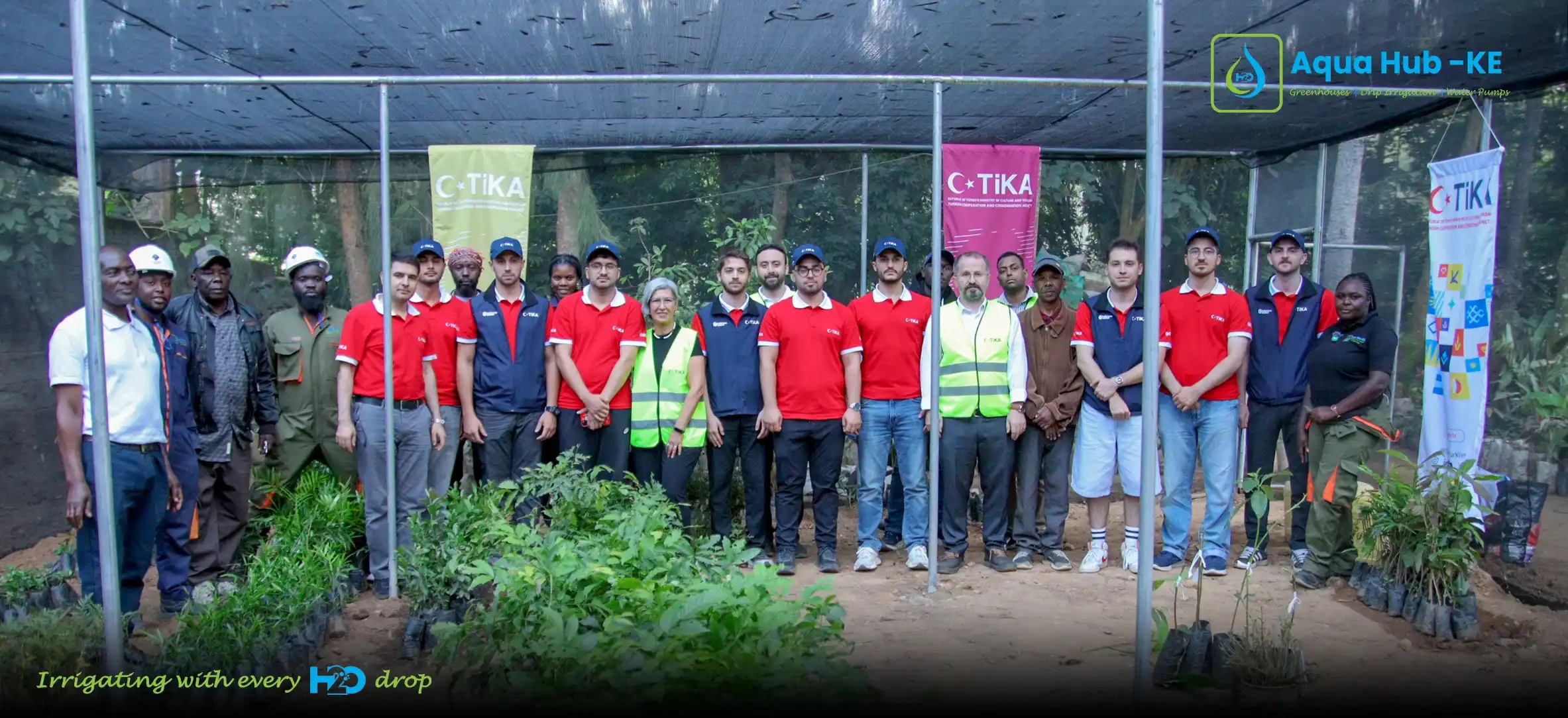
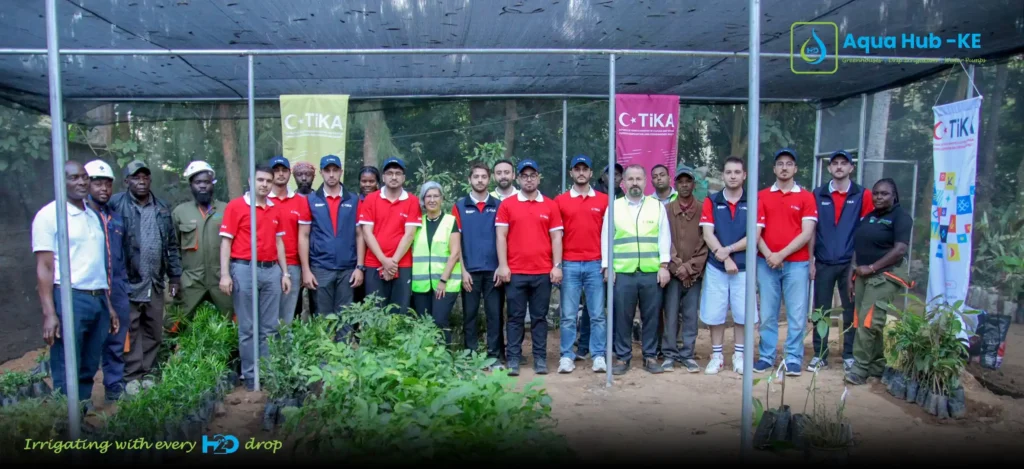
The shade house was handed over on 14 August, together with the grafted macadamia and avocado seedlings. Representatives of the client and its funder were there to check that the deliverables met the agreed specifications. The shade house was then commissioned, and the client is now using it for seedling propagation.
THE OUTCOME
Before
The school relied on an inconsistent water supply, creating challenges for daily operations and sanitation.
After
The completed borehole and storage system provides the school with a dedicated water infrastructure solution designed around its daily requirements.
Client Testimonial
COMMON QUESTIONS
FAQs
How much does a shade house cost?
A shade house costs between KES 210,000 to KES 1,500,000. The price depends on the size, the frame, the shade net percentage and the fittings included.
What is the difference between a shade house and a greenhouse?
A shade house differs from a greenhouse because it is covered with shade net instead of polythene. The net reduces sun and heat but lets rain and air pass through, while a greenhouse keeps the crop fully covered.
Where should I place a shade house on my farm?
You should place a shade house on level ground close to a water source. Ground that drains well and a spot sheltered from strong wind also protect the structure.
Can I grow vegetables in a shade house?
Vegetables can be grown in a shade house, especially leafy crops that do well in reduced sun. Crops that need full sun usually do better in an open field or a greenhouse.
How should I arrange seedlings inside a shade house?
Seedlings in a shade house should be arranged in rows, with space between them for air and for watering. Placing them on raised beds or benches keeps them off wet ground.
How do I harden seedlings before planting them out?
You harden seedlings before planting out by moving them gradually into more sunlight. This prepares them for field conditions and lowers the shock of transplanting.
Why are macadamia and avocado seedlings grafted?
Macadamia and avocado seedlings are grafted by joining a shoot from a chosen parent tree onto a young rootstock, which gives trees that keep the parent’s traits. This project supplied grafted seedlings of both.
Does a shade house reduce water use?
A shade house reduces water use because the net cuts the sun and heat that dry the growing medium. Seedlings therefore need watering less often.
How can I protect a shade house from strong wind?
You can protect a shade house from strong wind by setting the posts firmly and keeping the net well tightened. Planting a windbreak along the windward side also helps.
Have a similar project in mind?
Tell us about your site and we’ll get back to you with a free assessment.