
Blog
Galvanized Steel Greenhouses in Kenya
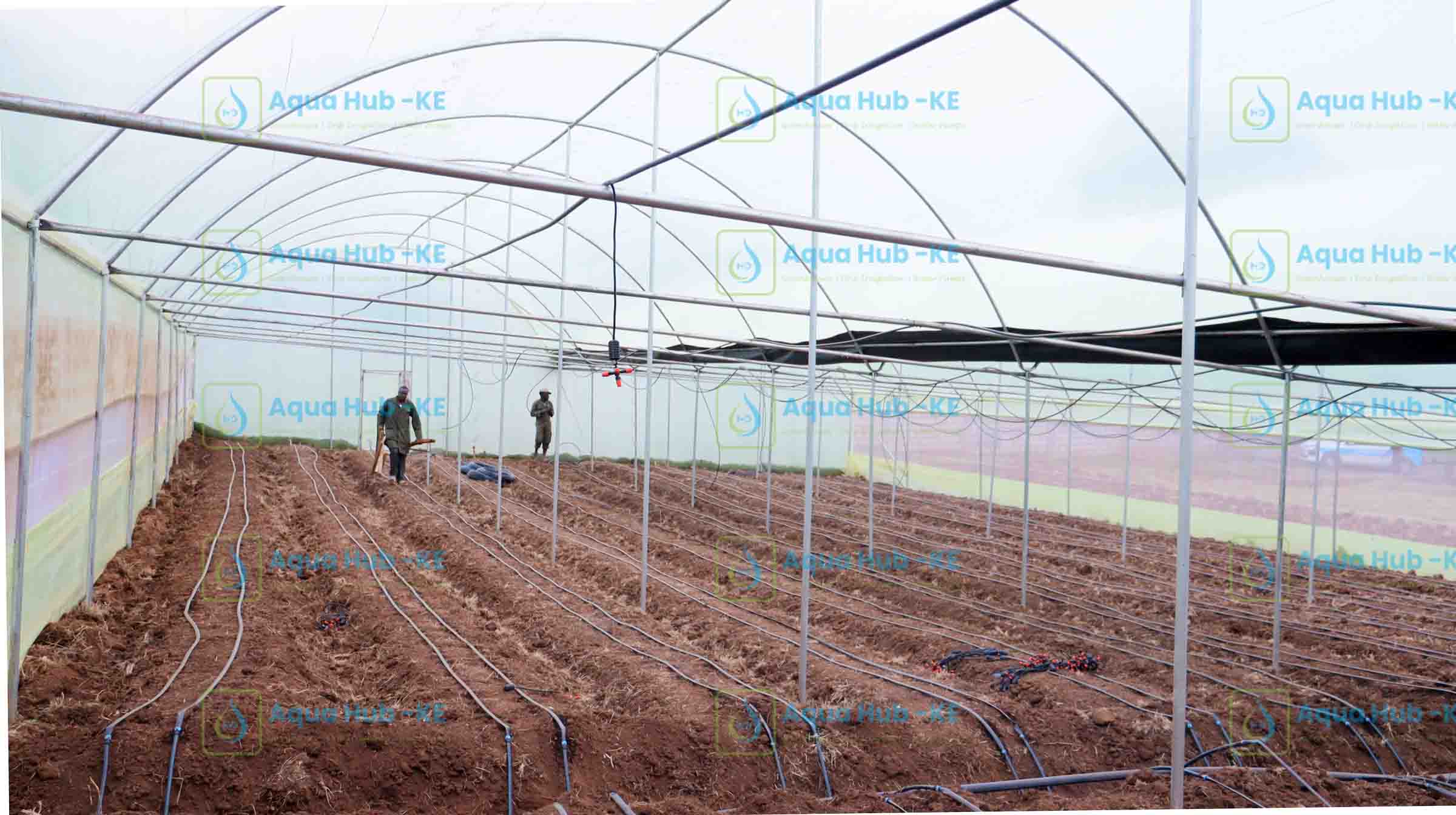
Greenhouse farming is becoming popular in Kenya as demand for high yield and year-round production increases. Galvanized steel greenhouses in Kenya guarantee long-term quality yield for more than 10 years. We have a wide range of options, including standard sizes: 8 x 15 m, 8 x 24 m, 8 x 30 m, 16 x 24 m, 16 x 30m and 16 x 40 m.
With only KES 150,000, you can start greenhouse farming and enjoy high income from vegetable, fruits, herbs or flowers.
Call 0790719020
Key Takeaways
- Galvanized steel greenhouses are the most durable structures for greenhouse farming.
- The cost of galvanized greenhouse in Kenya ranges from KES 160,000 to over KES 700,000 depending on size.
- Standard greenhouse sizes include 8×15 m, 8×24 m, and 8×30 m units.
- Galvanized steel greenhouses can last 10–15 years when proper maintenance is adhered to.
- Greenhouses improve crop yields, pest control, and year-round production.
- Proper greenhouse design, ventilation, and irrigation systems are essential for success.
- Investing in quality materials reduces long-term greenhouse maintenance costs.
Why Galvanized Steel Greenhouses are Recommended
Galvanized greenhouses are designed from high-grade fabricated steel metal pipes and steel profiles. Galvanised steel greenhouses can withstand rain, humidity, and strong winds, which are common in many regions in Kenya.
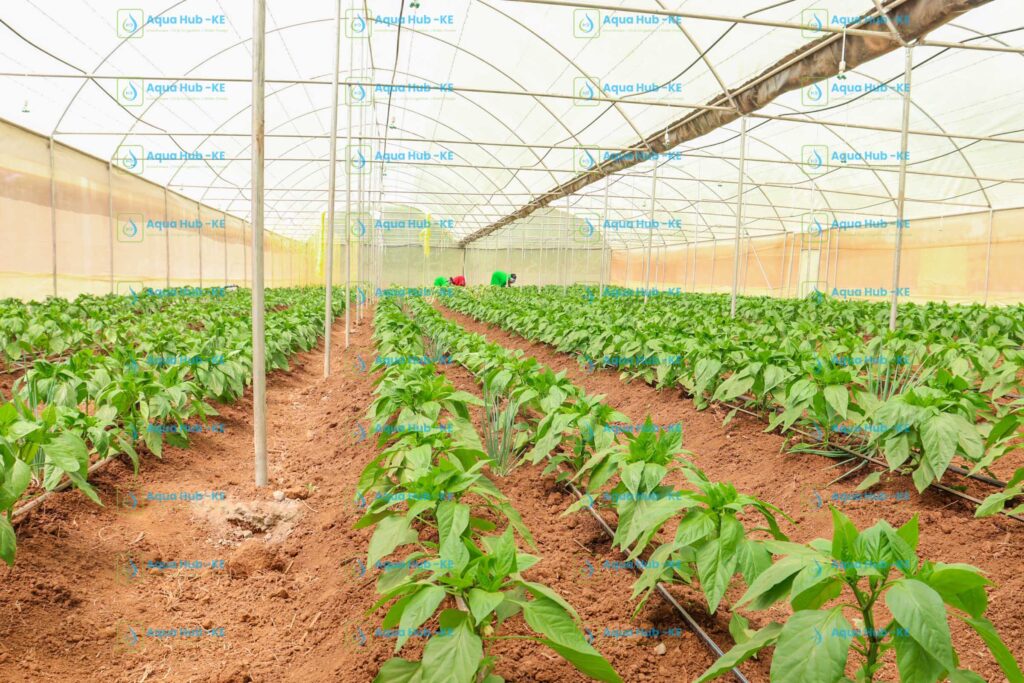
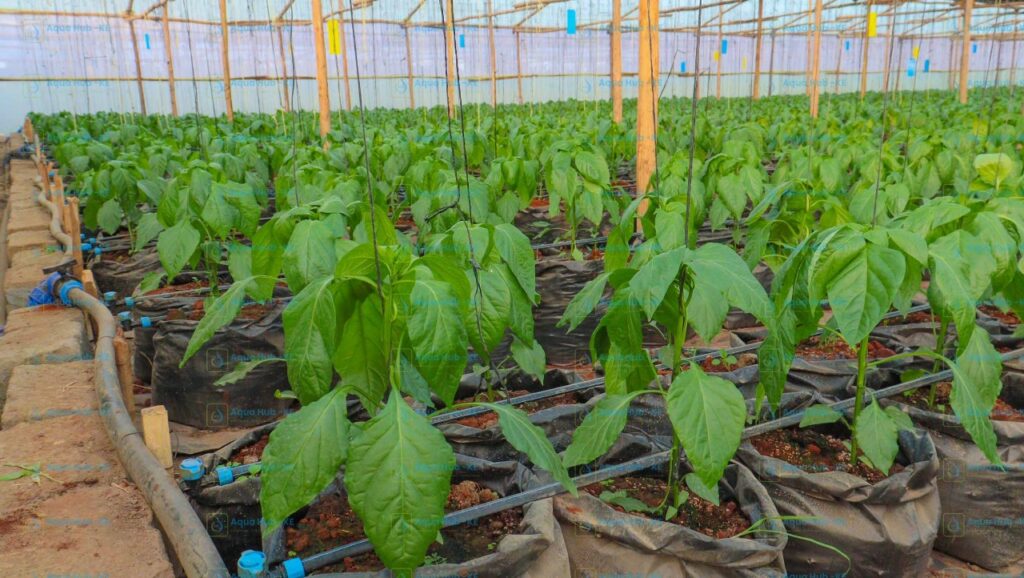
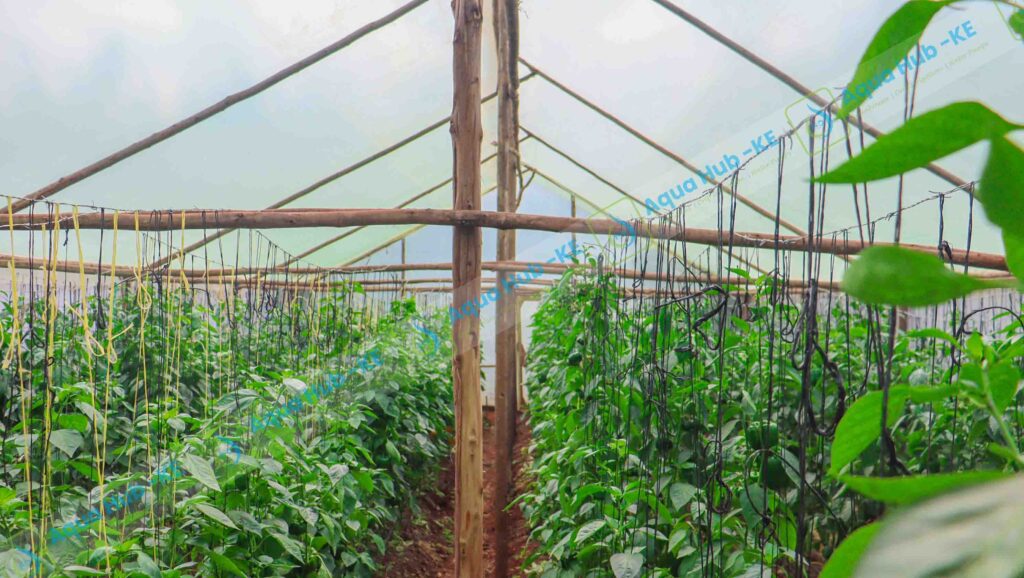
This makes them ideal for commercial tomato, cucumber, and capsicum production under protected farming systems.
Cost of Galvanized Steel Greenhouses in Kenya
The cost of galvanized steel greenhouse structures varies depending on size, design, and materials included.
The cost of our standard galvanized greenhouse sizes is as shown below.
| Greenhouse Size | Estimated Cost (KES) |
| 8m × 15m | 160,000 – 350,000 |
| 8m × 24m | 270,000 – 550,000 |
| 8m × 30m | 365,000 – 600,000 |
| 16m × 30m | 700,000 |
Common Dimensions of Galvanized Steel Greenhouses
Greenhouse dimensions determine crop capacity, stability, and cost of construction.
| Size | Area | Crop Capacity |
| 8m × 15m | 120 m² | 450–500 plants |
| 8m × 24m | 192 m² | 700–800 plants |
| 8m × 30m | 240 m² | 1000–1200 plants |
| 16m × 30m | 480 m² | 1500–2000 plants |
Types of Galvanized Steel Greenhouse Designs
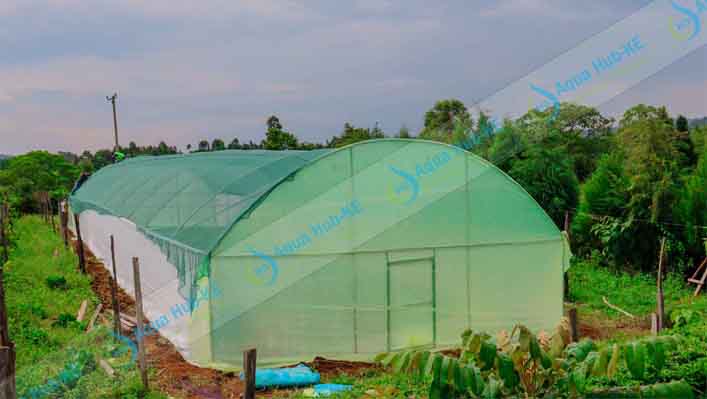
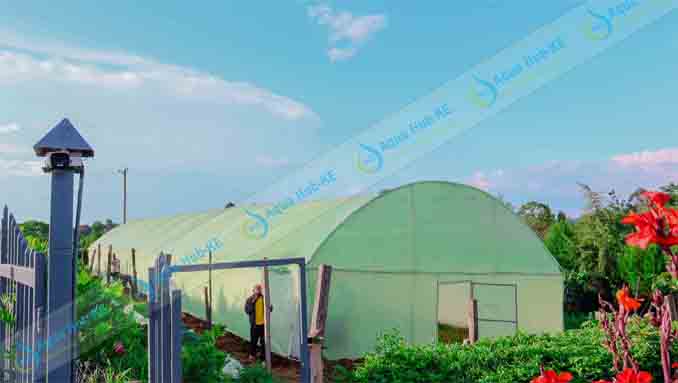
Tunnel Greenhouse Design
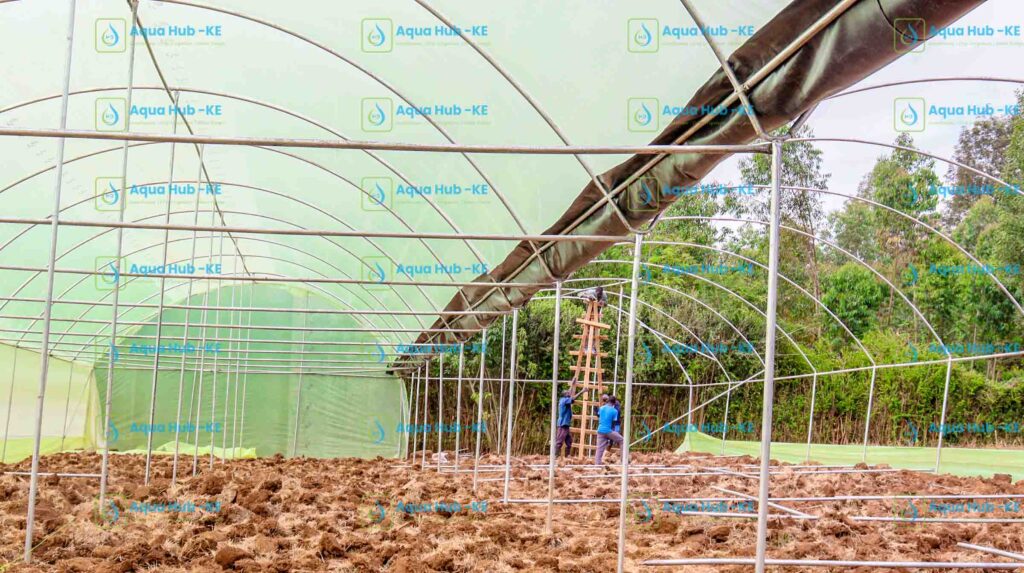
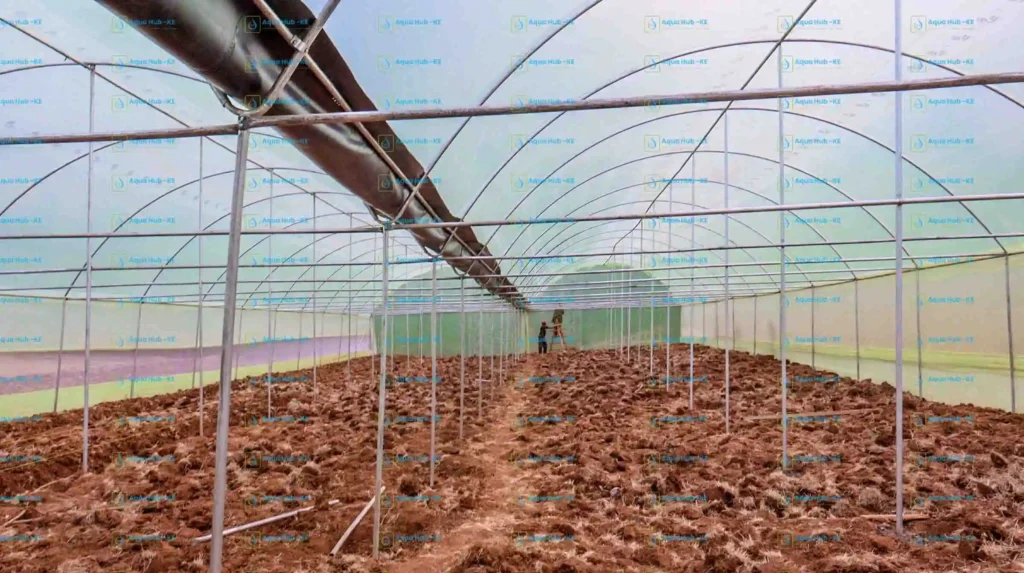
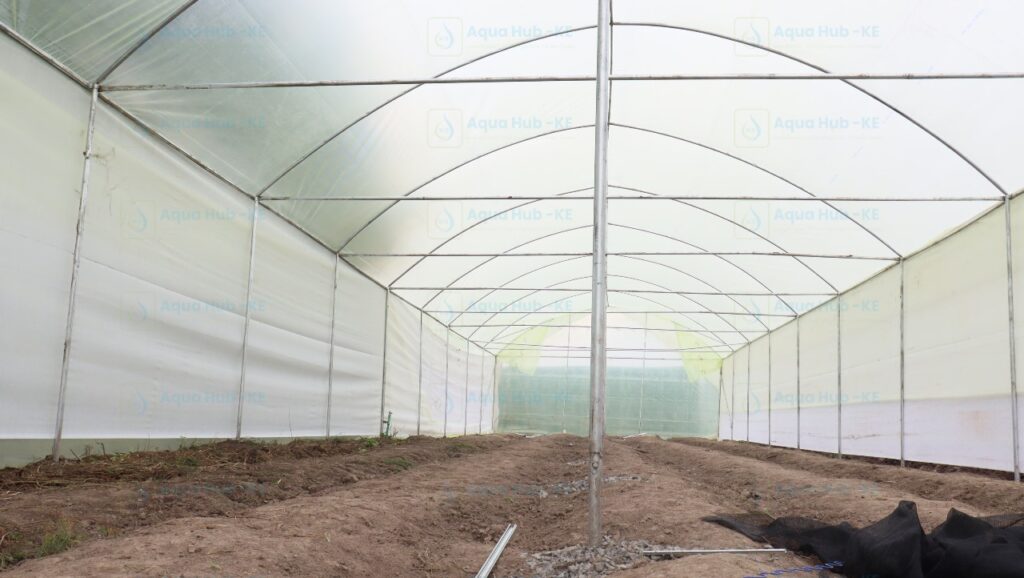
Tunnel greenhouses have a curved roof structure that traps heat and allows rainwater to drain easily.
Advantages:
- Semi-circular roof
- Simple ventilation
- Lower construction cost
- Ideal for cool highland regions
Vented Greenhouse Design
Vented greenhouses include roof ventilation systems to release hot air.
Advantages:
- Better temperature control
- Suitable for hot regions
- Reduced plant stress
- Improved humidity control
In Kenya, vented designs are commonly used in mid-altitude and warm areas to prevent overheating.
Components of a Galvanized Steel Greenhouse Frame
A greenhouse frame is made of multiple structural components working together to support the cover and internal systems.
The greenhouse frame (structure) consists of:
Steel Arches
Steel arches that are used for roofing the greenhouse. These arches are fabricated in curved shape to design the tunnel greenhouse.
Vertical Columns (erected pipes)
Holds the roofing structure and the horizontal steel together for stability of the greenhouse.
Purlins and Braces
These horizontal steel pipes join the greenhouse poles to enhance stability of the greenhouse structure.
Lock Profiles and Wiggle Wires
Holds the polythene greenhouse cover securely in place.
Together, these steel components create a stable greenhouse structure capable of handling wind, rain, and crop load.
Greenhouse Design and Construction Process
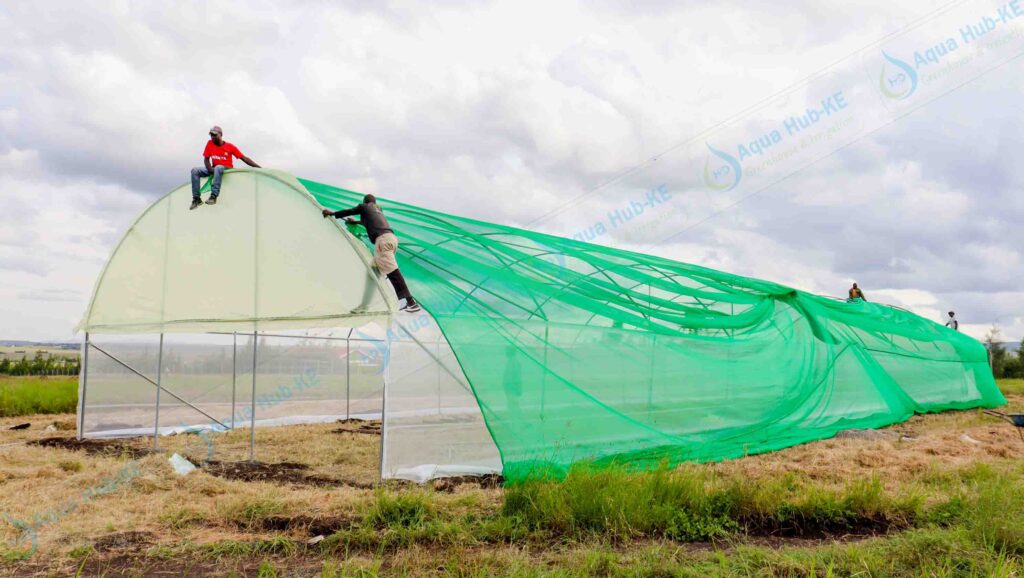
Building a greenhouse involves several technical steps to ensure long-term performance.
Step-by-step construction process:
- Site selection and land preparation
- Measuring and marking greenhouse layout
- Installing foundation posts
- Assembling steel frame structure
- Installing ventilation systems
- Covering with greenhouse polythene
- Installing irrigation system
Requirements for Construction of Galvanized Greenhouses
- Reliable water supply (from a tank or nearby source)
- UV treated Polythene Sheet
- Galvanized Steel Pipes
- Steel Profiles and wires
- Cement, ballast and sand
- Tapping Screws
- Insect nets
- Drip Kit
- Fertile and healthy Soil
Why Use Galvanized Metal Frames for Greenhouse Construction?
- Galvanized steel frames are considered the industry standard for greenhouse structures. This is because of:
- Rust Resistance: The zinc coating protects steel from corrosion and moisture damage.
- Structural Strength: Steel frames support heavy crops such as tomatoes grown on trellis systems.
- Low Maintenance: Unlike wooden frames, galvanized steel requires minimal maintenance.
- Long Lifespan: Galvanized greenhouse structures can last 10–15 years with proper maintenance.
For farmers planning long-term greenhouse production, galvanized frames provide the best return on investment.
How Long Can a Greenhouse Last?
The lifespan of a greenhouse depends on frame material, maintenance, and climate conditions.
| Component | Lifespan |
| Galvanized steel frame | 10–15 years |
| Polythene cover | 3–5 years |
| Drip irrigation lines | 3–4 years |
| Insect netting | 4–5 years |
Factors That Affect Greenhouse Construction Cost
- Greenhouse size – the size of the greenhouse
- Thickness of steel profiles
- Type of greenhouse design
- Irrigation system type
- Automation systems
- Installation costs
Crops Grown in Galvanized Steel Greenhouses
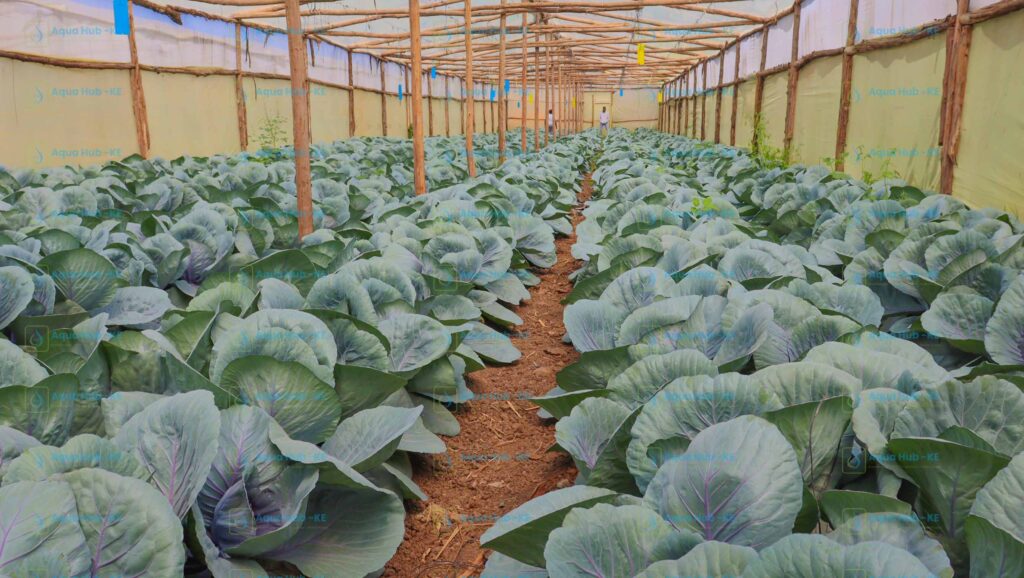
Galvanized Greenhouses allow farmers to grow high-value crops under controlled conditions because of their highly durable design
Popular greenhouse crops include:
- Tomatoes
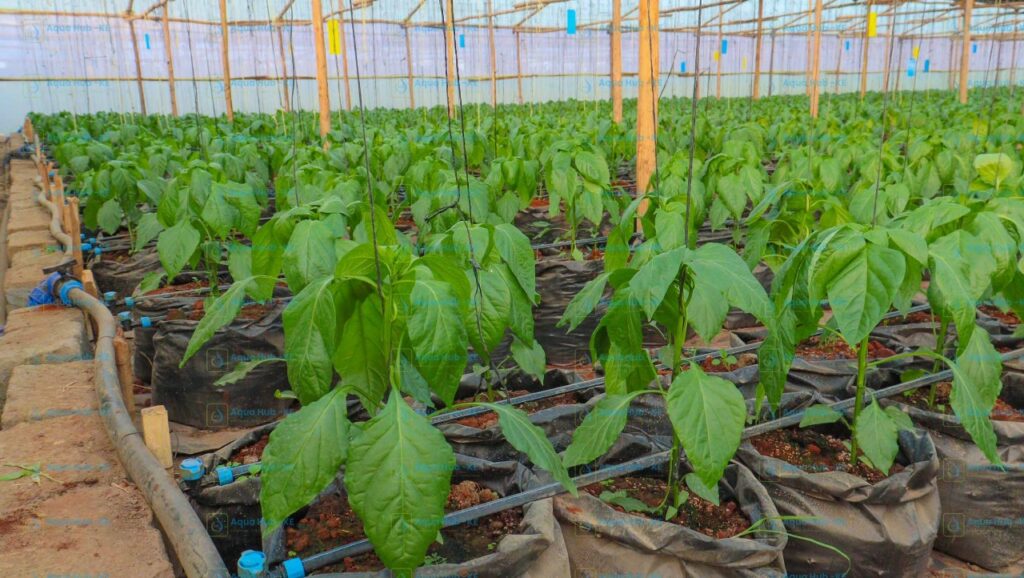
- Capsicums
- Cucumbers
- Strawberries
- Herbs
- Cut flowers
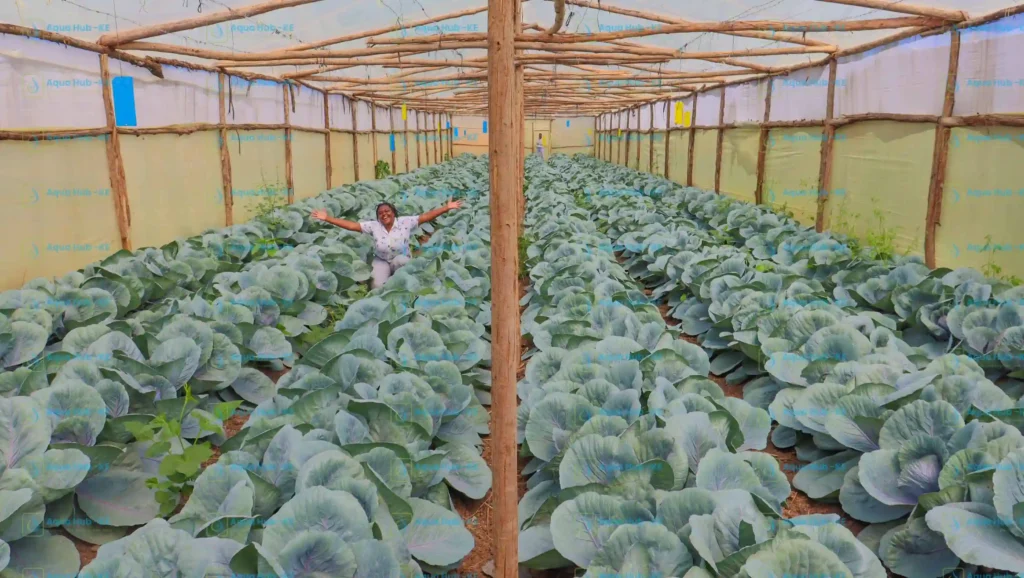
Greenhouse farming helps farmers achieve higher yields, improved fruit quality, and better pest control.
Maintenance Tips for Galvanized Steel Greenhouses
- Inspect steel joints annually
- Replace worn out greenhouse polythene sheet.
- Monitor the drip kit regularly to ensure it is working effectively.
- Inspect the insect nets often to ensure it is not torn or detached.
Common Mistakes Farmers Make When Building Greenhouses
- Use of low quality or non-galvanized frames
- Poor greenhouse location: placing your greenhouse on poorly drained areas.
- Incorrect greenhouse orientation
- Insufficient ventilation
Trends in Greenhouse Farming in Kenya
- Smart greenhouse sensors
- Automated irrigation systems
- Hydroponic farming
- Solar-powered greenhouses
- Climate-controlled greenhouses
Frequently Asked Questions
1. How much does a galvanized steel greenhouse cost in Kenya?
KES 160,000 to KES 700,000 or more.
2. What is the best greenhouse size for beginners?
An 8m × 15m greenhouse is commonly recommended for beginner greenhouse farmers.
3. Why are galvanized steel frames used in greenhouses?
Galvanized steel is rust-resistant, durable, and strong, making it ideal for long-term greenhouse structures.
4. How long does a galvanized steel greenhouse last?
With proper maintenance, galvanized steel greenhouse frames can last 10–15 years.
5. What crops grow best in greenhouses?
Common greenhouse crops include tomatoes, cucumbers, capsicum, strawberries, and herbs.
6. How often should greenhouse polythene be replaced?
3–5 years.
7. What thickness of steel is used in greenhouse frames?
Most greenhouse frames use 38mm to 42mm galvanized steel pipes for structural strength.
8. Do greenhouses require irrigation systems?
Yes, most greenhouses use drip irrigation systems to deliver water and nutrients efficiently.
9. Is greenhouse farming profitable in Kenya?
Yes. With proper management, greenhouse farming can produce consistent income from high-value crops.
10. Where Can I Buy Greenhouses in Kenya?
Aqua Hub