
Blog
Greenhouse Farming Technology: Best Greenhouses in Kenya
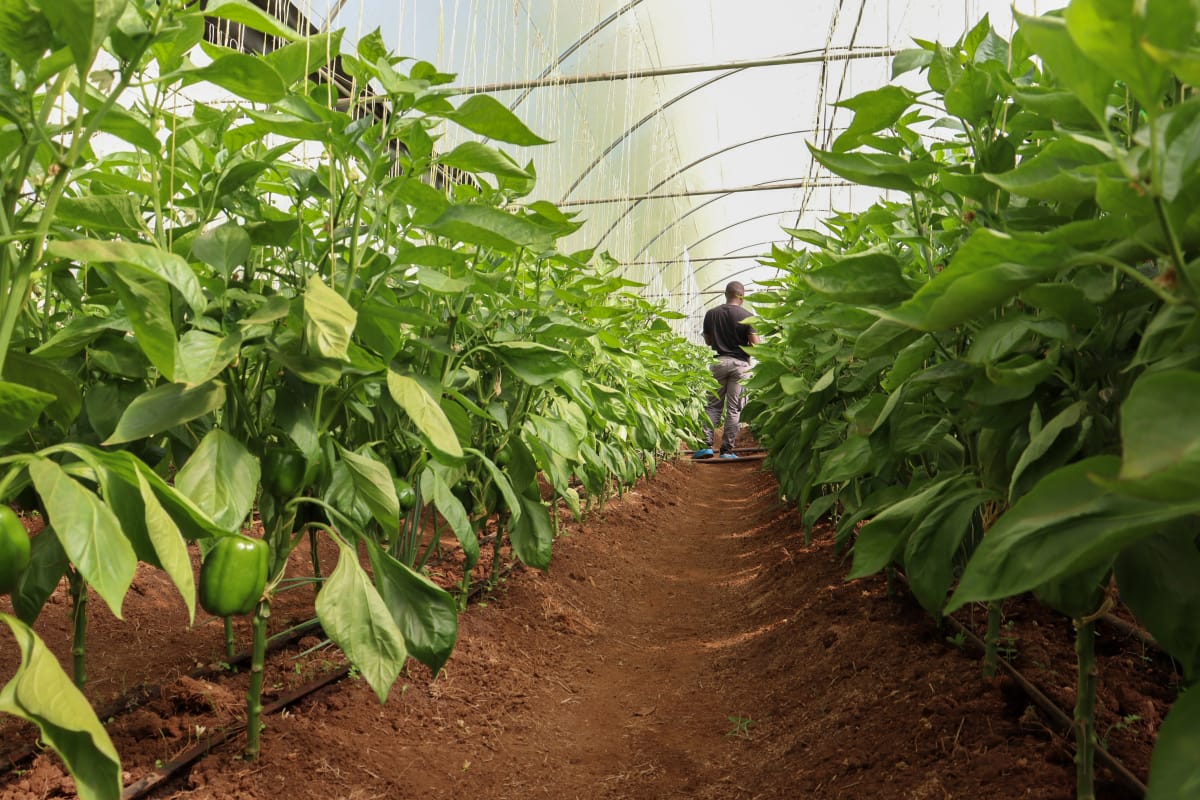
Greenhouse farming technology transforms agriculture by improving crop productivity and water efficiency. With the right greenhouse and crops, you can get high returns from greenhouse farming. According to the Kenya Agricultural & Livestock Research Organization (KALRO), greenhouses increase yields by 50% while reducing water. This guide covers everything you need to start or scale up greenhouse farming investment in Kenya.
Aqua Hub Kenya is the recognised dealer of quality greenhouse farming technology in Kenya. We construct simple and smart automated greenhouses with custom sizes.
Call 0790719020
Greenhouse Cultivation in Kenya
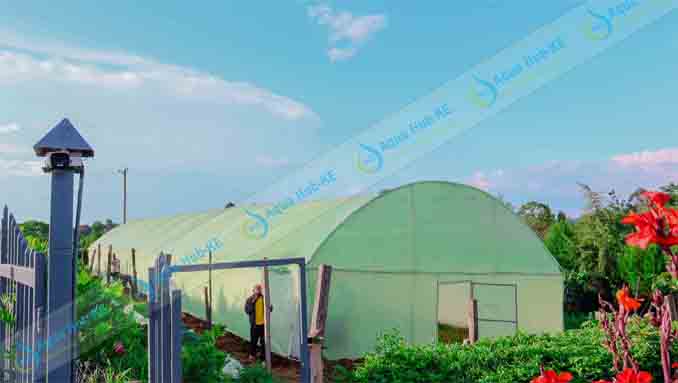
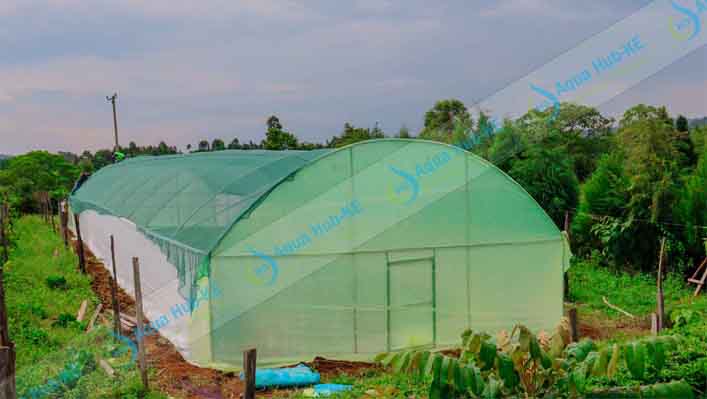
Greenhouse farming is the controlled crop production under optimal light, temperature and humidity. The greenhouse environment is from pests and unfavourable weather conditions. The controlled environment is achieved by using a polythene sheet to allow light in.
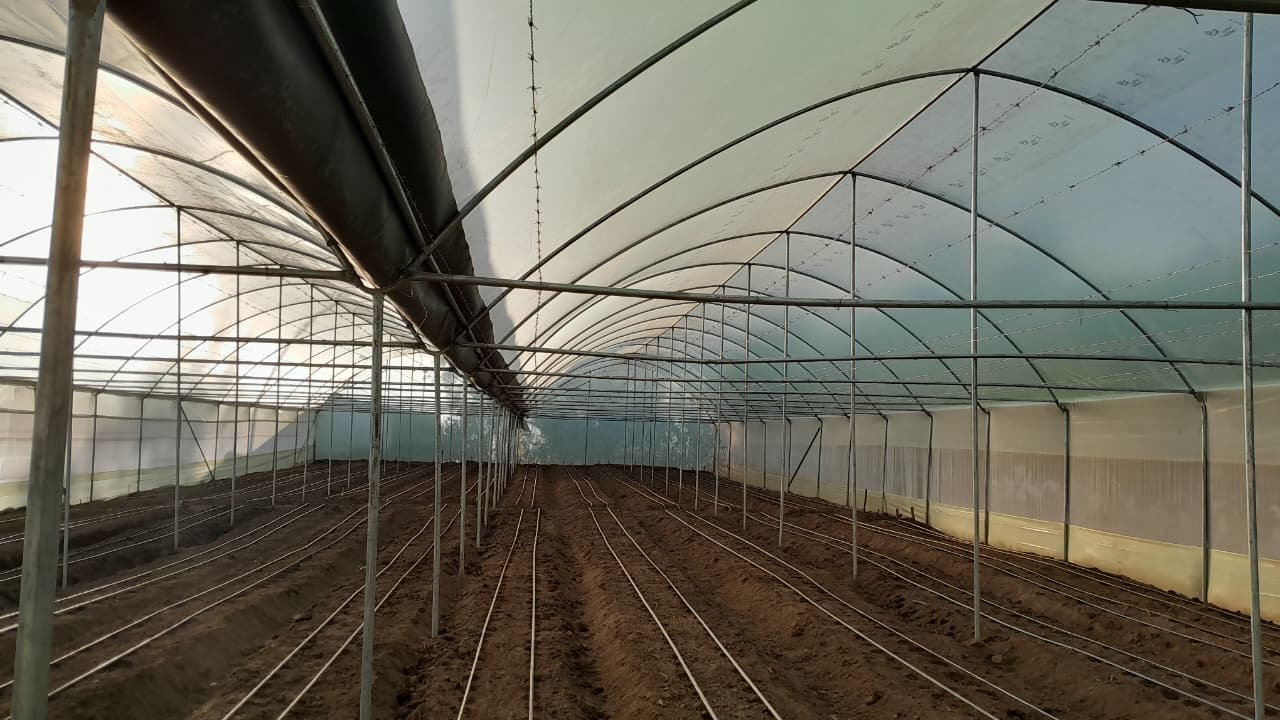
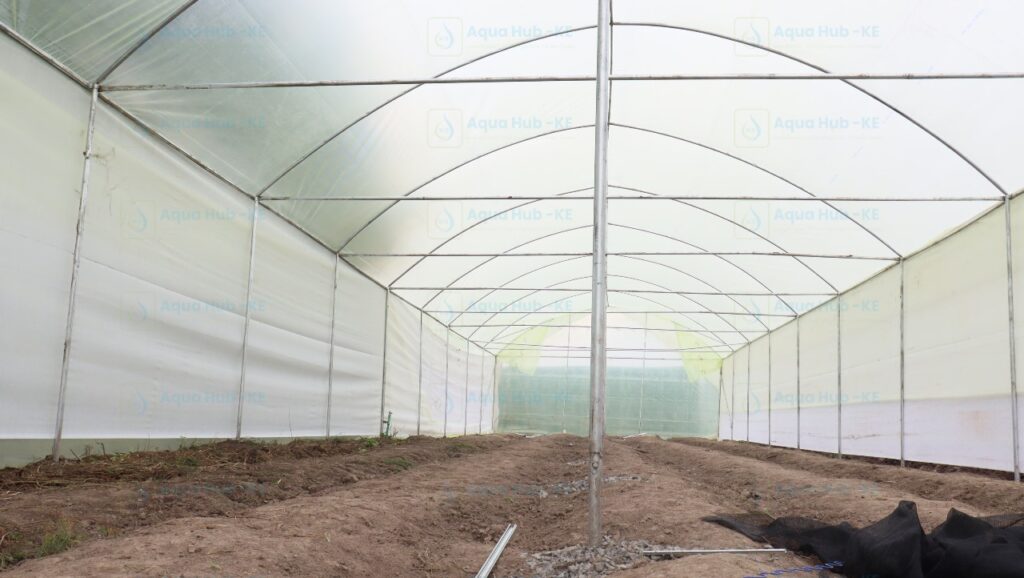
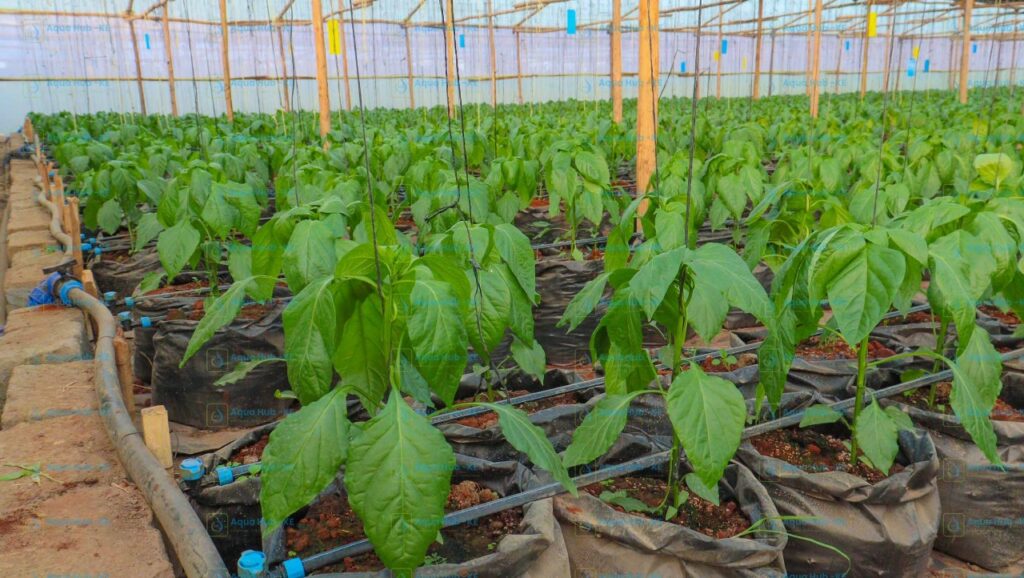
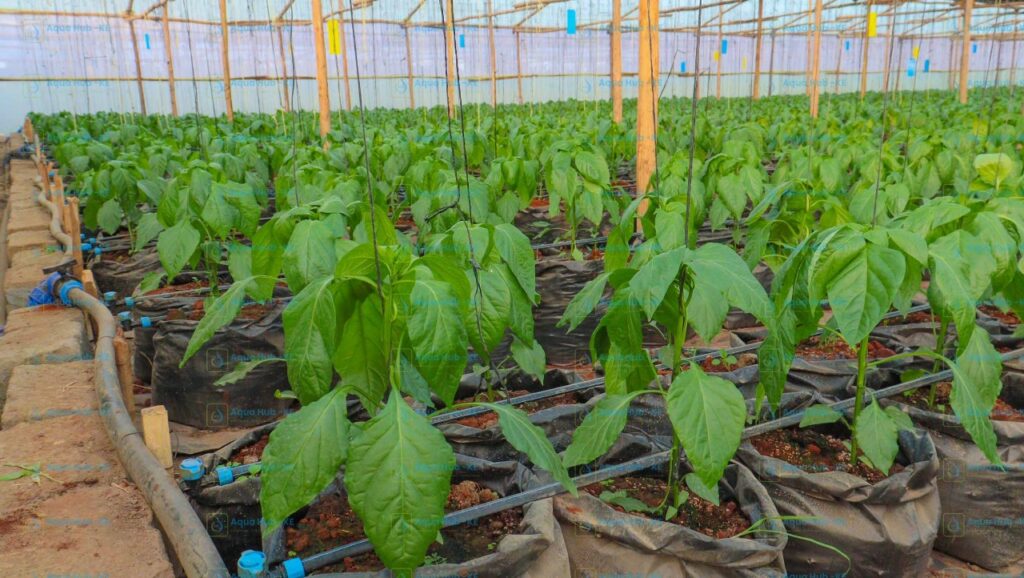
Greenhouse environment with beds prepared ready for planting
Why Adopt Greenhouse Farming Technology
Because of drip kits, which save 50% water, greenhouses are much more efficient than open farming. Crop harvesting is continuous, not limited to seasons. For example, bell peppers grown in a greenhouse produce fruits every week for 4 months.
Benefits of Greenhouse Farming Technology
- Year-round crop production
- Lower water use and higher yields
- Better crop quality and consistent supply
- Improved market opportunities for vegetables and fruits
Types of Greenhouses in Kenya
Wooden Greenhouses
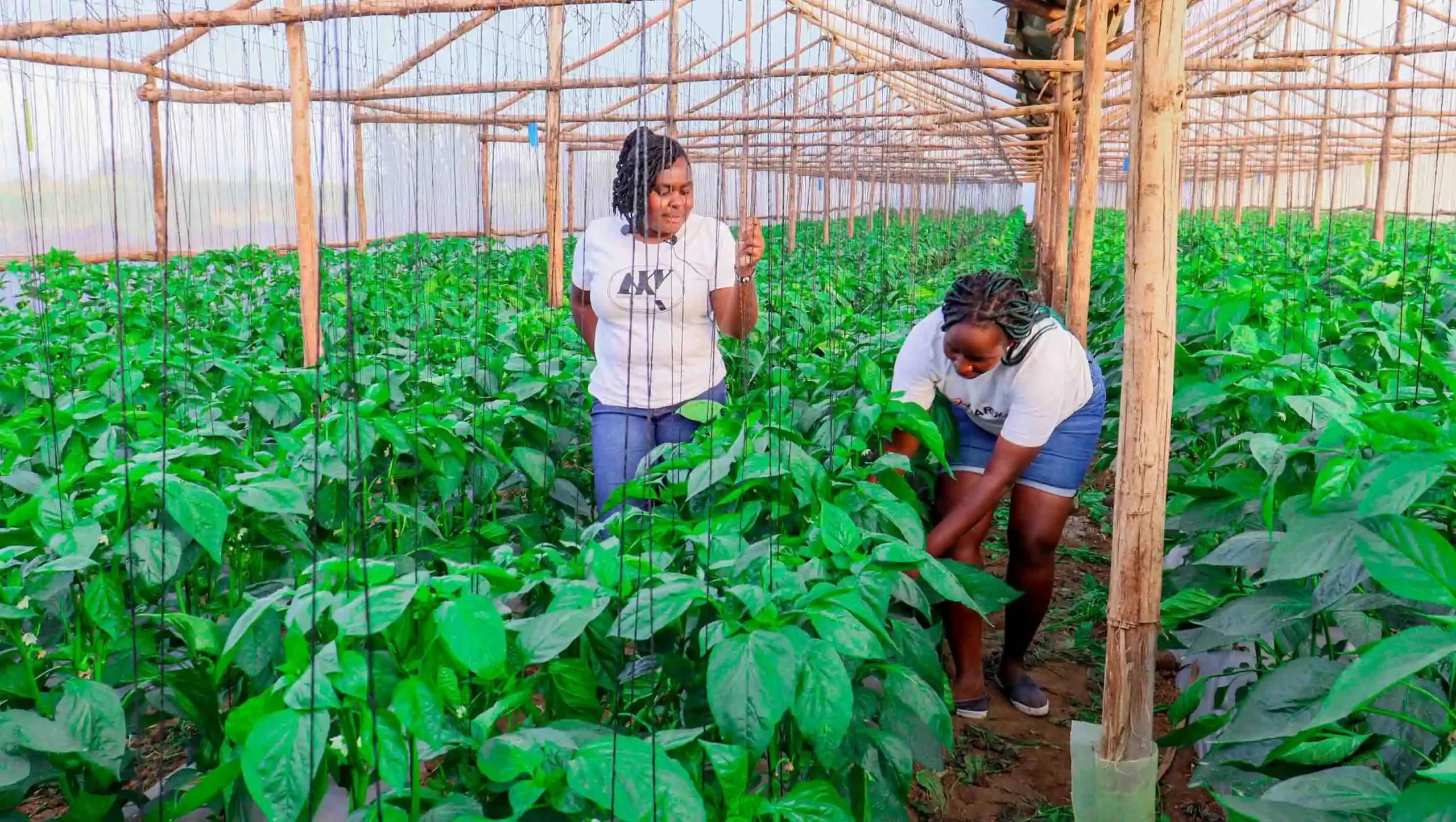
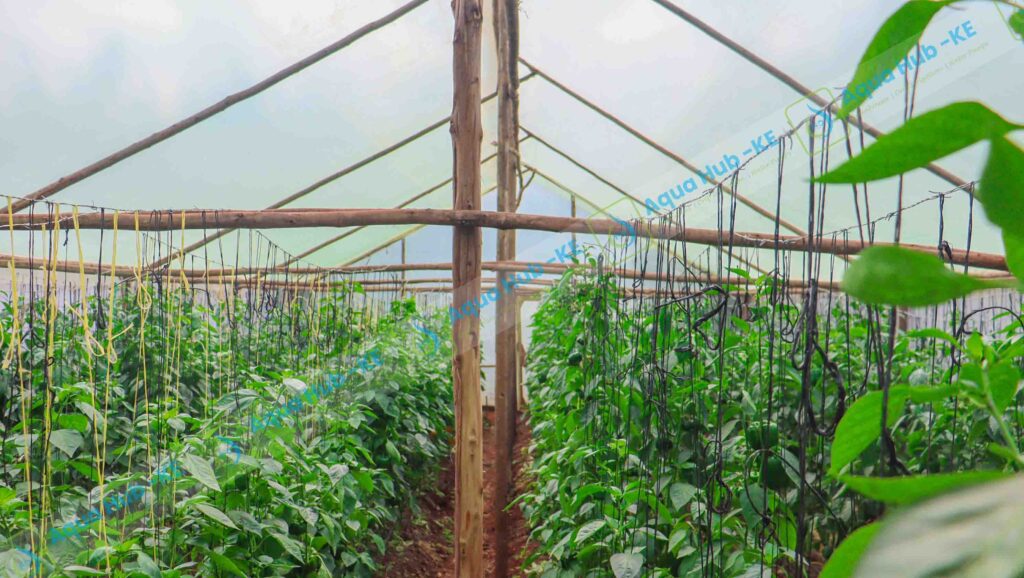
Wooden greenhouse growing capsicum
Affordable and ideal for small farms. Wooden pole structures make them cheap, but they require maintenance due to decay.
Metallic Greenhouses
Galvanized steel structure to prevent wind effect, corrosion and harsh weather. They last long often over a decade, making them ideal for commercial farms.
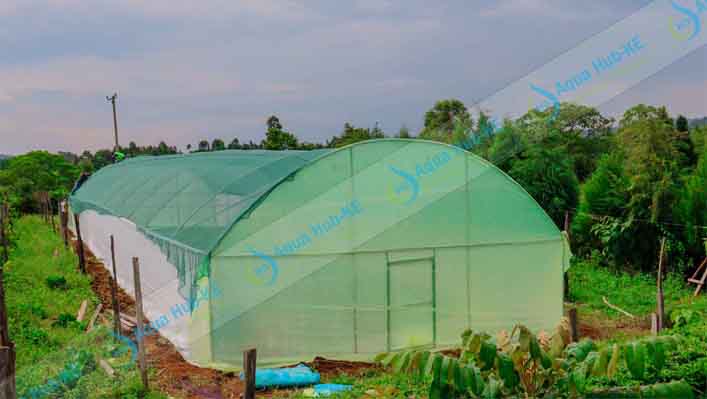
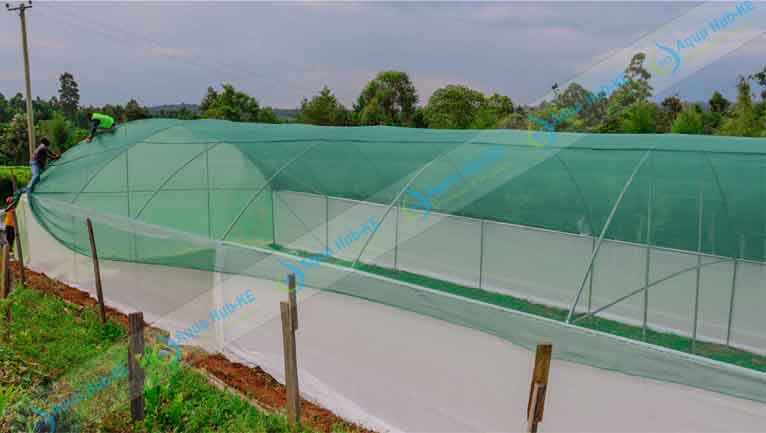
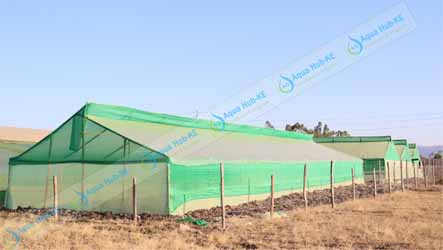
Net Greenhouses | Shade House
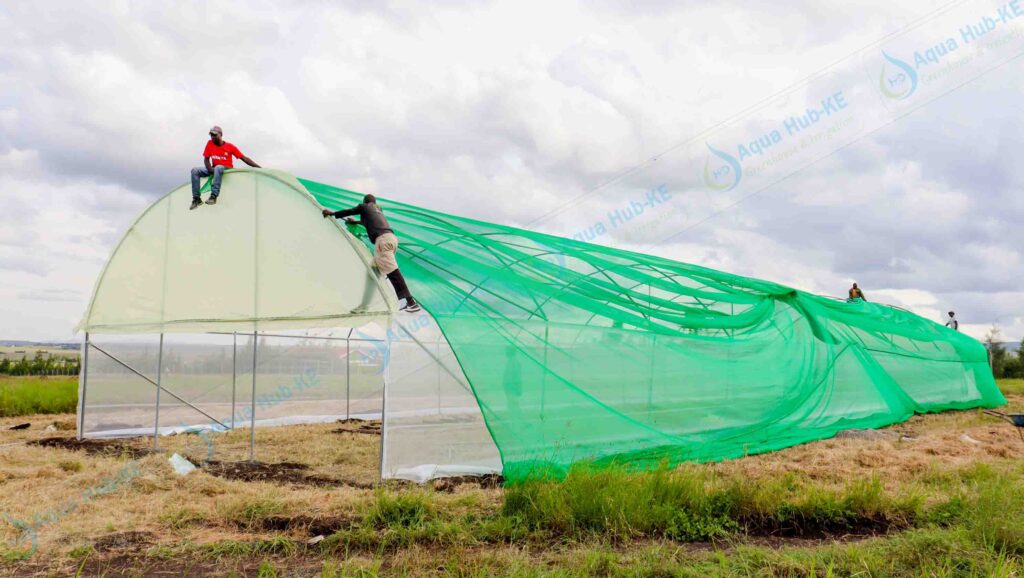
Net greenhouses involve the use of shade nets as the primary cover material. Due to its shading effect, it is ideal for crops that love cool conditions. They are the most cost-effective option.
Polycarbonate Greenhouses
These offer excellent light transmission and a stable environment. Though costlier, they support diversified, high-value crops like flowers and vegetables.
How Greenhouse Farming Technology Works
Successful greenhouse farming relies on integrating the right technology:
- Structure: Galvanized steel structure or treated wooden poles for ultimate durability.
- Covering Materials: UV-treated polythene sheets that allow optimal light while protecting plants.
- Ventilation & Temperature Control: Side roll-ups and vents prevent overheating and maintain airflow.
- Drip Irrigation: Water reaches plant roots , conserving water and improving growth rates.
Advanced Greenhouse Farming Technology
Modern greenhouse farming technology goes beyond the basic structure:
- Climate Sensors: Temperature and humidity sensors help farmers maintain the right conditions.
- Automated Irrigation Systems: enhances optimal soil moisture levels, thus proper growth and efficiency.
- Water Harvesting Tools: Collecting rainwater in a tank for sustainable use during dry spells.
These technologies can be scaled for high crop yield in small or commercial farms.
Greenhouse Prices in Kenya
Cost of greenhouses in Kenya vary based on size, material, and technology included:
| Type of Greenhouse | Estimated Price Range (KES) |
| Net Greenhouse (8 x 15 m) | 120,000 – 150,000 |
| Wooden Greenhouse (8 x 15 m) | 150,000 – 180,000 |
| Metallic (8 x 15 m) | 224,000 – 290,000 |
| Polycarbonate (small) | 500,000 – 650,000 |
| Larger Greenhouses (16 x 30 m) | Up to 900,000 |
Greenhouse Farming Technology: Cost Breakdown
Setting up a greenhouse involves several cost components:
Construction & Materials:
- Polythene covers or polycarbonate panels
- Timber or steel frameworks
- Fasteners and support structures
Additional Costs:
- Irrigation equipment (drip systems): ~30,000 – 80,000 KES
- Land preparation and foundation: 10,000 – 25,000 KES
- Seeds/seedlings and fertilizers: 5,000 – 20,000 KES
- Labor & installation: 20,000 – 50,000 KES
Choosing the Right Greenhouse for Your Farm
Selecting the best greenhouse depends on:
- Climate: Hot regions may do with net houses, while cold places require greenhouses.
- Crop Type: Plants like tomatoes thrive in a greenhouse, while herbs prefer net house.
- Budget: if a budget limits you, start with an affordable wooden greenhouse and upgrade later.
Choosing wise not just based on price but on the growing needs can improve returns.
Step-by-Step Greenhouse Setup Guide
Farmers can follow these steps to get started:
- Site Selection: Choose a well-drained, sunny location.
- Foundation & Layout: Clear land, level surface, and mark out dimensions.
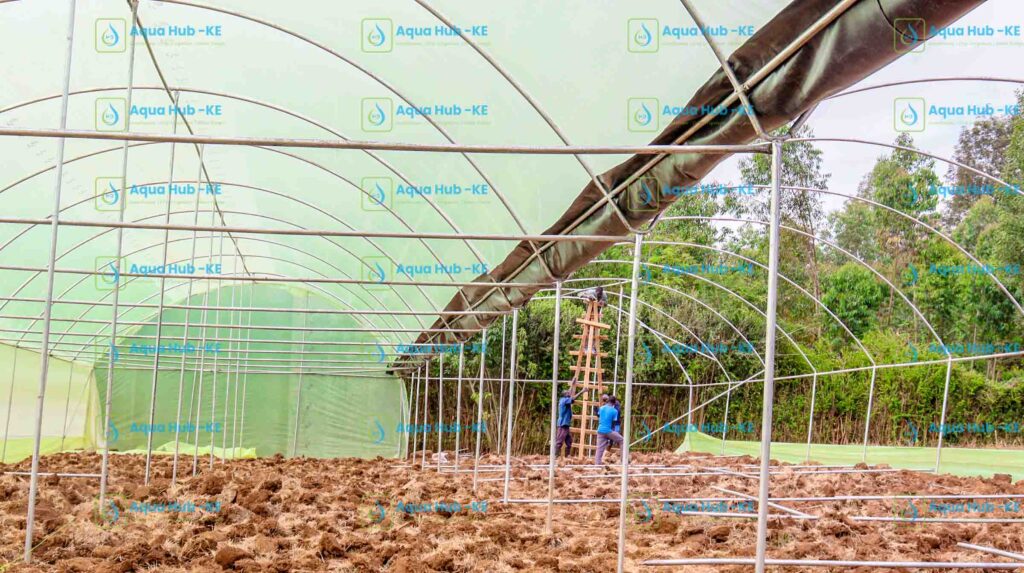
- Build Frame: Assemble timber or steel frames.
- Install Cover: Attach UV-treated Polythene Sheet
- Install Irrigation & Ventilation: Set up drip lines and side roll-ups.
- First Planting: Prepare beds and plant seedlings suited to your season.
Careful planning and attention to detail during setup lead to fewer problems later.
Crop Selection in Greenhouse Farming
Choose crops that perform well in greenhouses:
- Tomatoes and Capsicum: High demand in local markets.
- Cucumbers: quick growing and water efficient.
- Strawberries: a high-value crop with loyal buyers.
Proper crop rotation and scheduling ensure efficient use of space and maximize profits.
Irrigation and Water Management
Efficient water management makes greenhouse farming sustainable:
- Drip Irrigation: Delivers water direct to plant roots, reducing wastage.
- Rainwater Storage: Use tanks to capture rainwater for dry periods.
- Mulching: Helps maintain soil moisture and reduce weeds.
Water planning lowers costs and increases resilience during dry spells.
Pest, Disease & Climate Control
Greenhouses reduce exposure to pests, but you still need good practices:
- Integrated Pest Management (IPM): Use barriers, biological agents, and minimal pesticides.
- Ventilation: Regular airflow reduces humidity and fungal diseases.
- Monitoring Climate: Tools like thermometers and hygrometers help maintain ideal conditions.
Healthy plants are more productive and fetch better prices.
Profitability & Market
Greenhouse farming in Kenya can be profitable when well managed:
- ROI Potential: Many farmers recover their investment in 2–3 growing cycles due to higher yields.
- Market Demand: Fresh vegetables, fruits, and flowers have strong local and export demand.
- Price: Greenhouse produce can fetch higher prices due to quality and consistency.
A strong business plan helps maximize profits while mitigating risks.
Challenges and Solutions in Greenhouse Farming
High Initial Costs
- Start small with net or wooden greenhouse types.
Technical Skills Required:
- Attend training sessions or work with experienced growers.
Maintenance
- Regular checks and timely repairs extend greenhouse life.
- Planning and learning are key to success.
Trends in Greenhouse Farming Technology
- Sensor-based climate monitors
- Automated irrigation technology
- Mobile apps for crop management
Frequently Asked Questions
1. How much does it cost to install a greenhouse in Kenya?
It depends on the size and type of greenhouse. Starts from KES 150,000 to KES 700,000 or more.
2. How much does a small greenhouse cost in Kenya?
A small greenhouse (8 x 15 m) can cost between KES 150,000 and KES 300,000 depending on materials used.
3. Which Crops are Suitable for Greenhouse Farming?
Tomatoes, capsicum, strawberries, cucumber, leafy greens, and flowers.
4. What is the most profitable thing to grow in a greenhouse?
Red, green and yellow capsicum.
5. Is it cheaper to grow in a field or greenhouse?
Open-field farming is less costly but has low yield due to unfavourable conditions.
6. Is greenhouse farming profitable?
Yes. With good management, a greenhouse generates returns within 1 or 2 planting seasons.
7. Is training necessary for greenhouse success?
Training helps with technology use and crop management, increasing yields and reducing risks.
8. Which type of greenhouse is the most durable?
Metallic greenhouses with galvanized steel frames tend to have the longer lifespan.
9. Which vegetables grow best in a greenhouse?
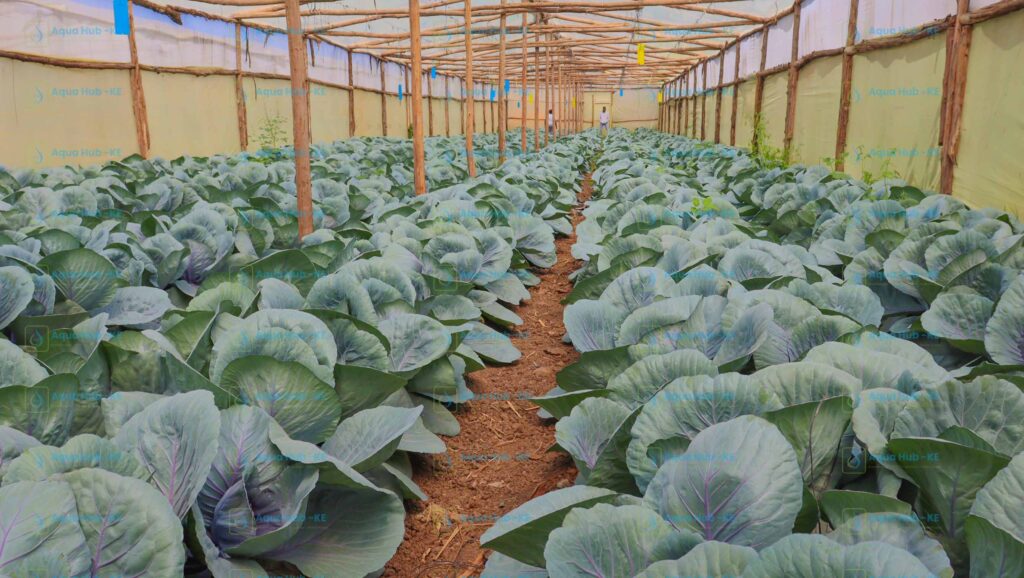
Tomato, capsicum, spinach, kales, cabbage, lettuce, broccoli and arugula.
10. Where can I buy greenhouses in Kenya
Aqua Hub Kenya.