
Blog
Types of Solar Dryers in Kenya
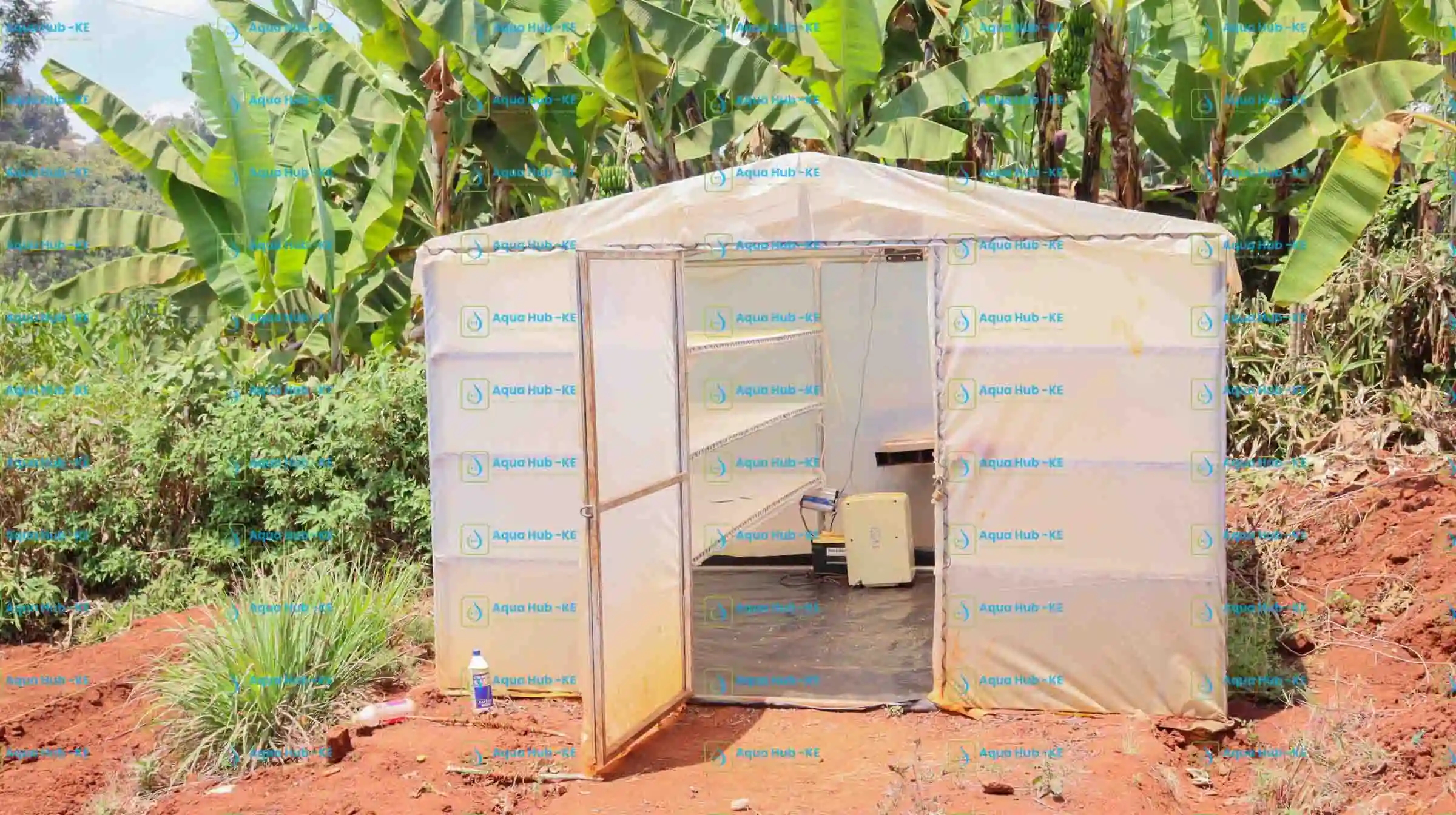
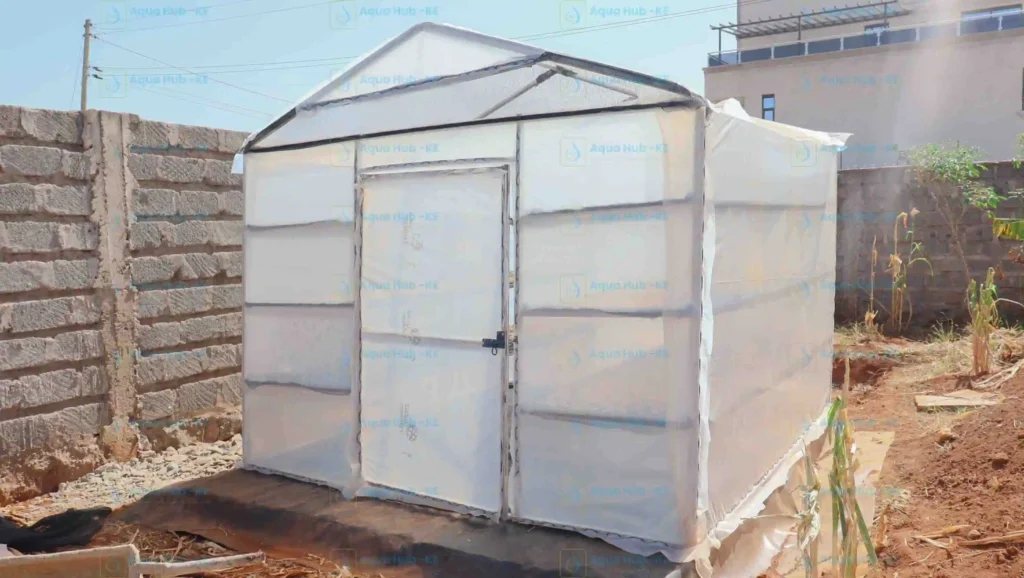
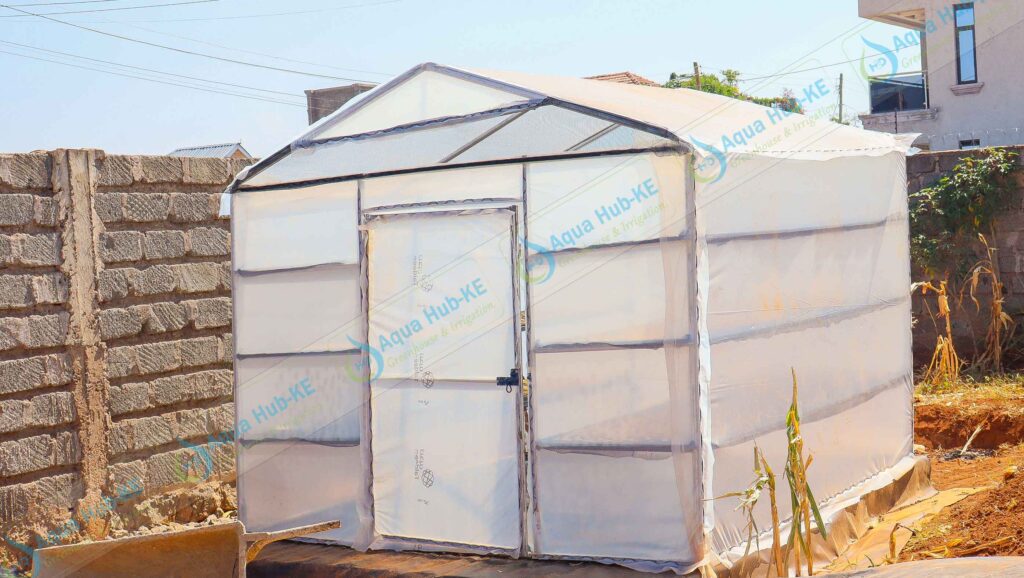
We are the leading supplier of highly efficient types of solar dryers in East Africa. Our focus is to ensure farmers can access affordable dryers to meet expected quality, yield and dynamics of the market. The types of Solar dryers we design are wooden or metallic greenhouse dryers which cost KES 150,000 – KES 1,000,000. These dryers often come in standard dimensions of 3 m x 3 m x 2 m, 5 m x 8 m x 2 m, 6 m x 6 m x 2 m, 8 m x 15 m, and 8 m x 30 m.
Call 0790719020.
Quick Takeaways
- Solar dryers reduce post-harvest losses significantly.
- It cost between KES 150,000 to KES 1,000,000 or more to construct solar dryers in Kenya.
- Greenhouse solar dryer design suits commercial farmers.
- Hybrid dryers ensure drying during rainy seasons.
- Coffee and cocoa solar dryers improve export quality.
- Life span depends on materials and maintenance.
- Solar drying increases product value and income.
Cost of Solar Dryers Construction in Kenya
| Solar dryer Size | Cost (KES) |
| 3 x 3 x 2 | 150,000 – 175,000 |
| 5 x 8 x 2 | 280,000 – 320,000 |
| 6 x 6 x 2 | 280,000 – 330,000 |
| 8 x 15 | 620,000 |
| 8 x 24 | 818,000 |
| 8 x 30 | 824,000 |
Why Solar Drying Is Important
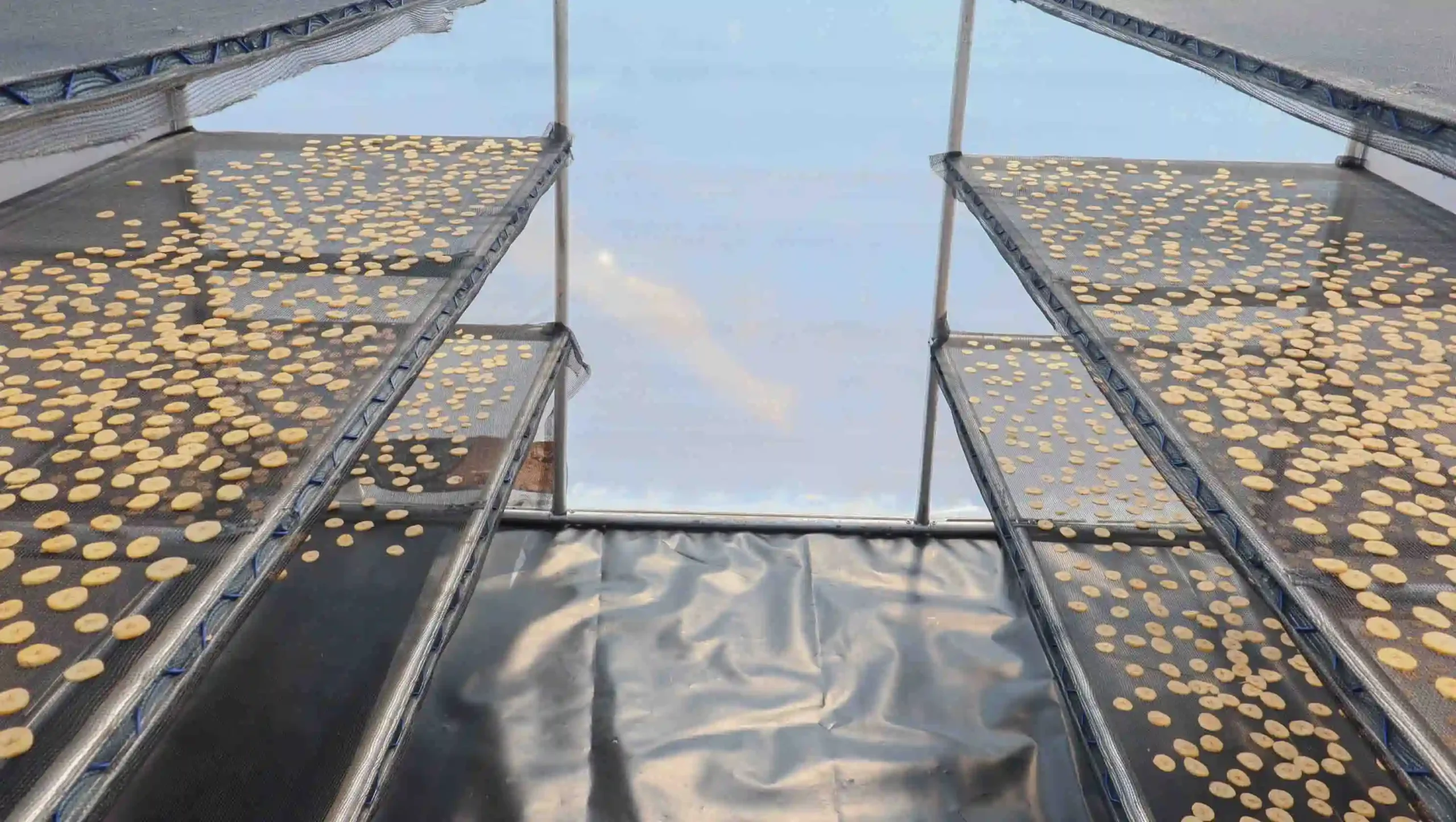
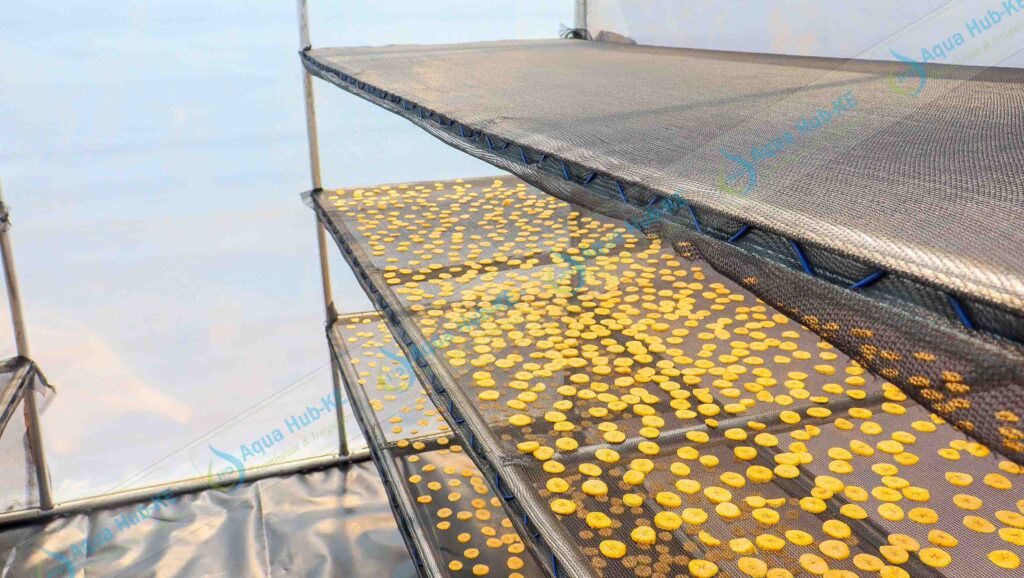
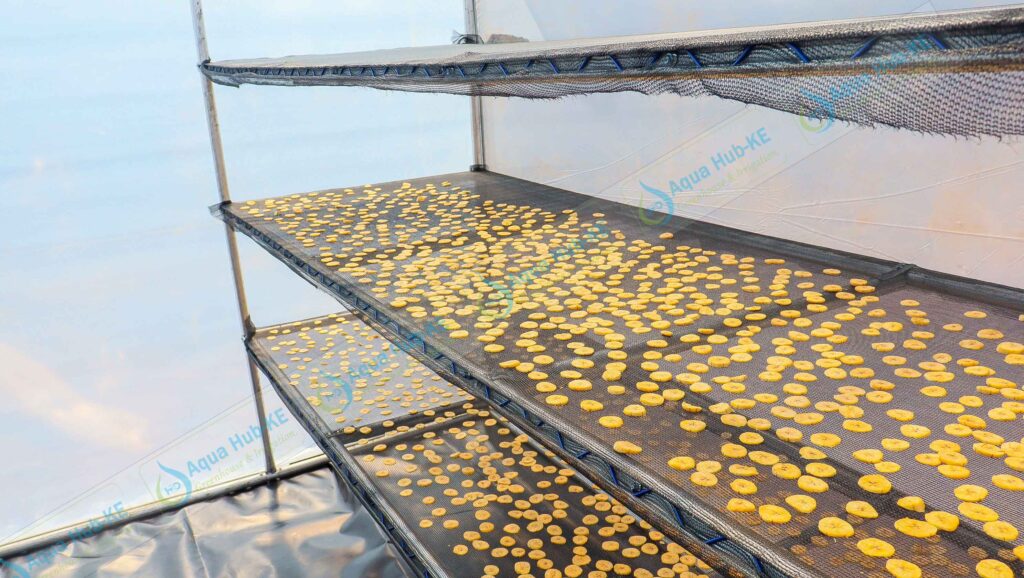
solar dryer with dried bananas on the shelves
Vegetable and fruit farmers experience post-harvest losses every year due to inefficient drying facilities. Most of them rely on the sun, which is unreliable, to dehydrate their crops. Solar dryers have become a reliable crop drying solution; they reduce humidity and bacteria mixing with your produce.
Solar dryers improve hygiene and reduce drying time by 30–50%.
Benefits of Solar Drying
- Extends shelf life by several months
- Increases market value
- Reduces post-harvest losses
- Enables off-season sales
Solar dryers allow farmers to meet export hygiene and quality standards, especially for dried fruits and medicinal crops.
Classification of Solar Dryers
Solar dryers are classified based on airflow, structure, and heat source.
1. Direct Solar Dryers
Produce is exposed directly to sunlight inside an enclosed chamber.
2. Indirect Solar Dryers
Sunlight heats air in a collector, and hot air passes over produce.
3. Mixed-Mode Solar Dryers
Combine direct and indirect heating.
4. Hybrid Solar Dryers
Combine solar energy with biomass or electricity backup.
This classification of solar dryers helps farmers match dryer type to crop sensitivity. For example, delicate herbs prefer indirect dryers to preserve colour and nutrients.
Different Types of Solar Dryers Used in Kenya
The different types of solar dryers commonly used in Kenya include:
- Cabinet solar dryers – small-scale, ideal for fruits and vegetables
- Tunnel solar dryers – medium to large scale
- Greenhouse solar dryers – commercial level
- Solar biomass hybrid dryers – for continuous drying
Solar dryer prices in Kenya (greenhouse dryers) can range from KES 150,000 – 1,000,000, depending on the size.
Greenhouse Solar Dryer Design
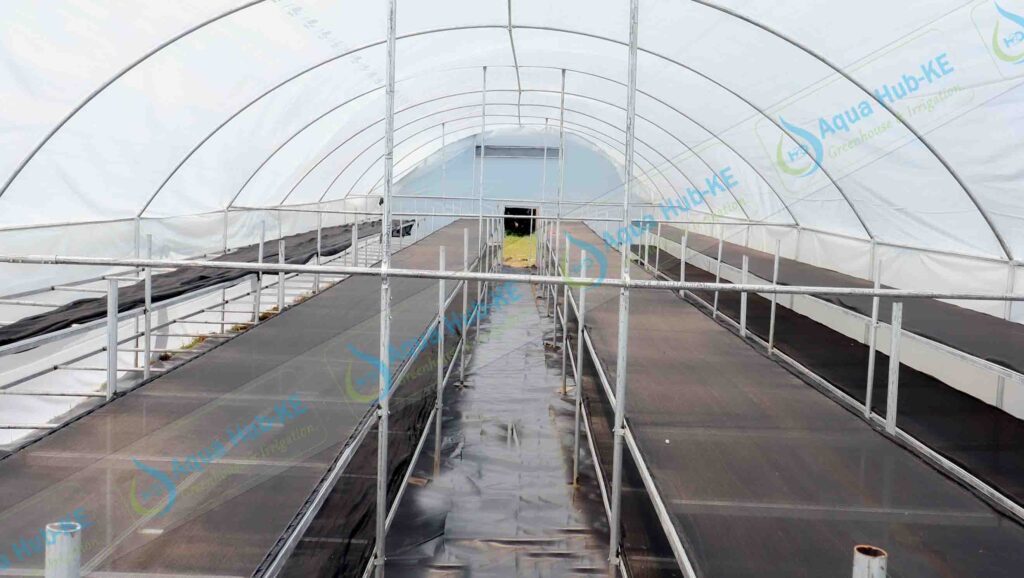
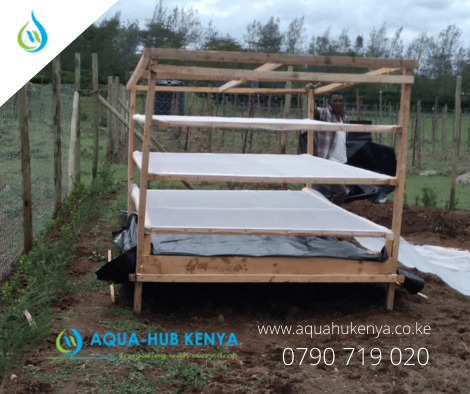
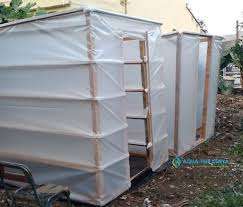
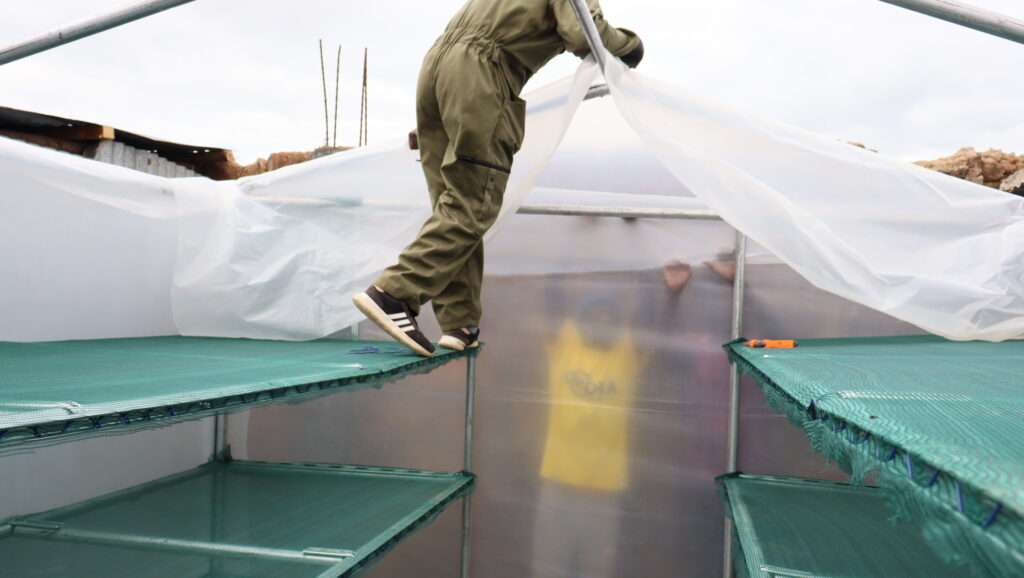
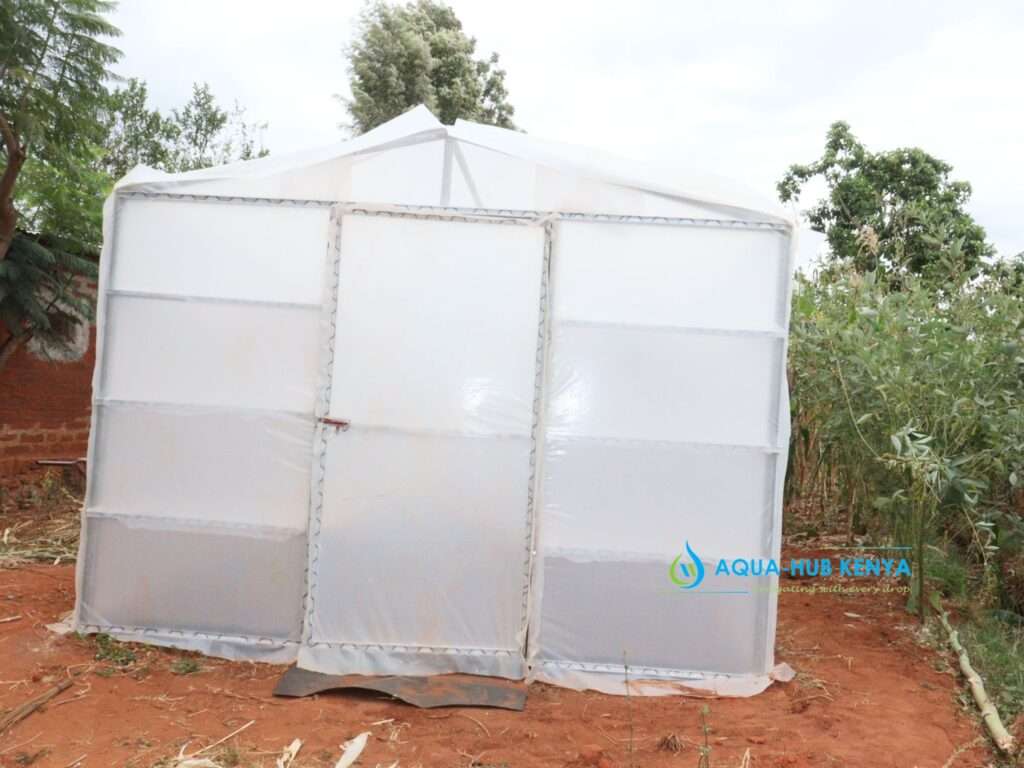
The greenhouse solar dryer design resembles a greenhouse covered with UV-treated polyethylene. It traps heat while allowing airflow.
Key features include:
- UV plastic cover
- Ventilation openings
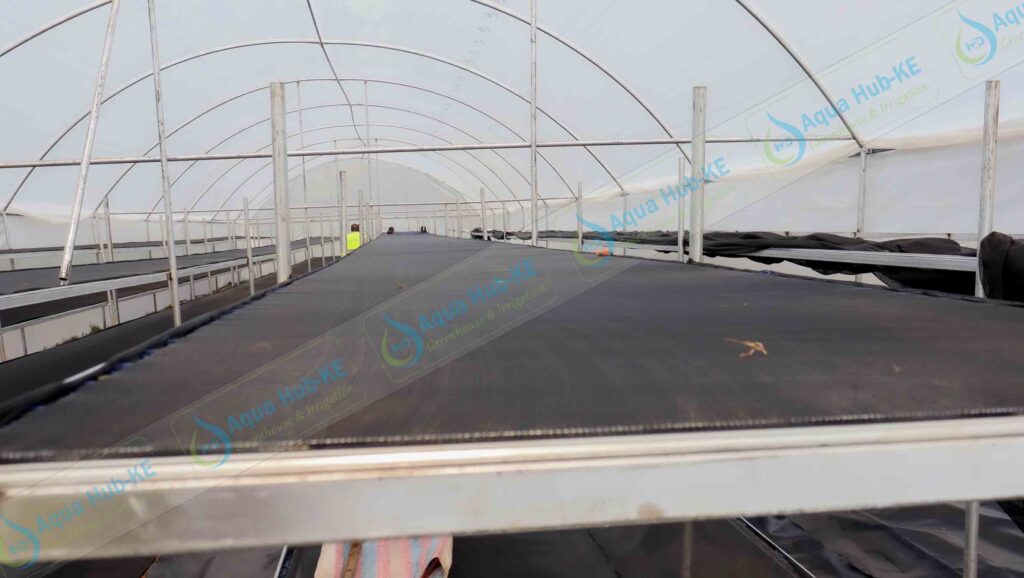
- Raised drying trays
- Black-painted floor for heat absorption
This design is ideal for solar drying of fruits and vegetables at scale. Temperatures can reach 50–70°C depending on weather conditions.
Greenhouse Solar Dryer Materials
When choosing greenhouse solar dryer materials, focus on durability.
Common materials include:
- Galvanized steel or treated timber frames
- Profiles and Wires
- Tapping Screws
- UV-stabilized polyethylene sheet
- Food-grade drying trays (mesh)
- Ventilation net (insect net)
- Ventilation Fans
- Cement, Sand and Ballast
Using poor-quality polythene reduces the life span of solar dryers. Well designed greenhouse dryers last 8–15 years, while the plastic cover may need replacement every 3–4 years.
Hybrid Solar Dryers
Solar biomass hybrid dryers combine solar heat with a biomass furnace (wood, briquettes) for cloudy days.
They are ideal for:
- Commercial fruit processors
- Coffee cooperatives
- Export-oriented farms
Prices range from KES 300,000 to over 1 million, depending on capacity.
The advantage of hybrid dryers is reliability for 24 hour drying and during rainy seasons. Unlike standard dryers, hybrid systems ensure continuous drying, protecting produce from spoilage.
Cocoa Solar Dryers
Cocoa solar dryers are designed to dry fermented cocoa beans evenly without mold growth.
Key requirements for optimal cocoa drying:
- Uniform airflow
- Moisture reduction to 6–7%
- Protection from rain
Greenhouse dryers work well for cocoa. Faster drying improves bean quality and price per kilogram.
Controlled drying enhances flavour development, which directly increases export competitiveness.
Coffee Solar Dryers
Coffee solar dryers are widely used by cooperatives in Kenya.
They help maintain consistent drying, protect parchment coffee from sudden rains and improve cupping quality. Drying takes 2 – 3 days under optimal conditions in a solar dryer.
Pyrethrum Solar Dryers
Pyrethrum solar dryers are used to preserve active compounds in flowers.
Indirect solar dryers are recommended to maintain potency. Excess heat reduces insecticidal properties.
Pyrethrum growing regions such as Nakuru and Nyandarua require enclosed dryers due to high humidity.
How Many Solar Panels to Run a Dryer?
Most solar dryers rely primarily on solar power, not electricity. However, if using fans:
- Small dryer: 1–2 solar panels (100–200W each)
- Large greenhouse dryer: 3–6 panels
Panels power ventilation fans and monitoring systems.
Energy needs depend on airflow requirements and dryer size.
Solar Drying of Fruits and Vegetables
Solar drying of fruits and vegetables is the most common application.
Popular fruits and vegetables to dehydrate solar dryers include:
- Mangoes
- Pineapples
- bananas
- Tomatoes
- Kales
- Spinach
Drying reduces moisture to 10–15%, extending shelf life to 6–12 months.
Farmers can earn 2–3 times more selling dried mango slices than raw fruit during peak season.
Advantages of Solar Dryers
The advantages of solar dryers include:
- Reduced post-harvest losses: by removing moisture bacteria cannot survive thus crop harvest remains safe for long time.
- Improved hygiene: lowers the chances of food poisoning
- Lower operational costs: works on free solar power, no cost of electric bills.
- Higher product value: enhances value addition of harvested products.
- Environmentally friendly: low carbon emission
Application of Solar Dryers
The application of solar dryers extends beyond agricultural drying of fruits and vegetables. Other common applications include:
- Drying coffee and cocoa
- Drying of Pyrethrum flowers
- To dry moringa.
- Drying Medicinal herbs
- Fish drying
- Grains
Life Span of Solar Dryers
The life span of solar dryers depends on materials and maintenance. The parts of the structure are designed from different materials thus durability will vary.
- Frame: 20 – 35 years
- UV plastic: 3–4 years.
Frequently Asked Questions
1. What is the classification of solar dryers?
Direct, indirect, mixed-mode, and hybrid solar dryers.
2. What are the different types of solar dryers in Kenya?
Cabinet, tunnel, greenhouse, and hybrid solar dryers.
3. How much does a greenhouse solar dryer cost in Kenya?
Between KES 150,000 and 1,000,000 depending on size. Cost may exceed for bigger customized designs.
4. What materials are needed for greenhouse solar dryer construction?
UV polythene, steel frame, tapping screws, profiles, wires, and ventilation fans.
5. How many solar panels to run a dryer?
It depends on the size and type of dryer. If hybrid dryer, it may require high backup power needs thus more panels needed.
6. What is the life span of solar dryers?
More than 8 years.
7. Are solar dryers profitable?
Yes, especially for dried fruits and coffee processing.
8. What are solar biomass hybrid dryers?
Dryers combining solar heat and biomass backup.
9. Can solar dryers be used for cocoa?
Yes, greenhouse dryers are perfect for cocoa drying.
10. What are the advantages of solar dryers?
Reduced losses, better hygiene, improved income.