
Blog
Drip Irrigation Tapes: The Ultimate Buyer’s Guide
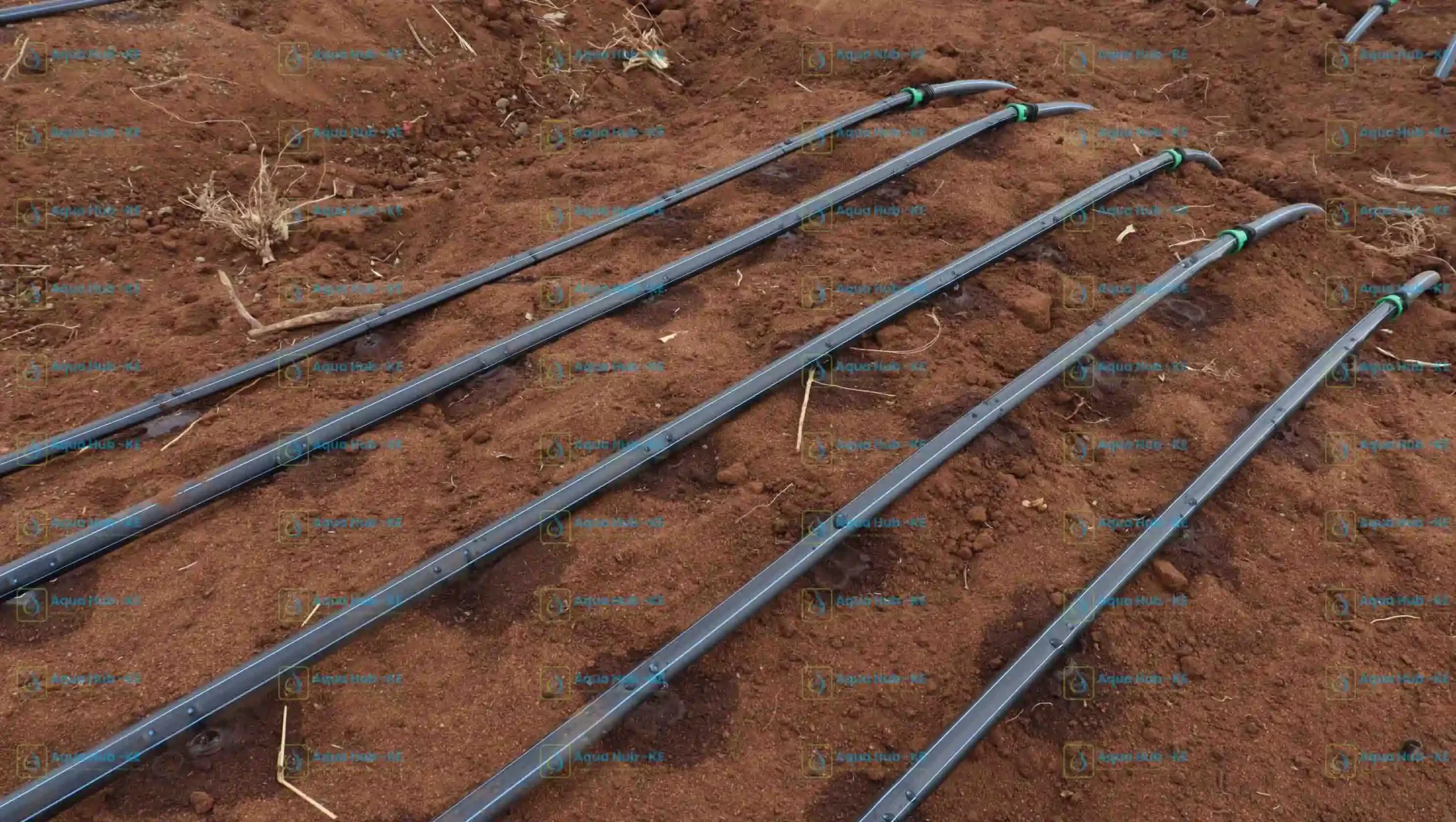
Drip irrigation tapes by Aqua Hub LTD are built for high efficiency and uniformity in irrigation. We deal in quality UV-treated driplines and fittings customised to suit your farm water needs. You can get a complete set of drip irrigation systems plus installation at KES 130,000 to KES 180,000 per acre.
We serve all farmers, both small-scale and commercial, with drip irrigation for ⅛, ¼, ½ and 1-acre farm sizes.
Call 0790719020
Key Takeaways
- Buy a drip irrigation kit from Aqua Hub Kenya.
- A drip irrigation kit costs around KES 130,000 – KES 180,000 per acre.
- Selecting the right drip irrigation tapes depends on crop type, soil, and water pressure.
- Proper design and installation are critical for system efficiency.
- Regular maintenance extends the lifespan and prevents issues.
- Innovations like smart controllers enhance system performance.
- Investing in quality components and reliable suppliers ensures long-term benefits.
Drip Irrigation Tapes | Driplines in Kenya
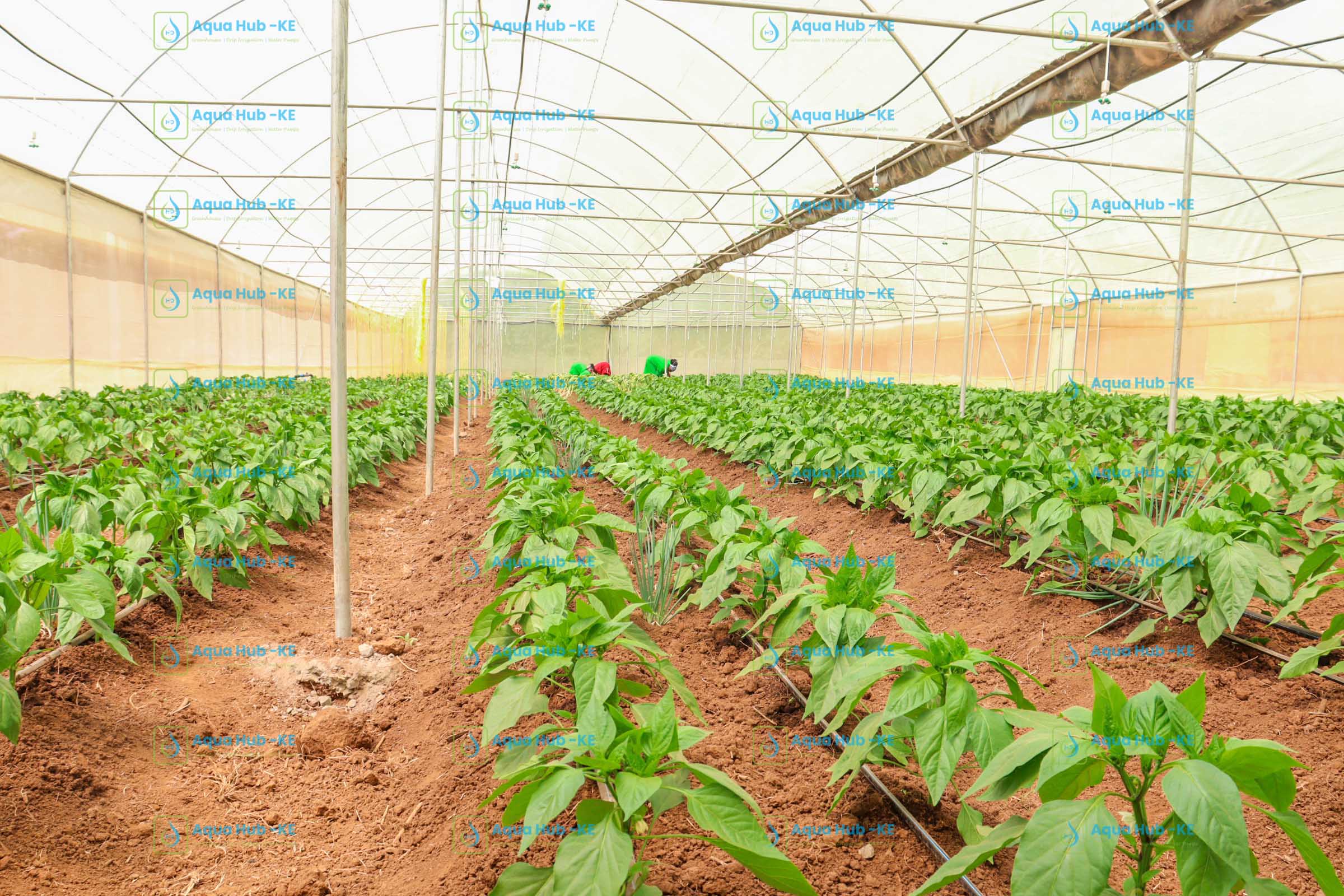
Capsicum irrigated using Drip irrigation
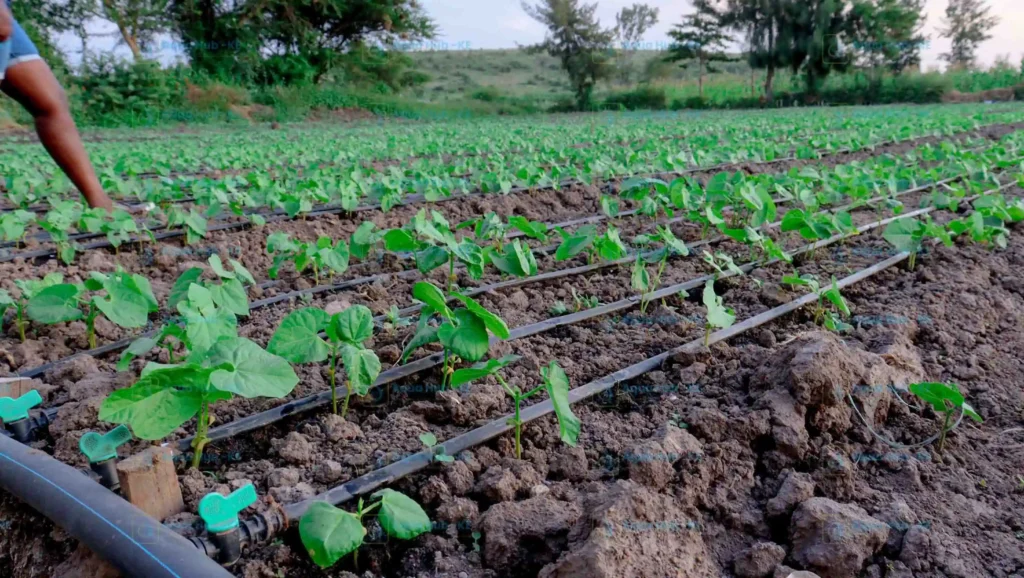
Drip irrigation tapes are thin-walled pipes with emitter holes that allow precise and uniform irrigation. These irrigation devices are laid along plant lines and water crops uniformly because of the equal emitter spacing along the pipe length.
Importance of Drip Irrigation Tapes
The use of drip irrigation kits has a wide range of benefits. The major advantages are:
- Water efficiency: the drip irrigation tapes only water an area with a plant in the end, saving much water.
- Reduced labour: no manpower needed for irrigation, fertiliser input or weeding.
- Uniform water distribution: the drip tape is designed for maximum uniformity in irrigation.
- Versatile Crop Suitability: Drip irrigation matches the water needs and is thus suitable for a wide variety of crops.
- Ease of installation and maintenance: setup and use is straightforward.
Types of Drip Irrigation Tapes
Selecting the right type of drip tape depends on your crop type, field layout, and water pressure. Here are common types:
Flat Drip Tapes
These have a flat profile, making them easy to lay along the soil surface or underneath mulch. They are durable and suitable for vegetable crops.
Round Drip Tapes
With a circular cross-section, they are flexible and fit well in uneven terrains or curved beds.
Choosing the Right Type
Crop water needs: for crops with high water needs, you might need to use a double emitter dripline.
Soil type: water retention is the major concern. Asses your soil type, sandy soil tends to loose water faster, use high flow rate dripline and increase irrigation frequency.
Field layout. Drip irrigation works best in flat lands as it uses gravity. For sloped lands, pressure compensated driplines are ideal.
Drip Irrigation Tapes: Specifications to Consider
To ensure optimal performance, pay attention to these specifications:
Diameter and Wall Thickness
Typical diameters range from 16mm to 20mm.
Wall thickness either 0.3mm or 0.4mm
Emitter Spacing
Drip irrigation tapes are manufactured with varying emitter spacing of 15 cm, 20 cm and 30 cm to suit crop spacing.
Flow Rate (L/hr)
Flow rate from 2 to 8 litres per hour depending on the emitter spacing.
You should match flow rates to crop water requirements.
Pressure Range
Most drip tapes operate efficiently at pressures between 0.5 and 2 bar (7.25 to 29 psi).
Ensure your water source can maintain consistent pressure.
Length and Roll Size
Standard rolls are 1000 m long.
Material Durability and UV Resistance
Use UV-stabilised plastics for outdoor applications to prevent degradation.
Compatibility with Water Source
Ensure the drip tape material and specifications match your water supply’s quality and pressure.
What Crops Can Be Grown Using Drip Irrigation Tapes?
Drip tapes are versatile and suitable for many crops:
- Vegetables: Tomatoes, lettuce, carrots, and cucumbers thrive with drip irrigation, resulting in better yields and quality.
- Fruits: Strawberries, melons, and berries.
- Flowers & Ornamentals: roses, carnations, bougainvillaea, etc. Ensures consistent moisture and healthy growth.
- High-value crops: onions, garlic, and capsicum.
How to Design a Drip Irrigation System
Designing an efficient drip system involves careful planning:
Assess Water Requirements
Determine the total water needs based on crop type, growth stage, and climate.
Calculate Water Flow and Pressure
Ensure your water source can supply the required flow rate and pressure. Use flow calculators and pressure regulators for accuracy.
Select the Right Drip Tape
Choose tapes with appropriate flow rates, material, and length based on your field size and crop needs.
Layout Planning
Design mainlines, sub-mains, and lateral lines for uniform coverage, minimizing head loss.
Incorporate Filters & Fertigation Equipment
Install filters to prevent clogging and consider fertigation systems for nutrient application.
How to Set Up a Drip Irrigation System
- Prepare the field: Clear debris and level the soil.
- Tank connection: set up a tank and install a tank connector.
- Lay mainlines and sub-mains: Lay pipes and connect to the water source.
- Install a screen or disc filter: on the mainline after tank connection, install a water filter to remove debris from water.
- Lay drip tapes: along crop rows, lay drip tapes and connect to sub-mainlines.
- Test the system: after connection, open water flow to see if works as expected.
Common Challenges and Solutions
Clogging and Blockages
Use high-quality filters and flush systems regularly.
Pressure Fluctuations
Install pressure regulators and ensure uniform water supply.
Damage & Repairs
Protect tapes from rodents and machinery; keep spare parts handy.
Algae Growth
Use appropriate disinfectants and maintain system cleanliness.
Innovations and Future Trends
The future of drip irrigation features smart technology:
- Automated controllers adjust watering schedules based on weather data.
- Recyclable and eco-friendly materials reduce environmental impact.
- Remote monitoring systems allow farmers to oversee operations via smartphones.
Regulatory and Environmental Considerations
Be aware of local water usage regulations and prioritise eco-friendly materials to minimise environmental impact.
Frequently Asked Questions
1. How much is drip irrigation tape in Kenya?
KES 8,000 – KES 9,000.
2. What is the cost of drip irrigation per acre?
KES 130,000 – KES 185,000.
3. How many litres per hour for drip line irrigation?
2 – 8 L/H depending on the emitter spacing.
4. What is drip tape used for?
For precise irrigation of vegetables, flowers, legumes, and fruits.
5. What are the different types of drip tape?
15cm, 20 cm and 30 cm emitter spaced driplines.
6. How long is a drip tape?
1000 m.
7. What size drip tape do I need?
It depends on the farm size. Driplines are laid in varying lengths as per the farm size and space.
8. Can I install drip irrigation myself?
We recommend hiring a technician to ensure proper installation.
9. How long should you water with drip irrigation?
30 – 40 minutes as per the soil moisture rate.
10. Where Can I Buy a Drip Irrigation Kit in Kenya?
Aqua Hub LTD.