
Blog
Dripline Roll for Sale in Kenya: 2026 Guide
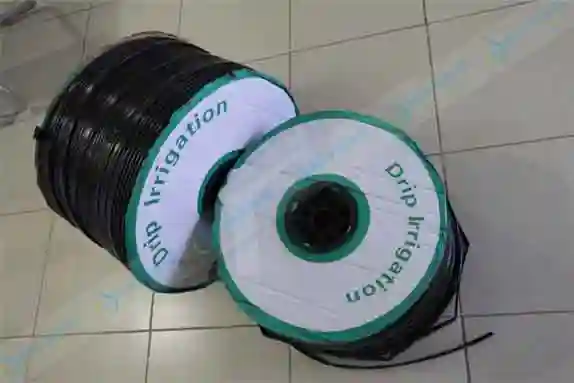
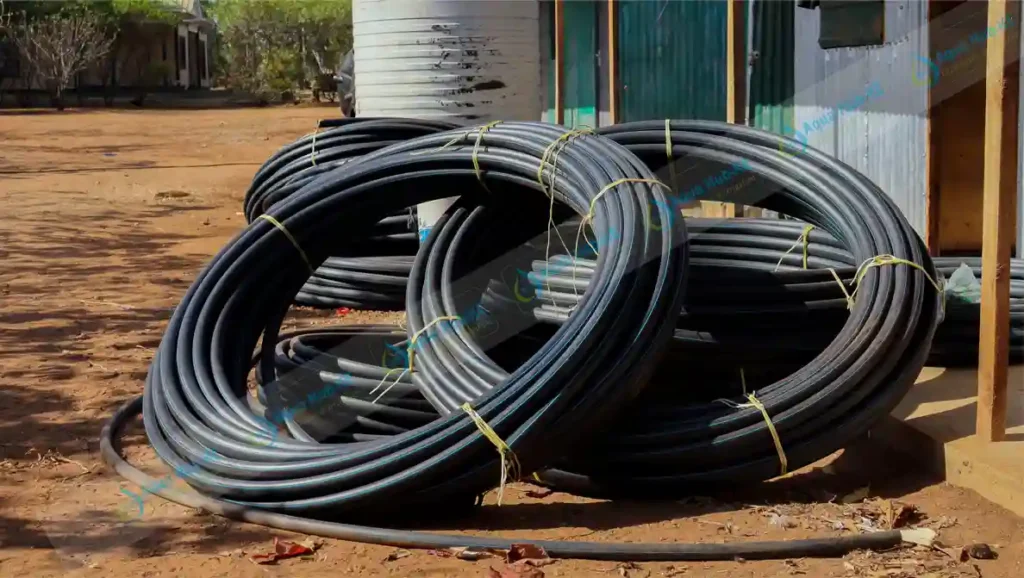
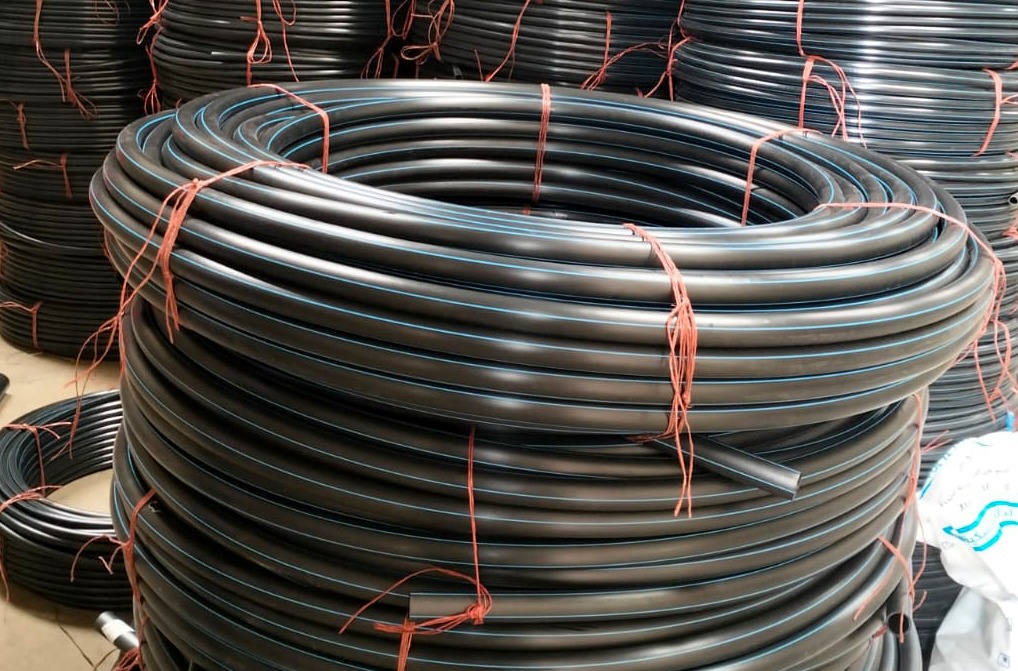
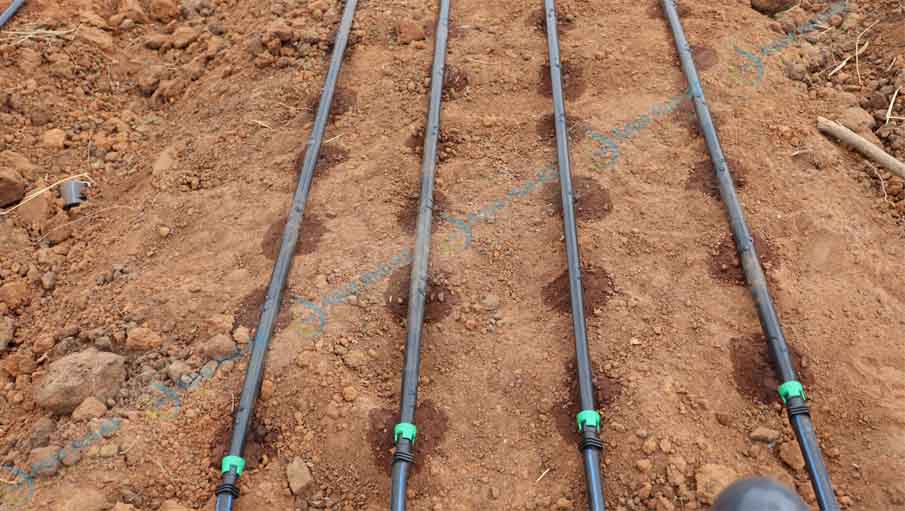
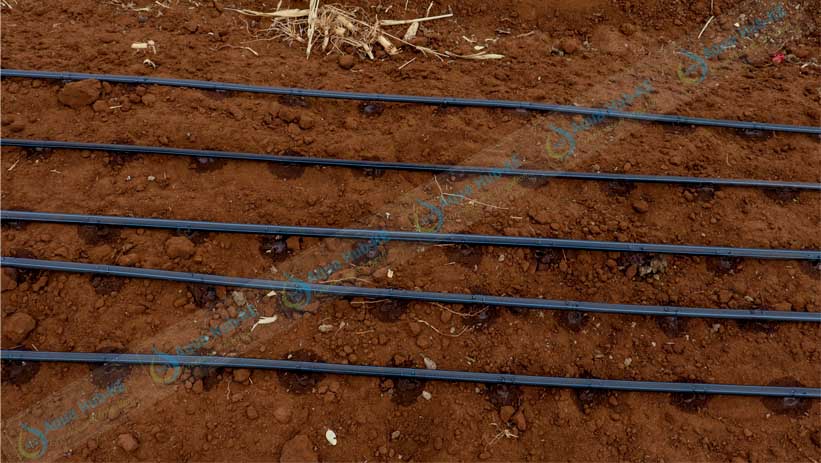
16 mm dripline roll of 1000 m length comes in two different types: 0.3 mm and 0.4 mm gauge dripline. Both 0.3 mm and 0.4 mm driplines are categorised as per the emitter spacing, which can be 15 cm, 20 cm or 30 cm. Dripline rolls for sale are available at Aqua Hub Kenya for as low as KES 8,000 to KES 10,500 each.
Call 0790719020
Specifications of Dripline Roll for Sale in Kenya
- Made of UV-treated high-density polyethylene. To withstand intense sunlight.
- Standard length is 1000 m.
- Varying emitter spacing (15cm, 20cm or 30cm)
- Flow rate of 1 to 2 L/H.
- Single or double-emitter design.
Dripline Roll Price in Kenya
The dripline roll price in Kenya now ranges between KES 8,000 and KES 9,000 for a 1000 m roll. This price varies based on the wall thickness measured in mm.
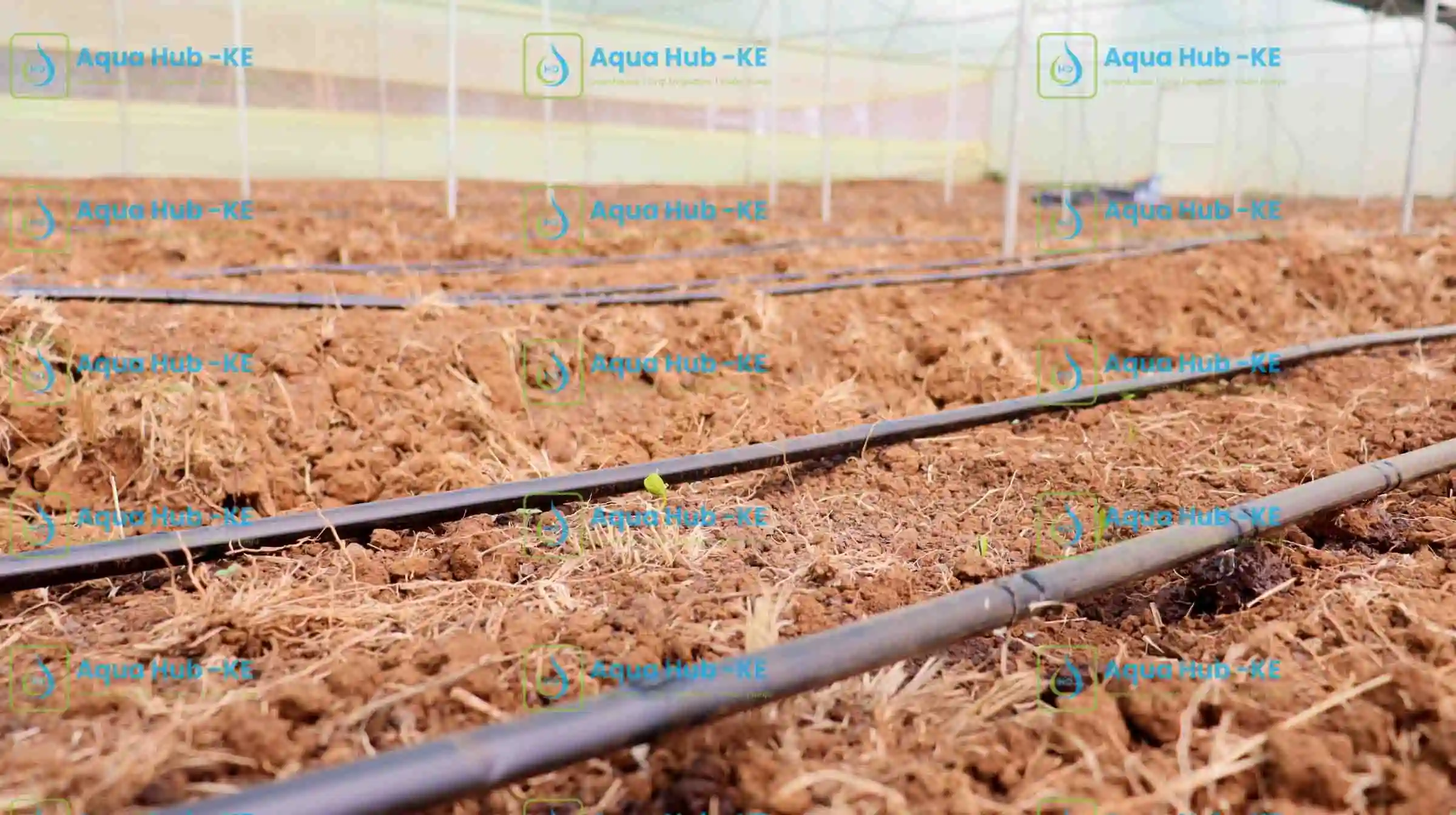
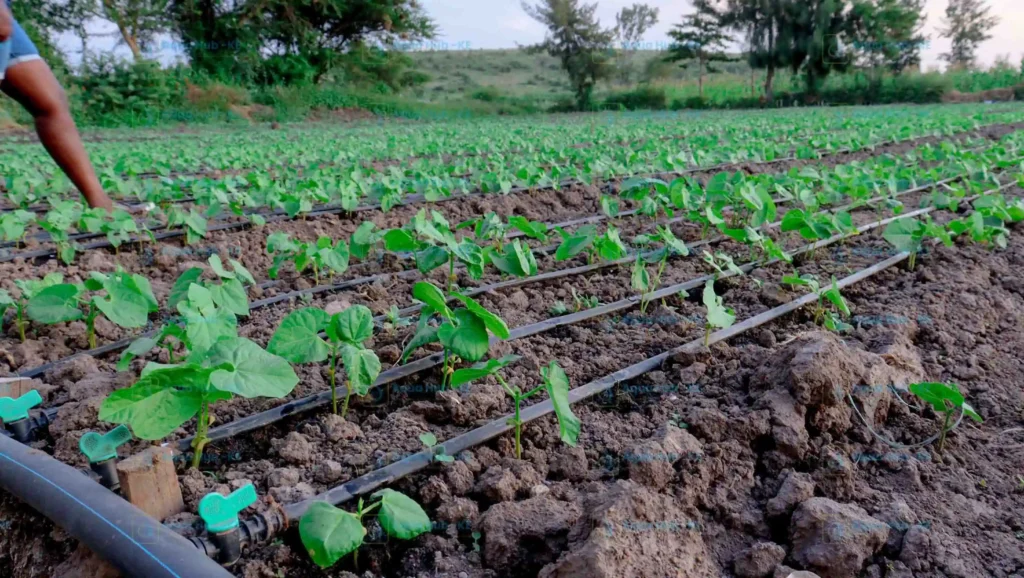
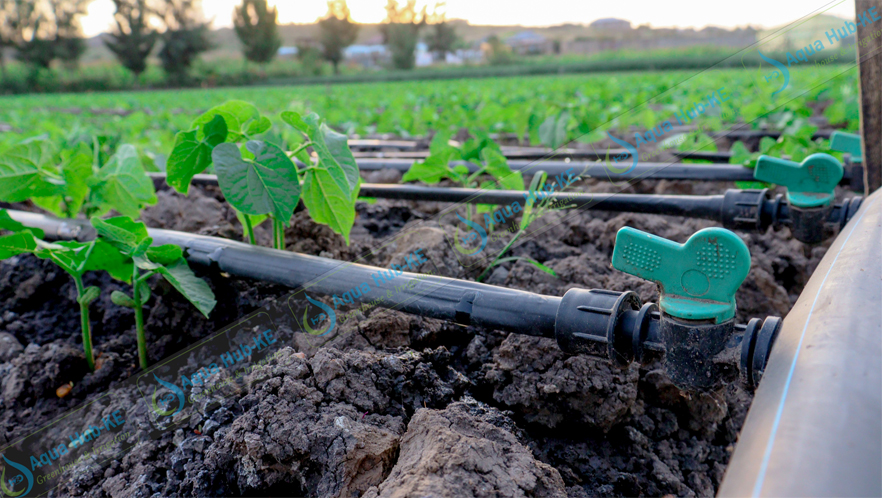
drip irrigation system for a greenhouse
Choice of Dripline Roll | Emitter Spacing for Maximum Yield
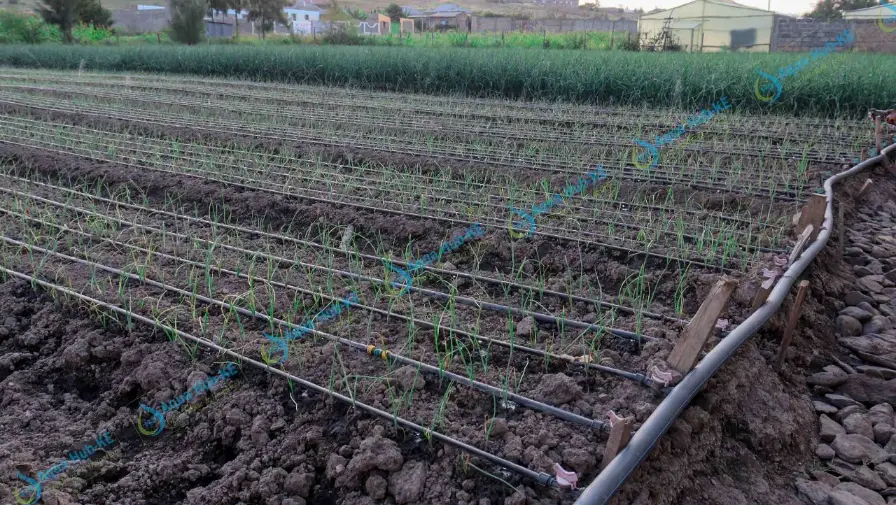
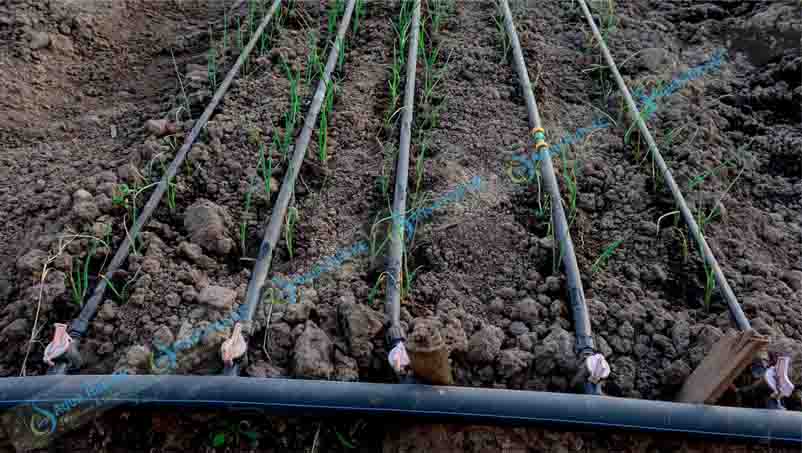
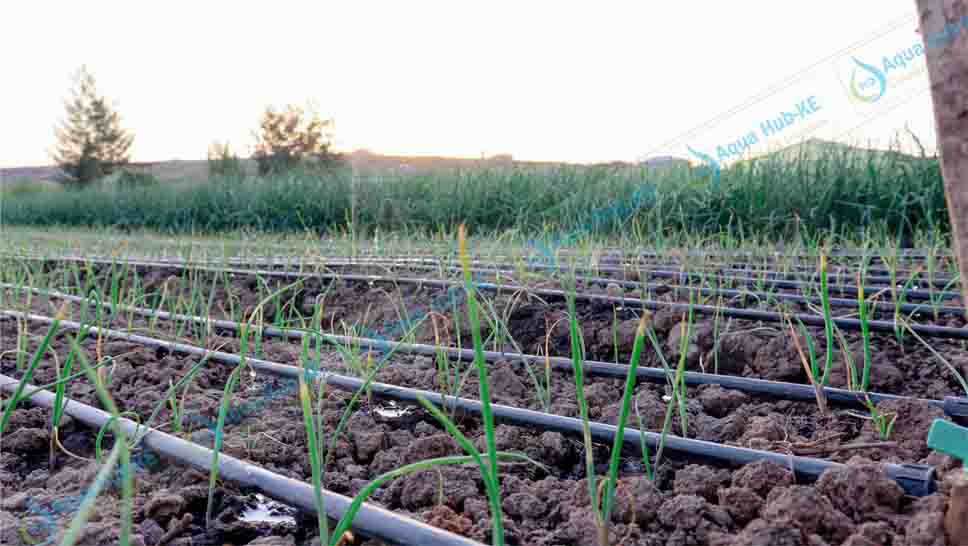
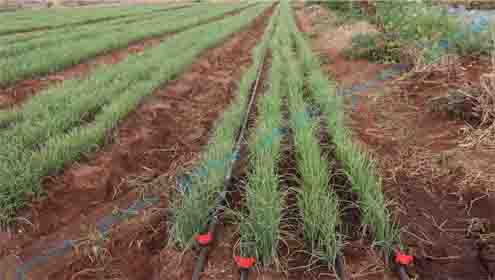
Drip tape spacing matters when choosing a dripline for your crops. Each dripline emitter is tailored for specific crops. For instance, the best driplines for onion farming usually require 15 cm spacing because onions are planted closely together.
If you are growing watermelons or fruit trees, a 30 cm or even 45 cm spacing is more efficient.
A common mistake is using 15 cm spacing for everything; this leads to water wastage in wide-spaced crops.
0.3mm vs 0.4mm Dripline Roll: Which One Should You Buy?
Wall thickness determines how effective and durable a dripline roll is. 0.4mm is the standard dripline gauge and is more durable than 0.3mm dripline.
0.3 mm driplines are ideal for gravity-fed drip irrigation setups. On the other hand, 0.4 mm driplines is ideal for a drip irrigation system using a pump to move water.
A 0.4mm dripline can serve you longer than a 0.3mm dripline. It guarantees you 5 years under good condition if proper installation and care are done.
Dripline Roll Requirement per Acre
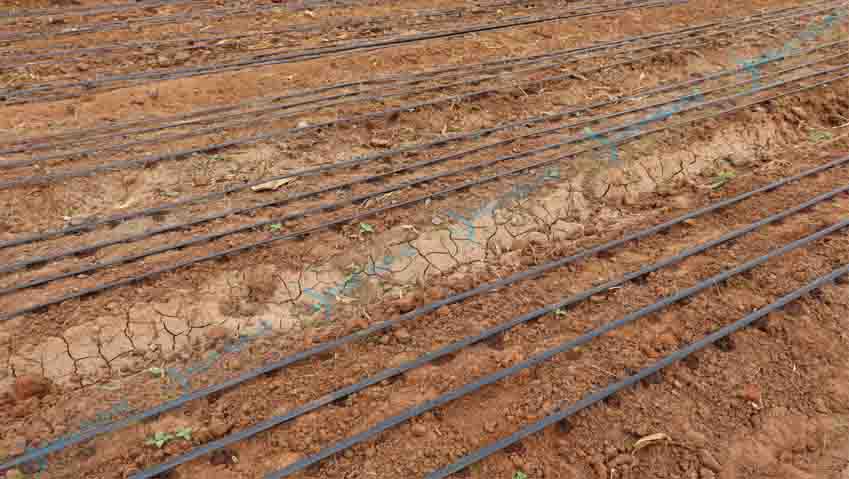
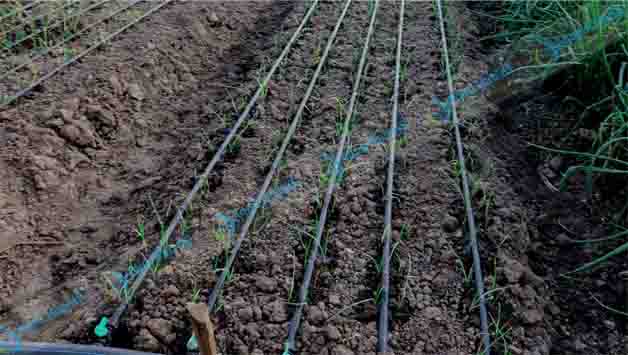
The number of driplines per acre varies according to the crop you are growing. Some crops require 1 dripline per bed; others take 2 and some also take 3 driplines in a bed.
- 1 line per bed: watermelons, butternuts (approx. 3,000 m or 3 rolls).
- 2 lines per bed: tomatoes, cabbages, and capsicum (approx. 6,000 m or 6 rolls).
- 3 lines per bed: onions, garlic, carrots (approx. 8,000 m or 8 rolls).
How to Choose the Right Dripline Roll for Your Farm
Crop Type Considerations
Different crops need different spacing and flow rates:
- Tomatoes, onions: 20–30 cm spacing
- Leafy vegetables: 10–20 cm spacing
- Fruit crops: Higher flow rates
Soil and Water Pressure
Clay soils need lower flow rates, while sandy soils require higher discharge. Always match dripline specs with your water pressure.
Farm Size and Layout
Small farms benefit from thinner driplines, while large commercial farms should invest in thicker, durable options.
How Drip Irrigation Works
Drip irrigation uses low pressure to distribute water through a network of pipes, filters, and driplines. Water flows directly to plant roots, minimising waste. This method is efficient for vegetable farming, greenhouses, and orchards.
Filtration in Drip Irrigation
A water filter is essential whether you are sourcing water from a borehole or river. Sediment buildup or minerals such as calcium easily clog the system and reduce water flow rates. Using a disc or screen filter ensures efficient water distribution to plant root zones in the entire farm. A screen filter is best for low-pressure systems and water sources with non-organic matter (sand or silt).
A disc filter is ideal for high-pressure drip systems and used to remove algae, sand and minerals in water.
Fertigation: Fertilizer Application Through Driplines
One of the greatest advantages of drip irrigation is fertigation, applying liquid fertiliser directly to the root zone. This ensures 100% nutrient uptake, unlike manual fertiliser input, where 40% is lost to the air or weeds.
Using a Venturi injector with your dripline rolls allows you to deliver controlled fertiliser rates to your plants. This targeted delivery is why drip-irrigated tomatoes yield more than those under overhead irrigation.
Crops Watered Using Driplines
Vegetables
Driplines are ideal for tomatoes, cucumbers, capsicum, kale, and onions, ensuring uniform moisture and higher marketable yields.
Fruits and Orchards
For watermelons, strawberries, and tree crops, driplines reduce disease by keeping foliage dry.
Horticulture
Rose flower, cauliflower, bougainvillea and cut flowers
Legumes
Beans, peas, lentils and green grams.
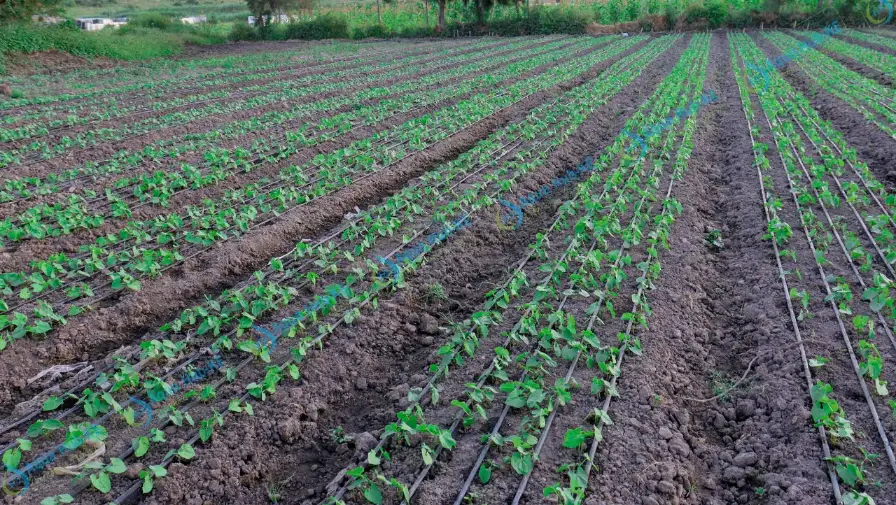
Drip irrigation of bean plants
Common Installation Mistakes to Avoid
The most common mistake is forgetting to flush the system during installation. Debris will build up inside the pipes and clog your emitters.
Another mistake is over-tightening the take-off connectors, which can pinch the thin wall of the dripline roll.
How to Keep Your Driplines | Drip Irrigation System Operational
To ensure your driplines operate efficiently for a long time, flushing the drip system is essential. Open the dripline end plugs and open the system after 2 or 3 months to remove accumulated silt.
If you notice uneven wetting patterns, it’s a sign of clogging. This often requires replacement of clogged pipes or opening and cleaning the irrigation filter.
Drip Irrigation Cost per Acre
Buy driplines with a complete drip irrigation system to avoid spending much. Dripline roll price would be cheap or discounted when purchased with full drip irrigation accessories. The complete cost of drip irrigation per acre ranges from KES 135,000 to KES 180,000.
Where to Find Dripline Rolls for Sale in Kenya
Aqua Hub Kenya. We are a Kenyan-based distributor of irrigation accessories, mainly dripline rolls and fittings.
Frequently Asked Questions
1. How long does a dripline last?
Between 3 to 5 years.
2. What is the best dripline for vegetables in Kenya?
16 mm driplines with 20 or 30 cm spacing are ideal for most vegetables.
3. How much does a dripline roll cost in Kenya?
KES 8,000 to KES 10,500.
4. How many dripline rolls do I need for an acre of onions?
8 rolls of dripline.
5. Does drip irrigation work on sloped land?
Yes, but you must use Pressure-Compensating (PC) emitters to ensure water flows evenly at all elevations.
6. Can I apply fertilisers through driplines?
Yes. Fertigation works so long as fertilizers are soluble.
7. Which pipe is better between HDPE and PVC for the mainline?
HDPE is better for mainlines because it is flexible, UV-resistant, and easier to connect using compression fittings.
8. Do I need a pump for a small drip system?
No, a gravity-fed system works well if your farm is flat and the water tank is elevated 3 metres high.
9. What is the standard length of a dripline roll?
1000 metres.
10. Where can I buy driplines in Kenya?
Aqua Hub Kenya.