
Wundanyi, Taita Taveta
Why greenhouse farming suits vegetable production in Taita Taveta
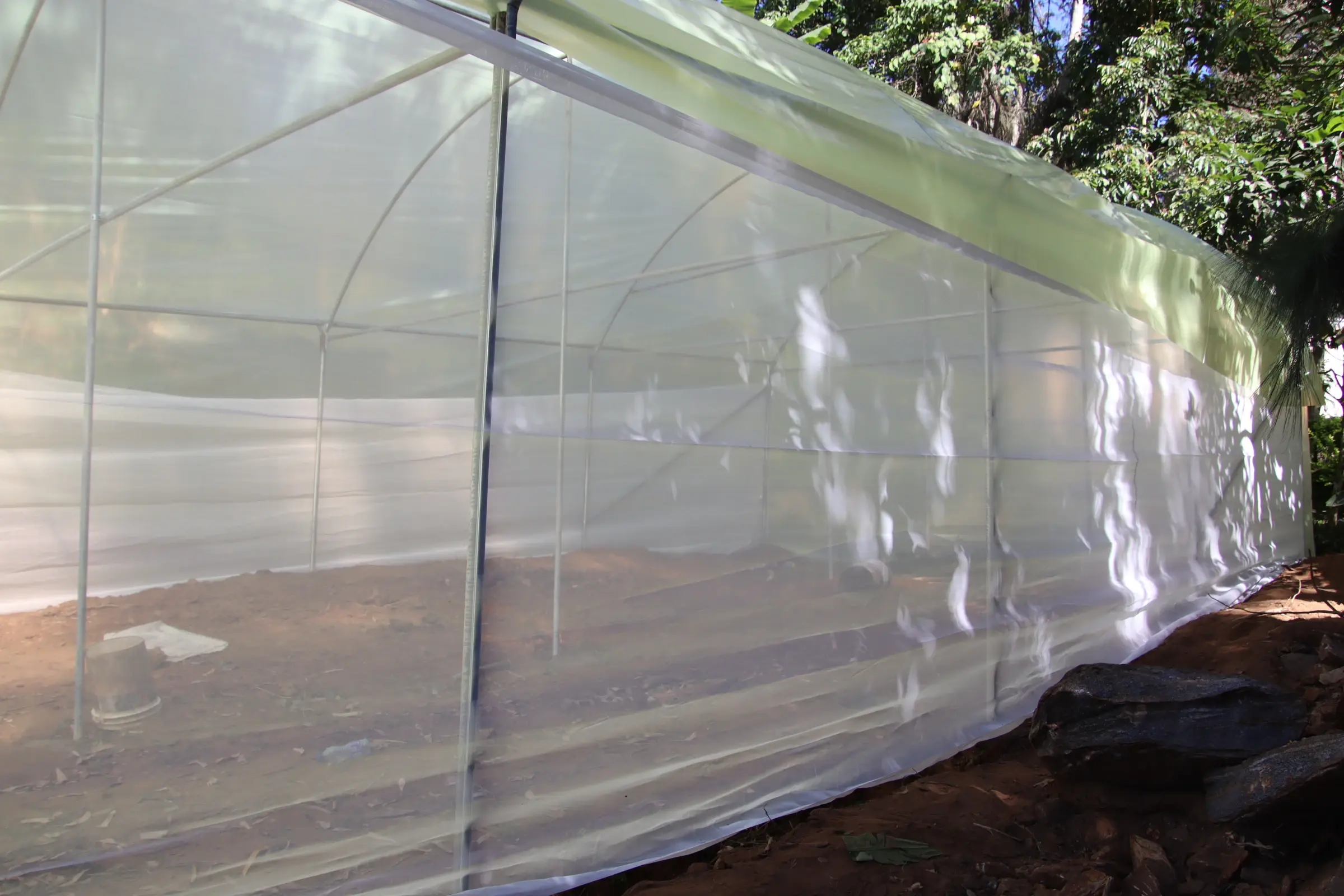
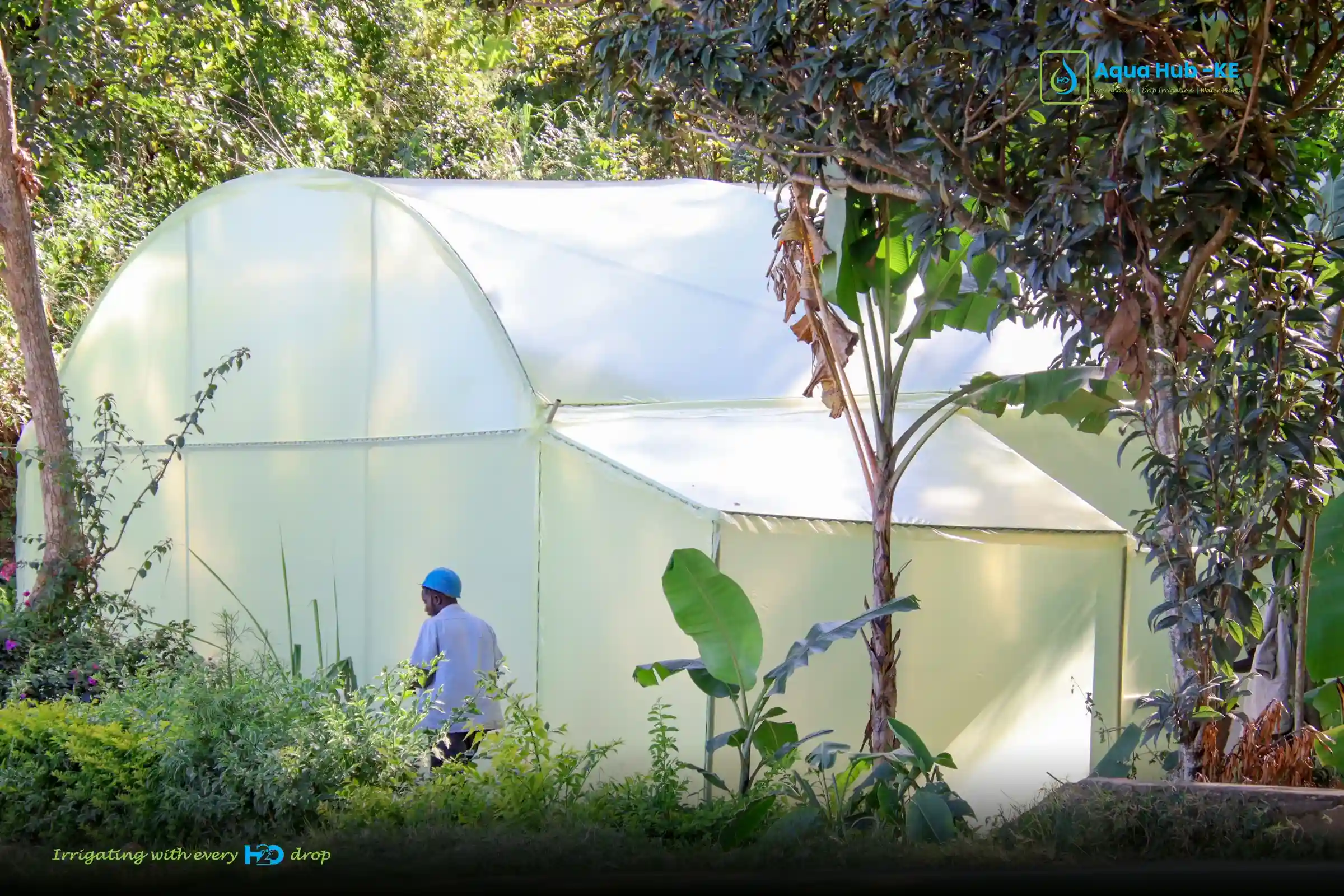
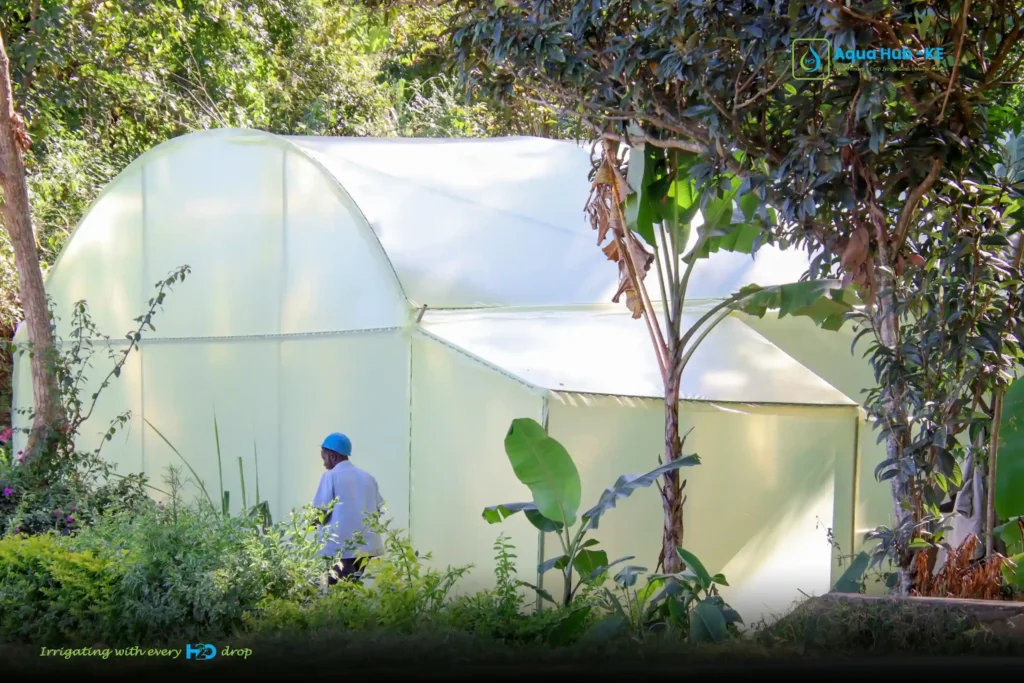
Aqua Hub Kenya built a 12 m x 6 m greenhouse for vegetable production in Wundanyi, Taita-Taveta County. It has a structural frame with a polythene cover, and an insect net to keep pests out of the crop. We also installed a submersible pump that draws water from the client’s well into rest tanks, with a distribution system that supplies the greenhouse. Our team completed the project in 7 days, from 8 to 14 August 2026.
Location
Wundanyi, Taita Taveta
Duration
7 days
Completed
2026-08-14
PROJECT AT A GLANCE
What we delivered
Aqua Hub Kenya delivered a 12 m x 6 m greenhouse for vegetable production in Wundanyi, Taita-Taveta County, together with the pump and water system that supplies it. Our team supplied and installed:
- Structural frame
- Greenhouse polythene cover
- Insect net
- Submersible pump drawing water from the well into the rest tanks
- Water distribution system to the greenhouse
The work was handed over on 14 August 2026, with representatives of the client and its funder present to confirm that it met the agreed specifications.
The challenge
Vegetable growers who farm in open field are exposed to the weather. Heavy rain and strong sun damage the crop, and the weather also limits the months in which each crop can be planted.
This shortens the growing season, so the land produces fewer harvests in a year and a lower yield from each one. What these growers need is a covered growing space that protects the crop and allows planting through more of the year.
Our approach
Our team visited the site in Wundanyi in June to assess the land and the project’s requirements. We then submitted our findings and recommendations to the client’s funder for review and approval.
We recommended a 12 m x 6 m greenhouse with a polythene cover and an insect net, sized to the client’s vegetable production needs. Once the funder approved, the project went ahead in August 2026.
HOW IT HAPPENED
The process, start to finish
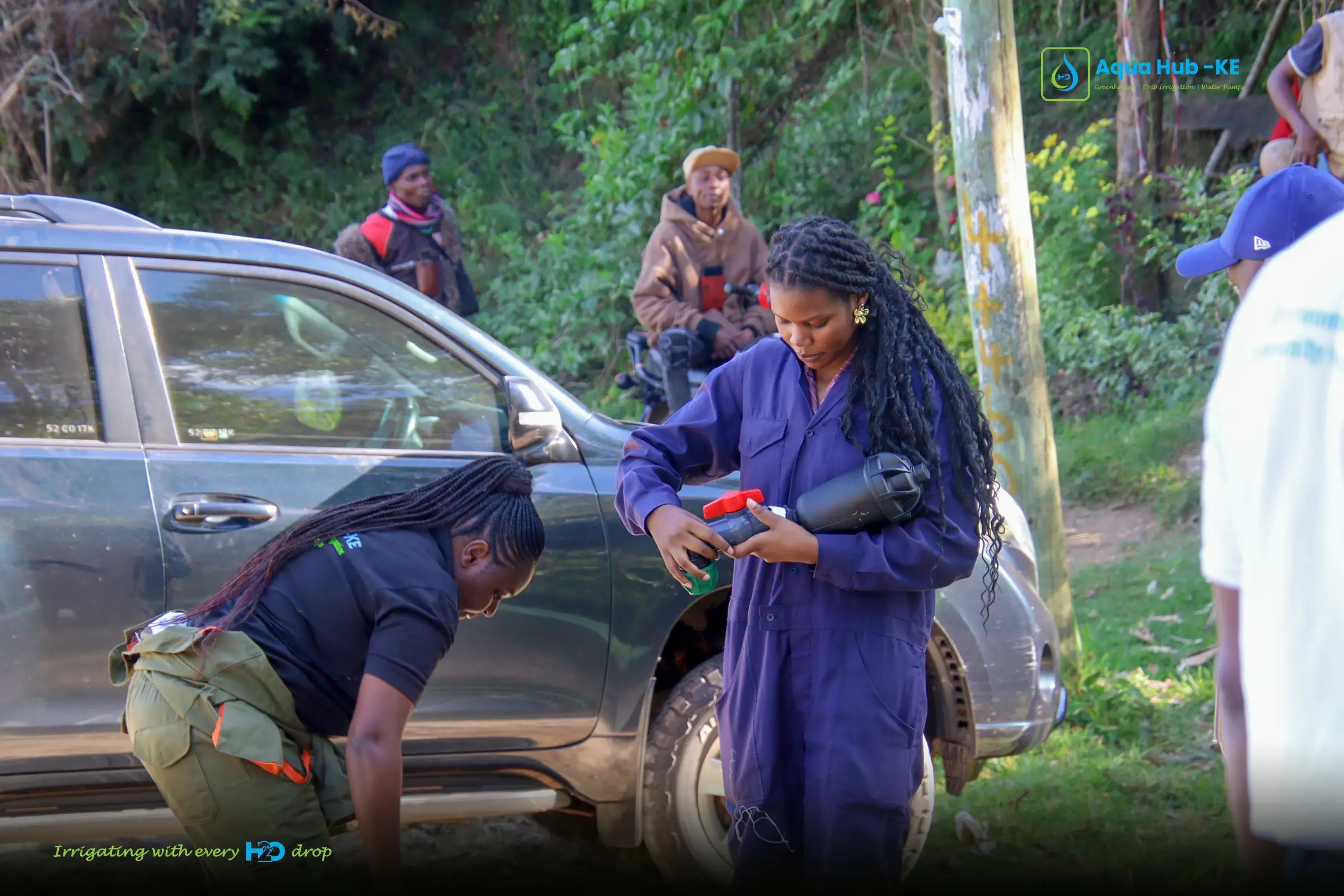
Every Aqua Hub Kenya project follows the same stages. Here’s exactly how this one went, with photos and video from each visit.
The client first got in touch with us in March about a project that included a greenhouse for vegetable production. In June, our team travelled to Wundanyi to look over the site and go through what the client needed. The visit gave us what we needed to prepare a recommendation for the project.
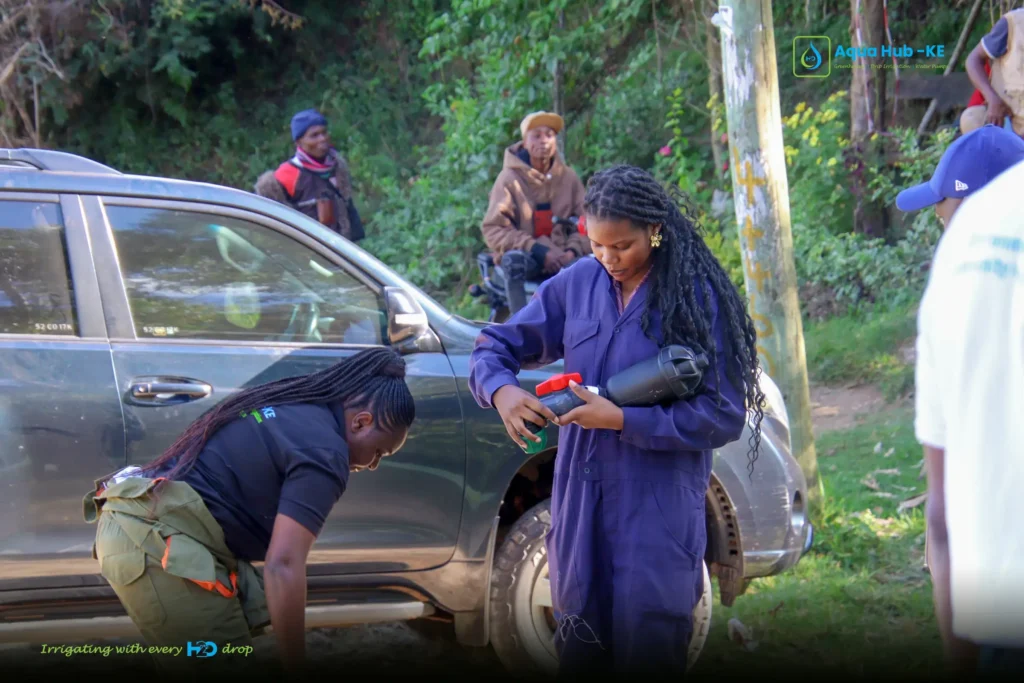
After the visit, we wrote up what we had found and what we recommended, and sent it to the client’s funder. The recommendation covered a 12 m x 6 m greenhouse with a polythene cover and an insect net, along with a submersible pump and a water distribution system to supply it.
The funder reviewed the submission and gave its approval. With that in place, we proceeded with the project.
7 to 8 August 2026
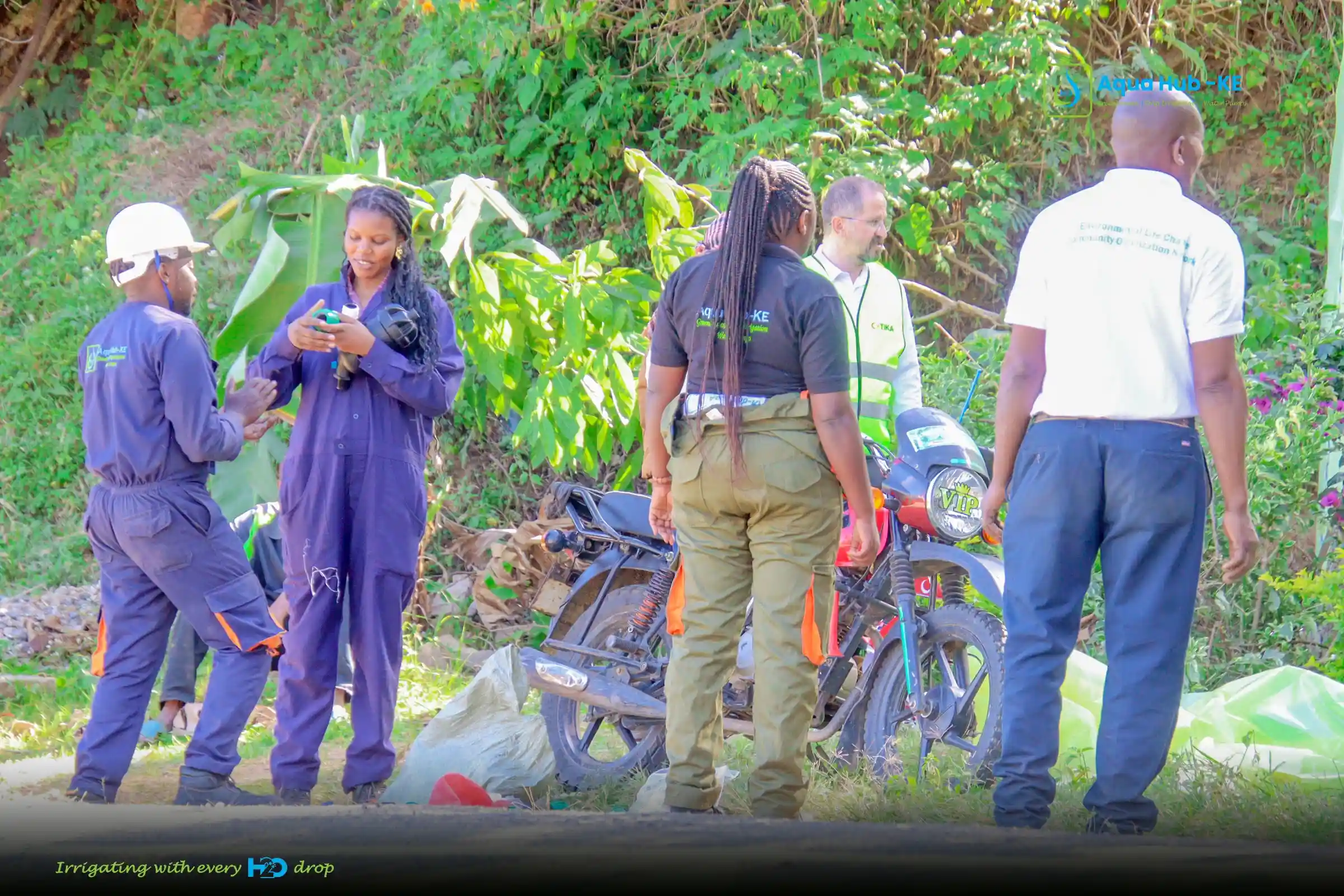
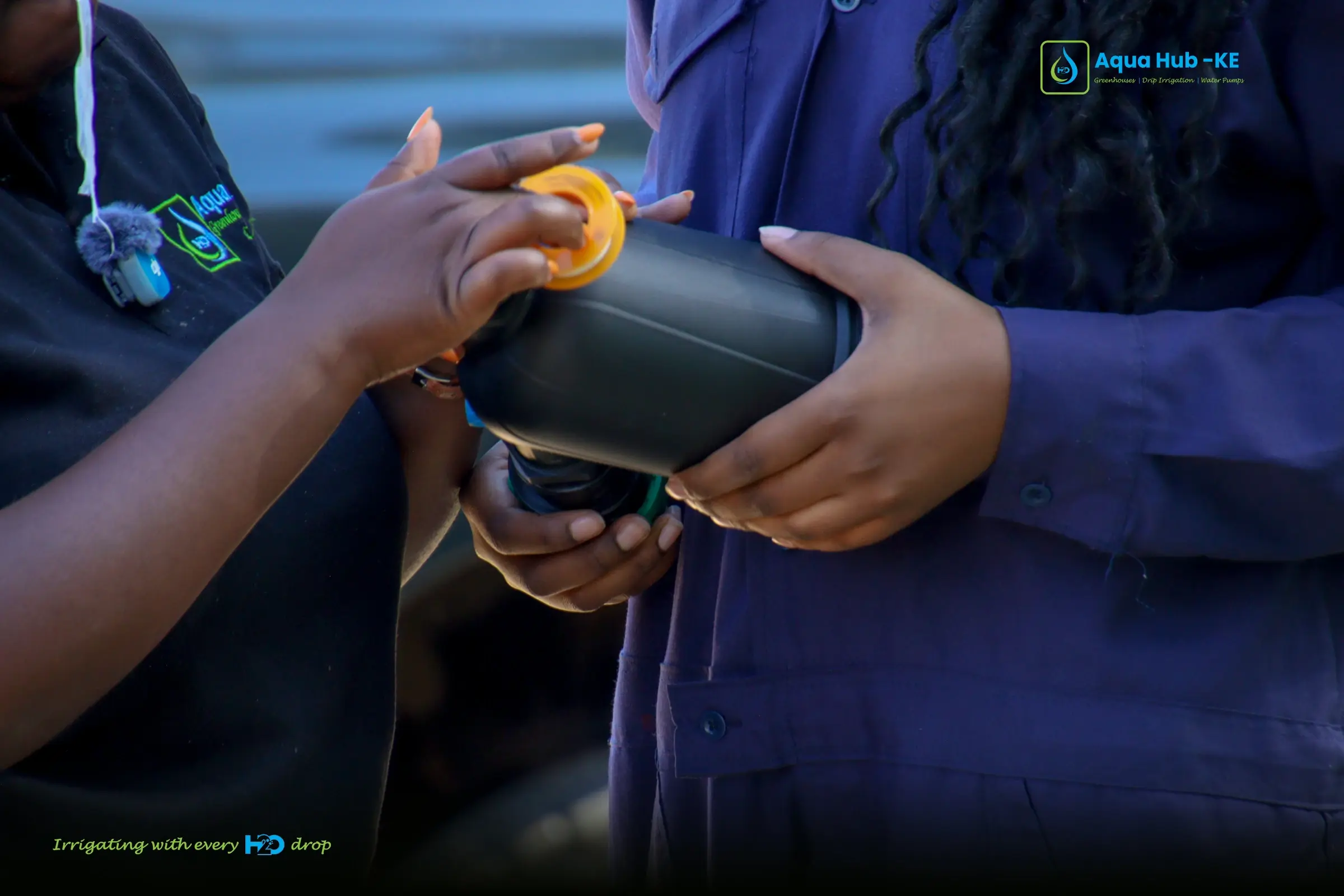
We transported the frame materials, the polythene and insect net, the submersible pump and pipework, and the installation team with their tools to the site in Wundanyi.
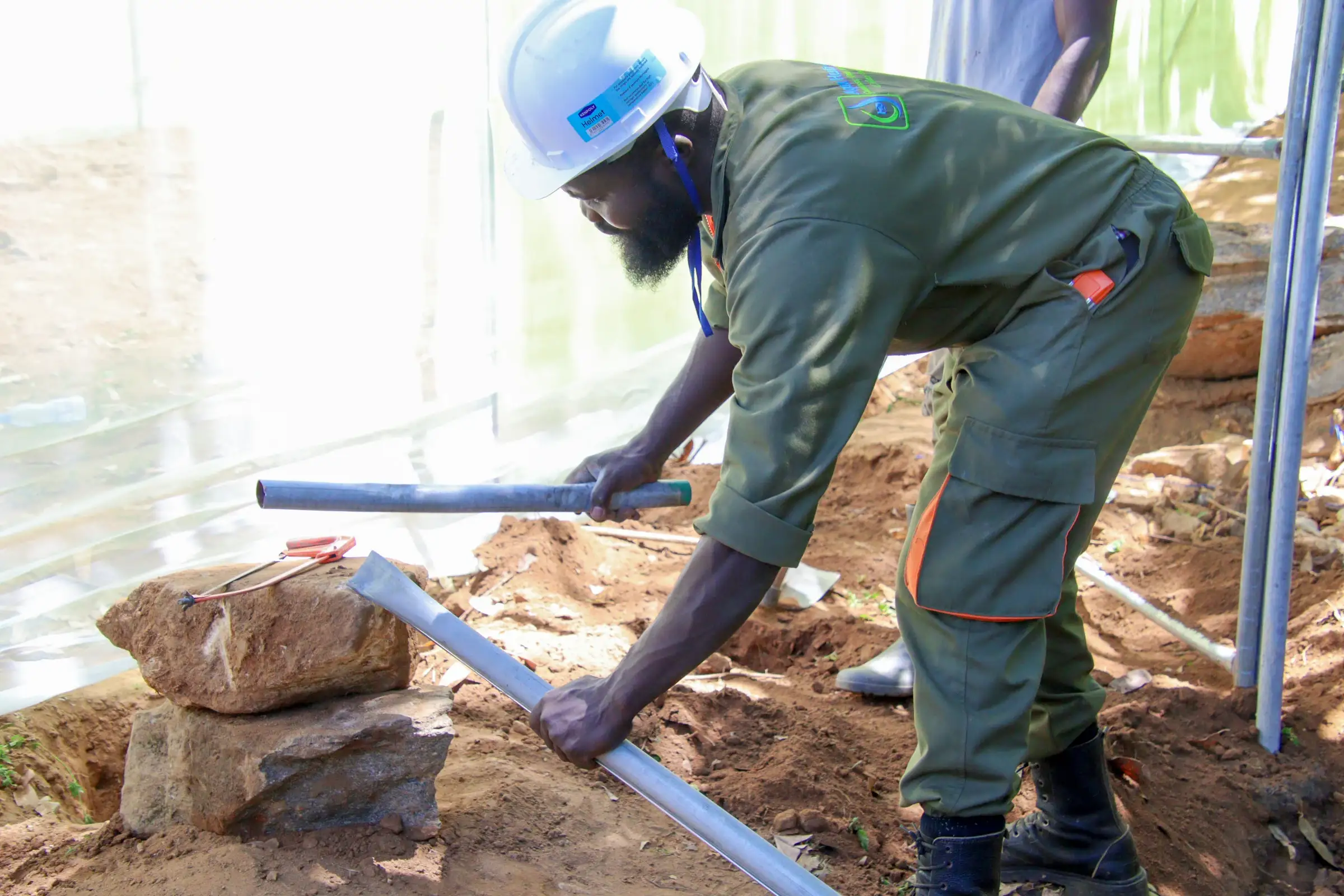
Our team then cleared and levelled the ground where the greenhouse would stand. We marked out the 12 m x 6 m footprint and dug the holes for the posts, ready for the frame to go up.
From 8 August 2026
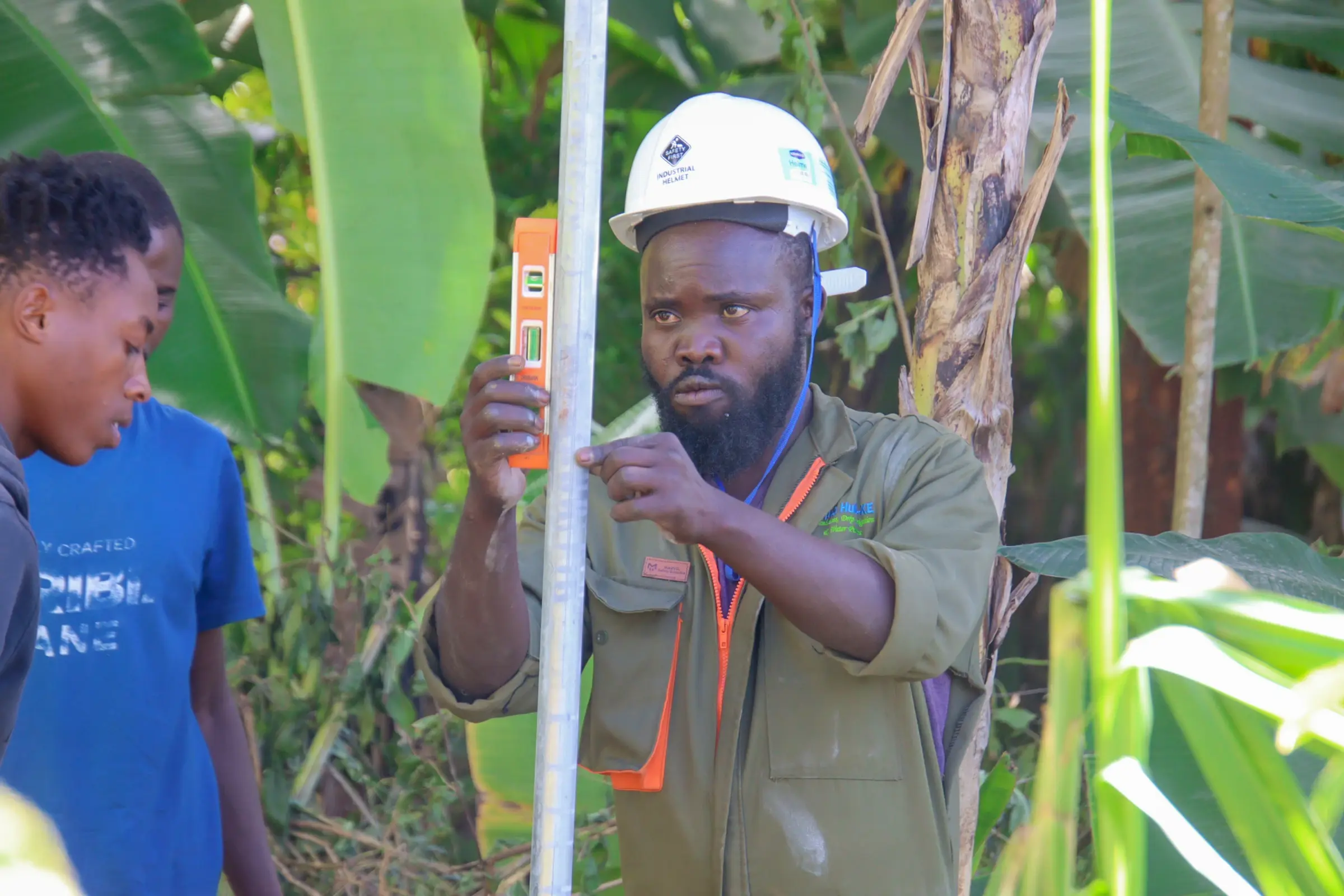
Construction began on 8 August with the frame. The posts were erected, and the arches were fixed to them to form the roof. Purlins and bracing were then added to stiffen the structure.
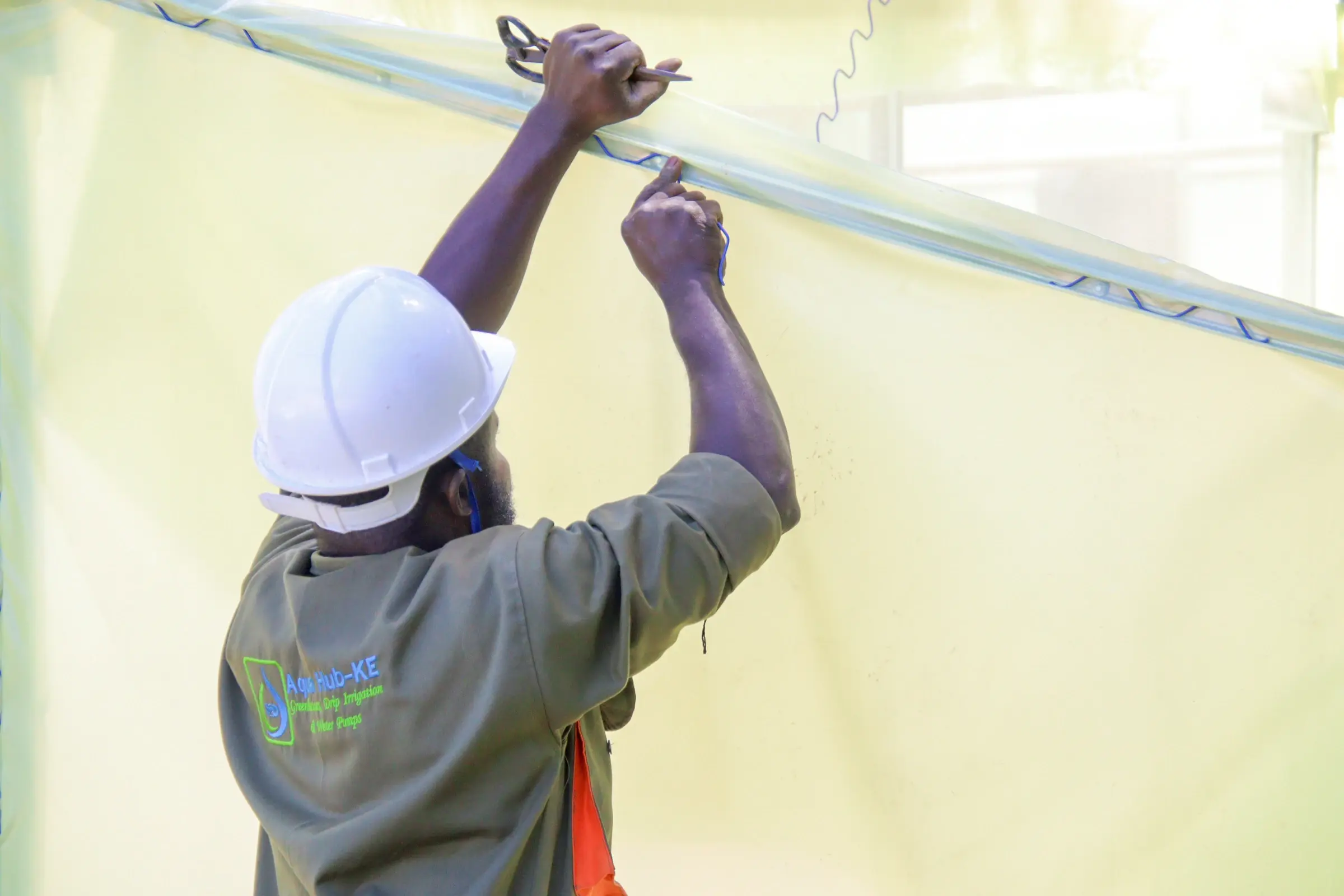
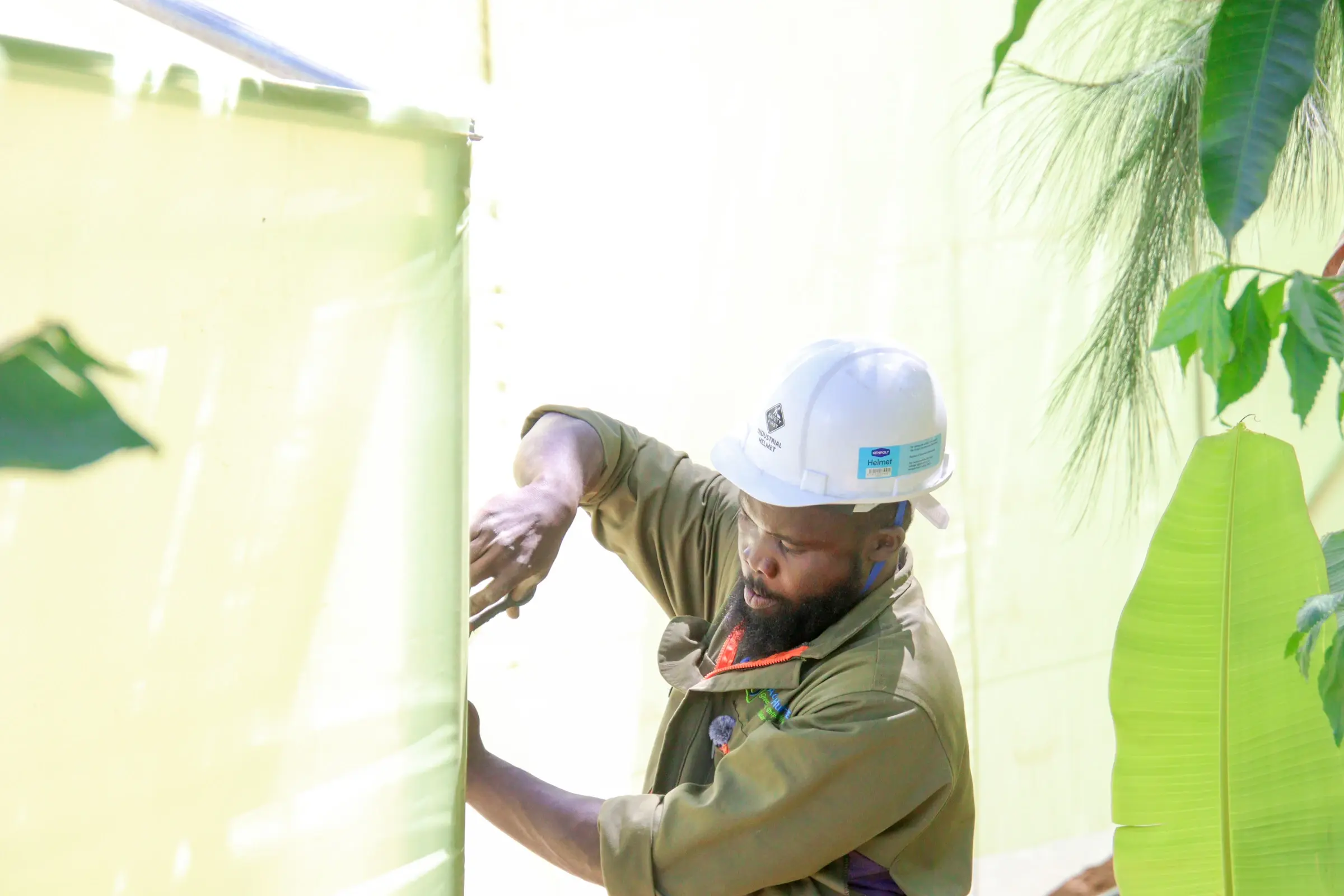
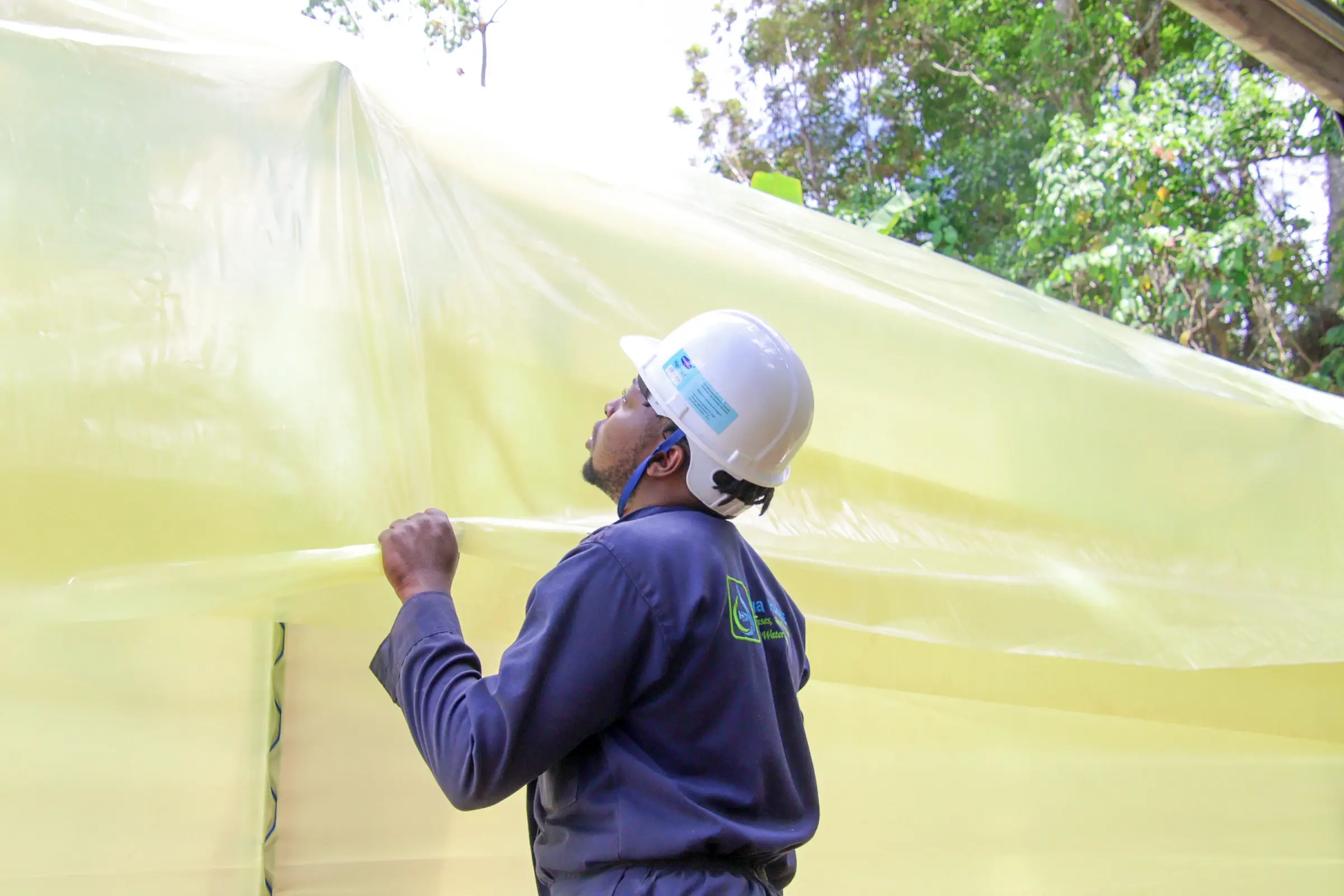
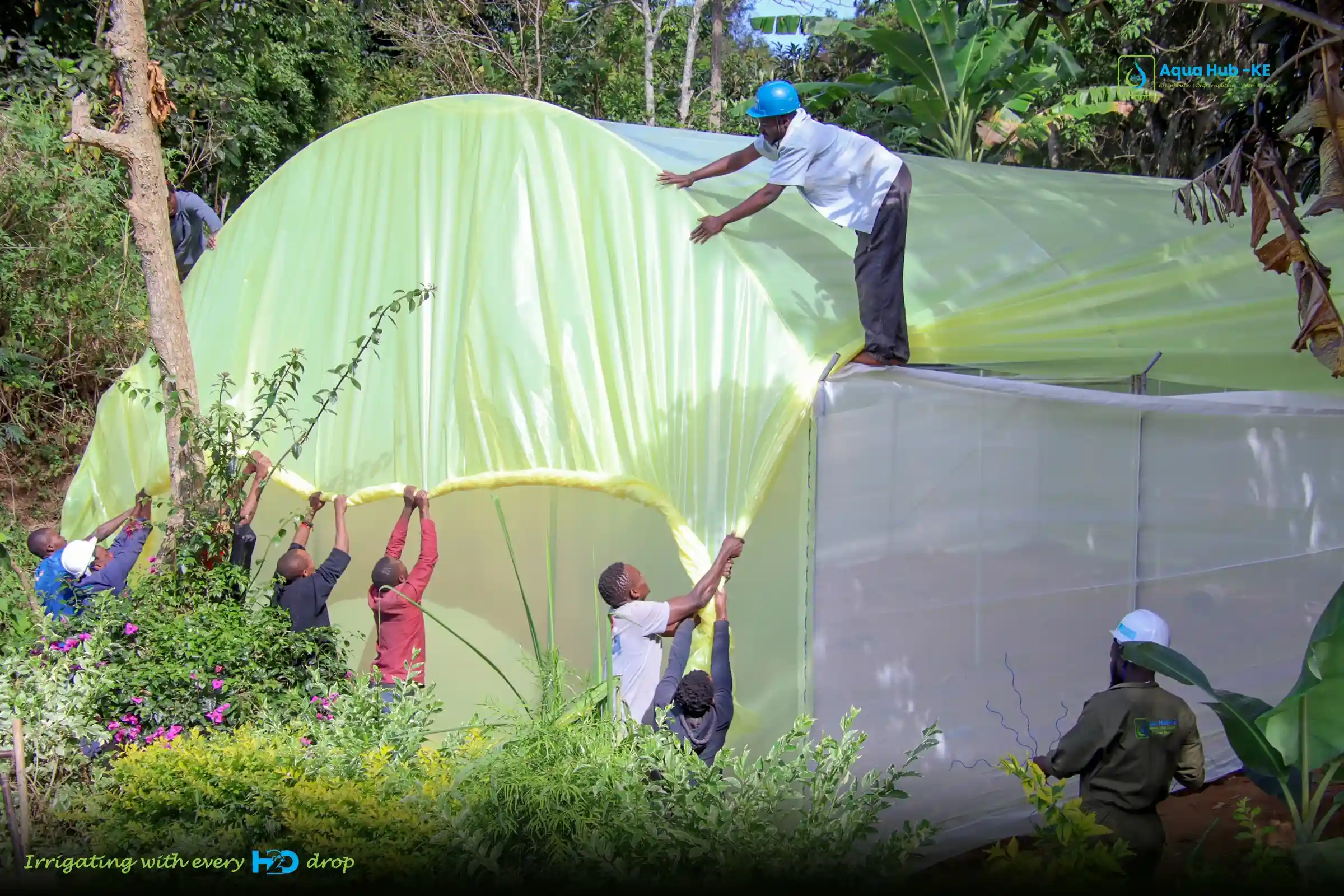
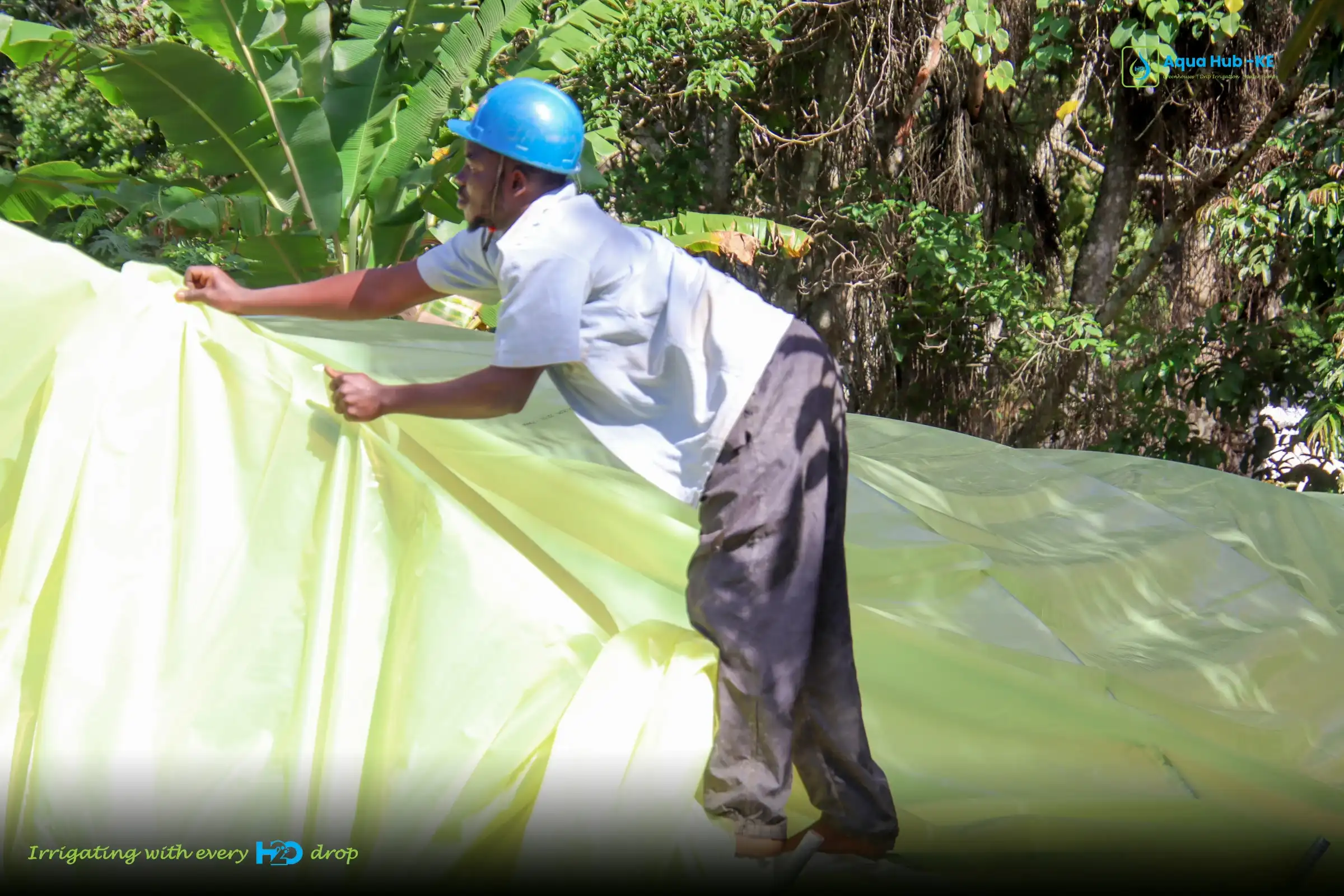
The polythene cover was fixed over the roof and the insect net was fixed to the structure, both held in channels with wiggle wire. With the greenhouse in place, our team installed the submersible pump and the water distribution system that supplies it.
14 August 2026
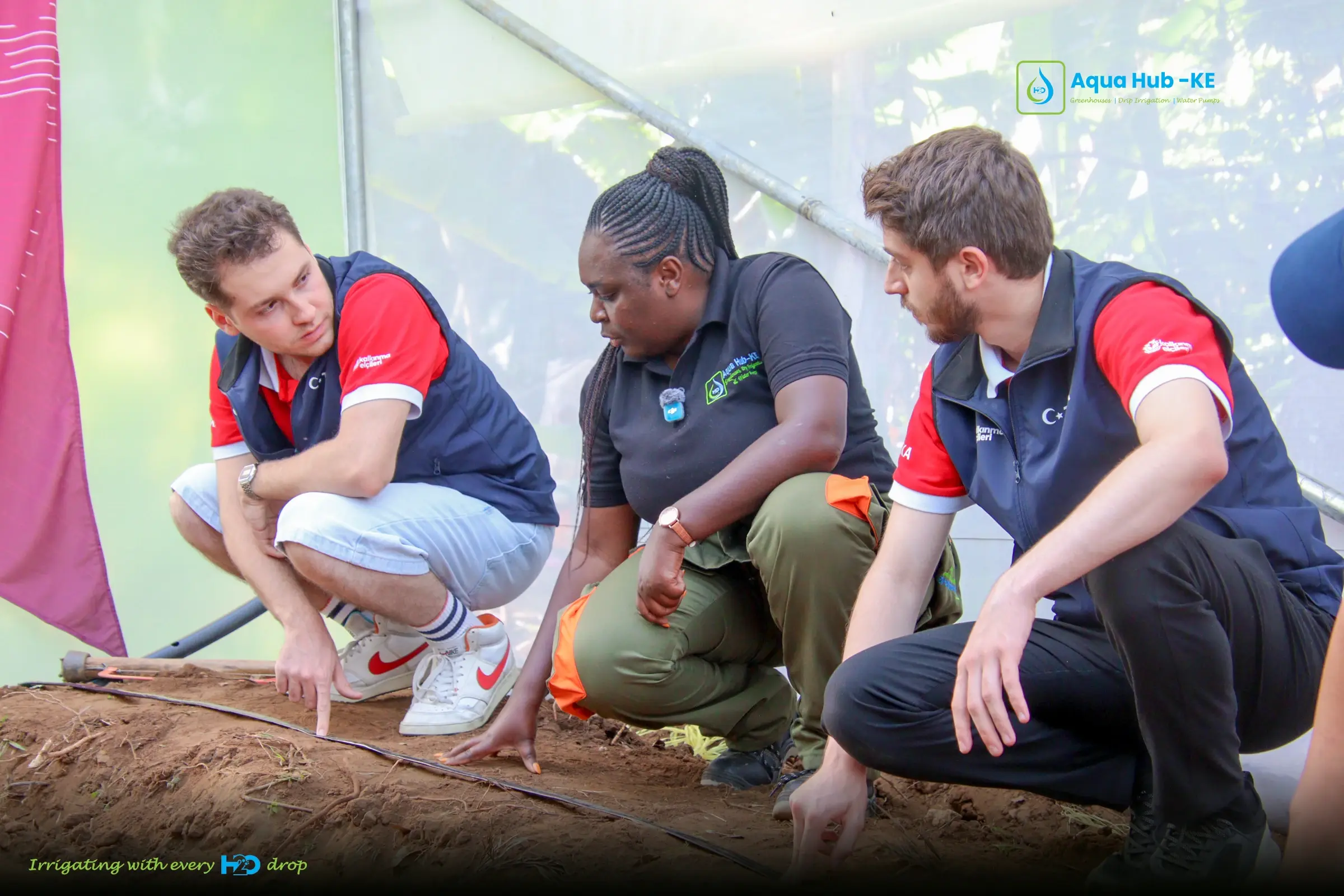
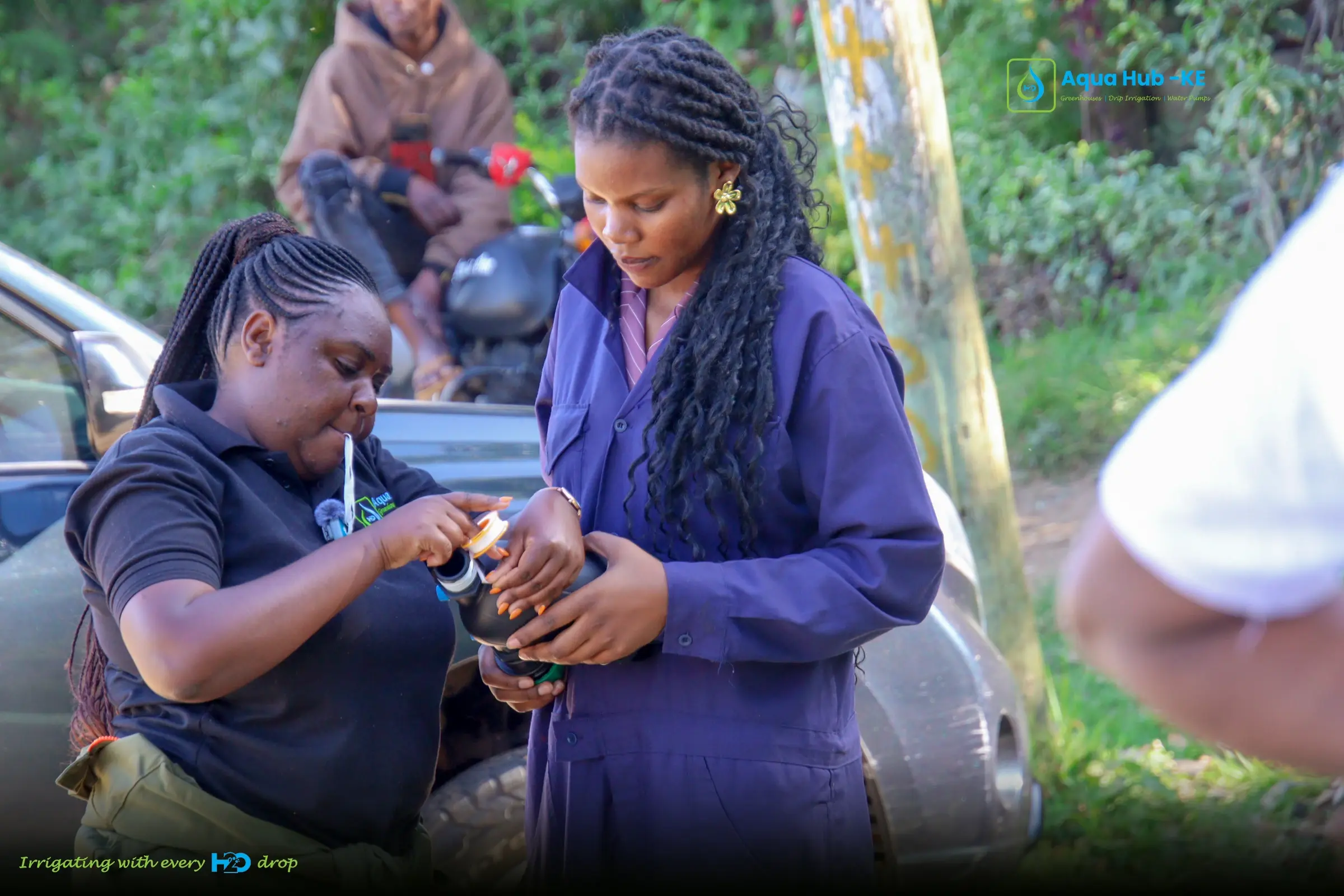
Once construction was complete, our team carried out quality checks on the greenhouse. We checked that the frame was stable and that the polythene and insect net were properly fitted. We also ran the pump and water distribution system as part of the checks. The checks were completed before handover.
14 August 2026
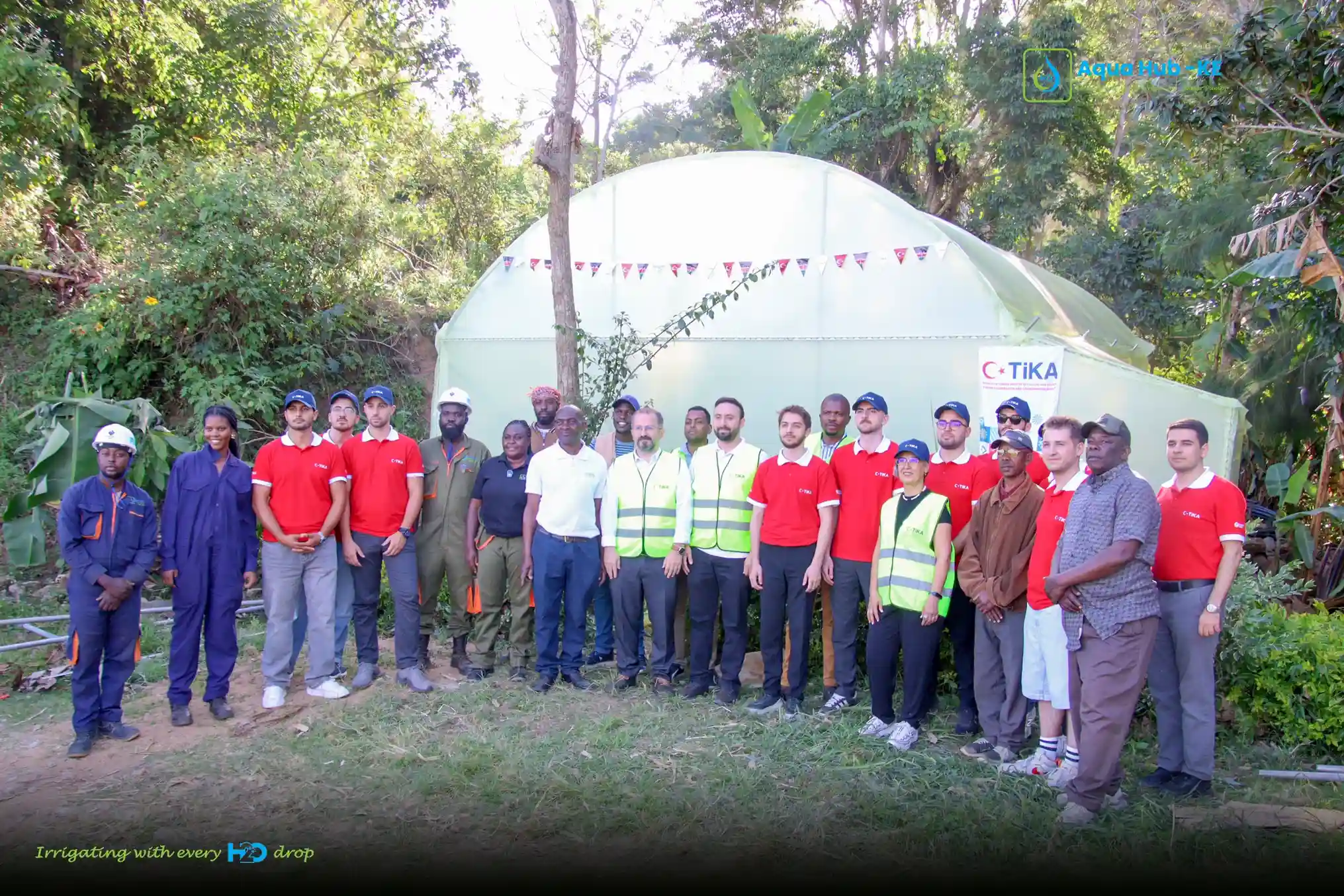
The project was completed and handed over on 14 August. Representatives of the client and its funder were present to verify that the greenhouse and its water system matched the agreed specifications. The greenhouse was then commissioned, and the client is now using it for vegetable production.
THE OUTCOME
Before
The school relied on an inconsistent water supply, creating challenges for daily operations and sanitation.
After
The completed borehole and storage system provides the school with a dedicated water infrastructure solution designed around its daily requirements.
Client Testimonial
COMMON QUESTIONS
FAQs
How much does a greenhouse cost?
A greenhouse costs between KES 360,000 to 2,400,000. The price depends on the size, the frame, the cover and the fittings included.
How long does it take to build a greenhouse?
Building a greenhouse takes from a few days to a few weeks, depending on its size and the site. On this project, a 12 m x 6 m greenhouse and its water system were completed in 7 days.
What size of greenhouse should I build?
The size of greenhouse you should build depends on your budget and the area you want to plant. This project used a 12 m x 6 m greenhouse for vegetable production.
Which vegetables can I grow in a greenhouse?
Vegetables that suit a greenhouse include tomatoes, cucumbers, capsicum and leafy greens. Crops with a high value per plant usually give the best return under cover.
How does a greenhouse protect crops from weather?
A greenhouse protects crops from weather by covering them with polythene, which keeps off heavy rain and strong sun. This lets the grower plant through more of the year.
What does an insect net do in a greenhouse?
An insect net in a greenhouse keeps insects out of the crop while allowing air to pass through. This reduces pest damage.
How should I prepare the ground for a greenhouse?
You should prepare the ground for a greenhouse by clearing it and levelling it. A cleared, level site makes it easier to mark out the footprint and set the posts.
How can a greenhouse get water from a well?
A greenhouse can get water from a well by using a submersible pump. On this project, the pump draws water into rest tanks, and the water is then pumped on to the greenhouse.
Does a greenhouse need maintenance?
A greenhouse needs regular maintenance to stay in good condition. This includes checking the polythene and insect net for tears and keeping the frame secure.
How do I repair a damaged greenhouse?
A damaged greenhouse can be repaired by patching torn polythene and replacing or reinforcing damaged parts of the frame. Repairing small tears early stops them from getting larger.
Have a similar project in mind?
Tell us about your site and we’ll get back to you with a free assessment.