
Blog
Commercial Greenhouse Construction in Kenya
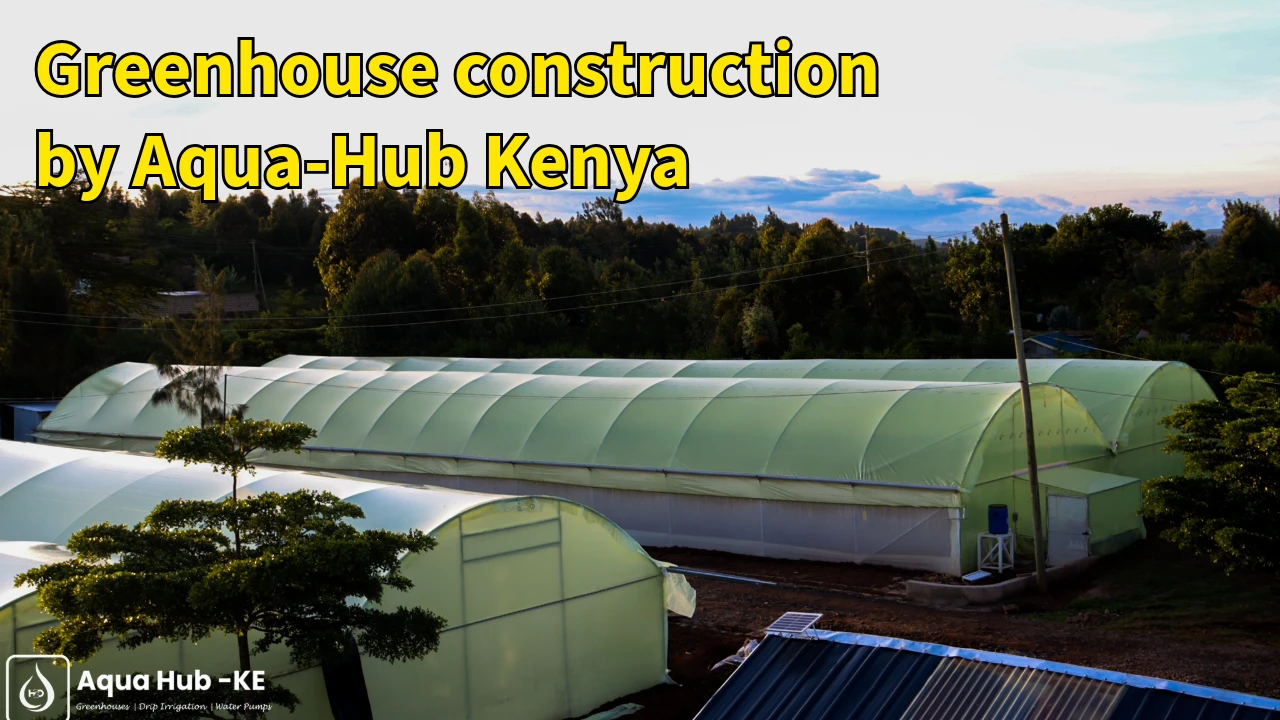
Commercial greenhouses construction allow for year round farming as the crops stay in a controlled environment with little influence from external elements.
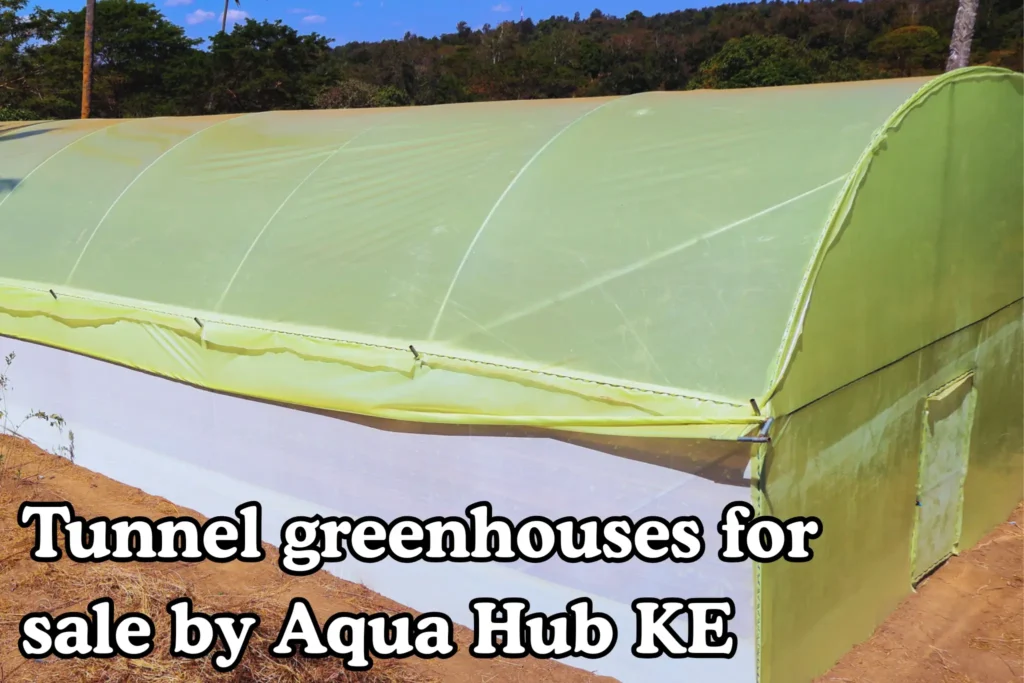
A greenhouse is a structure with transparent surroundings in which crops are grown in. These structures use a variety of different materials in their construction which impacts the price of construction. The price for greenhouse construction in Kenya ranges from KES 165,000 to KES 350,000 based on size and the material used.
Incase you need a quote for your greenhouse construction project, call us at 0790719020 or email us at info@aquahubkenya.co.ke.
How are greenhouses used in commercial farming?
Greenhouses have removed the dependence on seasonal changes in agriculture thus revolutionizing farming. Therefore, farmer can easily plant crops that are “out of season” without worrying about external factors affecting their crop. This is because a greenhouse gives full control of various factors, including temperature and precipitation, to the farmer .
Using greenhouses in farming has become extremely relevant in Kenyan commercial farming due to climate change. The unreliability of climatic conditions forces farmers to seek alternatives that ensure their crops are protected despite changes in the environment. Greenhouses offer this security allowing commercial farmers to grow their crops worry free.
Commercial Greenhouse construction materials
The material used for the greenhouse greatly impacts its usability for any given usecase. Therefore, it is important to make this your first consideration when installing a greenhouse.
The main components of a greenhouse are the pillars, foundation, walls and finally flooring. These can all be made of different materials but the main components to consider are the pillars and the walls/netting. Consequently, these features are what we will focus on in this section.
What material is used for the pillars of a greenhouse?
There are four main materials used for greenhouse pillars. These are:
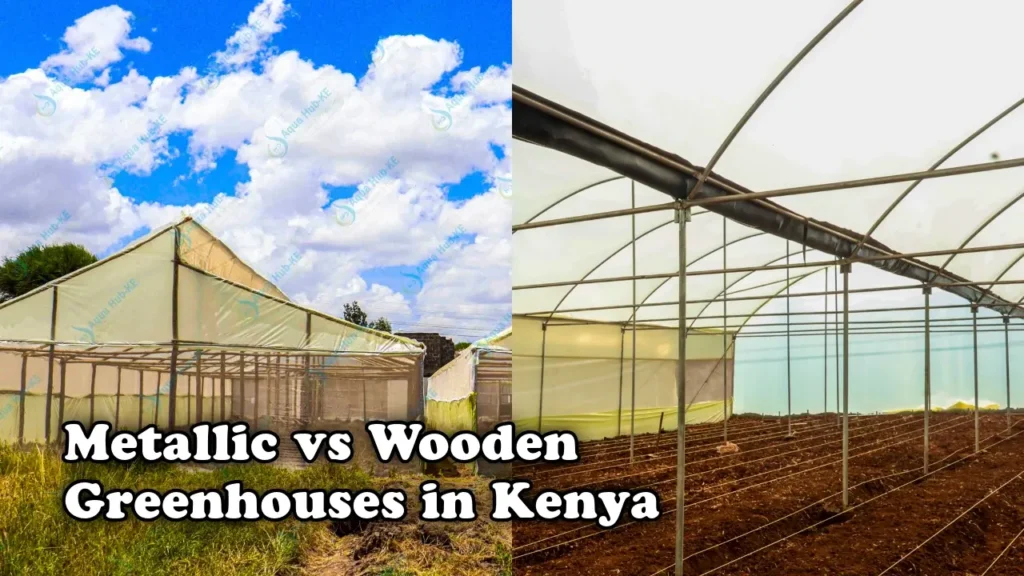
- Galvanized steel – this is the most commonly used material because it is very durable. The galvanization process gives it a protective covering of zinc which protects the pillar from rust. This protective coating allows it to last longer. You should use galvanized steel for heavy-duty purposes
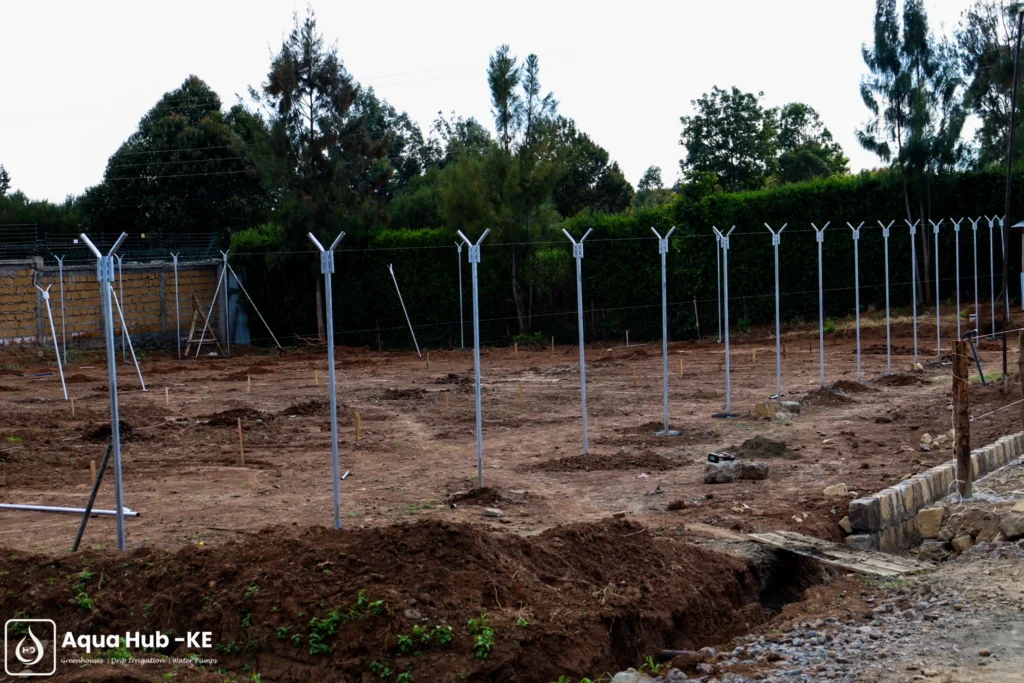
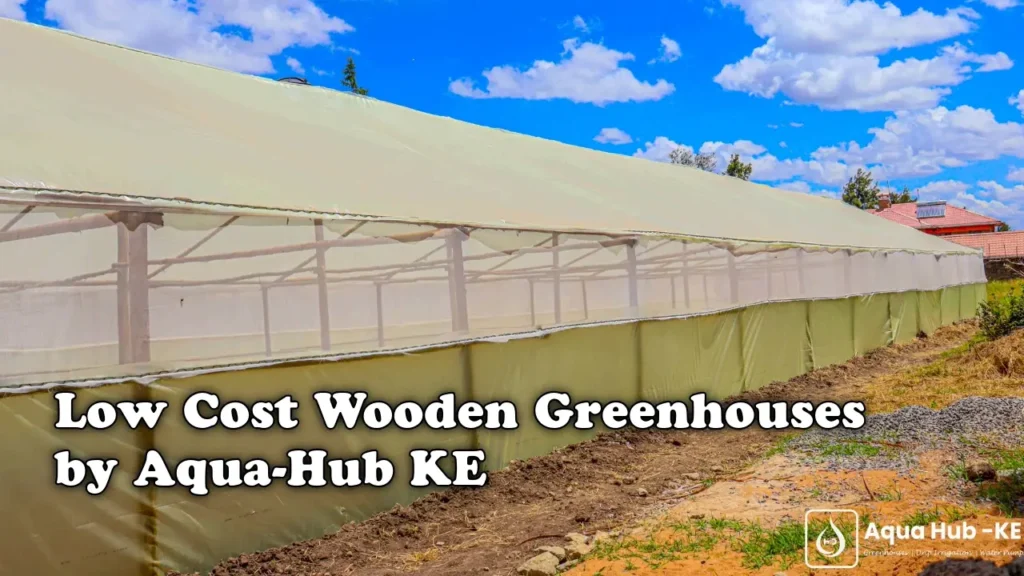
- Wood – treated wood is a budget friendly option for greenhouse construction. It gives the green house a more natural look and offers good installation. However, it needs regular treatment to prevent rotting which adds to the maintenance costs.
- Aluminium – aluminum is naturally resistant to rust and lightweight which makes it very easy to install. Nonetheless, it is less sturdy than steel which makes it a less popular option.
Galvanized steel is the preferred choice for commercial greenhouse construction. However, based on your specific needs and budget, you may prefer an alternative material like wood or aluminium.
Materials used for the netting in greenhouse construction
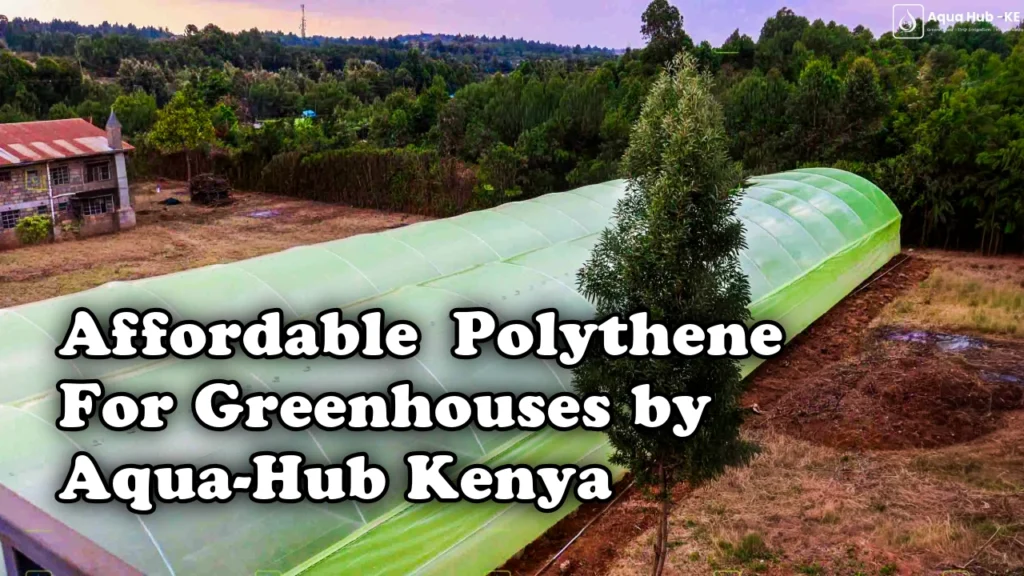
The main material used for the netting in greenhouse construction is High-Density Polyethylene (HDPE). HDPE material is UV-resistant and can thus prevent sun rays from reaching the crops, thus creating a more controlled environment. In addition to that, the material is tough which makes it resistant to rips and tears.
Alternative materials to HDPE netting include Polypropylene. This material is lighter and cheaper making it a good option for temporary structures or covers for small gardens.
Another way of categorizing greenhouse netting is its weave pattern. The main patterns that exist include:
- Knitted netting
- Woven netting
- Monofilament netting
The different patterns impact the net’s ability to resist wind and control the heat buildup.
To help with temperature control inside the greenhouse, the netting is usually painted green. This green netting converts roughly 75% of the light rays into heat.
Greenhouse construction steps
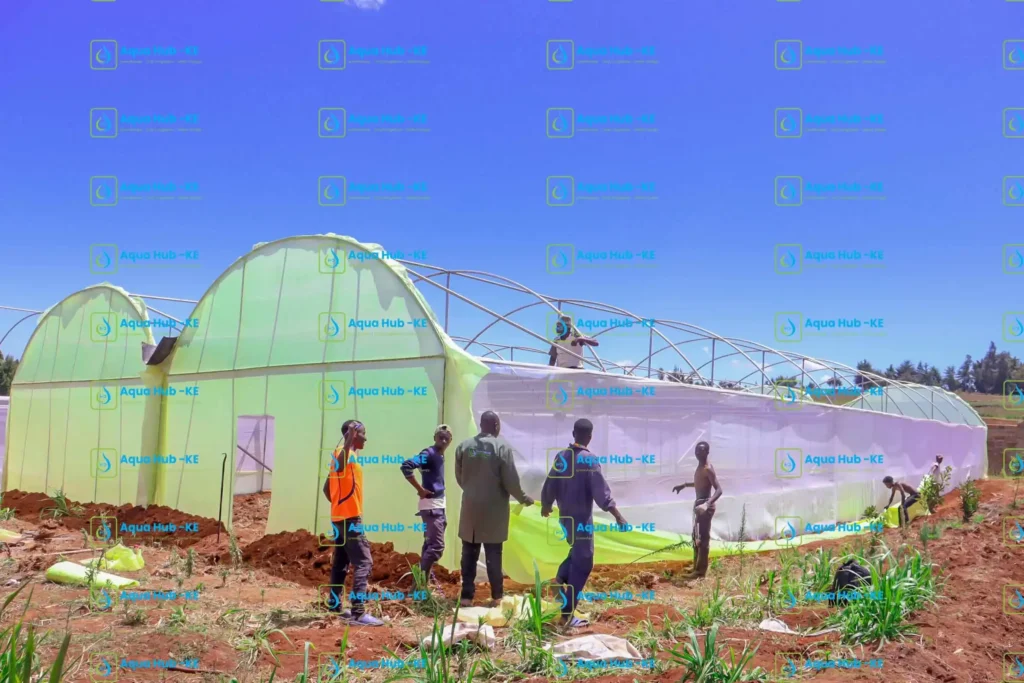
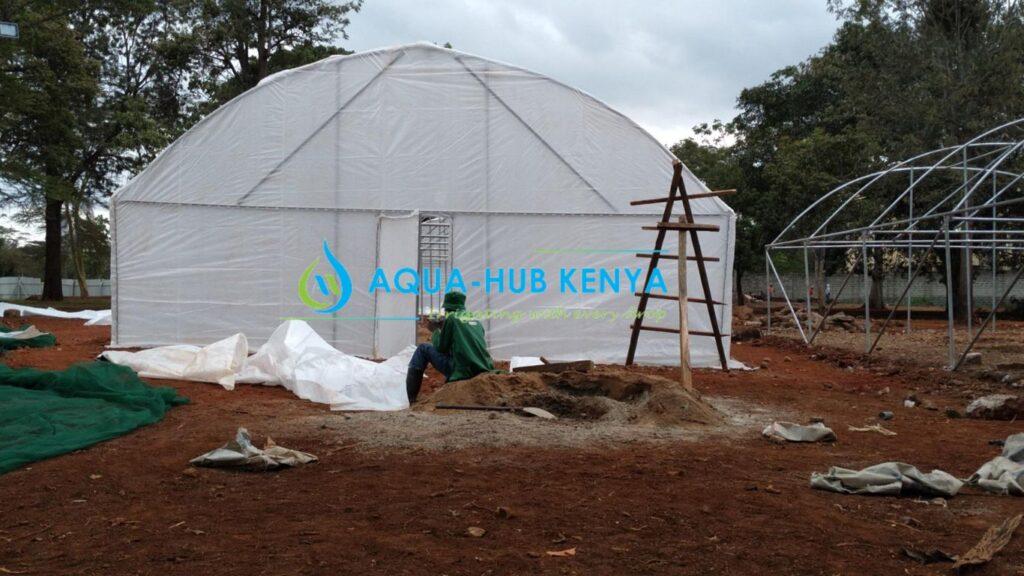
Ongoing greenhouse installation in Nanyuki by Aqua Hub Kenya’s technicians – 0790719020
Several steps are included in the construction of a green house. These are:
- Firstly, you have to make a plan for your greenhouse in terms of size, type of the netting material, location and orientation. It is also important to get all necessary permits at this step. Then you can create a design of the overall structure and layout of the greenhouse.
- The next step involves procuring the construction materials. You must make sure to source high quality materials based on your specific needs. Our greenhouse solutions are a greate option since we consider all the factors you require to effectively use your greenhouse.
- Then, the land is prepared for the greenhouse installation. This step involves making sure the ground is level and digging the holes into which the support pillars will be fitted. These holes are usually 2ft in depth.
- In certain cases, a foundation of gravel, concrete or compacted soil may need to be laid.
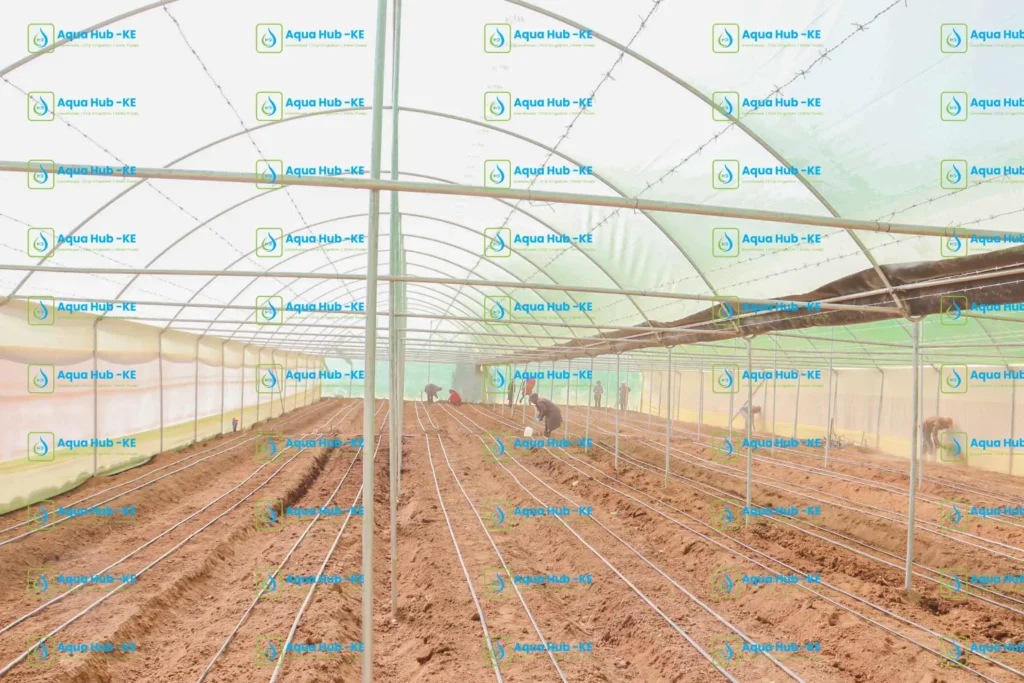
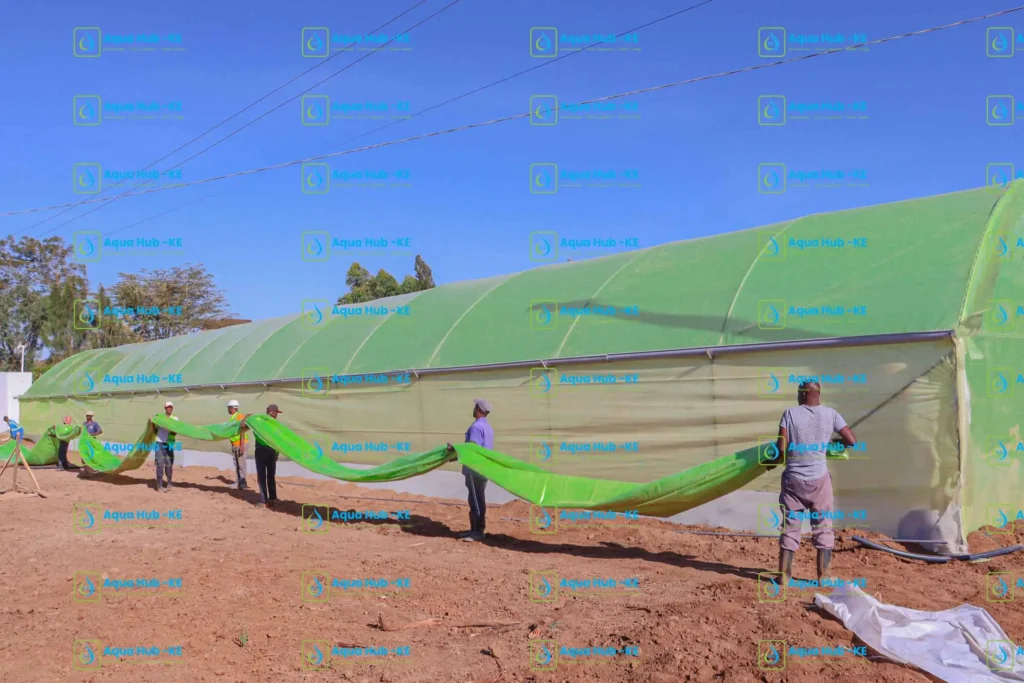
- The greenhouse structure is then setup including setting up the pillars, constructing the frame, putting the covering up and, finally, ventilation is installed.
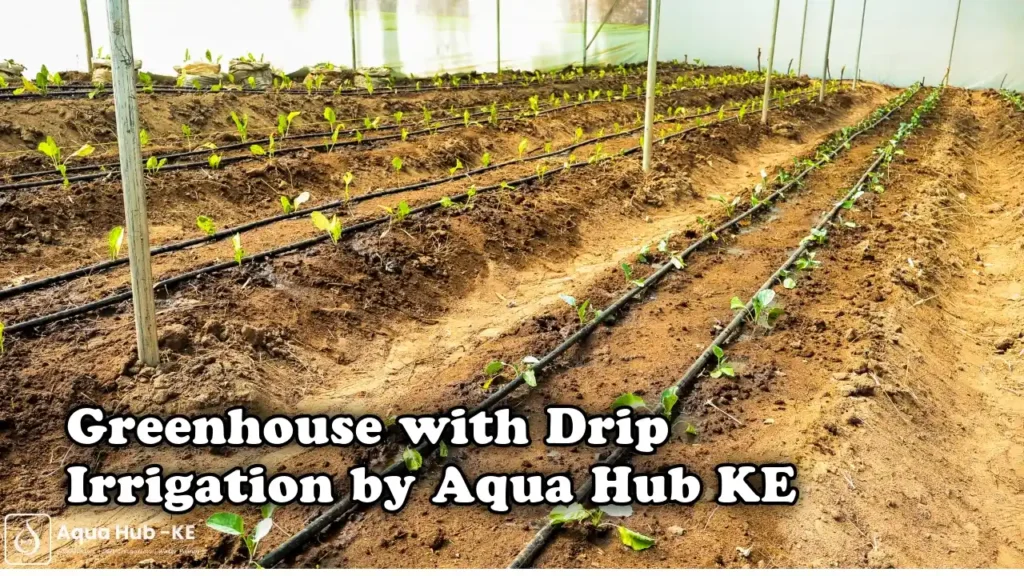
- Next, any additional temperature control and irrigation systems are fitted into the newly constructed greenhouse.
- Finally, testing is done to ensure the greenhouse meets all the required needs. Additional finishing touches such as sensors, lighting, shelving (for crops that need it) or plant support are set up in this step.
To get professional greenhouse construction with the best material available, call us at 0790719020 or reach us via email using info@aquahubkenya.co.ke.
How much does greenhouse construction cost?
The cost of a greenhouse construction varies based on the size and material used for the construction.
| Material | Sub-type | Size | Price |
| Wooden | 8 × 15m | KES 140,000 – 165,000 | |
| 8 × 24m | KES 180,000 – 260,000 | ||
| 16 × 30m | KES 370,000 – 450,000 | ||
| Metallic | 8 × 15m | KES 195,000 – 300,000 | |
| 8 × 24-30m | KES 275,000 – 460,000 | ||
| 16 × 30m | KES 660,000 – 900,000 | ||
| Tunnel-type metallic | 8 × 15m | KES 290,000 | |
| 8 × 30m | KES 460,000 | ||
| Ventilated | 8 × 15m | KES 330,000 | |
| 8 × 30m | KES 540,000 | ||
| Net Greenhouses | Small | KES 100,000 – 130,000 | |
| Medium | KES 160,000 – 190,000 | ||
| Large | KES 300,000 – 350,000 | ||
| Polycarbonate | Small | KES 500,000 – 650,000 | |
| Medium | KES 850,000 – 1,000,000 | ||
| Large | KES 1,800,000 – 1,900,000 |
Additionally, we offer additional features on top of the normal greenhouse construction.
To learn more about how you can get started with Aqua Hub’s greenhouses, reach out to us at 0790719020.
Advantages of greenhouse farming
Greenhouse farming comes with a large number of benefits such as:
Enhanced control on crop growing conditions
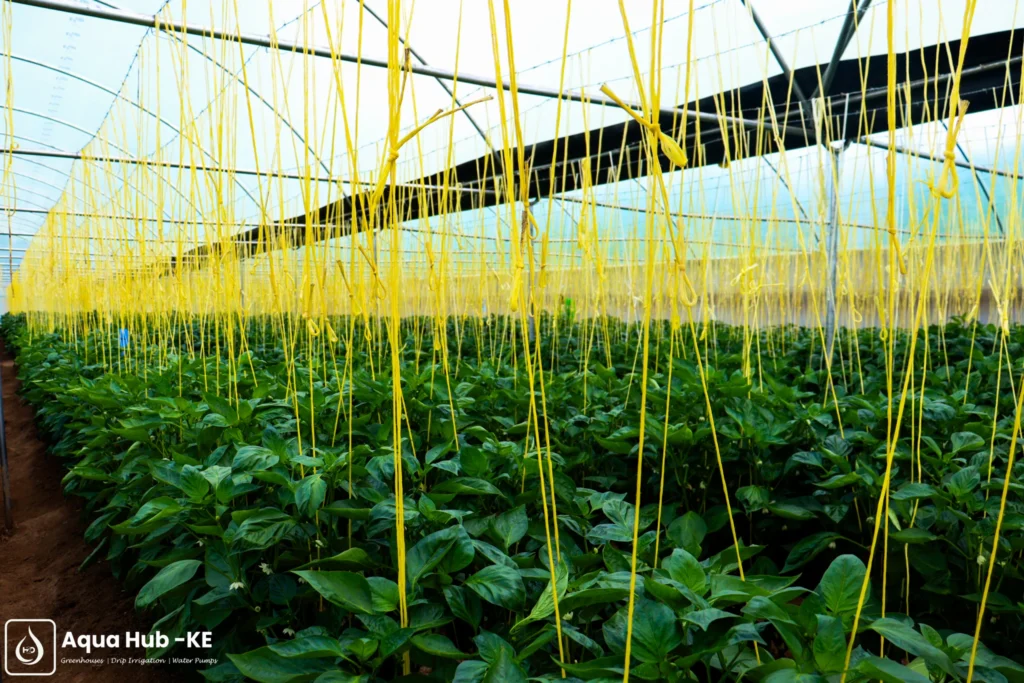
Various factors affect the growth and health of plants including temperature, precipitation, humidity and wind. A greenhouse environment allows the farmer to precisely control these factors, thus ensuring that their crop grows optimally. This also allows one to grow crops outside of their typical growth location or season. For example, a farmer in a cooler region can easily grow heat loving crops like tomatoes and peppers.
Makes planning for the planting season easier
Global warming has resulted in unpredictable planting conditions. Farmers who need to have a reliable schedule for their crop growing seasons need greenhouses to maintain a controlled environment. Proper greenhouse construction allows the farmer to determine what the environmental conditions of their crop will be irregardless of the external conditions.
Better control of pests and diseases
Greenhouses create a barrier that prevents pests and disease carrying bacteria from getting access to the crop. Additionally, they allow fine-tuned control of humidity. Since most bacteria thrive in humid environments, this control allows the farmer to set the humidity level to one that deters such bacteria. Equally as important is the air-flow control which gets rid of wet spots that could harbour disease-causing bacteria.
Allows for vertical farming
Vertical farming involves planting crops in layers. The controlled environment offered by the greenhouse creates optimal conditions for the crops. Furthermore, one can alter the greenhouse to allow natural lighting during the day and artificial lighting at night ensuring consistent lighting for the crops.
Increases the production period for crops
Since crop development is heavily dependent on environmental conditions, it is difficult to grow crops outside of their typical planting season. However, greenhouses allow for the farmer to determine what conditions the crops are exposed to an when. Consequently, a farmer can easily grow crops outside of their typical planting season. Therefore, seasonal crops no longer limit agricultural production.
Best Crops to Grow after Greenhouse Construction
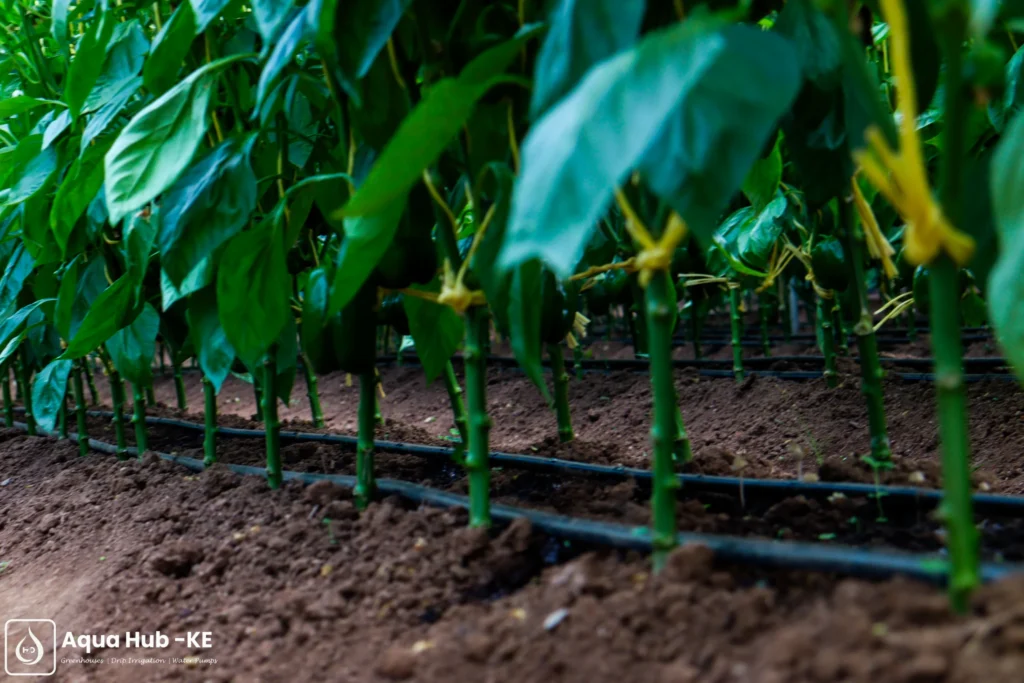
Thanks to the controlled nature of greenhouses, they are suitable for growing a wide variety of crops e.g.
- Tomatoes
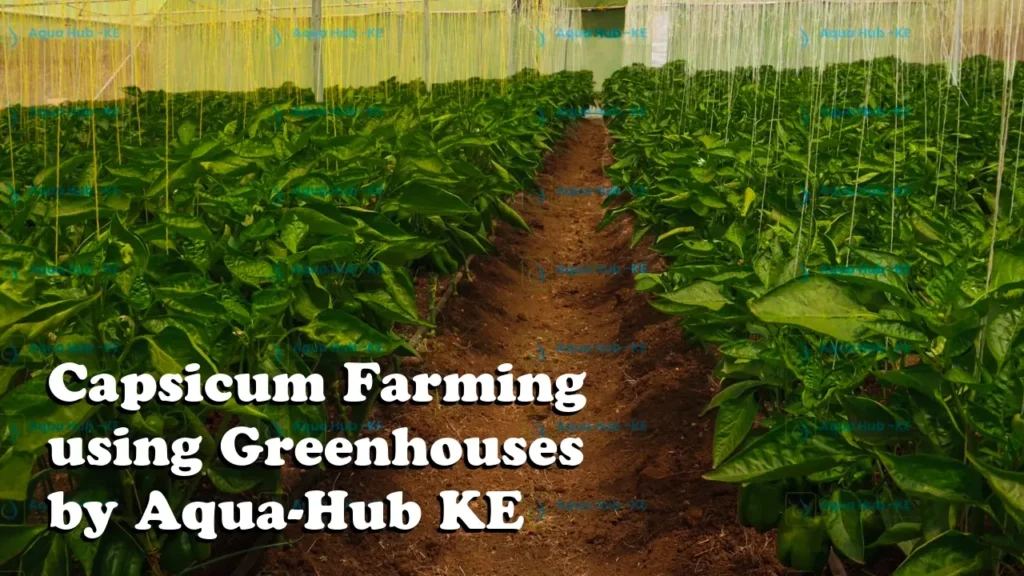
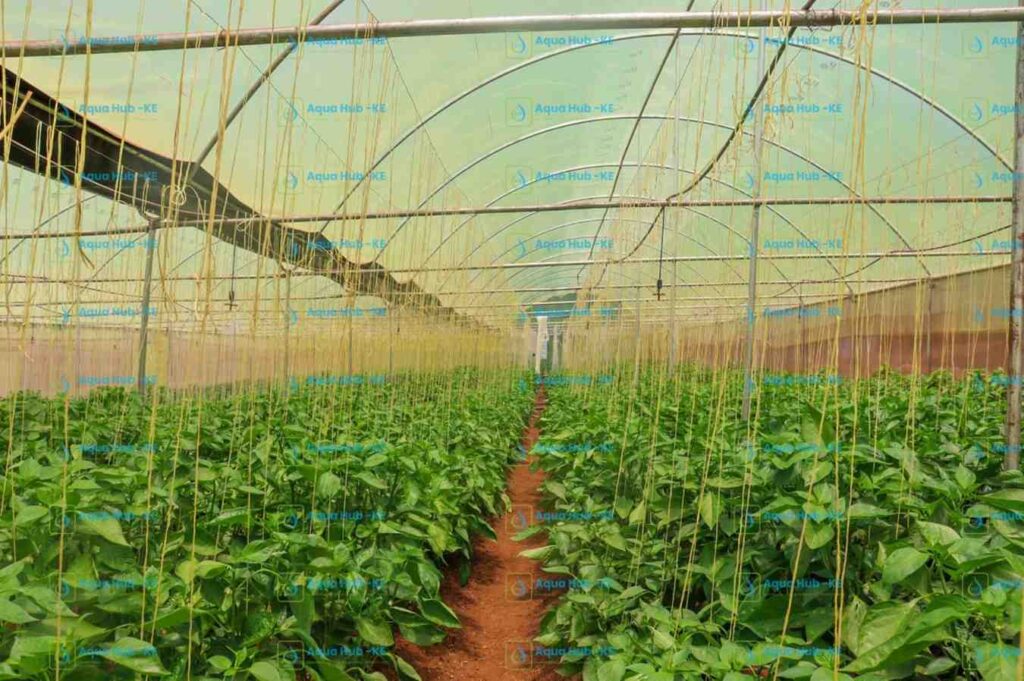
- Peppers
- Capiscum
- Cucumber
- Basil
- Strawberies
How does the crop type influence the greenhouse construction?
The type of crop you plan to grow in your greenhouse undoubtedly impacts how you select the material, especially for the netting. Firstly, you have to consider the type of climate your crop grows in. This helps you understand the exact conditions your plants need to thrive thus determining what settings your greenhouse should have.
Crop size will also determine how tall the greenhouse structure should be. Low growing crops such as strawberries or herbs can have shorter structures which cuts on building costs. In contrast, taller crops or crops growing using poles require taller structures. The rooting system of the plant also determines the spacing between crops which impacts the width of the greenhouse. Ensuring that a crop has enough vertical and horizontal room to grow is mandatory to maximize production.
To get professional advice on greenhouse construction based on your specific crop, call us today at 0790719020. Our team will guide you on how to select the appropriate material and measurements for your greenhouse.