
Blog
High Quality Drip Line Supplier in Kenya
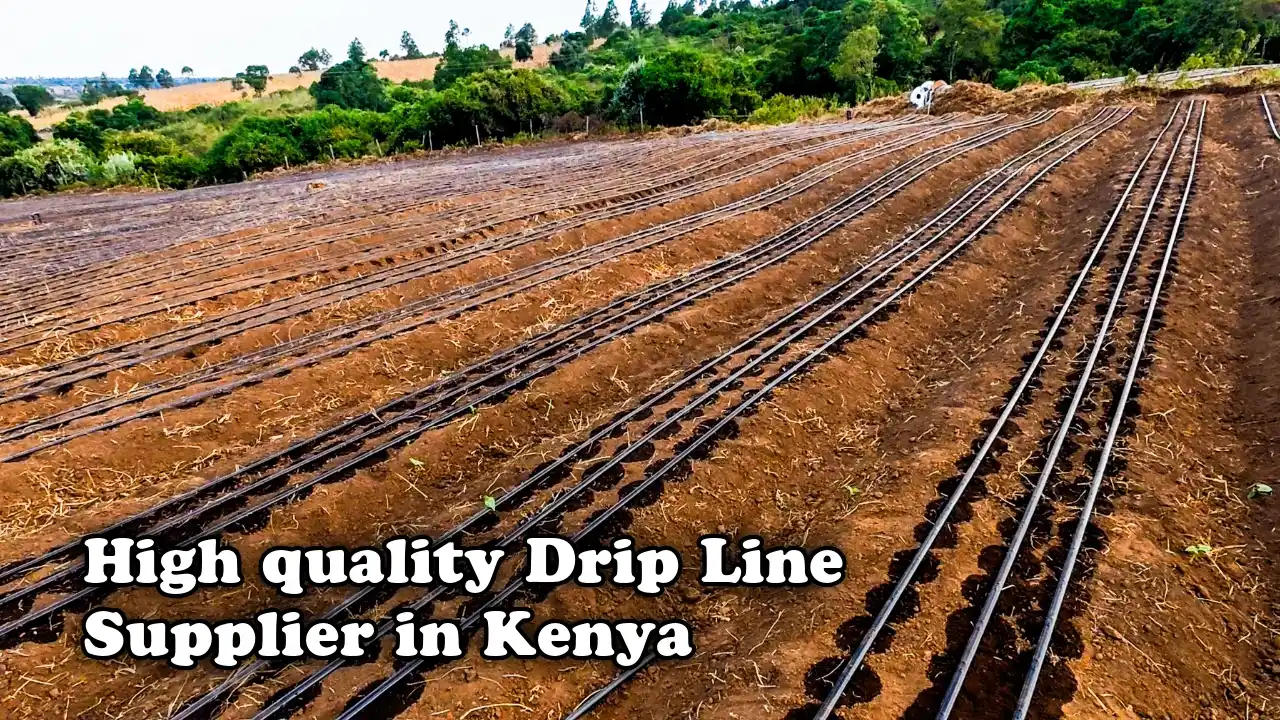
High quality drip lines from Aqua Hub Kenya come in complete drip kits that start at KES 10,000 for 1/8 acre, with the final price depending on the land you cover and the number of drip lines you run along each bed.
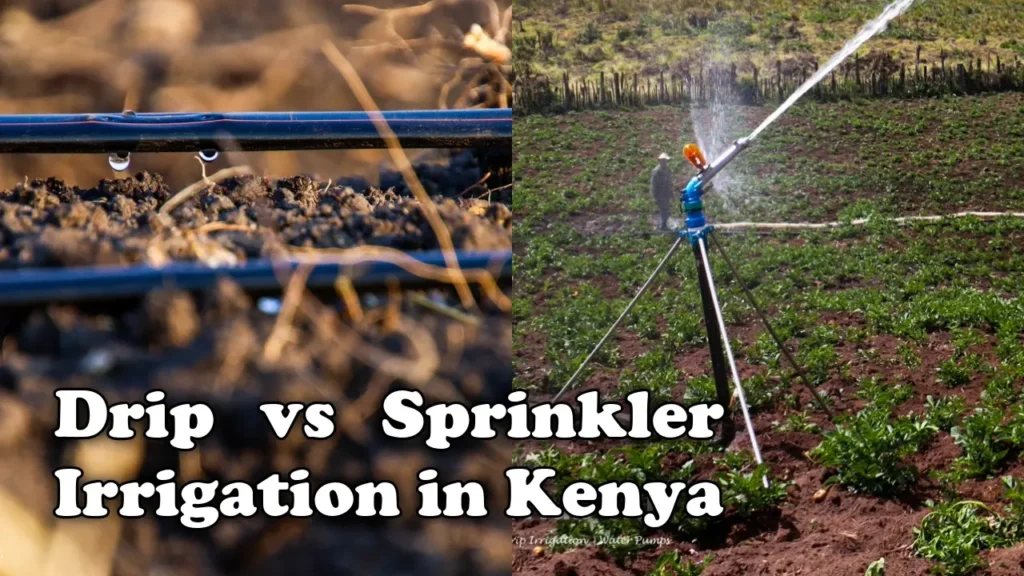
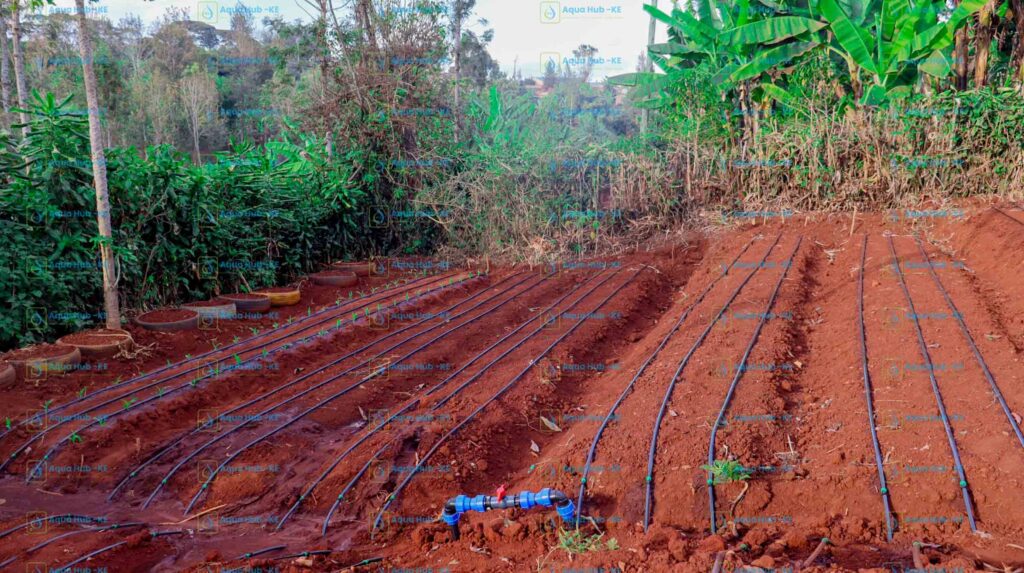
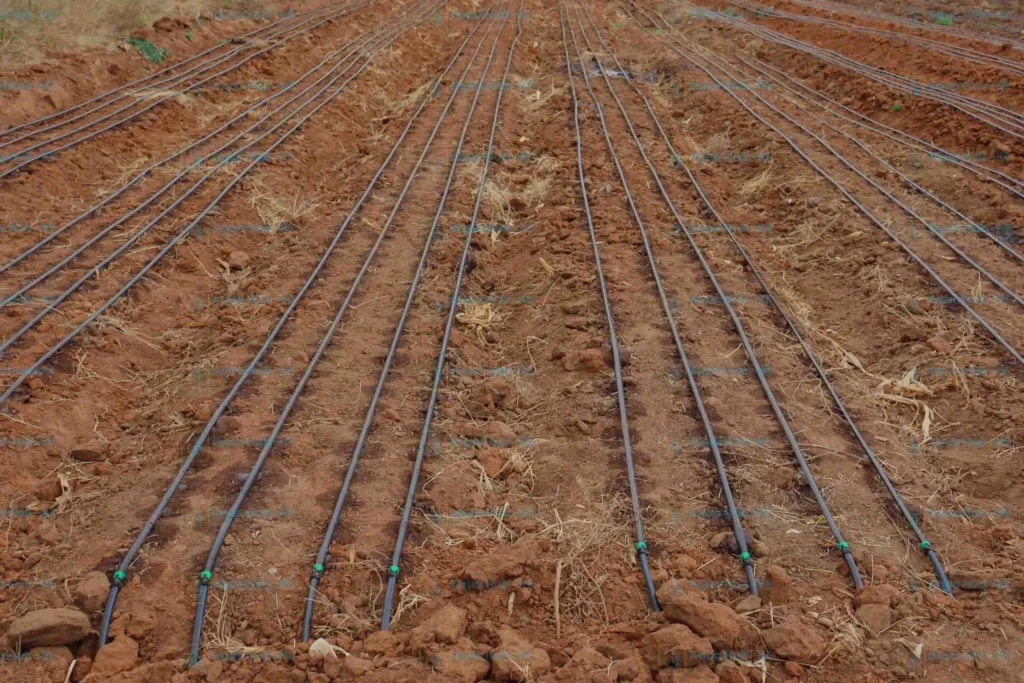
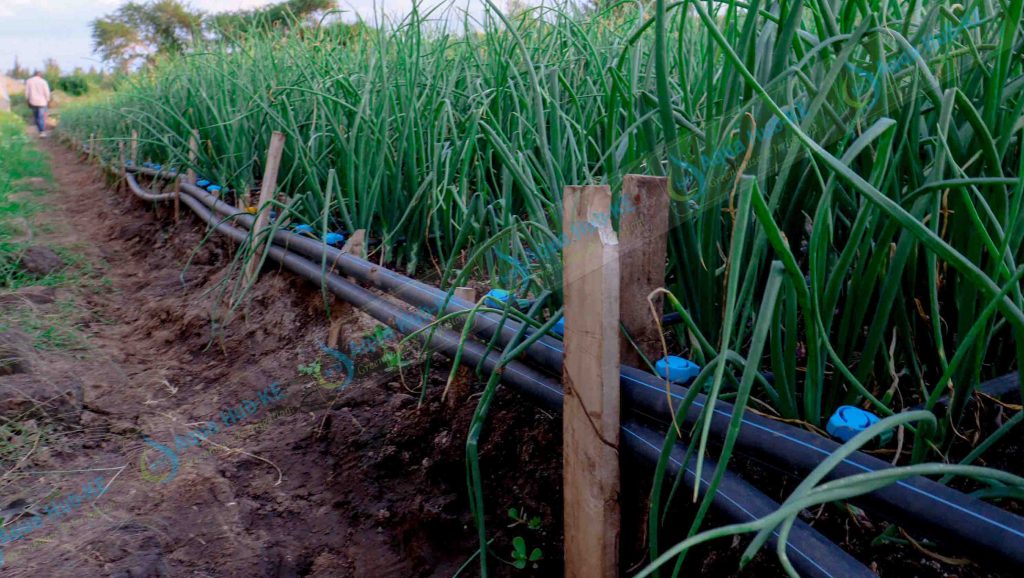
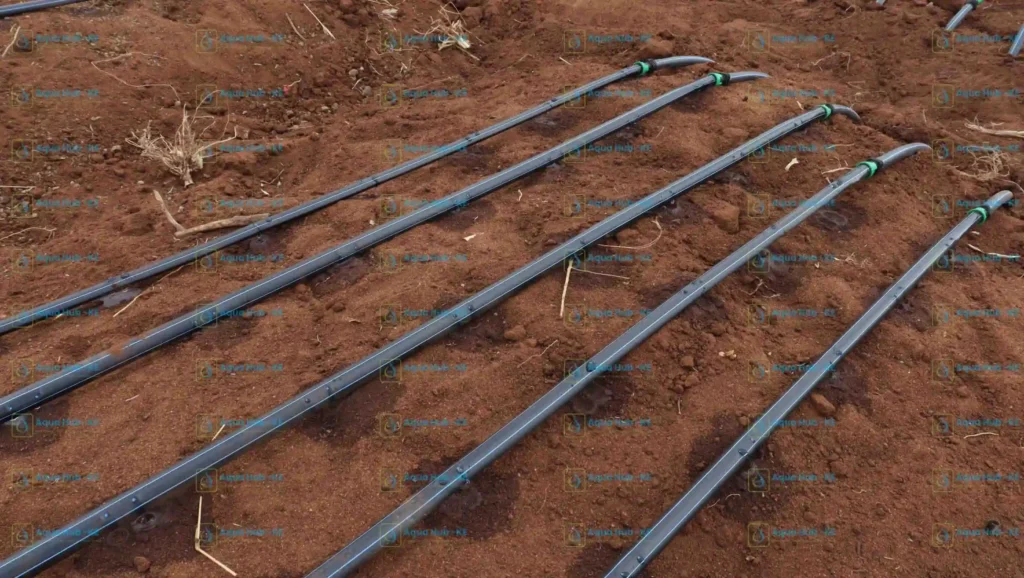
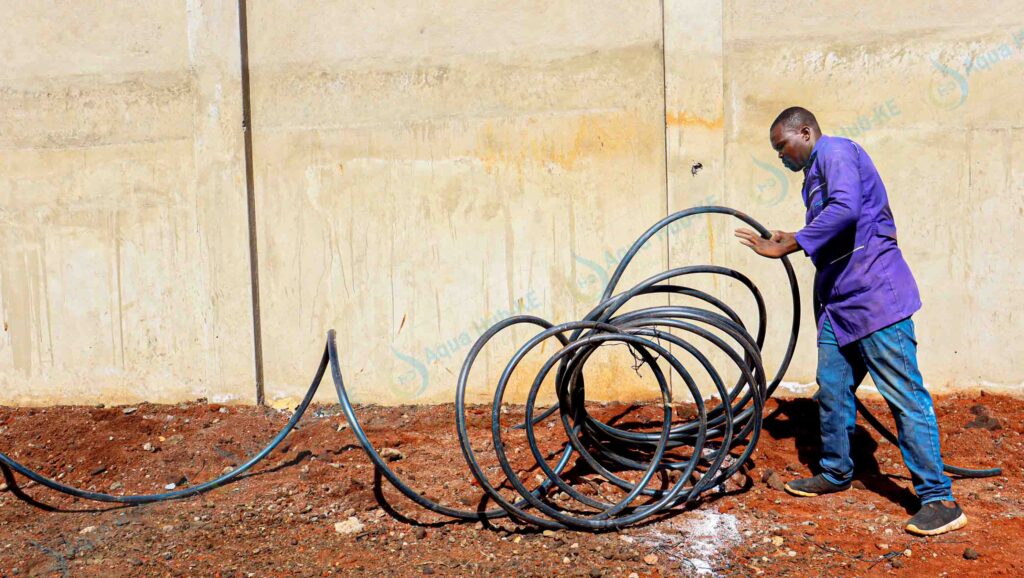
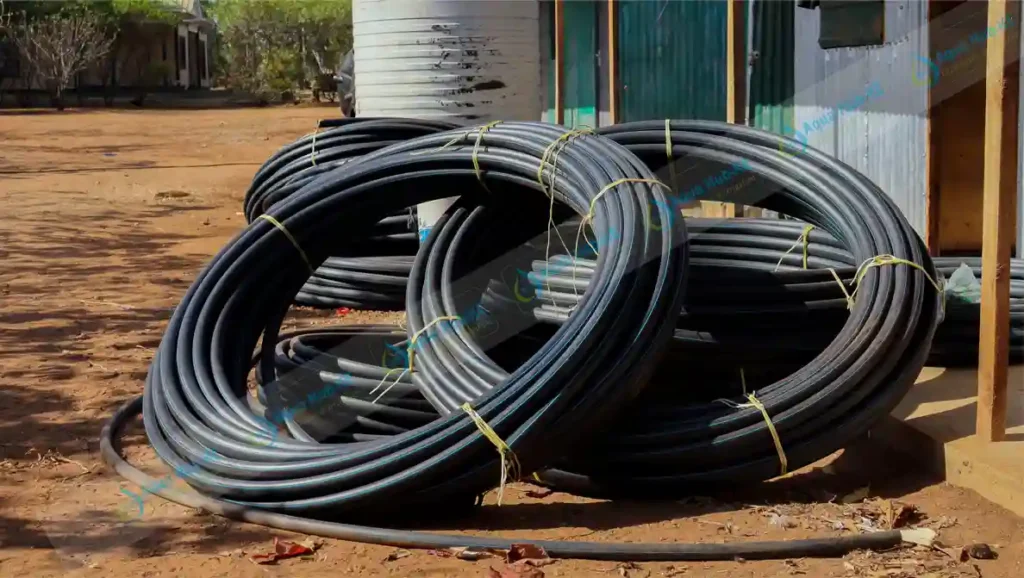
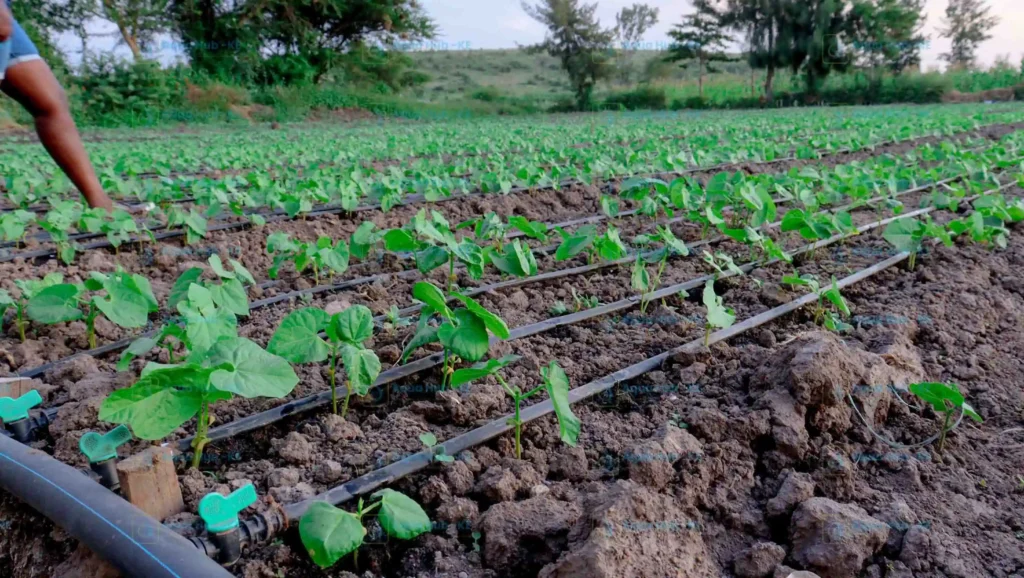
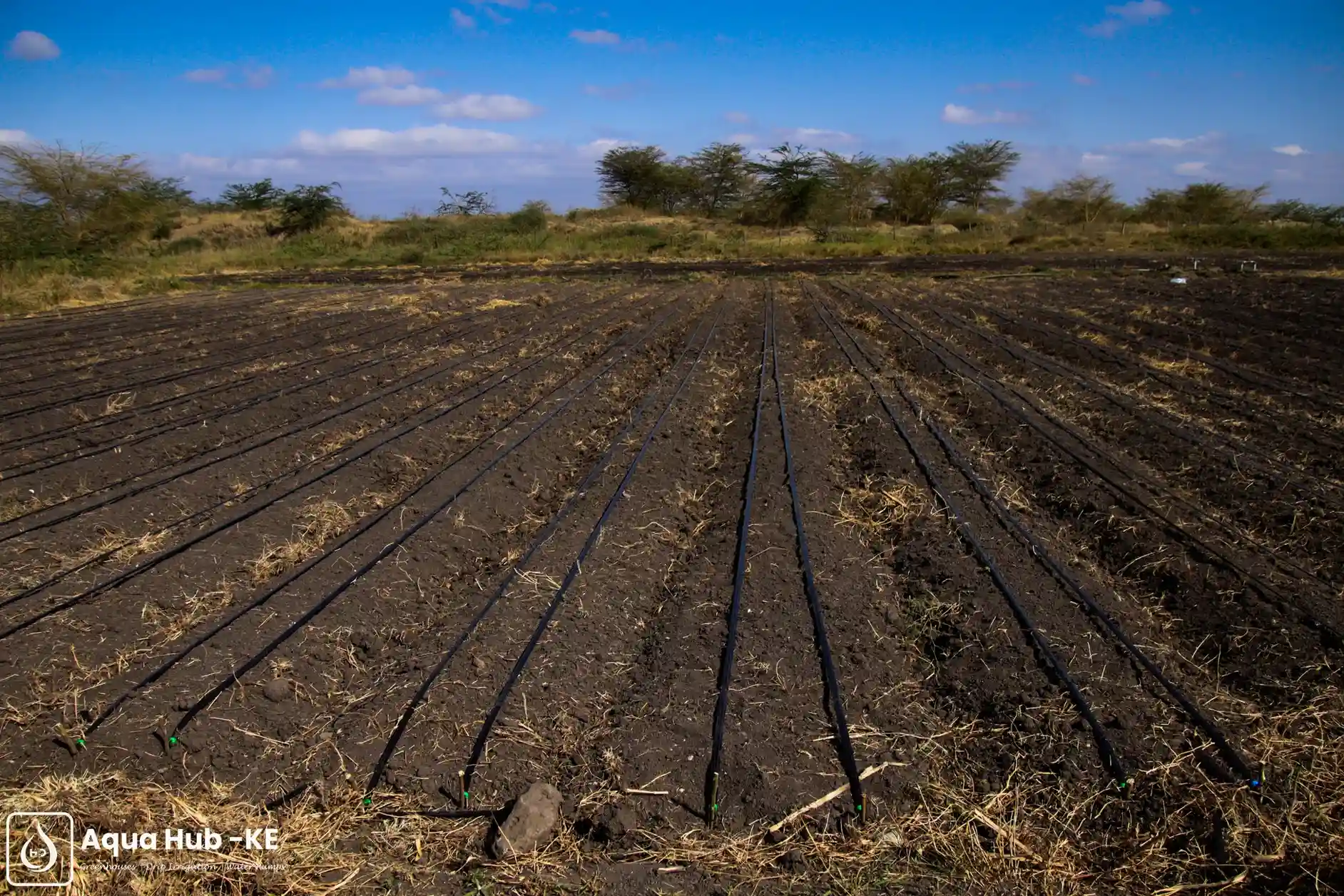
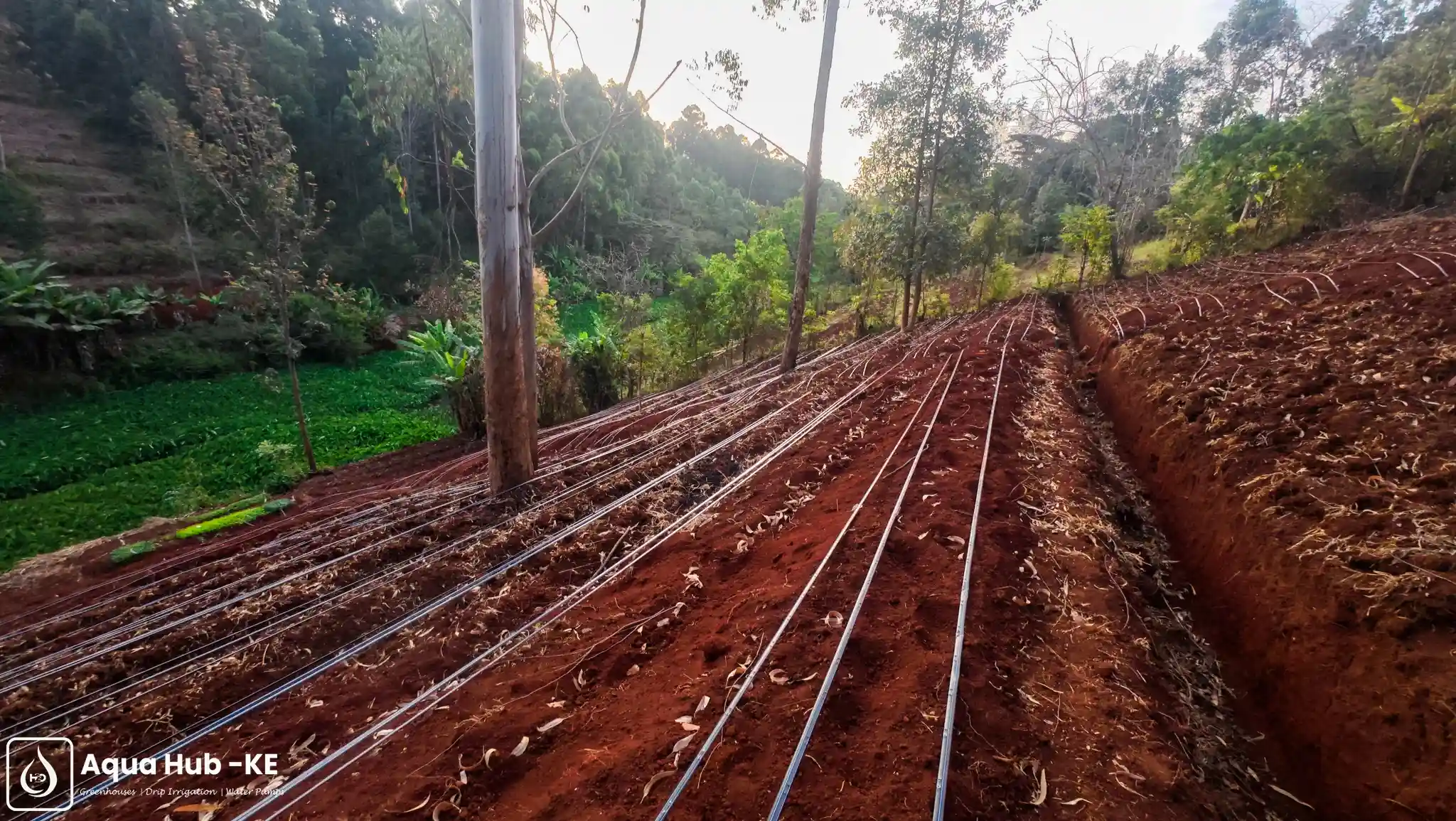
A drip line is a flexible pipe with emitters set along its length, and it releases water drop by drop at the roots of each plant. High quality drip lines keep their shape, release water evenly and go on working season after season. If you want steady growth and lower water use, the drip line is the part of your system to choose with care.
Aqua Hub Kenya sells drip lines in three wall thicknesses and three emitter spacings, together with the fittings and kits that finish the system. Tell us about your land by email at info@aquahubkenya.co.ke or by calling +254790719020, and we will point you to the right drip line.
What do high quality drip lines from Aqua Hub Kenya cost?
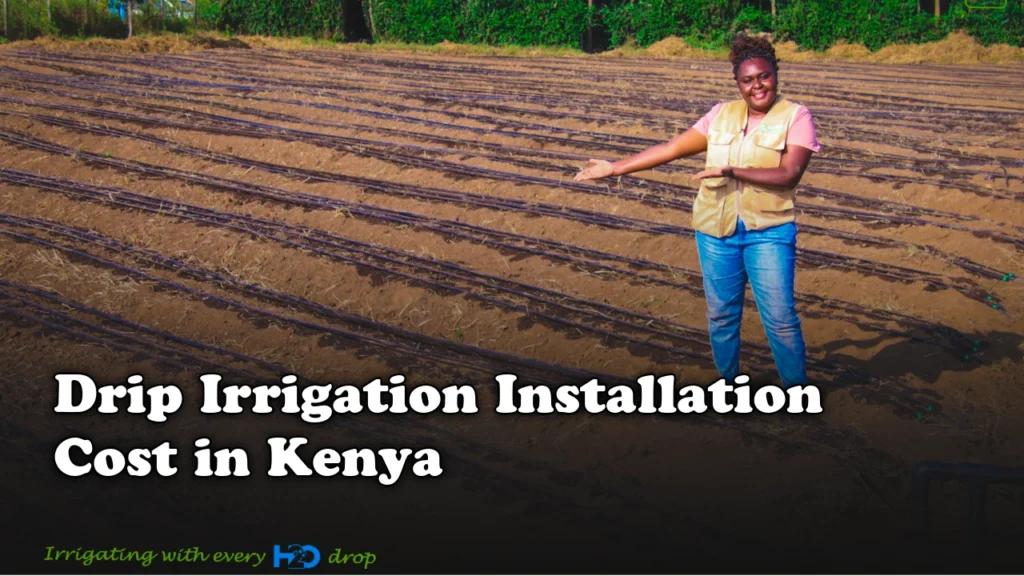
We price our kits of high quality drip lines by the land they cover, from 1/8 acre up to a full acre. Each kit includes the drip lines and the parts that go with them, so you can plan your budget around the size of your plot. The table below shows the cost of each kit size by the number of drip lines you run along each bed:
| Land size | 1 line per bed | 2 lines per bed | 3 lines per bed |
|---|---|---|---|
| 1 acre | KES 65,000 | KES 95,000 | KES 130,000 |
| 1/2 acre | KES 30,000 | KES 45,000 | KES 60,000 |
| 1/4 acre | KES 16,000 | KES 25,000 | KES 35,000 |
| 1/8 acre | KES 10,000 | KES 15,000 | KES 20,000 |
For the exact price of your kit, send your land size and crop to info@aquahubkenya.co.ke or call +254790719020. Our team will then quote the drip line and accessories that suit your plot.
Why drip irrigation pays off on Kenyan farms
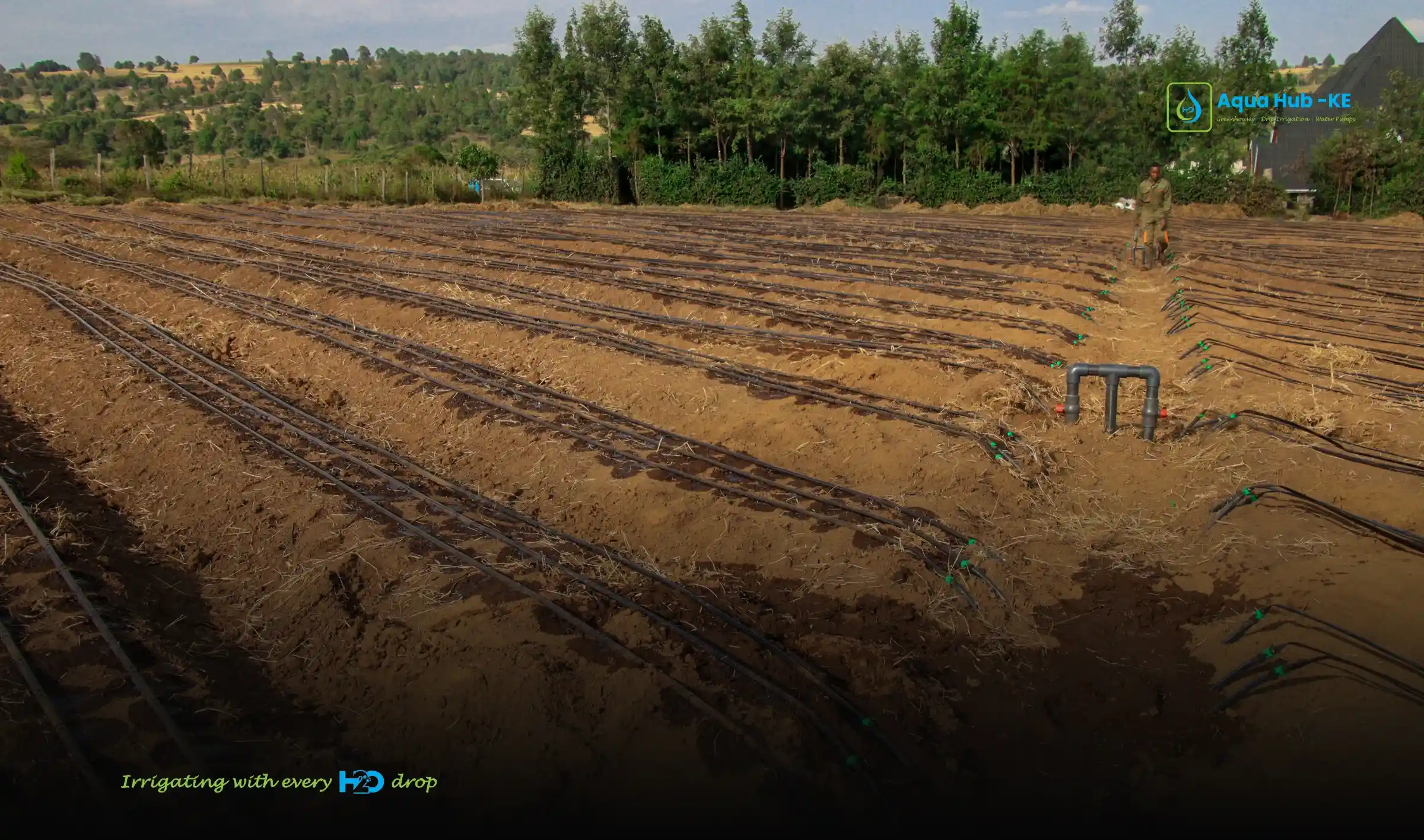
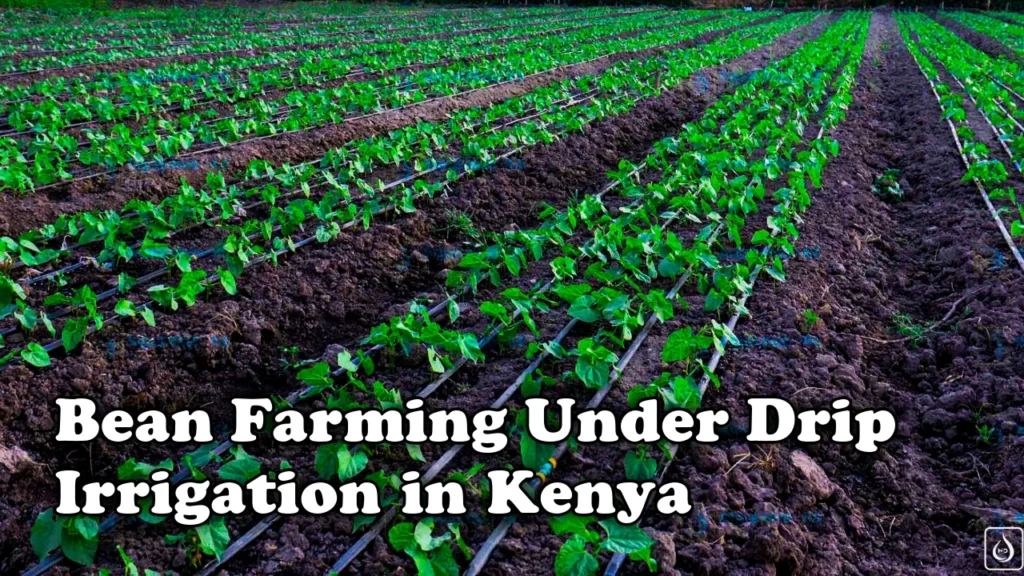
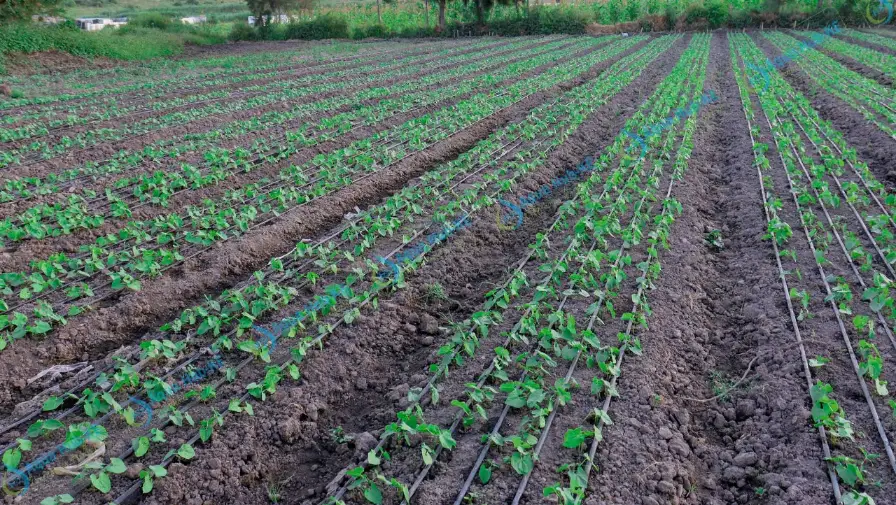
Many Kenyan farms depend on limited water from tanks, dams or boreholes, so every litre needs to count. Drip irrigation sends that water straight to the plant instead of spreading it across the whole field. As a result, you irrigate the same crop with less water and less effort.
The gains show up in several ways:
- Water reaches the roots directly, so less is lost to evaporation and runoff
- The soil between the rows stays drier, so fewer weeds grow
- Leaves stay dry, which lowers the risk of fungal diseases
- One setup waters the whole plot, which saves labour
Therefore, a drip system suits small kitchen gardens as well as large commercial plots. Choosing high quality drip lines decides how well these gains hold up over time.
What to check before you buy high quality drip lines from Aqua Hub Kenya
Not every drip line performs the same, even when two products look alike. A little checking at the start saves you from blocked emitters and uneven watering later. Look at these points when you compare options:
- Wall thickness, which sets how tough the line is
- Emitter spacing that matches how your crop is planted
- Even water release along the whole length of the line
- Tubing that is smooth, with no kinks or weak spots
- Fittings that join every part without leaks
Ask your supplier for these details before you pay. Our team will gladly confirm them for every drip line we sell.
Which Aqua Hub Kenya drip line thickness suits your crop?
Wall thickness is the main difference between our high quality drip lines. A thicker wall makes a tougher line, while a thinner wall keeps the line light and easy to handle. We stock three thicknesses, and the table below shows where each one fits best:
| Wall thickness | Where it fits best |
|---|---|
| 0.3 mm | Short-season crops such as leafy vegetables |
| 0.4 mm | Crops grown across a few seasons |
| 0.6 mm | Long-standing crops and farms that want a line to last |
If you are unsure which thickness to pick, tell us your crop and how long it stays in the field. We will then recommend the thickness that matches your plan.
Emitter spacing at Aqua Hub Kenya and what each option suits
Emitters release water at set points along the line, so the gap between them decides how evenly the soil gets wet. We supply high quality drip lines with emitters 15 cm, 20 cm or 30 cm apart. Closer emitters wet a continuous strip of soil, while wider emitters suit plants that stand further apart.
Match the spacing to your crop and your soil:
- 15 cm for closely planted crops such as leafy greens
- A 20 cm gap for general vegetable beds
- 30 cm where crops stand further apart
- Closer spacing on sandy soil, where water drains downward quickly
- Wider spacing on heavy clay, where water spreads sideways
Spacing is a guide and not a strict rule. If your layout is unusual, email us your plant spacing and we will suggest a suitable option.
Aqua Hub Kenya fittings and kits that complete your system
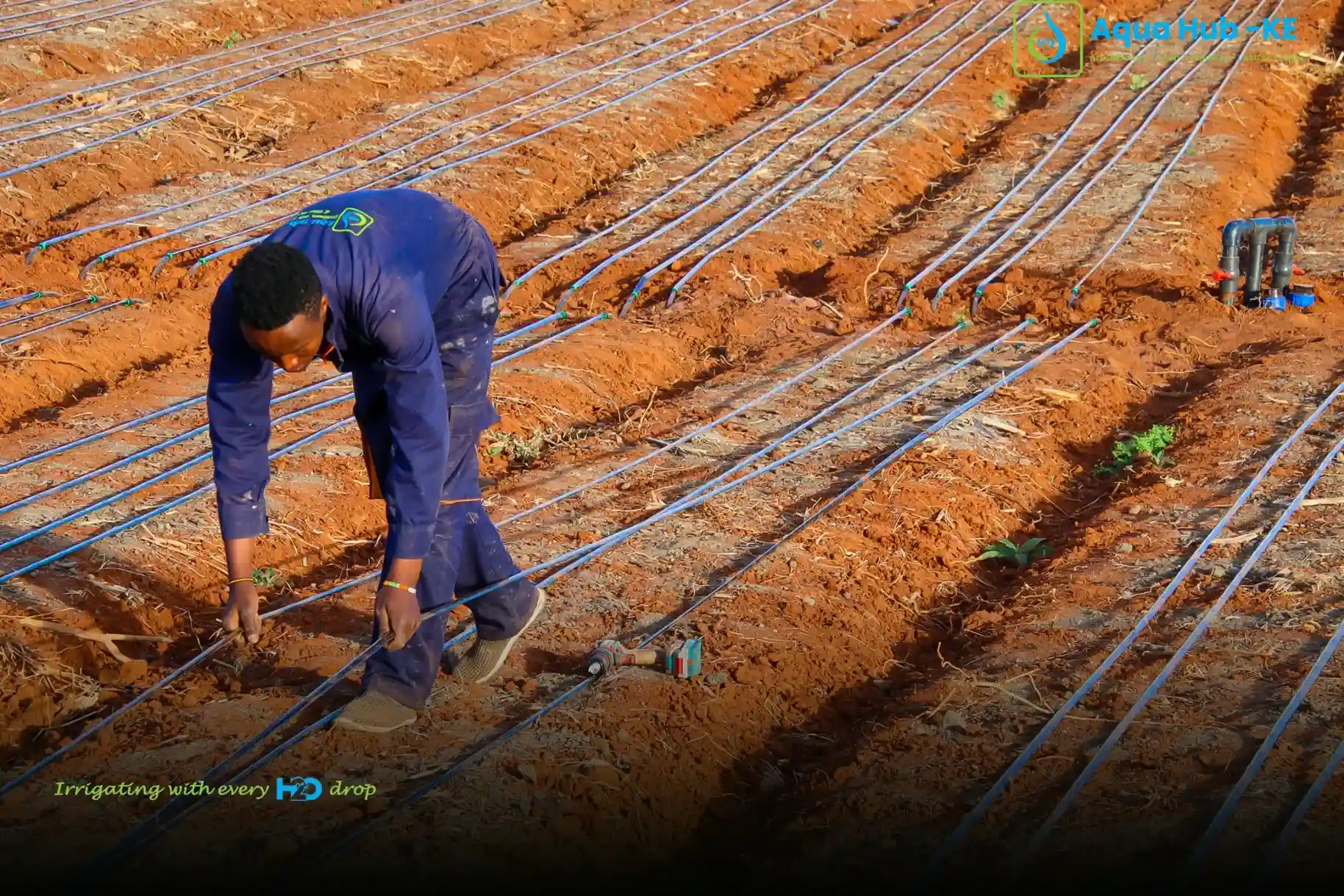
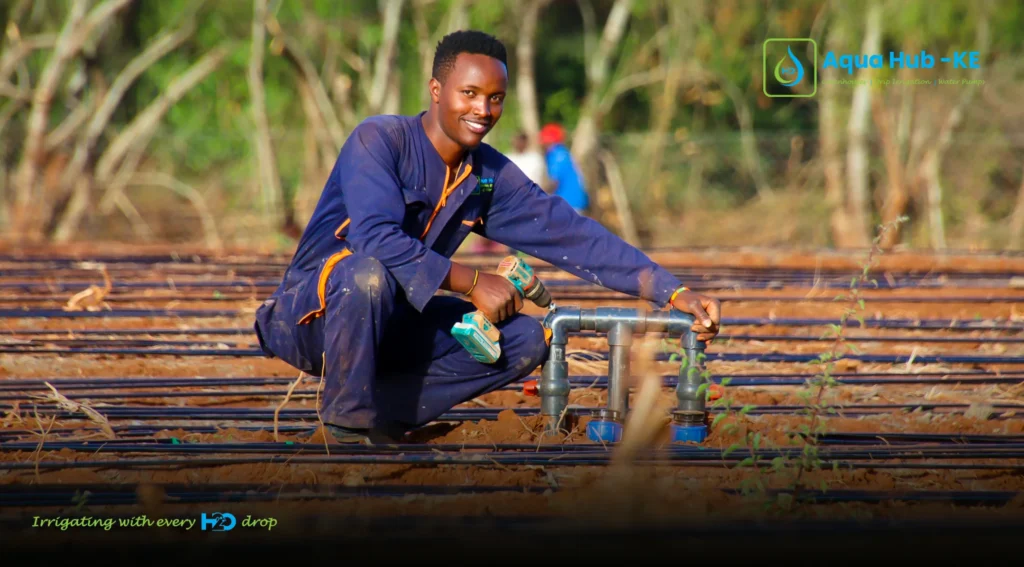
A drip line cannot work alone. It needs fittings to join and close the lines, filters to protect the emitters and pipes to carry water from the source. We stock all of these so you can buy the whole system in one place. The range includes:
- Connectors for joining lengths of drip line
- Take-offs for branching lines from the main pipe
- End caps for closing the end of each line
- Filters and pressure regulators for the water supply
- Mainline and submain pipes for carrying water to the field
We also sell complete drip kits for set land sizes, from 1/8 acre to 1 acre. A kit takes the guesswork out of planning, because the parts are chosen to work together. If your plot is an unusual size, our team can still help you pick the right parts one by one.
Laying drip lines so every plant gets water
Even high quality drip lines waste water when they are laid carelessly. A few simple habits help each plant get its share. Follow these steps when you lay your lines:
- Run one line along each row or bed, and add more lines for wider beds
- Place the emitters facing upward so they do not clog with soil
- Keep the lines straight and flat along the ground
- Flush each line with water before you close the ends
- Hold the lines in place so wind and foot traffic do not move them
After laying, run the system for a while and walk the rows. Any dry patch tells you that a line or a fitting needs attention.
Keeping your Aqua Hub Kenya drip lines free of blockages
Blocked emitters are the most common problem in a drip system. Dirt in the water settles inside the emitters and slows the flow. For this reason, a filter at the start of the system matters as much as the high quality drip lines themselves.
Check the system often and flush the lines now and then to push out dirt. Clean the filter whenever it looks dirty, and replace any damaged fitting. If a line stops delivering evenly, email info@aquahubkenya.co.ke so our team can advise you.
Why choose Aqua Hub Kenya for high quality drip lines?
Buying a drip system often means collecting the lines, fittings and filters from different shops. At Aqua Hub Kenya, we supply high quality drip lines together with the accessories and kits that complete the system. You can buy everything in one place and know the parts are meant to work together.
We also let you choose the wall thickness and emitter spacing that suit your crop, so you do not pay for a specification you do not need. When you are ready to order, call +254790719020 with your land size, and our team will recommend the right drip line.
Frequently Asked Questions
How much do high quality drip lines cost in Kenya?
High quality drip lines in Kenya are sold in kits that start at KES 10,000 for 1/8 acre in our range. Call or email for the exact price of your kit.
What makes high quality drip lines last longer?
High quality drip lines last longer when they have a suitable wall thickness and smooth tubing. A filter and regular flushing also protect them from blockages.
What is the best emitter spacing for drip lines?
The best emitter spacing for drip lines depends on your crop and soil. Closely planted crops suit 15 cm, while crops planted further apart suit 30 cm.
Which drip line thickness is best for vegetables?
A 0.3 mm drip line suits short-season vegetables such as leafy greens. Crops that stay longer in the field may suit 0.4 mm or 0.6 mm.
Does the water supply need a filter?
A drip system needs a filter because dirt in the water can block the emitters. A clean filter keeps the water flowing evenly.
What accessories complete the system?
Drip lines need connectors, take-offs, end caps, filters and mainline pipes to work as a system. Complete kits bring these parts together for set land sizes.
How much water does drip irrigation save?
Drip irrigation saves water because it delivers water to the roots and not across the whole field. This means less is lost to evaporation and runoff.
Which crops can be grown with this method?
Many crops suit drip lines, including vegetables, fruit and flowers. The spacing and thickness you choose should match the crop.
Is a small garden big enough to benefit?
Drip lines work well in a small garden, and our smallest kit covers 1/8 acre, which starts at KES 10,000.
Final Thoughts on high quality drip lines
Good drip lines deliver water evenly to every plant and keep doing so for seasons. The right thickness, the right emitter spacing and a clean filter make the difference. With simple care, your drip system keeps saving water and labour.
High quality drip lines from Aqua Hub Kenya come in kits that start at KES 10,000 for 1/8 acre. Call +254790719020 or email info@aquahubkenya.co.ke to get the exact price for your plot.