
Blog
Bean Farming Under Drip Irrigation | Cost by Aqua Hub Kenya
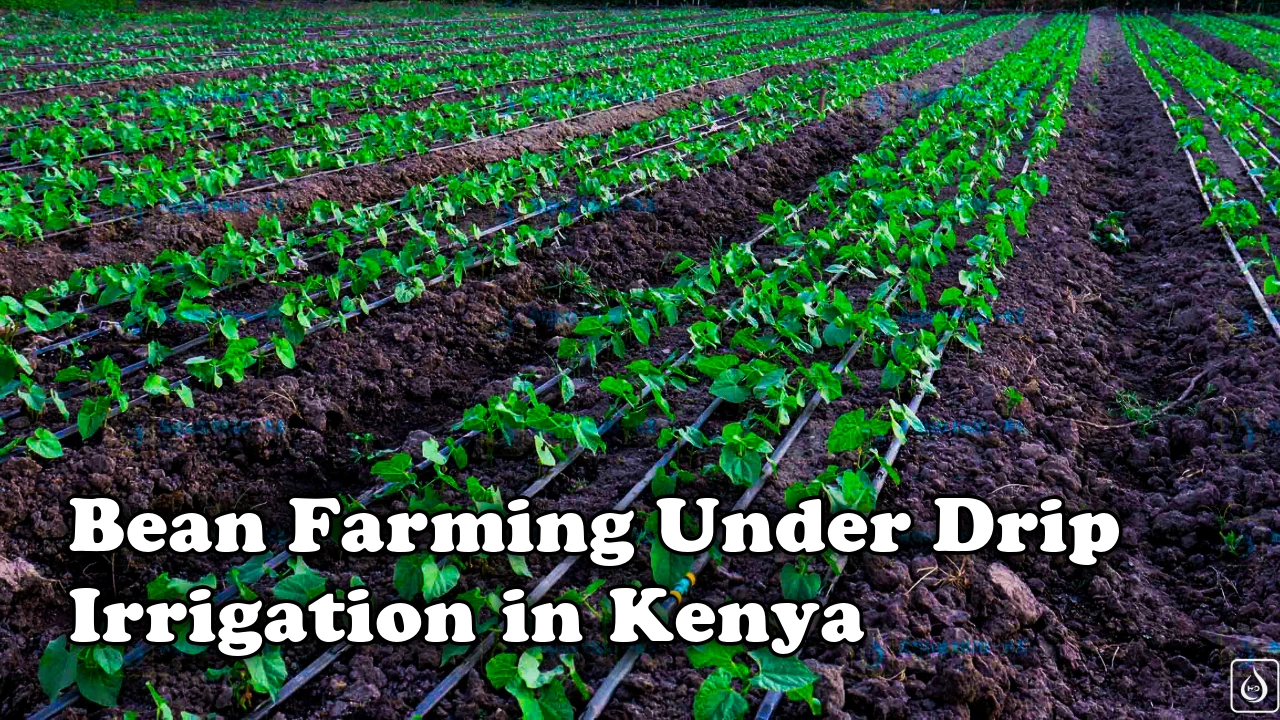
Bean farming under drip irrigation costs between KES 65,000 to KES 130,000 per acre to set up, and that investment returns higher yields and lower water bills every season.
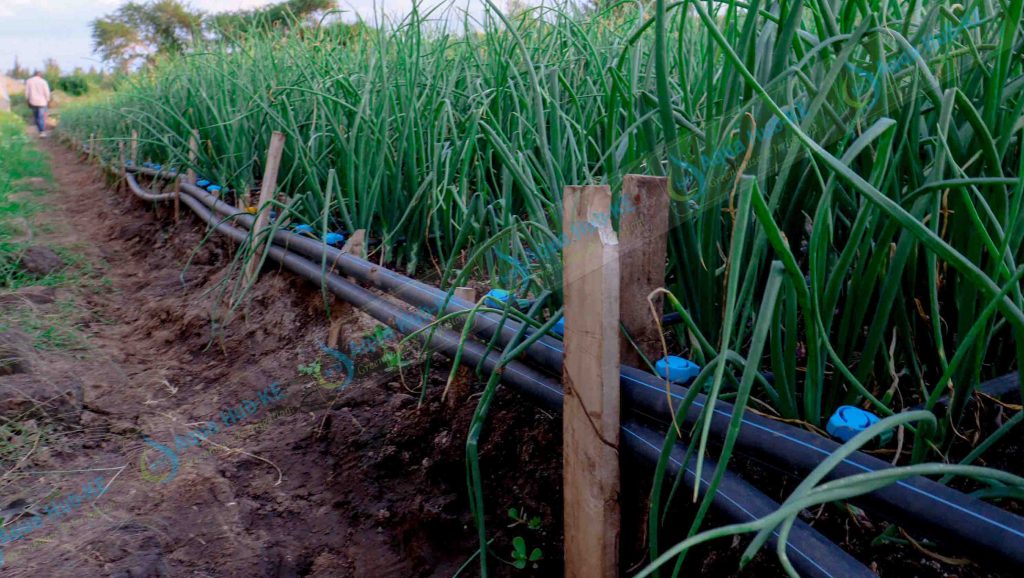
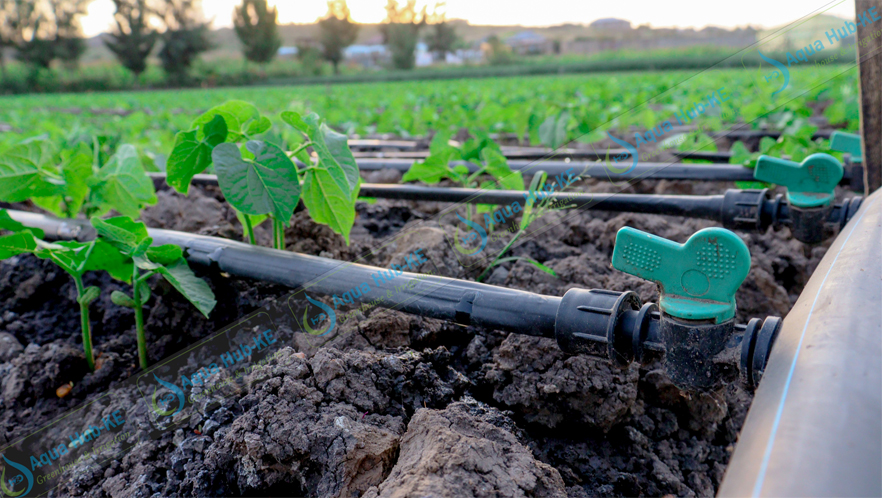
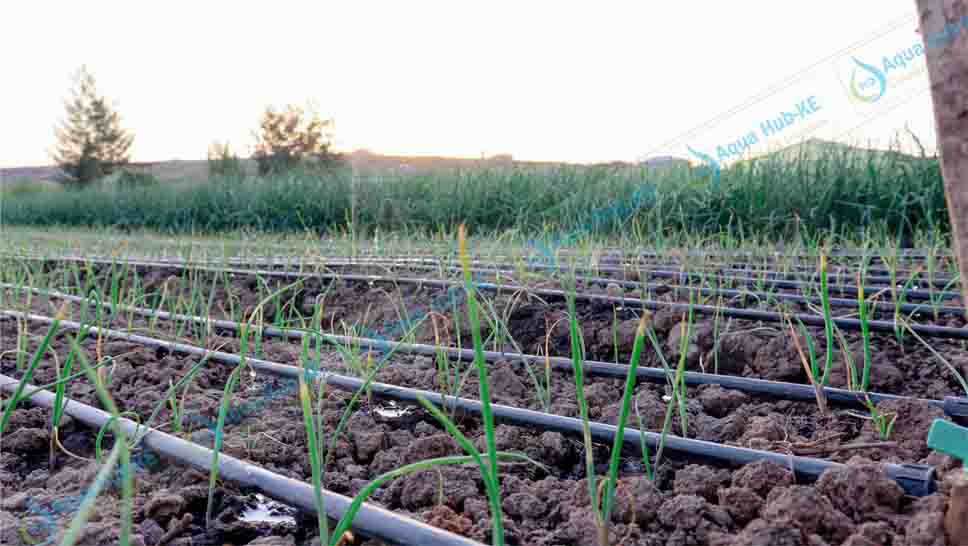
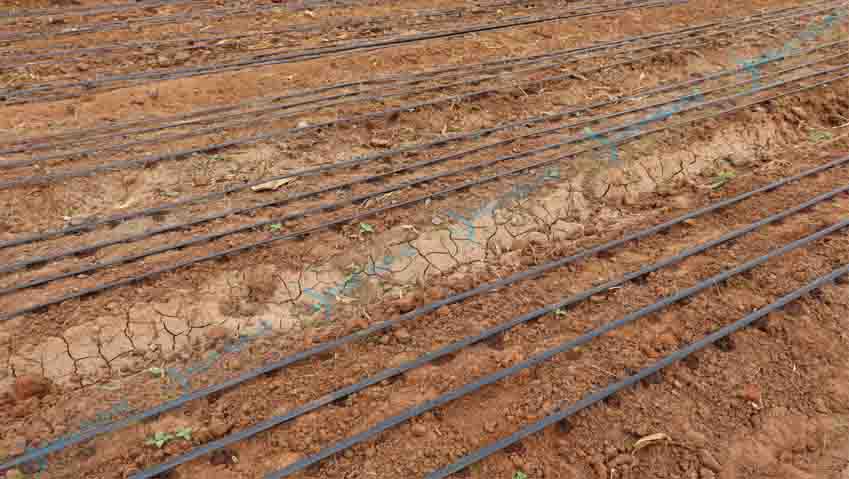
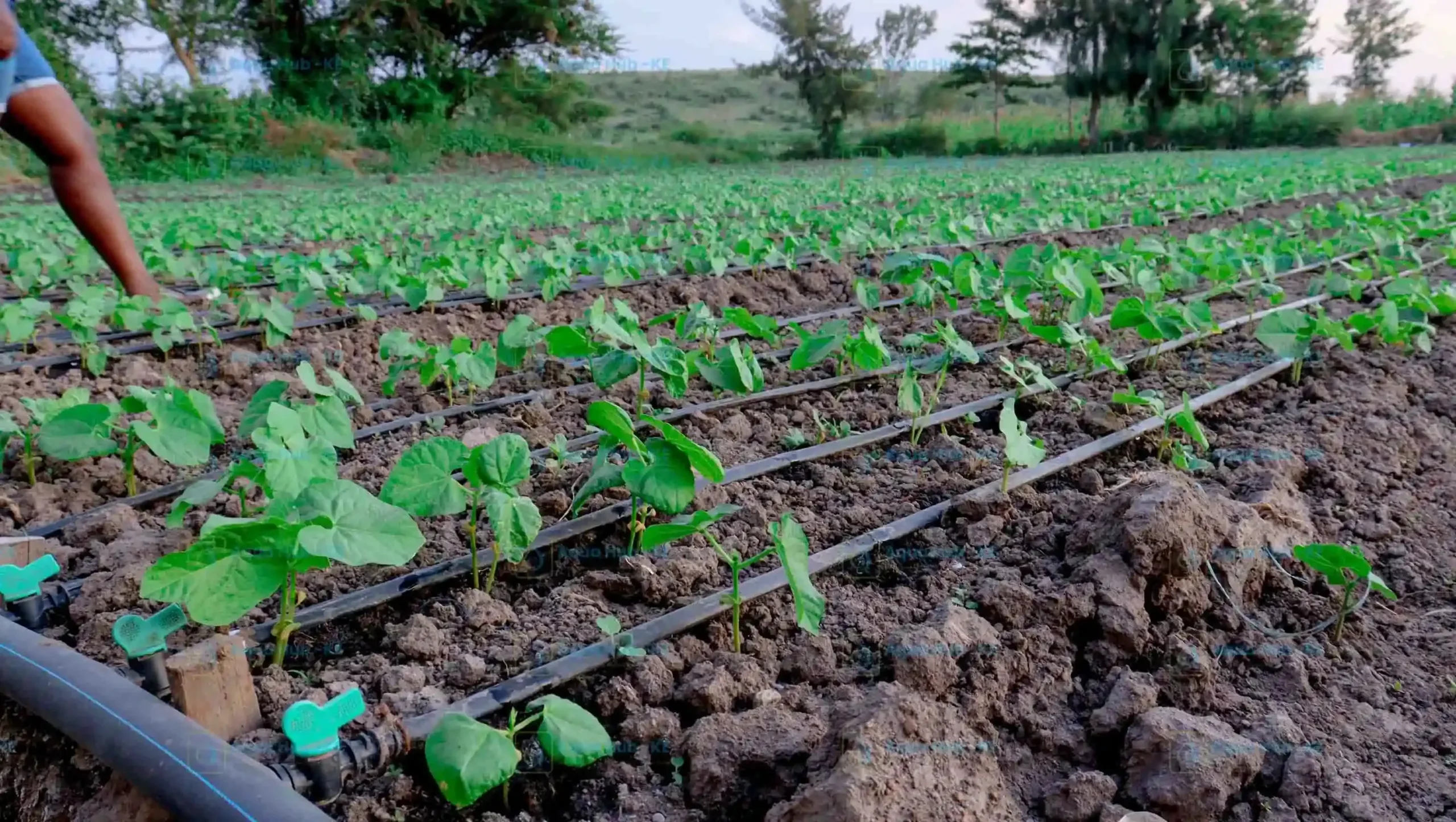
Drip irrigation delivers water straight to the bean root zone through lines laid along each row. As a result, farmers use less water and can also place fertiliser exactly where plants need it. Moreover, dry-season production becomes possible, so beans reach the market when prices are strong.
Aqua Hub Kenya is the best supplier for bean farming under drip irrigation, with quality, reliable kits at affordable prices. Call +254790719020 or email info@aquahubkenya.co.ke today. In addition, our team will prepare a quote that fits your farm.
Cost of Bean Farming Under Drip Irrigation by Aqua Hub Kenya
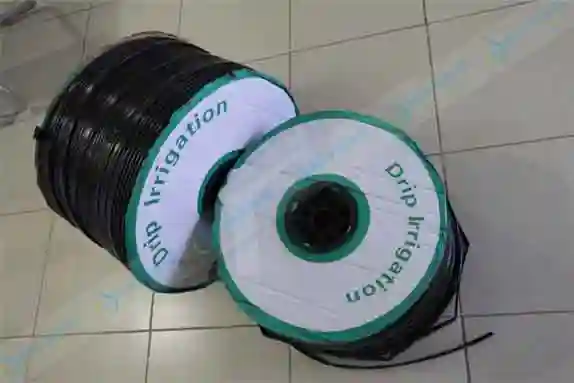
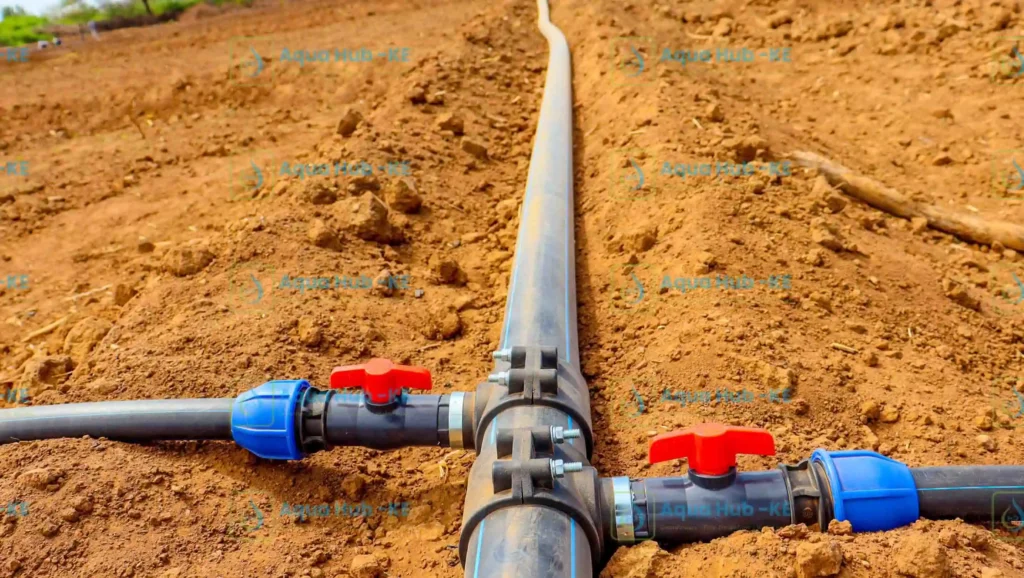
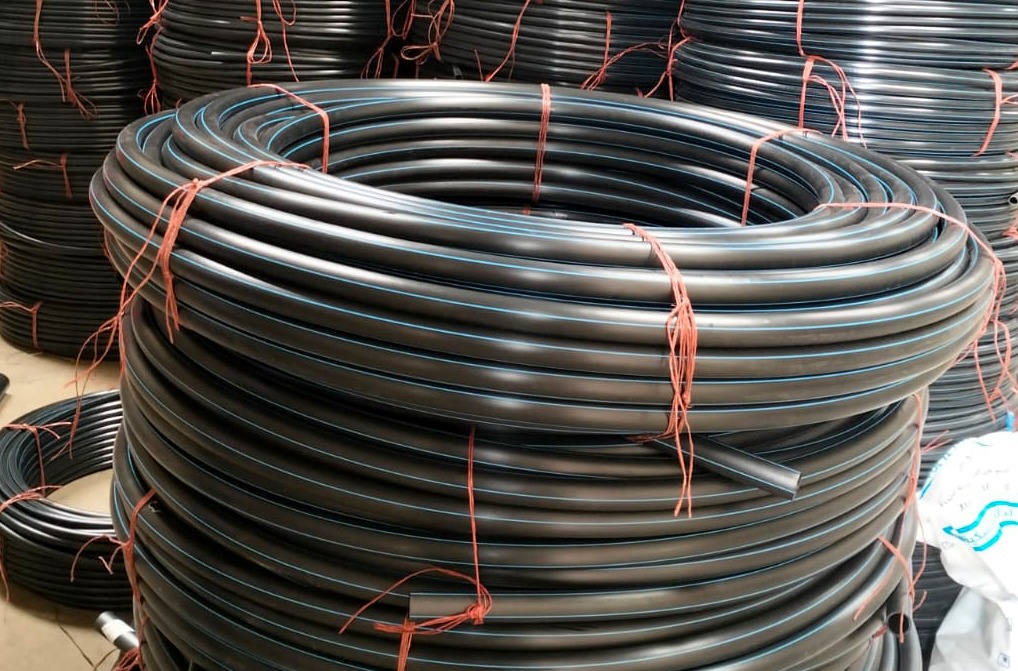
You should budget for the full system before you plant a single seed. The main cost of bean farming under drip irrigation comes from drip lines, filters, fittings, a tank and a pump.
| Size of the Land | Cost (KES) |
| 1 Acre | 65,000 – 130,000 |
| ½ Acre | 30,000 – 60,000 |
| ¼ Acre | 16,000 – 35,000 |
| 1/8 Acre | 10,000 – 20,000 |
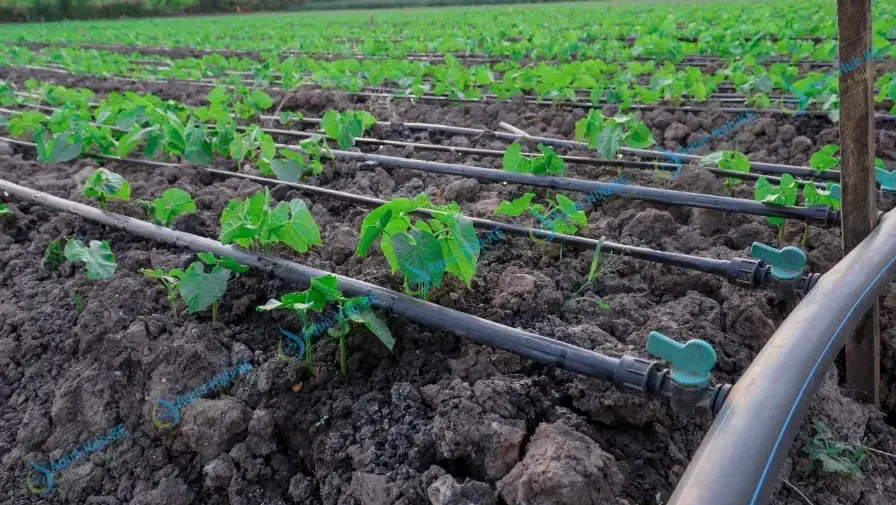
Prices change with pipe wall thickness, brand and acreage. For that reason, you should contact Aqua Hub Kenya for the current figure on your layout. Furthermore, a larger farm lowers the cost per row because the main line and filter serve more beans. Several factors shape your final quote:
- Acreage and row length
- Water source and distance from the field
- Pump type, whether solar or electric
- Drip line wall thickness and emitter spacing
Call +254790719020 to confirm availability today. Since stock moves quickly in planting season, you should order early.
Why Drip Irrigation Works for Beans on Kenyan Farms
Beans react badly to water stress and waterlogging alike. Drip irrigation solves both problems because it applies small, steady volumes at the root zone. Consequently, flowering and pod filling continue without interruption. Bean farming under drip irrigation also keeps leaves dry, which reduces fungal diseases such as angular leaf spot and rust. In addition, farmers in drier counties like Machakos and Makueni can grow beans through the dry season. The benefits are clear:
- Large water savings compared with furrow irrigation
- Higher and more uniform yields
- Fewer weeds, since only the root zone stays wet
- Lower labour needs for watering
- Efficient fertigation with soluble fertiliser
Therefore, you should switch to drip lines before your next season.
How to Set Up Drip Irrigation for Beans with Aqua Hub Kenya Kits
Follow these steps in order for successful bean farming under drip irrigation:
- Test your water for pH and salts, then pick a matching filter.
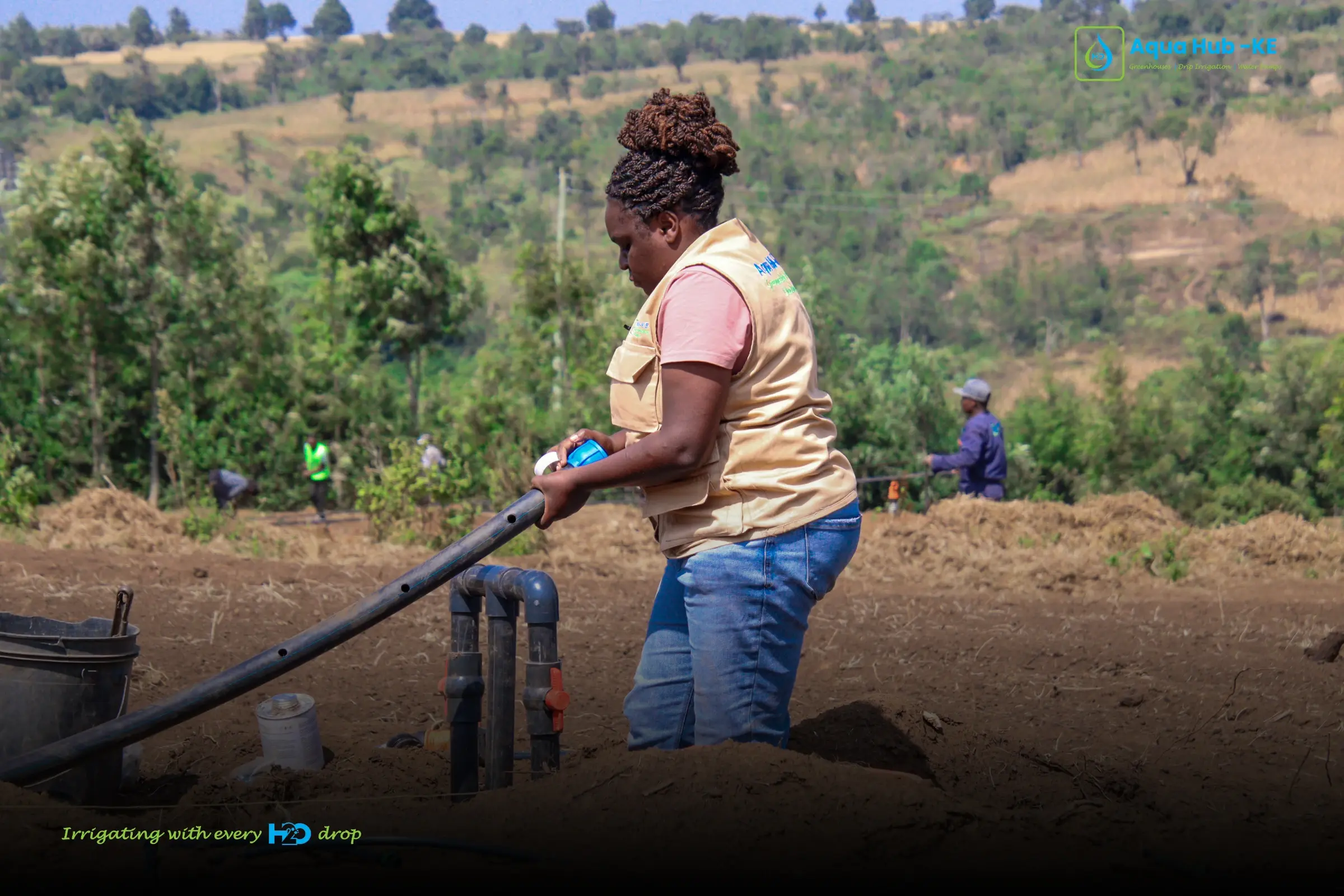
- Place the tank or pump and connect the main line to the field.
- Lay submain lines across the head of the field.
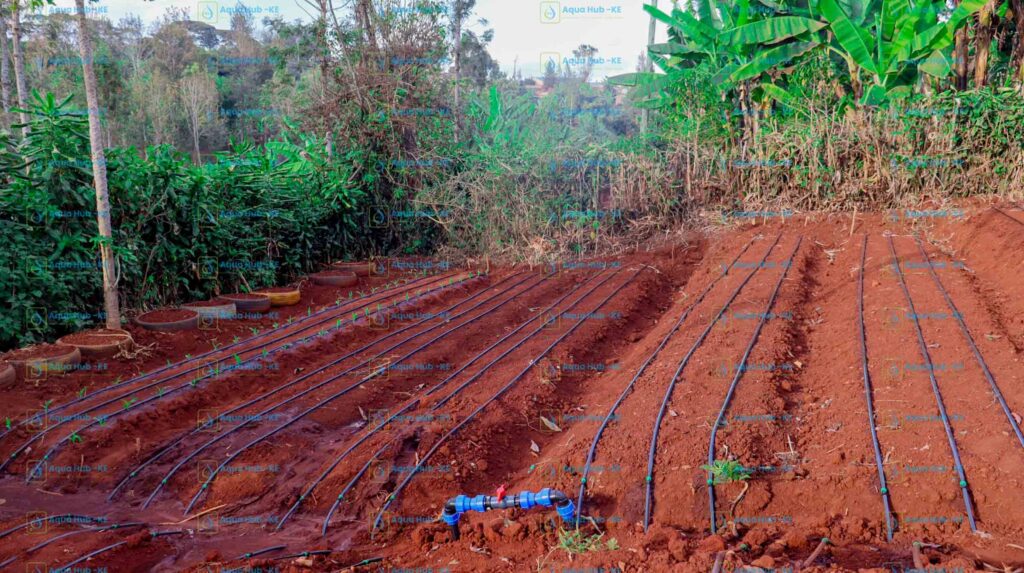
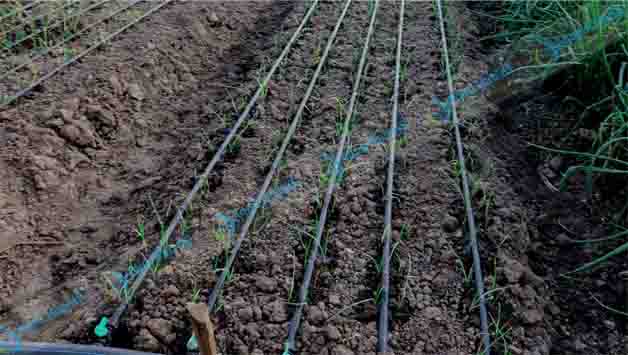
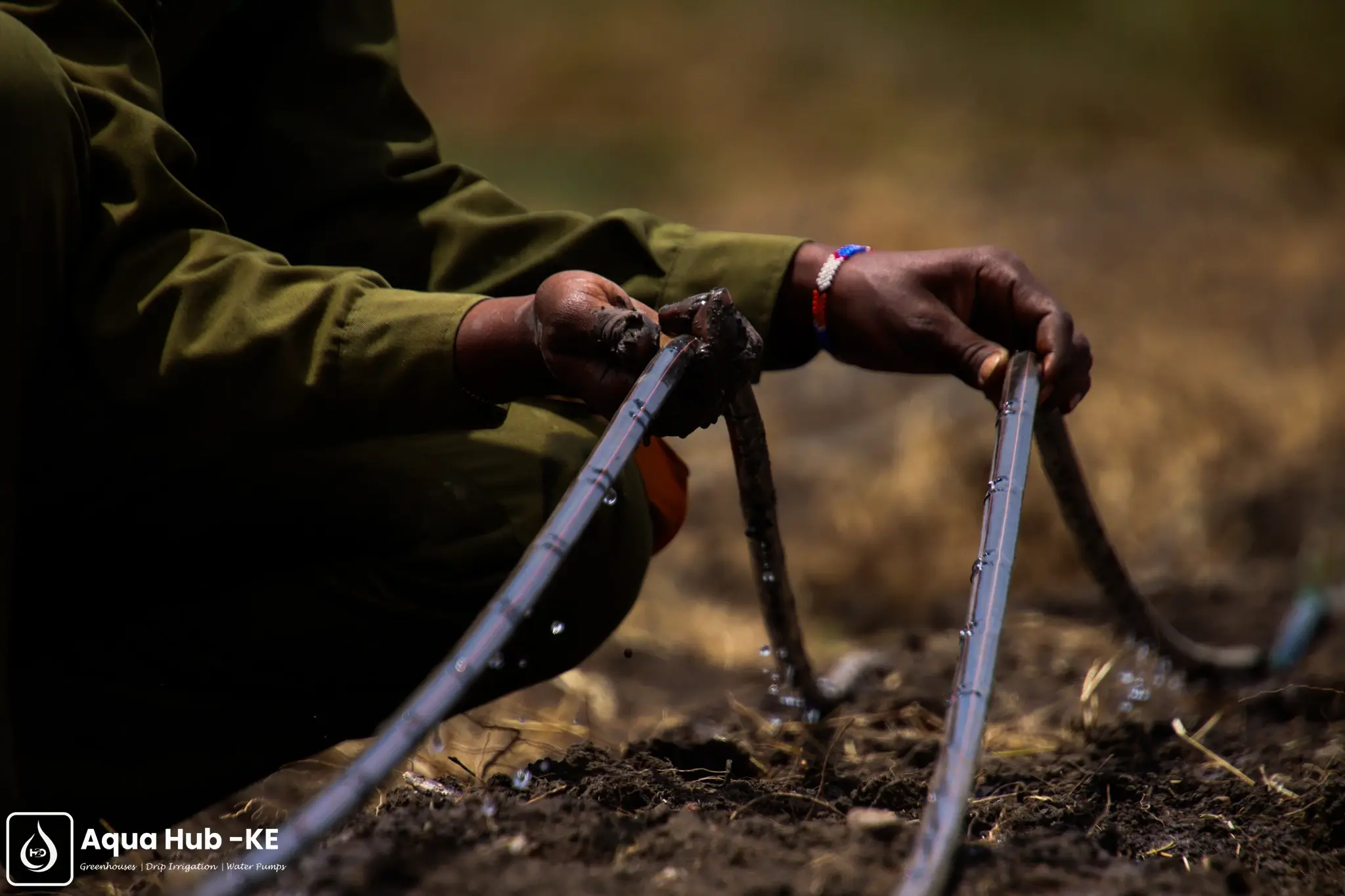
- Roll out one drip line along each bean row and secure it with pegs.
- Flush every line before you close the ends.
- Run a test cycle and check every emitter for even flow.
Since Aqua Hub Kenya supplies every fitting under one roof, you avoid mismatched parts. Likewise, our team can advise on layout and sizing for your farm. As a result, installation takes less time and runs smoothly.
Land Preparation and Spacing with Aqua Hub Kenya Drip Lines
Prepare a fine seedbed by ploughing and harrowing to a good tilth. Next, mix well-decomposed manure and phosphate fertiliser into the planting rows. Because beans need moisture at planting, lay the drip lines before you sow. Use these spacing guides:
- Bush beans: rows 50 cm apart
- Bush beans: plants 10 cm apart within the row
- Climbing beans: rows 60 cm apart with stakes or strings
- Drip line emitters: 20 to 30 cm apart along the line
Accurate spacing also helps each plant receive its share of water.
Watering and Fertigation Schedule Using Aqua Hub Kenya Drip Lines
Beans need regular moisture, particularly during flowering and pod set. Therefore, irrigate in short, frequent cycles. Apply this schedule for bean farming under drip irrigation at every growth stage:
- Germination and seedlings: water lightly each day to keep the soil moist
- Vegetative growth: water every second day
- Flowering and pod filling: increase frequency and never let the soil dry out
- Maturity: reduce watering so pods can dry
Fertigation also pays off. You should inject soluble phosphorus and potassium through the lines. Because beans fix their own nitrogen, keep nitrogen applications low. Furthermore, a venturi injector makes fertigation simple and accurate.
Drip System Maintenance for Beans with Aqua Hub Kenya Filters
Maintenance keeps your system performing season after season. Therefore, follow this routine:
- Clean the filter weekly
- Flush the lines every two weeks
- Check pressure at the field edge
- Fix leaking joints at once
- Run an acid wash after each crop cycle to clear salt and scale
Clogged emitters cut yields, so bean farming under drip irrigation rewards farmers who inspect their lines often. Aqua Hub Kenya stocks spare emitters, connectors, filter elements and end caps, so repairs never delay your irrigation. Finally, coil the lines and store them in the shade when the season ends.
Best Bean Varieties to Grow with Aqua Hub Kenya Equipment
Farmers should choose varieties that match market demand. Therefore, check what buyers in your area want before you plant. Popular options include:
- Rosecoco (GLP 2): a red mottled variety with strong local demand
- Mwitemania (GLP 92): a high-yielding bush bean
- Canadian Wonder: a large-seeded variety popular in many markets
- Red kidney beans: a firm market favourite for stews
- French beans: a high-value export crop that responds well to steady moisture
Moreover, bean farming under drip irrigation suits French beans especially well, since export grades need uniform pods. In addition, even watering improves pod quality across the whole field.
Harvesting and Marketing Beans Grown with Aqua Hub Kenya Drip Systems
Most dry bean varieties reach harvest in 70 to 90 days, while French beans mature earlier. Therefore, plan your planting dates around your target market. Follow these harvest practices:
- Pick French beans every two days to keep pods tender
- Stop irrigation about two weeks before harvesting dry beans so pods dry evenly
- Thresh and sort the grain, then dry it to a safe moisture level
- Store beans in clean, airtight bags away from pests
Moreover, drip irrigation lets you time harvests for the dry season, when bean prices climb. As a result, you earn more per kilogram.
Why Choose Aqua Hub Kenya for Drip Irrigation Bean Farming
Aqua Hub Kenya is one of the biggest irrigation suppliers in Kenya, and our products are guaranteed to perform. Farmers choose us for these reasons:
- A complete range of drip lines, filters, fittings and tanks
- Affordable prices on every item
- Expert guidance on layout and sizing
- Quality materials built for long field life
- Reliable stock, so you can plant on schedule
- Quick quotes by phone and email
Furthermore, Aqua Hub Kenya sells dam liners for storing irrigation water and greenhouses for raising seedlings. As a result, you can source your whole irrigation setup from one trusted supplier. Order your kit today, and plant on time.
Frequently Asked Questions
What Does Drip Irrigation for Beans Cost per Acre at Aqua Hub Kenya?
Drip irrigation for beans costs KES 65,000 to KES 130,000 per acre at Aqua Hub Kenya. Call +254790719020 for the current quote.
What Weekly Water Volume Suits Aqua Hub Kenya Drip Lines?
A weekly water volume of 25 to 40 mm suits bean plots irrigated through drip lines. Increase the volume during flowering and pod filling.
When Should Farmers Plant Beans Under Drip Irrigation?
Farmers should plant beans under drip irrigation at the start of the rains or at any time of year when water is available. Therefore, dry-season planting becomes a major advantage.
What Row Spacing Suits Aqua Hub Kenya Drip Lines?
A row spacing of 50 cm suits drip lines for bush beans. Place plants 10 cm apart within each row.
Does Drip Irrigation Increase Bean Yields?
Drip irrigation increases bean yields because plants receive steady moisture and nutrients. Moreover, pods ripen more uniformly.
Which Fertilizers Suit Drip-Irrigated Beans?
Water-soluble phosphorus and potassium fertilizers suit drip-irrigated beans. Keep nitrogen low, since beans fix their own.
How Long Do Aqua Hub Kenya Drip Lines Last?
Aqua Hub Kenya drip lines last for many seasons when farmers flush them regularly and store them out of direct sun. Quality materials guarantee long field life.
Can Small-Scale Farmers Use Drip Irrigation for Beans on Half an Acre?
Small-scale farmers can use drip irrigation for beans on half an acre with a compact kit. Therefore, a small plot is no barrier to better yields.
Final Thoughts on Bean Farming Under Drip Irrigation with Aqua Hub Kenya
Bean farming under drip irrigation gives Kenyan farmers higher yields and stronger dry-season profits. This guide covered costs, kit prices, setup steps, spacing, watering schedules, varieties and harvesting, so you now have a full plan. Therefore, your next step is to buy the right equipment. Aqua Hub Kenya supplies quality drip lines, filters, fittings and tanks at affordable prices, and our team guarantees dependable service. Furthermore, our dam liners and greenhouses help you store water and raise healthy seedlings. Call +254790719020 or email info@aquahubkenya.co.ke now, and start bean farming under drip irrigation this season.