
Blog
Nursery Insect Nets for Seedling Production
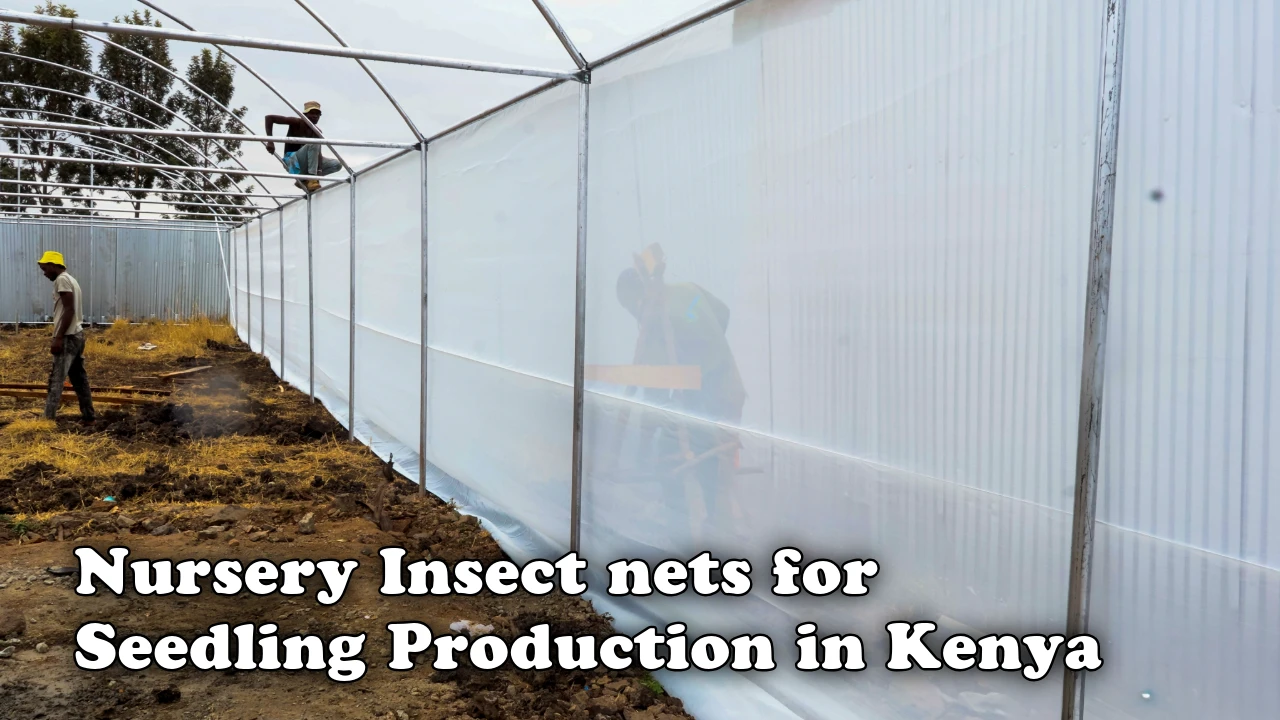
Nursery insect nets for seedling production cost KES 13,750 for a 125 square metre roll at Aqua Hub Kenya.
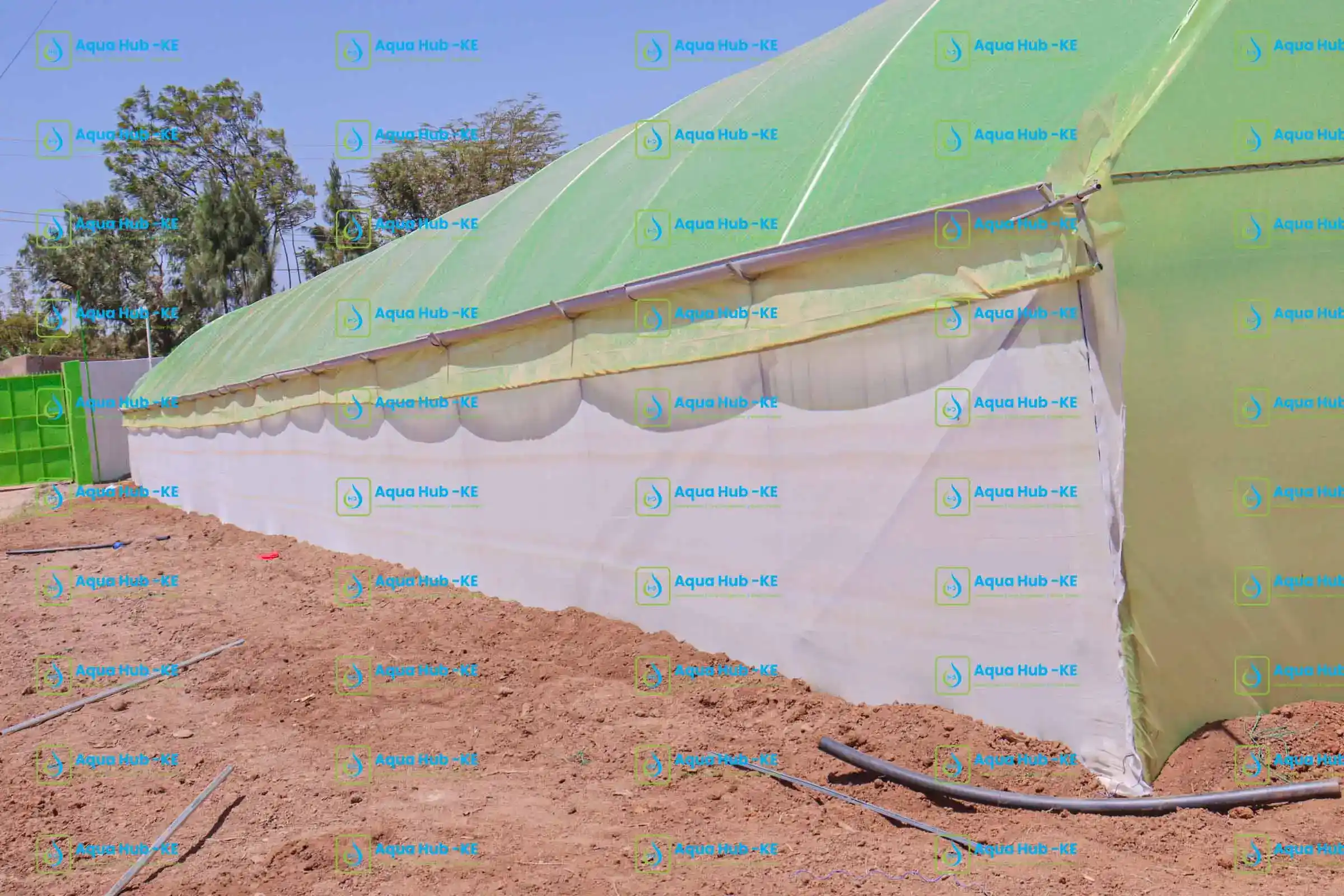
Seedlings have soft leaves, and a few whiteflies or aphids can damage them within days. Nursery insect nets for seedling production keep insects away from the trays, so the plants are better protected before they reach the field.
Aqua Hub Kenya sells insect netting in two roll sizes, and its technicians can build the net house on your nursery site. The netting is sold by the square metre, so you can match the amount to the size of your nursery. To order a roll, call +254790719020.
What Do Nursery Insect Nets for Seedling Production Cost at Aqua Hub Kenya?
The price is KES 110 per square metre, and each of the two roll sizes has its own area and price.
| Roll size | Area | Price | Best suited to |
|---|---|---|---|
| 2.5 m × 50 m | 125 square metres | KES 13,750 | Side walls and narrow nurseries |
| 3 m × 50 m | 150 square metres | KES 16,500 | Wider roofs |
Prices change with the order, so call +254790719020 for the exact price. To work out how much net you need, measure the roof and the walls of the nursery, then add a little extra for overlaps at the corners.
A small nursery, such as the 3 m × 4 m corner described in our guide to greenhouse farming on a 50 by 100 plot, needs less than a full roll of net. The roof of that nursery covers 12 square metres, which costs KES 1,320 at this rate.
Pests That Attack Young Plants in Kenyan Nurseries
Young plants have thin leaves and little strength to recover from damage. As a result, even a small number of insects can slow growth or kill a tray of seedlings. Check the trays each morning for signs of insects, because pests that get in before the net is closed stay on the plants. Common nursery pests and the damage they cause include:
- Whiteflies, which suck sap from the underside of leaves and can carry plant viruses.
- Aphids, which gather on soft shoots and weaken the new growth.
- Thrips, which scrape the leaf surface and leave silver marks.
- Leaf miners, which tunnel through the leaf and leave pale lines.
Whiteflies and aphids spread quickly across soft growth, so move an infested tray out of the nursery early to protect the others. Insects reach the nursery through open sides and doors. Hence, a net with holes smaller than the pest stops them physically, without the spraying that young plants cannot always tolerate. This is also why nursery insect nets for seedling production need a closed structure with no open gaps at the base.
Choosing the Right Mesh and Roll Size
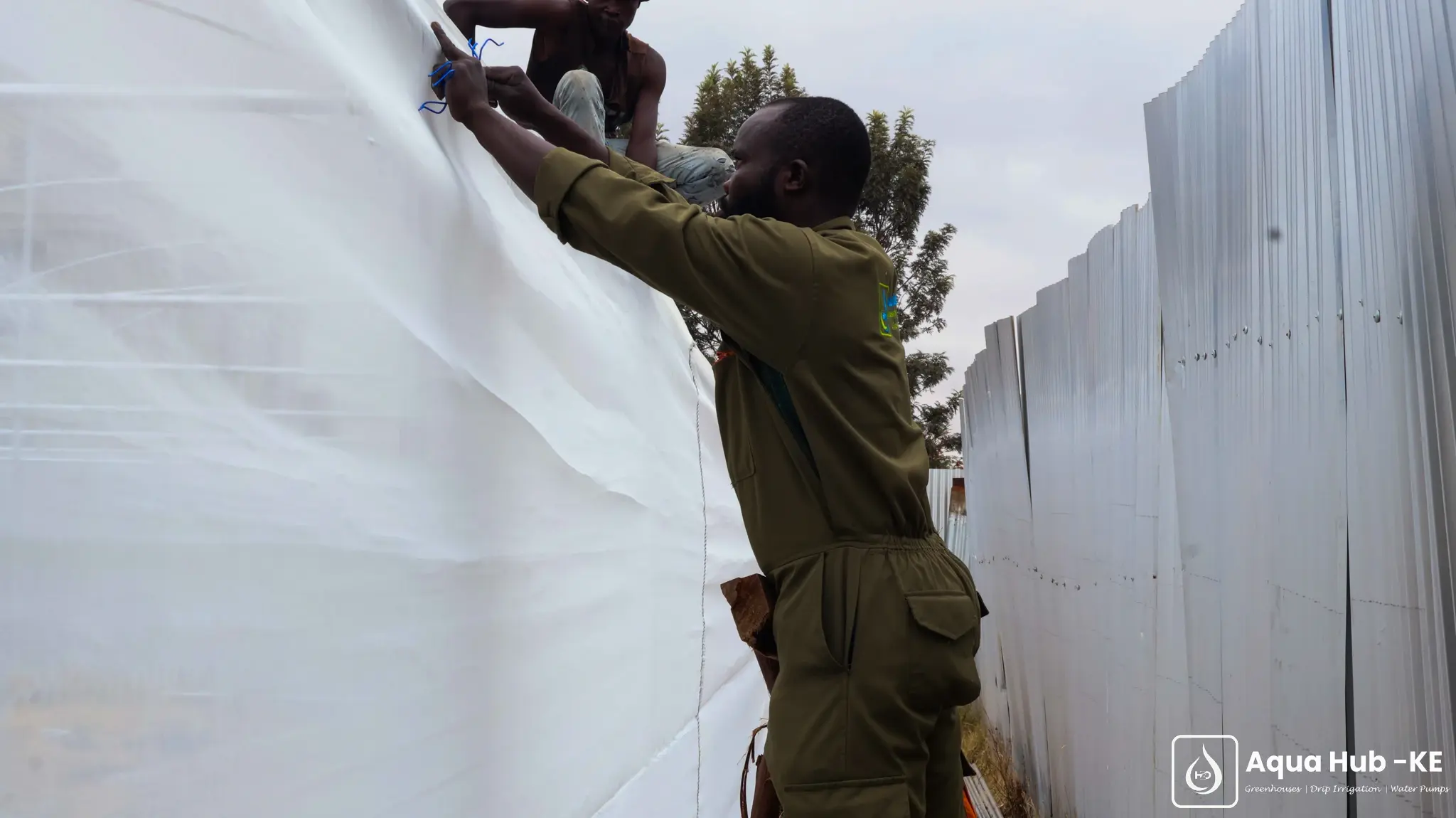
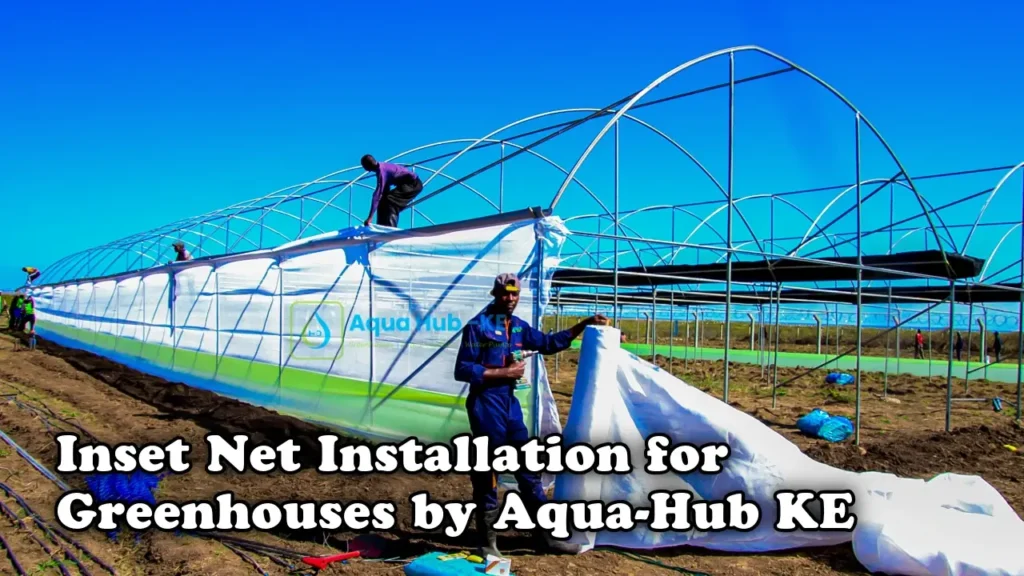
Mesh count is the number of holes per inch of net, so a higher number means smaller holes. When you unroll a net, hold it up to the light and check that the mesh looks even across the whole width. A 40 mesh net suits small insects such as aphids and thrips, while a coarser net lets more air through but stops only larger insects. Our guide to insect net installation for ventilated greenhouses shows how the same nets are fitted in a greenhouse.
However, finer mesh reduces airflow, so a fine net requires wider vents or door openings. Warm, humid air that cannot leave the structure can weaken seedlings and encourage fungal disease. Therefore, pick the coarsest mesh that still stops your main pest. This matters most when nursery insect nets for seedling production stay over the trays for several weeks, because the air inside needs to keep moving.
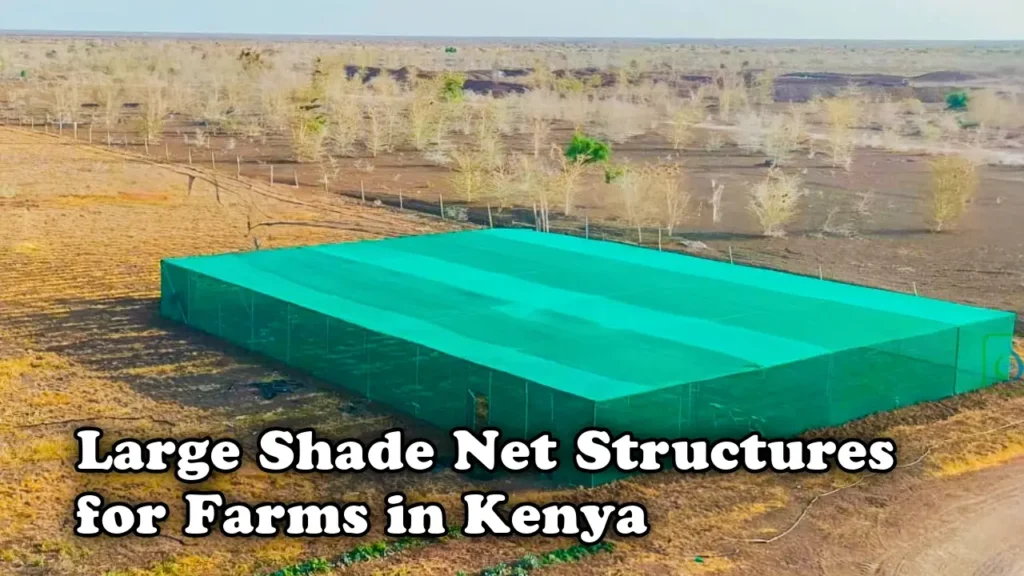
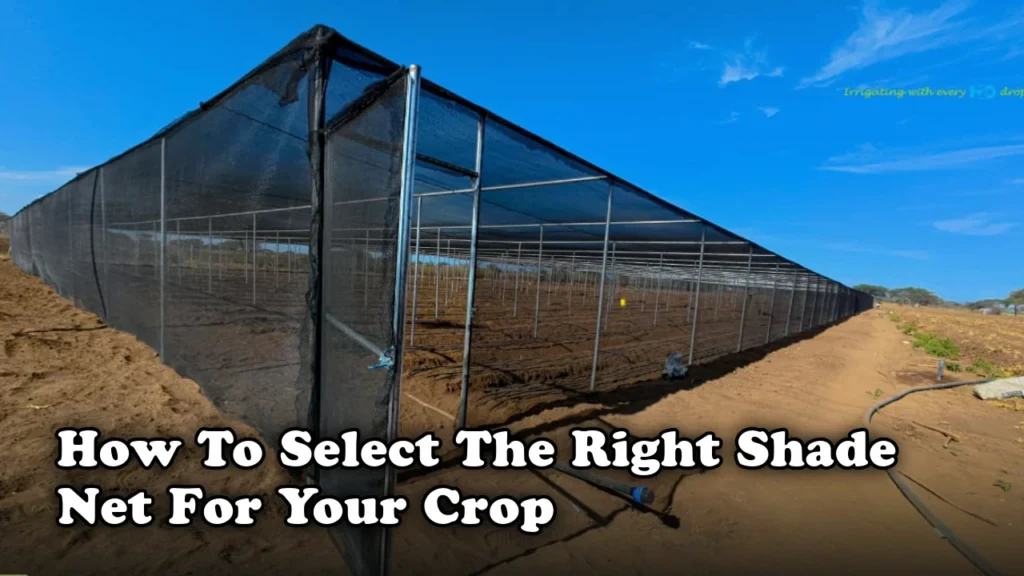
Insect nets also do not lower sunlight in the way a shade net does. Nurseries in hot areas benefit from a shade net over the insect net, and young seedlings generally do well under a 55% to 75% shade rate, but a 75% net can be too dark for crops that stay under it for long. Farmers who need help with the rate can read how to select a shade net for their crop. Check which mesh counts are in stock when you order.
Roll Sizes of Nursery Insect Nets for Seedling Production from Aqua Hub Kenya
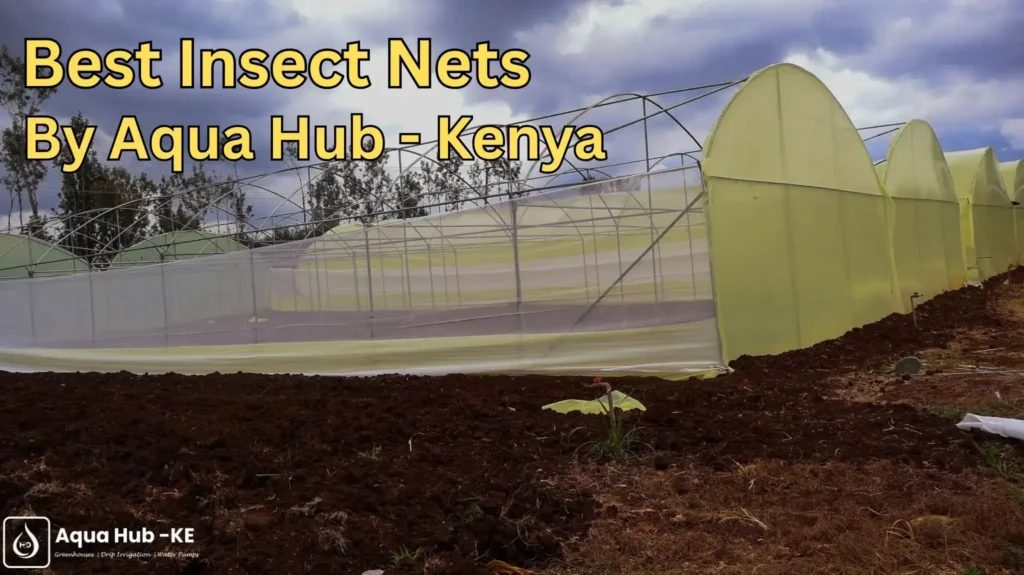
Both rolls are 50 m long, and the difference lies in the width. The 2.5 m wide roll suits narrow nurseries and the side walls, because walls only need the height of the frame. The 3 m wide roll covers a wider roof with fewer joins and fewer seams. Measure the height of each wall first, since the 2.5 m roll covers a wall up to 2.5 m high and the 3 m roll covers one up to 3 m.
Nursery size decides which roll to buy. A farmer who raises seedlings for sale in large numbers may need more than one roll, while a farmer raising seedlings for a single plot may need only part of one. Seedling beds that sit side by side can also share walls, which reduces the amount of net you buy. Measure the roof first, since the roof usually takes the largest share of the net.
We also supply seedling trays in 50, 72, 128, 200 and 288 cells at KES 140 per tray. Smaller cells suit small seeds, and larger cells suit plants that stay longer in the nursery.
How Aqua Hub Kenya Builds a Nursery Net House
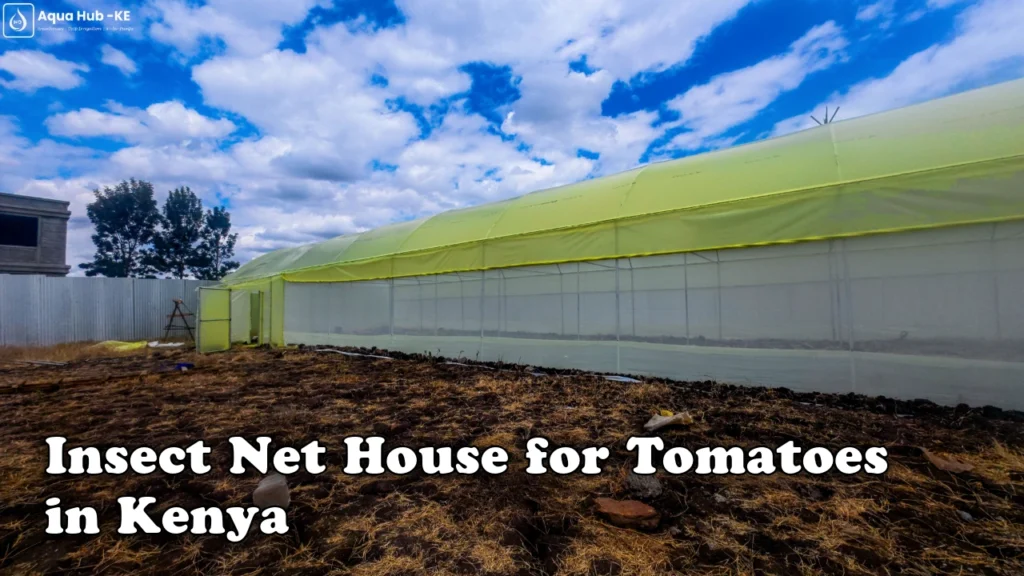
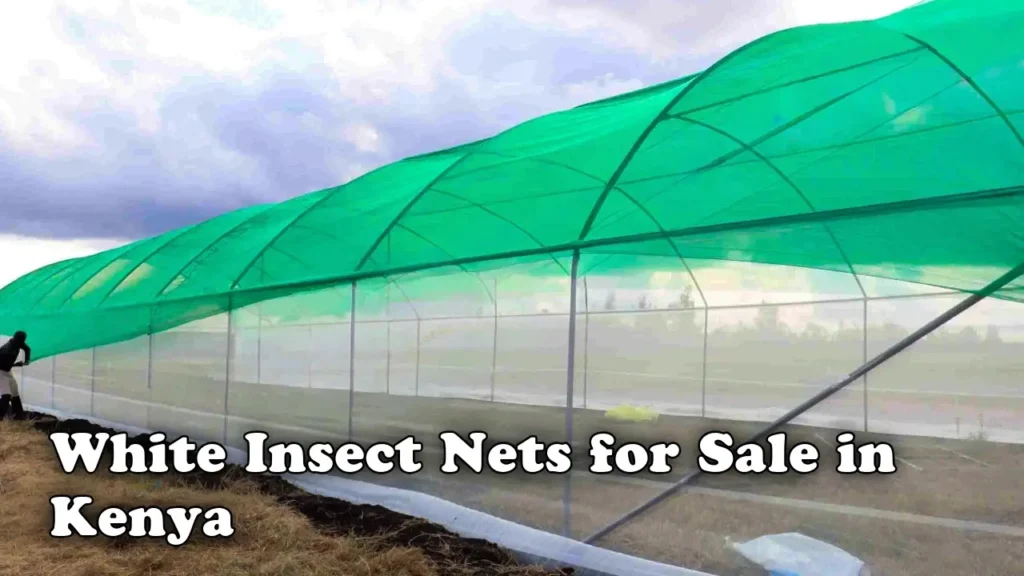
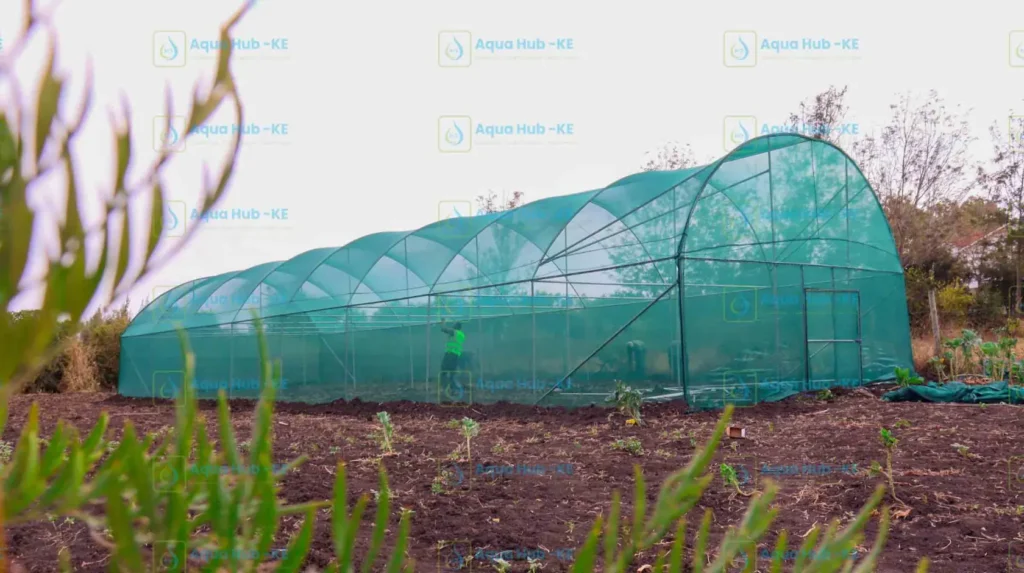
The net protects the plants only when the whole structure is closed, so the build follows this order from the site to the final check:
- Technicians visit the site and choose level ground near a water source, away from heavy tree shade.
- Posts go into the ground, and a frame joins them for the roof and the sides.
- The crew stretches the net over the roof and down the walls after the frame is firm.
- Net edges are fastened to the frame, and the lower edge is buried or weighed down so that insects cannot enter beneath it.
- A double door goes on next, which keeps the main entrance closed while you step in.
- Every seam and corner gets a check for gaps before the trays go in.
Level ground helps the frame stay square, and a nearby water source saves carrying water to the trays. A double door matters because a single door lets insects in each time a person enters, and a closed structure is what lets nursery insect nets for seedling production work. A tight net also lasts longer, since loose net flaps in the wind and wears at the edges. To arrange a build on your site, call +254790719020, or send the size of your nursery to info@aquahubkenya.co.ke.
Maintenance of Nursery Insect Nets for Seedling Production
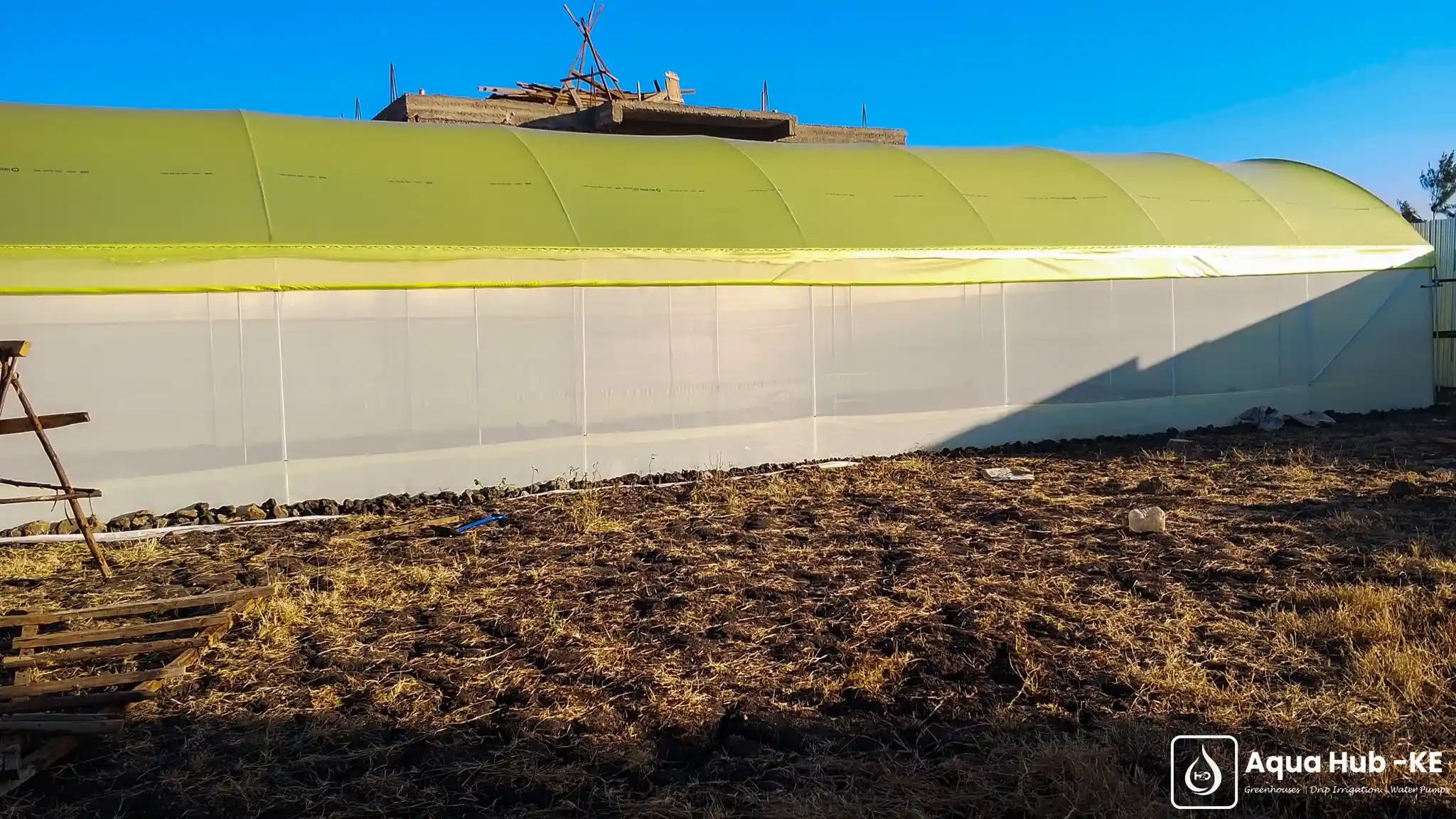
Insects can enter through a single hole, so inspect the structure often, especially after strong wind and heavy rain. Weekly checks include:
- Walking the full length of the walls and looking for holes and loose edges.
- Closing small holes straight away, before the insects find them.
- Brushing off dust, since a dusty net reduces airflow and light.
- Removing dead leaves and weeds around the base, because these shelter pests close to the net.
Good habits extend the life of nursery insect nets for seedling production. Sunlight wears down any net over the years, so replace the net when the material becomes brittle or tears easily. Also, keep tools away from the net when you work inside. When the nursery is empty between batches, wash the trays and benches before sowing again, because old plant matter can carry pests and disease into the next batch.
Why Choose Aqua Hub Kenya for Nursery Insect Nets for Seedling Production?
A nursery needs more than netting, and Aqua Hub Kenya supplies the other materials too, including shade nets and seedling trays. This lets you plan the net house and the trays with one supplier.
The netting is sold by the square metre in two roll widths, so a small nursery and a large one both buy close to the amount they need. For a build on your site, call +254790719020.
Frequently Asked Questions
How much do insect nets for a nursery cost per square metre?
Insect nets for a nursery cost KES 110 per square metre at Aqua Hub Kenya. For the exact price of your order, call +254790719020.
What mesh size is best for nursery seedlings?
The best mesh size for nursery seedlings depends on the pest. A 40 mesh net suits small insects such as aphids and thrips, while a coarser net lets more air through.
Can insect nets replace shade nets in a nursery?
Insect nets cannot replace shade nets in a nursery, because they keep out insects and do not lower sunlight.
Can I build an insect net nursery myself?
You can build an insect net nursery yourself if the frame is firm and the net has no gaps. However, a poorly closed corner or door lets pests in. Aqua Hub Kenya can build it for you, and you can book by calling +254790719020.
Do insect nets reduce airflow inside a nursery?
Insect nets reduce airflow inside a nursery, and a finer mesh reduces it more. Wider vents or door openings help the air move again. So choose the coarsest mesh that still stops your main pest.
How long does an insect net last in a nursery?
An insect net lasts longer in a nursery when it is UV treated and kept free of tears.
When should seedlings go under insect nets?
Seedlings should go under insect nets as soon as the trays are sown, since pests attack the first leaves. They stay under the net until you harden them off before transplanting.
Which crops benefit from insect nets in the nursery?
Crops that benefit from insect nets in the nursery include tomatoes, capsicum, cabbages and kale.
Does a nursery net house need a door?
A nursery net house needs a door, and a double door works best. The second door keeps insects out while you open the first one.
Final Thoughts from Aqua Hub Kenya
Insect netting keeps whiteflies and aphids away from young plants, and it does so without constant spraying. A suitable mesh and a closed structure make the net work, while regular checks keep it working. Together, these steps give seedlings a safer start before transplanting.
Nursery insect nets for seedling production cost KES 110 per square metre, with rolls at KES 13,750 and KES 16,500. For the exact price or to arrange a build, call +254790719020 or email info@aquahubkenya.co.ke.