
Blog
Shade Nets for Dams and Fish Ponds in Kenya
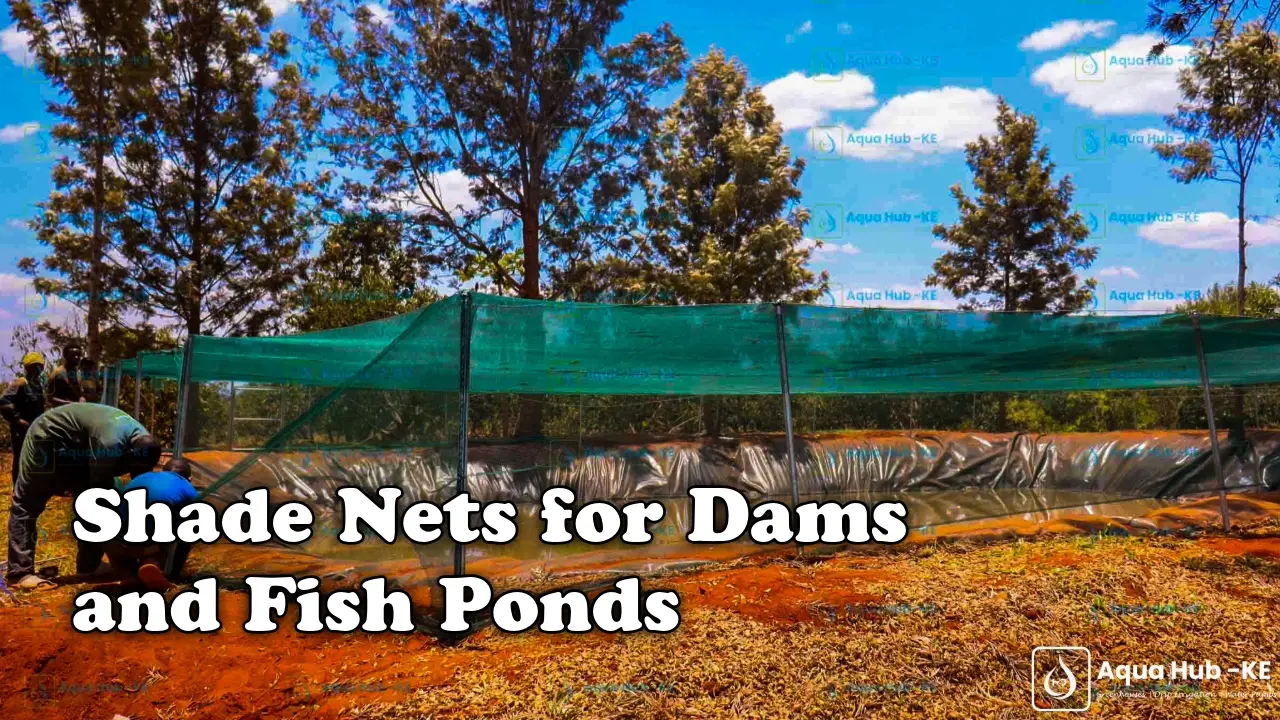
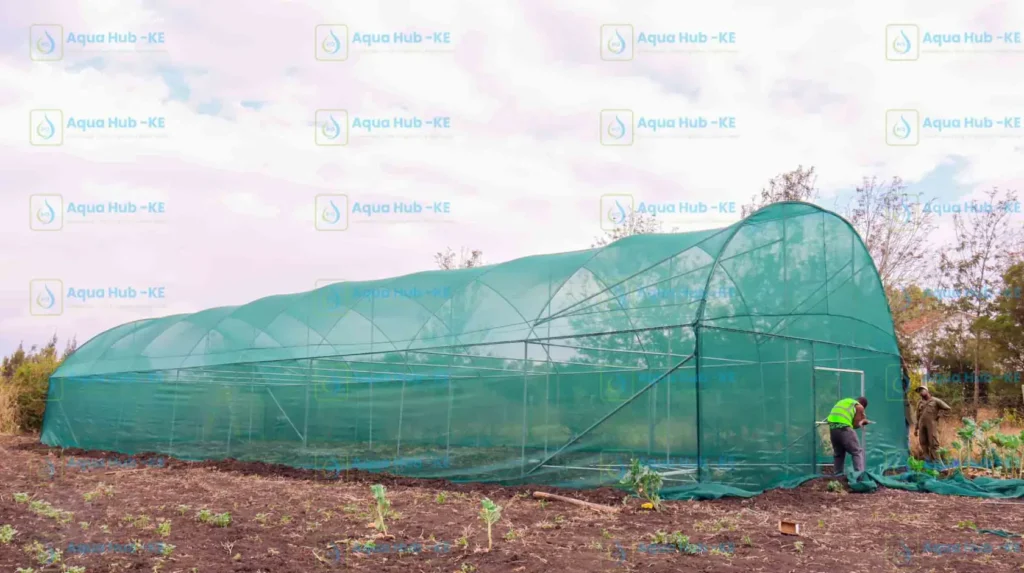
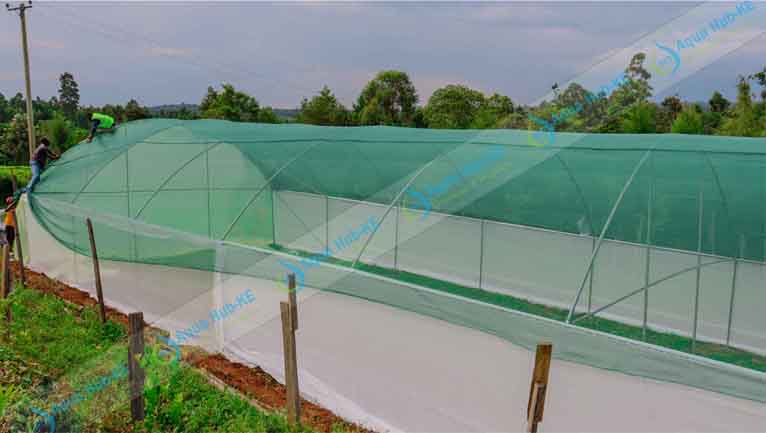
Shade nets for dams and fish ponds in Kenya reduce the amount of water lost to evaporation from a dam or fish pond. Additionally, they also serve to control algae growth and protect water quality by keeping debris out.
At Aqua Hub Kenya, we supply shade nets for dams and fish ponds in a range of percentages and sizes.
Call Aqua Hub Kenya on +254790719020 or email info@aquahubkenya.co.ke to get a quote for your dam or pond.
Why Farmers Use Shade Nets for Dams in Kenya
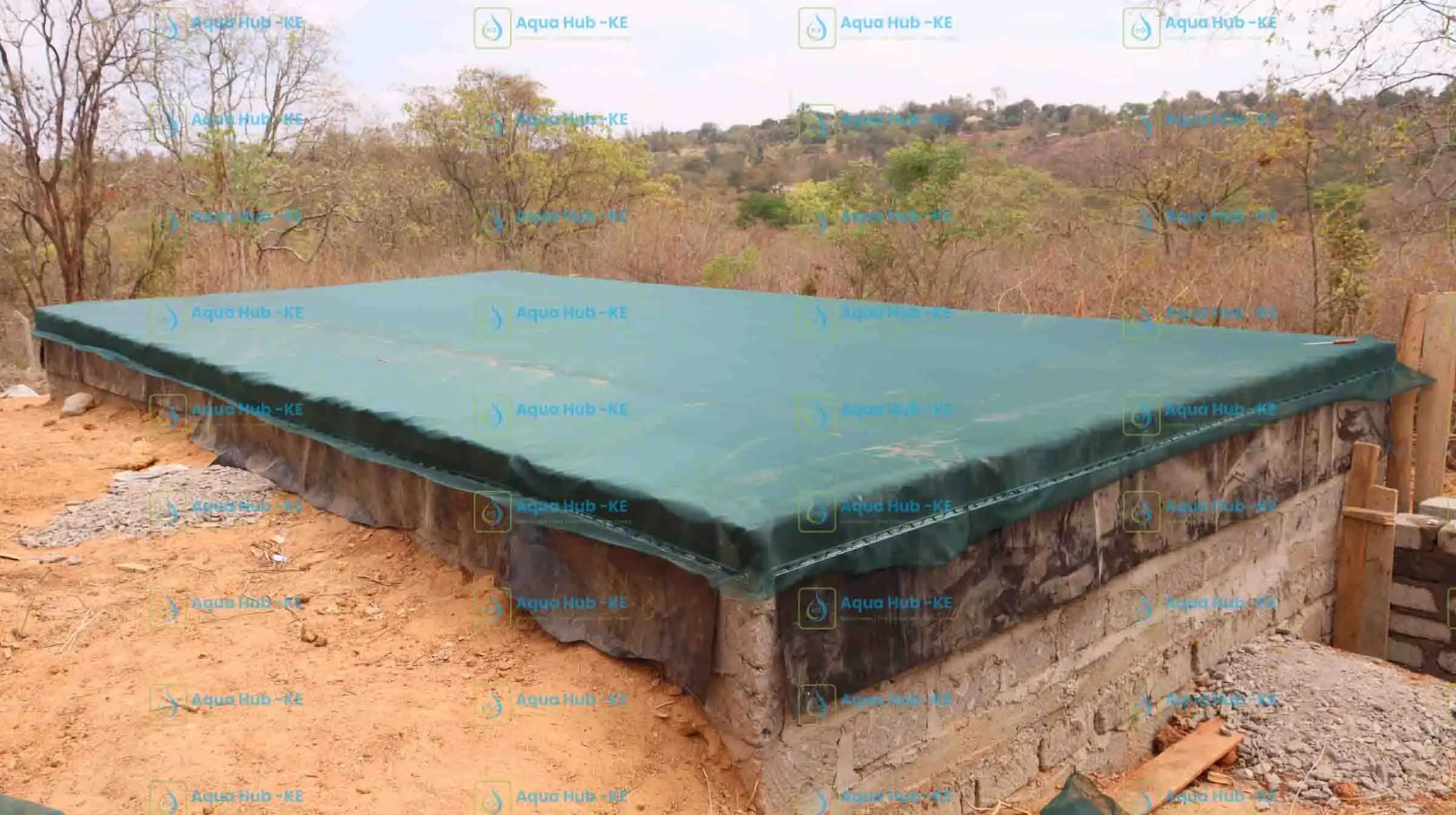
An uncovered dam in Kenya loses water to evaporation at a very high rate. In hot and dry conditions, which are the common in Kenya, an open water surface can lose between 5 and 10mm of water depth per day to evaporation.
For a 20 by 20 metre dam, that is between 2,000 and 4,000 litres per day disappearing before a single drop reaches the crops and livestock.
A shade net for a dam does not eliminate evaporation entirely. However, it does reduce it by a huge margin. For a Kenyan farmer relying on a lined dam through the dry season, it is important to save as much water as possible.
In addition to reducing evaporation rates, shade nets also control algae. Direct sunlight increases the rate of growth of algae in still water. Heavy algae blooms reduce water quality and can also clog irrigation systems downstream. They can also harm livestock or fish that rely on the water in the dam. A shade net limits the sunlight reaching the water surface and slows algae growth significantly.
Shade Nets for Fish Ponds in Kenya
For fish pond operators, shade nets serve additional purposes beyond the ones for standard water storage dams, such as:
- Temperature control – Fish are sensitive to water temperature changes. In Kenya’s hotter regions, water temperatures in an uncovered pond can rise to high levels that stress the fish. Consequently, this can reduce their rate of growth and reproduction. A 50% or 75% shade net keeps water temperatures within a manageable range.
- Predator control – Open fish ponds are accessible to birds like herons and kingfishers. These birds can remove a significant number of fish from an unprotected pond. A shade net placed over the pond acts as a physical barrier preventing birds from landing on the water.
- Debris exclusion – Leaves and dust can settle into open ponds and decompose. This, in turn, degrades water quality over time. A shade net cover keeps the pond cleaner between water changes.
- Algae management – The same algae control that applies to irrigation dams applies to fish ponds. Excessive algae competes with fish for dissolved oxygen at night. This can cause oxygen depletion and fish losses. Shade netting reduces algae growth and improves oxygen balance in the pond.
Which Shade Net Percentage to Use for Dams and Fish Ponds
Shade nets in Kenya are available in percentages from 35% to 90%. The percentage tells you how much sunlight the net blocks. For dams and fish ponds, the choice depends on your primary goal.
35% Shade Net
A 35% shade net blocks just over a third of sunlight. It reduces evaporation and slows algae growth but allows most light through. This is a lighter option suited to cooler highland areas where temperature reduction is not a major concern.
50% Shade Net
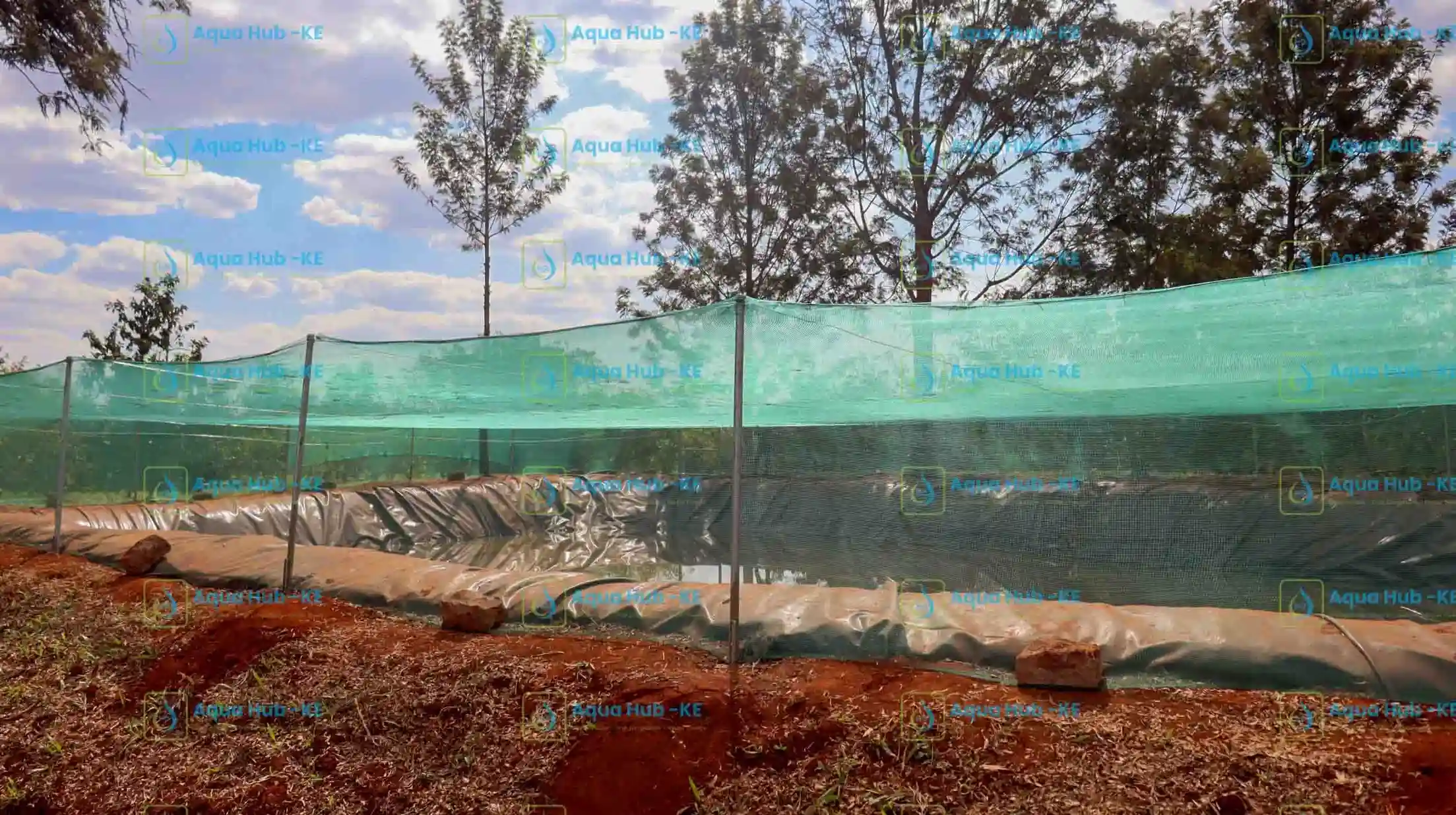
A 50% shade net is the most commonly used option for farm dams in Kenya. It provides a practical balance between evaporation reduction and structural simplicity. The net is lighter than 75% and 90% options. Therefore, less load is put on the supporting structure making it easier to handle during installation and removal.
75% Shade Net
A 75% shade net blocks three quarters of sunlight. It provides strong evaporation control. Furthermore, it significantly reduces algae growth. This is the right choice for dams and fish ponds in hot, low altitude areas where direct sun exposure is intense.
90% Shade Net
A 90% shade net is the heaviest option and is rarely use for fish ponds. This is because it blocks too much light for healthy aquatic plant growth. For water storage dams, 90% netting provides maximum evaporation control and is occassionally used in extremely hot or high-wind environments where maximum cover is needed.
Shade Net Sizes and Prices for Dams in Kenya
Shade nets for dams and fish ponds in Kenya are sold by the metre. Standard widths are 2 metres, 3 metres, 4 metres and 6 metres. In cases where the dam is larger, multiple panels are joined using shade net clips or ties.
The price varies by shade percentage and quantity ordered.
| Shade Percentage | Price Per Metre (KES) |
|---|---|
| 35% | 70 |
| 50% | 85 |
| 75% | 105 |
| 90% | 160 |
You can call Aqua Hub Kenya on +254790719020 to discuss your dam dimensions and get a quote for both the shade net and installation.
How to Set Up Shade Netting Over a Dam in Kenya
Installing a shade net over a farm dam does not require a complex structure.However, it does need to be done properly to last through wind and rain without collapsing into the water.
Simple Float and Anchor Method
For smaller dams up to about 10 by 10 meters, the net can be supported using bouyant floats at the centre. Additionally, it can be anchored at the dam banks with pegs or rocks. The net rests on the float in the middle and is pulled taut to the edges. This is a low-cost method that words for basic evaporation and debris control. However, it is less effective at keeping predators out because birds can still access gaps at the edges.
Pole Frame Method
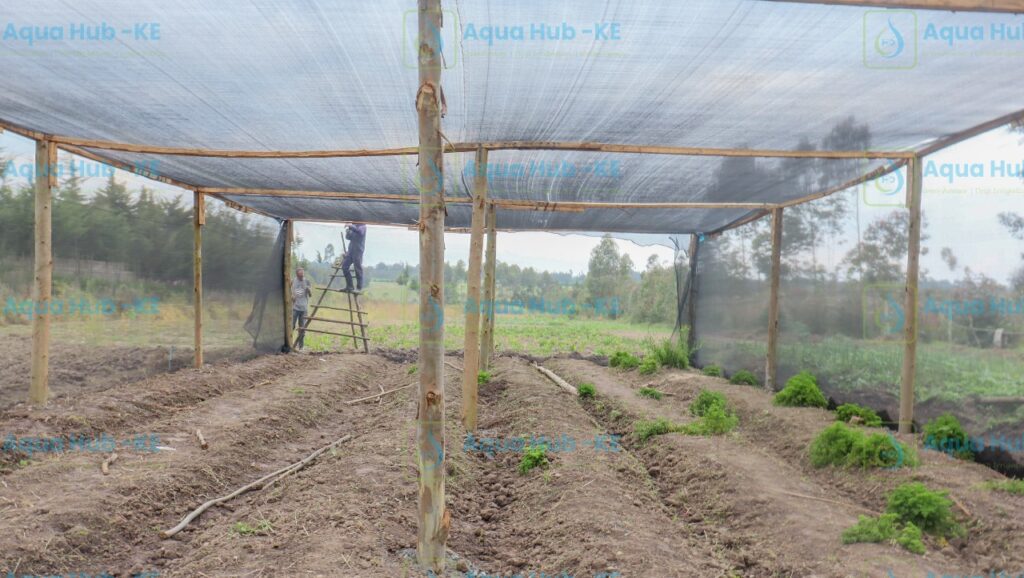
For most farm dams in Kenya, a simple pole frame around the perimeter gives you better installation. You simply drive treated timber or galvanised metal poles into the dam banks at regular intervals, then run a wire or rope perimeter between them. From there, you attach the shade net to the perimeter wire using clips or tie wire.
Once in place, you pull the net across the top of the dam and secure it to the perimeter wire so it hangs just above the water surface. This setup has various advantages over the float method such as:
- keeps the net clean
- covers the full water surface
- blocks bird access
- handles wind better
For fish ponds where predator control matters most, extend the frame at least 30 centimetres above the pond edge on all sides. This stops birds from walking in from the banks under the net.
Combining Shade Nets With Dam Liners
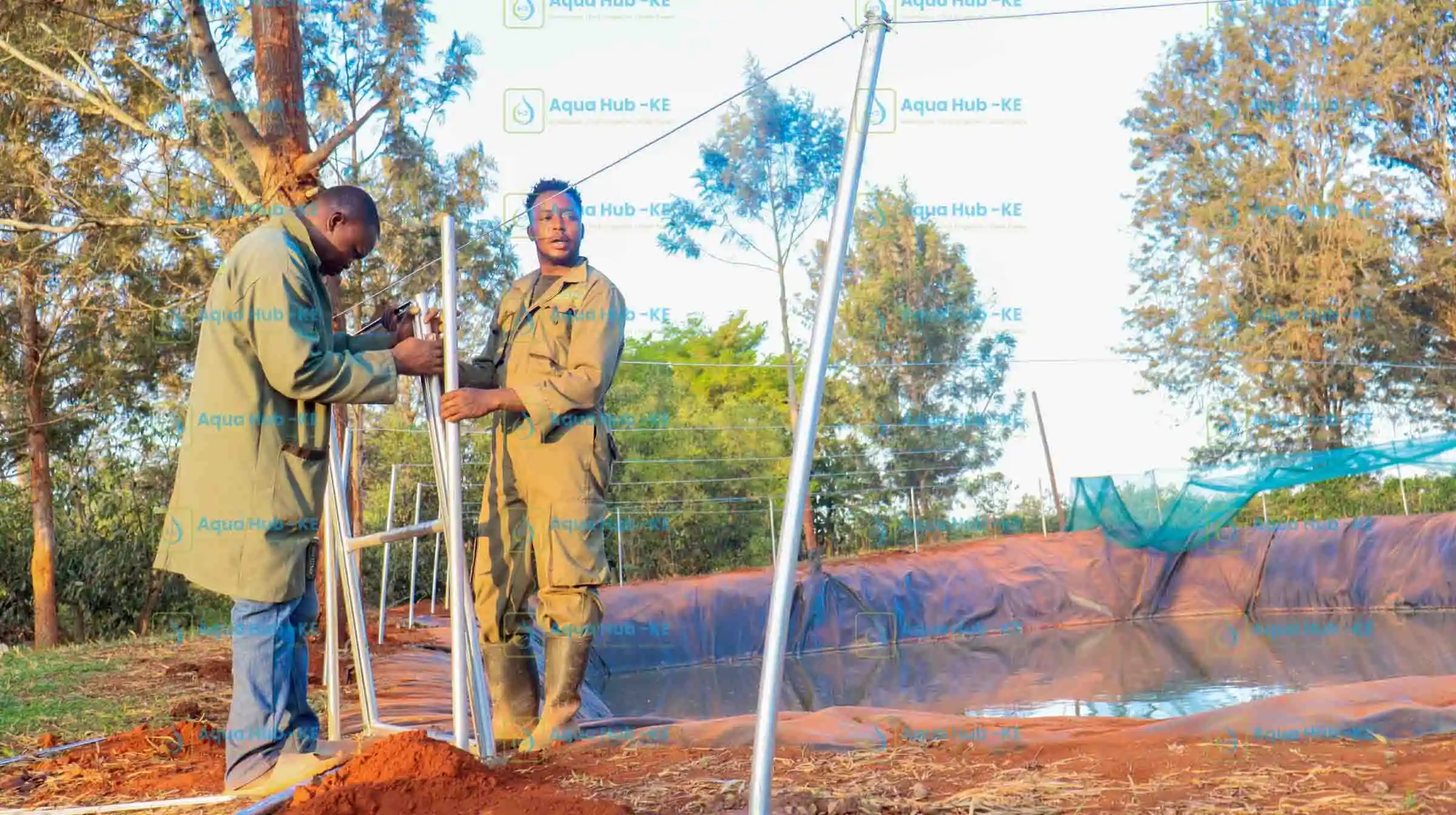
The most effective farm dam setup in Kenya pairs a dam liner with a shade net cover.
The dam liner, a heavy HDPE sheet that you lay inside the excavated dam, stops water from seeping into the surrounding soil. Without it, an unlined dam in Kenya’s sandy or murram soils loses 30 to 60 percent of its water to seepage. Consequently, even the best shade net is pointless if you have not sealed the base first.
Once you have the liner in place, the shade net takes over at the surface. This protects the stored water from evaporation and contamination. These two products can thus allow the farmer to conserve as much water as they need for irrigation.
We stock both dam liners and shade nets at Aqua Hub Kenya. To get help on choosing the right combination for your farm, call +254790719020 or email info@aquahubkenya.co.ke.
Other Uses for Shade Nets Around Dams and Ponds
Other than covering the water surface, shade nets do several other useful jobs in dam and fish pond operations:
- Windbreaks – when you install a shade net panel vertically around a dam or pond, it cuts wind speed acrooss the water surface. Since wind drives a significant share of surface evaporation, placing a windbreak on the prevailing wind side reduces losses without needing to cover the water at all.
- Nursery shading near irrigation source – farmers who use a dam to store irrigation water usually set up a seedling nursery close to the dam. Placing a shade net structure over the nursery gives seedlings the 50% or 75% coverage they need during propagation. We stock seed trays and coco peat alongside shade nets. Therefore, you can source the full nursery setup from Aqua Hub Kenya.
- Bank stabilisation cover – newly excavated dam banks erode quickly. Laying a shade net temporarily over the exposed banks slows wind and rain erosion while grass or other ground cover takes hold.
Frequently Asked Questions
How much water can shade nets for dams actually save?
Evaporation reduction depends on shade percentage and local climate, but well-installed shade nets can meaningfully cut water loss compared to a fully exposed dam, particularly in hot, low-rainfall areas.
What shade percentage is best for a tilapia pond?
The best shade percentage for tilapia ponds is one with 50 to 60 percent shade netting. This is because this percentage balances temperature control with adequate light for the pond life to thrive.
Can shade nets be installed over an existing dam liner?
Yes. Shade nets can be installed over an existing dam as a separate structure do not interfere with the liner’s function.
Do shade nets for fish ponds affect oxygen levels in the water?
Yes. Shade nets do affect oxygen levels in the water by limiting excessive algae growth thus reducing oxygen depletion.
How long do shade nets for dams and fish ponds last?
Shade nets for dams and fish ponds can last several years depending on whether they are UV-stabilised and properly installed with regular inspection.
Is full pond coverage necessary, or is partial shading enough?
This depends on your climate, fish species, and budget. Partial coverage still reduces evaporation and heat stress, though full coverage offers the strongest protection in extreme heat areas.
Can shade nets protect fish ponds from bird predation?
Yes, shade nets can protect fish ponds from bird predation. Beyond shading, the netting acts as a physical barrier that discourages birds from landing on the water surface, which particularly benefits fingerlings and juvenile fish.
What support structure works best for a large dam?
Larger dams typically require cable-supported netting spanning the water surface, anchored at reinforced points around the perimeter to handle wind load.
Final Thoughts on Shade Nets for Dams and Fish Ponds
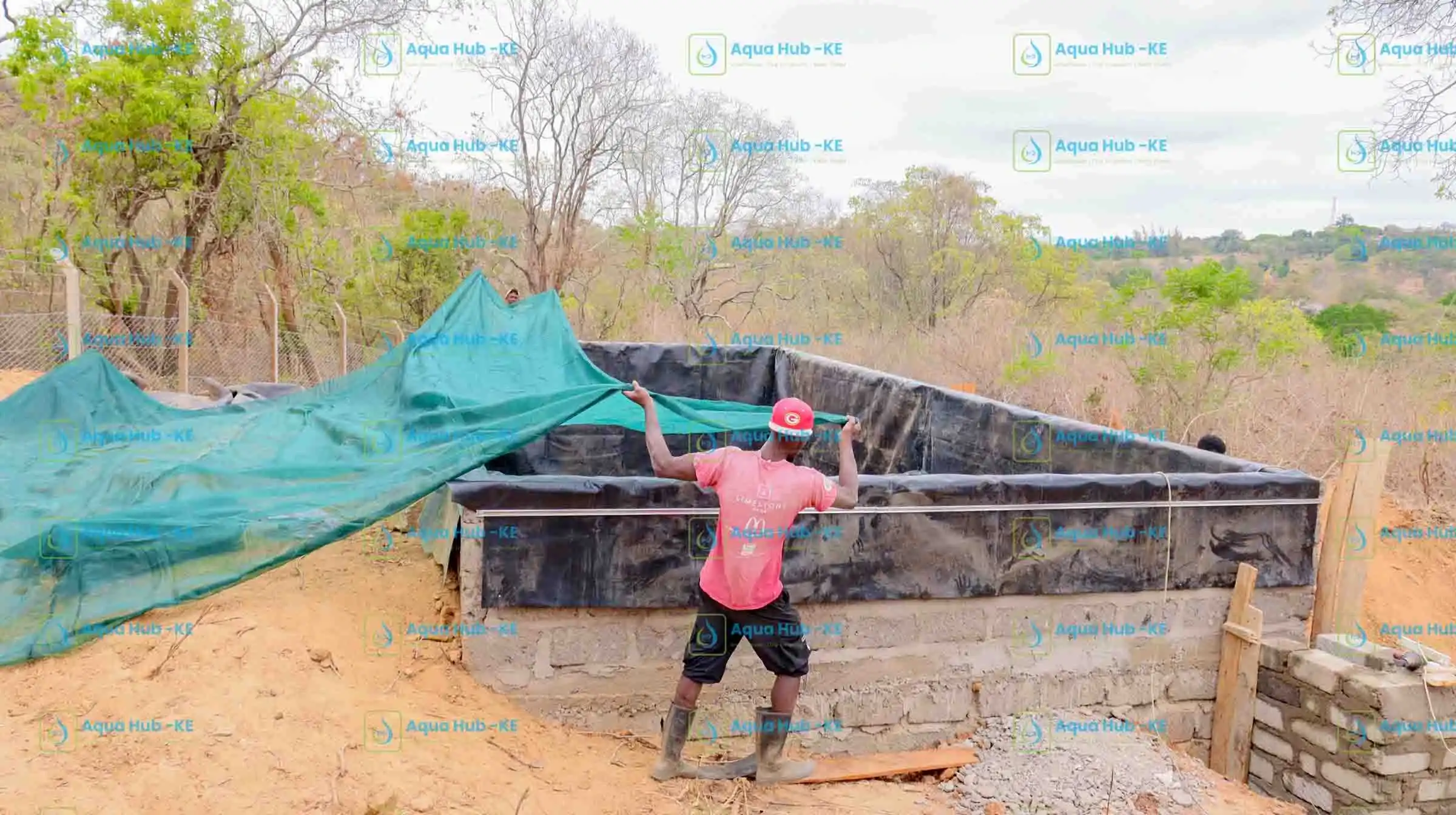
Water storage and fish farming both depend on protecting the water resource. A dam liner prevents water from seeping into the soil. However, without a shade net, the sun will cause a lot of the stored water to evaporate. A fish pond can be perfectly constructed and still underperform if temperature swings and algae growth go unmanaged
Shade nets for dams and fish ponds address both of these gaps directly, protecting water volume and support healthier fish growth.
Call Aqua Hub Kenya via telephone on +254790719020 to learn more about available shade nets for dams and fish ponds.