
Blog
Grain Solar Dryers for Farms | Costs by Aqua Hub Kenya
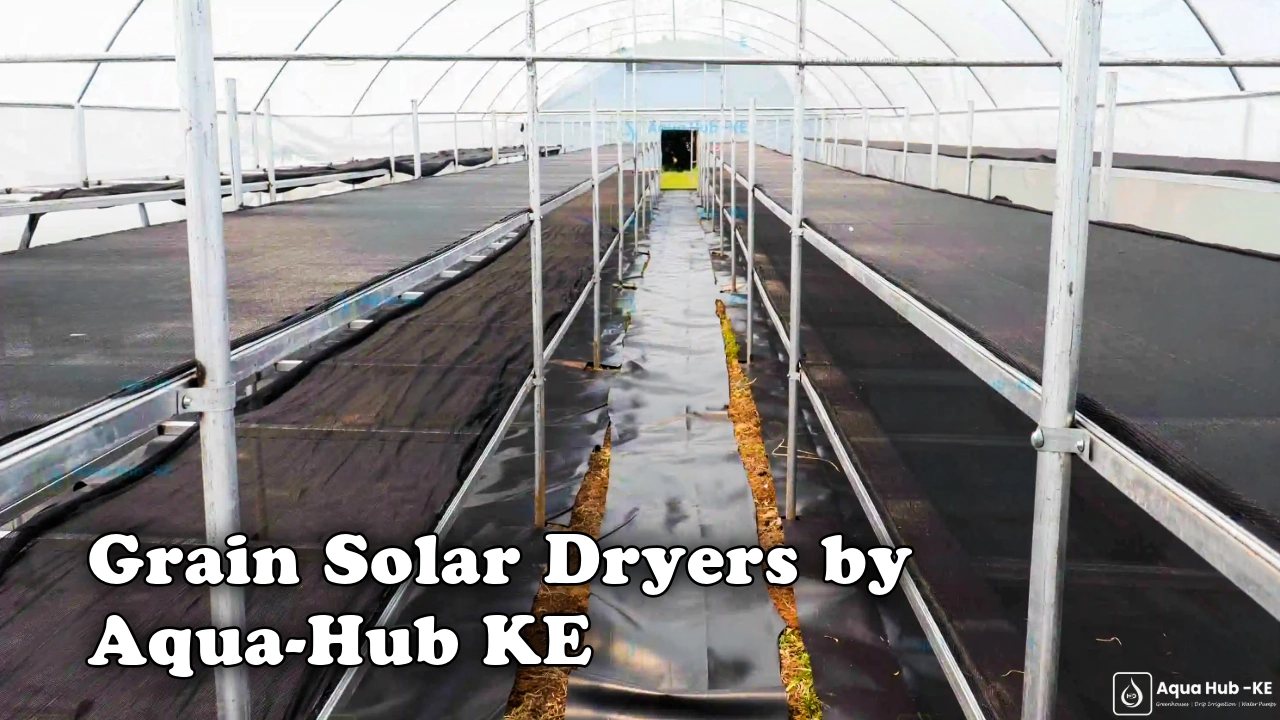
Grain solar dryers start at KES 150,000 for a 3 × 3 × 2 metre dryer and reach KES 824,000 for an 8 × 30 metre dryer at Aqua Hub Kenya.
Harvested grain holds moisture, and damp grain spoils quickly in storage. A solar dryer uses heat from the sun to lower that moisture, so the grain stays good until the farmer sells it or uses it. Dryers come in several sizes, which means the right choice depends on how much grain a farm harvests.
Aqua Hub Kenya supplies grain solar dryers in six sizes, so small farms and large farming operations can each buy a dryer that matches their harvest. Describe your harvest by calling +254790719020, and the team will help you pick a size.
What Grain Solar Dryers of Each Size Cost at Aqua Hub Kenya
The price depends on the dryer you choose. The table lists each size with its price in Kenya shillings.
| Size | Cost | Capacity |
| 3x3x2 | 167000 | 150-350kgs |
| 8×15 | 776000 | 900-1000kgs |
| 8×30 | 1300000 | 1800-3000kgs |
| 5x8x2 | 520000 | 450-700kgs |
Prices can change with the order, so call +254790719020 for the exact price of the dryer you want.
Dryer Sizes in the Aqua Hub Kenya Range
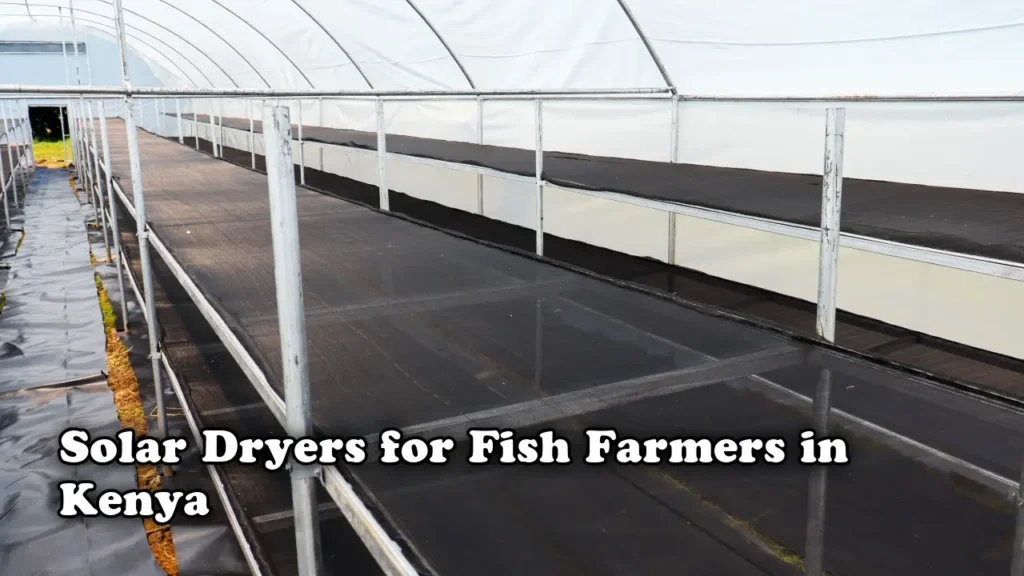
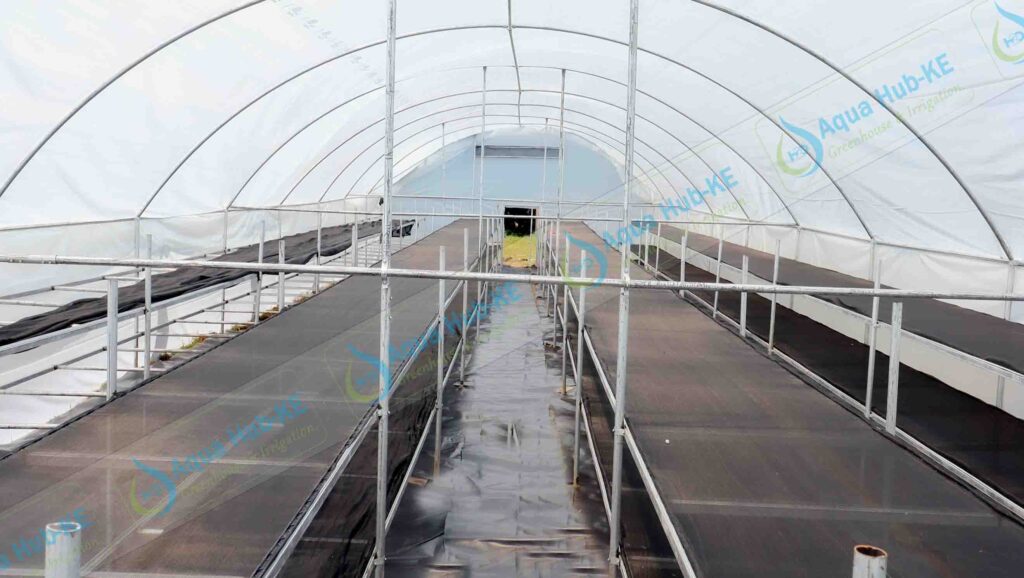
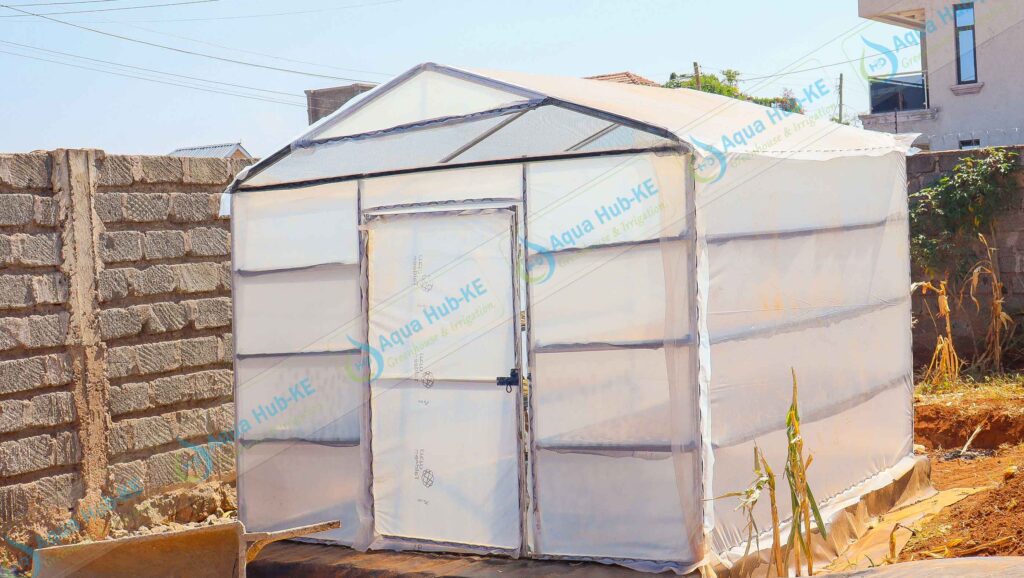
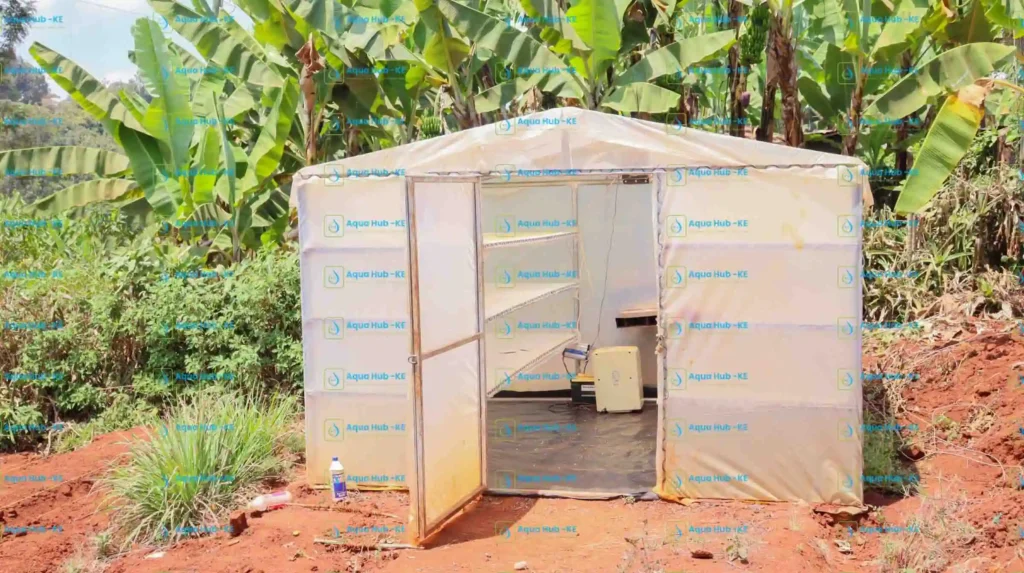
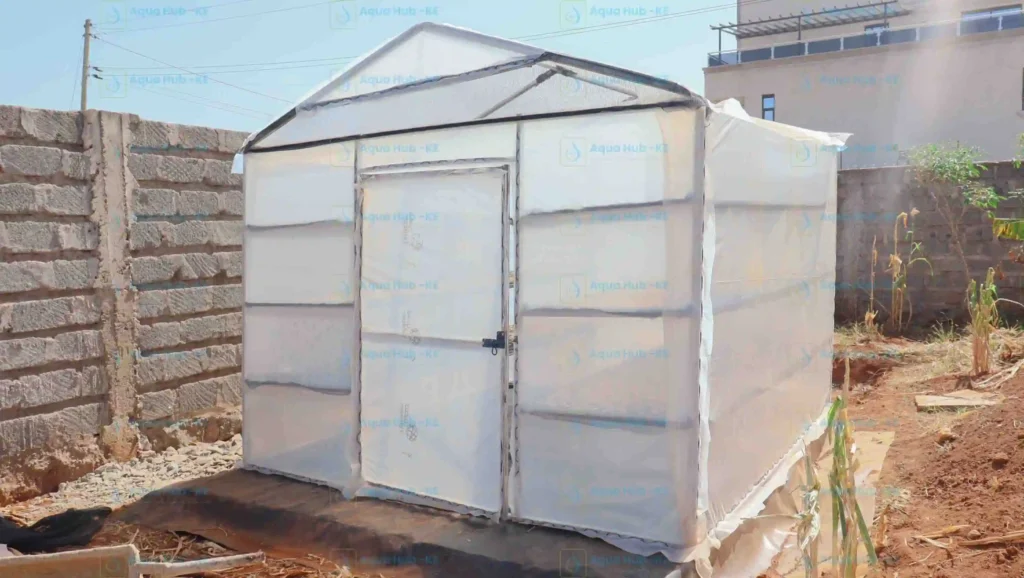
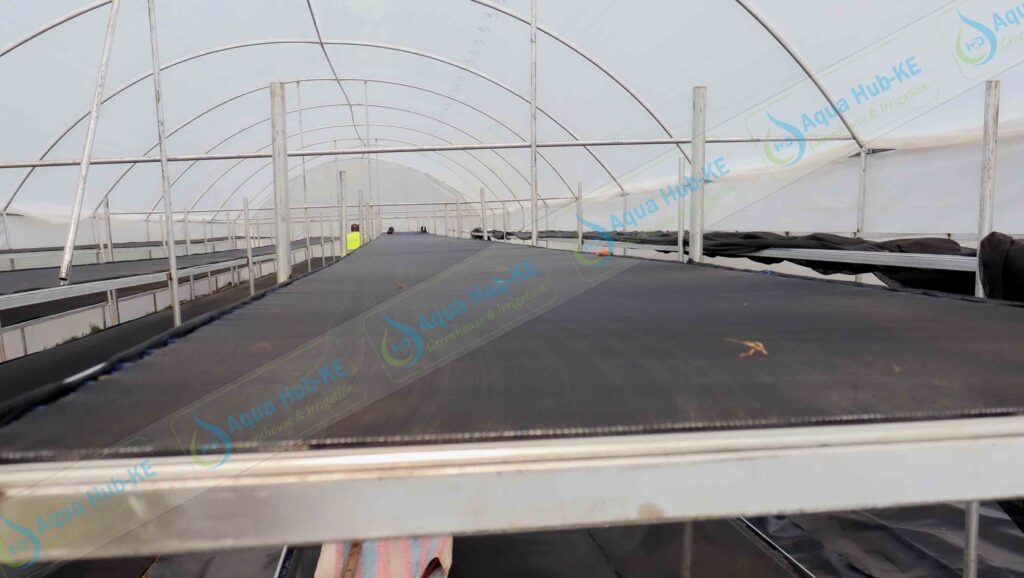
A farm with a small harvest usually starts with the 3 × 3 × 2 metre dryer, whereas farms and groups that handle large harvests look at the larger dryers, which run from 8 × 15 to 8 × 30 metres. The 5 × 8 × 2 and 6 × 10 metre dryers serve mid-sized harvests. A larger dryer takes more grain in one load, but it also needs more space, so measure your plot before you decide.
Matching Grain Solar Dryers from Aqua Hub Kenya to Your Harvest
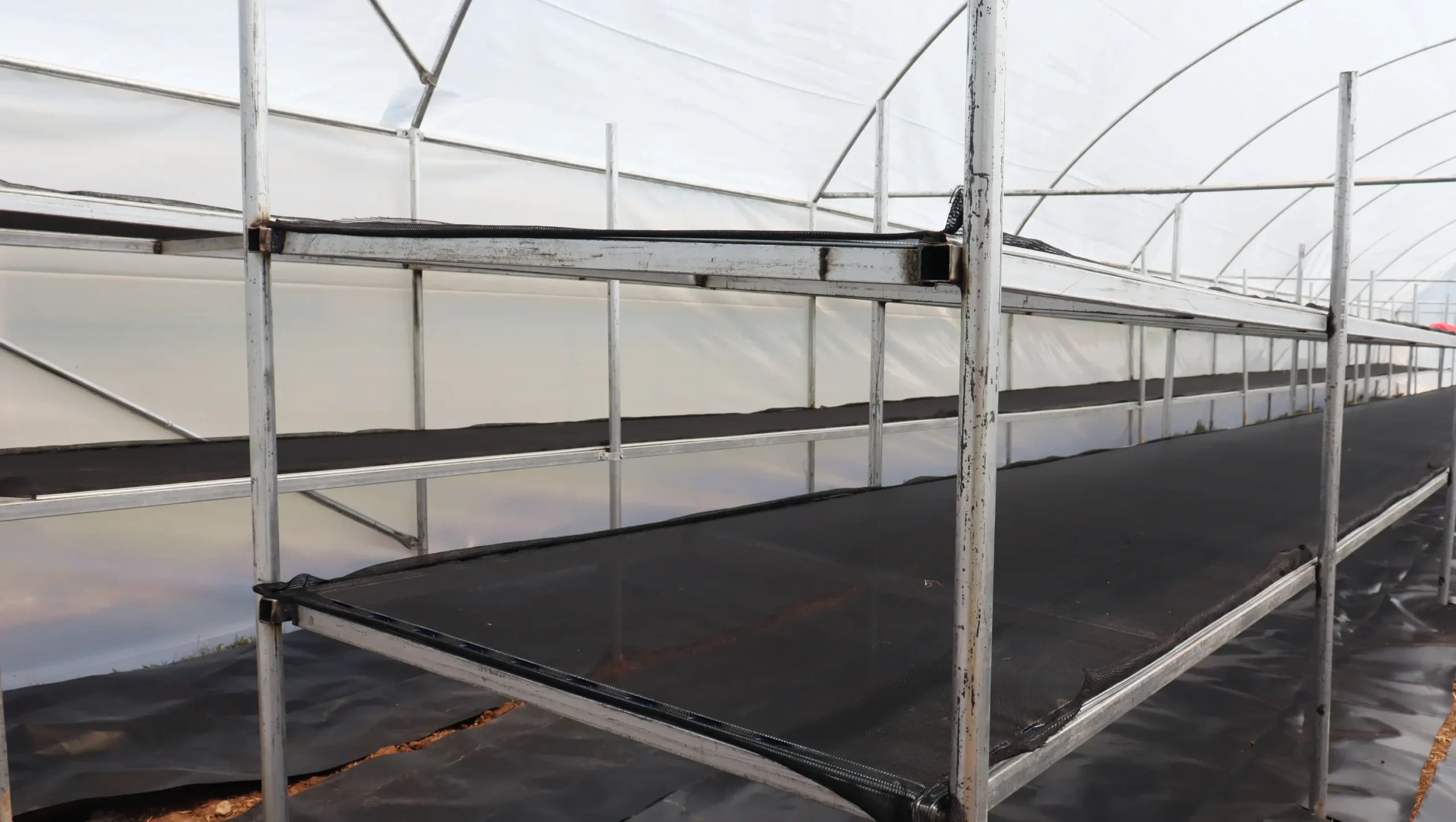
The best dryer depends on how your farm harvests and sells grain. Work out these figures before you choose a size:
- Amount of grain you harvest at one time.
- Number of harvests each season.
- Days you can wait before the grain must be dry.
- Space available at the site.
- Crops you plan to dry, since each has its own drying rate.
A farm that harvests in one large batch needs a bigger dryer than a farm that harvests in small lots over several weeks. Likewise, a farm that sells to buyers with strict moisture limits needs reliable drying, so size the dryer for the busiest week of the harvest.
How Grain Solar Dryers by Aqua Hub Kenya Dry Your Harvest
A solar dryer collects heat from the sun and passes that heat to the air around the grain. The warm air absorbs moisture from the grain, and the moving air carries the moisture away. Grain dried this way loses moisture more evenly than grain left in a heap.
Heat and Airflow
Warm air holds more moisture than cool air, which is why drying speeds up as the day gets hotter. Airflow matters as much as heat, since still air fills with moisture and slows the drying. Therefore, spread the grain so that air can move through it. On hot, dry days a load dries faster, and on cloudy days it needs more time.
Why Farmers Use Grain Solar Dryers After Harvest
Grain that stays damp develops mould, and mould in stored maize can produce aflatoxin, which makes the grain unsafe to eat. Dry grain also stores for longer and keeps its quality for sale. Maize stores safely at about 13 percent moisture, and other grains have their own targets. Buyers and millers also test moisture before they pay, so properly dried grain lowers the risk of a rejected sale. Grain solar dryers let farmers reach that level without waiting for perfect weather.
Open-Air Drying and Its Limits
Many farmers still dry grain on mats or on the bare ground. Rain, birds, livestock and dust all reach grain left in the open, and a sudden shower can undo days of drying. A solar dryer gives the grain a covered space, so the weather matters less.
Crops Suited to Grain Solar Dryers from Aqua Hub Kenya
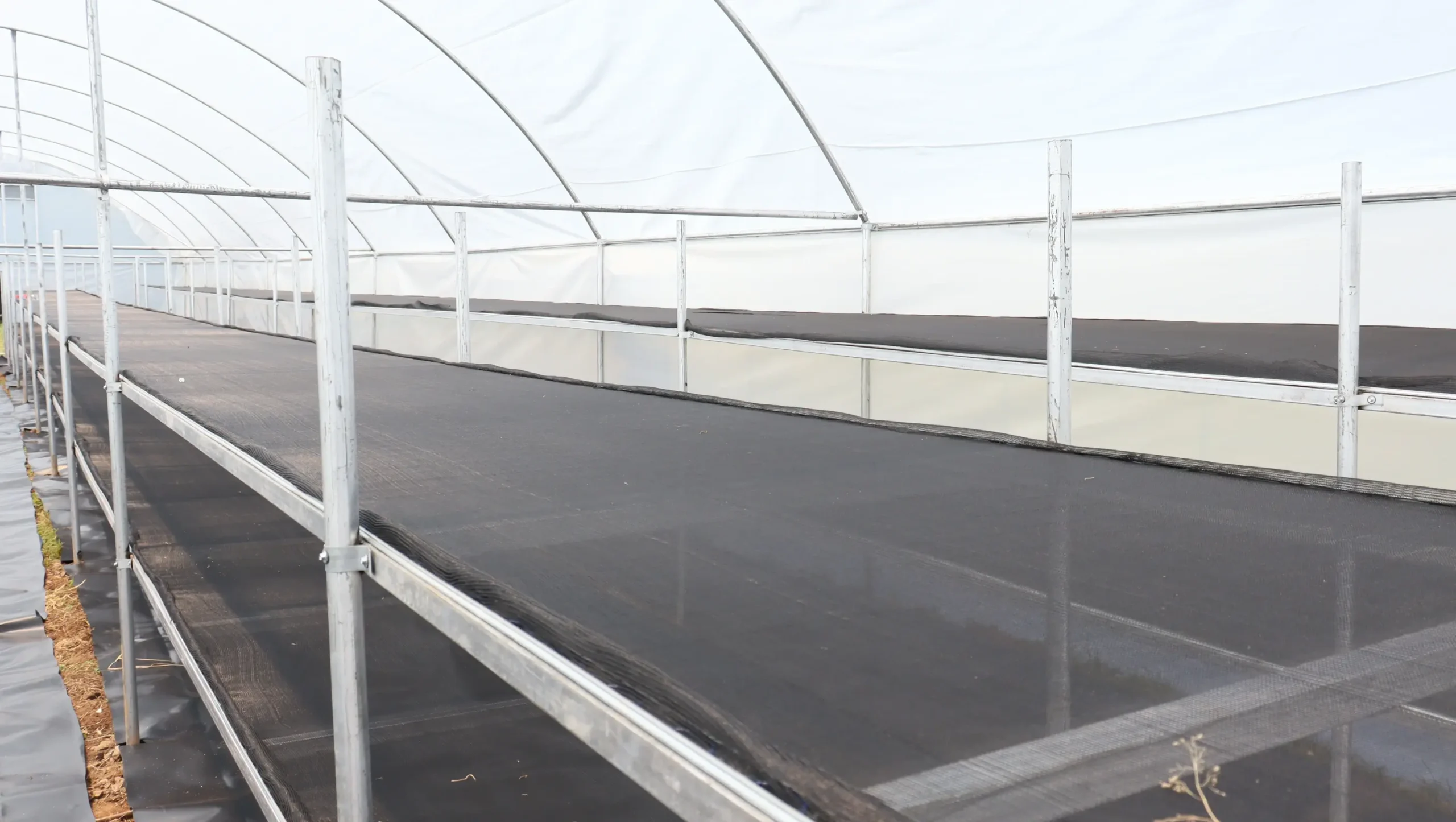
Farmers dry many cereals and pulses in a solar dryer, such as:
- Maize.
- Sorghum.
- Millet.
- Wheat.
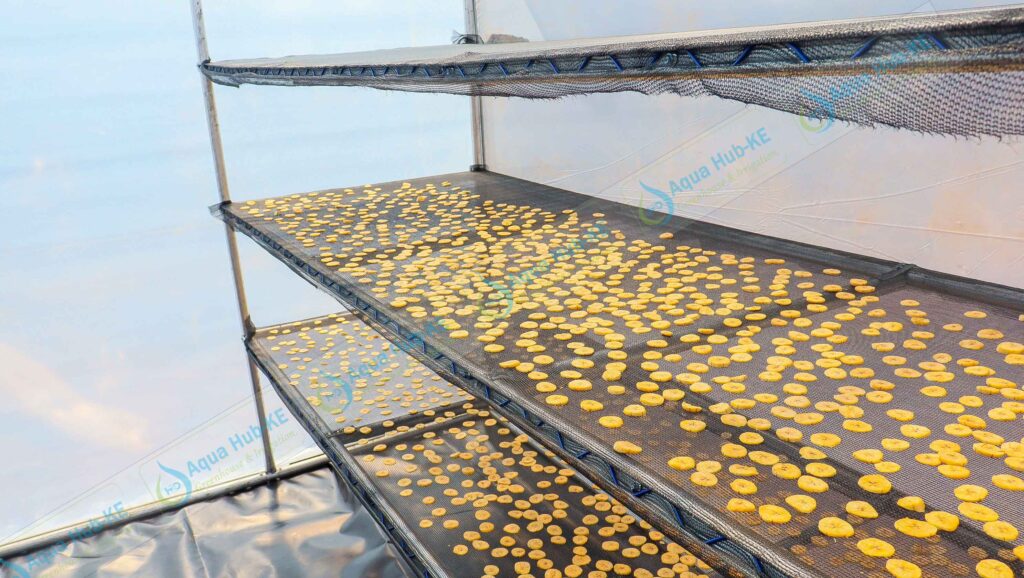
- Banana.
- Beans.
- Green grams.
They are also frequently used on fish farms. Each crop dries at its own rate, so check the moisture level regularly instead of relying on time alone.
Choosing a Site for Solar Dryers Supplied by Aqua Hub Kenya
The site affects how well a dryer works. Look for a spot that offers:
- Full sunlight from morning until late afternoon.
- Level ground that drains well after rain.
- Open surroundings, with no trees or buildings casting shade.
- Easy access for vehicles that carry bags of grain.
Avoid low spots where water collects, because standing water around the dryer keeps the air damp.
Large dryers need room for the whole structure and space to move grain in and out, so measure your plot before you order. If you are not sure that your plot fits a given size, email info@aquahubkenya.co.ke with the dimensions.
Step-by-Step Use of Grain Solar Dryers from Aqua Hub Kenya
Farmers get the best results when they follow a fixed routine for each load. A typical sequence is:
- First, they sort the grain and remove soil and chaff.
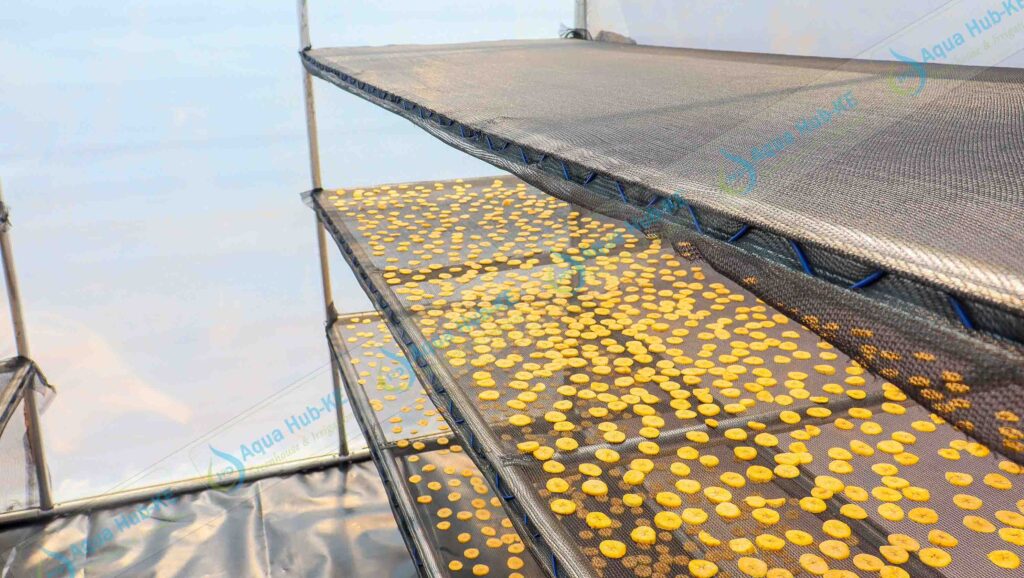
- Then they spread the grain in a thin, even layer so that air reaches all of it.
- During the day, they turn the grain at regular intervals so that every part dries evenly.
- Once the grain feels dry, they test its moisture level.
- Finally, they let the grain cool and pack it into clean, dry bags.
Checking Moisture Before Bagging
A moisture meter gives a reading in seconds, and it removes guesswork. Test several samples from different parts of the load, because some parts may dry faster than others. Bag the grain only when the reading reaches the target for your crop. If it falls short, return the grain to the dryer for more time.
Storing Dry Grain After It Leaves the Dryer
Dry grain can take up moisture again in a damp store, so storage matters as much as drying. Cool the grain before you bag it, because warm grain in a closed bag releases moisture that gathers inside the bag. Then follow these storage points:
- Use clean, dry bags or containers.
- Stack bags on pallets, away from walls and the bare floor.
- Keep the store ventilated and free of leaks.
- Label each batch with its drying date, so older grain goes out first.
- Check stored grain regularly for mould and insects.
Keeping a Solar Dryer by Aqua Hub Kenya in Good Order
A dryer lasts longer when the farmer attends to it between loads. Between loads, a farmer should:
- Sweep out spilt grain and dust.
- Wash the scoops and sieves that touch the grain, so that old grain does not mix with fresh grain.
- Inspect the structure for damage, especially after strong wind or heavy rain.
- Clear standing water and weeds from the surroundings.
Before each harvest season, inspect the whole dryer and repair any damage, so that it is ready when the first load arrives.
If you notice damage that you cannot fix, call +254790719020 and describe the problem to the team.
Why Choose Aqua Hub Kenya for Grain Solar Dryers?
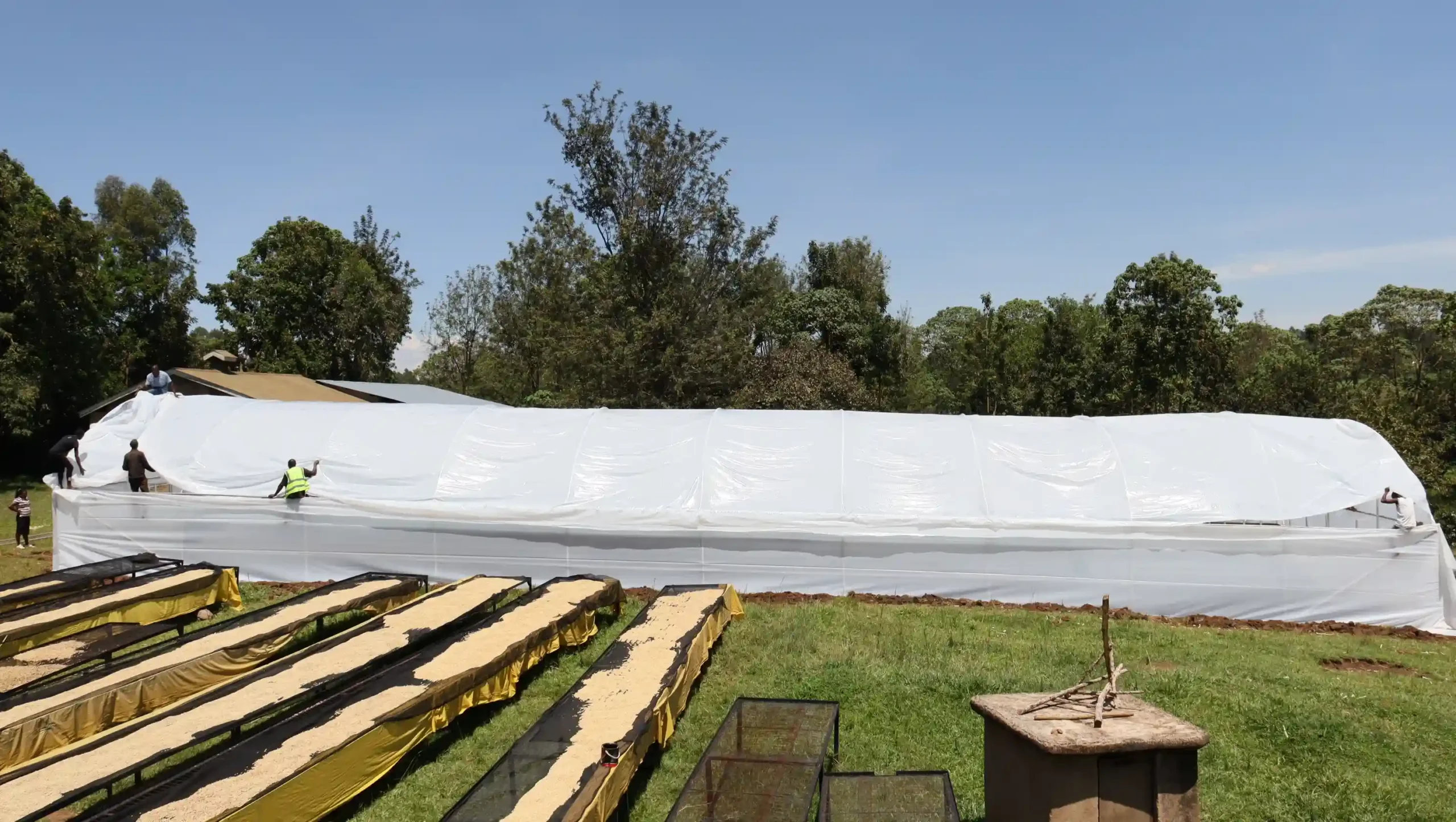
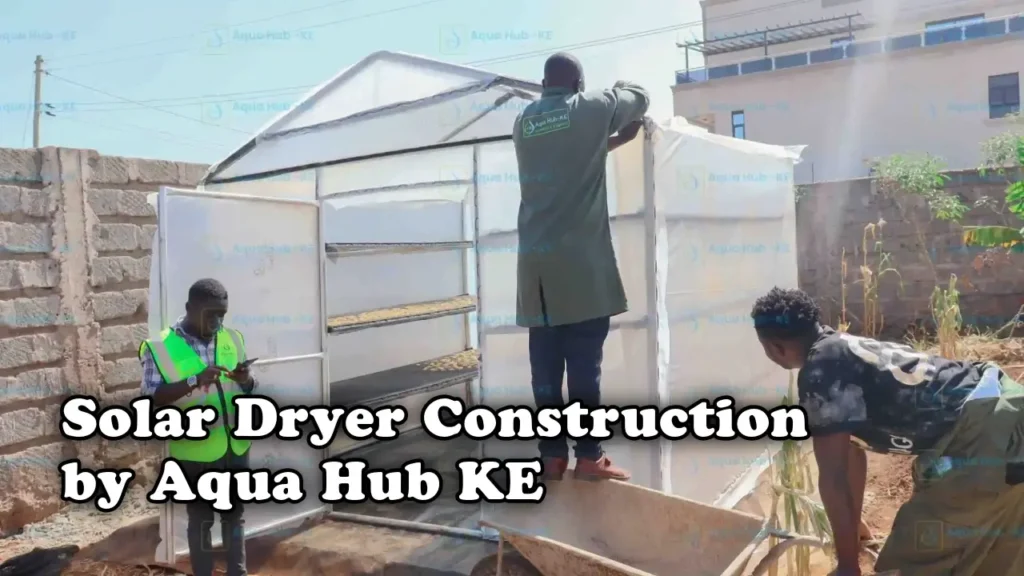
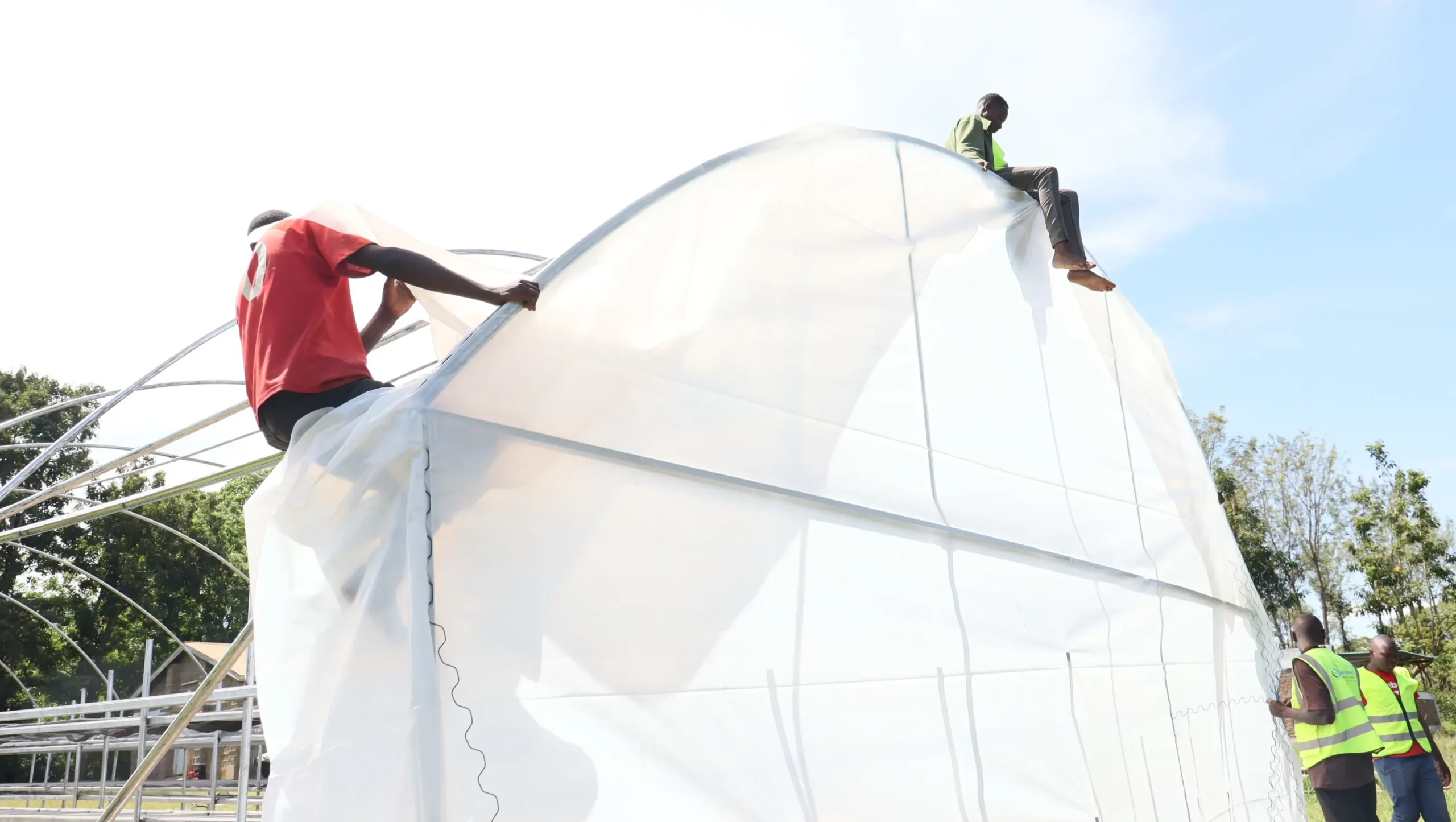
Aqua Hub Kenya supplies and installs solar dryers from 3 × 3 × 2 metres up to 8 × 30 metres, so a farm can buy the size that suits its current harvest. A farmer whose harvest grows can return for a larger dryer.
The team also supplies greenhouses and irrigation equipment, which means one supplier can serve the farm from planting through to drying. When you share your harvest volume and plot size by emailing info@aquahubkenya.co.ke or by calling +254790719020, the team can match you to a dryer.
Frequently Asked Questions
What is a grain solar dryer?
A grain solar dryer uses the heat of the sun to remove moisture from harvested grain in a controlled space.
How much does a solar dryer for grain cost in Kenya?
Grain solar dryers cost between KES 150,000 and KES 824,000 at Aqua Hub Kenya, depending on the size. Email info@aquahubkenya.co.ke or call +254790719020 to confirm the exact price.
How long does grain take to dry in a solar dryer?
The time depends on the crop, the starting moisture level, the thickness of the layer and the weather. Test the moisture to know when the grain is ready.
What moisture level should grain reach before storage?
Maize stores safely at about 13 percent moisture. Other grains have their own targets, so check the level for your crop with your buyer or a local agricultural officer.
Can I dry grain in the rainy season?
On cloudy or wet days drying slows, so check the moisture more often until the grain is ready.
Which crops can I dry in a solar dryer?
Cereals and pulses such as maize and beans dry well, along with sorghum, millet, wheat and green grams.
Is a solar dryer better than drying grain on the ground?
A solar dryer usually gives faster and more even drying, and it limits exposure to animals and dust. Grain dried on the ground stays open to rain, which can wet it again.
How do I choose a dryer size?
Match the size to the amount of grain you dry in one harvest. Smaller dryers suit small harvests, and larger dryers suit farms that handle big volumes. Call +254790719020 with your harvest volume, and the team will suggest a size.
Does grain need cleaning before it goes into the dryer?
Yes. Removing soil and chaff first helps the grain dry evenly and keeps the dryer cleaner.
Final Thoughts on Grain Solar Dryers for Farms
Grain solar dryers let farmers dry their harvest faster and more evenly than open-air methods. A well-chosen size and a sunny, well-drained site keep each load drying evenly, and regular moisture checks stop damp grain from reaching the store. Clean bags and a dry store then keep the grain in good condition until it is sold.
Grain solar dryers cost between KES 150,000 and KES 824,000, depending on size. Reach the team by calling +254790719020, or email info@aquahubkenya.co.ke, to confirm the price of the dryer that fits your harvest.