
Blog
Affordable Post-Harvest Solar dryers in Kenya
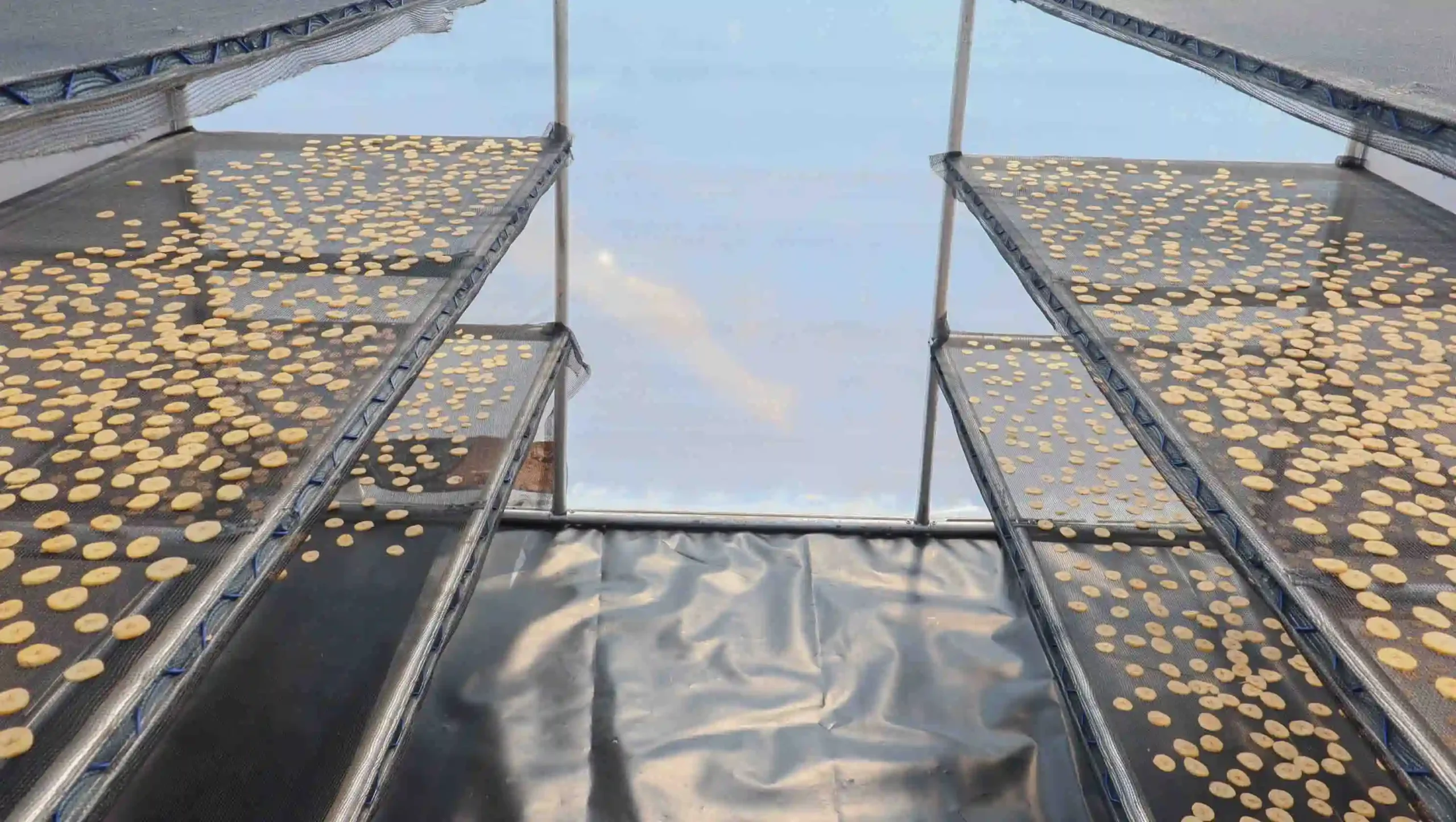
Fruits, vegetables, cereals, herbs, fish, coffee, pyrethrum and other cash crops can spoil due to poor drying conditions. Post-harvest solar dryers in Kenya are designed for efficient moisture removal from agricultural products using solar energy. Popular solar dryers structures are of different sizes based on the drying capacity or volume of your produce. Common ones include 2 x 2 x 2 m, 3 x 3 x 2m, 8 x 15 m, 8 x 30 m and 16 x 30m.
Explore the wide range of affordable solar dryers at Aqua Hub LTD. We are the leader in agricultural drying and irrigation systems in East Africa.
Call 0790719020
Quick Takeaways
- Solar dryers reduce post-harvest losses by up to 50–60%.
- Solar dryers can range from KES 130,000 to over KES 1,000,000 or more.
- The right choice of solar dryer depends on what you are drying and the drying capacity.
- For commercial drying, hybrid solar dryers are very reliable.
- Solar drying improves food quality and shelf life.
- Mangoes, vegetables, herbs, fish, and cereals dry faster in enclosed systems.
- Solar dryers generate returns on investment within 1- 2 years.
- Engage with Aqua Hub Kenya for Solar dryers.
Cost of Post-Harvest Solar Dryers in Kenya
Common solar dryers installed by Aqua Hub Kenya cost as follows:
- 3 x 3 x 2 : 130,000 – 150,000
- 5 x 8 x 2 : 200,000 – 350,000
- 6 x 6 x 2: 250,000 – 350,000
- 8 x15: 600,000 – 650,000
- 8 x 24: 750,000 – 870,000
- 8 x30: 950,000 – 1,500,000
Why Post-Harvest Drying Matters in Kenya
Most farmers in Kenya still rely on open sun-drying to preserve agricultural produce. Unfortunately, open sun-drying exposes your produce to dust, insects, rain, and contamination. Solar dryers offer a controlled environment with better drying conditions than open drying on the sun.
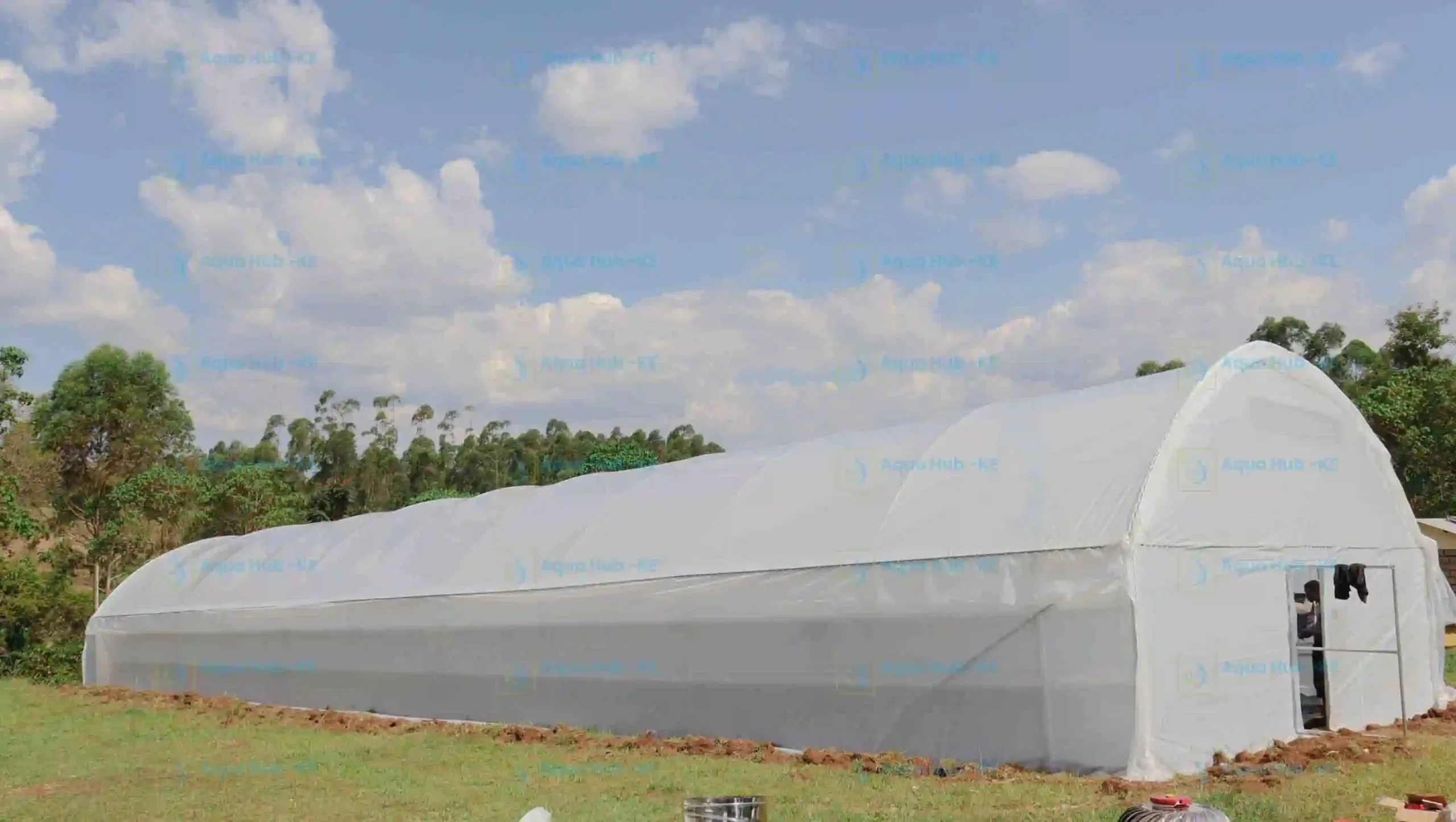
solar dryer for coffee installed in bungoma
Types of Post-Harvest Solar Dryers
Direct Solar Dryers
built with an enclosed drying chamber covered with a UV treated polythene that exposes crops directly to sunlight.
They are affordable and good small-scale farmers. Can be used to dry maize, cassava and other grains.
Indirect Solar Dryers
Indirect dryers heat air separately before passing it through the drying chamber. Used to preserve herbs, vegetables and some fruits.
Hybrid Solar Dryers
Hybrid solar dryers enhance faster drying, especially for commercial farmers. Our hybrid solar dryers are built using fabricated steel structure and clear UV treated Polythene sheet. It is fitted with furnace that burns charcoal or biomass to produce heat for drying when the sun is unavailable.
Used to dry coffee, pyrethrum, cereals, herbs, mango, cassava and moringa.
Factors Affecting Solar Dryer Prices
Materials
Galvanized steel structures will cost more than painted metallic solar dryers.
Drying Capacity
The more trays and chambers a dryer has, the higher the cost. Farmers should estimate daily harvest volumes before investing.
Installation
Labor for installation increases the cost of solar dryers.
Post-Harvest Solar Dryer Installation in Kenya
Solar dryers are often installed in open areas that are clear from trees. Choose an area that receives maximum sunlight.
How to Installation Post-Harvest Solar Dryers
- Identify a flat and open area with well drained soil to locate your dryer.
- Construct a slab to cover the floor and lay a black lining material.
- Install fabricated galvanized steel Poles.
- Attach the galvanized steel structure using tapping screws.
- Make the shelves inside the drying structure.
- Cover the structure using polythene sheet. Attach the UV polythene to the structure using wires to lock it to the channel lock profiles.
- Cover ventilations with insect net and install exhaust and air inlet fans.
Applications of Solar Dryers in Kenya
Drying fruits
Common fruits dried inside post-harvest dryer are mango, banana, pineapple, and papaya.
Drying Vegetables
Common vegetables that can be dried include tomato, kales, and spinach.
Herbs
Dried herbs include ginger, mint, dates, moringa, basil, oregano, thyme and marjoram.
Fish
Wide variety of fish including omena, tilapia, and mudfish.
Meat
Also ideal for drying meat.
Cereals
Maize, wheat, peas, beans, millet, sorghum and rice.
Tubers
Mushed Potatoes, arrowroots, cassava, groundnuts and grilled carrots.
Benefits of Solar Drying for Farmer
- Reduced Post-Harvest Losses – crops are safe from moisture which often leads to damage of grains.
- Promotes Quality Standards – solar dryers ensure agricultural products meet export requirements.
- Value addition – drying improves taste. Coffee beans for instance taste better when dried well.
- High food security – drying prevents food from going to waste thus no hunger during crisis.
Where to Buy Solar Dryers in Kenya
Aqua Hub Kenya LTD.
Frequently Asked Questions
1. How much are solar dryers in Kenya?
KES 130,000 – KES 1,000,000 or more.
2. Which crops can be dried using solar dryers?
Fruits, vegetables, cereals, fish, herbs, coffee, and meat products can all be dried effectively.
3. How much produce can you dry in a solar dryer?
Yes. Hybrid dryers work even during cloudy weather and dry produce faster.
4. How long do solar dryers last?
10–15 years.
5. What are the two general types of solar dryers?
Simple and hybrid solar dryers.
6. Do solar dryers require electricity?
Not necessarily.
7. What is the best solar dryer for mangoes?
Indirect or hybrid dryers.
8. What are the benefits of using a solar dryer?
It is affordable and efficient for drying food.
9. What materials are used to build a solar dryer?
Wood, clear polythene sheet and food grade steel structures.
10. Where can I Buy solar dryers in Kenya?
Aqua Hub LTD.