
Blog
A Guide for Buying the Best Shade Nets in Kenya
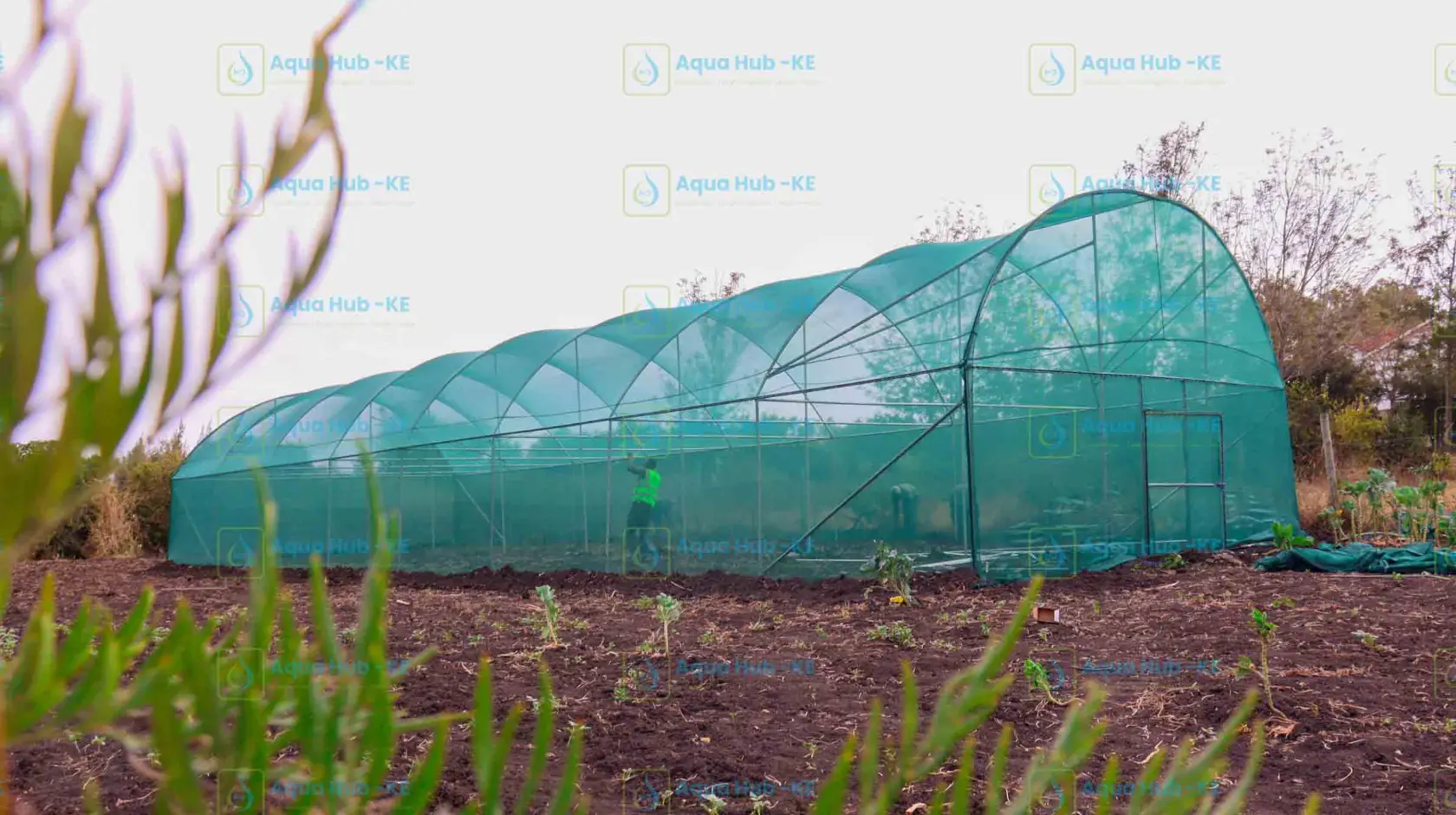
Shade nets manufactured in 35%, 55%, 75% and 90% sunlight percentage are best for vegetables, seedlings and other field crops. Sunlight protection polythene fabrics are special categories of materials applicable as special shading materials for fruit, seedling, and vegetable farming.
Aqua Hub is the biggest dealer and supplier of the best shade nets in Kenya. We are Kenya’s favorite distributor of sustainable agricultural solutions.
Call 0790719020 for orders and Consultation
Cost of Shade Net Rolls in Kenya
Shade net Prices in Kenya vary depending on the sunlight percentage of a full roll.
The costs are for standard dimensions of 4 x 50 m.
- 35 % – KES 13,000
- 55 % – KES 19,000
- 75 % – KES 26,000
- 90 % – KES 36,000
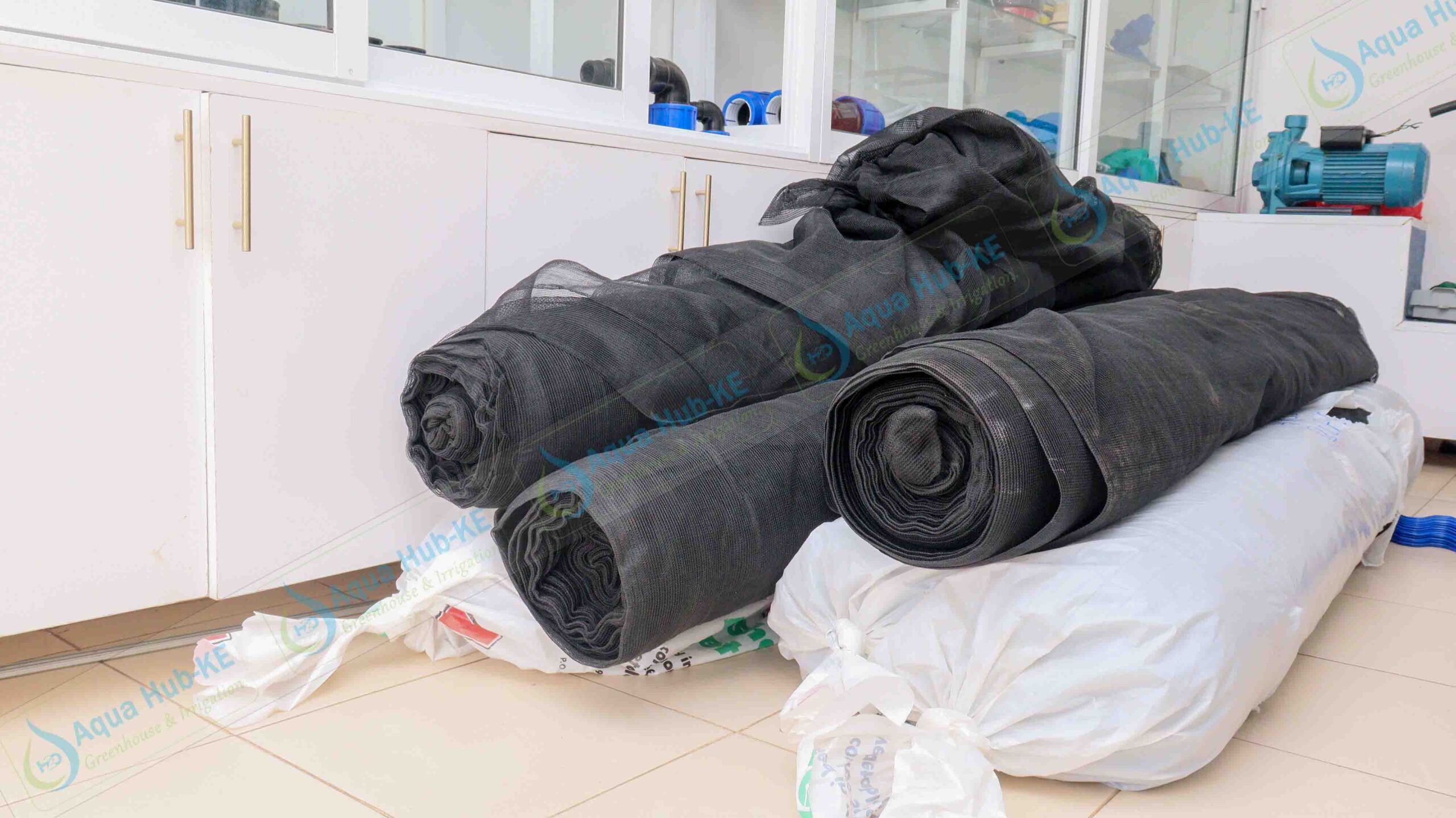
shade net rolls at Aqua Hub LTD
Prices of Shade Net Per Meter
- 35 % – KES 65
- 55 % – KES 85
- 75 % – KES 130
- 90 % – KES 180
What is a Shade Net?
Shade nets are tailor-made fabrics of plastic knitting that form a mesh material that filters out the sun’s rays on crop fields. Shading Sails prevent sunlight from damaging crops in the field. Vegetables and some varieties of herbs and flowers are grown under structures made of roofs covered with knitted shade sails to enable an optimal environment for growth.
Understanding Sunshade Fabrics
As a vegetable or fruit farmer, you should learn how to protect vulnerable crops such as seedlings, herbs, and flowers from harsh sunlight.
While some plants, for example, herbs, do well in low sunlight levels, some need to be protected from prolonged sunlight or dry conditions. Sunshade nets provide the ideal cooler conditions for the optimal growth of flowers, herbs, and vegetable seedlings.
Shade Net Fabric Filtration Levels
Various types of the best shade nets applicable in agriculture exist in different sunlight filtration levels. Sunlight filtration refers to the rate at which a specific material reduces the sunlight striking its surface. From a lower level of 35% to a maximum filtration level of 90 % shade nets are made suitable to permit only the required sunlight amount.
How much shade does shade net provide?
Shade nets are designed to generate different rates of shade depending on the type of mesh fabric. Shade net mesh fabric is categorized to different types based on the percentage of sunlight they reduce; 35%, 55%, 75% and 90%.
- 35% shade net allows 65% through and blocks the remaining percentage.
- 55% shade net will allow 45% sunlight and keep out 55%
- 75% shade net allows a smaller percentage of 25%.
- 90 % is a high-density shade net, allows in the lowest sunlight rate, just 10 percent.
How to Use Shade Fabrics
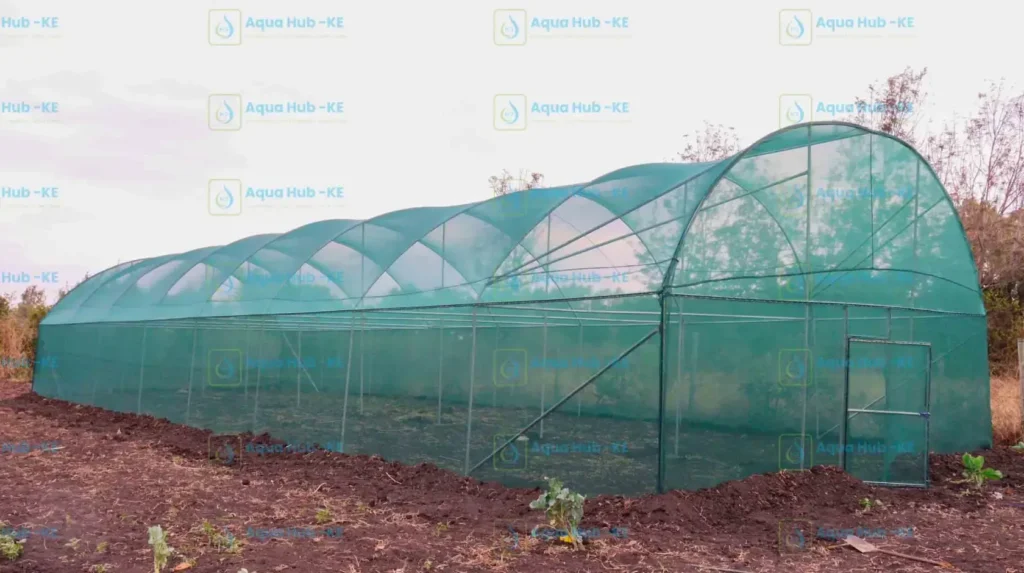
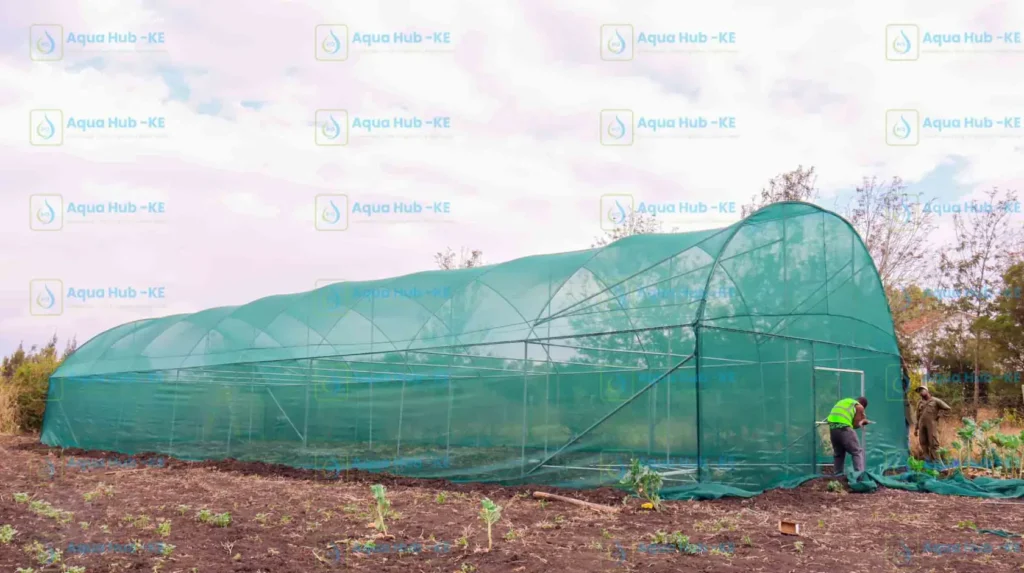
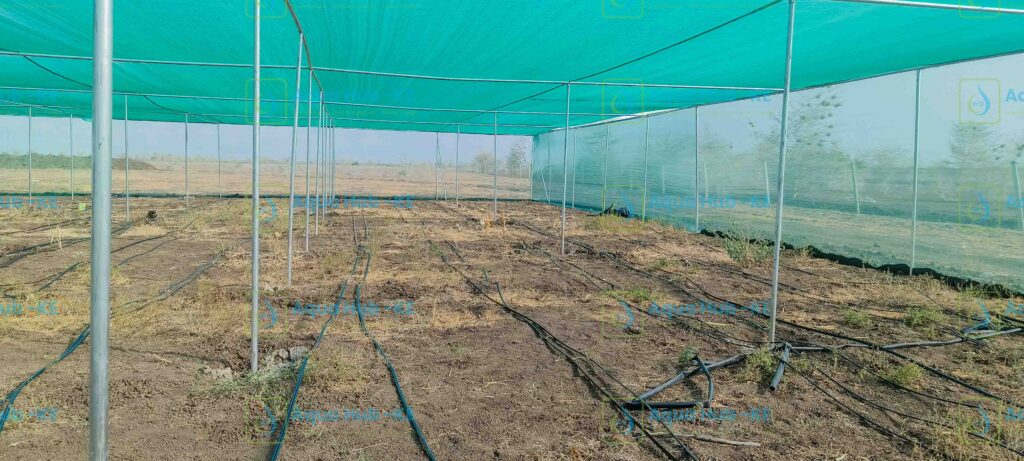
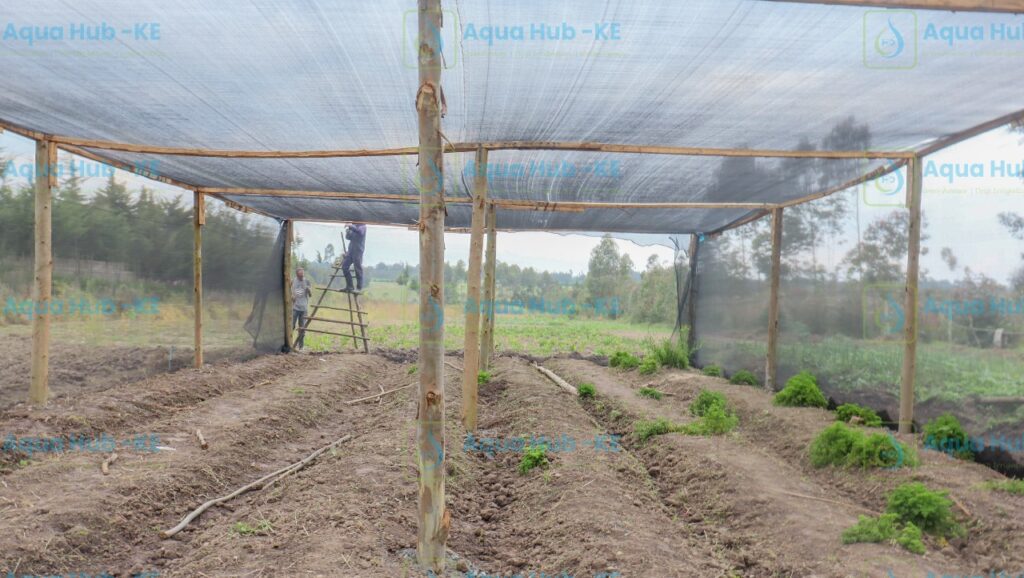
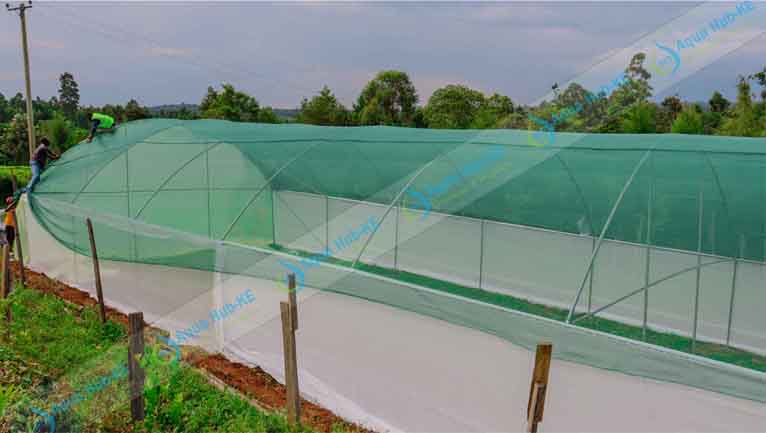
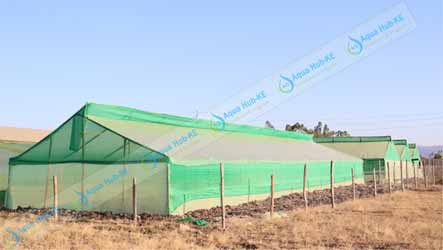
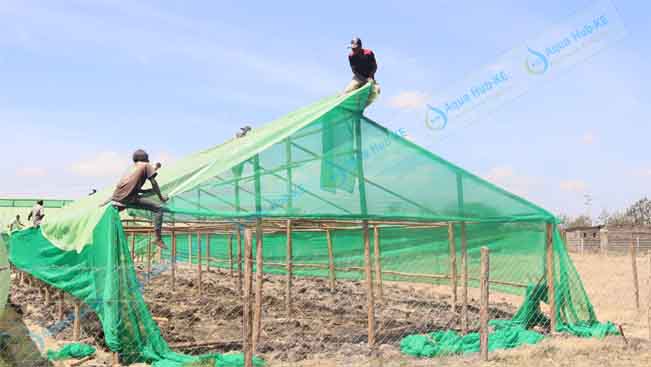
We use sunshade fabric as crop covers on highly built shade netting structures that enclose an area with crops. Shade net structures can be constructed in different ways, such as from wooden materials or metallic structures.
Why Crop Shade Netting Should be Your Next Venture
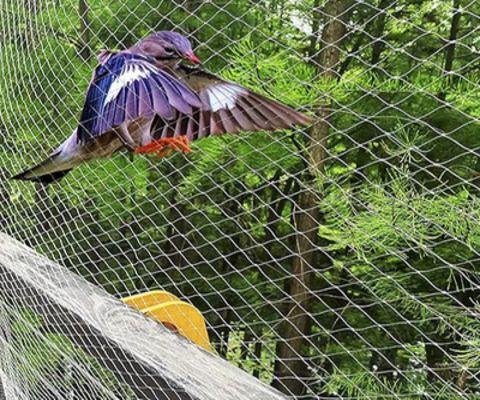
You can protect a wide range of plants from sunlight and other harsh weather conditions. Besides, nets also keep away birds that damage crops and flowering plants. You are also going to benefit from less water consumption as shade nets reduce excess water loss in the form of evaporation.
Most importantly, sunshade fabrics can also prevent plants from being damaged by heavy rains, wind, and hailstones.
How to Get Best Shade Nets in Kenya
When looking for a material to cover your crops, you should first do research on the best shade net to use. Many suppliers are available on the market but few of them have the quality types that can work seamlessly on your farm for ages.
The best supplier of shade fabrics in Kenya is Aqua Hub LTD. They are an enterprise dealing with all types and designs suited for different crops.
If you want to grow plants that require cool conditions, you must rely on sun protection sails as they enhance proper growth.
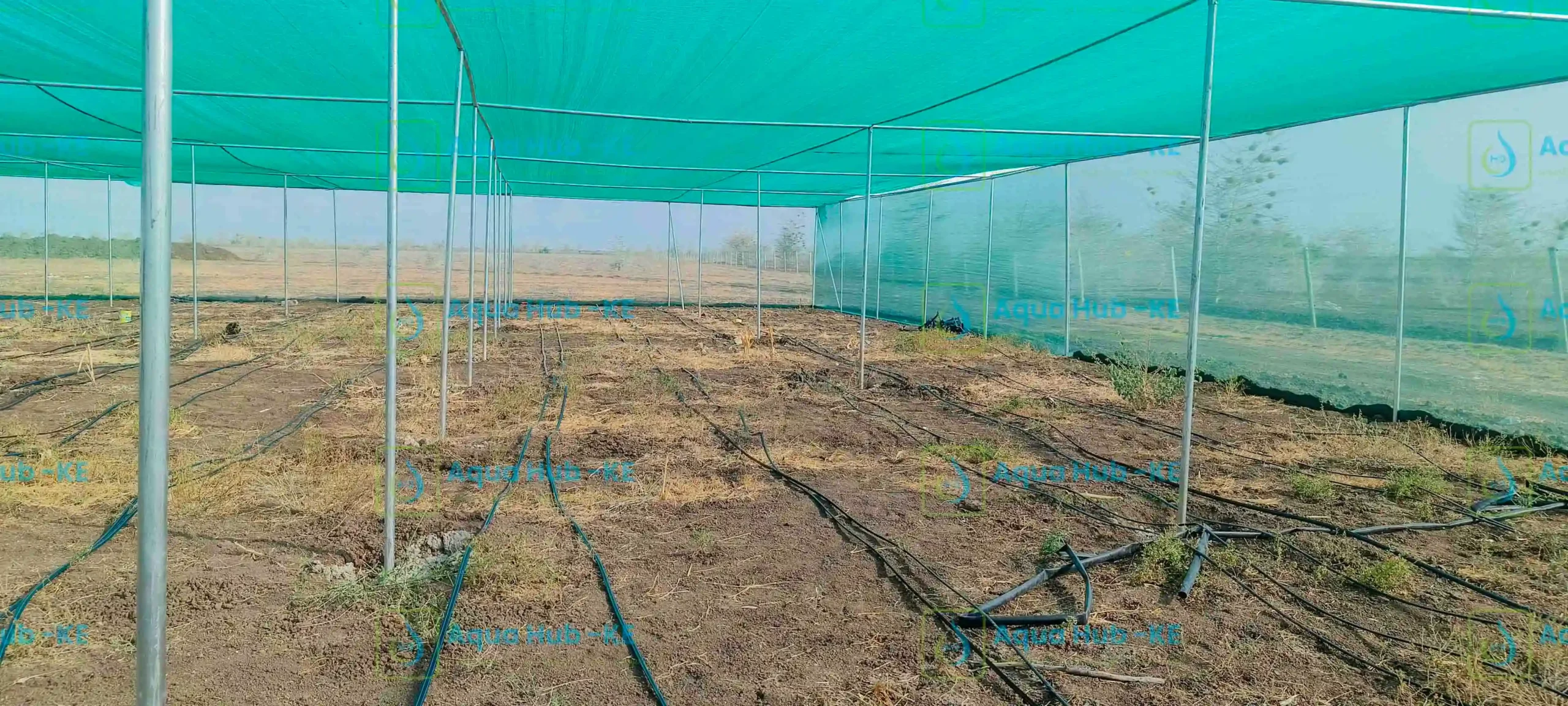
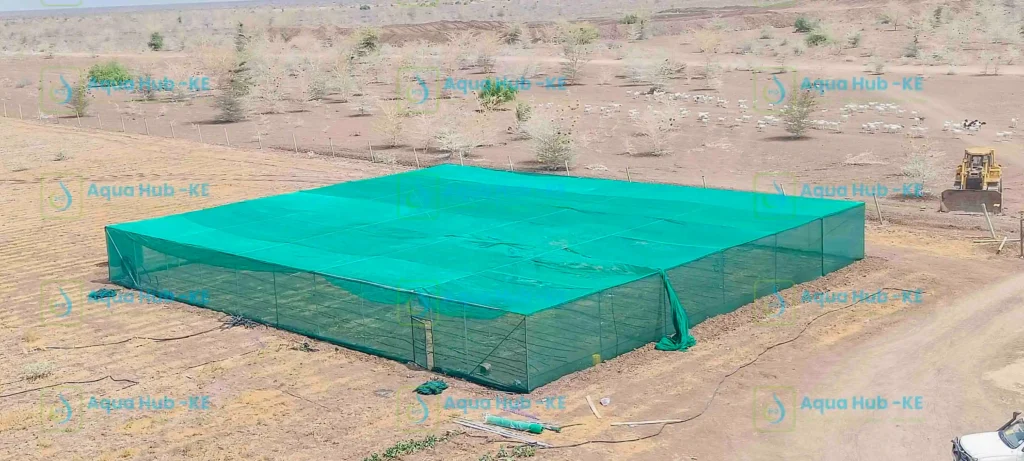
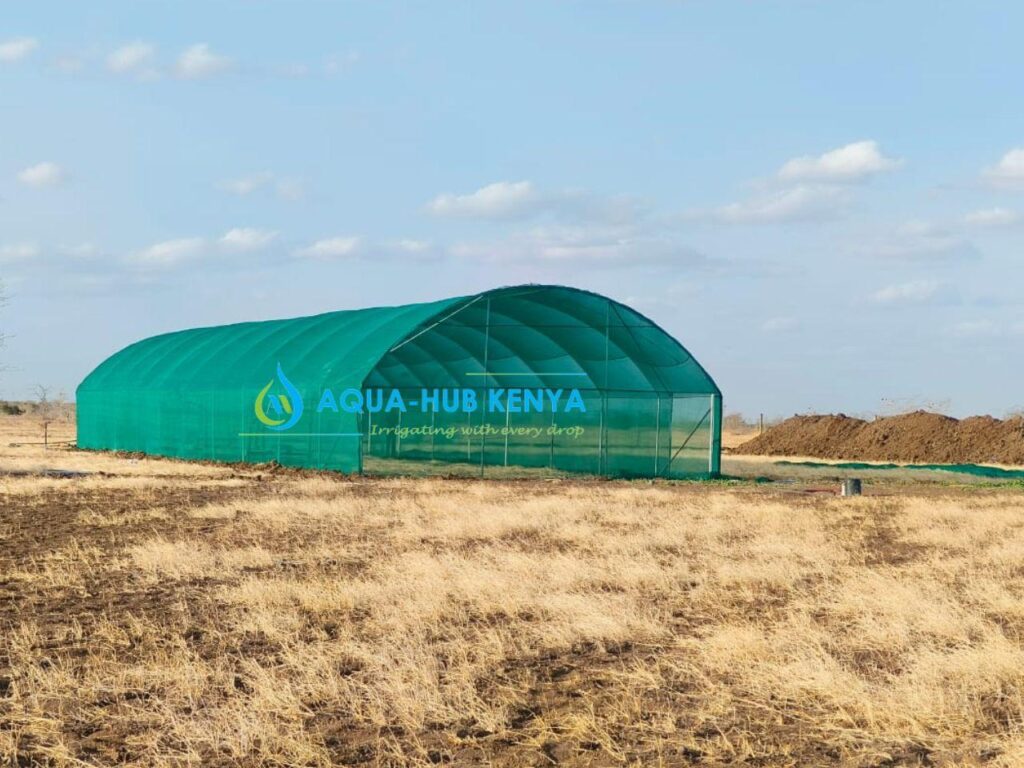
Shade net for crop protection in Garissa
What Should Be Considered When Buying Shade Nets?
Once you choose to start shade net farming, the next thing you must find out is the type of sun protection material to use. Since different shade nets are applicable in different crop varieties, you should consider;
- Crop sunlight needs – assess the sunlight needs of crops you want to grow. If you are doing seedlings, consider high sunlight percentage net reduce risk of sunlight shock.
- Climate – shade nets are ideal for farming in hot areas. For cold regions, a greenhouse would be highly recommended.
- Material quality – ensure the shade net is UV stabilized. UV resistance shade net has a high durability.
- Grams per square meter – standard net weighs 60 – 90 grams per square meter. Standard weight of shade net ensures that it can last for a long time.
- Cost of the net – the price of shade net is an essential factor to consider when buying a shade net. As you search for affordable option, bear in mind that shade net quality is more important than price.
- Size : it is best to consider the size before buying it to ensure it matches the entire structure.
What are main Uses of Shade Nets?
Generally, shade nets are mainly used to protect plants grown in the open field from high sunlight effect. The main farm related application of shade nets are explained below:
- Protection of vegetable seedlings – wide variety of seedlings including Kales, spinach, lettuce, tomato, capsicum, onions, etc.
- Fruit and tree seedlings – avocado, coffee, tea, papaya, citrus, pixie orange, and apple seedlings. Also ideal for pine, cypress, and indigenous tree seedlings.
- Growing vegetables – in hot regions such as Garissa, shade net houses are used to grow vegetables and other field crops. it reduces evaporation and protects the plants from wilting.
- Cultivation of Herbs – most variety of herbs thrive in cool conditions. Shade nets make it easier to grow ferns, oregano, hibiscus, ginger, garlic, mint and basil.
Other Non-agricultural Uses of Shade Nets
- Used in car parks around residential or business premises to prevent solar radiation effect on vehicles.
- Can be used as construction safety nets. Heavy duty shade nets, woven fabrics, are applicable in construction sites.
- To fence gardens, compounds and restricted areas in homes or institutions.
- 100 % shade nets are also best for covering dams to prevent evaporation or debris from polluting water.
- To make shades in gardens or parks.
Frequently Asked Questions
1. What is the function of shade net?
To prevent plants against UV effect.
2. What is the price of shade net per meter?
KES 65 – KES 180.
3. How long does a shade net last?
3 – 5 years.
4. Can rain get through shade cloth?
Shade net fabric allows rain through.
5. Will plants still grow under shade cloth?
Yes. Shade nets allow some sunlight in, thus plants will thrive under the right conditions.
6. How to set up a shade net?
Use strong wooden poles or galvanized steel pipes.
7. What plants grow well under shade?
Herbs, seedlings, vegetables, and flowers.
8. Which plants can survive in full shade?
Ferns, Aragula, Spurge, and begonias.
9. What flowers do better in the shade?
Begonias, roses, impatiens and carnations.
10. Do you do installation?
We do installation. Get in touch with our Customer Care to learn more.