
Blog
Coco peat in Kenya
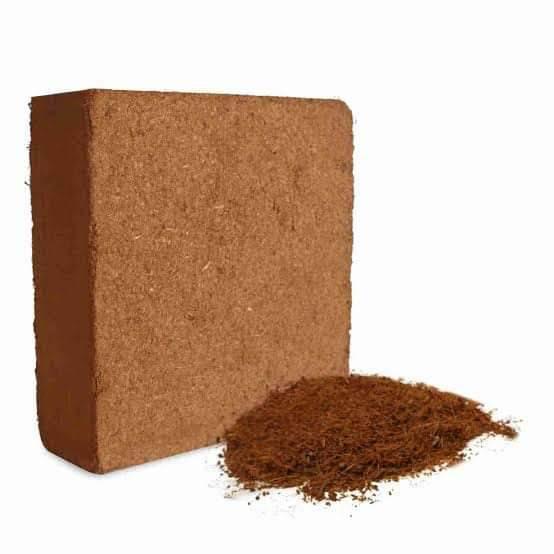
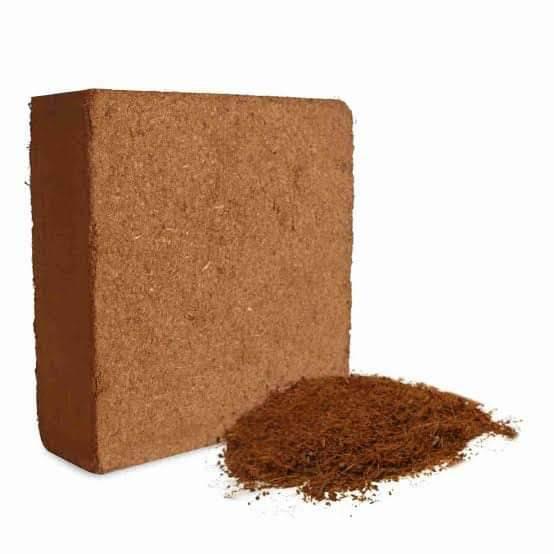
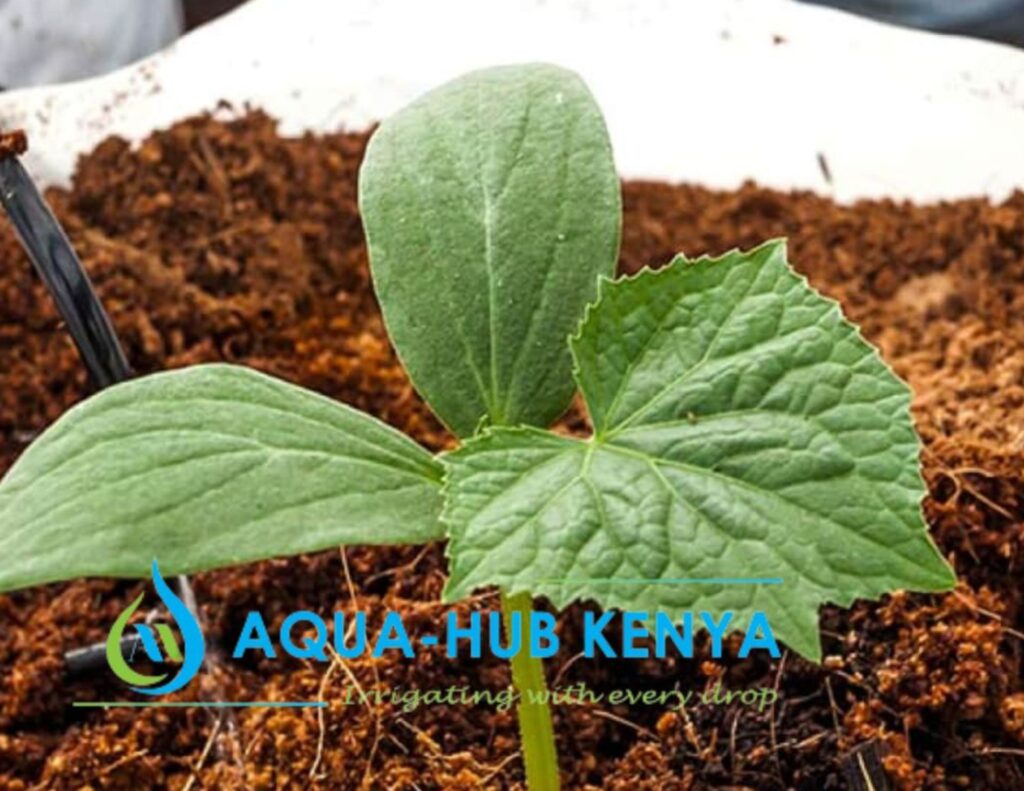
Cocopeat is recommended for seedling growers in Kenya. The mixture of cocopeat, soil and vermicompost results to a stable growing medium.
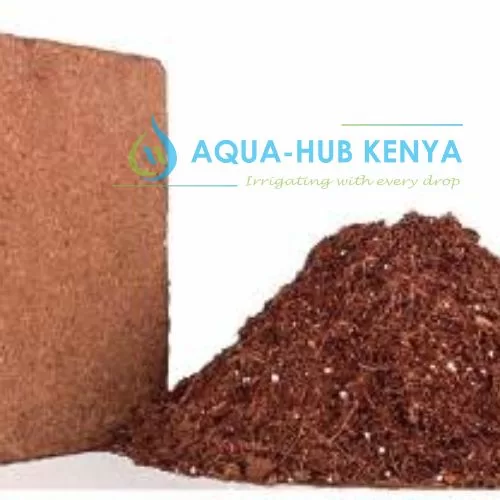
We have high quality cocopeat produced for quality seedling propagation and low transplant shock. Our cocopeat retails at KES 800 per 5kg blocks and KES 150 per kg.
Call 0790719020
Quick Takeaways
- Coco peat retains water up to 8 times its weight, reducing irrigation costs.
- Coco peat Price in Kenya ranges between KES 150 – KES 200 per kg.
- Cocopeat is ideal for seedlings, hydroponics, strawberries, tomatoes, capsicum, herbs, and flowers.
- Well treated cocopeat can last for 2 years before they completely decompose.
- Washing and buffering cocopeat is essential to remove excess salts.
- Coco peat improves root aeration and reduces transplant shock.
Introduction to Cocopeat
Cocopeat is a growing substance made from coconut husks. It is an excellent alternative to soil or peat moss for propagation in nurseries, greenhouse and hydroponics.
Coco Peat Price in Kenya 2026
Coco Peat Prices are between KES 150 – KES 200 per kg depending on the treatment level. Treated cocopeat is packaged in 5kg blocks sold at KES 750 each.
Coco peat is fine, less fibrous and light in weight with excellent water holding capacity. Cost of Coco peat in Kenya is a key consideration for quality and effective supply.
Call 0790719020
Coco Peat in Nairobi
The demand for cocopeat is high because of the increased use in hydroponics and greenhouse farming in Kenya. Urban growers and horticultural vendors often start their seedlings in trays with coco peat.
To achieve best seedling production results, most farmers mix cocopeat with vermicompost or perlite.
Common Uses of Cocopeat in Kenya
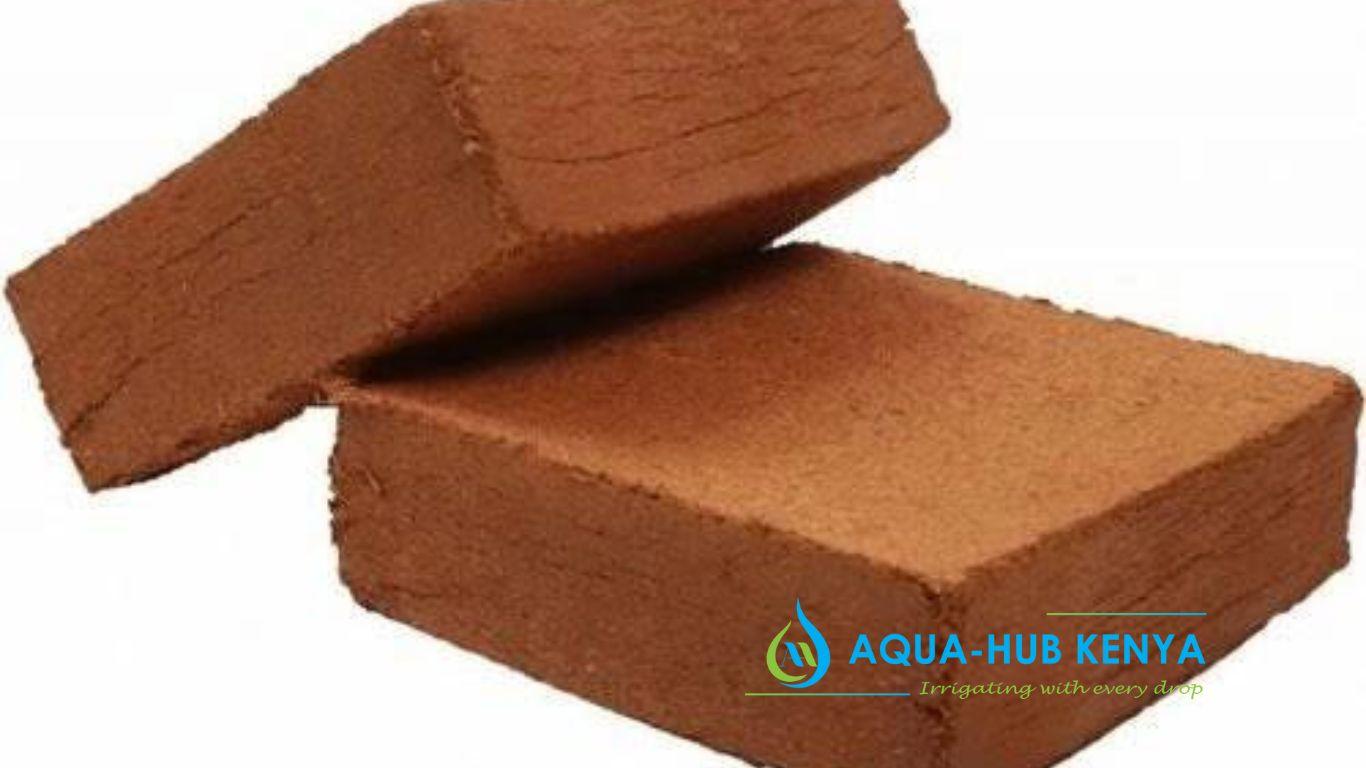
- Coco peat is used as a growth medium in agriculture, hydroponics, cultivation of flowers and fruits.
- Coco peat is an important soil conditioner in dry and sandy soils.
- It is the best growth medium for container and potted plants.
- A perfect alternative for peat moss.
- Coco peat is a good mulching cover as it loses water slowly.
- Can be applied as organic manure.
How to Make Cocopeat
To produce cocopeat, you need:
- Coconut husks
- Water
- Mesh sieve
- Drying area
- Grinding or shredding equipment
Step-by-step Procedure on How to Make Coco Peat in Kenya
1: Collect Coconut Husks
Gather mature coconut husks and remove long fibers.
2: Soak the Husks
Soak for several days to soften the material and reduce salts.
3: Grind the Coconut husks
Crush the husks into fine particles.
4: Wash Thoroughly
Wash repeatedly to remove sodium and chloride salts.
5: Dry the Cocopeat
Dry the cocopeat until moisture levels reduce significantly.
6: Compress and store
Package your cocopeat in compressed blocks to ease transport and storage.
How to use Coco peat in Kenya
Coco peat is highly convenient with a great efficiency in agricultural use for flowers, seedlings, and potted plants.
To effectively enhance sustainable production and quality crops using coco peat, you need to be aware of the basic and ideal procedures of its application in agriculture.
The steps are:
- You need to obtain quality blocks of coco peat from Aqua Hub Kenya, the best Supplier in Kenya.
- Choose or identify a suitable or clean base or container for expanding and crushing the coco peat blocks.
- Place the required number of blocks into a crushing base or container.
- Fill the container with water, about 22 litres is required for a 5 kg block.
- After the block has absorbed water, break it apart and wash it in water to remove impurities.
- Filter the washed coco peat and pile it up to dry in a sack or container.
- Mix the coco peat with soil for pot use, seedling tray or soil mulch. 35 percent of Coco peat is mixed with 40 percent soil and 25 percent manure.
- Once ready, apply the mixture in a farm, garden, or seedbed.
Benefits of Coco peat in Kenya
- Coco peat is an economical means of organic growth medium. It is affordable and requires less nutrient use.
- Coco peat saves a lot of water and energy and time incurred on irrigation.
Less fertilizer requirement is a cost-effective and environmental conservation benefit of coco peat. - Increase in yield and nourishment in plants.
- Coco peat is long-lasting – Coco peat rarely expires easily, instead as an organic matter, it decomposes to form manure.
- Ease of storage and packaging. Coco peat is easy to pack and compress into blocks to occupy less space.
Advantages of Cocopeat
- Coco peat is an organic and renewable substance.
- High water retention capacity – Coco peat retains.
- Enhances maximum air flow for root growth.
- Coco peat is porous and can store nutrients.
- It has a neutral PH which does not affect plants.
- Does not support weed growth.
- Lowers the frequency of irrigation.
- Coco peat is very compressible, a feature that makes it easier for storage, packing and transportation.
Which Plants Grow Well in Cocopeat?
Vegetables
- Tomatoes
- Capsicum
- Cucumbers
- Lettuce
- Spinach
- Kale
Fruits
- Strawberries
- Melons
- Passion fruit seedlings
Flowers
Flower farmers use cocopeat for propagation of:
- Roses
- Carnations
- Gerberas
Herbs
- Mint
- Basil
- Coriander
- Rosemary
Tips for Successful Propagation with Coco Peat
Maintain Proper Moisture
Avoid overwatering. Cocopeat holds moisture for long periods.
Use Clean Water
Salty water increases EC levels and damages roots.
Add Nutrients Early
Cocopeat contains minimal nutrients, so seedlings require supplemental feeding after germination.
Ensure Good Drainage
Always use trays or containers with drainage holes.
Lifespan of Cocopeat
Seedlings can take around 2 – 4 years to start decomposing depending on the type of crop and conditions of use.
Common Mistakes to Avoid When Using Coco Peat
Using Untreated Cocopeat
High salt content can kill young seedlings.
Overwatering
Because cocopeat retains moisture well, excessive irrigation may cause root rot.
Ignoring Nutrient Deficiency
Cocopeat lacks sufficient nutrients for mature crops.
Reusing Contaminated Media
Diseases can spread if old cocopeat is not sterilized.
Poor pH Monitoring
Ideal pH should remain between 5.5 and 6.5.
Cocopeat vs Soil: Which Is Better?
| Feature | Cocopeat | Soil |
| Water retention | Excellent | Moderate |
| Aeration | High | Variable |
| Disease risk | Low | High |
| Weight | Light | Heavy |
| Reusability | High | Limited |
Cocopeat performs better than most soils. It works best for greenhouse and nursery seedling cultivation.
Frequently Asked Questions
1. Is Coco peat suitable for use as a fertilizer?
Yes. Coco peat can be applied as an organic manure.
2. Is Coco peat reusable?
You can use coco peat several times without depleting its fertility or water holding capacity.
3. Is it good to mix coco peat directly with soil?
Yes. Mixing coco peat with soil is good to reduce fungal, bacteria and other organisms in soil from destroying plant roots.
4. What is the appropriate amount of water for a 5 kg block of Cocopeat?
Approximately 20 litres of water.
5. What is the cost of 1 block of 5 kg coco peat?
KES. 800.
6. What is the cost of 1 kg coco peat?
KES. 150.
7. What plants grow best in cocopeat?
Vegetable seedlings such lettuce, spinach, kales, aragula and swiss chards.
8. Which nutrients are available in coco peat?
Potassium, Sodium, Calcium and Magnesium that facilitates growth in plants.
9. Can I sow seeds in cocopeat?
Yes. Cocopeat are sustainable and eco-friendly solution for seedling propagation.
10. Where Can I Buy Cocopeat in Kenya?
Aqua Hub LTD