
Blog
Cost-Effective Rainhose Irrigation by Aqua Hub Kenya
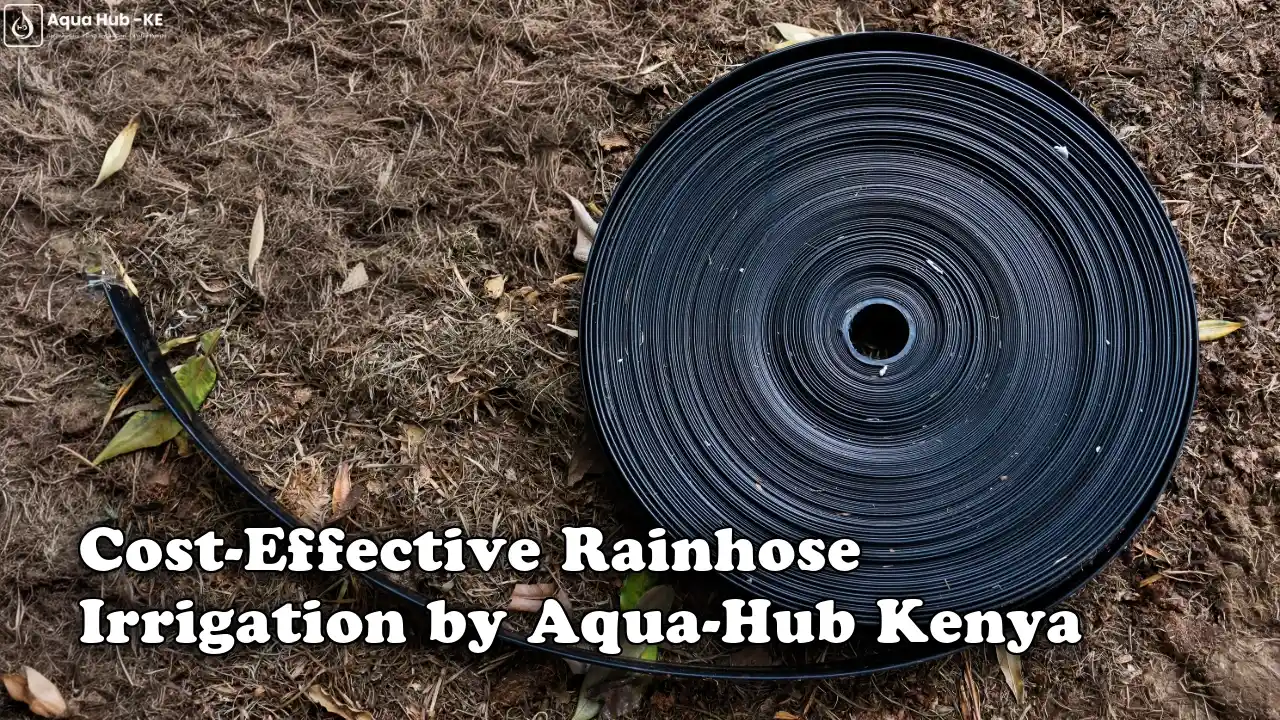
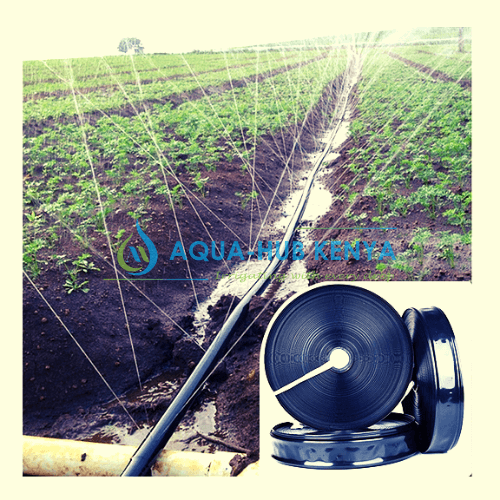
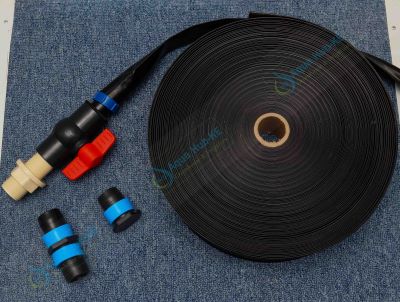
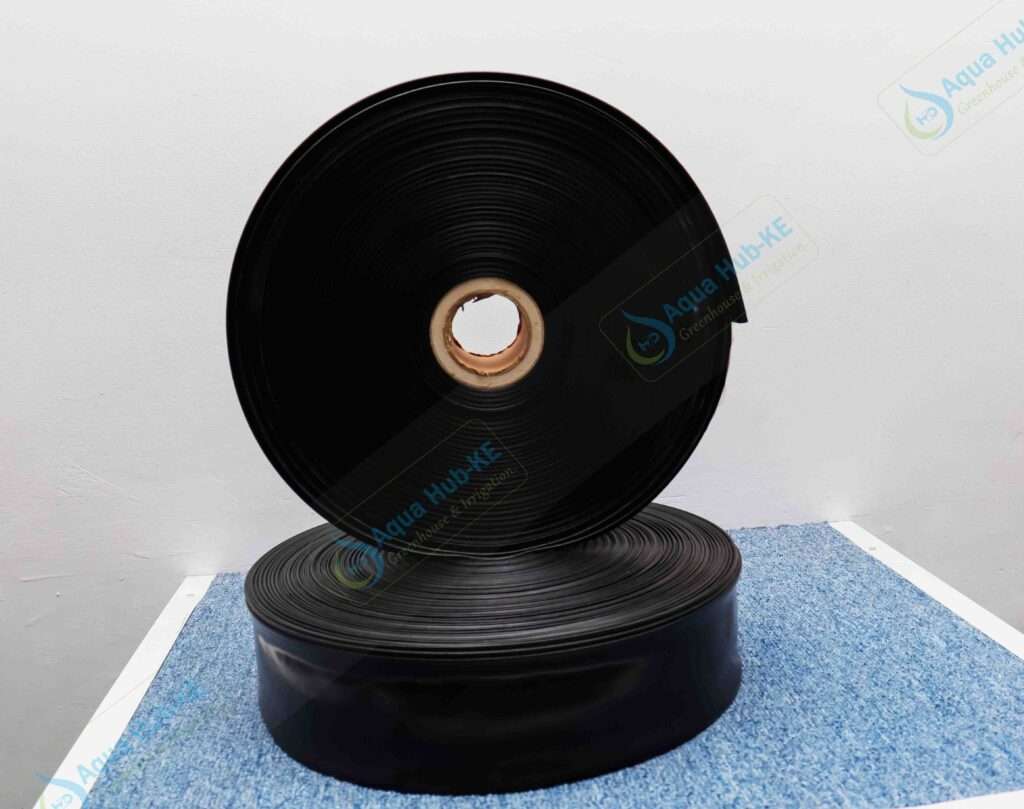
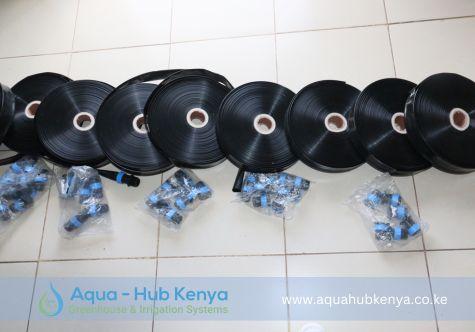
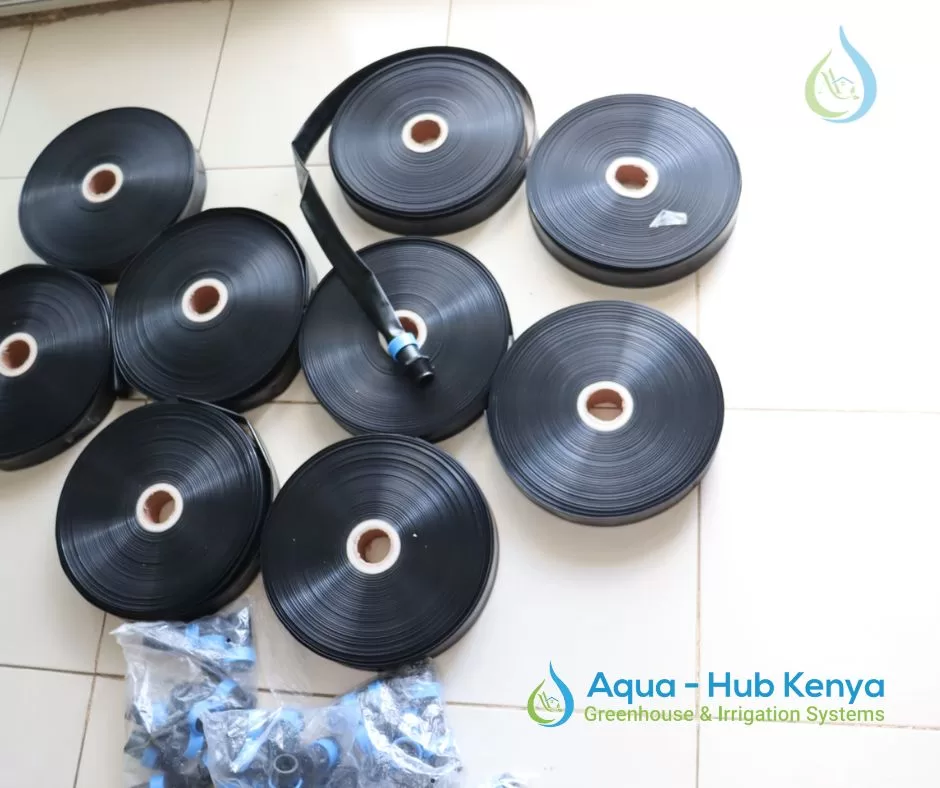
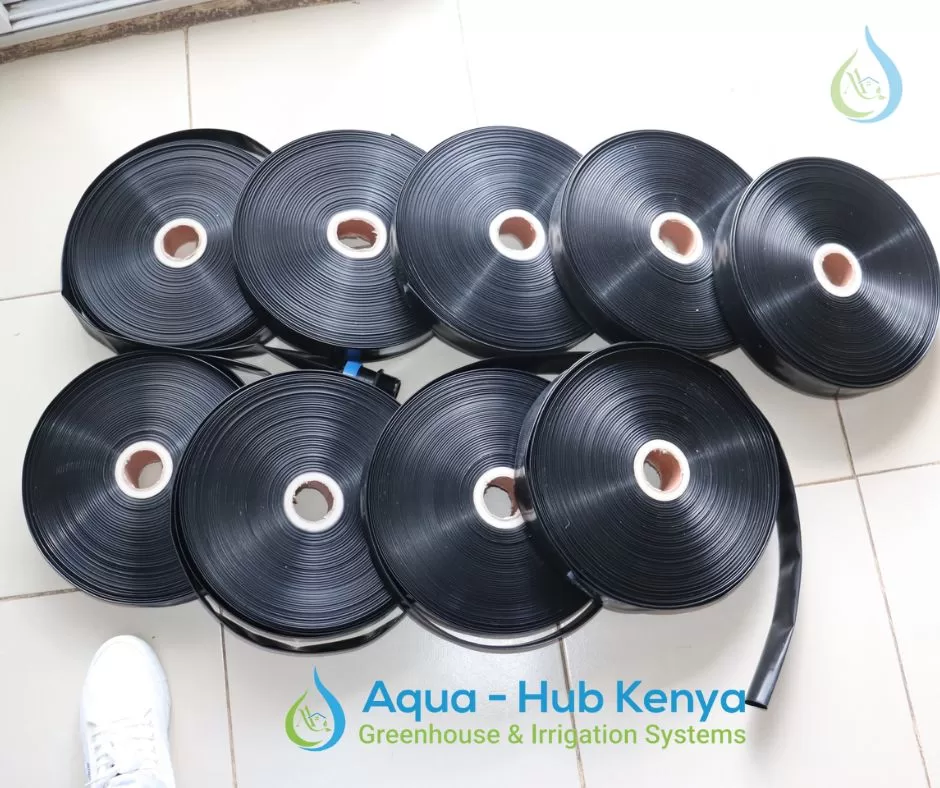
Cost-effective rainhose irrigation starts with a 1 inch rain hose, which costs KES 3,500 at Aqua Hub Kenya.
Many small farms need an irrigation method that costs little to set up and works with the water they already have, and cost-effective rainhose irrigation meets that need. A rain hose lies along the bed and sprays water over the crop in a pattern similar to light rain. Because the hose needs few fittings, farmers can cover a vegetable bed or a nursery without a complicated installation.
Aqua Hub Kenya supplies the 1 inch rain hose for beds and nurseries, so you can start with one line and add more as your fields grow. If you want help to plan the layout of your beds, call +254790719020 or email info@aquahubkenya.co.ke.
What Cost-Effective Rainhose Irrigation Costs at Aqua Hub Kenya
A 1 inch rain hose costs KES 3,500, which makes cost-effective rainhose irrigation affordable for a single bed. Each hose waters one strip of your field, and a larger area needs more hoses. For example, two hoses cost KES 7,000 and four hoses cost KES 14,000.
The total for your setup depends on the size of the area and on how the water reaches the hose. Plan for these costs:
- Number of rain hoses needed to cover your beds.
- Supply pipe from the water source to the first hose.
- Connectors and end caps for each line.
- A pump, if the water source cannot supply the hose by gravity.
Because every farm has a different layout, email info@aquahubkenya.co.ke with a sketch of your beds to receive an exact price for your whole setup.
How Rainhose Irrigation Works on a Kenyan Farm
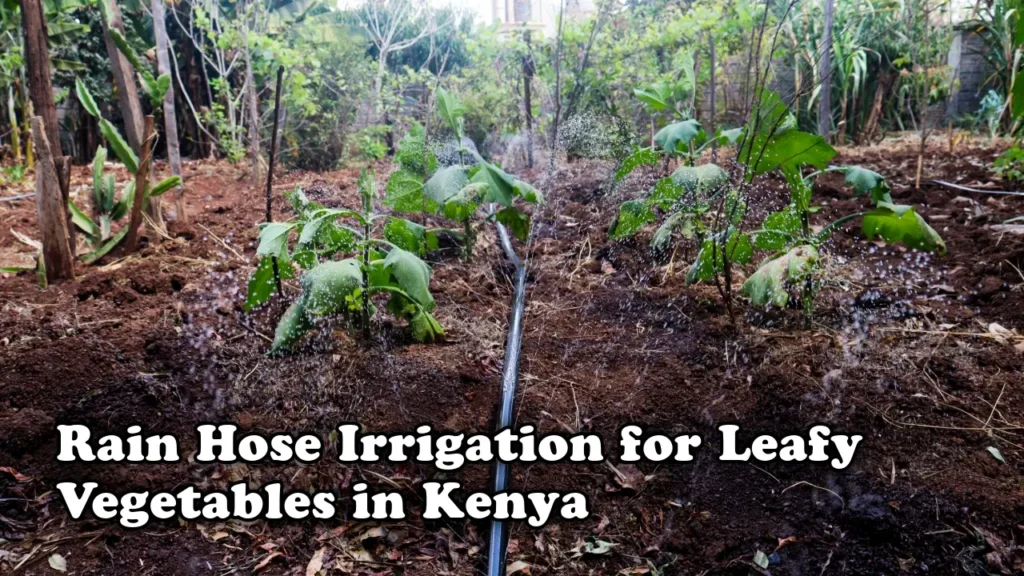
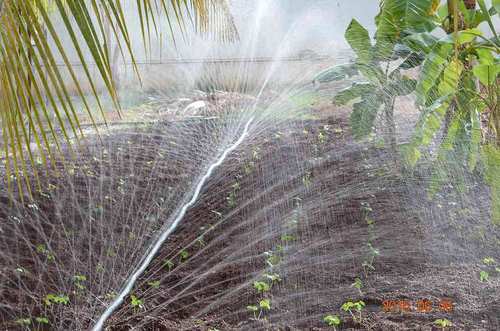
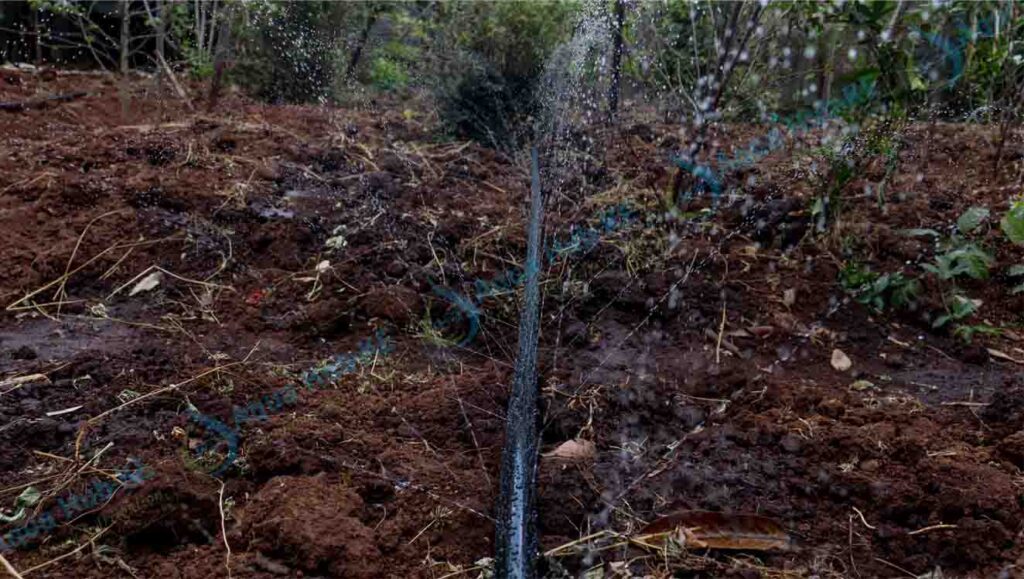
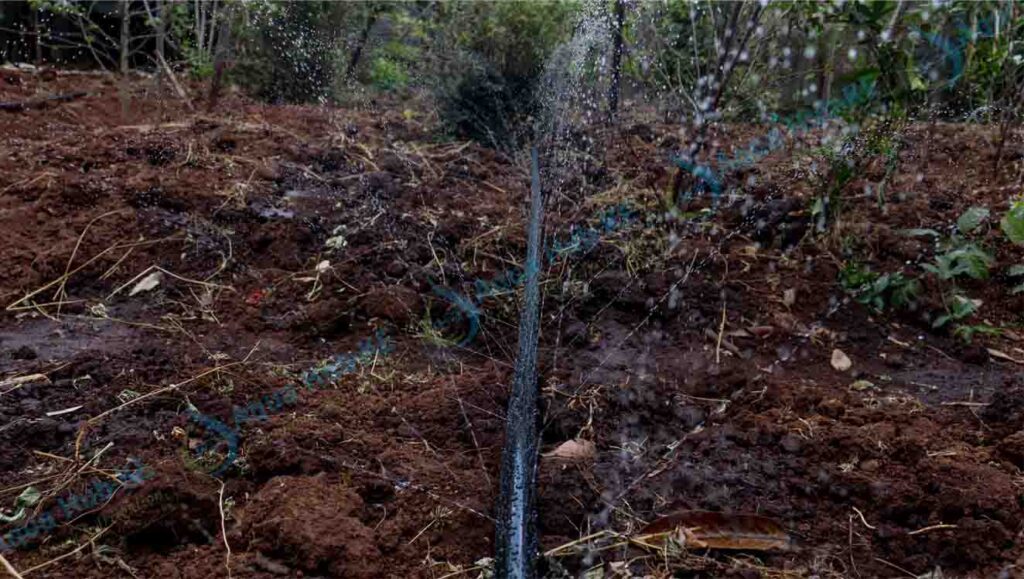
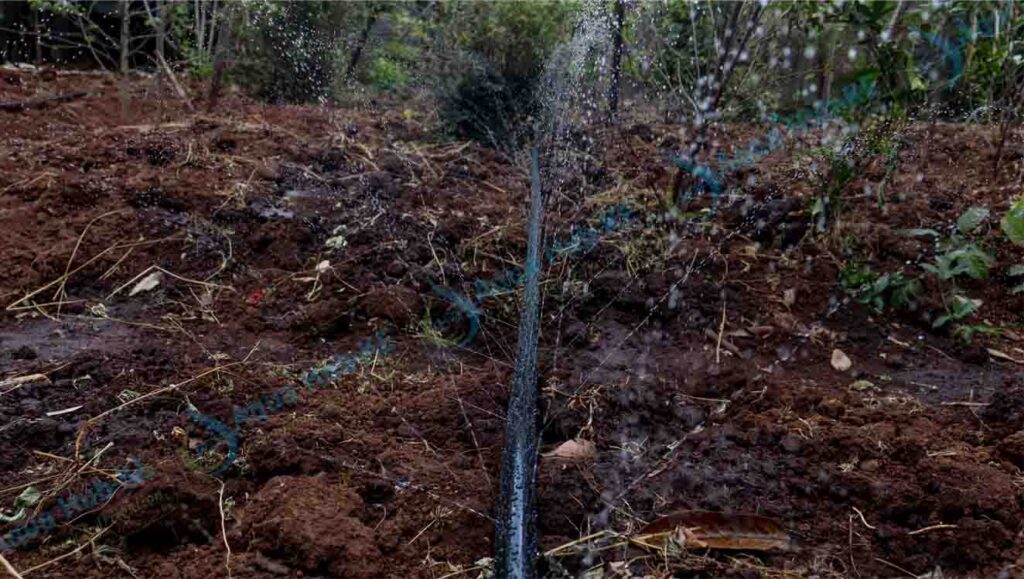
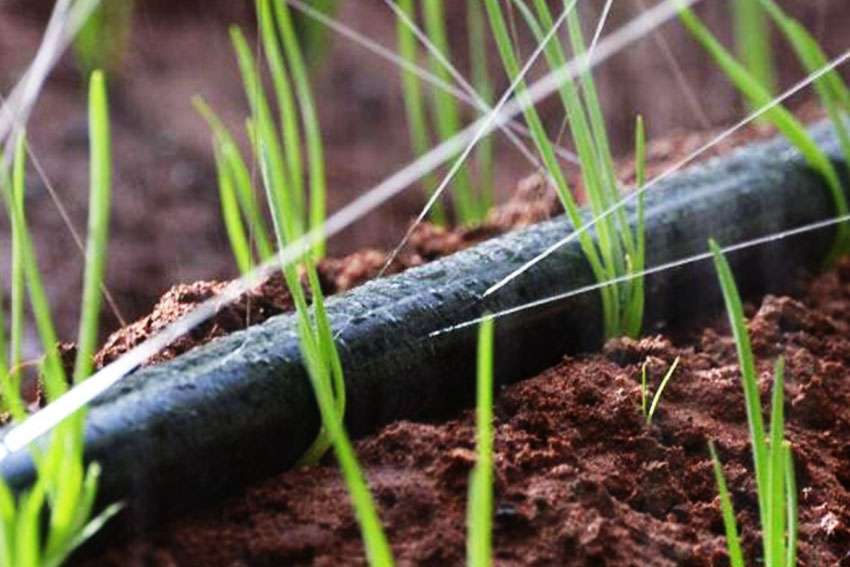
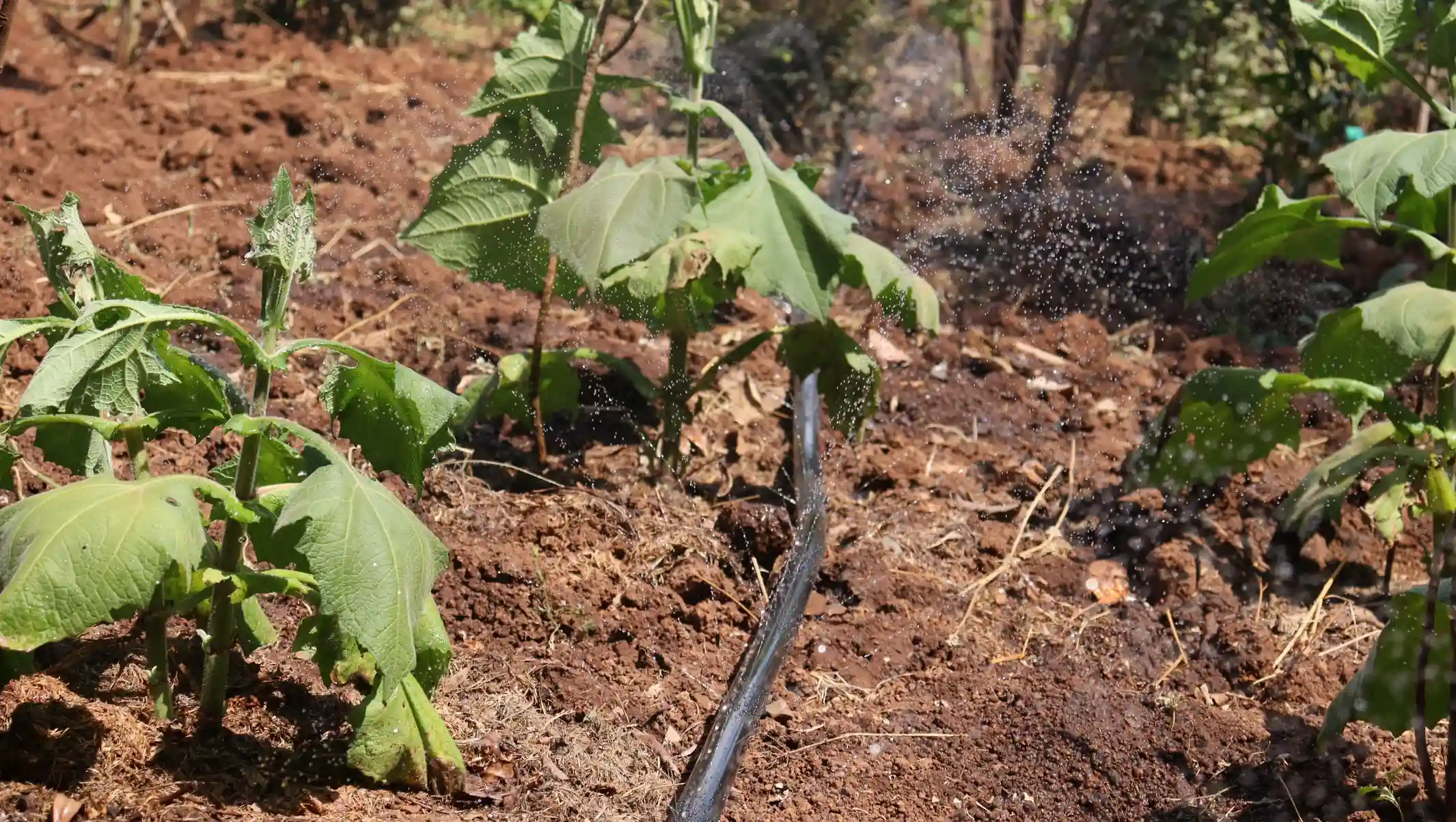
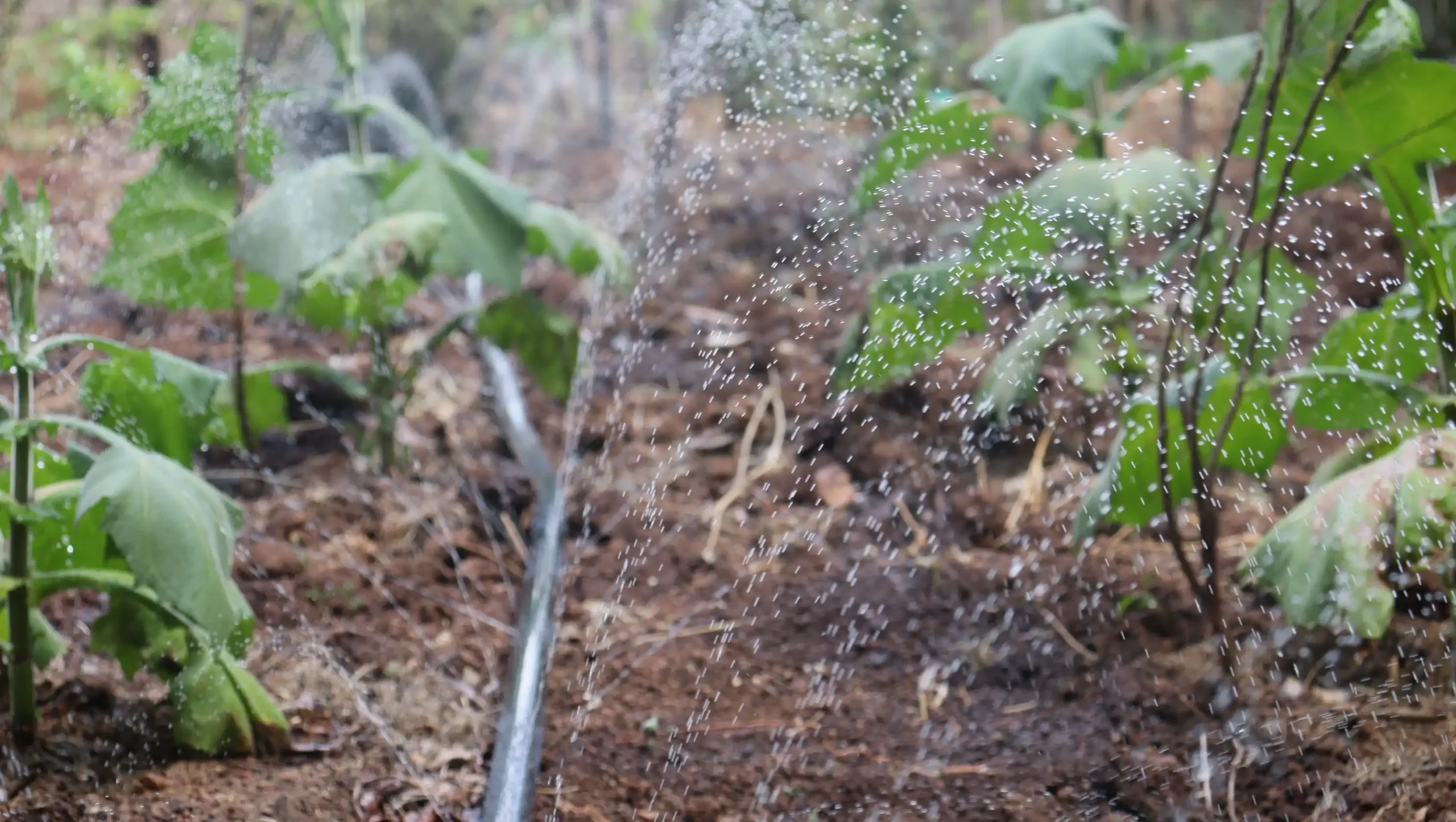
A rain hose is a flexible hose with small openings along its length. When water enters the hose, it leaves through the openings and falls on the bed in a fine spray. The farmer lays the hose along the crop rows and connects it to the water supply, with the far end closed.
Cost-effective rainhose irrigation suits farms that want to water a whole bed at once. The spray wets the soil and the lower leaves together, and the water covers a strip along the hose instead of a single point. Therefore, a single hose can water several closely planted rows at the same time.
Rainhose irrigation also needs less planning than a full sprinkler system. You do not need to place risers or measure spray patterns, since the openings along the hose fix the pattern.
Crops Suited to Cost-Effective Rainhose Irrigation
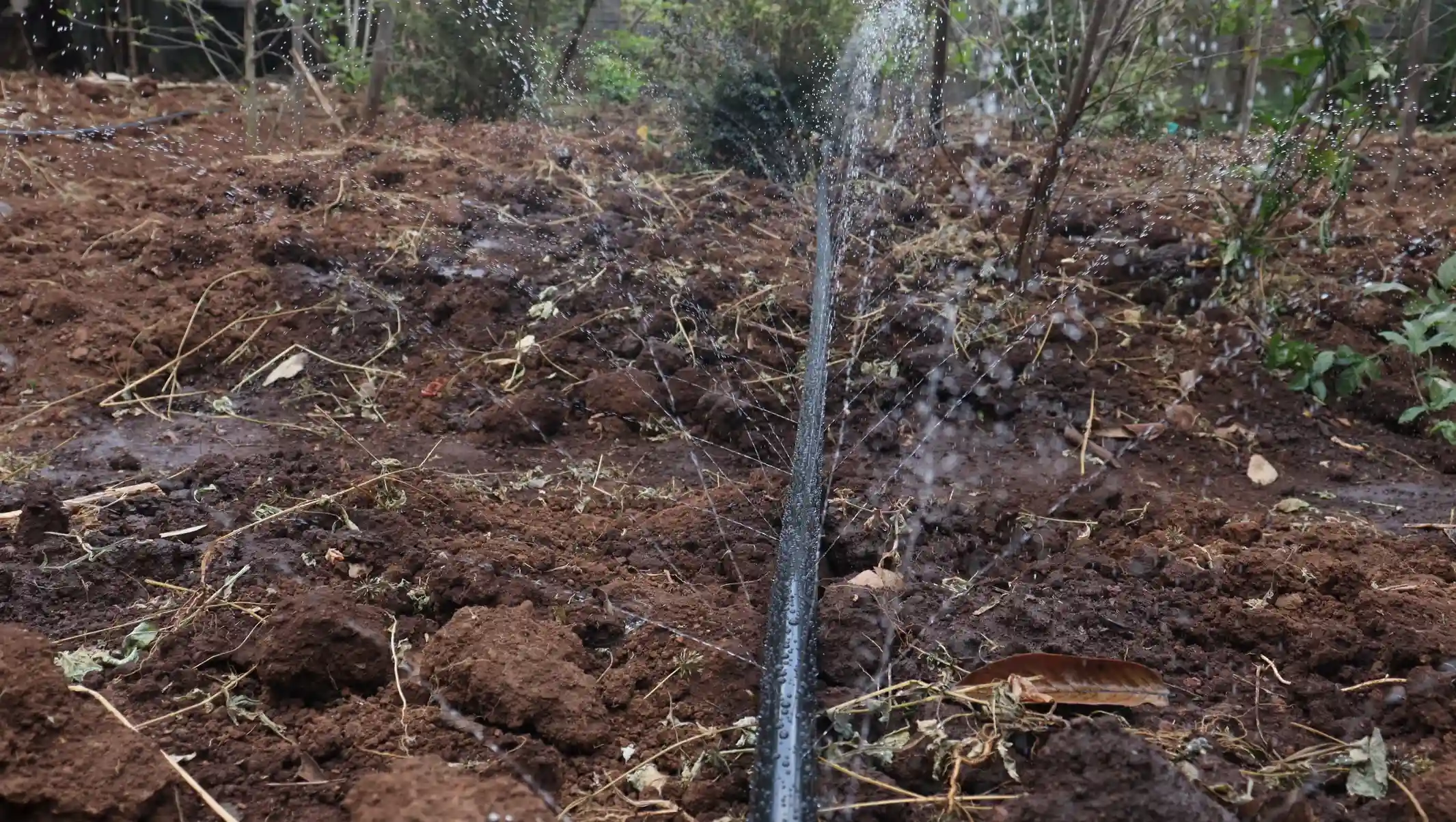
Cost-effective rainhose irrigation works best on crops that grow close together and tolerate a wet surface. These crops are good examples:
- Kale.
- Spinach.
- Onions.
- Carrots.
- Cabbages.
- Coriander.
- Lettuce.
- Beetroot.
Because the spray wets the leaves, irrigate early in the morning so that the foliage dries as the day warms. Crops that suffer when their leaves stay wet, such as tomatoes, do better with a method that delivers water at the roots.
Where a 1 Inch Rain Hose from Aqua Hub Kenya Fits Best
A 1 inch hose carries enough water for a single bed or a short row of beds. Cost-effective rainhose irrigation fits farms that start small and add more hoses as the budget grows.
Vegetable Beds and Nurseries
Seedlings need frequent, light watering, and a fine spray reaches them without disturbing the soil. A nursery owner can lay a hose across each bed and water the whole bed in one run. The same layout works for kitchen gardens that grow leafy vegetables.
Small Plots and Home Gardens
Home gardens benefit from a method that a single person can set up and move. Because the hose lies on the surface, you can shift it to a different bed each season without digging. Farmers with limited cash often begin with one hose, and then they expand as income allows.
Water Source and Pressure for Cost-Effective Rainhose Irrigation from Aqua Hub Kenya
A rain hose operates on low pressure, which makes it easy to supply from a raised tank. The tank sits above the beds, and the water flows along the hose by gravity. Farms without a raised source can use a small pump, and Aqua Hub Kenya sells solar and fuel-powered pumps that suit this purpose.
Cost-effective rainhose irrigation depends on clean water, because the openings in the hose are small and silt or algae can block them. Therefore, fit a filter between the water source and the hose, particularly when you draw from a pond or a dam.
Check the pressure rating of any hose before you connect it to a pump. Too much pressure changes the spray pattern and can split the hose, whereas too little leaves the far end of the line dry. If you are unsure which pressure your source delivers, call +254790719020 and the team will help you match the hose to your supply.
Planning Your Layout with a 1 Inch Rain Hose from Aqua Hub Kenya
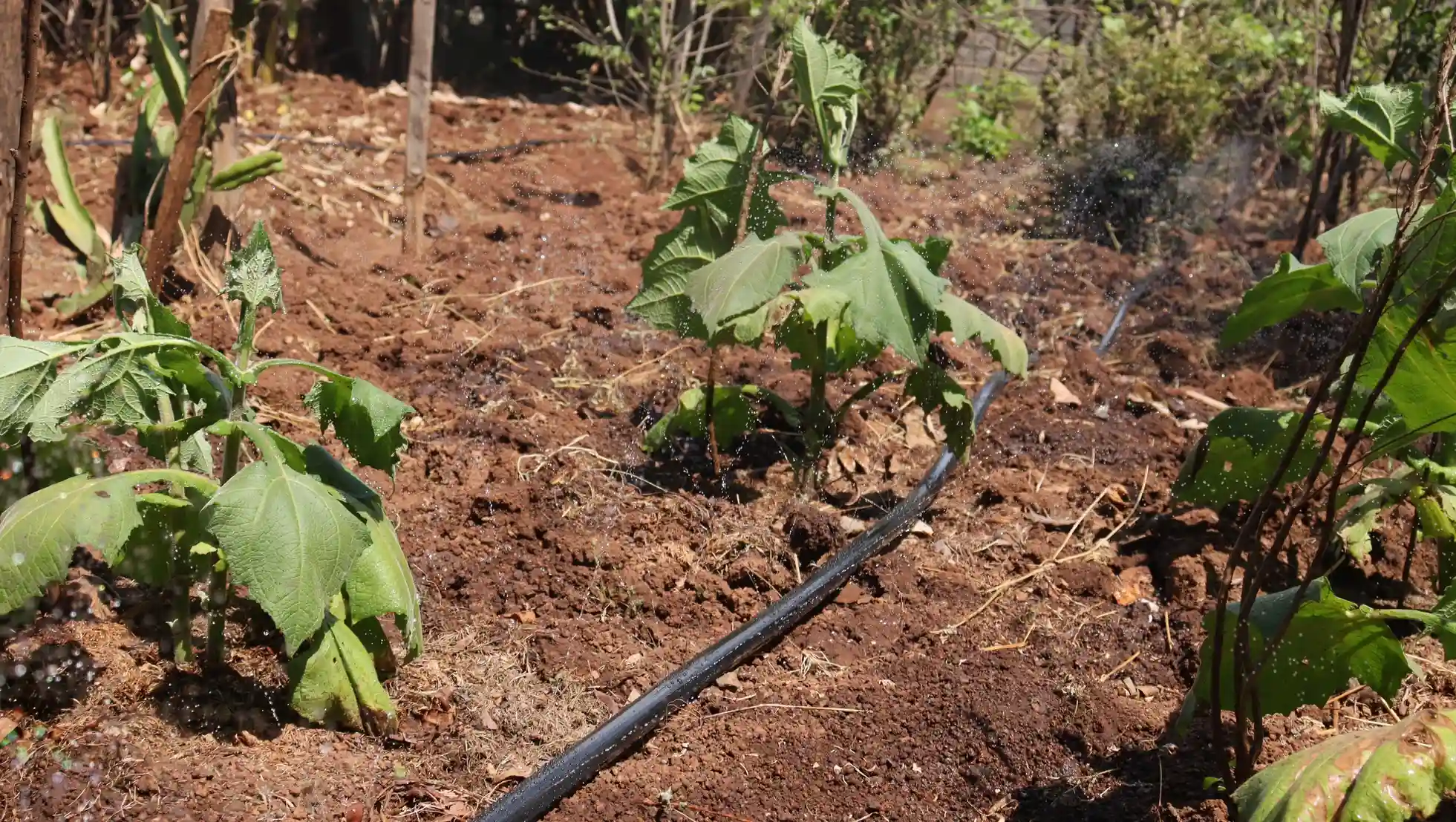
A good layout for cost-effective rainhose irrigation wets every row evenly and avoids long runs that lose pressure. Begin with the dimensions of the area you want to irrigate, measured as length × width. Then decide how many hoses the bed width needs, because each hose waters a strip and not a point.
Collect these details before you buy:
- Length of each bed from the supply end to the far end.
- Width of the bed and the spacing between rows.
- Distance from the water source to the first hose.
- Slope of the land along the hose.
Level ground gives the most even spray. On a slope, run the hose across the slope instead of down it, since water collects at the low end of a downhill line and the upper end gets less. Add up the total length of hose you need, and then compare it against the hose length you intend to buy.
Laying Cost-Effective Rainhose Irrigation from Aqua Hub Kenya Step by Step
Cost-effective rainhose irrigation needs little time to lay out, and the steps are simple. A grower laying the line for the first time can follow this sequence:
- Before laying anything, they clear stones and sharp stalks from the bed.
- Next, they unroll the hose along the row with the openings facing up.
- Once the hose lies straight, they connect the supply end to the pipe or filter.
- With the supply connected, they close the far end with a cap.
- Lastly, they open the water slowly and watch the spray along the full length.
Walk the line while the water runs. If the spray is weak at the far end, shorten the line or raise the supply pressure, and if water leaks at a joint, tighten the connector.
Looking After Rain Hose from Aqua Hub Kenya
Cost-effective rainhose irrigation stays economical when the hose lasts, and a rain hose lasts longer when you protect it from damage and clogging. Good habits include:
- Flush the line with clean water every few weeks to clear dirt.
- Clean or replace the filter before it clogs.
- Drain the hose after use so that water does not sit inside.
- Keep sharp tools and animals away from the hose.
- Coil the hose loosely and store it in the shade when the season ends.
Sunlight weakens flexible hose over time, so cover a hose that stays on the field for long periods. Inspect the line each season for cracks and blocked openings, and replace any section that shows damage.
Why Choose Aqua Hub Kenya for Cost-Effective Rainhose Irrigation?
Aqua Hub Kenya makes cost-effective rainhose irrigation easy to begin on a small budget. A grower can start with one hose and add more as the fields and the budget grow, which keeps the first investment low.
The team also supplies pumps and drip kits, so a farm that outgrows rain hose can move to another method without changing supplier. For questions about layout or water supply, email info@aquahubkenya.co.ke with your measurements, and the team will reply with guidance.
Frequently Asked Questions
What is rainhose irrigation?
Rainhose irrigation is a method that uses a hose with small openings to spray water over a crop bed. The hose lies along the rows and waters a strip of soil at a time.
How much does a 1 inch rain hose cost in Kenya?
A 1 inch rain hose costs KES 3,500 at Aqua Hub Kenya, which keeps cost-effective rainhose irrigation within reach of small farms. Contact the team for a quote that covers your whole setup.
How does cost-effective rainhose irrigation differ from drip irrigation?
Cost-effective rainhose irrigation sprays water over the surface of the bed, whereas drip irrigation releases water at the root of each plant. The best choice depends on the crop and on how the leaves respond to wet conditions.
Which crops suit cost-effective rainhose irrigation?
Leafy vegetables and onions suit cost-effective rainhose irrigation because they grow close together and tolerate a wet surface. Crops that suffer from wet leaves do better with a different method.
What water pressure does a rain hose need?
A rain hose needs low pressure, so a raised tank or a small pump can supply it. Too much pressure damages the hose, while too little leaves the far end dry.
Do I need a filter for a rain hose?
You need a filter for a rain hose when your water carries silt or algae. The small openings block easily without one.
How long should I run a rain hose?
Run a rain hose until the water has wet the soil to the depth of the roots. The time depends on the soil type and the crop, and it shortens in wet weather.
Can I use rain hose in a greenhouse?
You can use rain hose in a greenhouse on beds of leafy vegetables. Ventilate the structure after watering, since wet leaves in humid air can develop disease.
Can I join two rain hoses?
You can join two rain hoses with a suitable connector. A tight joint prevents leaks and keeps the pressure steady along the line.
Final Thoughts on Cost-Effective Rainhose Irrigation
Cost-effective rainhose irrigation gives small farms a simple way to water their beds without a large investment. A clean water supply and a sensible layout keep the hose working through every season, while regular flushing prevents blockages.
A 1 inch rain hose costs KES 3,500, and you can add more hoses as your fields grow. To plan your beds and receive a quote for the whole setup, speak to our team through +254790719020 or email info@aquahubkenya.co.ke.