
Blog
Rain hose irrigation for leafy vegetables by Aqua Hub Kenya
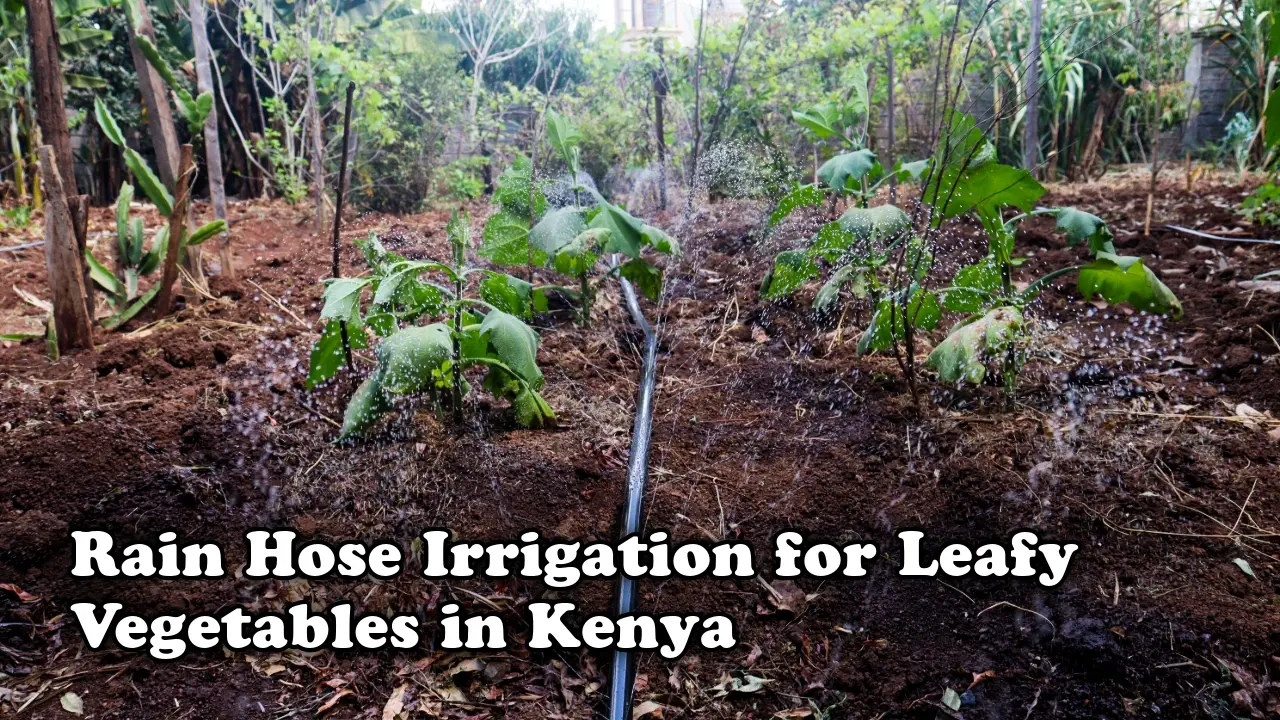
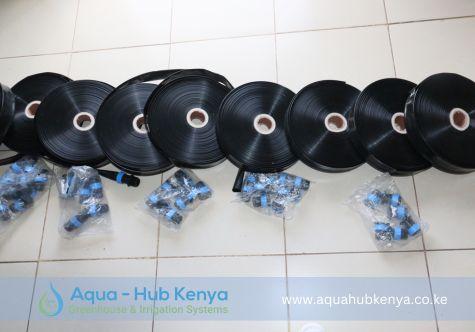
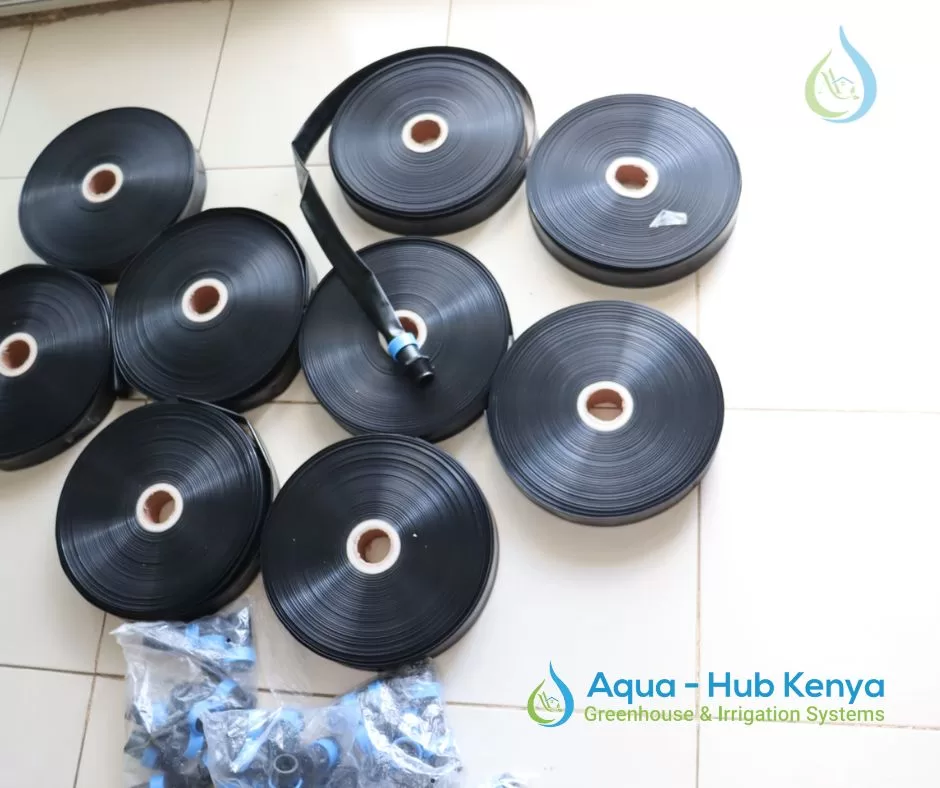
A 1 inch rain hose for rain hose irrigation costs KES 3,500 at Aqua Hub Kenya, and the final cost depends on the length of your beds and the accessories you choose.
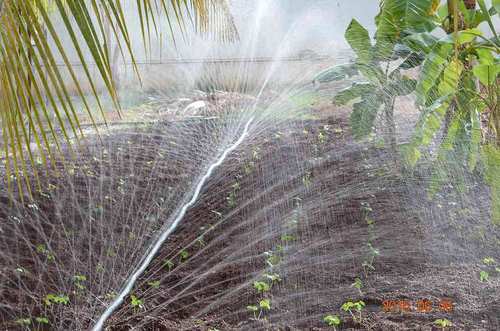
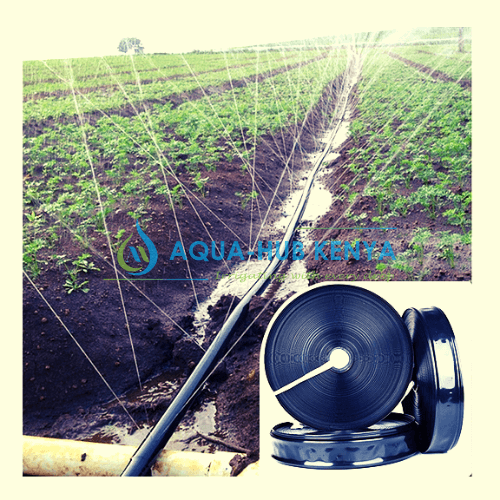
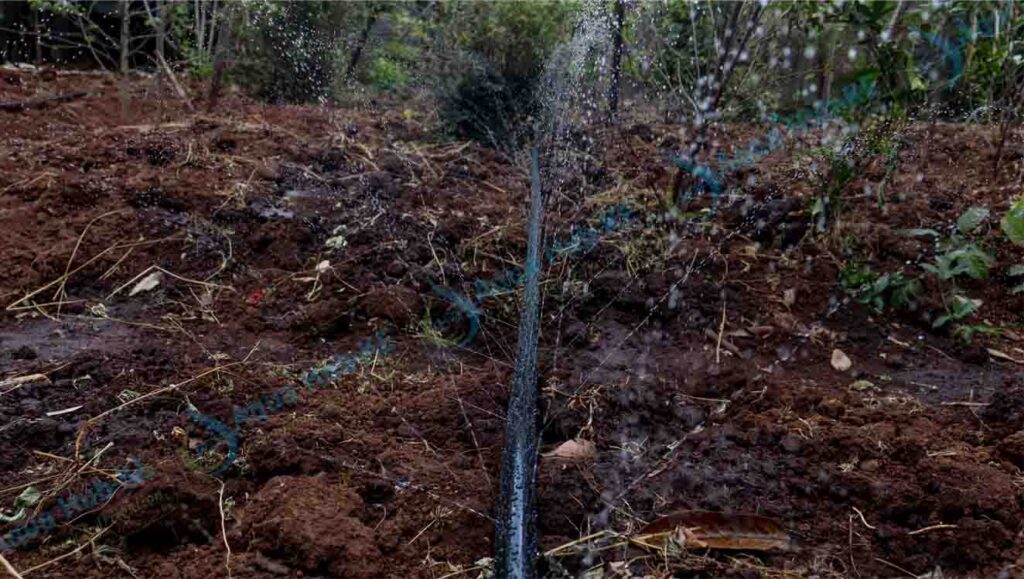
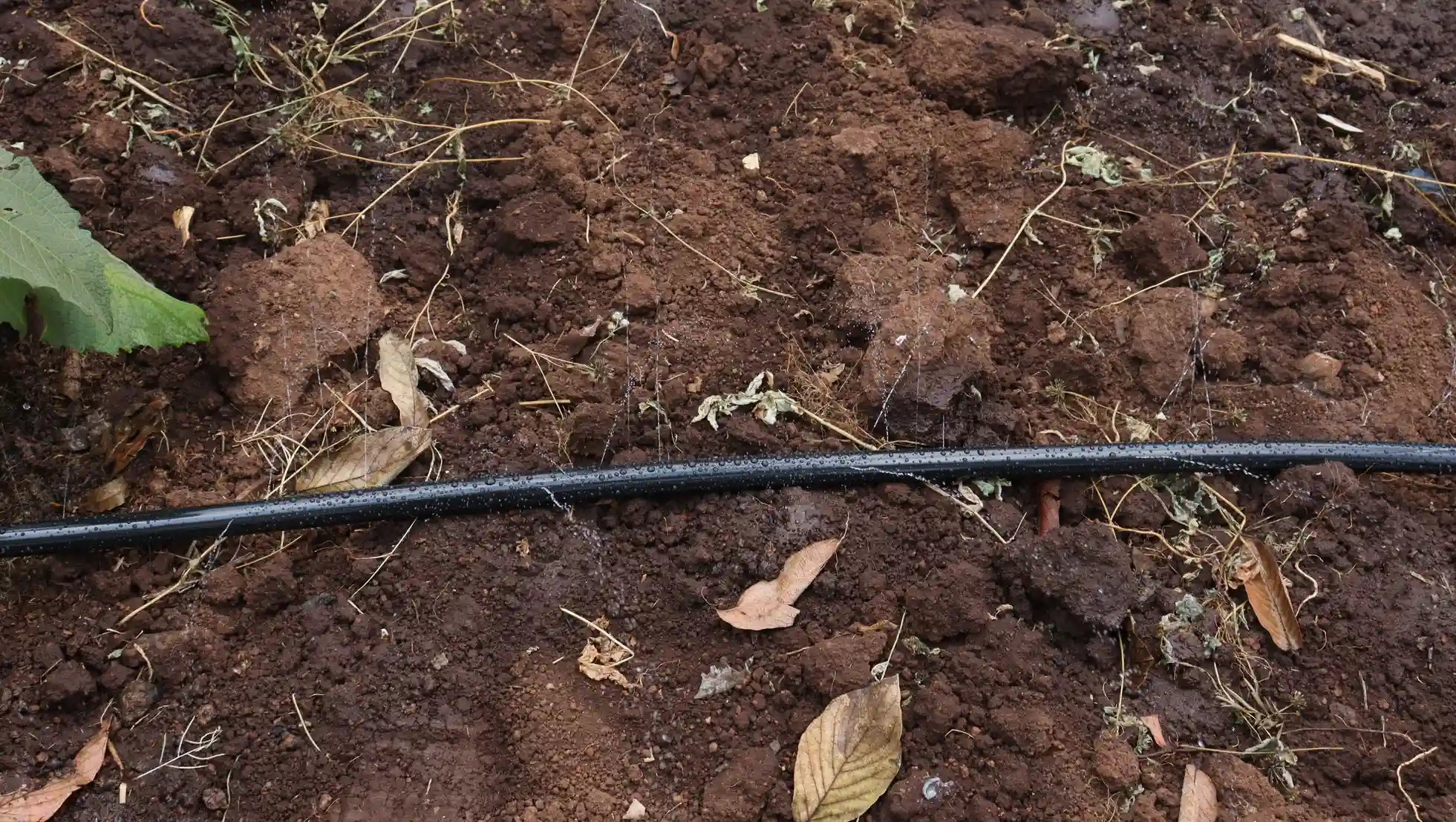
A rain hose is a flexible hose with small openings along its length. When water flows through it, the hose releases a fine spray over the bed beside it. Rain hose irrigation suits leafy vegetables because they grow close together and need frequent, light watering.
Aqua Hub Kenya supplies rain hose, drip irrigation kits and greenhouses, and we install the systems on your farm. Tell us the size of your beds by emailing info@aquahubkenya.co.ke or calling +254790719020, and our team will plan a setup that fits.
What does rain hose irrigation cost at Aqua Hub Kenya?
A 1 inch rain hose costs KES 3,500. Your total depends on how many beds you water, the length of each bed and the layout of your pipes. For information on accessories, call +254790719020.
For an exact quote, send the number and length of your beds to info@aquahubkenya.co.ke, and our team will confirm what you need.
How rain hose irrigation from Aqua Hub Kenya works for leafy vegetables
Water enters the hose from your tank or pipe and leaves through the small openings along its length. The spray falls over the bed in a low, even pattern, which wets the soil and the lower leaves. You lay the hose along the bed, so the water reaches every plant in the row.
Nursery beds and seedlings with Aqua Hub Kenya
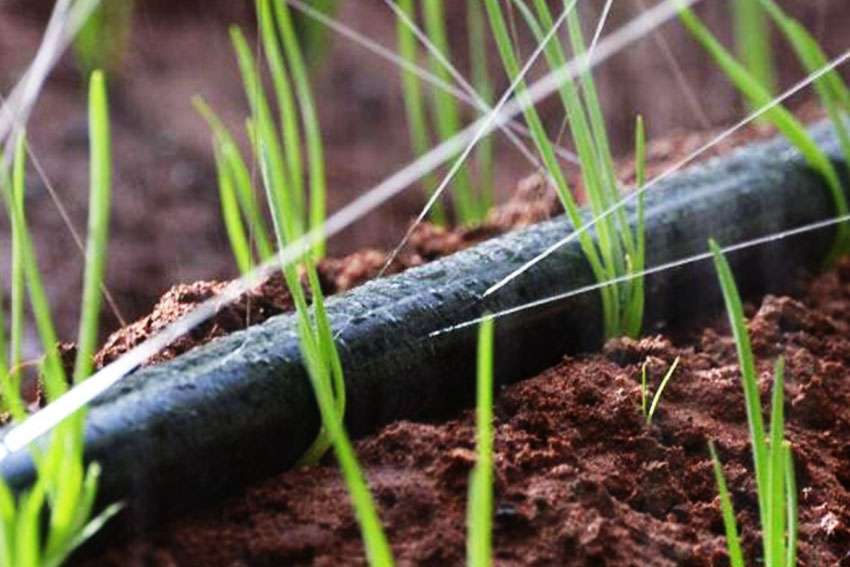
Spray irrigation also suits nursery beds, where seeds and seedlings need gentle, even moisture. The fine spray avoids the hard impact of a strong jet, which can wash seeds out of the soil. Therefore, many farmers use it for seedbeds before they transplant into the main field.
Why leafy vegetables suit this method
Leafy vegetables have shallow roots, and they grow best when the topsoil stays evenly moist. A rain hose irrigation gives frequent, light watering that keeps the top layer damp without soaking the soil deeply. As a result, young plants establish quickly and the leaves grow evenly.
Leafy vegetables that grow well with an Aqua Hub Kenya rain hose
Most leafy crops that grow in beds do well under a rain hose. These are some of the common choices for Kenyan farms:
- Kale
- Spinach
- Cabbage
- Lettuce
- Coriander
- Spring onions
- Amaranth
Close planting makes the hose more useful, since one line can water a full row at once. Our team can advise on the best hose position for the crop you choose.
Rain hose irrigation compared with drip irrigation at Aqua Hub Kenya
Both methods save water compared with hand watering, but they suit different crops. A rain hose sprays the bed, while drip irrigation places water directly at the base of each plant through emitters. The table below shows how they differ:
| Feature | Rain hose | Drip irrigation |
|---|---|---|
| How water reaches the crop | Fine spray over the bed | Slow drops at each plant |
| Best suited to | Close-planted leafy vegetables and nursery beds | Widely spaced crops such as tomatoes and capsicums |
| Effect on leaves | Wets the leaves lightly | Keeps the leaves dry |
| Layout | One hose along each bed | A line with emitters along each row |
When drip irrigation is the better choice
Crops with wide spacing, such as tomatoes, need water at the root and dry leaves. In this case, drip irrigation is the stronger choice. Aqua Hub Kenya also supplies drip kits, so you can use drip for these crops and a rain hose for your leafy beds on the same farm.
Using a rain hose inside greenhouses with Aqua Hub Kenya
Leafy vegetables also grow well in greenhouses, where the protected space gives steady conditions through the year. A rain hose fits neatly into a greenhouse bed, and it waters the crop evenly without moving anything by hand. This also saves labour, since one person can open a valve and water several beds in turn.
Managing humidity and leaf wetness
A greenhouse holds humidity, and wet leaves in a humid space can encourage fungal diseases. For this reason, water in the morning so that leaves dry during the day, and keep the vents open for airflow. If you grow crops that dislike wet leaves in the same greenhouse, use drip irrigation for them.
Combining rain hose and drip in one greenhouse
Many greenhouses hold more than one crop. You can place a rain hose irrigation over the leafy beds and drip lines on the fruiting crops, with a valve for each section. Aqua Hub Kenya supplies both systems and the greenhouse itself, so one team can plan the whole layout.
Planning a rain hose irrigation layout with Aqua Hub Kenya
A good plan starts with your beds and your water source. We measure the length and width of each bed, because the hose must cover the width evenly. We also check where your water comes from, since the supply must reach every bed.
Bed length and hose position
The hose runs along the length of the bed, and its position decides where the spray falls. Placing it down the centre of a narrow bed gives even cover to both sides. Wider beds may need more than one hose. Slope matters as well, because water runs toward the lower end of a bed on sloping ground. For this reason, we lay the hose across the slope wherever possible.
Water source, filter and valves
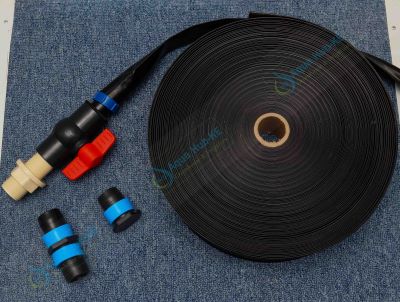
Clean water keeps the small openings clear, so a filter at the start of the system is useful. Valves let you water one group of beds at a time, which helps when the supply is limited. Tell us about your water source by calling +254790719020, and we will advise on the right setup.
Step-by-step installation of rain hose irrigation by Aqua Hub Kenya
The work follows a set order that protects the system from blockages. The Aqua Hub Kenya team installs the system in these stages:
- As a first move, each bed is measured and the hose position is marked
- Immediately after, the main line is laid from the water source to the beds
- In addition, a filter and the control valves are fitted at the start of the line
- Moving along, the hose is connected to the main line at each bed
- With the hoses down, the ends are closed and the lines are secured in place
- Once water flows, the system is flushed to clear any dirt
- To finish, the spray pattern is checked along every bed
To book installation, call +254790719020 or email info@aquahubkenya.co.ke with your location and farm details.
Watering leafy vegetables well with a rain hose from Aqua Hub Kenya
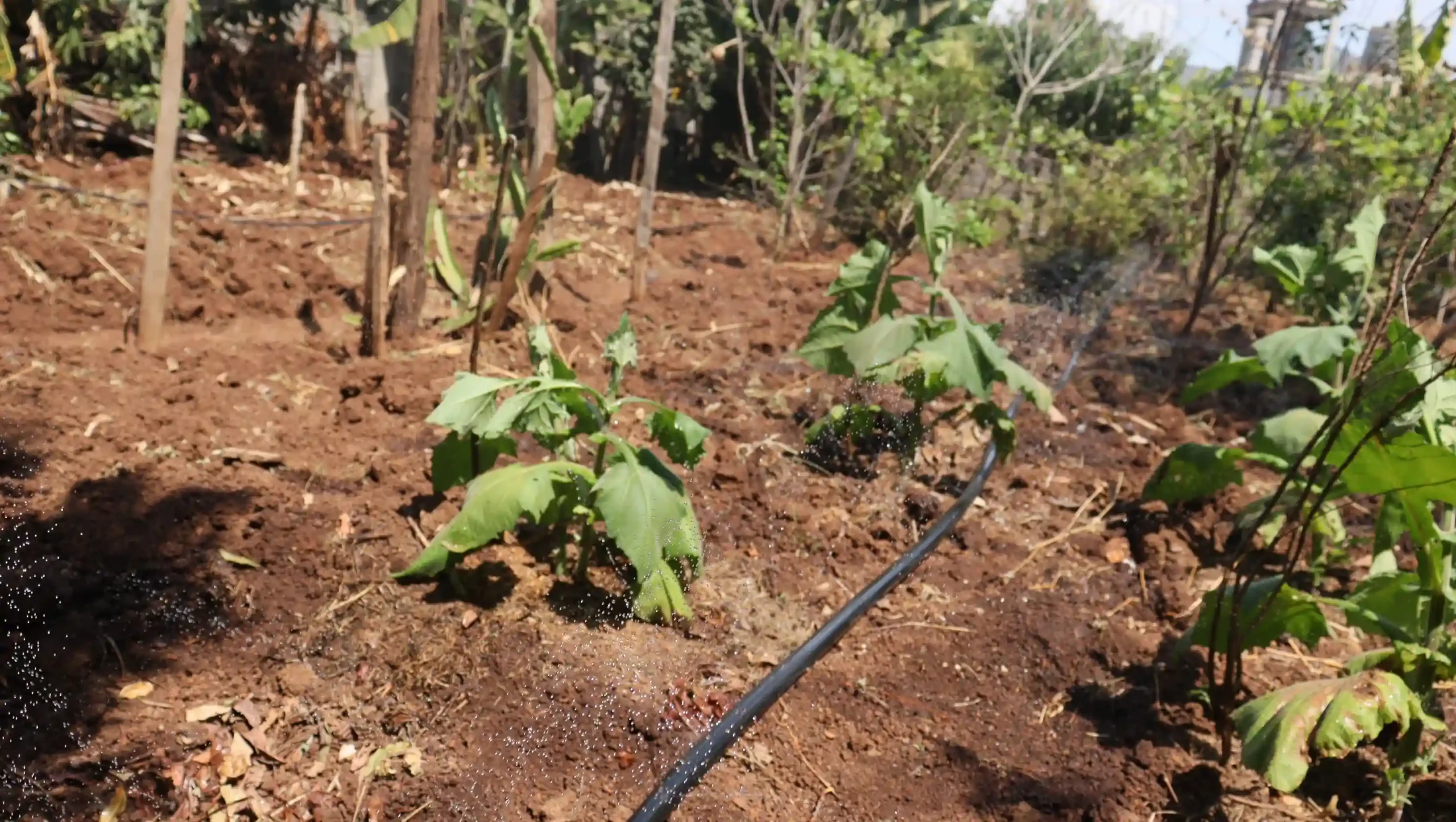
How you run the system affects the crop as much as how it is installed. These practices help leafy vegetables stay healthy:
- Water early in the morning, so the leaves dry before night
- Use short, regular cycles instead of one long watering
- Check that the spray covers the full width of the bed
- Move the hose or add another if the edge of the bed stays dry
- Reduce the watering time during rainy spells
Leafy vegetables show water problems quickly, so look at the crop each day. Yellow or limp leaves, or a bed that stays soggy, point to a need to adjust the schedule.
Why choose Aqua Hub Kenya for rain hose irrigation?
Leafy vegetable farms often need more than one kind of watering. Aqua Hub Kenya supplies rain hose, drip kits and greenhouses, which lets you plan the whole farm with one supplier. As a result, the parts of your system work together, and you receive advice that covers every crop you grow.
We also explain which method suits each crop, and we recommend the one that fits your beds. Describe your farm by calling +254790719020, and our team will recommend a setup.
Frequently Asked Questions
How much does rain hose irrigation cost in Kenya?
A 1 inch rain hose for rain hose irrigation in Kenya costs KES 3,500 in our range. Call +254790719020 or email info@aquahubkenya.co.ke for information on accessories and the exact price of your system.
What is a rain hose?
A rain hose is a flexible hose with small openings along its length that sprays water over a bed. It is used to water close-planted crops.
Is rain hose irrigation good for leafy vegetables?
A rain hose is good for leafy vegetables because it gives frequent, light watering over the whole bed. Leafy crops have shallow roots that benefit from evenly moist topsoil.
What is the difference between rain hose and drip irrigation?
A rain hose sprays water over the bed, while drip irrigation releases water at the base of each plant. Drip suits widely spaced crops, and a rain hose suits close-planted leafy beds.
Can I use a rain hose inside a greenhouse?
A rain hose can be used inside a greenhouse to water leafy vegetable beds. Water in the morning and keep the vents open to limit humidity.
Can I use rain hose irrigation and drip irrigation together?
Rain hose irrigation and drip irrigation can be used together on one farm or in one greenhouse. Place a valve on each section so you can control them separately.
When should I water leafy vegetables?
Water leafy vegetables early in the morning, so the leaves dry during the day. Use short, regular cycles.
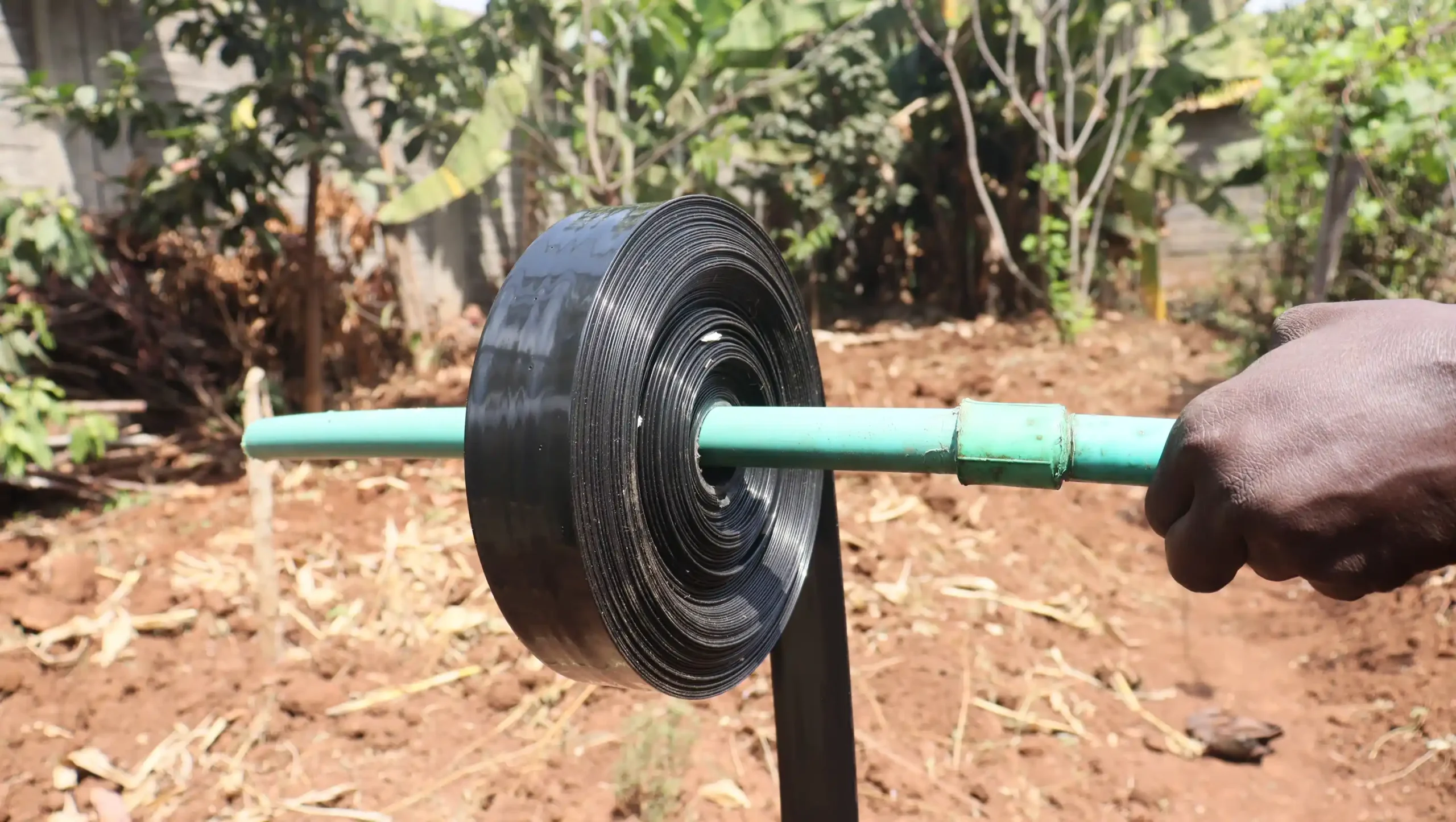
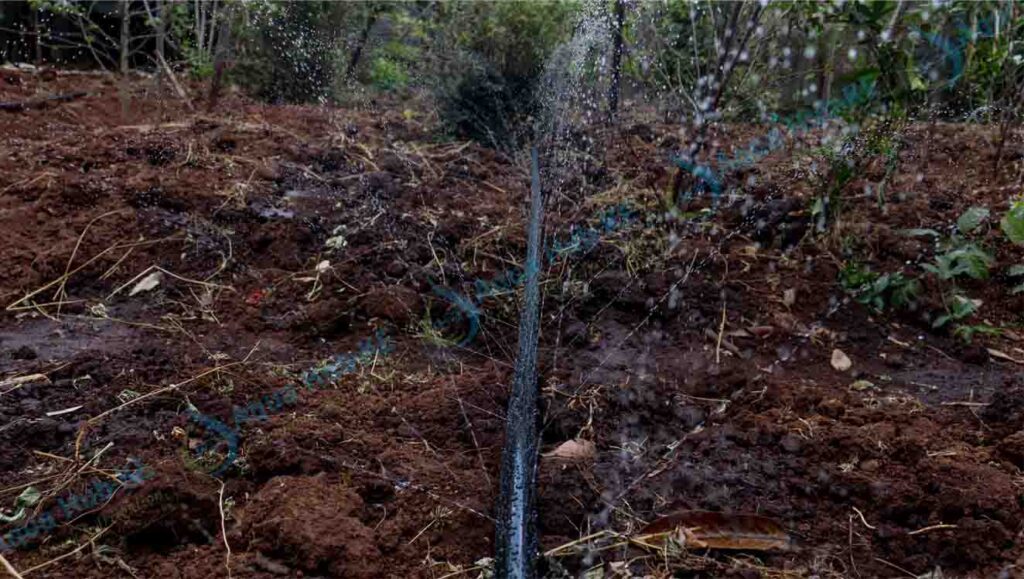
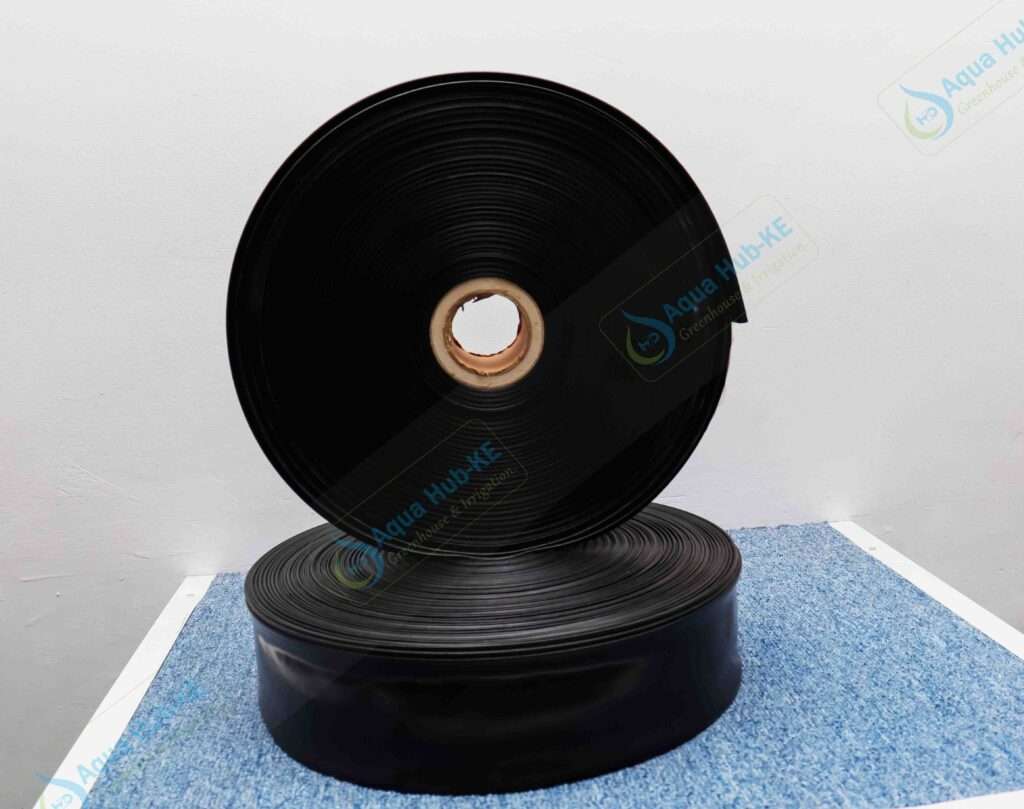
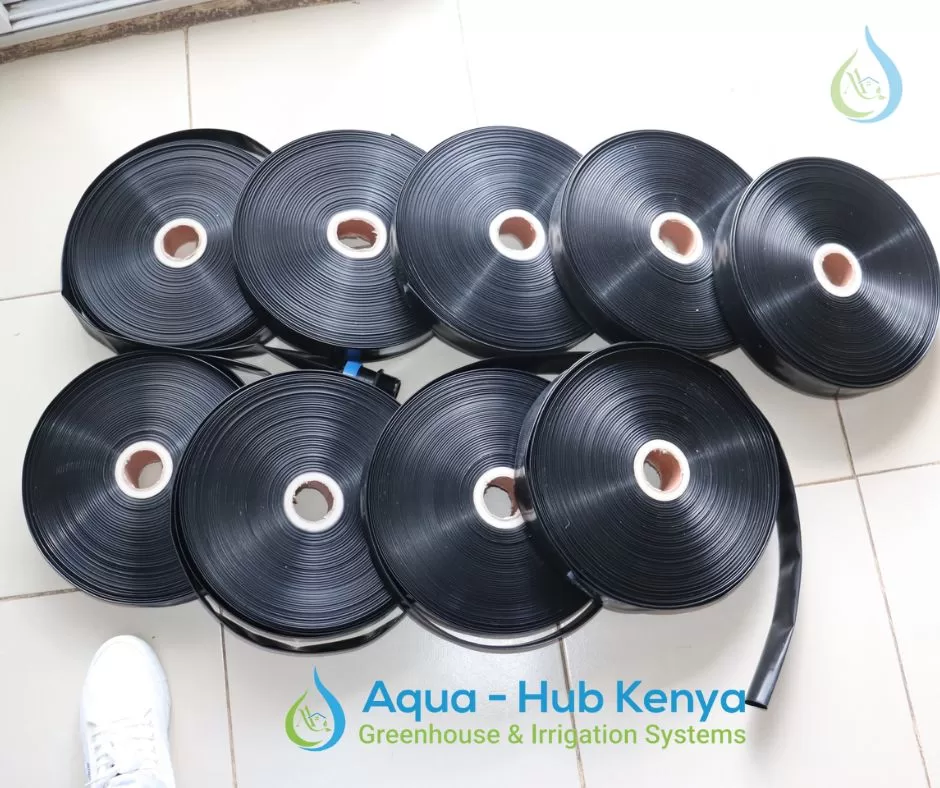
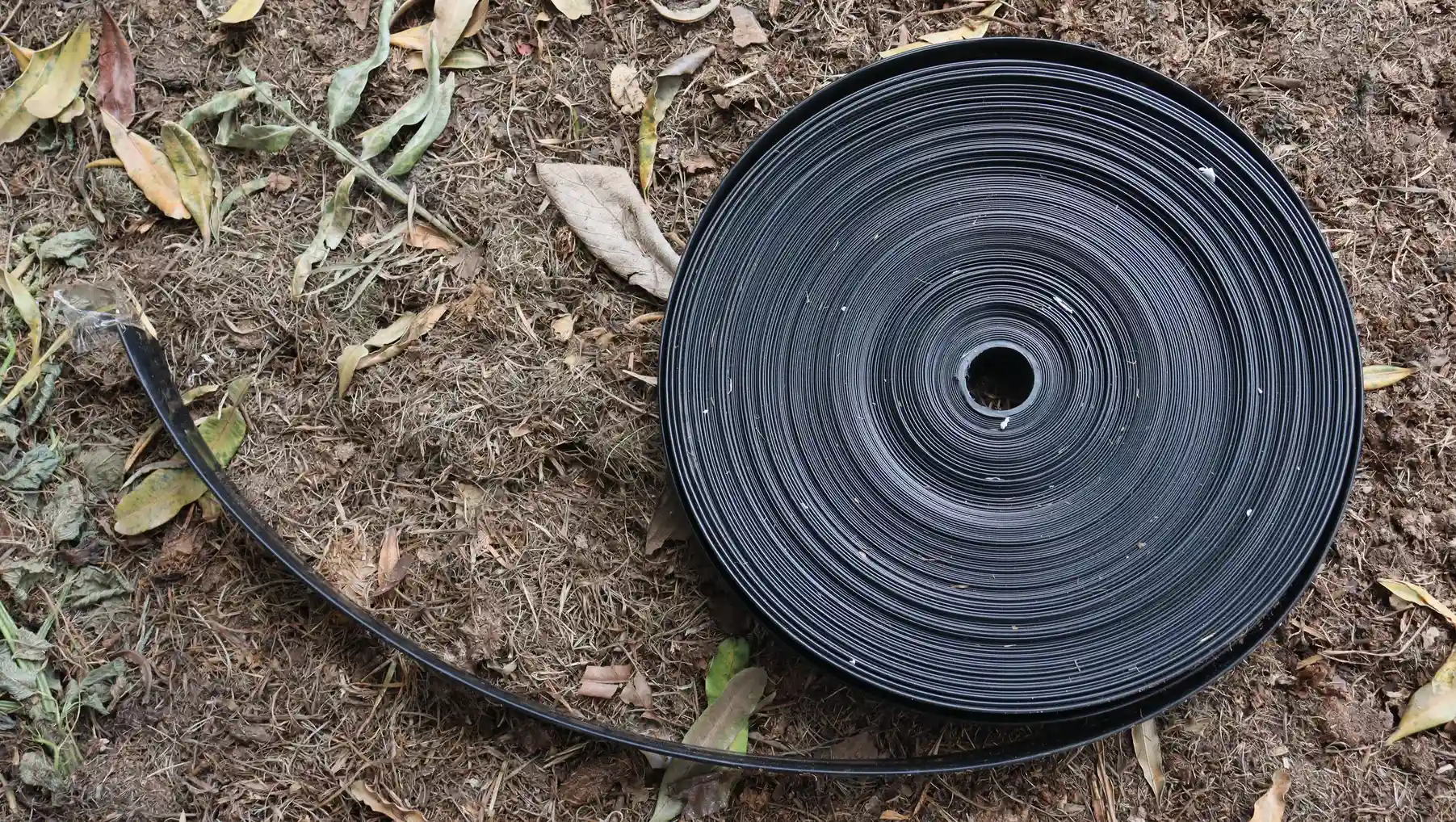
Unravelling a rain hose pipe for irrigation
Do I need a filter for a rain hose?
A filter is useful because it keeps dirt out of the small openings in the hose. It is especially important when the water comes from a dam or river.
How wide a bed can one rain hose water?
The width a hose can cover depends on the hose and the water pressure. Our team will advise on the layout for your beds.
Final Thoughts on rain hose irrigation by Aqua Hub Kenya
Rain hose irrigation gives leafy vegetables the frequent, light watering they need. Laying the hose correctly, using a filter and watering at the right time of day all add to the result. With drip irrigation for other crops and a greenhouse where needed, the whole farm can be watered efficiently.
A 1 inch rain hose costs KES 3,500 at Aqua Hub Kenya. Call +254790719020 or email info@aquahubkenya.co.ke for information on accessories and the exact price for your farm.