
Blog
Tunnel greenhouses for sale in Kenya | 2026 Cost
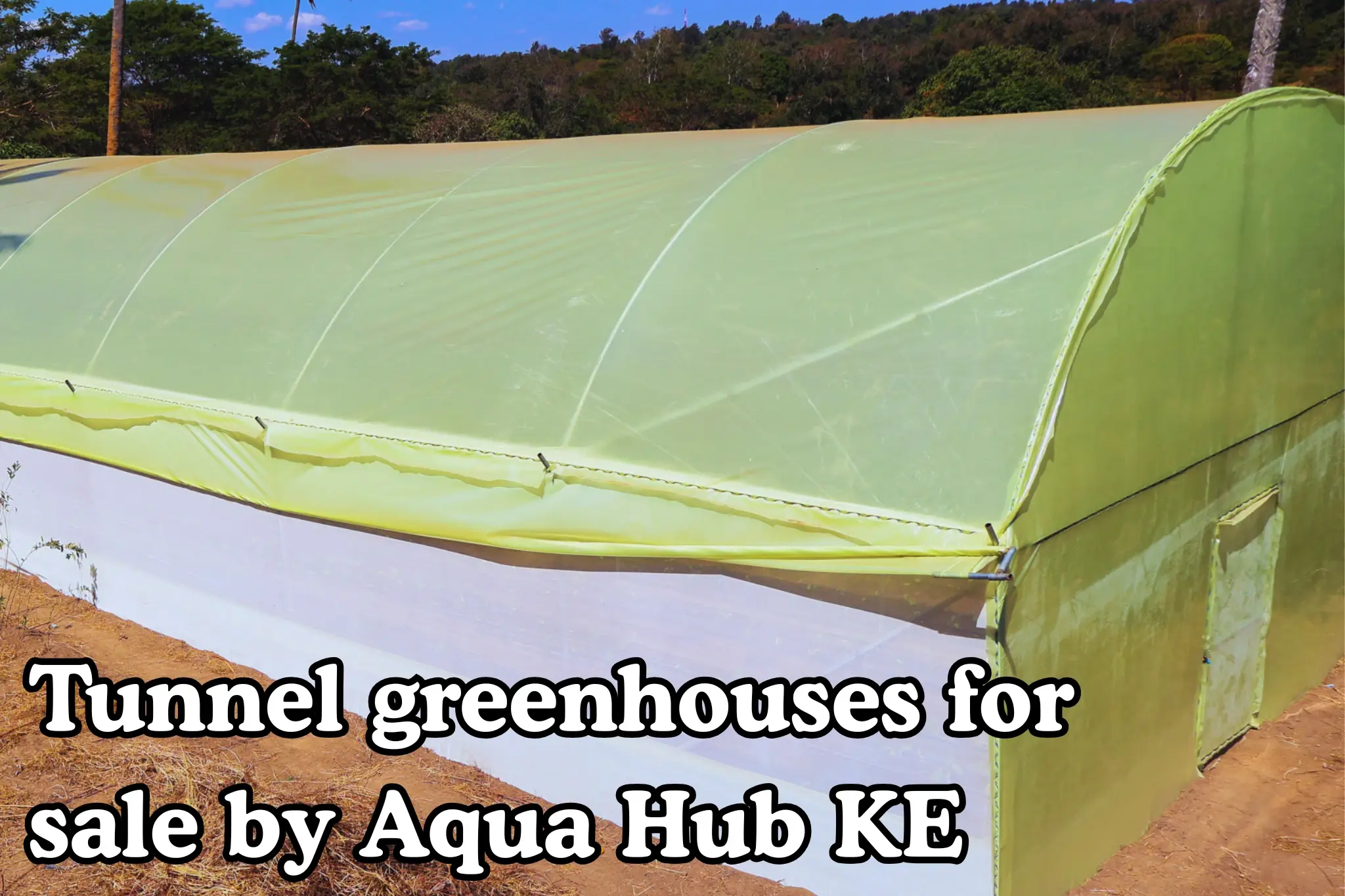
Tunnel greenhouses in Kenya from Aqua Hub Kenya start at KES 255,000 for a metallic frame, depending on the size you choose.
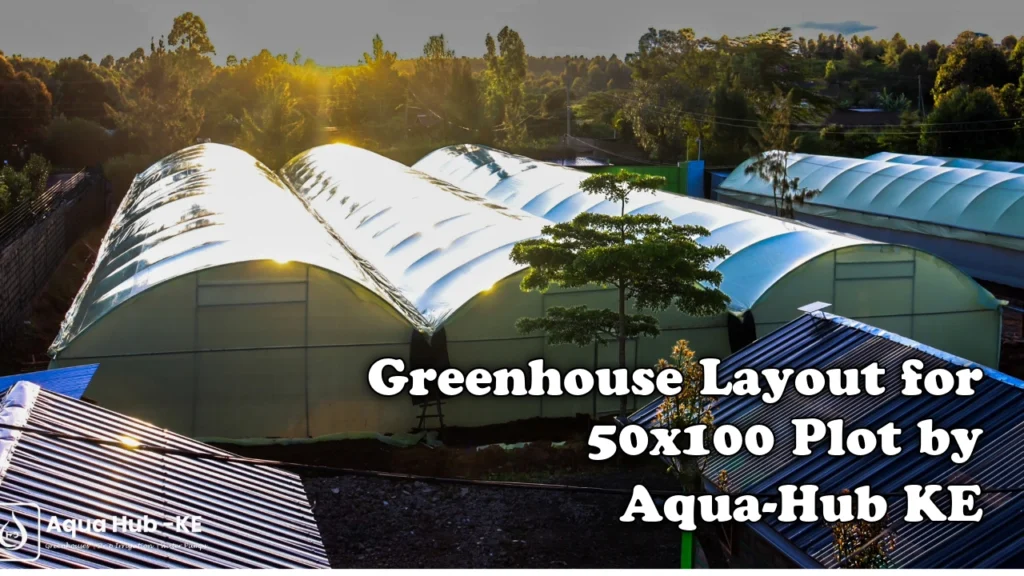
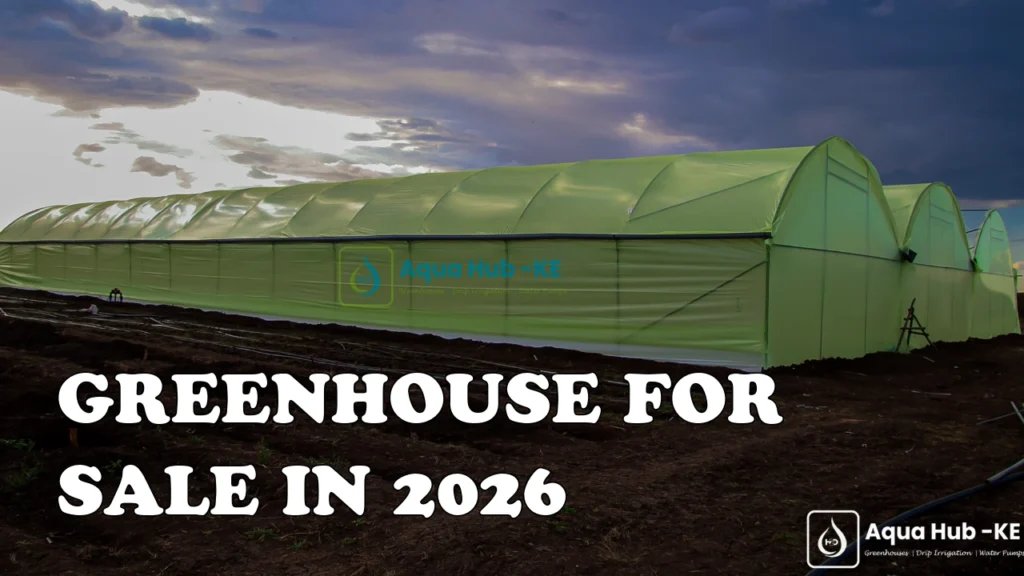
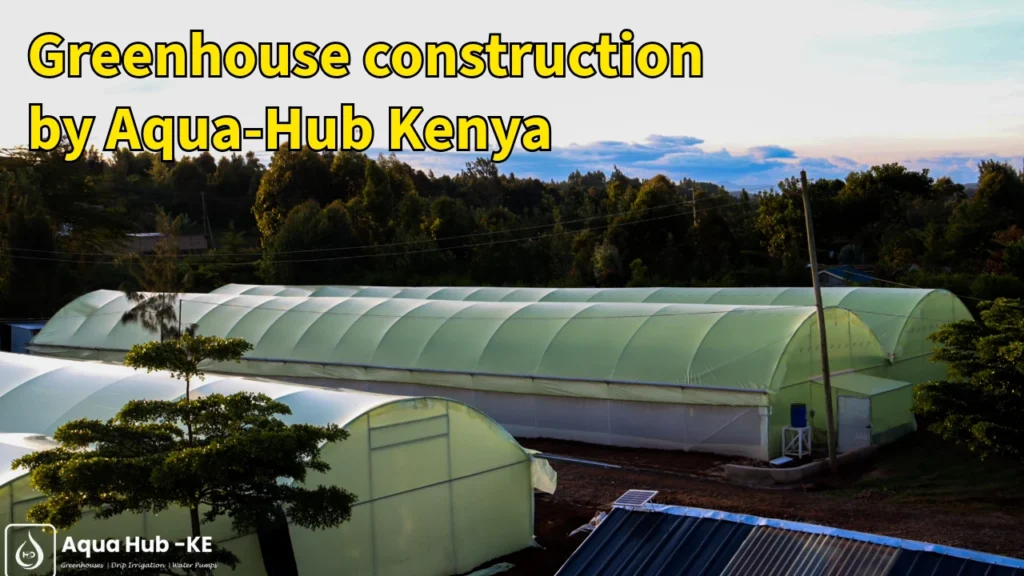
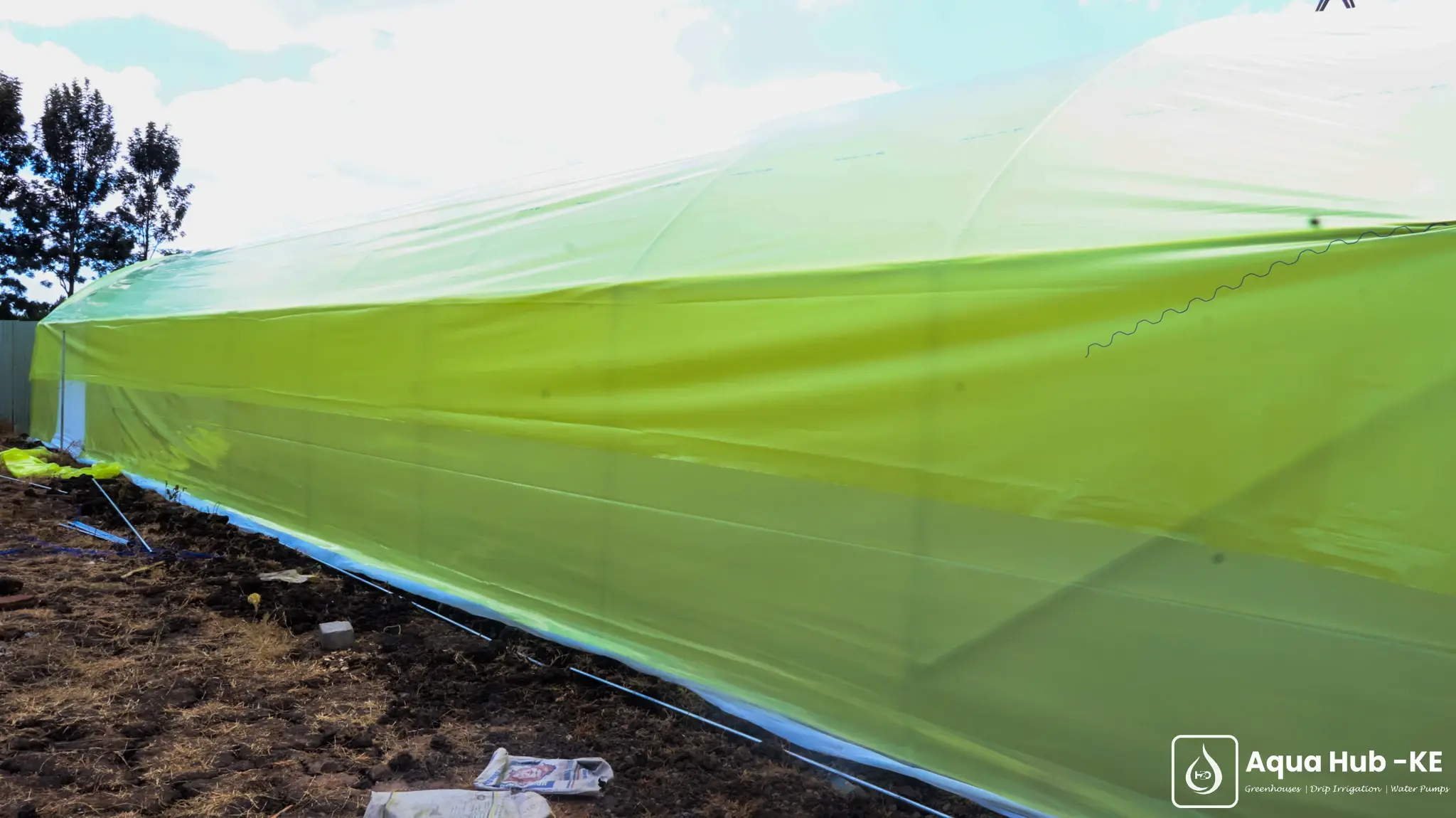
A tunnel greenhouse is a long, arched structure covered to shield your crop from heavy rain and harsh sun. Inside it, plants grow in steadier conditions than in an open field. Because of this, tunnel greenhouses in Kenya have become a practical choice for farmers who want better produce and more reliable harvests.
Aqua Hub Kenya supplies and builds tunnel greenhouses in four sizes. Tell us about your land by emailing info@aquahubkenya.co.ke or calling +254790719020, and our team will point you to the right structure.
What do tunnel greenhouses in Kenya cost at Aqua Hub Kenya?
The price of a tunnel greenhouse depends mainly on two choices, the frame and the size. Wooden frames cost from KES 160,000 to KES 460,000, while metallic frames cost from KES 255,000 to KES 700,000. The table below sets out each size for both frames:
| Frame | 8 m × 15 m | 8 m × 24 m | 8 m × 30 m | 16 m × 30 m |
|---|---|---|---|---|
| Wooden | KES 160,000 | KES 230,000 | KES 290,000 | KES 460,000 |
| Metallic | KES 255,000 | KES 310,000 | KES 380,000 | KES 700,000 |
Your final quote moves with the size of the structure and the frame you pick. It also depends on whether you want our team to build it for you. For the exact price of your tunnel greenhouse, send the dimensions of your plot to info@aquahubkenya.co.ke or call +254790719020.
Why more Kenyan farmers are growing in them
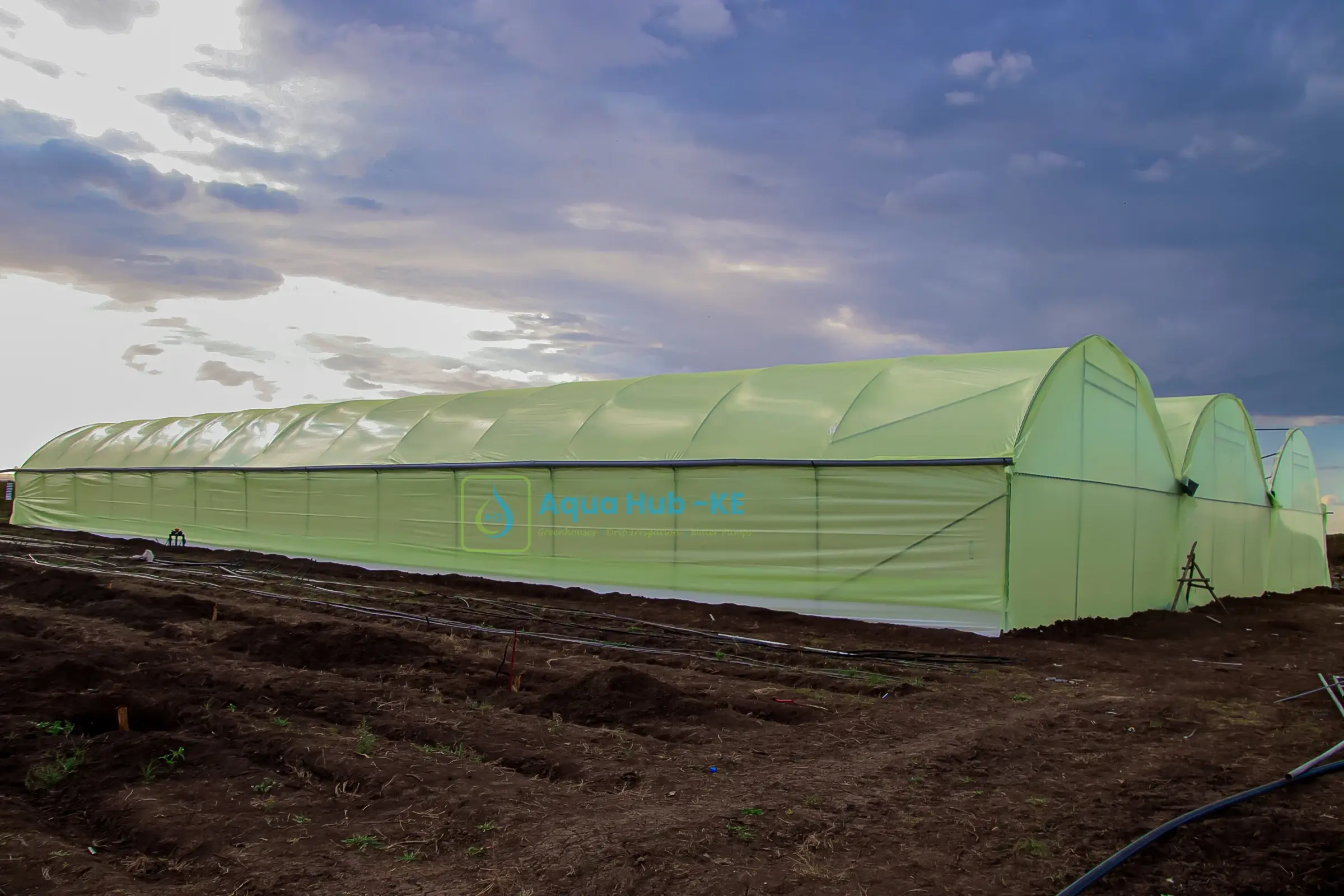
An open field exposes a crop to harsh environmental conditions. Heavy downpours bruise leaves, and strong sun scorches them. A tunnel greenhouse softens all of this, so plants spend their energy on growth instead of recovery.
The gains most farmers notice include:
- Shelter from rain that splashes soil onto leaves and fruit
- Relief from the hardest midday sun
- Steadier growing conditions through the year
- Cleaner produce that fetches better prices at the market
- A controlled space where pests are easier to spot early
Therefore, tunnel greenhouses in Kenya protect both the size and the quality of a harvest. Many growers also find that they can plan planting dates with more confidence, since the weather matters less.
Wooden or metallic, choosing a frame from Aqua Hub Kenya
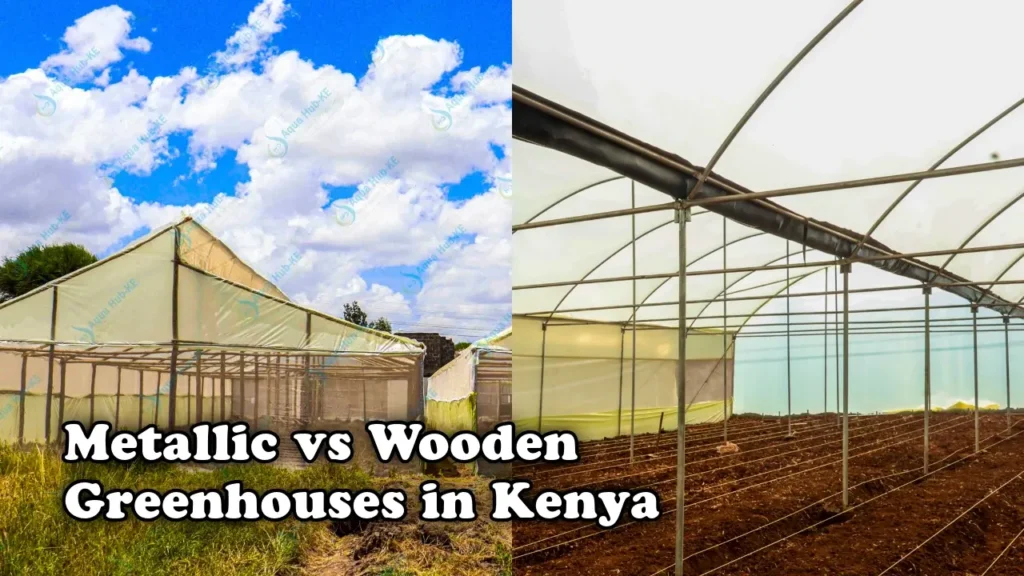
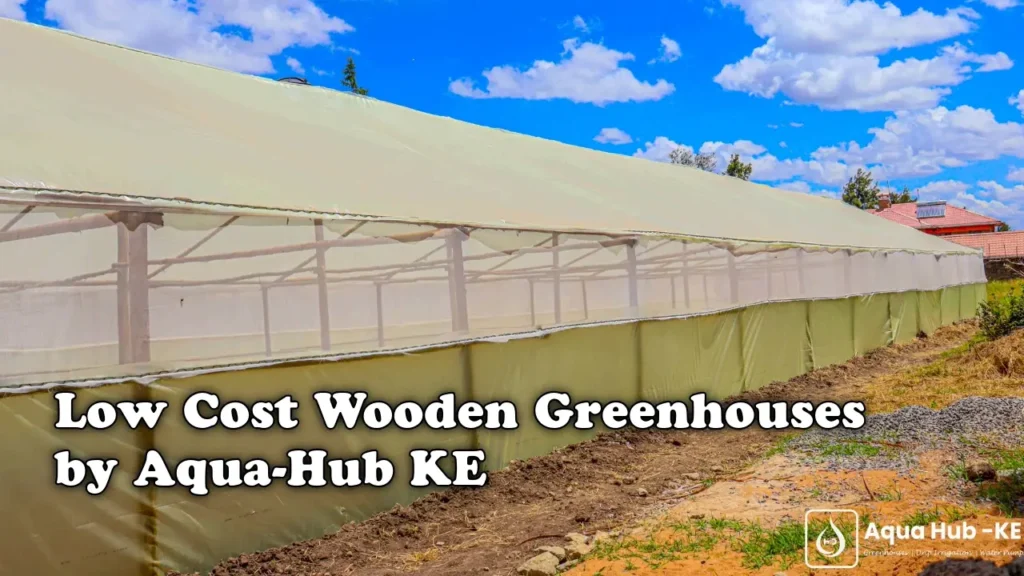
The frame carries the whole structure, so the choice deserves some thought. A wooden frame costs less at every size in our range, which makes it a sensible start for a first tunnel greenhouse or a tight budget. A metallic frame costs more, but it gives a rigid structure that holds the cover firmly in place.
If you plan to grow in the same tunnel greenhouse for many seasons, the extra cost of a metallic frame may be worth it. Tell us how long you plan to use the structure, and our team will recommend the frame that fits.
How the cover and airflow shape the internal conditions
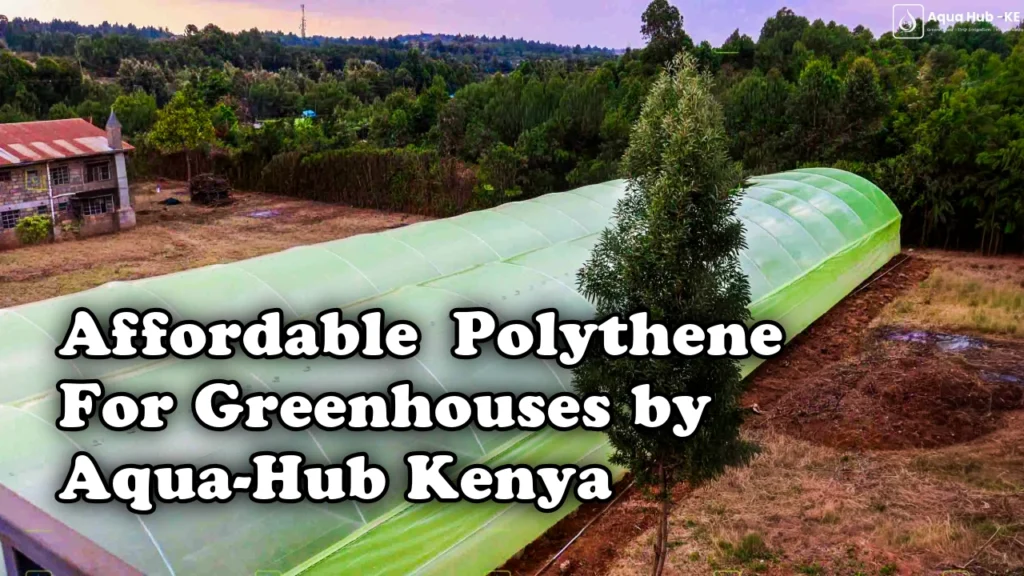
The cover is what turns an arched frame into a greenhouse. It lets in light while keeping rain and part of the sun’s heat off the crop. A cover that is stretched tight and fixed well lasts longer, because loose sheeting flaps in the wind and wears at the edges.
Airflow matters just as much as the cover. A closed tunnel greenhouse traps heat, and hot, still air stresses plants and encourages disease. For this reason, a greenhouse needs openings that let warm air leave and fresh air enter. Our team advises on how to arrange these openings once we know your site and your crop.
Crops that do well in tunnel greenhouses in Kenya
Tunnel greenhouses suit many crops, and the best fit depends on your market and your water supply. These crops are popular choices under cover:
- Tomatoes, which respond well to sheltered conditions
- Cucumbers, which benefit from steadier warmth and moisture
- Spinach and other leafy crops, since clean, unblemished leaves sell better
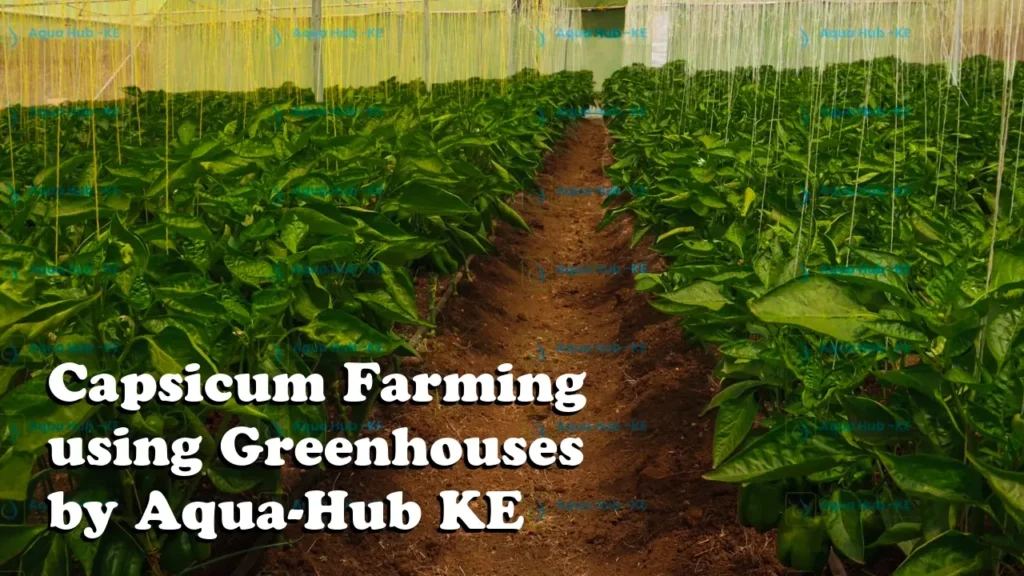
- Peppers, which grow well when rain stays off the foliage
Whichever crop you pick, the structure keeps rain off the foliage and holds conditions steady. Share your plan with us, and our team will help you match the greenhouse size to the number of beds you intend to plant.
Matching an Aqua Hub Kenya tunnel greenhouse to your plot size
Our tunnel greenhouses come in four sizes, from 8 m × 15 m up to 16 m × 30 m. The smallest size gives a full growing space for a first crop, while the largest suits a grower with many beds. In between, the 8 m × 24 m and 8 m × 30 m sizes offer room to expand without a big jump in cost.
Start with your land, since it sets the limit on what fits. Your crop then decides how many beds you need, and your budget narrows the choice between the wooden and metallic options.
Where Aqua Hub Kenya advises placing a tunnel greenhouse on your farm
The position of a tunnel greenhouse affects how well it works. Level ground drains better and makes the structure easier to build, whereas a low spot collects water after rain. Open ground with good light helps the crop, and a site near your water source saves effort every day.
It also helps to avoid places where wind funnels between buildings or trees. Likewise, keep the greenhouse clear of branches that could rub against the cover. When our team visits your site, we check these points before we mark out the footprint.
How Aqua Hub Kenya builds tunnel greenhouses in Kenya on your land
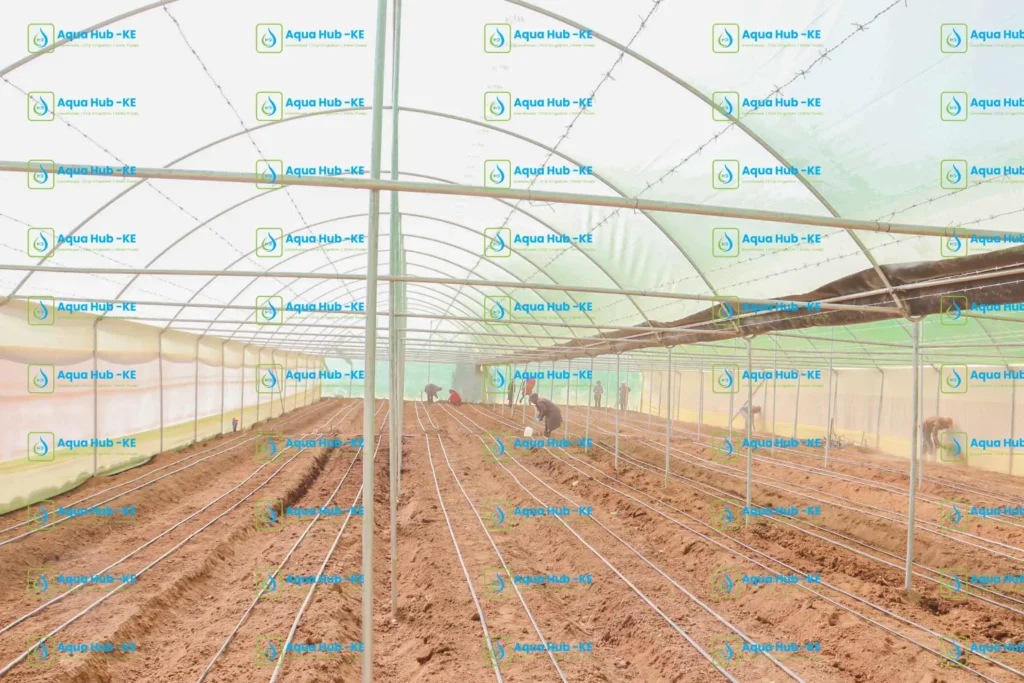
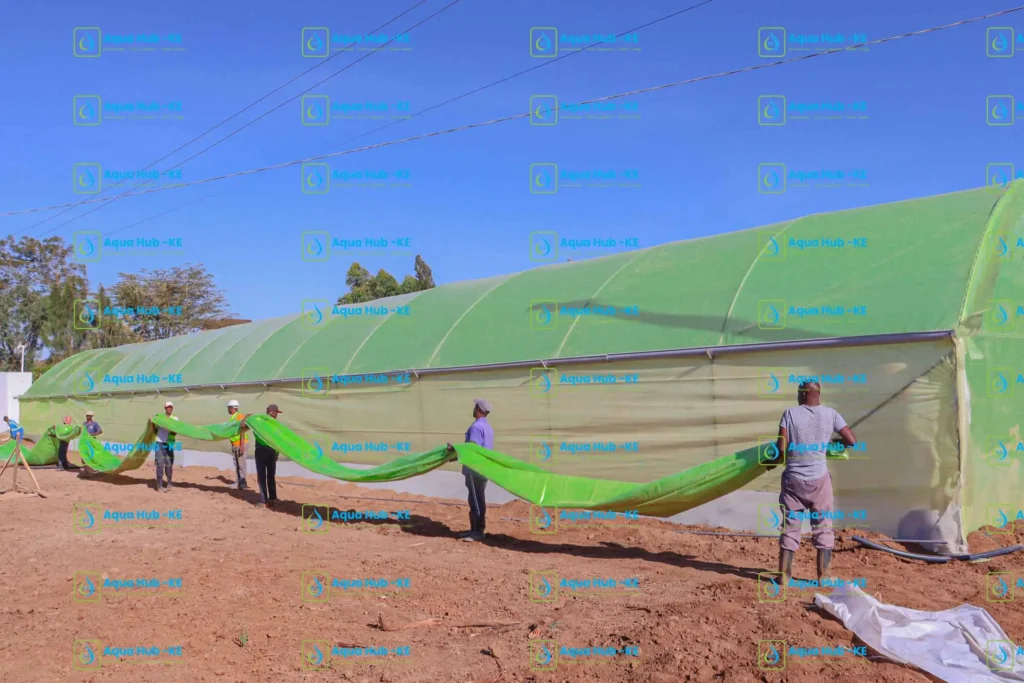
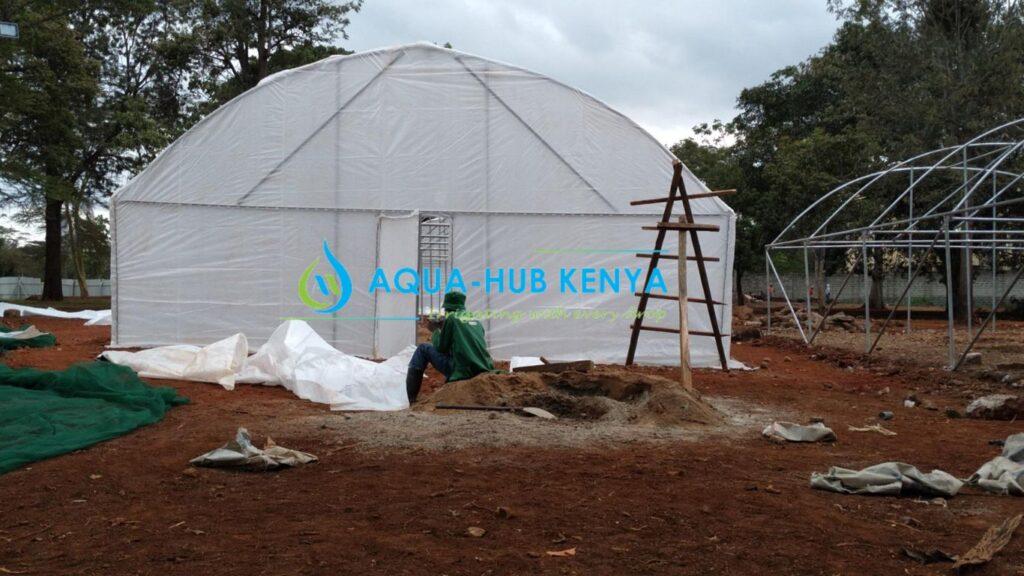
Greenhouse construction by Aqua Hub Kenya
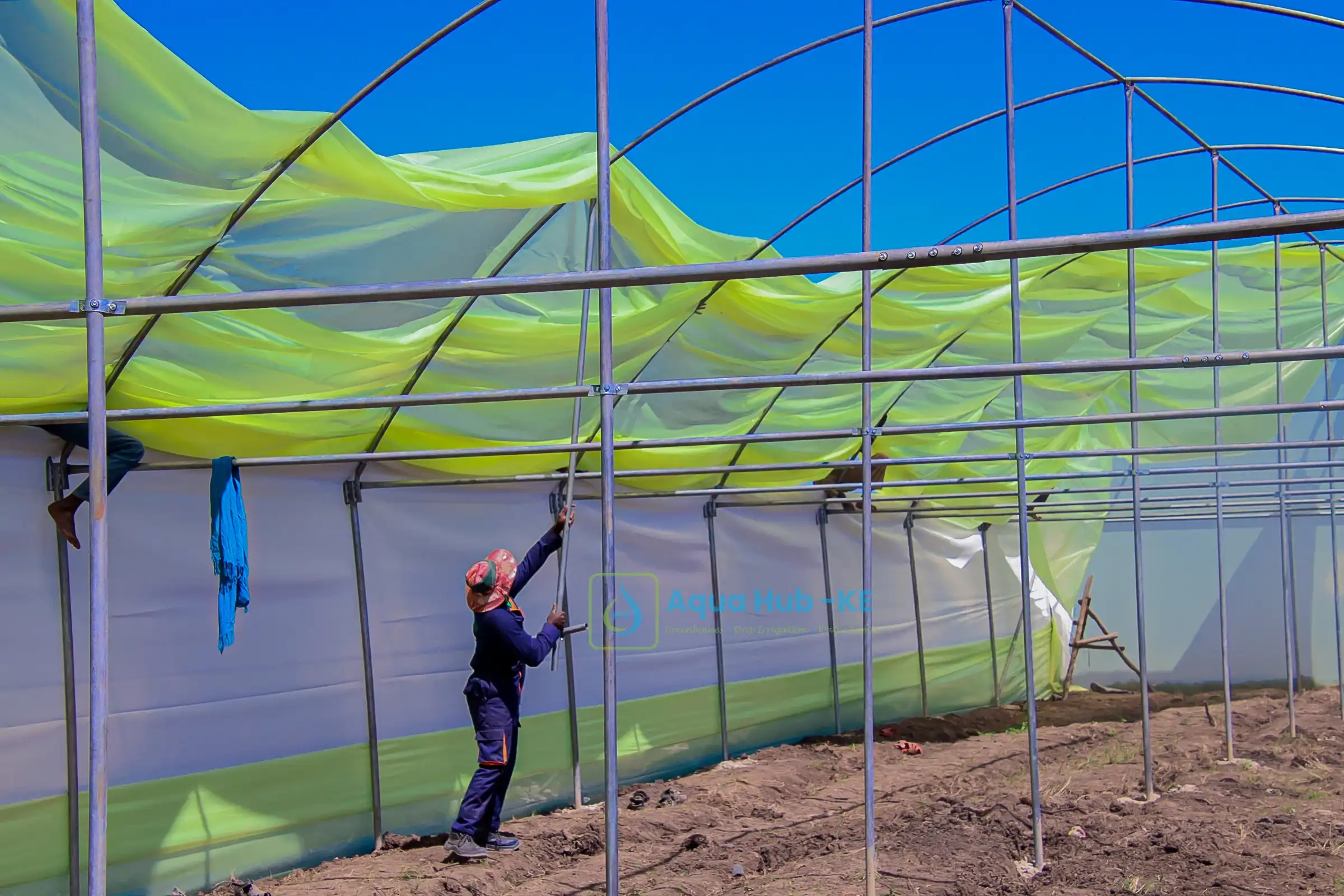
A good build keeps the cover tight and the frame steady. Our team works through these stages:
- First, we mark out the footprint of the greenhouse and level the ground
- Next, we set the frame supports firmly in the soil
- The arched frame then goes up piece by piece
- After that, we check that the frame is square and secure
- Once the frame is steady, we stretch the cover over it
- Then the cover is fixed along the edges so it stays taut
- Finally, we inspect the whole structure before handing it over
To have our team build your tunnel greenhouse, call +254790719020 or email info@aquahubkenya.co.ke with your location and plot size. We will then arrange a site visit and confirm the work with you.
Looking after your Aqua Hub Kenya tunnel greenhouse once it is standing
A tunnel greenhouse needs little attention, but a few habits extend its life. These routines keep the structure in good shape:
- Inspect the cover regularly for small tears and mend them early
- Clear dust and debris so light reaches the crop
- Check that the frame joints and supports remain firm
- Open the airflow gaps on hot days and close them when it turns cold
- Keep the ground around the greenhouse clear of standing water
After heavy wind or rain, walk around the structure and look for loose edges. A quick fix at that point prevents a bigger repair later. If you spot damage you are unsure about, email info@aquahubkenya.co.ke so our team can advise you.
Why choose Aqua Hub Kenya for tunnel greenhouses in Kenya?
Many growers end up dealing with one supplier for the frame and another for the cover and the building work. At Aqua Hub Kenya, one team supplies and builds the whole tunnel greenhouse. As a result, you answer to a single contact from the first quote to the final inspection.
We also publish the price of every size, so you can plan your budget with real figures. Our approach starts with your land and your crop, which means each greenhouse is matched to the job it has to do. Describe your plot by calling +254790719020, and we will guide you from the first measurement.
Frequently Asked Questions
How much do tunnel greenhouses in Kenya cost?
Tunnel greenhouses in Kenya cost from KES 160,000 for a wooden frame and KES 255,000 for a metallic frame in our range. Call +254790719020 or email info@aquahubkenya.co.ke for the exact price of your tunnel greenhouse.
What is a tunnel greenhouse?
A tunnel greenhouse is a long, arched structure covered to protect crops from heavy rain and harsh sun. It creates steadier growing conditions than an open field.
What sizes of tunnel greenhouse do you offer?
Our tunnel greenhouses come in four sizes, from 8 m × 15 m to 16 m × 30 m. Each size is available with a wooden or a metallic frame.
Is a wooden or a metallic frame better?
The better frame depends on your budget and how long you plan to use the greenhouse. Wooden frames cost less, while metallic frames give a more rigid structure.
Which crops grow well in a tunnel greenhouse?
Tomatoes, cucumbers, spinach and peppers all do well in a tunnel greenhouse. The right choice depends on your market and your water supply.
Why does a tunnel greenhouse need ventilation?
A closed tunnel greenhouse traps heat, and hot, still air stresses plants and encourages disease. Openings let warm air leave and fresh air enter.
How long does the cover last?
The life of a cover depends on how well it is fixed and cared for. Regular checks and quick repairs of small tears help it last longer.
Where should I place a tunnel greenhouse on my farm?
Choose level, well-lit ground with good drainage, near your water source. Avoid low spots and places where wind funnels between buildings or trees.
Final Thoughts on tunnel greenhouses in Kenya
A tunnel greenhouse shelters your crop and keeps conditions steady from planting to harvest. A suitable frame and a careful build give you cleaner produce and a more dependable season. With simple routine care, the structure keeps working for years.
Tunnel greenhouses in Kenya from Aqua Hub Kenya start at KES 160,000 for a wooden frame and KES 255,000 for a metallic frame. Call +254790719020 or email info@aquahubkenya.co.ke to get the exact price for your plot.