
Blog
Durable seedling trays by Aqua Hub Kenya
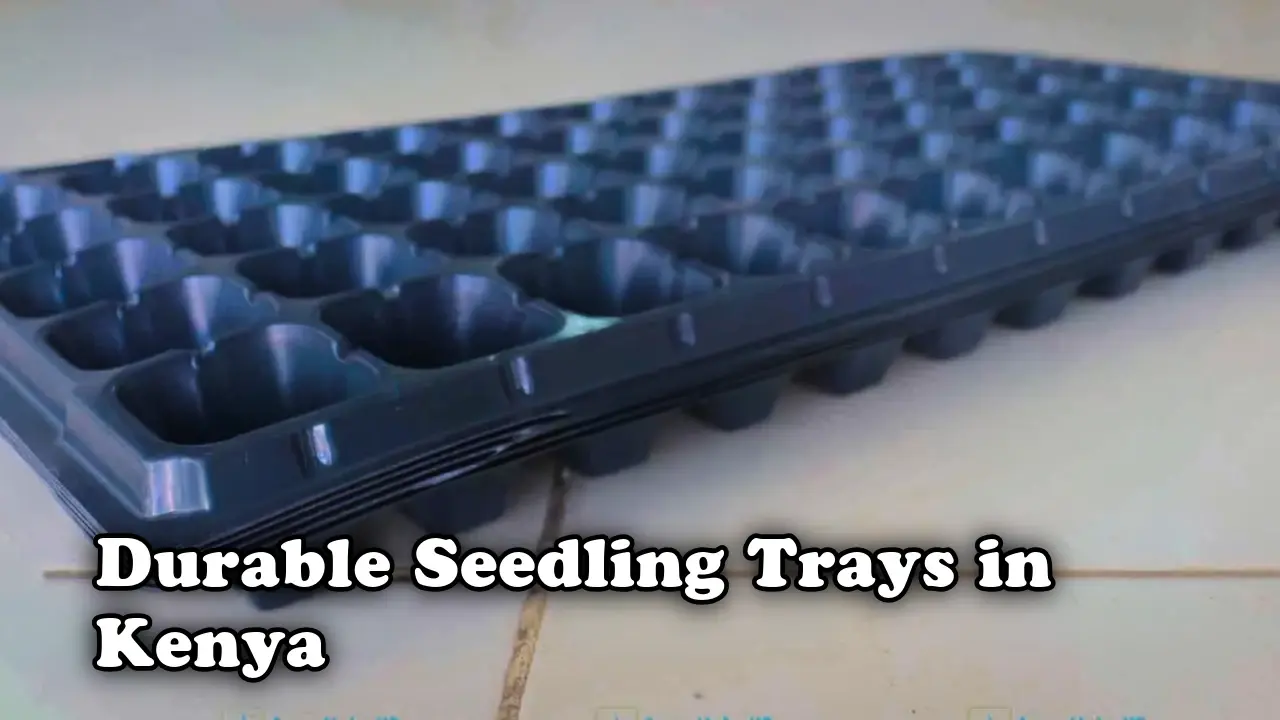
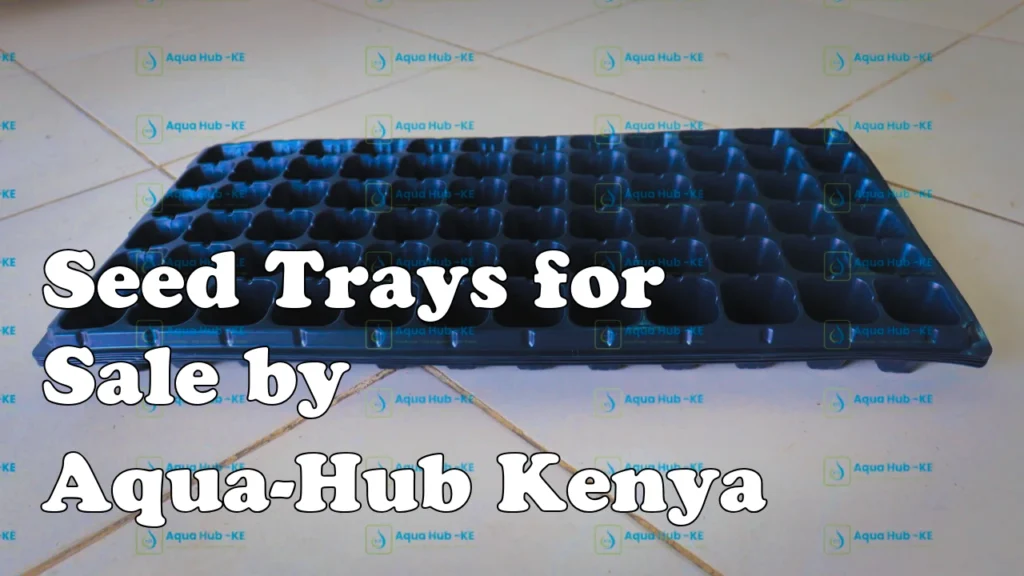
Durable seedling trays at Aqua Hub Kenya cost KES 140 per tray, whichever number of cells you choose.
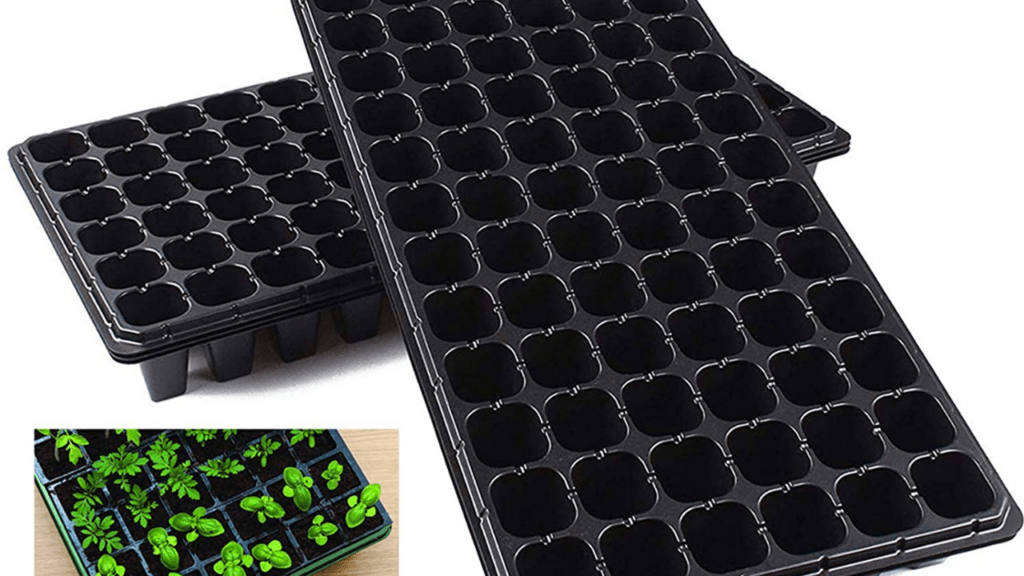
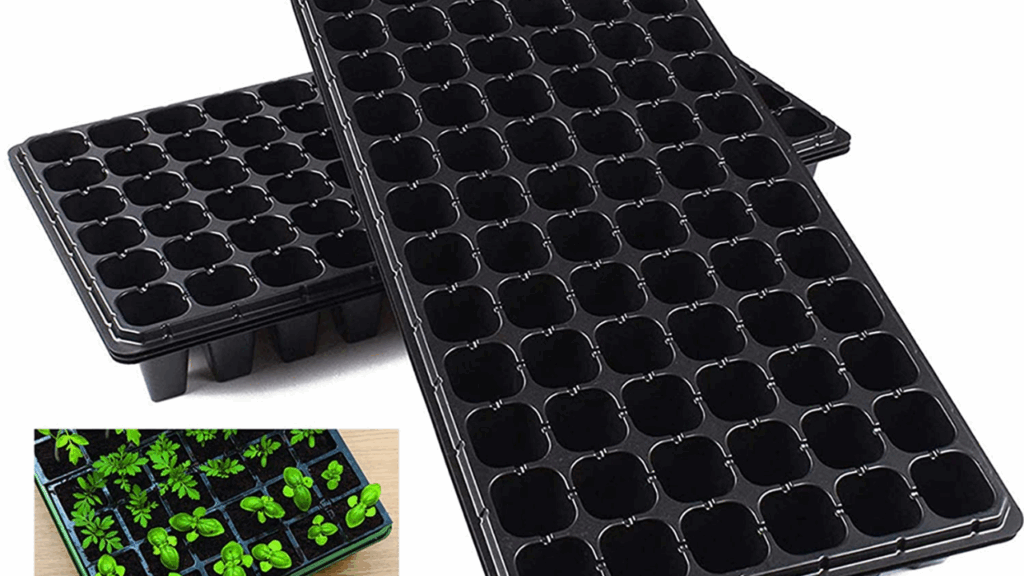
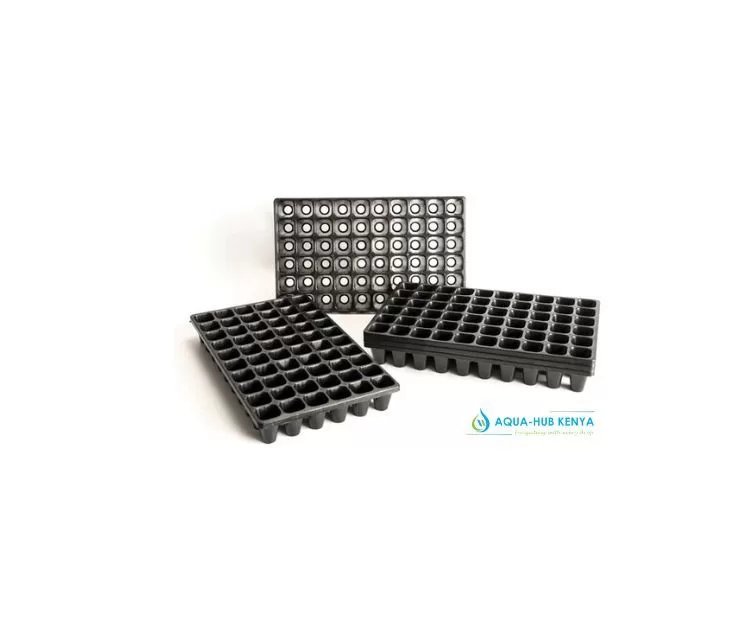
A seedling tray holds young plants in separate cells until they are ready to move into the field. Durable seedling trays keep their shape, so you can use them again for the next batch of seedlings. This matters for nurseries and farms that raise seedlings every season.
Aqua Hub Kenya supplies durable seedling trays in five cell counts. Tell us which crops you plan to raise by emailing info@aquahubkenya.co.ke or calling +254790719020, and our team will recommend the right tray.
What do durable seedling trays cost at Aqua Hub Kenya?
Every tray costs the same price, whatever the number of cells. This lets you choose by crop and not by budget. The table below shows the cell counts and the crops each one usually suits:
| Number of cells | Price per tray | Usually suits |
|---|---|---|
| 50 | KES 140 | Larger seedlings, such as watermelon and pawpaw |
| 72 | KES 140 | Tomatoes and capsicums |
| 128 | KES 140 | Cabbage and kale |
| 200 | KES 140 | Lettuce and onions |
| 288 | KES 140 | Small seedlings that need little root space, such as herbs and flowers |
Your total depends on how many trays you need for each batch. To work out the number, divide the seedlings you plan to raise by the cells in one tray, then round up to the next whole tray. For example, 1,000 seedlings divided by 128 cells gives 7.8, so you round up to eight 128-cell trays, which cost KES 1,120. For an exact quote, call +254790719020 or email info@aquahubkenya.co.ke with the number of seedlings you plan to raise.
Why Aqua Hub Kenya durable seedling trays matter for your nursery
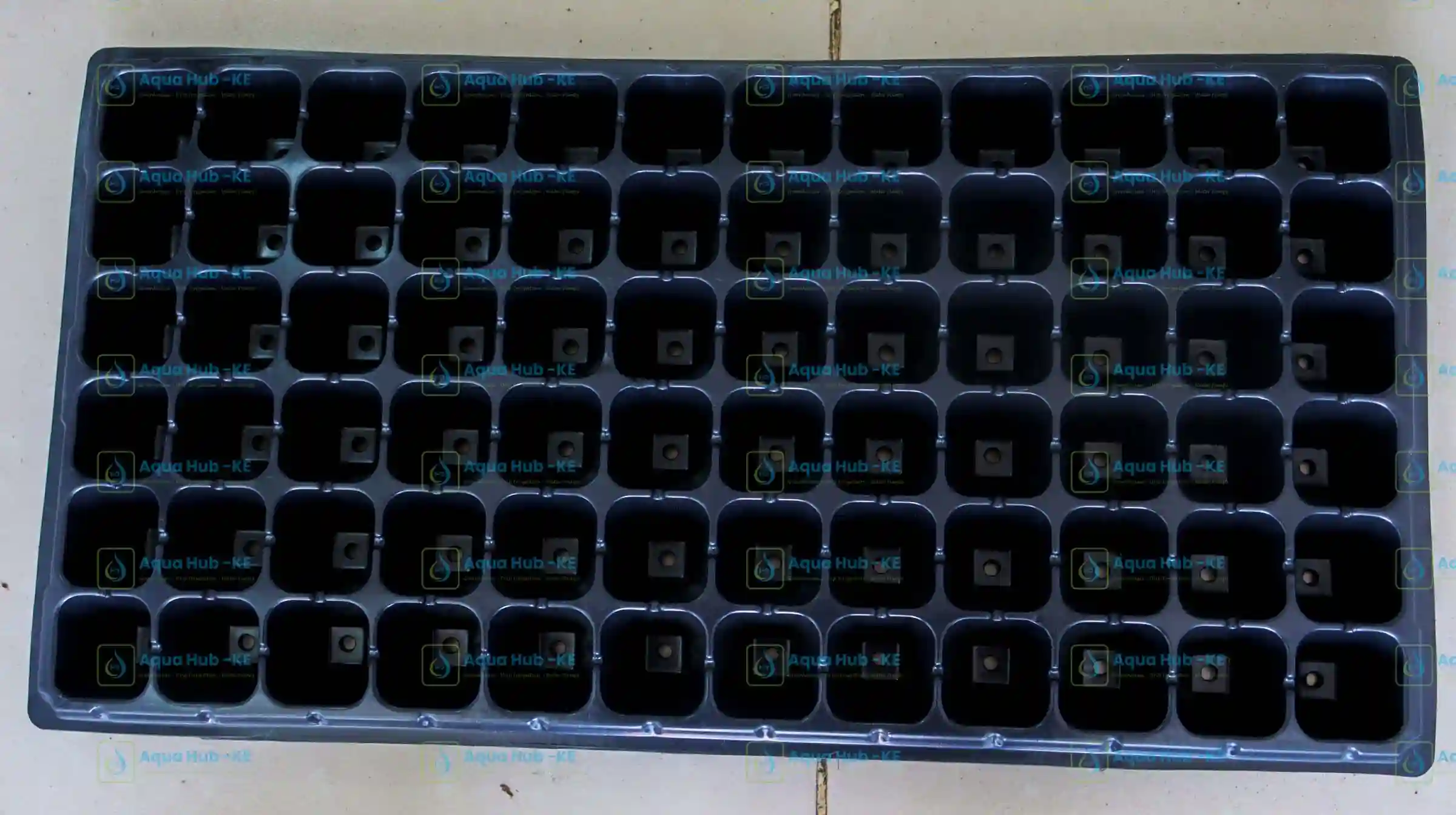
agricultural seedling trays in Kenya
A tray that cracks or warps after one season forces you to buy again and can damage the seedlings inside. With durable trays, you do not face these problems. A good tray lasts through many batches, so its price spreads across many crops. Reuse also cuts the time you spend ordering new trays before each season.
Reuse across seasons
A nursery fills the same trays again and again, and each batch puts weight on the cells and the sides. Trays that hold their shape stay level on the bench and keep the cells even. As a result, every seedling gets the same amount of growing mix and water.
Protecting young roots
Seedling roots are delicate, and a damaged cell can tear them when you remove a plant. Smooth cells that keep their form let the root ball slide out intact. This helps the seedling establish quickly after transplanting.
What to look for in durable seedling trays from Aqua Hub Kenya
Not every tray holds up under daily nursery use. Qualities of a good tray include:
- Firm sides that do not bend when the tray is full of wet growing mix
- Cells that keep their shape after repeated use
- Drainage holes that let extra water escape
- Smooth cell walls that release the root ball easily
- A size that fits your benches and your carrying routine
Check these points before you buy, because a weak tray costs you time and seedlings. Our team can answer questions about the trays we supply if you call +254790719020.
Choosing the number of cells with Aqua Hub Kenya
The number of cells decides how much space each seedling gets. Fewer cells mean larger cells, while more cells mean smaller ones. The right choice depends on the crop and on how long the seedling stays in the tray.
Fewer, larger cells
Our 50-cell and 72-cell durable seedling trays give each seedling plenty of root space. They suit crops that spend longer in the nursery or grow into large plants. Larger cells hold more growing mix, which keeps moisture steady.
More, smaller cells
The 200-cell and 288-cell trays pack many seedlings into a small area. They suit crops that need only a short time in the tray, and they make good use of nursery space. Seedlings in smaller cells need watering more often, since the cells hold less water.
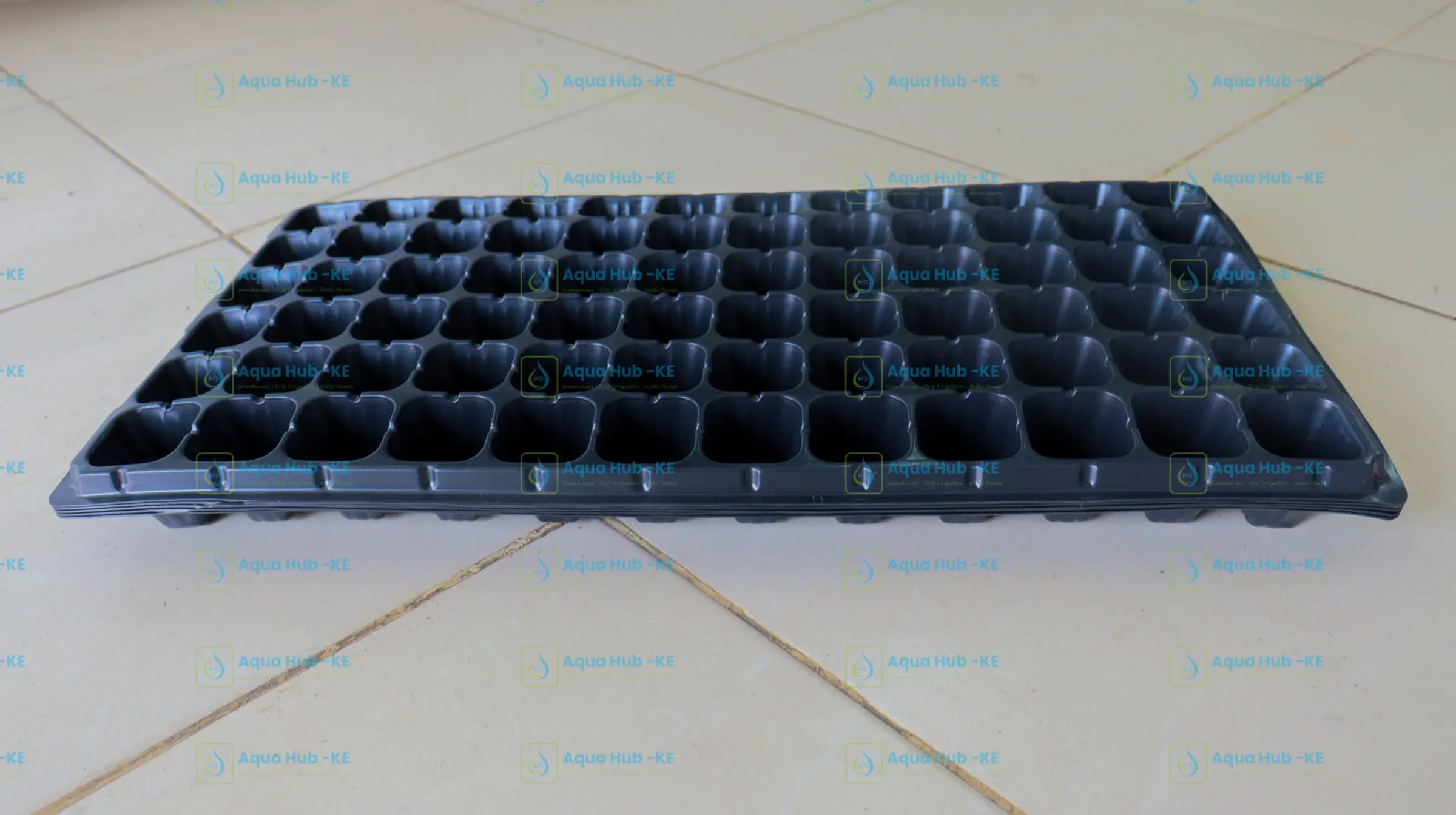
Medium cells for common vegetables
The 128-cell tray sits between the two. Many farmers use it for brassicas, which move to the field after a few weeks. Tell us your crop, and our team will suggest a cell count.
Setting up a seedling nursery with Aqua Hub Kenya
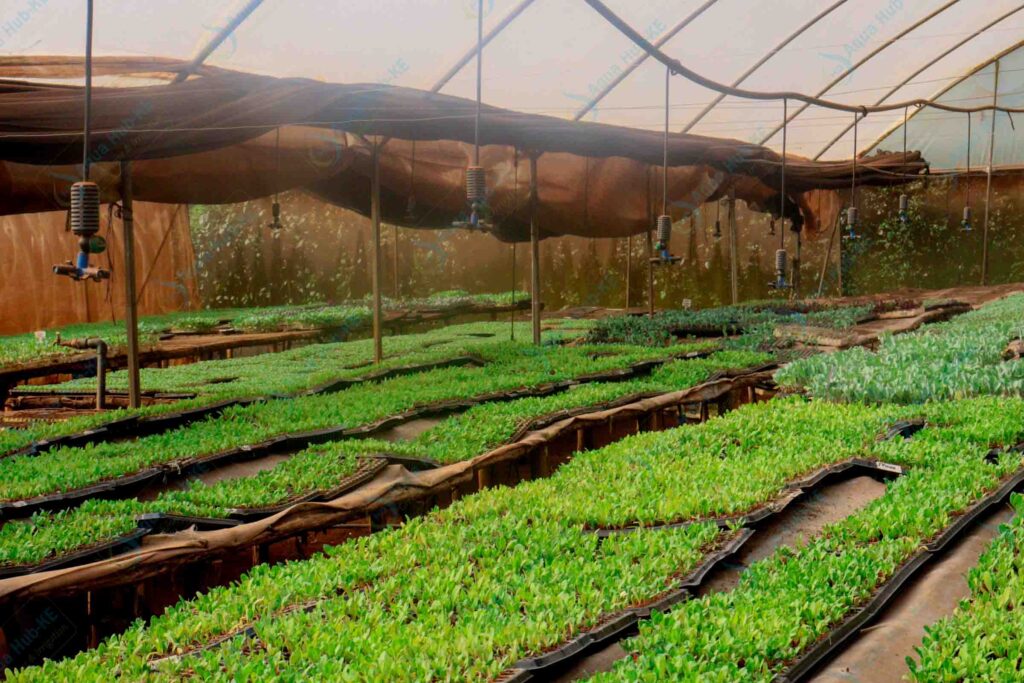
Trays work best in a well-planned nursery. Raise the trays on benches or a firm stand, because trays on the ground absorb dirt and pests. Place the benches where seedlings receive good light without harsh midday sun.
Keep the area around the benches clean, since weeds and standing water attract pests that damage seedlings. Check the trays each day for early signs of disease or insect damage. A shade net over the benches reduces the sunlight that reaches the seedlings and slows the drying of the mix. Aqua Hub Kenya supplies shade nets in several shade rates, and our team can advise on a rate for young plants. A greenhouse gives even more protection from heavy rain and wind, which suits nurseries that raise seedlings through the year.
Step-by-step sowing in seedling trays with Aqua Hub Kenya
Good sowing sets the seedlings up for healthy growth. Follow this order for each tray:
- To begin with, fill each cell with a light, well-draining growing mix
- Subsequently, firm the mix gently, so that the cells are full but not packed
- Once the mix is ready, sow one seed in each cell at the depth the seed packet advises
- With the seeds in place, cover them lightly with more mix
- Afterwards, water the tray with a fine spray, so the seeds stay in place
- Lastly, label each tray with the crop and the sowing date
Once the seedlings emerge, keep the mix moist without letting it become waterlogged. Thin out any cell that holds more than one seedling, so each plant gets enough space.
Watering seedlings in trays
Seedlings in durable seedling trays dry out faster than plants in the ground, since each cell holds only a little mix. A fine spray wets the mix without washing out the seeds or damaging young leaves. Water in the morning, so the leaves dry during the day and disease risk stays low.
Aqua Hub Kenya also supplies irrigation equipment for nurseries. Our team can advise on a watering setup that suits the size of your nursery. Call +254790719020 to discuss your layout.
Cleaning and storing your Aqua Hub Kenya trays
Dirty trays can pass disease from one batch to the next, so clean them after every use. Habits that extend the life of your trays include:
- Rinse out old growing mix as soon as you finish with a tray
- Wash the trays with clean water and let them dry fully
- Stack them neatly, so the cells do not bend
- Store them in a shaded place, away from strong sun
- Handle full trays with both hands, to protect the cells
A clean, dry tray is ready for the next batch. Careful storage also keeps trays in good condition between seasons.
Moving seedlings from an Aqua Hub Kenya tray to the field
Transplant when the roots fill the cell and the seedling has several true leaves. Water the tray an hour before you start, because moist mix helps the root ball come out whole. Press gently under the cell and lift the seedling out by the root ball, not by the stem.
A few days before transplanting, move the trays into more sun, because this hardens the seedlings and helps them adjust to field conditions. Plant the seedling at the same depth it grew in the tray, and water it straight away. Transplant in the cooler part of the day, so the seedlings suffer less stress. Careful handling at this stage protects the work you put into raising them.
Why choose Aqua Hub Kenya for durable seedling trays?
The right tray depends on the crop, so price should not decide the choice. Aqua Hub Kenya sells all five cell counts at one price, which lets you choose the tray that suits the crop and nothing else. This helps nurseries that grow several crops at once.
We also supply the shade nets and greenhouses that complete a nursery. For advice on the trays and equipment that suit your nursery, speak to our team through +254790719020.
Frequently Asked Questions
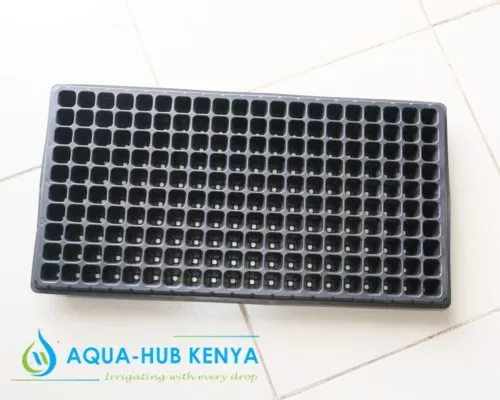
Propagation sets in Kenya
How much do durable seedling trays cost in Kenya?
Durable seedling trays in Kenya cost KES 140 per tray in our range, whatever the number of cells. Call +254790719020 or email info@aquahubkenya.co.ke for the exact price of your order.
What is a seedling tray?
A seedling tray is a tray with separate cells where seeds germinate and grow into young plants. Farmers move the seedlings to the field when they are ready.
Which number of cells should I choose?
Choose the number of cells according to the crop and how long it stays in the tray. Larger cells suit bigger seedlings, and smaller cells suit short-stay crops.
How many seedlings does one tray hold?
A tray holds as many seedlings as it has cells. A 128-cell tray holds 128 seedlings, for example.
Can I reuse seedling trays?
You can reuse these trays for many batches if you clean and store them well. Rinse and dry them after each use.
How do I clean seedling trays?
To clean seedling trays, rinse out the old growing mix and wash each tray with clean water. Let the tray dry fully, because this stops disease from passing to the next batch.
When should I transplant seedlings from the tray?
Transplant when the roots fill the cell and the seedling has several true leaves. Water the tray an hour before you start.
Do seedlings in trays need shade?
Young seedlings do better with shade, because strong sun can dry them out. A shade net over the nursery benches reduces the amount of light that reaches the seedlings.
How often should I water seedlings in trays?
Water seedlings whenever the mix begins to dry, and more often in hot weather. Smaller cells dry out faster than larger ones.
Final Thoughts on durable seedling trays by Aqua Hub Kenya
Strong seedlings start with a good tray. Choosing the right number of cells and keeping the nursery shaded both help the seedlings establish well, while clean trays protect each new batch. With careful handling, you can use the trays for many seasons.
Every one of our durable seedling trays costs KES 140, from the 50-cell tray up to the 288-cell tray. To confirm the price for your order, email info@aquahubkenya.co.ke or call +254790719020.