
Blog
Solar dryers for fish farmers by Aqua Hub Kenya
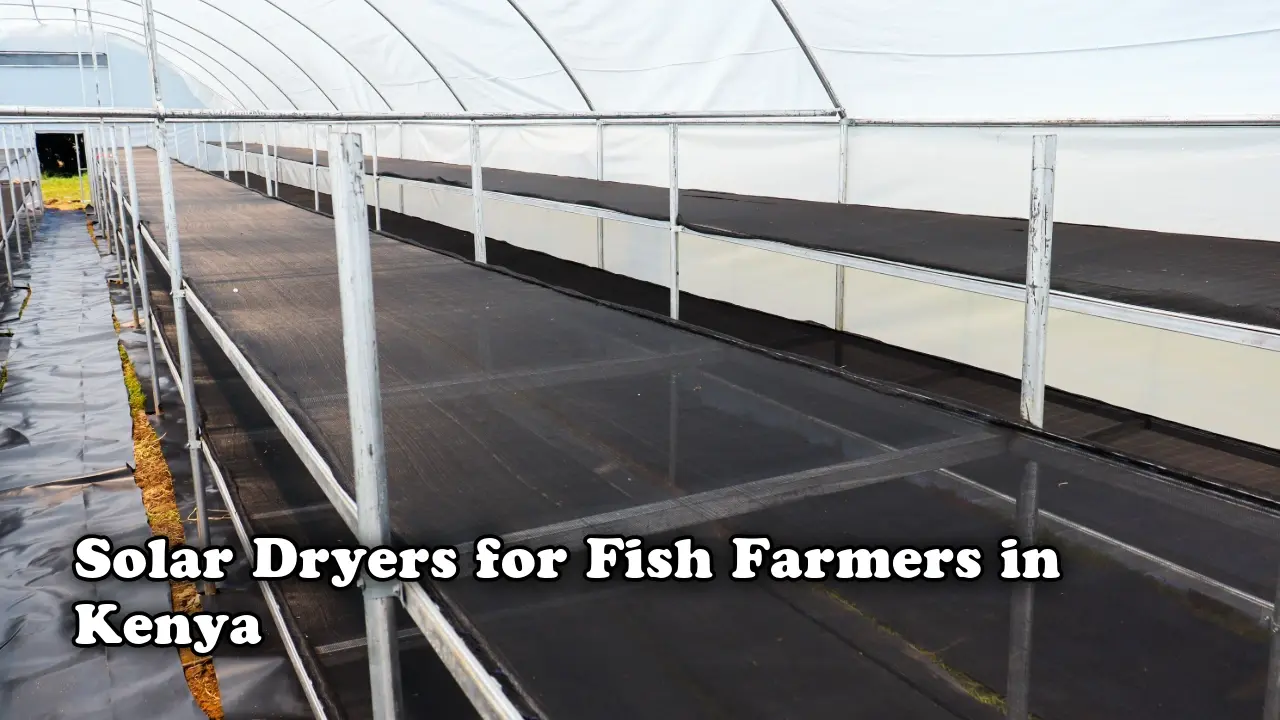
Solar dryers for fish from Aqua Hub Kenya start at KES 150,000 for a 3 m × 3 m × 2 m dryer, and larger sizes cost up to KES 824,000.
Fish spoil quickly after harvest, and a farmer who cannot sell a catch fast often loses part of it. A solar dryer uses heat from the sun inside a closed structure to dry fish safely, away from rain and insects. Dried fish keeps longer, which gives you more time to find a good buyer.
Aqua Hub Kenya supplies solar dryers for fish in six sizes, along with a hybrid model, and installs them on your farm. Tell us how much fish you harvest by emailing info@aquahubkenya.co.ke or calling +254790719020, and our team will recommend a size.
What do solar dryers for fish cost at Aqua Hub Kenya?
The price depends on the size of the dryer. The table below lists each size from the smallest to the largest by cost:
| Dryer size | Price |
|---|---|
| 3 m × 3 m × 2 m | KES 150,000 to KES 175,000 |
| 6 m × 10 m | KES 400,000 |
| 5 m × 8 m × 2 m | KES 450,000 |
| 8 m × 15 m | KES 620,000 |
| 8 m × 24 m | KES 818,000 |
| 8 m × 30 m | KES 824,000 |
We also supply a hybrid solar dryer at KES 350,000. For an exact quote for your farm, call +254790719020 or email info@aquahubkenya.co.ke with the amount of fish you harvest.
Why fish farmers lose income without proper drying
Many fish farmers still dry their catch in the open. This method works only in good weather, and it exposes the fish to several risks:
- Flies are attracted to fish left in the open
- Dust settles on the surface of the fish
- A sudden shower can wet fish that are half dry, and wet fish spoil quickly
- Drying is slow on cloudy days
As a result, the quality of the dried fish falls and buyers pay less. By comparison, a solar dryer is covered, so it keeps out insects and dirt, and the fish stay protected even when the weather changes.
How Aqua Hub Kenya solar dryers for fish work
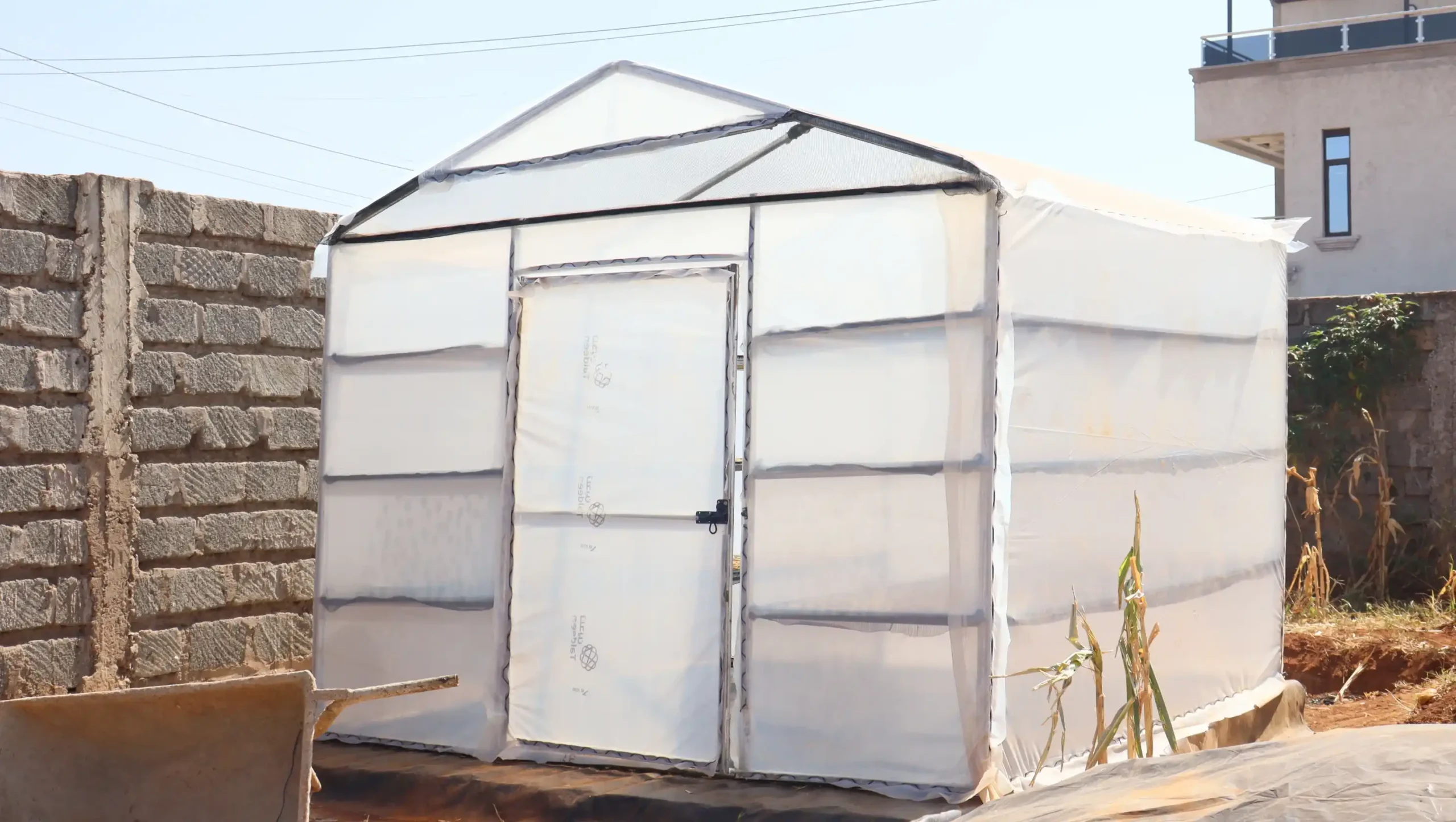
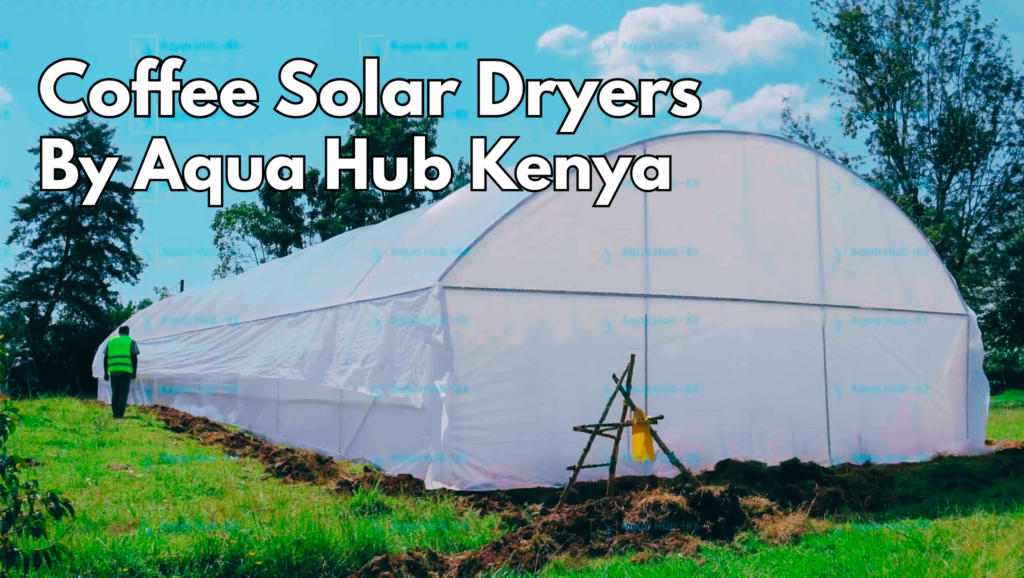
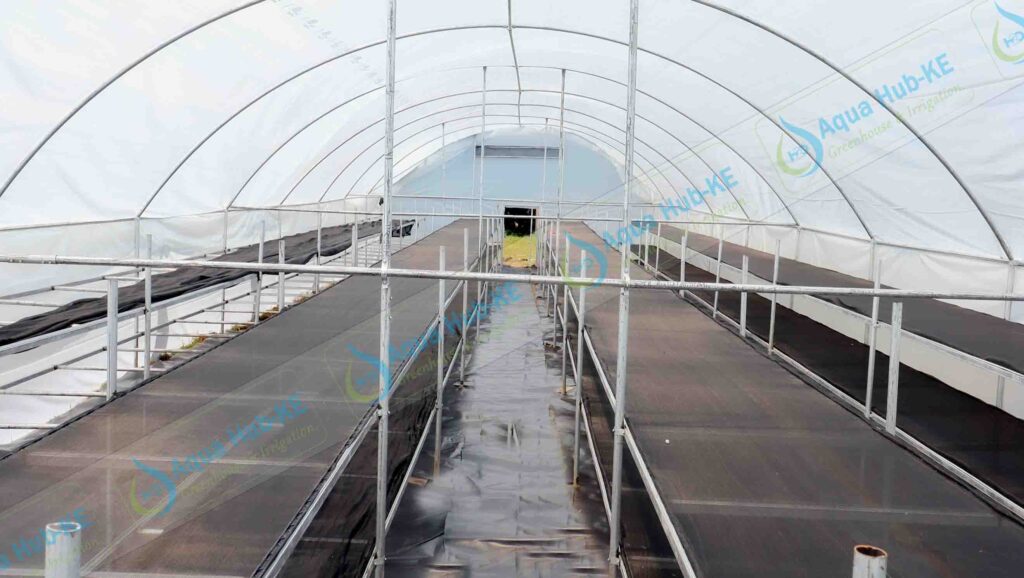
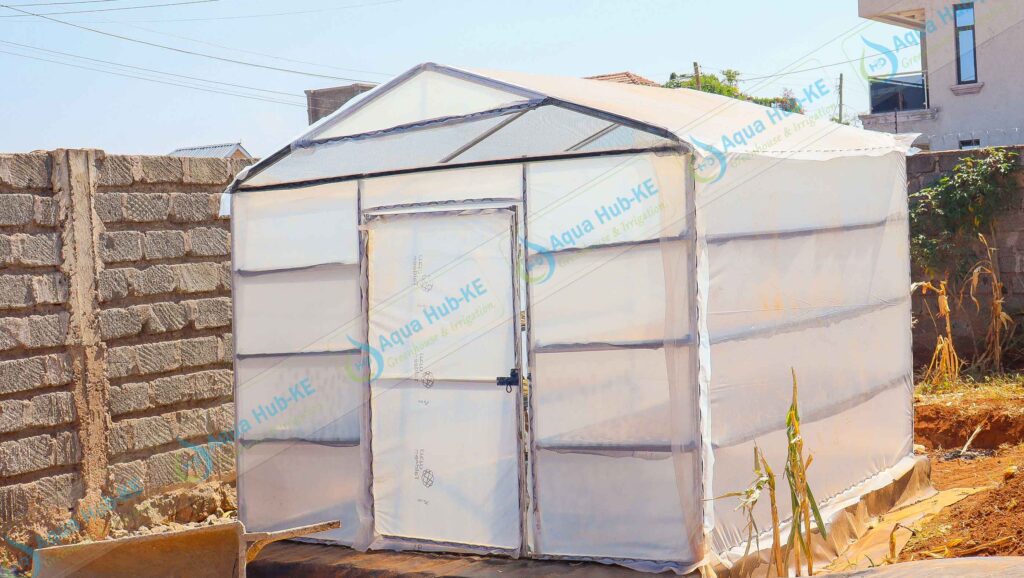
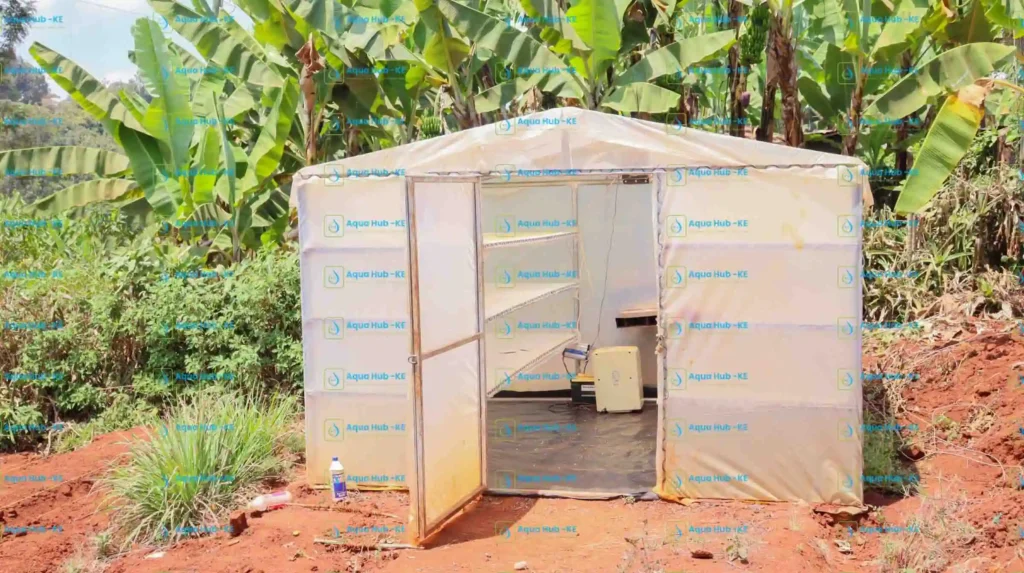
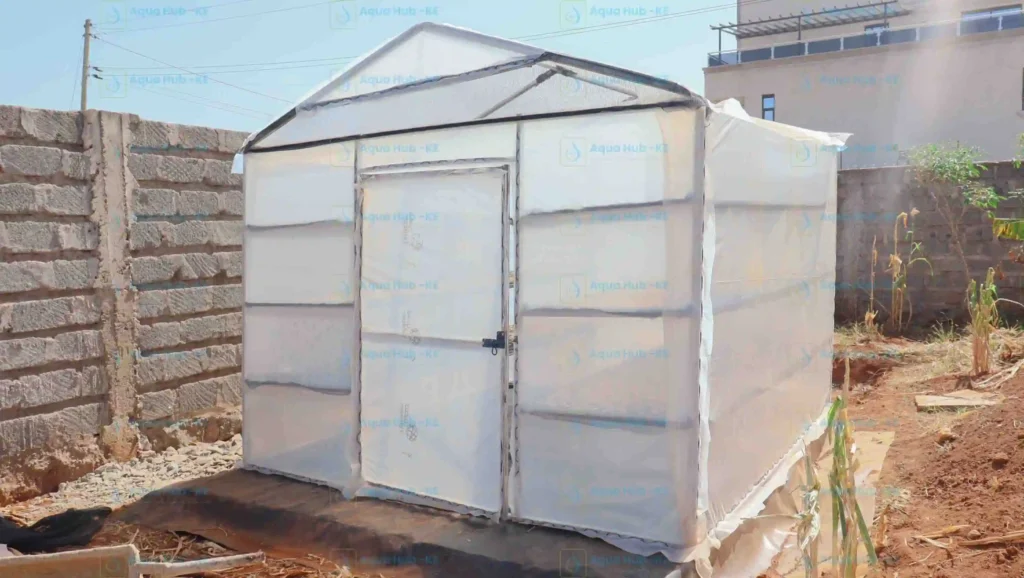
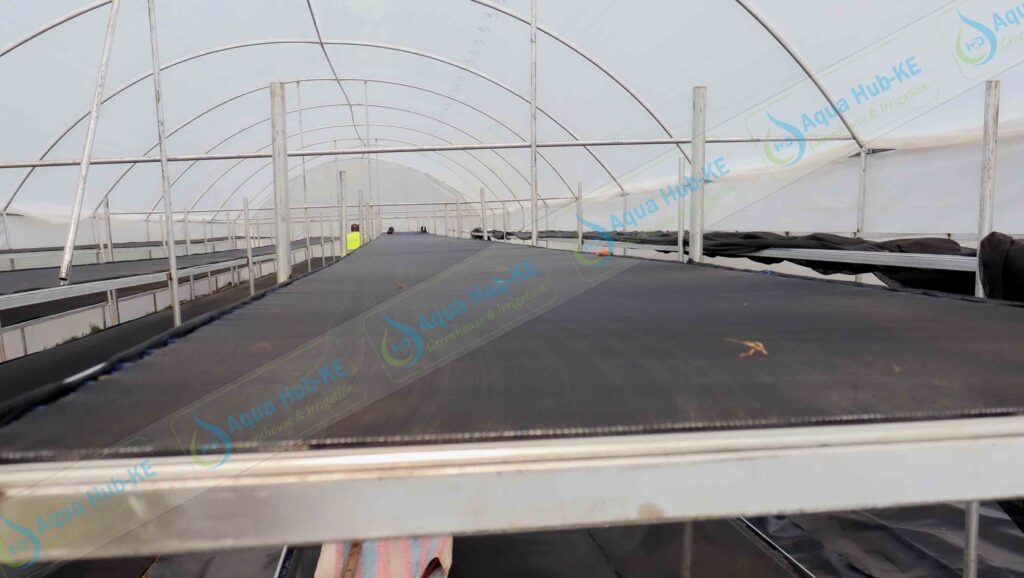
A solar dryer is a closed structure with a clear cover. Sunlight passes through the cover and heats the air inside, and the warm air takes up moisture from the fish. Vents let the moist air leave, so fresh air can take its place.
Because the structure is closed, heat builds up quickly in the morning and stays through the afternoon. However, the vents must stay open enough to release moist air, since trapped moisture slows the drying.
Trays and airflow
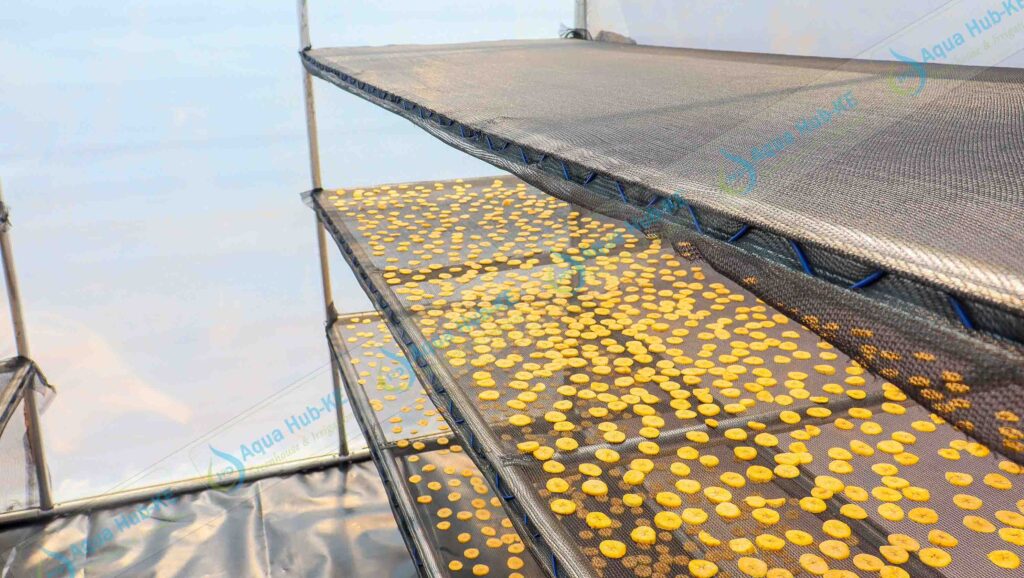
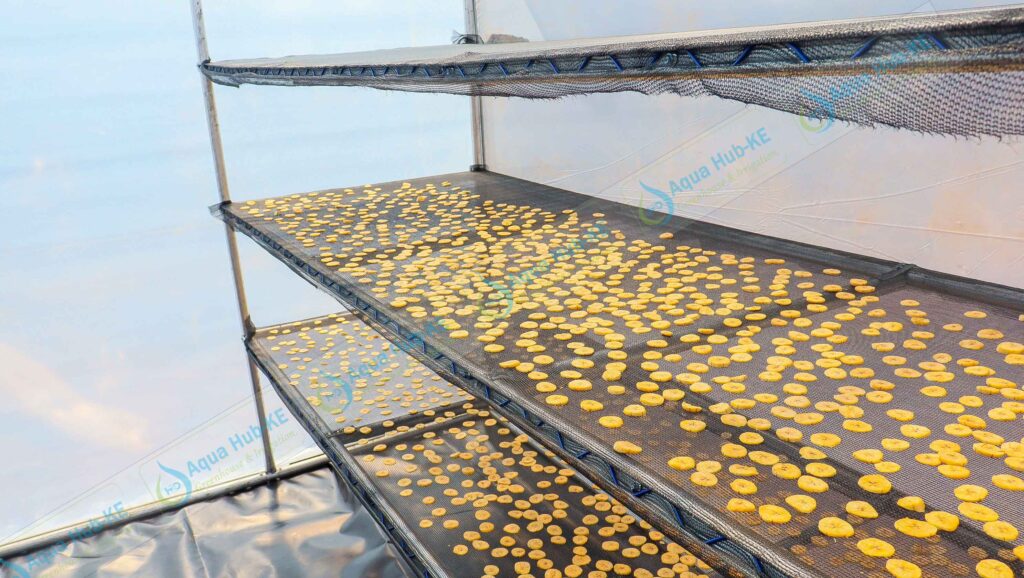
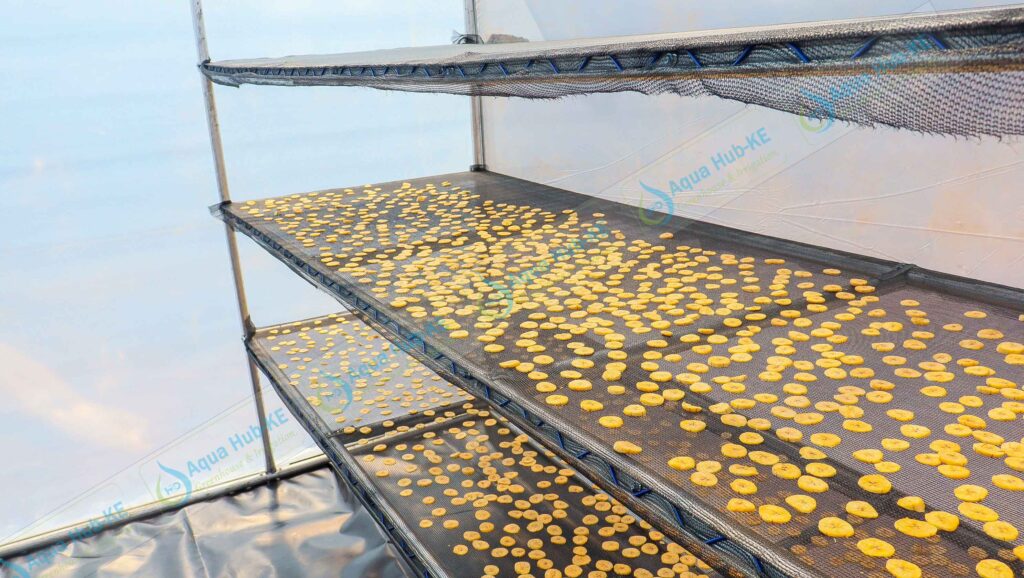
Fish rest on trays or racks inside the dryer, which allows air to move around them. Good airflow dries the fish evenly and prevents damp patches. Placing the fish in a single layer also helps them dry at the same rate.
Choosing the right size of solar dryer with Aqua Hub Kenya
The right size depends on how much fish you harvest and how often. A dryer that is too small forces you to dry in batches, while one that is too large costs more than the harvest justifies. The sizes in our range suit different scales of farming:
- The 3 m × 3 m × 2 m dryer suits small ponds and household production
- The 6 m × 10 m and 5 m × 8 m × 2 m dryers suit growing farms with regular harvests
- The 8 m × 15 m dryer suits larger farms that dry fish often
- The 8 m × 24 m and 8 m × 30 m dryers suit commercial producers with large harvests
Tell us your expected harvest and how many ponds you manage by calling +254790719020, and our team will recommend a size. If your farm is likely to grow, we can also plan the site so that you can add capacity later.
The hybrid solar dryer from Aqua Hub Kenya
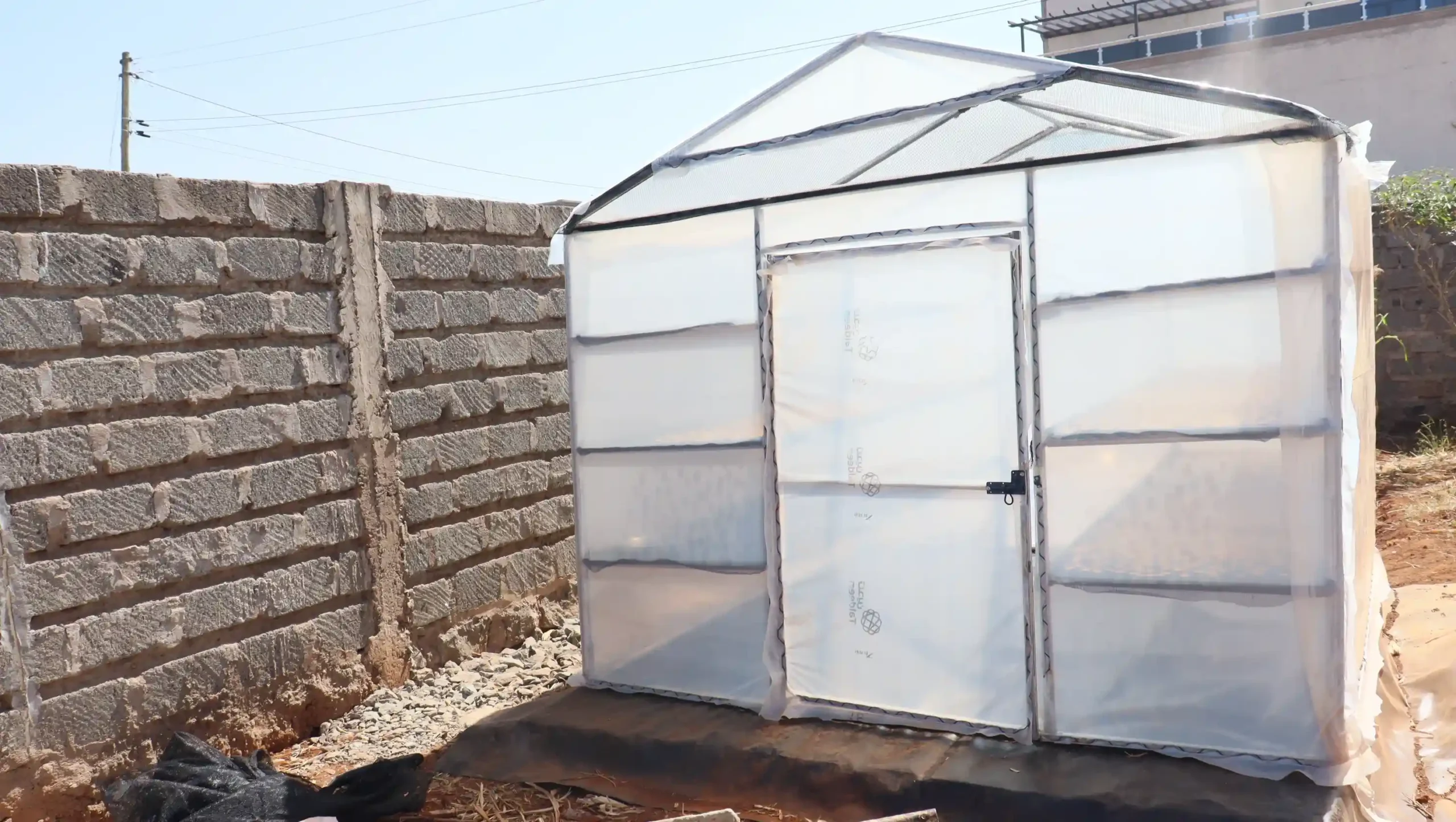
A hybrid solar dryer combines solar heat with a second heat source. Because of this, drying can continue when the sun is weak, such as during cloudy weeks. It suits farmers who need dried fish all year and cannot wait for good weather.
The hybrid model costs KES 350,000. Ask our team whether it suits your harvest pattern by emailing info@aquahubkenya.co.ke.
Preparing fish for an Aqua Hub Kenya solar dryer
Good drying starts before the fish enter the dryer. The following steps help produce dried fish that buyers prefer:
- Wash the fish in clean water to remove slime and dirt
- Remove the guts of larger fish soon after harvest
- Cut larger fish into thinner pieces so they dry evenly
- Drain off surface water before loading
- Spread the fish in a single layer on clean trays
Clean hands and trays matter as much as the dryer. Dirty equipment passes contamination to the fish, and as a result the quality of the final product falls.
Choosing a site for your Aqua Hub Kenya solar dryer
A solar dryer needs strong sunlight for most of the day, so the site matters. Choose open ground away from trees and tall buildings that cast shade. The ground should be level and well drained, so that rain does not collect around the structure.
Placing the dryer near your ponds or processing area also saves time. Fish therefore reach the dryer sooner, and workers carry less. Our team visits your farm before installation and advises on the best position.
Step-by-step installation of solar dryers for fish by Aqua Hub Kenya
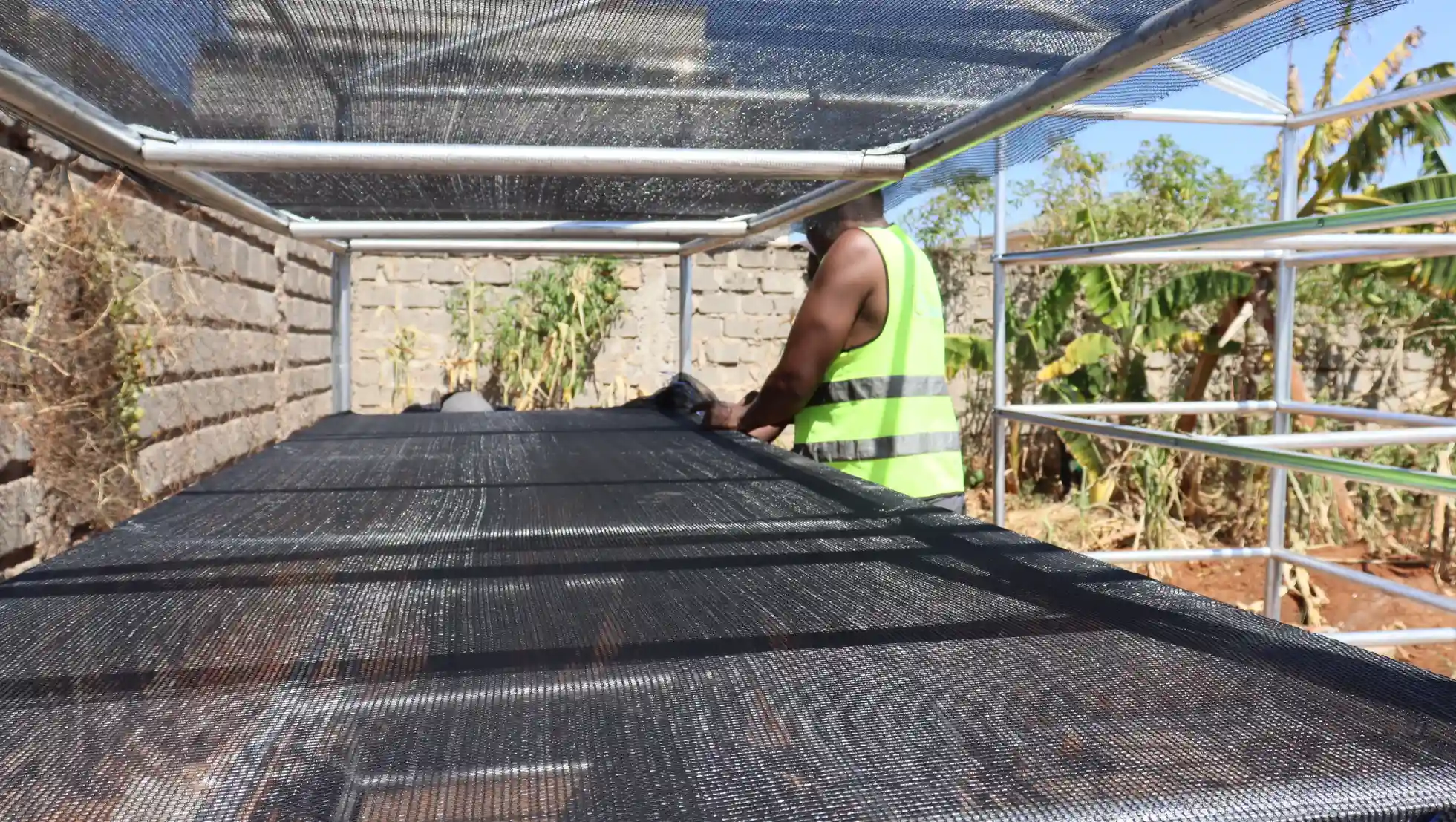
Once the site is chosen, the work follows a set order. Aqua Hub Kenya’s technicians build and install the dryer in these stages:
- Before construction, the site is cleared and levelled
- Right after, the base is set and the frame is put up
- Following the frame, the cover is fitted and sealed
- Alongside this, vents are placed to let moist air escape
- Once the structure is closed, trays or racks are installed inside
- After the vents and the cover are tested, the team checks the structure for gaps
- To conclude, we show you how to load and unload the fish
To book installation, call +254790719020 or email info@aquahubkenya.co.ke with your location and your expected harvest.
Using your Aqua Hub Kenya solar dryer day by day
How you run the dryer affects the quality of the dried fish. Follow this routine on each drying day:
- Load the fish early in the morning, so they dry for more hours in the sun
- Turn the fish at regular intervals for even drying
- Open the vents fully on hot, dry days and partly on humid days
- Keep the doors closed when the weather turns damp
- Remove the fish only when they are fully dry and firm
Clean the trays and the floor after each batch, and check the cover for tears. A well-kept dryer produces cleaner fish batch after batch.
Why choose Aqua Hub Kenya for solar dryers for fish?
Fish farms grow, and a dryer should be able to grow with them. Aqua Hub Kenya offers six sizes of solar dryer, from a small household unit to a large commercial structure, along with a hybrid model. As a result, you can begin with a size that fits your harvest today and move to a larger one later.
Furthermore, a larger dryer lets you dry fish from several ponds in one place, which reduces handling and keeps the process consistent. We also build and install the dryer on your farm, so the structure is ready to use. Describe your farm and your harvest by calling +254790719020, and our team will recommend a dryer.
Frequently Asked Questions
How much do solar dryers for fish cost in Kenya?
Solar dryers for fish in Kenya cost from KES 150,000 to KES 824,000 in our range, depending on size. Call +254790719020 or email info@aquahubkenya.co.ke for the exact price of your dryer.
What is a solar dryer for fish?
A solar dryer for fish is a closed structure that uses heat from the sun to dry fish. It protects the fish from rain and insects.
Why use a solar dryer instead of drying fish in the open?
A solar dryer protects fish from rain and insects, which improves the quality of the dried fish. It also keeps drying going when the weather changes.
What is a hybrid solar dryer?
A hybrid solar dryer combines solar heat with a second heat source. It lets drying continue when the sun is weak.
Which size of solar dryer should I choose?
Choose the size according to the amount of fish you harvest and how often you harvest. Our team will recommend a size for your farm.
Where should I place a solar dryer?
Place the dryer on open, level ground that receives sun for most of the day. Keep it away from trees and tall buildings that cast shade.
How should I prepare fish for drying?
Wash the fish and remove the guts of larger fish. Cut bigger fish into thinner pieces, then spread them in a single layer on clean trays.
How do I know when the fish are fully dry?
Fully dried fish feel firm and dry to the touch, with no soft or damp patches. Remove them from the dryer only at this point.
Does the dryer work on cloudy days?
A solar dryer dries more slowly on cloudy days because there is less sunlight. A hybrid dryer is designed to keep drying when the sun is weak.
Final Thoughts on solar dryers for fish by Aqua Hub Kenya
A solar dryer turns a perishable harvest into a product that keeps and sells well. Choosing the right size and placing the dryer in full sun both help, while clean fish and trays add to the quality of the dried fish. With a routine for loading and unloading, the dryer serves the farm for many seasons.
Solar dryers for fish from Aqua Hub Kenya start at KES 150,000, and a hybrid solar dryer costs KES 350,000. Call +254790719020 or email info@aquahubkenya.co.ke to get the exact price for your farm.