
Blog
White Insect Nets for Sale by Aqua Hub Kenya
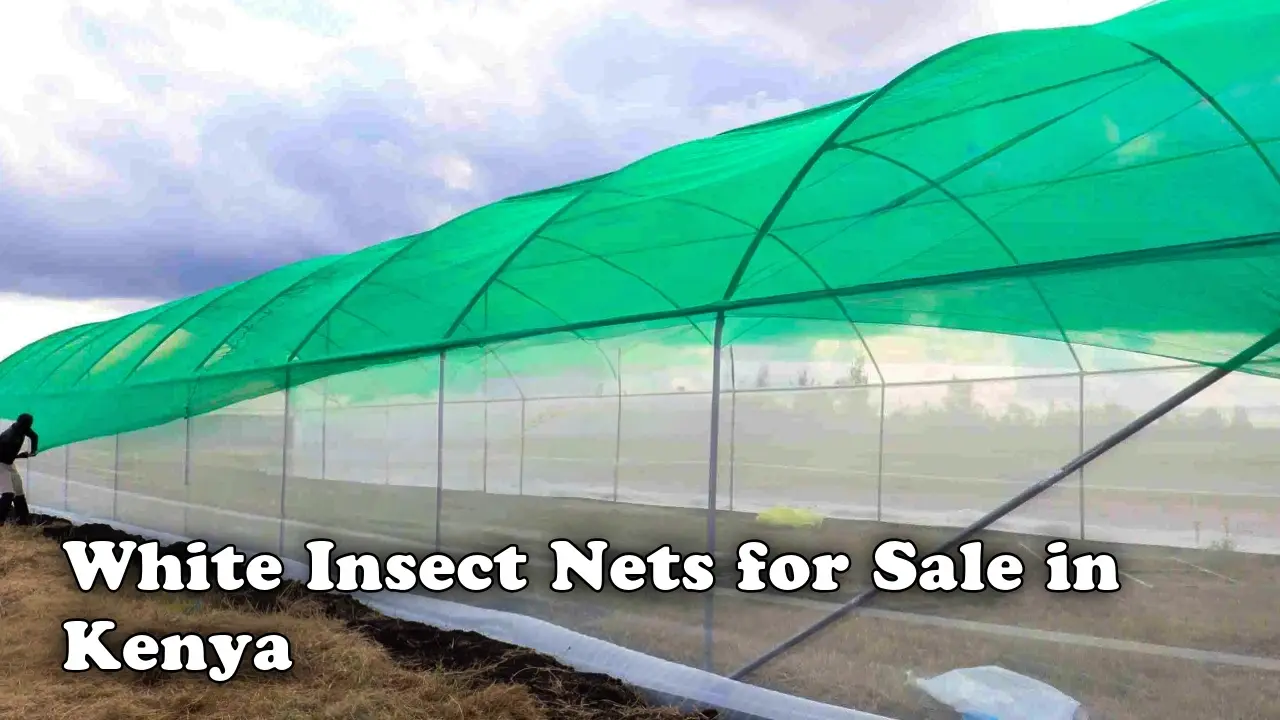
White insect nets cost KES 110 per square metre at Aqua Hub Kenya, with a 2.5 m × 50 m roll priced at KES 13,750.
Insects such as whiteflies and aphids damage leaves and fruits, and they carry diseases from plant to plant. Many farmers respond with frequent spraying, which adds chemical costs to every season. A physical barrier of insect net reduces the number of pests that reach the crop, so growers spray less often and lose fewer plants.
Aqua Hub Kenya sells white insect nets in two roll widths, and each roll is 50 m long. You can price your order before you contact us, because every cost on this page is published. To order, call +254790719020 or email info@aquahubkenya.co.ke.
What White Insect Nets Cost at Aqua Hub Kenya
White insect nets sell at KES 110 per square metre. The rolls are 50 m long, and the price of a full roll follows from its width. The table below shows each roll with its price per metre of length.
| Roll size | Price per square metre | Price per metre of length | Price of one roll |
|---|---|---|---|
| 2.5 m × 50 m | KES 110 | KES 275 | KES 13,750 |
| 3 m × 50 m | KES 110 | KES 330 | KES 16,500 |
For example, a 20 m length of the 3 m wide net costs KES 6,600 at KES 330 per metre. To estimate any length, multiply the metres you need by the price per metre of the width you choose. If your structure needs a different length, email info@aquahubkenya.co.ke with your measurements to get the exact price.
Pests That White Insect Nets Keep Out of Your Crops
An insect net blocks any pest that is larger than the openings in the mesh. Because the net sits between the pest and the plant, the insects cannot reach the leaves to feed or lay eggs. White insect nets help farmers control pests such as:
- Whiteflies, which feed on the underside of leaves.
- Aphids, which multiply quickly on young shoots.
- Thrips, which scar leaves and flowers.
- Leaf miners, which tunnel inside the leaf tissue.
- Moths that lay eggs on kale and cabbages.
Fewer pests mean fewer diseases, since many of these insects spread viruses as they feed. As a result, crops under net often need less spraying and show cleaner leaves at harvest. Less spraying also lowers the amount of chemical residue on produce, which matters when you sell to buyers who check for it. White insect nets work best when you fit them before the pests arrive, because insects already inside the structure stay inside.
Where White Insect Nets from Aqua Hub Kenya Fit on the Farm
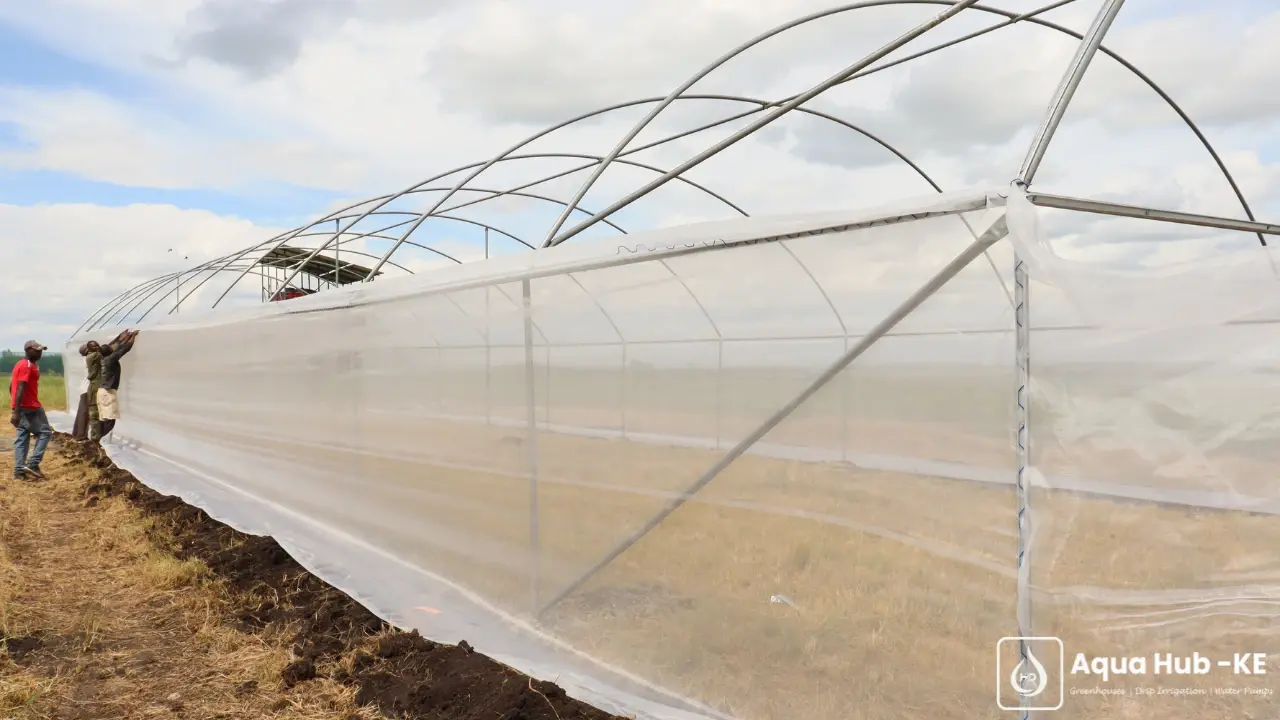
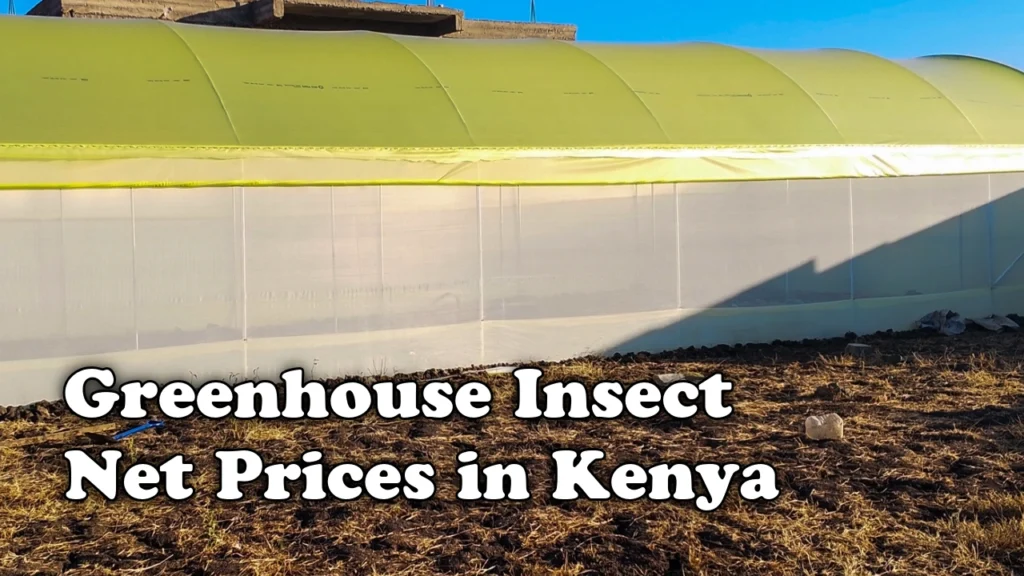
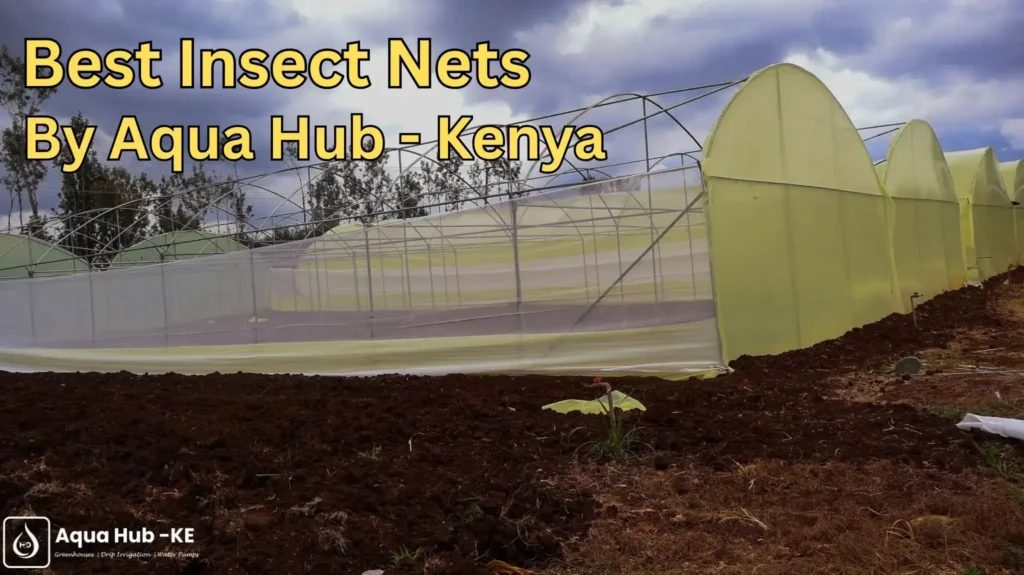
Farmers use insect net in places where air must pass but insects must not. The net covers openings in a structure or the crop itself, depending on the layout of the farm.
Greenhouse Vents and Side Openings
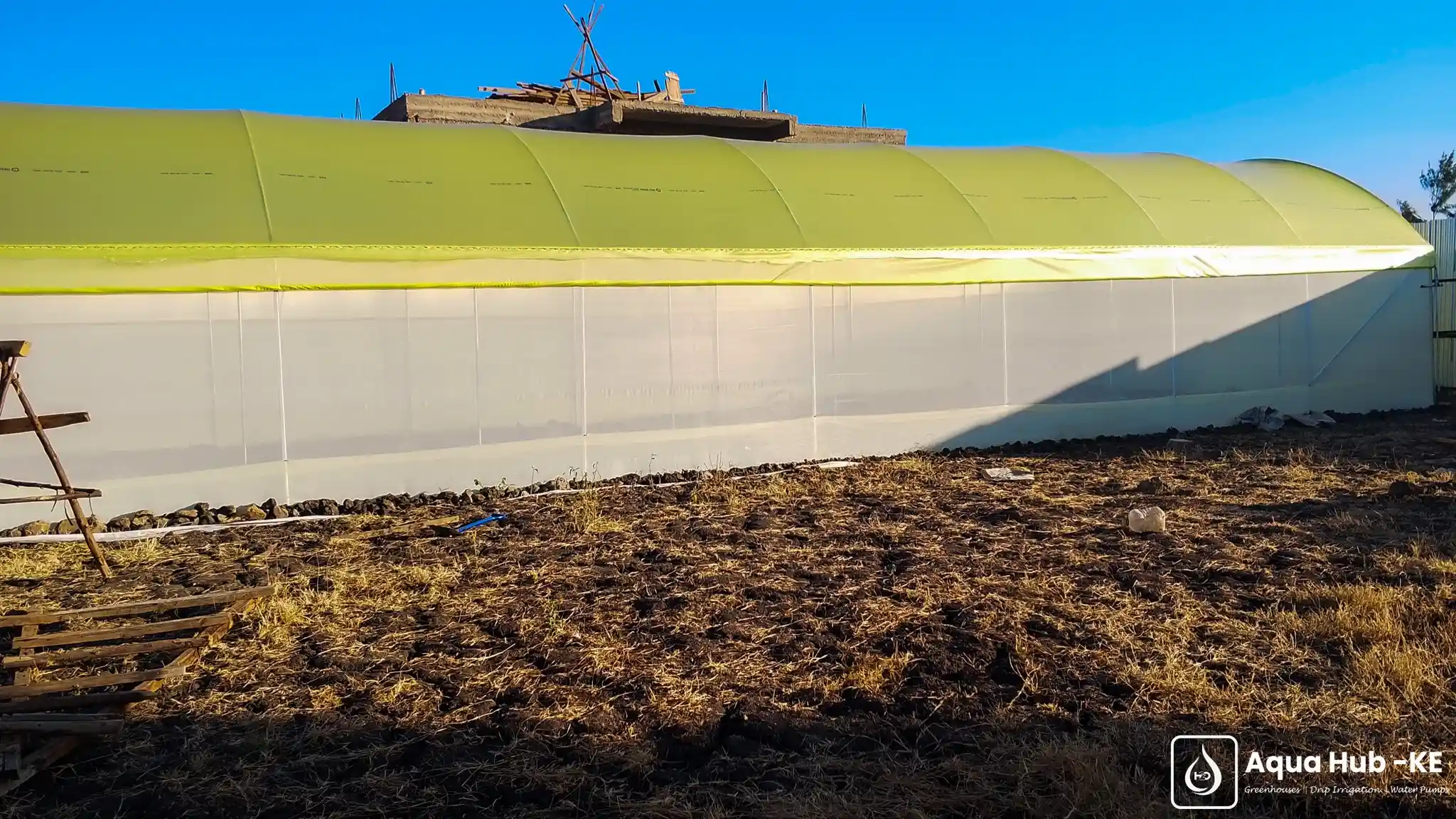
A greenhouse needs ventilation, and open vents also let insects walk or fly in. Covering the vents and side openings with white insect nets lets air through while blocking the pests. Net on the door area works as well, provided the door closes tightly after each entry.
Low Tunnels and Nursery Beds
Seedlings are the most exposed to insect attack, and a loss at this stage costs the whole season. Farmers bend hoops over the seedbed and lay white insect nets across them, which shields the young plants from the first weeks until they are strong. The same method protects vegetable beds that grow without a greenhouse.
Picking the Right Roll Width from Aqua Hub Kenya’s Range
Aqua Hub Kenya offers white insect nets in two widths, and the better choice depends on the structure you cover. The 2.5 m roll suits narrow openings and small tunnels. The 3 m roll covers wider beds and larger openings with fewer joins.
Joins matter because every seam is a place where insects can enter. Therefore, choose the width that lets you cover each opening with a single piece where you can. Measure these points before you order:
- Width of each vent or opening you plan to cover.
- Length of the tunnel or bed from end to end.
- Extra material needed along the edges for fixing the net down.
- Height of the hoops, if you cover a bed.
With these figures, you can work out how many rolls you need. A larger structure usually needs several rolls, whereas a single bed may need only a cut length.
Crops Grown Under Insect Nets Sold by Aqua Hub Kenya
Growers cover many crops with insect net. The most common examples are:
- Tomatoes.
- Capsicums.
- Cucumbers.
- Kale.
- Cabbages.
- French beans.
- Strawberries.
- Onion seedlings.
Fruiting crops such as tomatoes and capsicums gain from the net because whiteflies and moths target them heavily. Leafy vegetables gain too, since a clean leaf sells at a better price than a damaged one.
Fitting Nets from Aqua Hub Kenya to a Frame Step by Step
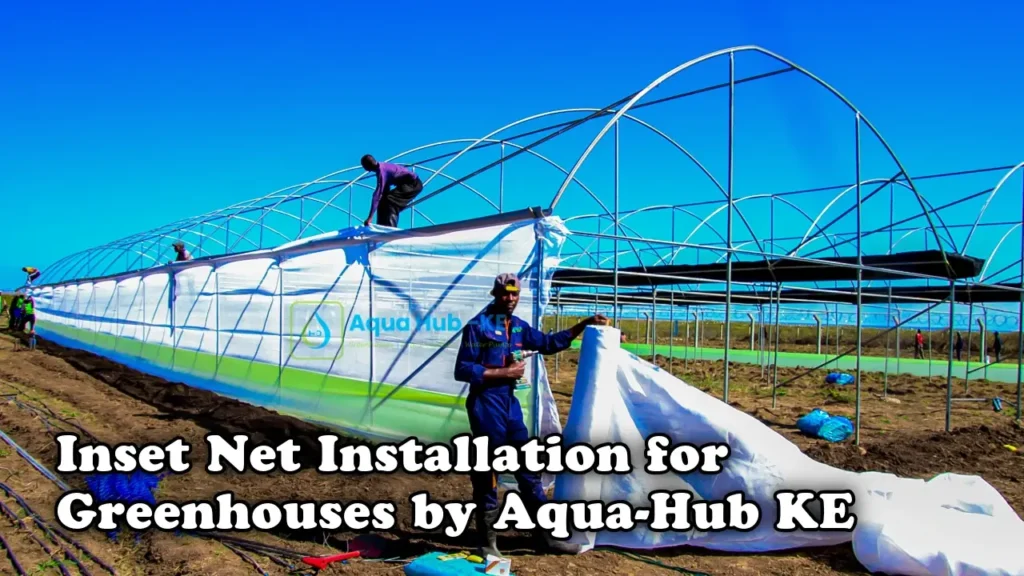
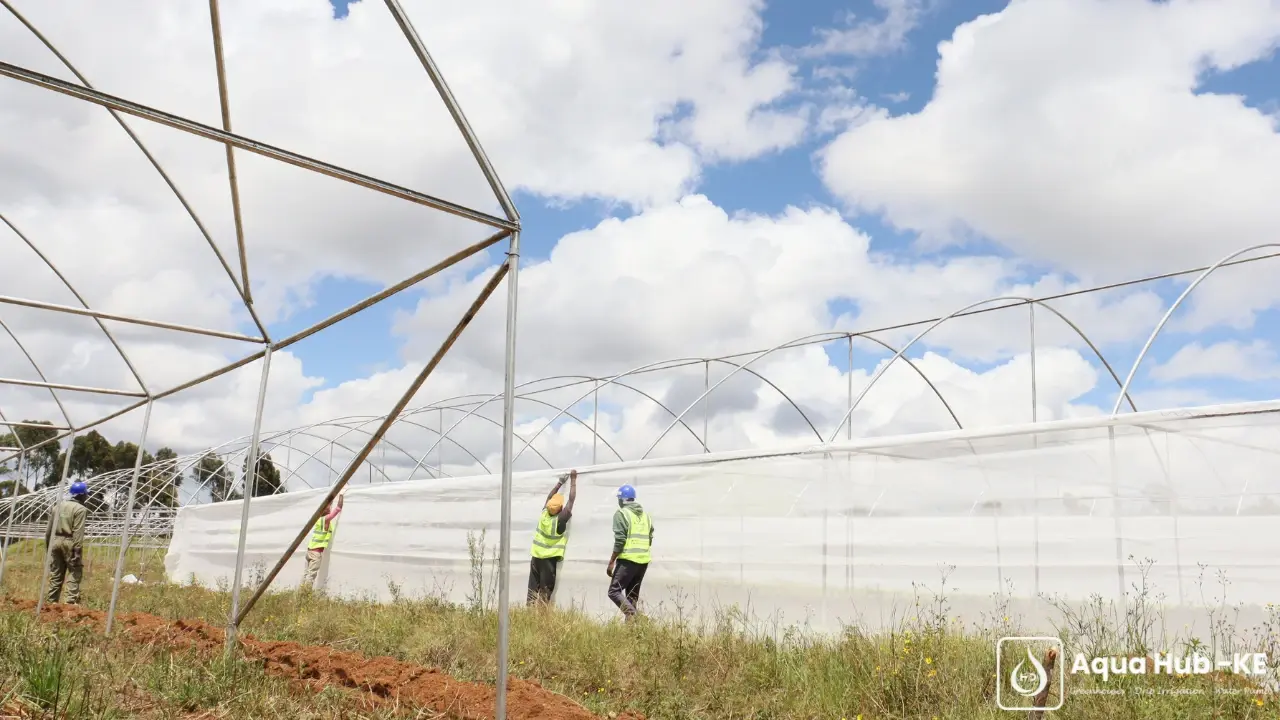
A net protects the crop only when it has no gaps. Farmers and their crews usually fit white insect nets in this order:
- Before cutting, they measure each opening and add extra material along the edges.
- Subsequently, they cut the net to size and spread it over the frame or hoops.
- With the net in place, they fix its edges to the frame using clips or wire.
- After that, they bury or weigh down the lower edge of a tunnel so that insects cannot crawl underneath.
- Lastly, they walk the whole structure and close every gap, including joins and corners.
Work on a calm day, because wind makes a large piece of net difficult to control. Handle the net gently while you fit it, since a snag can tear the mesh. A small tear lets pests in, so repair any damage before you plant.
Looking After White Insect Nets Bought from Aqua Hub Kenya
White insect nets last longer when you handle them with care. Farmers protect their nets by taking these steps:
- Rinse the net with clean water when dust blocks the mesh.
- Check the edges and joins after strong wind.
- Repair holes as soon as you find them.
- Fold the net loosely when you remove it, and store it dry and away from direct sun.
- Keep sharp tools and wire ends away from the fabric.
Clean mesh also lets more air through the structure, which keeps the crop cooler. In addition, checking the net every week helps you find problems before the pests do.
Airflow and Light under Insect Nets from Aqua Hub Kenya
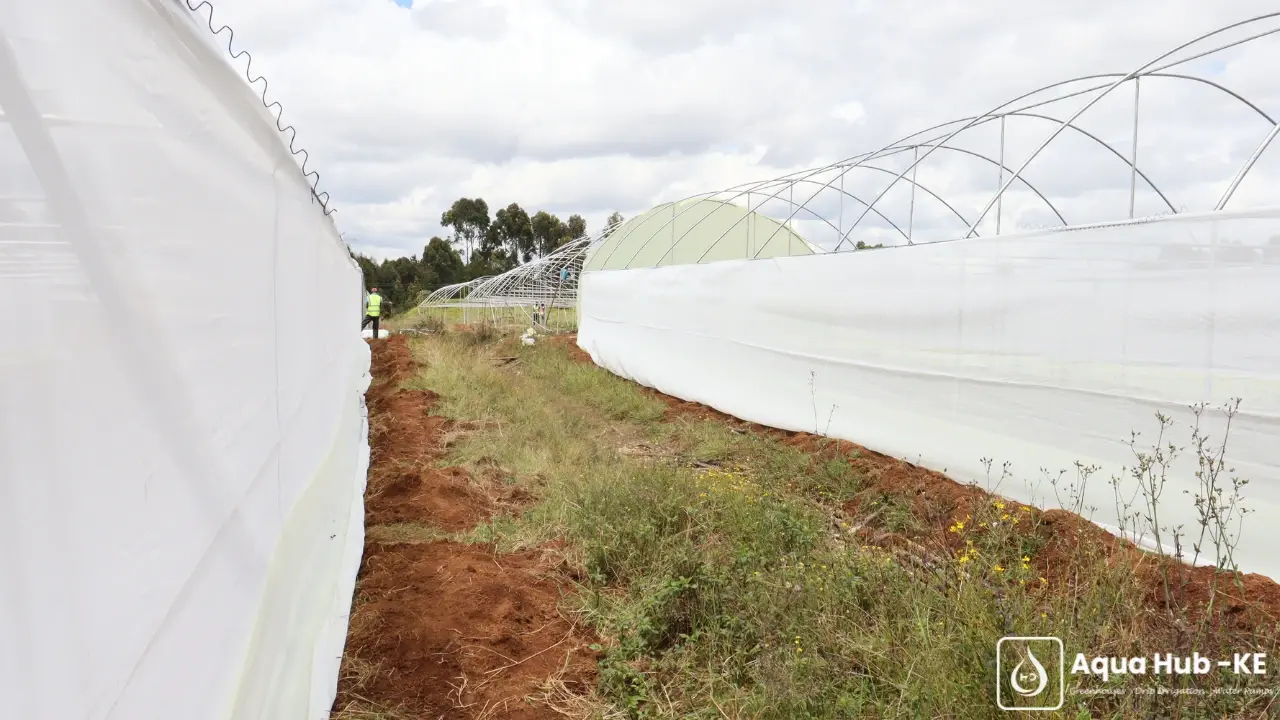
Fine mesh slows the air that passes through it, and this matters most in a greenhouse on a hot day. A structure with insect net on every opening holds heat and humidity unless the vents are large enough. For this reason, cover a larger vent area than you would leave open without a net, and keep the mesh clean so that air moves freely.
White netting also lets plenty of light reach the plants. Consequently, crops under the net keep growing at a normal rate, and the grower gains protection without shading the crop. If heat builds up in the middle of the day, open the doors on the side away from the wind, but close them again once the temperature falls. This habit keeps insects out for most of the day while giving the crop fresh air.
Why Choose Aqua Hub Kenya for White Insect Nets?
Aqua Hub Kenya lists its prices openly, so you know what your white insect nets will cost before you place an order. The price per square metre stays the same across both roll widths, which makes it easy to compare options and plan a budget. You also see the cost of a full roll at once, and you can calculate a cut length from the price per metre.
The choice of two widths lets you match the net to your structure instead of adjusting your structure to the net. A grower with narrow vents and a grower with wide tunnels can each find a roll that fits. For questions about quantities, call +254790719020 and the team will go through your measurements.
Frequently Asked Questions
What are white insect nets?
White insect nets are fine mesh fabrics that block insects from reaching a crop. Because they let air and light through, farmers fit them over greenhouse vents and over tunnels that shelter seedbeds.
How much do white insect nets cost in Kenya?
White insect nets cost KES 110 per square metre at Aqua Hub Kenya, and full rolls are KES 13,750 and KES 16,500. Call or email for the exact price of your order.
Which insects do white insect nets block?
These nets block insects that are larger than the openings in the mesh. Whiteflies, aphids, thrips and moths are common examples.
Can agricultural nets cover greenhouse vents?
Yes, the agricultural nets can cover greenhouse vents and side openings. It lets air in while keeping insects out of the structure.
Do white insect nets reduce airflow?
Insect nets reduce airflow slightly because the mesh slows the air passing through. Therefore, larger vent openings help to make up for this effect.
Do insect nets replace pesticides?
Insect nets reduce the need for pesticides, but they do not remove the need for crop monitoring. A farmer should still check plants for pests that entered before the net went up.
How long do white insect nets last?
The lifespan of an insect net depends on sun exposure and on how carefully the farmer handles and stores them. Careful fitting and regular repairs extend the working life.
Can I join two pieces of insect net?
You can join two pieces of insect net by overlapping the edges and fixing them together with clips. A tight overlap prevents insects from entering through the seam.
Can I use insect nets over a seedbed?
You can use insect nets over a seedbed by laying them across hoops. The net shields young plants until they are strong enough to grow without cover.
Final Thoughts on White Insect Nets
White insect nets give growers a physical barrier against the pests that damage leaves and young seedlings. The choice of roll width, a net fitted without gaps, a sealed lower edge and regular checks determine how well the barrier works through the season.
White insect nets cost KES 110 per square metre, with a 2.5 m × 50 m roll at KES 13,750 and a 3 m × 50 m roll at KES 16,500. Place your order by calling +254790719020 or by emailing info@aquahubkenya.co.ke.