
Blog
How to Choose Shade Nets in Kenya
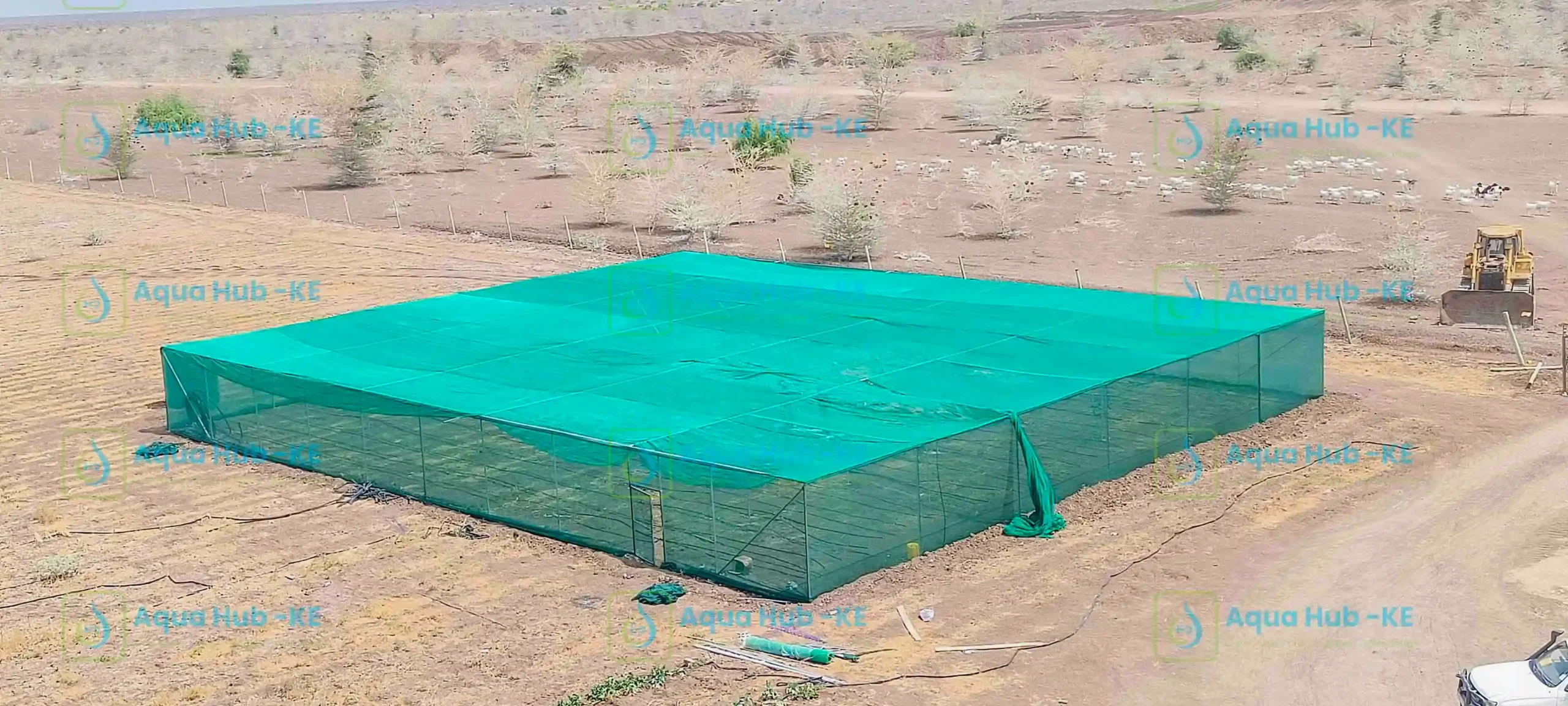
Aqua Hub is a top shade nets dealer in Kenya, offering excellent shade net supplies and installation at customer-friendly prices. To produce fresh and quality flowers, vegetables, seedlings, and fruits, farmers should use the right shade net percentage. We have high quality shade net designed to create optimal growing conditions for production in Kenya. Shade net percentage levels available include 35%, 55%, 75% and 90%. Our shade nets are sold at KES 13,000 – 37,000 per roll of 4 x 50 m. We guide you on how to choose the best shade nets that matches your crop growing conditions. cost depends on the shade net percentage.
To purchase or make inquiries:
Call 0790719020
Shade net fabrics from Aqua Hub LTD are customized knitted polythene cloths that serve as an excellent crop farming solution.
Understanding how to choose the best shade nets and percentage is important for the every grower to get high yields.
Quick Takeaways
- Choosing the best shade Nets requires consideration of crops and climate conditions.
- Shade nets are available in different types with sunlight filtration rates of 35%, 55%, 75% and 90%.
- Vegetables require 35% or 55% shade net.
- UV treated Shade Nets are available at Aqua Hub in affordable rates.
- Shade Nets cost between KES 13,000 – KES 37,000 per roll.
- Proper installation improves results
- Shade nets reduce water use and heat stress
- Ensure the shade net used matches the crop sunlight requirements.
Shade Nets Prices in Kenya
- 35 %: KES 16,000
- 55 %: KES 19,000
- 75 %: KES 26,000
- 90 %: KES 36,000
How to Choose Shade Nets | Shade Net Percentage Levels
Shade Nets in Kenya are designed in different sunlight percentages (filtration level) 35%, 55%, 75% and 90%.
The percentage of a shade net represents the amount of sunlight that the net blocks as shown below:
- 35 % Filtration – reduces the sunlight rate by 35%.
- 55 % Filtration – blocks approximately 55% of sunlight rays.
- 75 % Filtration – Filters about 75% of sun rays
- 90 % Filtration – Reduces 90% sunlight.
How to Choose the Best Shade Nets in Kenya
- Our custom shade nets are made of HDPE, which is resistant to UV radiation and does not degrade in harsh sunlight.
- Mesh fabric material with various sun filtration levels for different crops.
- Shade nets are in manufactured in length of 50 m and width of 4 m.
- The colors are grey, black and grey. This makes them blend with the environment.
- The material stretches evenly thus enhancing taught installation.
- Low density makes it easier to carry, pack and install.
- Our nets are stacked in rolls to minimize space and enable ease of transport and storage.
Buy Shade Nets from Us
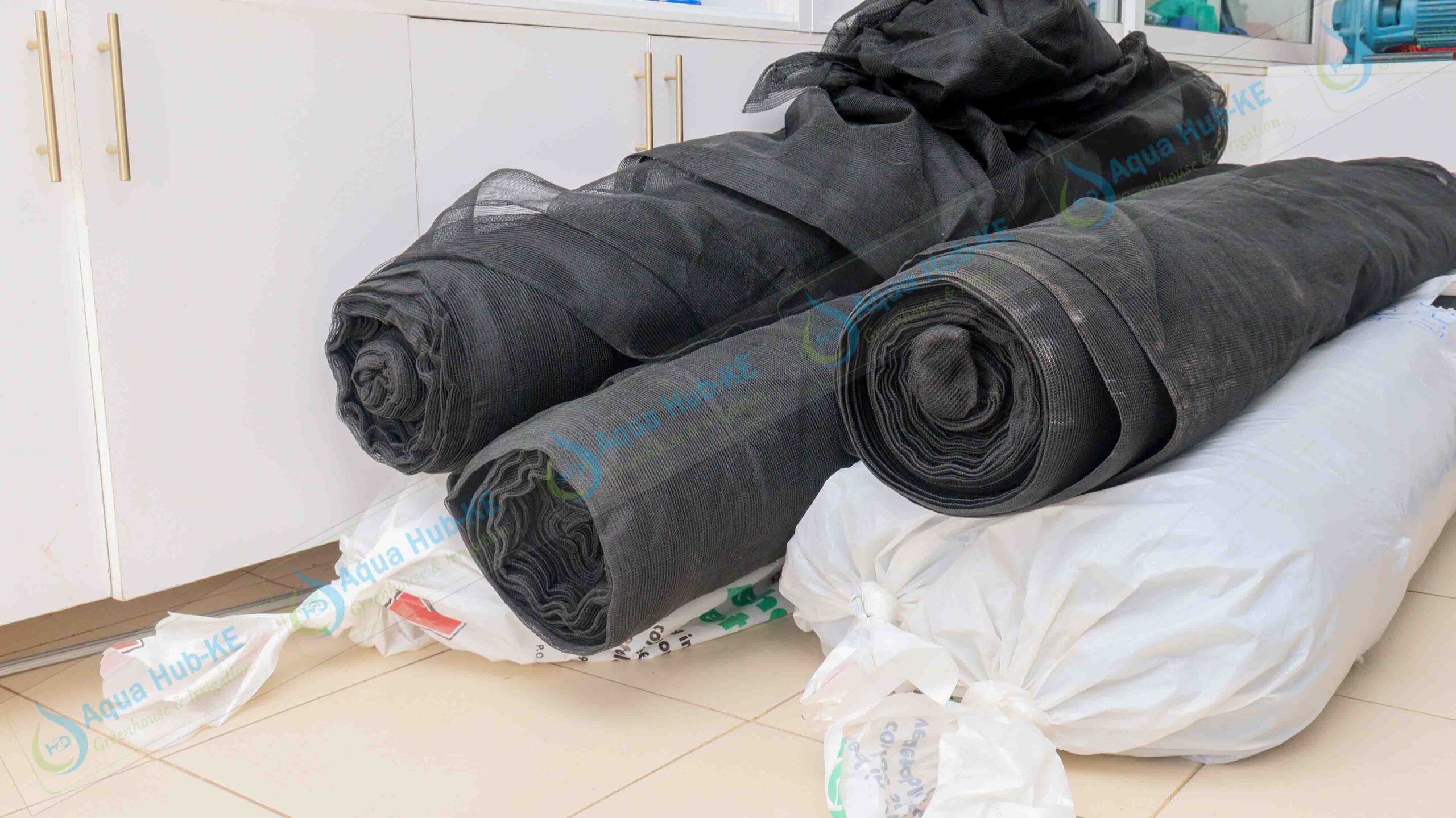
We design our custom shade nets by cutting them to your preferred dimensions. A custom-made shade net is sold as per the dimensions in square meters.
Shade Nets for Sale in Kenya
Shade Nets in Nairobi : Available in Nairobi Kenya, Visit Aqua Hub the popular supplier among others.
Custom Shade Nets in Machakos: Due to hot climates, Ukambani regions are suitable for shade net farming. Order your shade nets from Aqua Hub Kenya
Shade Nets in Mombasa : We also send our nets through courier services to Mombasa regions.
Shade Net in Eldoret and Kisumu : Buy shade nets from Aqua Hub Kenya.
How much are Shade Nets in Kenya?
Custom Shade nets are sold at various prices in Kenya depending on the size, percentage, and location. The cost of shade nets is affordable at Aqua Hub Kenya Nairobi.
The cost of a net material ranges from KES 13,000 to KES 37,000 depending on the sunlight filtration.
How to Choose Shade Nets: Factors to Consider
- Climate: Hot areas need higher shading 75 or 90%, while cooler highlands require less percentage.
- Crop Type: Leafy vegetables need moderate shade, fruits need more sunlight. Seedlings requires higher shading effect.
- Growth Stage: Seedlings require more protection than mature plants.
- Budget: Higher shade percentage higher cost.
- Size of your farm: The size of the farm, greenhouse or shade net structure determines the rolls of shade nets needed.
5 Reasons Why Shade Nets are Essentials in Agriculture
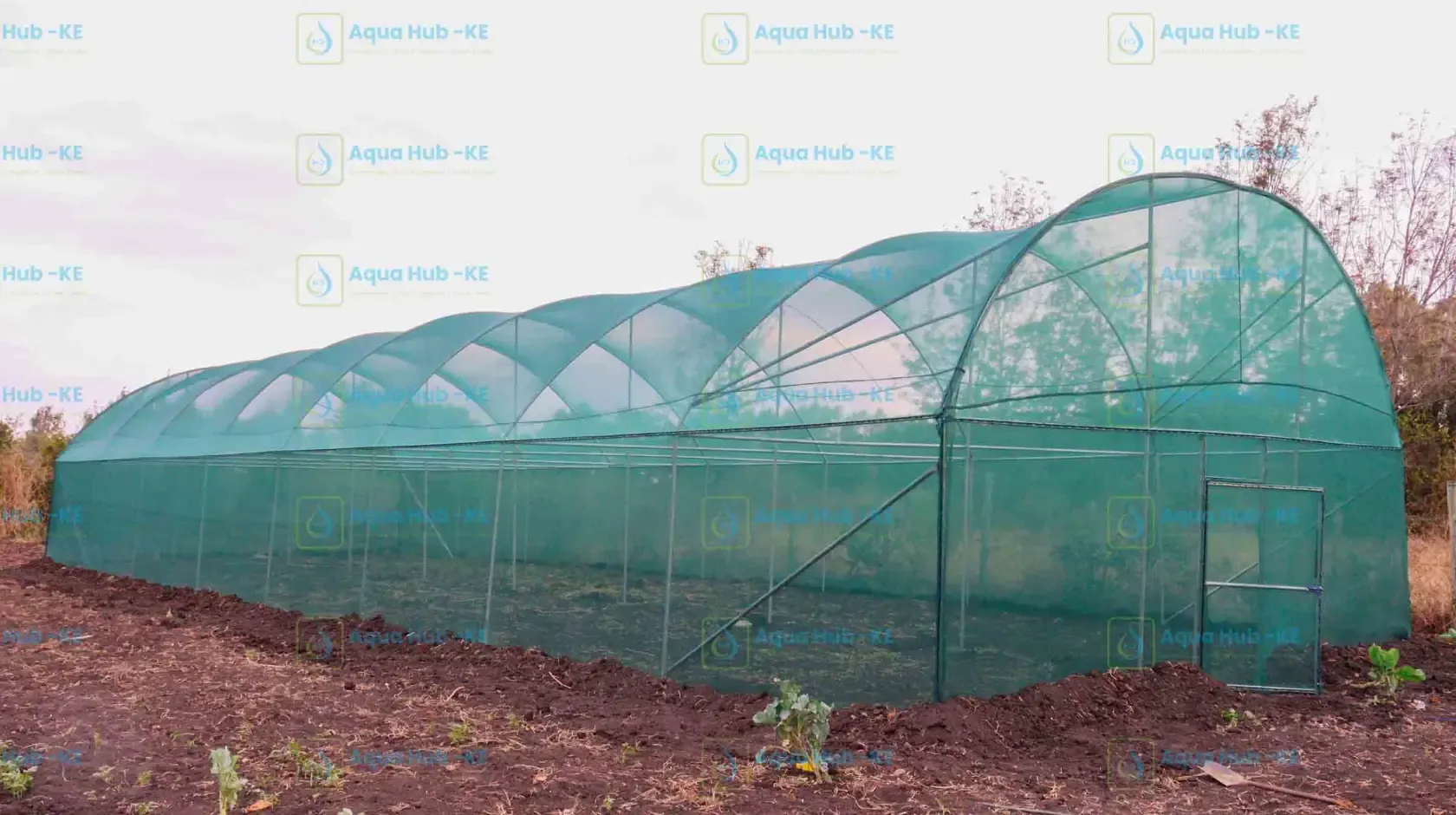
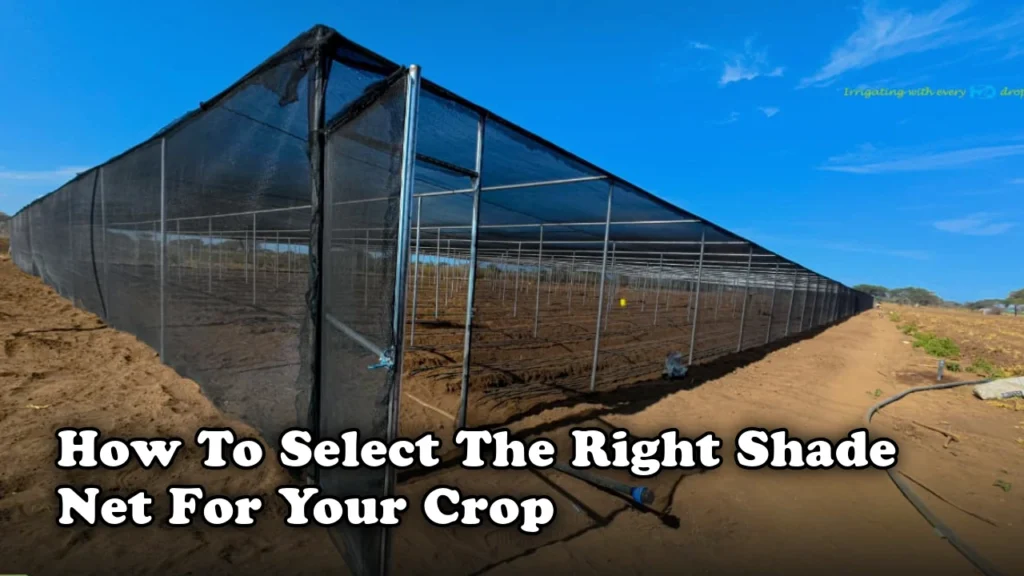
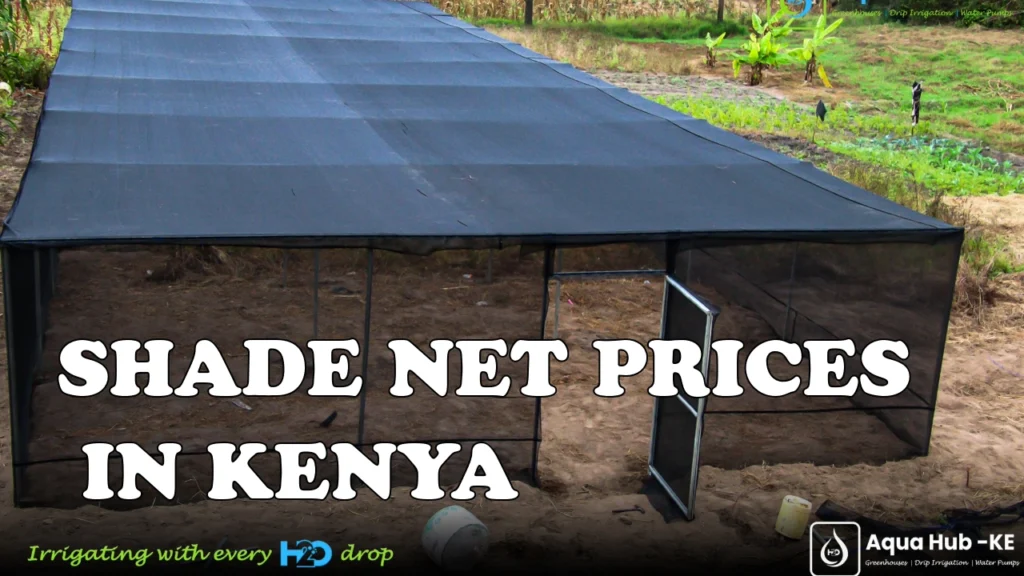
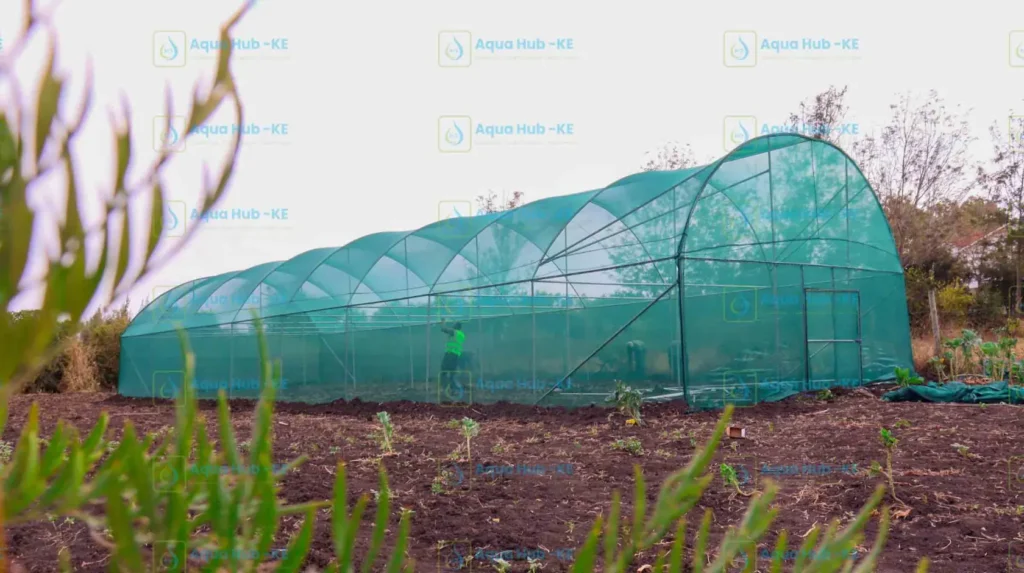
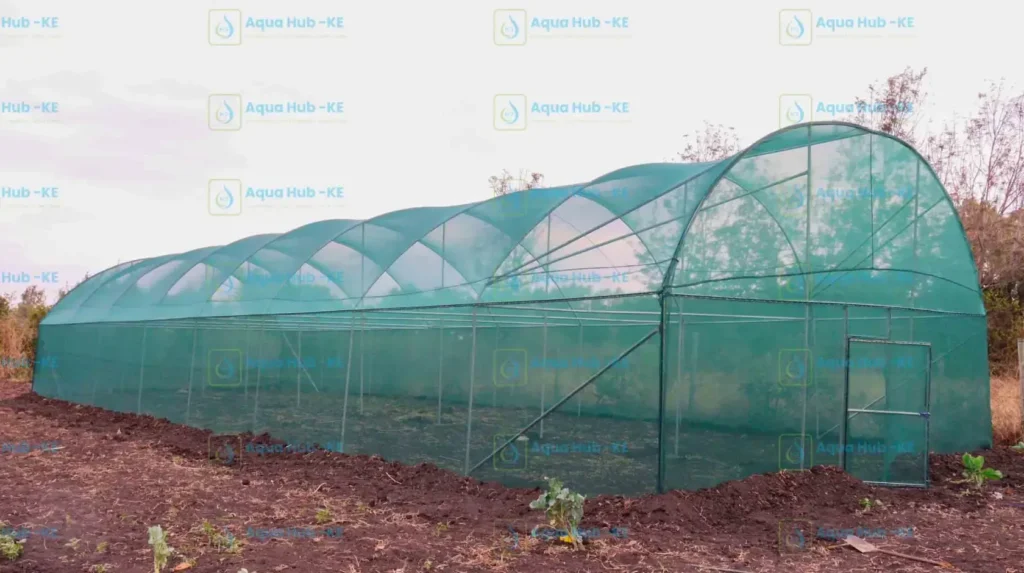
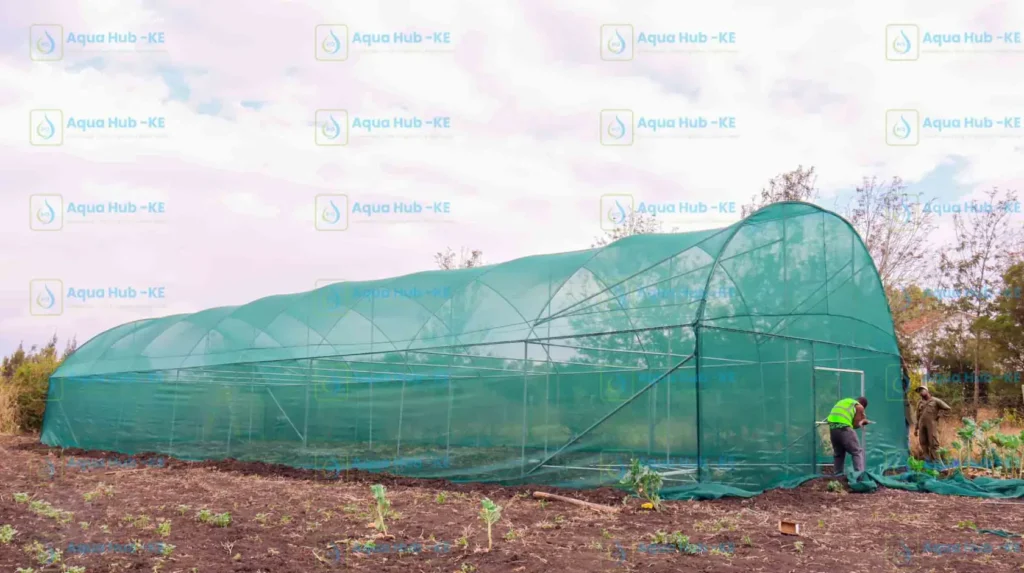
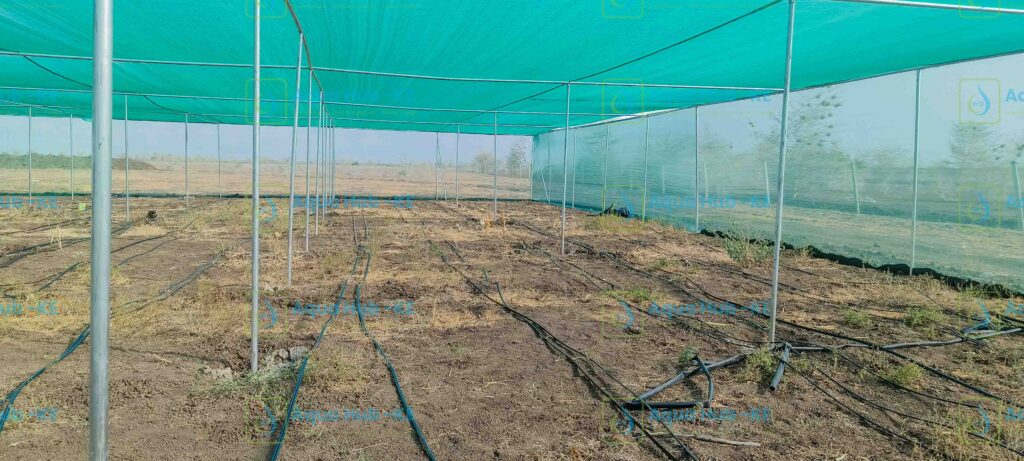
Metallic shade House structure
Shade Nets protects plants from external harsh environmental conditions such as extreme sunlight.
- Provide shade effect that reduces water loss through evaporation.
- Nets are indispensable temperature regulators that allow optimal conditions for plant productivity.
- Acts as a weed barrier due to ease in management of perennial weeds.
- Shade Nets can also prevent the entry of pests thus low diseases.
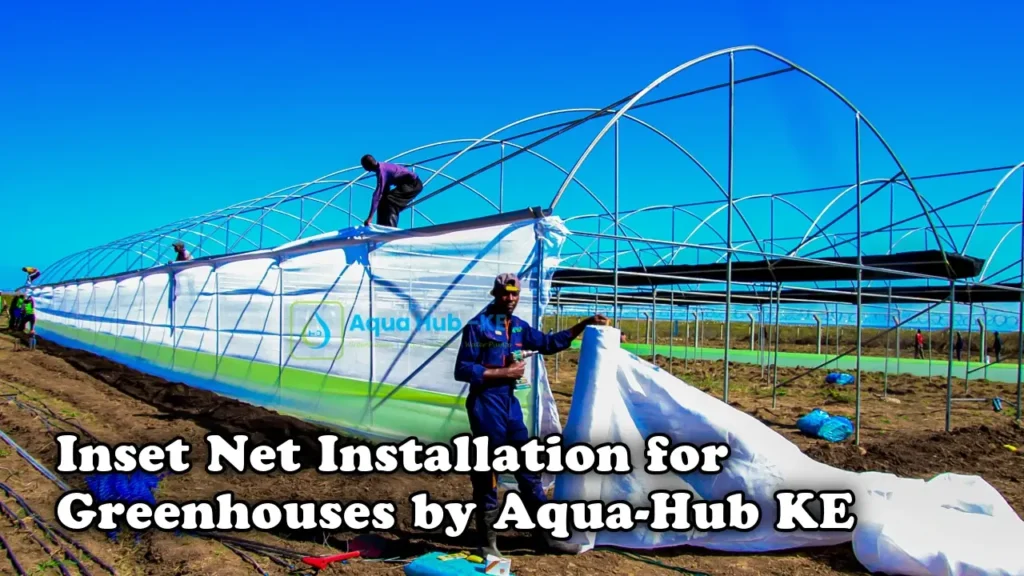
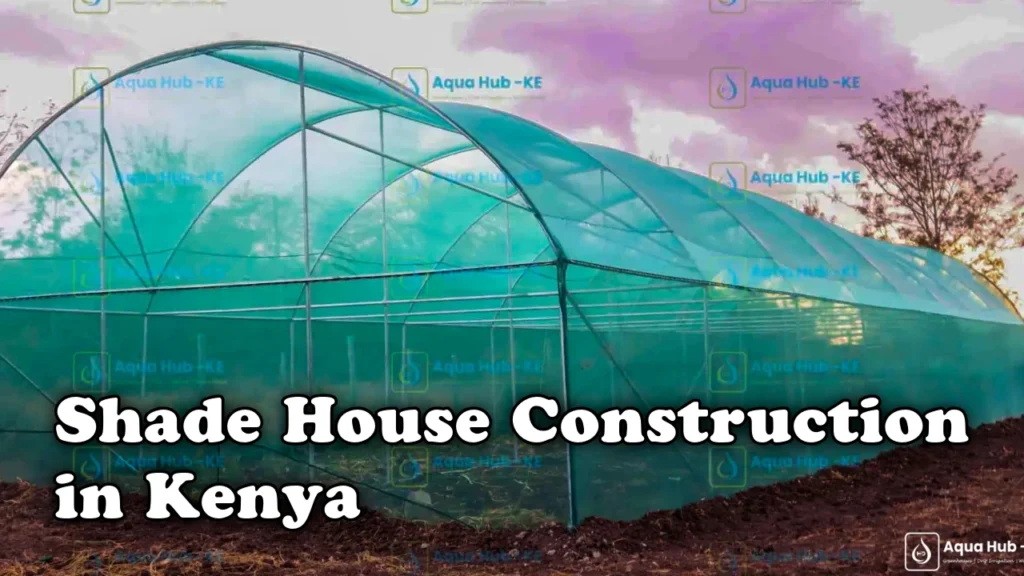
We apply our shade nets in designing greenhouses and shade houses for growing vegetables, herbs, and flowers.
How to Choose Shade Nets
- Check the Shade Net Percentage: every filtration level is identifiable as lower sunlight percentage nets have less dense mesh fabric.
- Consider the crop: since sunlight level varies with filtration level, they support different crops.
- Material of design: Ensure the material is of quality. UV-treated HDPE Fabric are the best.
- Application: Your intended purpose will determine which net to buy. Agricultural needs are enhanced with knitted shade nets.
- Region or location: growers in hot regions use 75 and 90 percent shade nets.
- Cost or price: the budget for your shade nets is the most determinant factor as it dictates which fabric you can afford.
Shade Net Percentage for Different Crops
Our shade nets are best for the following crop applications.
- 35 % net: low-shade requirement plants such as capsicum, strawberry, and tomato.
- 55 % net: For moderate sun-loving crops including lettuce, geraniums, and kales.
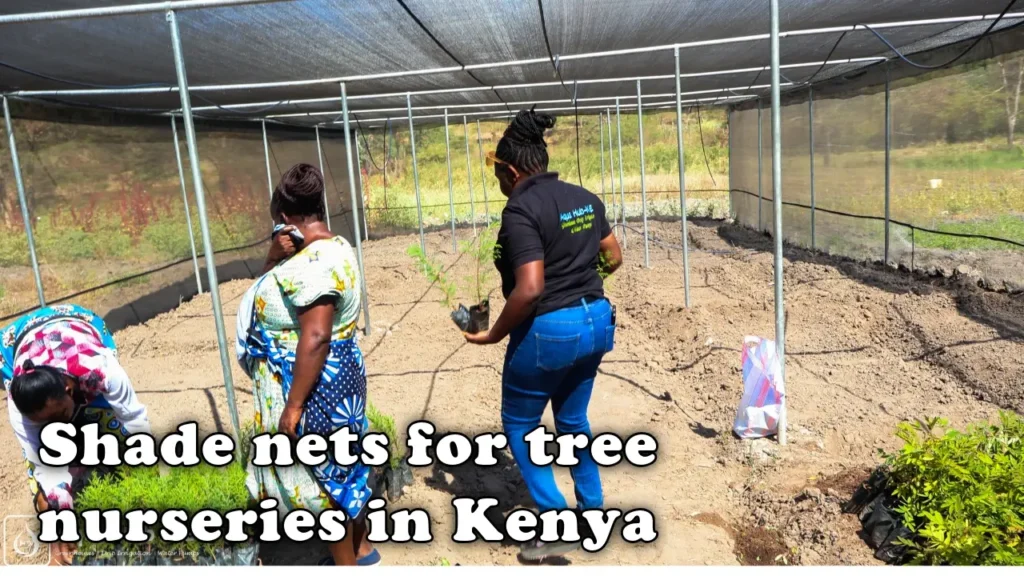
- 75 % net: Slight lower shade-loving plants. For example, vegetable seedlings, flowers, carrots, beetroot, and tree seedlings.
- 90 % net: Shade-loving crops including ferns, mushrooms, Azolla, and flowers such as bougainvillea.
Crop – Specific Applications of Shade Nets in Kenya
| Shade Net Percentage | Sunlight Blocked | Sunlight Permitted | Crops Recommended |
| 35% | 35% | 65% | Tomato, capsicum, high-light vegetables |
| 55% | 55% | 45% | Cucumber, leafy greens, nurseries |
| 75% | 75% | 25% | Orchids, ferns, gerbera, anthurium, vegetable seedlings |
| 90% | 90% | 10% | Orchid hardening, mushroom beds, ferns, roses, bougainvillea and lilies. |
Impact of Shade Nets in Agriculture
In most arid and semi-arid areas, vegetables and flowers can now be produced with less fear of losses. Shade nets have enhanced higher yield and income generation as well due to their economic and effective climate-enhanced nature.
Farming is flexible and a wide range of vegetables, flowers, and fruits do well in many regions through shade nets.
Benefits of Shade Nets in Kenya
- The mesh fabrics makes it easier for rain and sunlight to reach crops
- Does not limit pollination of plants; Small insects, wind and water enter shade structure to facilitate pollination.
- Shade nets are new design fabrics thus durable for long time, probably 5 years and above.
- Shade nets work effectively even when exposed to harsh climate conditions.
- They are non-corrosive due to the plastic nature.
Frequently Asked Questions
1. How much does a shade net cost in Kenya?
KES 13,000 – KES 37,000.
2. What materials are shade nets?
UV treated HDPE Fabric
3. Which shade net is best for tomatoes?
Tomatoes thrive under 35% shade nets.
4. What does 75 shade net mean?
75 % shade net allows 25% sunlight.
5. How long do shade nets last?
3 – 5 years.
6. How to choose shade net?
Consider the type of crops, climate, UV resistance, Climate and farm size.
7. Can I use one shade net for all crops?
No, different crops require different shading levels.
8. What size are full size shade net rolls?
4 x 50 m.
9. Which is better, green or black shade cloth?
It depends on your climate. Black shade nets are best for cold regions because they absorb heat.
10. Where Can I Buy Shade Nets in Kenya?
Aqua Hub Kenya.