
Blog
Solar-Powered Surface Pumps for Irrigation
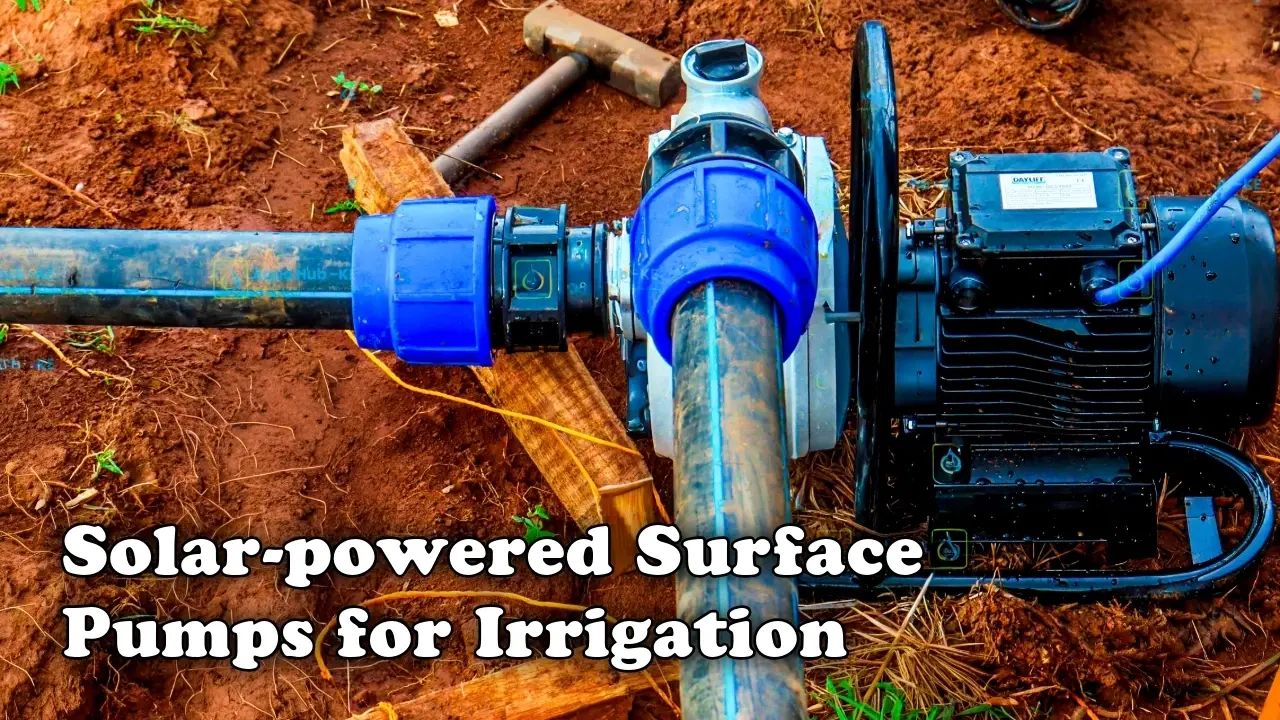
Solar-powered surface pumps cost between KES 25,000 and KES 60,000, depending on the size of the pump and the setup your farm needs.
Irrigation depends on a steady supply of water, and pumping that water with diesel, petrol or grid electricity adds a cost every week. A solar pump runs on sunlight, so you no longer pay for fuel. Therefore, farmers with a dam, river, pond or shallow well near their fields can irrigate more land at a lower running cost.
Aqua Hub Kenya supplies irrigation equipment for farms and homesteads, so you can plan the pump and the irrigation lines with one supplier. Furthermore, our team explains how each part works before you buy it. Speak to our team through +254790719020 for a recommendation on solar-powered surface pumps that suit your water source and field size.
What Solar-Powered Surface Pumps Cost at Aqua Hub Kenya
Solar-powered surface pumps start at KES 25,000 for smaller jobs and reach KES 60,000 for larger models. A small kitchen garden needs less pumping capacity than an orchard. Consequently, the price rises with the capacity you choose. The final cost of your setup depends on these factors:
- Pump capacity, which follows the amount of water your crops need each day.
- Vertical distance between the water source and the point where the water is delivered.
- Length of pipe between the pump and your field.
- Number of solar panels needed to power the pump.
- Whether you plan to irrigate after sunset, since that calls for water storage.
Because every farm differs, email info@aquahubkenya.co.ke with your water source and field details to receive the exact price for your pump.
How Solar-Powered Surface Pumps by Aqua Hub Kenya Move Water to Your Crops
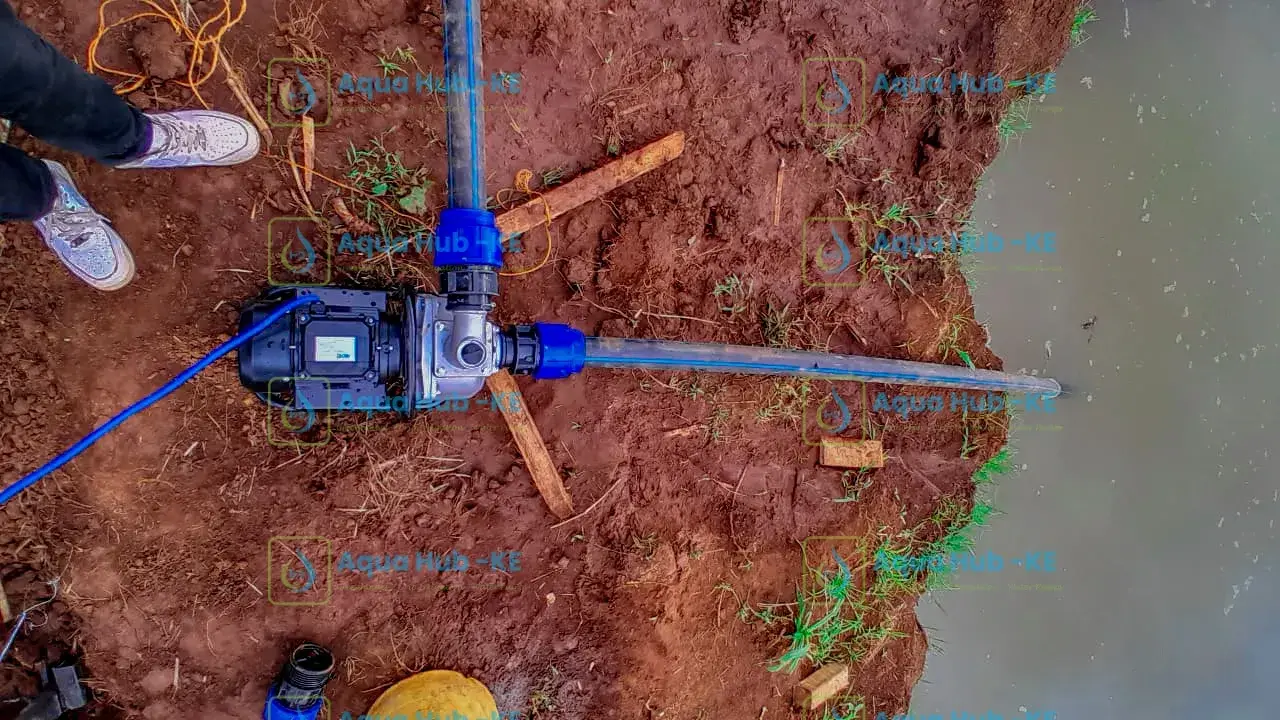
A surface pump sits on the ground beside the water source. It takes water in through a suction pipe and sends it out through a delivery pipe. Solar panels supply the electricity, so the pump works in sunlight and stops when daylight ends.
Most farms store the pumped water in a raised tank. After that, the water flows from the tank to the field by gravity, which gives the irrigation lines a steady flow even when there is heavy cloud coverage. Since solar-powered surface pumps need no engine, there is no fuel to buy and no oil to change.
Water Sources Suited to Solar-Powered Surface Pumps by Aqua Hub Kenya
A surface pump suits water that sits close to ground level. The pump has to pull water upward through the suction pipe, and that ability has limits. Therefore, the sources below work best with solar-powered surface pumps:
- Dams and farm ponds.
- Rivers and streams.
- Shallow wells.
- Storage tanks and water pans.
- Springs that collect in a small basin.
Deep boreholes need a different pump, since the water sits too far below the surface for a pump on the ground to reach. Should you feel unsure about your source, describe it to our team and we will tell you which pump type applies.
Also place the pump as near to the water as you safely can. A shorter suction pipe makes pumping easier, and it reduces the chance of air entering the line.
Pairing Solar-Powered Surface Pumps with Drip Lines and Sprinklers
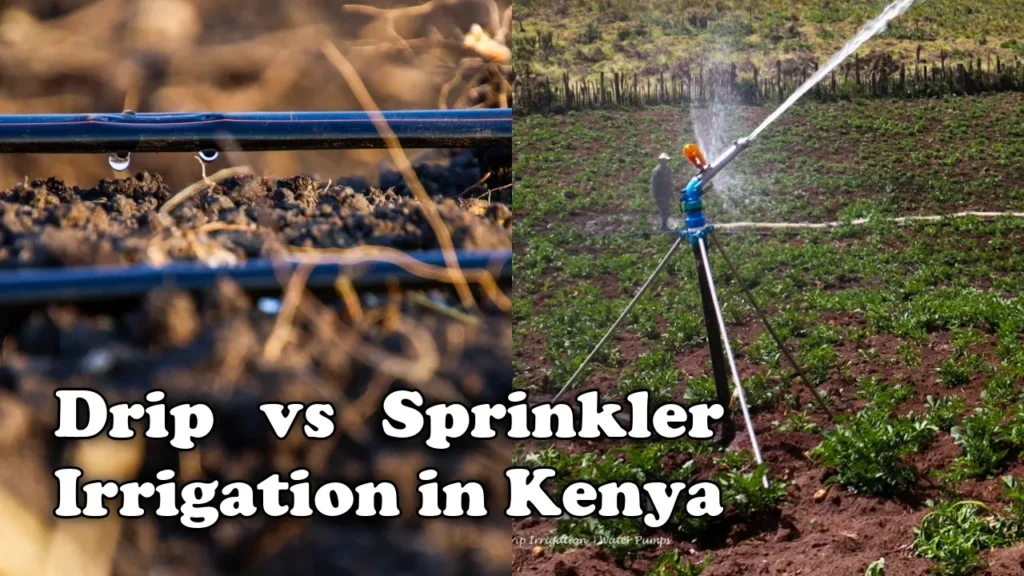
The pump delivers water, while the irrigation method determines how that water reaches the plants. Both drip lines and sprinklers work with solar-powered surface pumps, although each method suits a different kind of farm.
Drip Irrigation from a Raised Tank
Drip lines release water slowly at the base of each plant. They need a low-pressure, even flow, which a raised tank provides. The pump fills the tank during the day, whereas the drip lines take water from it at any hour. As a result, you can irrigate in the early morning or the evening, when less water evaporates.
Sprinklers Fed by Direct Pumping
Sprinklers need more pressure than drip lines, so the pump and the pipework must suit the sprinkler type you choose. Some farmers connect the sprinklers straight to the pump and irrigate while the sun is strong. Others, however, pump into a tank first, then use the stored water. Either approach works, provided the pump has enough capacity for the number of sprinklers.
Working Out the Pump Capacity Your Farm Needs from Aqua Hub Kenya’s Range
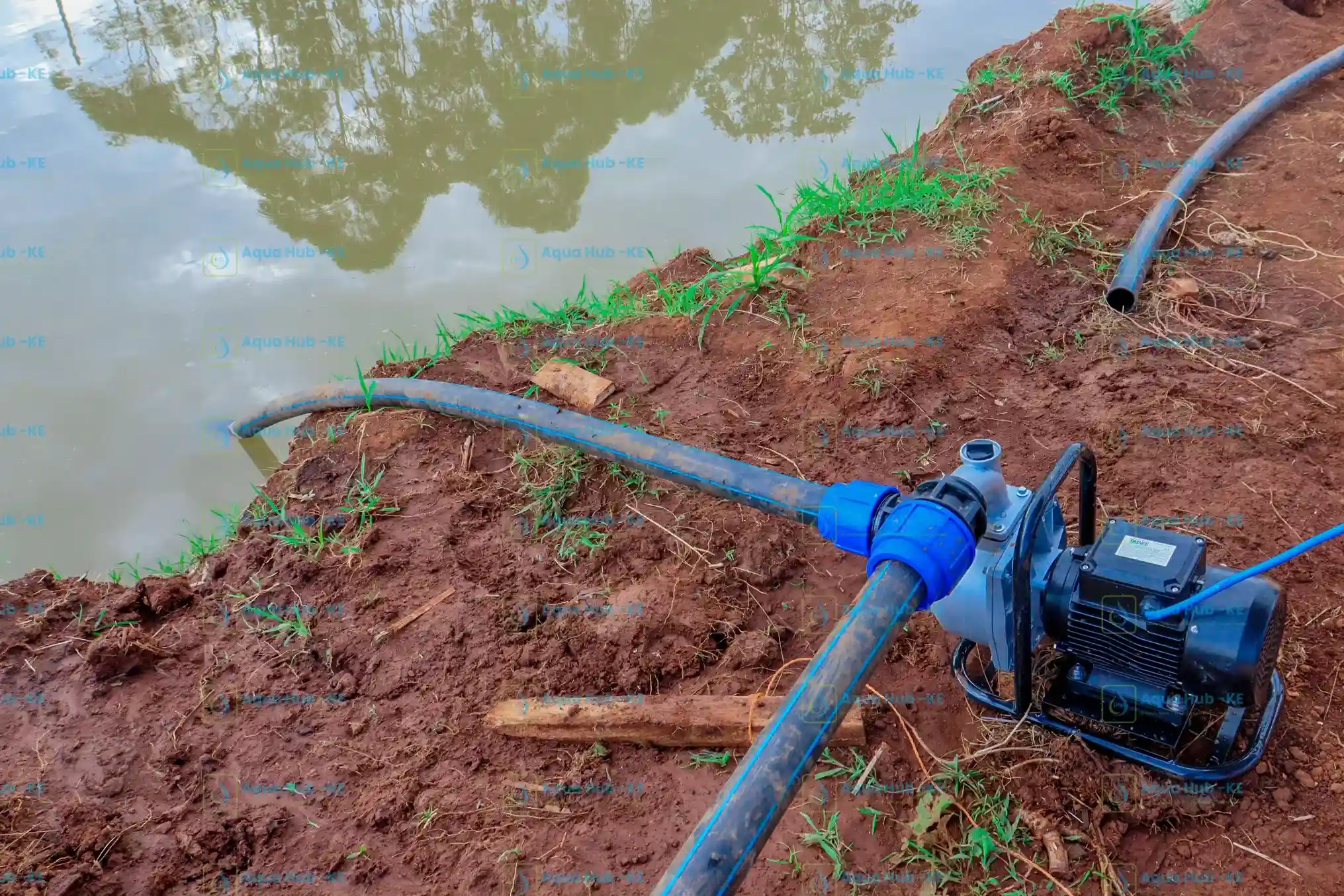
Pump capacity should match the amount of water your crops use, because the right size controls both cost and performance. An oversized pump costs more than you need, whereas an undersized pump leaves part of the field dry. For this reason, collect these details before you ask about solar-powered surface pumps:
- Area you plan to irrigate.
- Crops you grow and their water needs in the dry months.
- Distance from the water source to the field.
- Height the water must rise to reach the tank or the field.
- Hours of full sun your site receives each day.
With these figures, our team can suggest a pump capacity and explain what the rest of the system needs. Likewise, if you plan to extend your field later, mention it at the start. In that case, a pump chosen with future growth in mind saves you from replacing it a few seasons later.
Crops Aqua Hub Kenya Customers Irrigate with Solar Power
Farmers use solar-powered surface pumps across a wide range of crops. The following are common examples:
- Tomatoes.
- Onions.
- Kale.
- Cabbages.
- Maize.
- Bananas.
- French beans.
- Watermelons.
Vegetables need frequent watering, and for this reason they gain the most from a pump that runs every sunny day. Orchard and field crops, in contrast, need larger volumes less often. That pattern suits a tank that fills slowly and empties on a schedule.
Solar-Powered Surface Pumps Installation by Aqua Hub Kenya’s Technicians
A correct installation protects the pump and keeps the water flowing. Aqua Hub Kenya’s technicians handle the work on your site and usually follow this order:
- Initially, they survey the site and mark where the pump will stand, near the water source and out of the rain.
- Next, they set up the solar panels where sunlight reaches them for most of the day.
- Then they connect the panels to the pump with cables sized for the load.
- Once the electrical work is secure, they fit the suction and delivery pipes and test every joint.
- Finally, they prime the pump with water and check the flow into the tank or field.
Each site has its own layout, and the technicians adjust the positions of the pump and panels to suit your terrain. Consequently, solar-powered surface pumps installed this way draw water efficiently from the first day. To arrange a visit, email info@aquahubkenya.co.ke or speak to our team by phone.
Maintaining Solar-Powered Surface Pumps from Aqua Hub Kenya
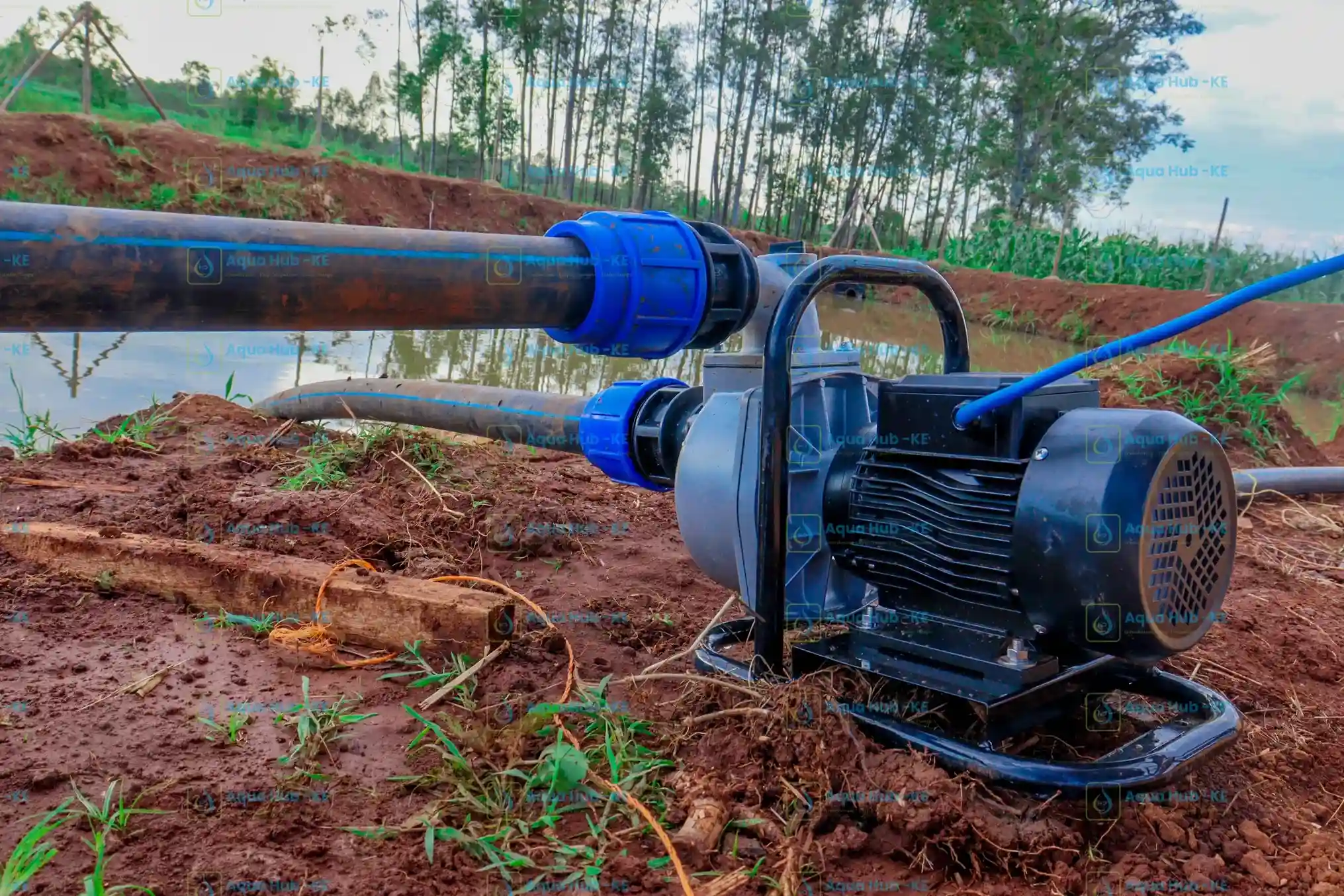
Regular checks keep solar-powered surface pumps working through every season. Farmers can follow these routines:
- Wipe dust from the panels with water and a soft cloth.
- Inspect the suction pipe for cracks, because air entering the pipe lowers the flow.
- Keep the pump in a dry, ventilated spot that rain cannot reach.
- Tighten loose cable connections and replace damaged cables.
- Stop the pump if the water source runs low, since running dry harms the seals.
- Clear leaves and debris from the intake before the rains begin.
A drop in water flow usually points to a blocked intake, an air leak, dirty panels or damaged cables. Therefore, check those points first, and speak to our team if the flow does not recover.
Why Choose Aqua Hub Kenya for Solar-Powered Surface Pumps?
Aqua Hub Kenya offers solar-powered surface pumps across a range of prices, so a small grower and a commercial farm can each find a model that fits. You see the cost range before you call, which lets you plan a budget before you commit. In addition, our team asks about your water source and field before suggesting a model, so the recommendation reflects your site and not a general estimate.
Besides the pump itself, many customers need other parts. Storage tanks, pipes, irrigation lines and fittings all affect how well the system performs, and our team can advise on how the pump works with each of them. Thus, you can plan the whole watering system in one conversation and avoid buying parts that do not work together.
Frequently Asked Questions
What are solar-powered surface pumps?
Solar-powered surface pumps are pumps that sit above ground and run on electricity from solar panels. They draw water from a nearby source and deliver it to a tank or a field.
How much do solar-powered surface pumps cost in Kenya?
Solar-powered surface pumps cost between KES 25,000 and KES 60,000 in Kenya, depending on the model. Call or email Aqua Hub Kenya for the exact price of your setup.
Can a solar pump irrigate a whole farm?
A solar pump can irrigate a whole farm when the pump capacity matches the area and the crops. Larger farms usually need a bigger pump and a larger storage tank.
Do solar pumps work on cloudy days?
Solar pumps work on cloudy days at a reduced output, because the panels produce less power. A full storage tank gives you water during those days.
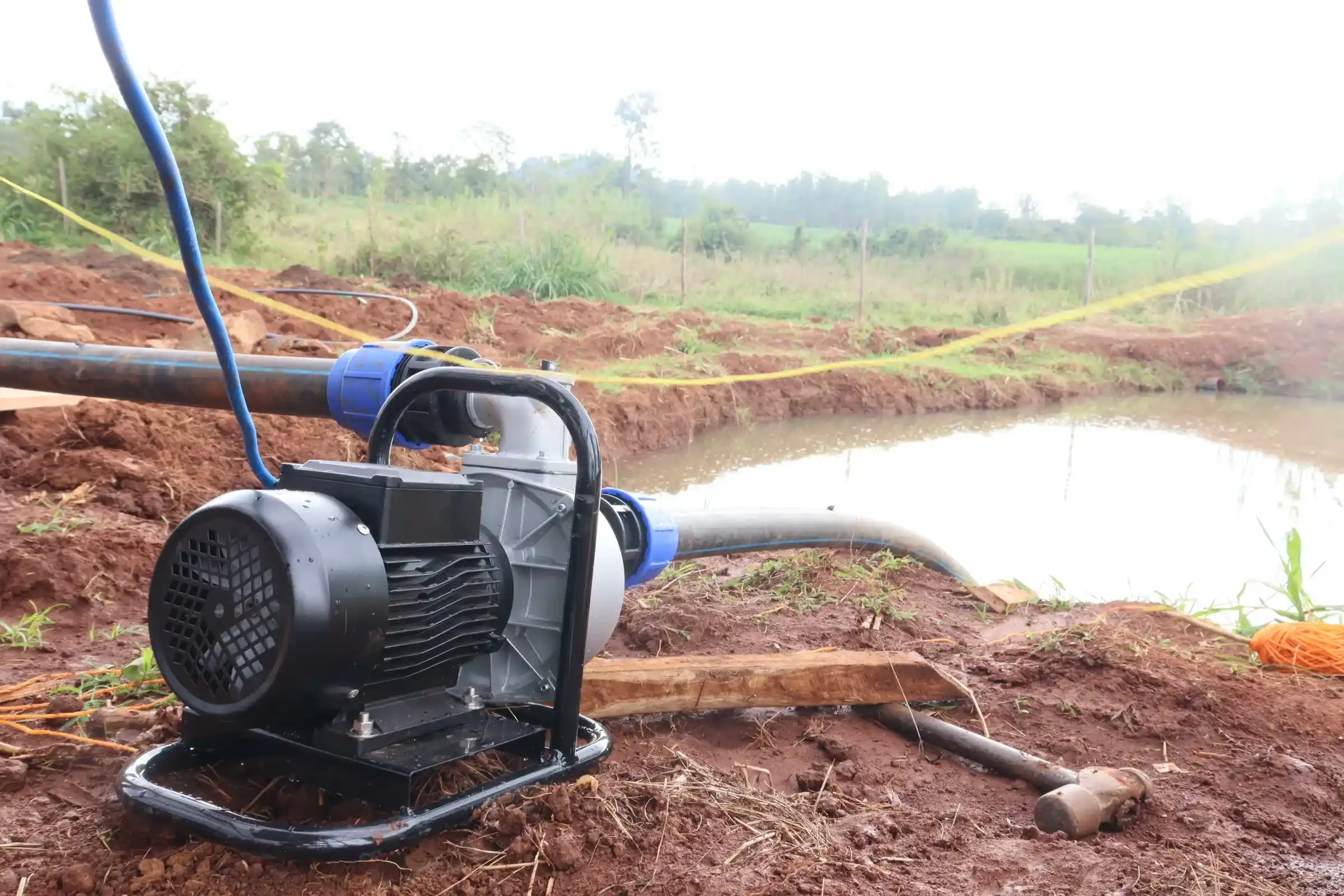
A solar-powered surface pump drawing water from a pond
Can a solar pump draw water from a borehole?
A surface pump cannot draw water from a deep borehole, because the water sits too far below the pump. A submersible pump suits deep boreholes.
Do solar pumps need batteries?
Solar pumps usually run directly from the panels, so they do not need batteries. A storage tank holds the water for use after sunset.
What happens when the water source runs low?
When the water source runs low, the pump can take in air and run dry, which damages the seals. Switch off the pump until the water level recovers.
When should I irrigate with a solar pump?
You should irrigate with a solar pump during the hours when the sun is strong enough to power it, and use stored water in the early morning or evening. Those cooler hours lose less water to evaporation.
How long does a solar pump last?
The lifespan of a solar pump depends on the pump quality and on how well the owner maintains it. Regular cleaning and inspection extend the working life.
Can a solar pump run at night?
A solar pump stops at night because the panels produce no power. Water stored in a tank during the day stays available for night irrigation.
Final Thoughts on Solar-Powered Surface Pumps for Irrigation
Solar-powered surface pumps give farmers a way to irrigate without fuel or grid power. The water source, the pump capacity, the irrigation method and the position of the panels determine how well the system performs, while a correct installation keeps it working through every season.
Prices run from KES 25,000 to KES 60,000, depending on the model. Reach Aqua Hub Kenya at +254790719020 or info@aquahubkenya.co.ke to get the exact price and plan your irrigation setup with solar-powered surface pumps.