
Blog
Solar Irrigation Systems in Kenya
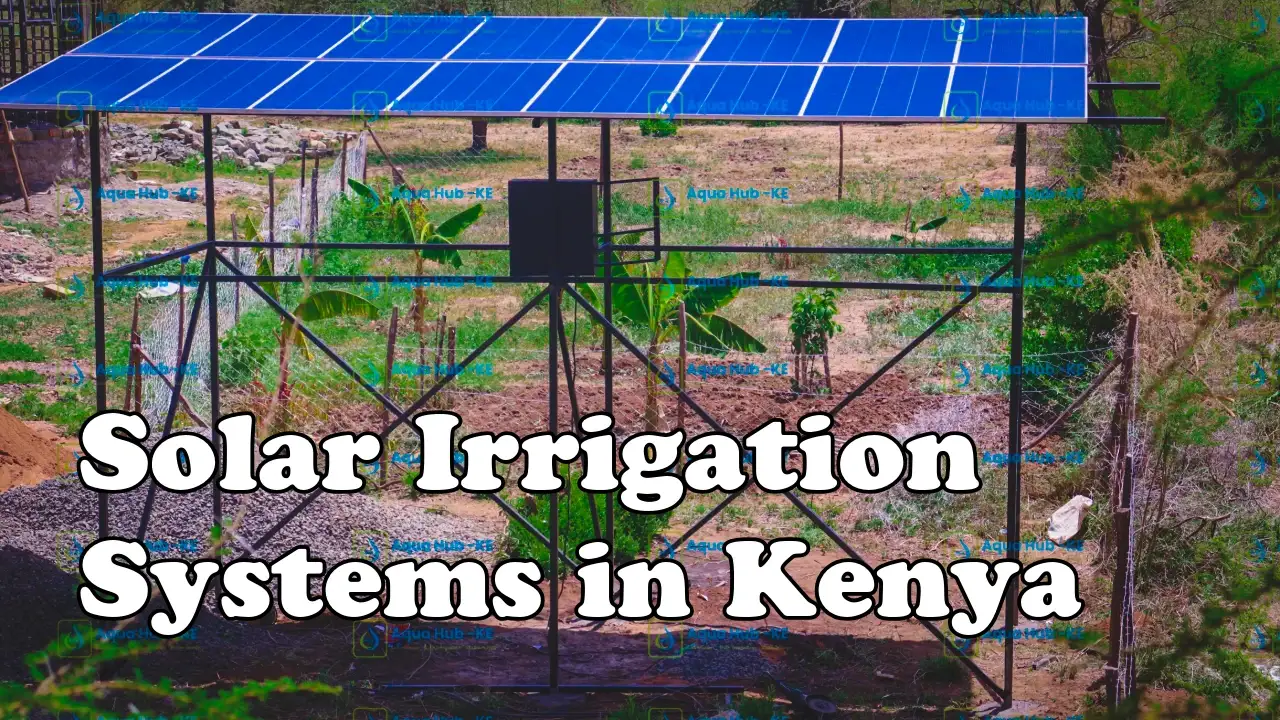
Solar irrigation systems in Kenya use energy from the sun to power water pumps, removing the need for grid electricity or fuel to run your irrigation system.
The cost of solar irrigation systems available at Aqua Hub Kenya ranges between KES 80,000 and KES 800,000, depending on the pump size and solar panel capacity.
To find out more about which solar irrigation system suits your farm, call us on on 0790719020 or email info@aquahubkenya.co.ke.
Quick Takeaways
- Solar irrigation systems in Kenya cost between KES 80,000 to over KES 800,000 based on the type of pump and irrigation system used
- Different pump sizes are effective for irrigating different farm sizes and thus you must consider your farm size when selecting an appropriate pump type to use.
- Solar systems have higher upfront costs than fuel pumps but pay for themselves within two to three years through fuel savings.
- The panels should be regularly maintained by cleaning panels, checking inlet and outlet pipes, check cable connections and inspecting motor panels.
- At Aqua Hub Kenya, we have both surface pumps and submersible pumps to suit the different needs of farmers across the country.
What is a Solar Irrigation System?
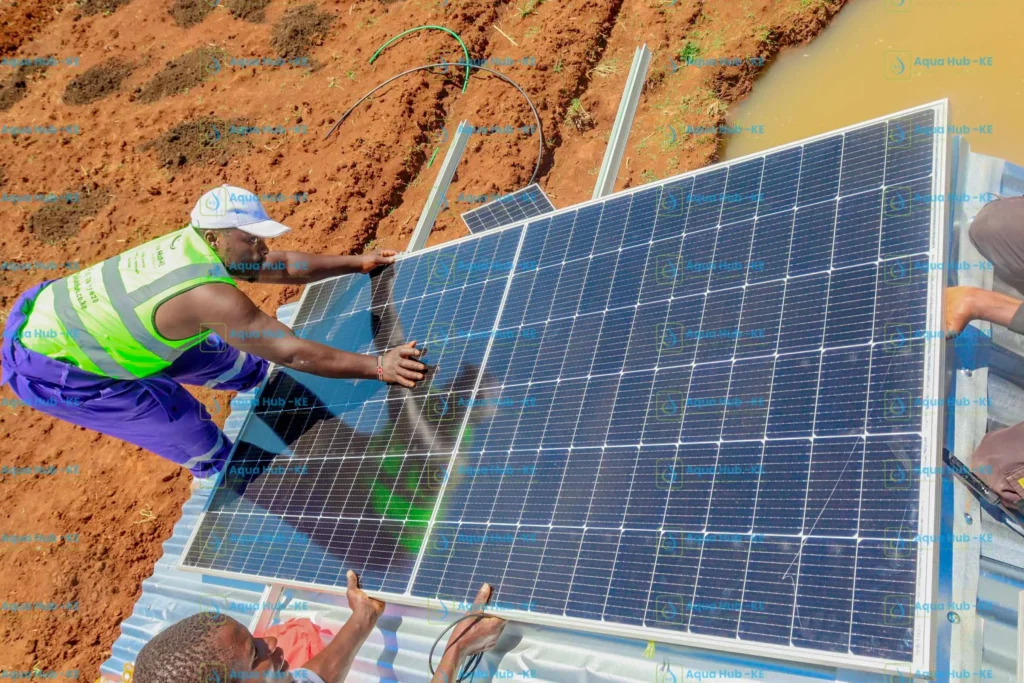
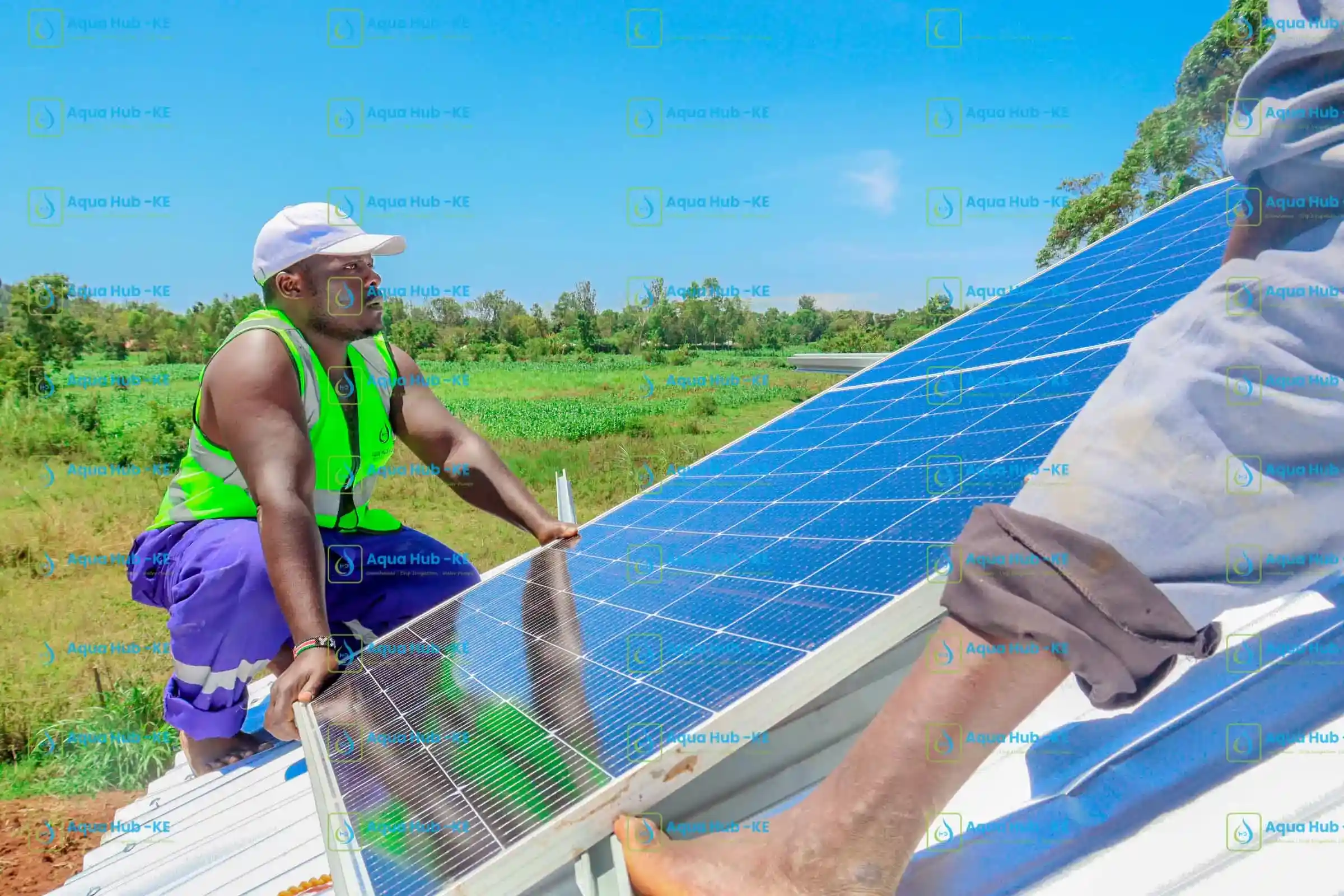
A solar irrigation system uses photovoltaic (PV) solar panels to generate electricity that powers a water pump. The pump draws water from a water source like a borehole, river, dam or storage tank and delivers it to your field through pipes connected to a drip or sprinkler irrigation system.
The system runs during daylight hours when the panels are generating power. Some setups include a battery bank that stores power for use at night or on overcast days. However, most farms in Kenya do not use batteries to keep costs lower.
Solar irrigation systems are not new in Kenya, but adoption has grown significantly over the last few years. Farmers in drier areas like Machakos, Makueni, Kajiado and parts of the Rift Valle have found them especially useful. This is because fuel and electricity costs in those regions make conventional pumping expensive.
How Solar Irrigation Systems Work
Solar panels placed on top of a frame capture sunlight and convert it into dirent current (DC) electricity. This powers the pump motor, which draws water from your soure and pushes it through a mainline pipe to your field.
From the mainline, the water moves into your irrigation system. This can be a drip irrigation layout for row crops, a sprinkler system for open fields or a rain gun for large acreage farms. The pump controller regulates flow and protects the motor from fault like dry running or overvoltage.
On a clear day, a properly sized system will run your pump continuously from around 7am to 5pm, giving you a consistent daily irrigation window.
Cost of Solar Irrigation Systems in Kenya
The price of a solar irrigation system in Kenya depends on a number of factors such as:
- Pump size
- Number of solar panels
- Wattage of the panels
- Water source depth
- Irrigation method used
Cost of Solar Panels by Aqua Hub Kenya
Aqua Hub Kenya supplies a variety of solar panels at different wattages. The cost of a solar panel ranges from KES 2,500 for 50 Watt panels to over KES 30,000 550 Watt panels.
How much do Solar Pumps cost
In addition to solar panels, Aqua Hub Kenya also offers a range of solar pumps whose costs vary from KES 50,000 to KES 500,000 based on the type of the pump. The table below details a breakdown of the solar pump types available at Aqua Hub Kenya.
| Solar Pump Type | Estimated Cost (KES) |
| Small Domestic Pump (0.5 HP) | 80,000–130,000 |
| Household (1 HP) | 130,000–180,000 |
| Medium Irrigation (1.5–2 HP) | 200,000–350,000 |
| Large Solar Pump (3 HP+) | 400,000–800,000+ |
What is the Cost of Irrigation Systems in Kenya
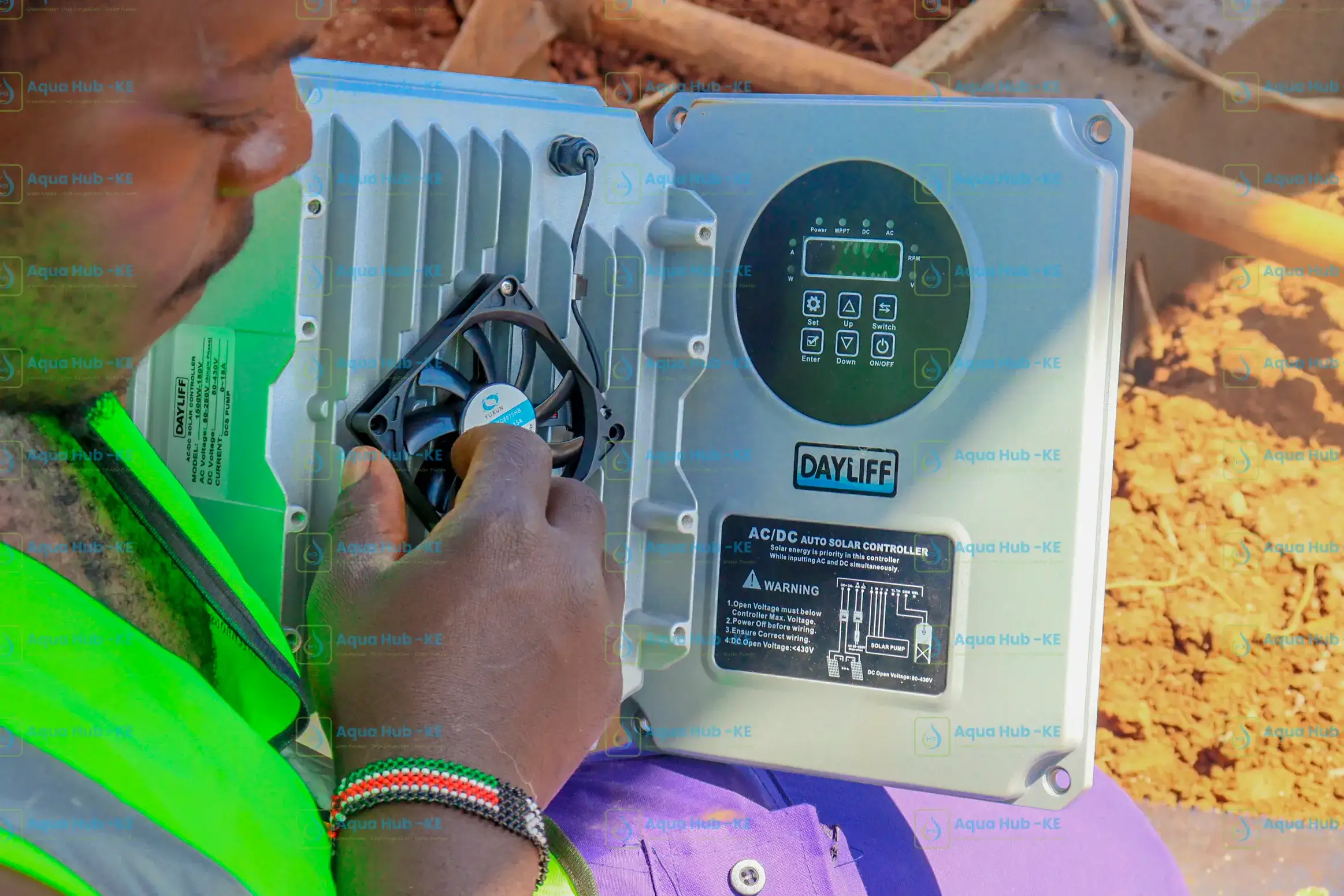
At Aqua Hub, the type of irrigation systems that can be part of a solar irrigation system are split into two categories:
- Drip irrigation systems
- Sprinkler irrigation systems
Each category has different costs. Drip irrigation systems at Aqua Hub Kenya retail between KES 10,000 to KES 130,000. In contrast, sprinkler irrigation systems are available at a cost between KES 60000 – KES 200000 depending on the sprinkler type
Call us on +254790719020 or email info@aquahubkenya.co.ke for a quote based on your specific farm size and water source.
Types of Solar Water Pumps in Kenya
Surface Solar Pumps
Surface pumps sit above the water source and draw water horizontally or with a short lift. They are suited to shallow water sources like rivers and open dams. This is because pumping does not need to go underground with shallow sources.
Submersible Solar Pumps
Submersible pumps are installed underground, inside a borehole or deep well. They push water upwards to the surface using the pressure generated by the pump motor. These are the most common type of solar pump used for borehole irrigation in Kenya.
Solar Irrigation vs Fuel-Powered Pumps
Many farmers in Kenya currently use petrol or diesel-powered pumps. They work, but they come with ongoing costs that could add up quickly
| Solar Irrigation System | Fuel-powered Pumps | |
| Running cost | Very low (sunlight is free) | High (daily fuel cost) |
| Maintenance | Minimal (no engine parts) | Regular (filters, spark plugs etc) |
| Upfront cost | Higher | Lower |
| Reliability | Dependent on sunlight | Works at night |
| Lifespan | 10 to 15 years (panels) | 3 to 7 years |
| Fuel supply | Not required | Needed constantly |
For most Kenyan farmers running irrigation more than three to four days a week, a solar irrigation system pays for itself within two or three years through fuel savings alone. After that, your pumping cost drops to near zero.
To switch to a solar irrigation system and maximize your farm’s profits, call Aqua Hub Kenya through +254790719020 or email info@aquahubkenya.co.ke.
What Farm Size Can a Solar Irrigation System Handle?
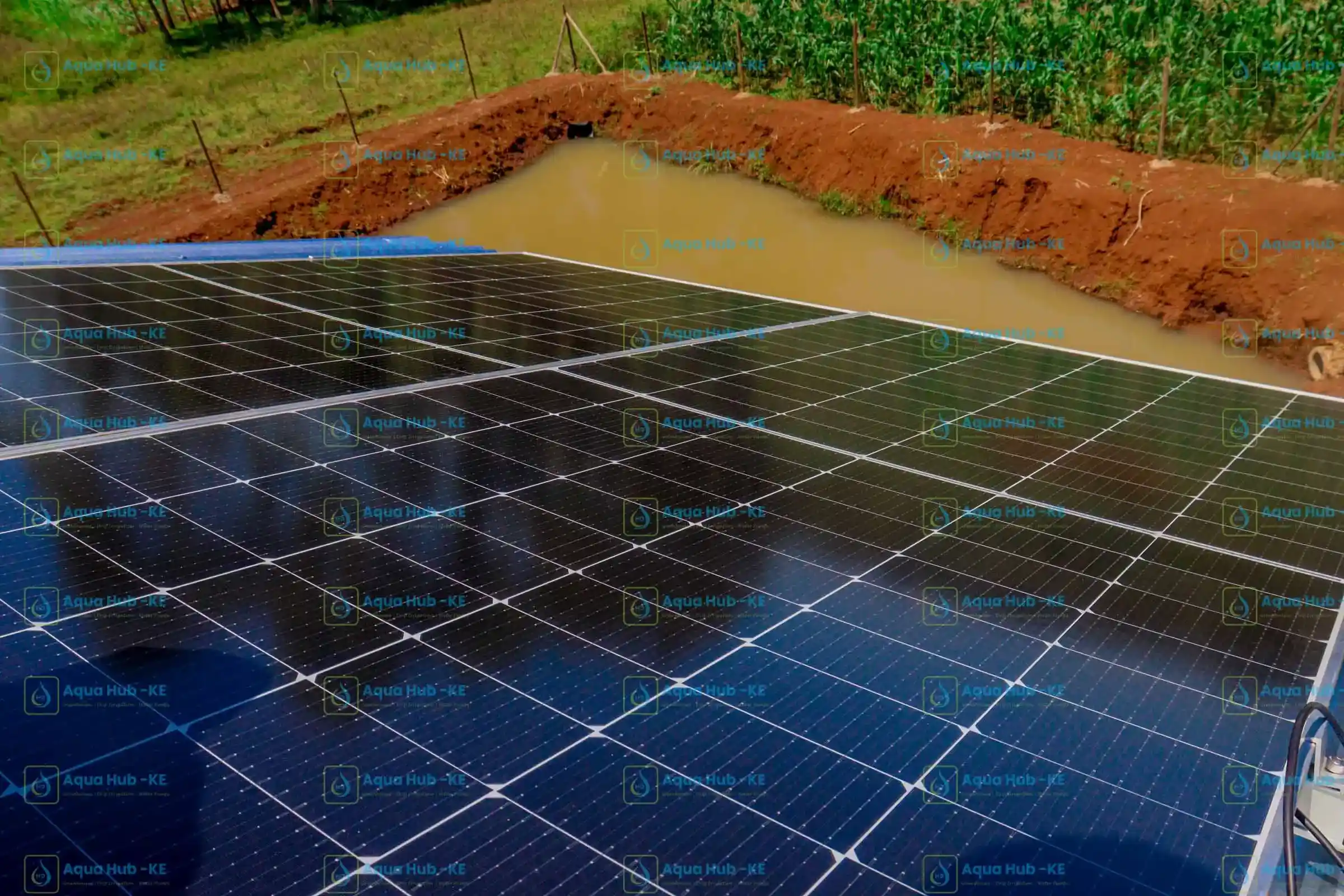
This depends on the pump size and the type of irrigation you are running.
- 0.5HP solar pump – A 0.5HP solar pump can typically handle drip irrigation on a quarter to half an acre.
- 1HP solar pump – A 1HP pump covers roughly one acre with drip irrigation or a small sprinkler system.
- 2HP solar pump – A 2HP pump can irrigate two to three acres depending on water pressure requirements and the irrigation method used.
Rain guns require higher pressure and flow rates, so they generally need a larger pump. If you plan to run a rain gun from a solar pump, reach Aqua Hub Kenya through telephone on 0790719020 and we will help you size the system correctly.
For farmers with multiple acres or high-demand crops, it is possible to link multiple solar pumps or combine a solar pump with a storage tank that feeds gravity-based irrigation overnight.
What to Consider Before Buying a Solar Irrigation System in Kenya.
There are various factors that go into your choice of solar irrigation system such as:
- Water source depth – First off, if you are pumping from a borehole, the depth determines the pump head required. A pump that is not rated for your borehole depth will not lift water effectively.
- Daily water requirement – Additionally, you need to calculate how many litres per day your farm needs. This determines the pump flow rate and how many hours the system needs to run.
- Field size and irrigation method – Furthermore, a drip system requires less pressure than a sprinkler or rain gun. Knowing your irrigation method helps size the pump correctly.
- Sunlight hours in your area – Most parts of Kenya receive six to eight peak sunlight hours per day. However, some areas have more cloud cover and may need a larger panel array to generate enough power.
- Budget – Finally, factor in the cost of the pump, panels, controller, cabling, mounting frame and installation. A complete, professionally installed system is more reliable than a piecemeal setup assembled from mismatched components.
Solar Irrigation System Maintenance
Solar irrigation systems tend to be low maintenance. However, that does not mean that they are maintenance-free. There are several steps you need to follow to ensure that your solar irrigation system functions optimally, including:
- Firstly, check your panels every month for dust and debris. A dirty panel generated significantly less power than a clean one. A simple wipe-down with a damp cloth is usually enough.
- Additionally, you must inspect your pump inlet and outlet pipes for blockages at least once a season. Debris from the water source can clog small inlets and reduce pump output.
- Furthermore, check all cable connections periodically for corrosion, particularly connections near the water source.
- Finally, for submersible pumps, the motor and impeller should be inspected every two to three years by a technician. This is especially necessary if pump output has dropped without any obvious panel or cable faults.
To get in contact with Aqua Hub Kenya’s professional technicians who can help you with any maintenance and repairs call +254790719020.
Where can I Buy a Solar Irrigation System in Kenya?
You can buy top quality solar irrigation systems from Aqua Hub Kenya. We supply and install solar water pumps, panels, controllers and complete integrated systems for farms of all sizes across Kenya.
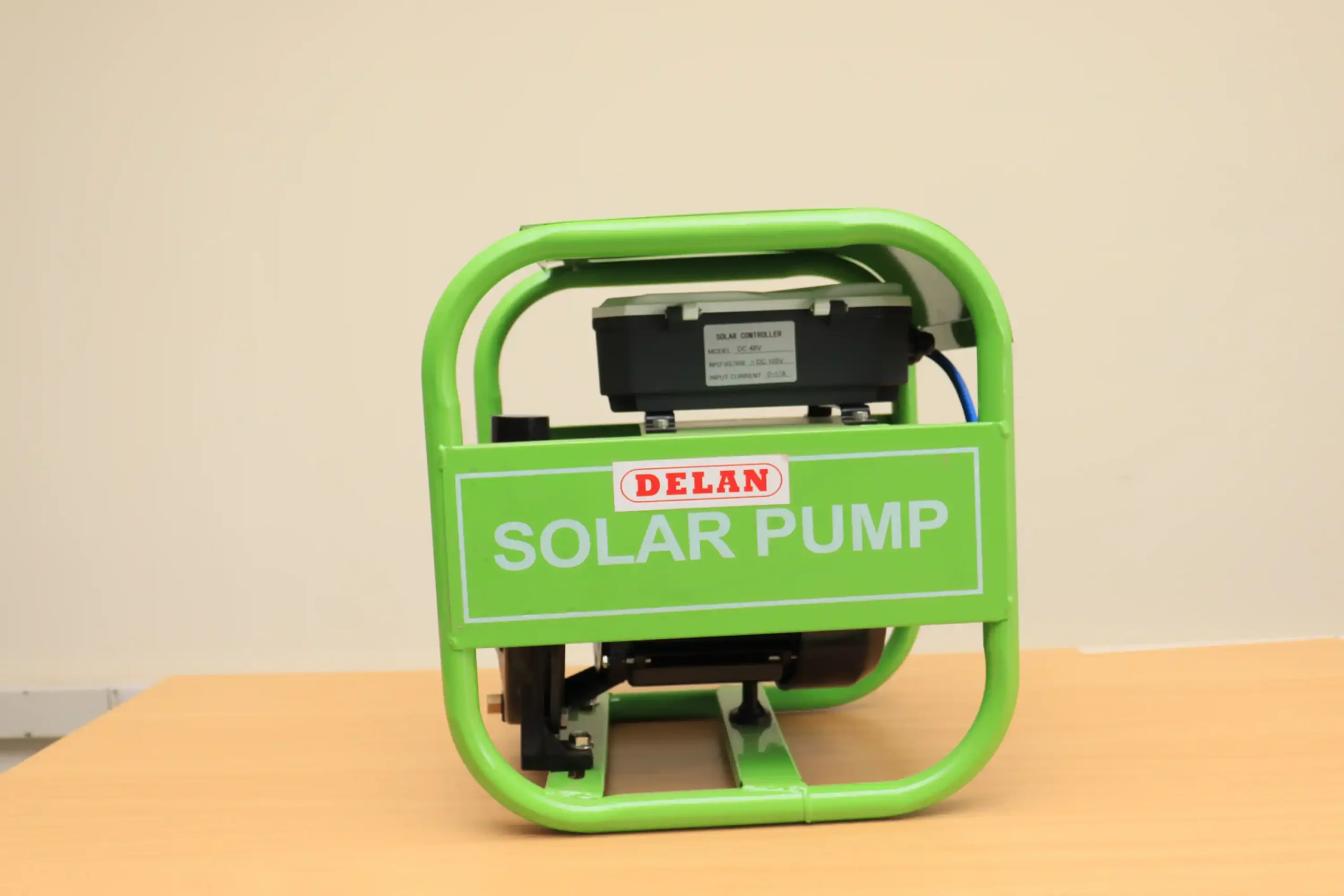
Call +254790719020 to get a quote for the supplies and installation you need based on your farm size, water source, crop type and location.
Frequently Asked Questions
How much do solar pumps for irrigation cost in Kenya?
Solar pumps for irrigation in Kenya cost between KES 80,000 to KES 800,000 depending on the pump size.
How many solar panels are needed to run a water pump?
You typically need 2 to 16 panels to run a water pump depending on the horsepower.
How high can a solar pump push water?
Solar pumps can push water between 300 to 425 meters of vertical head.
Can a solar irrigation system work on a cloudy day?
Yes, a solar irrigation system can work on a cloudy day. However, it will have a reduced capacity.
Do I need a battery for a solar irrigation system?
You do not necessarily need a battery for a solar irrigation system. It is only necessary if you would like to irrigate at night or if you need a backup for cloudy days.