
Blog
Cost of Dam Liner for a 1,000m3 Dam in Kenya
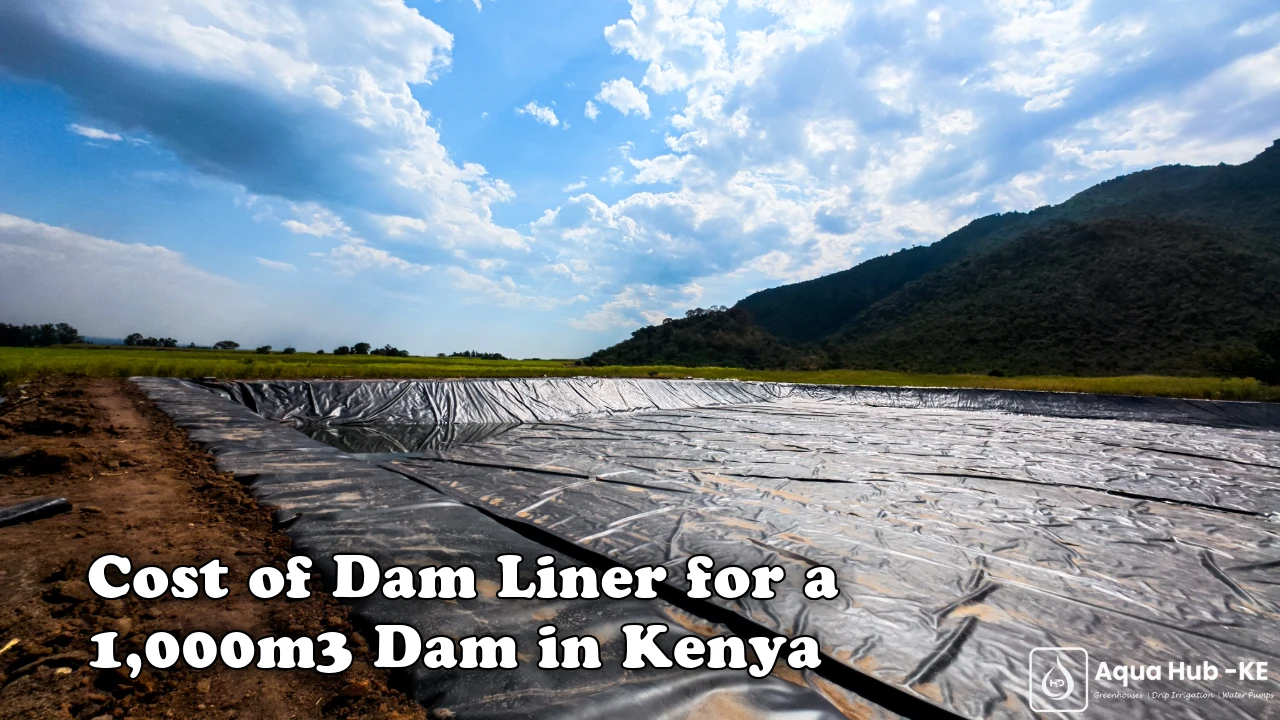
The cost of dam liner starts at KES 210 per square metre at Aqua Hub Kenya, which comes to KES 142,800 for a 1,000 cubic metre dam measuring 25 × 20 × 2 metres.
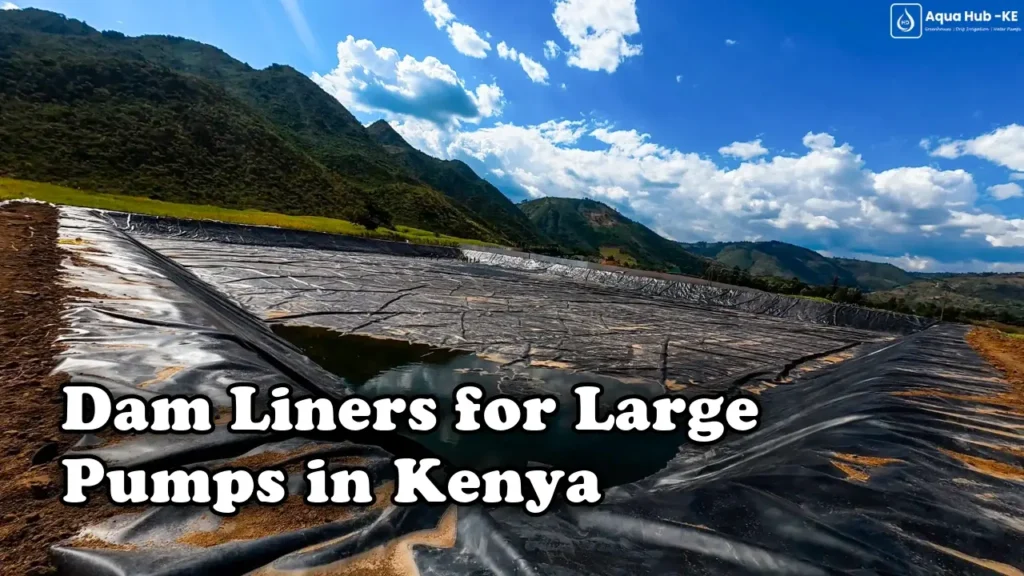
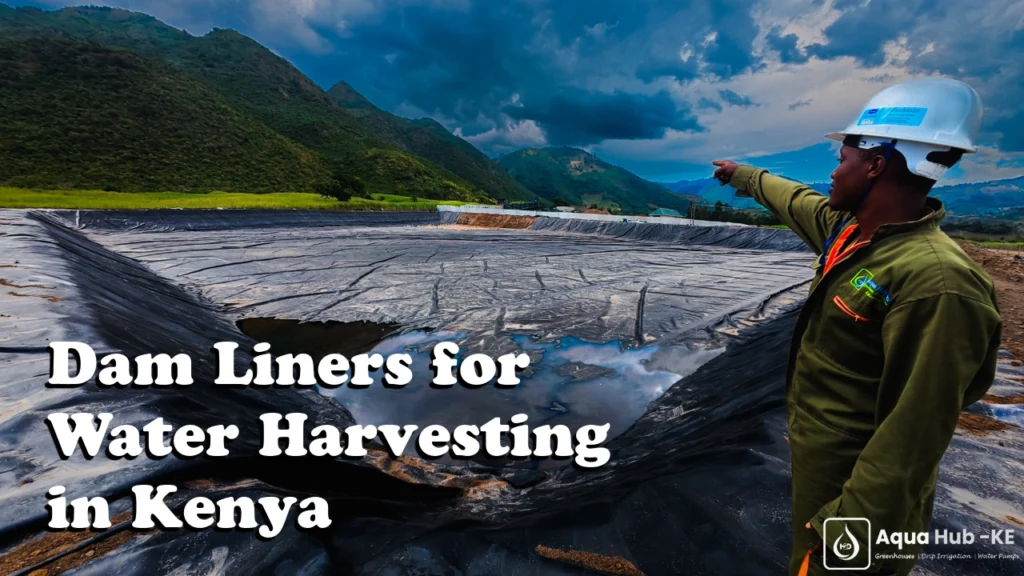
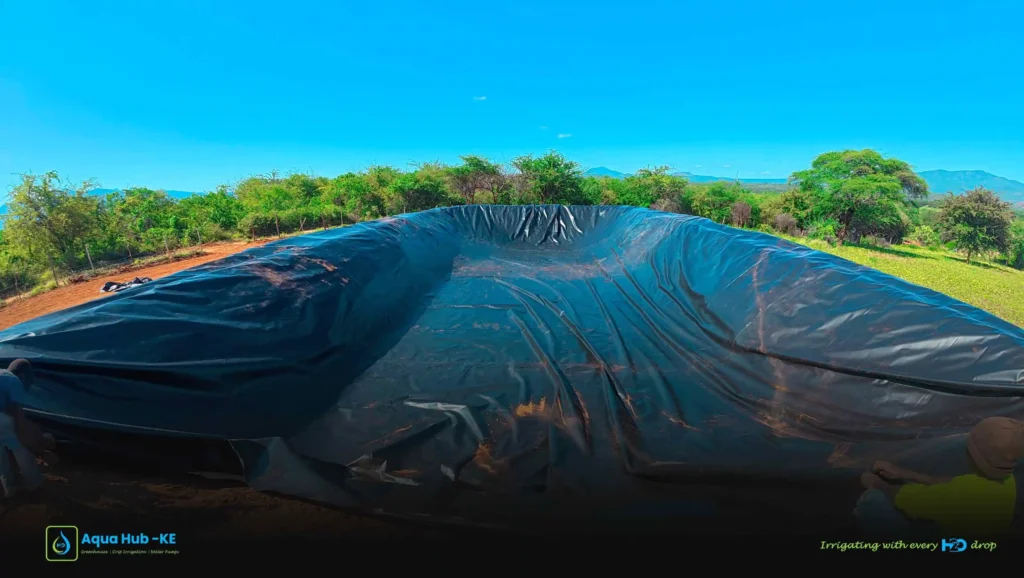
A liner stops water from seeping into the soil, so a lined dam holds the rain and runoff that a farm collects. The price of a liner depends on two things: the area of liner the dam needs and the thickness of the liner. A dam that holds 1,000 cubic metres needs several hundred square metres of liner, which makes the thickness you choose the biggest decision in the budget.
Aqua Hub Kenya supplies dam liners in four thicknesses, and the team also installs them. To get a quote for your dam, call +254790719020 and give the dimensions of the dam.
Cost of Dam Liner by Thickness at Aqua Hub Kenya
Dam liner costs KES 210 to KES 430 per square metre, depending on the thickness. The table shows each thickness with the total for a dam of 25 × 20 × 2 metres, which holds 1,000 cubic metres and needs 680 square metres of liner.
| Liner thickness | Price per square metre (KES) | Liner for the example dam (KES) |
|---|---|---|
| 0.3 mm | 210 | 142,800 |
| 0.5 mm | 240 | 163,200 |
| 0.75 mm | 340 | 231,200 |
| 1 mm | 430 | 292,400 |
These totals cover the liner only. Your dam may have a different shape, so the area and the total will change. Email info@aquahubkenya.co.ke with your dam measurements to receive the exact price.
Working Out Liner Area and the Cost of Dam Liner
For a box-shaped dam, add the area of the floor to the area of the four walls. The floor of the example dam measures 25 × 20 metres, which gives 500 square metres. The walls add 180 square metres, so the dam needs 680 square metres. Multiply that area by the price per square metre to find the cost of dam liner for your dam.
Most farm dams have sloping sides, and a sloping wall is longer than the depth it covers. Therefore, a dam with sloping sides needs more liner than the box-shaped example. Add extra for the anchor trench and for overlaps as well.
How Dam Size Changes the Cost of Dam Liner at Aqua Hub Kenya
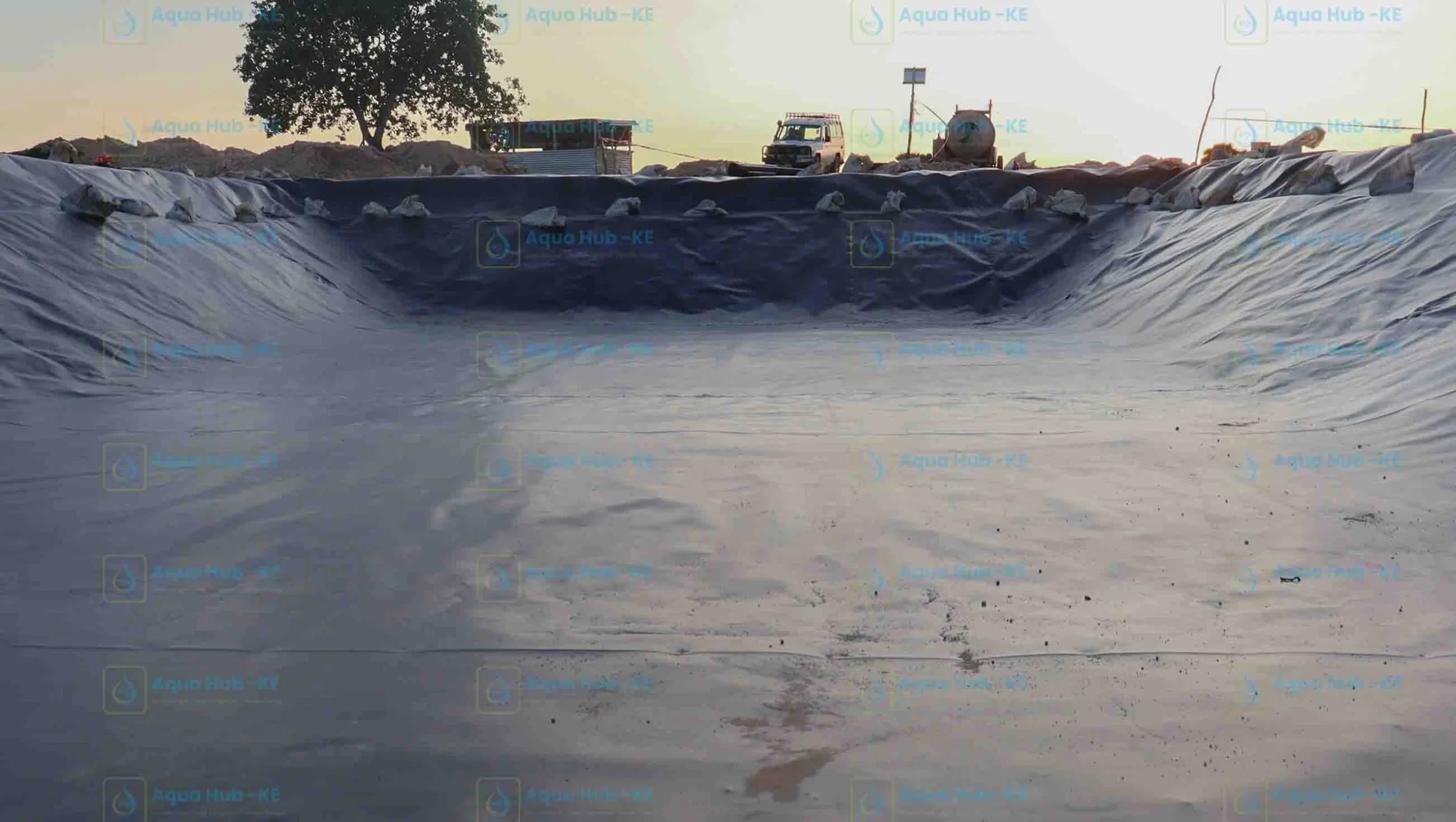
Volume alone does not set the liner area. Two dams can both hold 1,000 cubic metres and still need different amounts of liner, because the shape of each dam decides how much floor and wall it has. A wide, shallow dam has a large floor and low walls, whereas a narrow, deep dam has a small floor and tall walls.
Depth and Side Slopes in the Cost of Dam Liner
Depth and slope both change the area. Steep sides use less liner than shallow slopes, since a steep wall is closer to its true depth. Walk the dam site and measure the length, the width, the depth and the slope of the sides before you ask for a quote, so that the team can price the exact area.
What a 1,000 Cubic Metre Dam Lined by Aqua Hub Kenya Can Supply
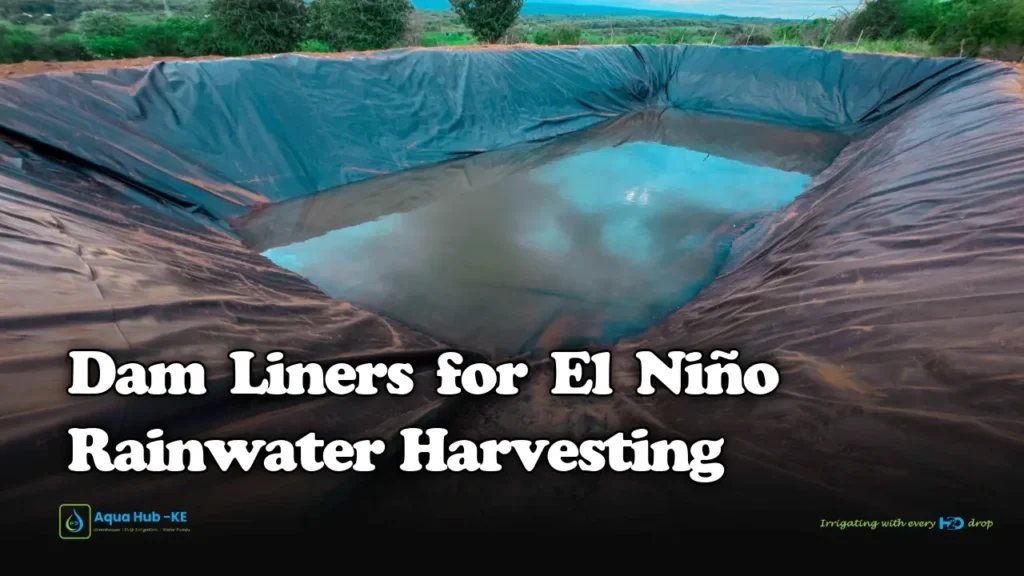
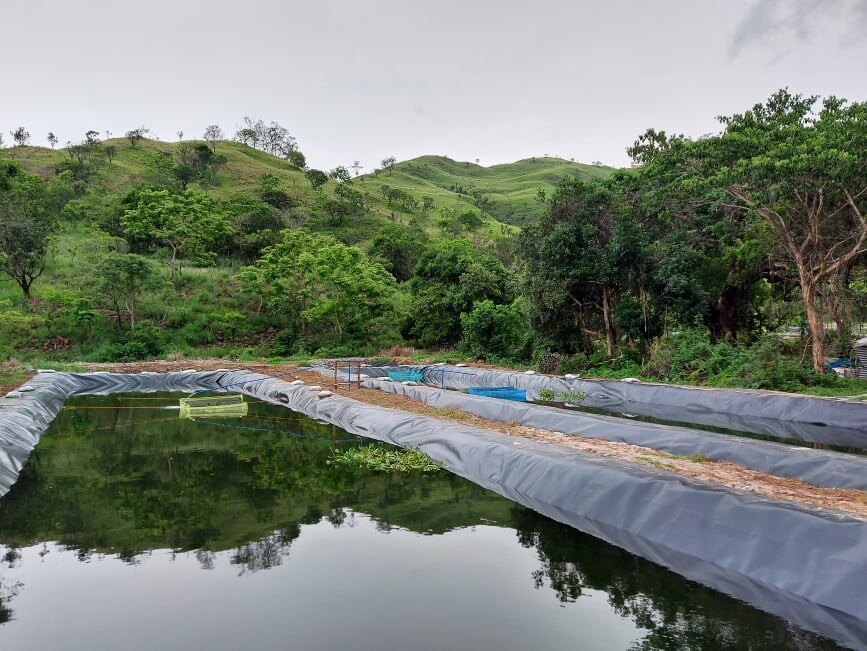
A dam of 1,000 cubic metres holds 1,000,000 litres of water. That volume can irrigate a small or medium farm through a dry spell or water livestock, depending on the crops and the number of animals. Without a liner, seepage drains part of that water into the ground, so the liner preserves the water you collect. Knowing the cost of dam liner before you dig also helps you decide how large to make the dam.
Choosing Dam Liner Thickness from Aqua Hub Kenya’s Range
A thicker liner resists tears and punctures better, and a thinner liner costs less per square metre. The right thickness depends on the site and on how the farmer uses the dam. Thickness suits different situations:
- 0.3 mm suits small dams on smooth, well-prepared ground.
- 0.5 mm suits general farm dams that hold water for irrigation.
- 0.75 mm suits sites with stones or uneven ground.
- 1 mm suits large dams and sites where the liner takes heavy use.
If you are unsure which thickness fits your dam, call +254790719020 and describe the ground and the use.
Other Costs Beside the Cost of Dam Liner Supplied by Aqua Hub Kenya
The liner is only one part of the project. Budget for the following as well:
- Digging or shaping the dam, if it does not exist yet.
- Preparing the floor and walls for the liner.
- An anchor trench around the edge of the dam.
- Inlet and outlet pipes that carry water in and out.
- A pump to move the water to the field.
- Fencing that keeps animals off the liner.
Some of these items, such as the pump, you may already own, which lowers what you spend. Ask for a quote that covers the liner and the installation together, so that you see the full cost before you start.
Preparing a 1,000 Cubic Metre Dam Before the Liner Goes In
A liner lasts longer when the surface under it is clean and smooth. The farmer can prepare the dam in advance, which saves time on the day the liner arrives.
Clearing and Shaping the Dam Floor
Remove roots and stones from the floor and the walls, because they can puncture the liner. Check for old stumps as well, since decaying roots leave gaps beneath the liner. Smooth the surface and press the soil firm. Then dig the anchor trench around the top edge, where the edge of the liner will sit. Call +254790719020 once the surface is firm and clean, and the team will agree a start date with you.
Installation of Your Liner by Aqua Hub Kenya
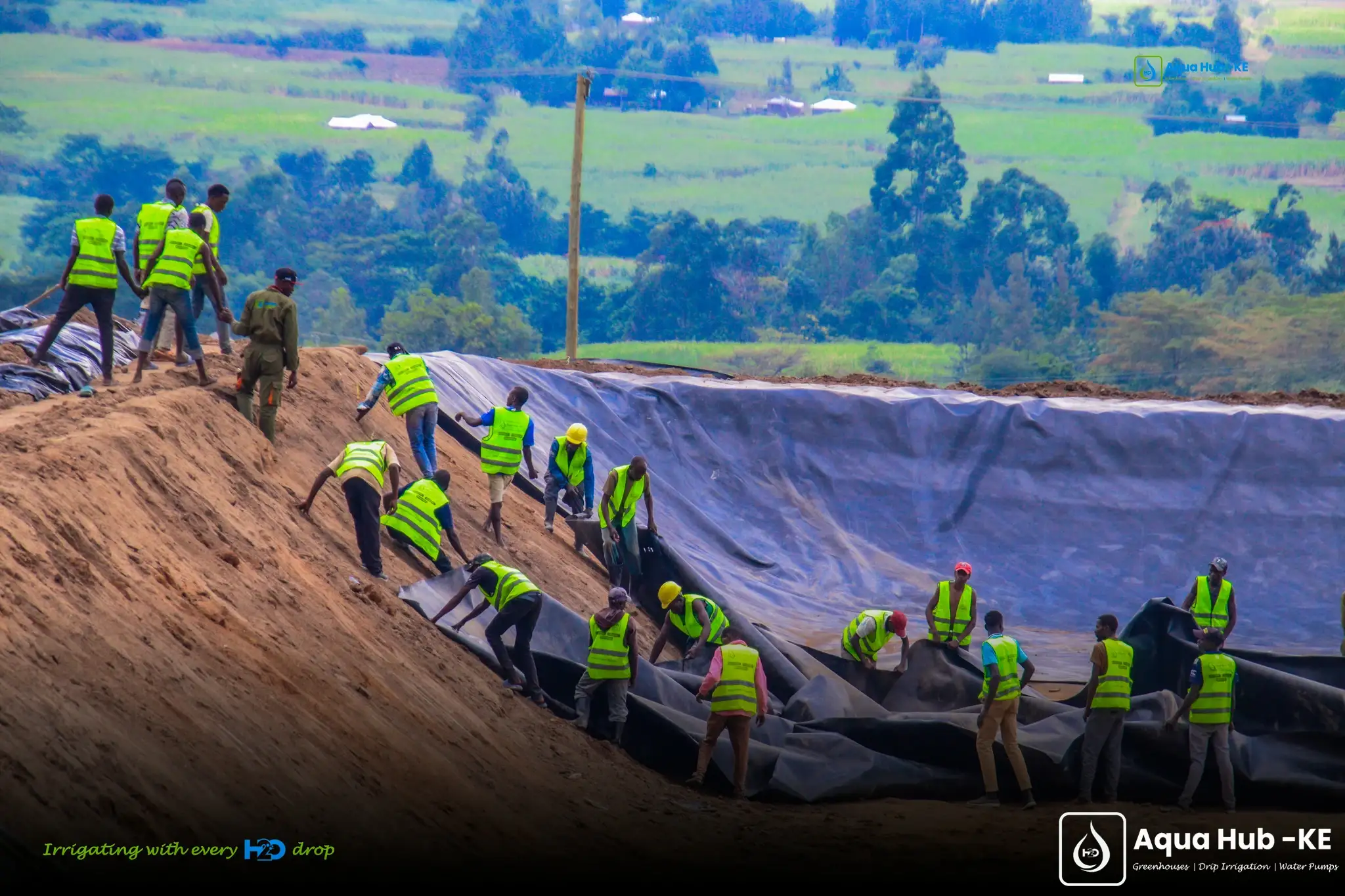
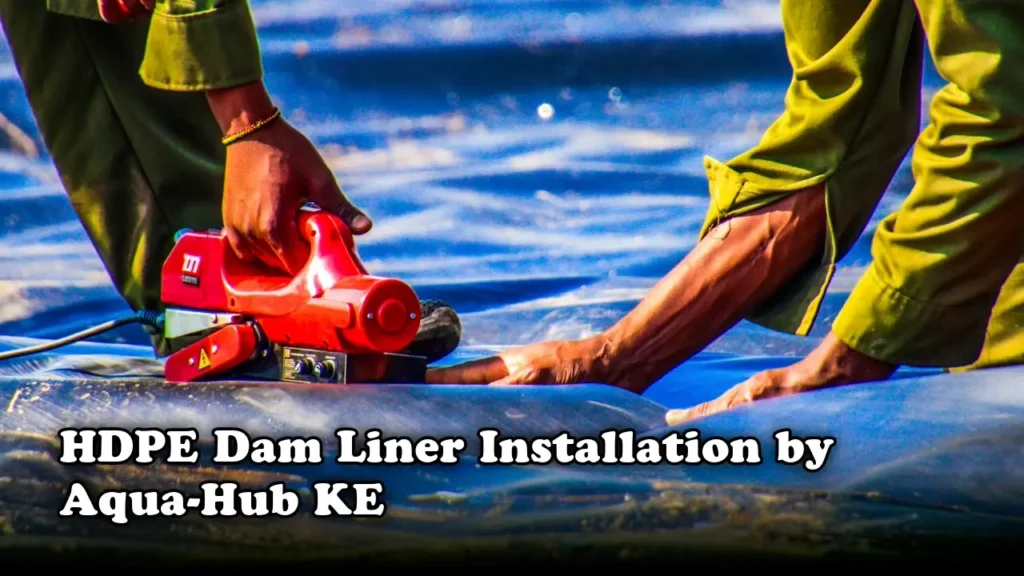
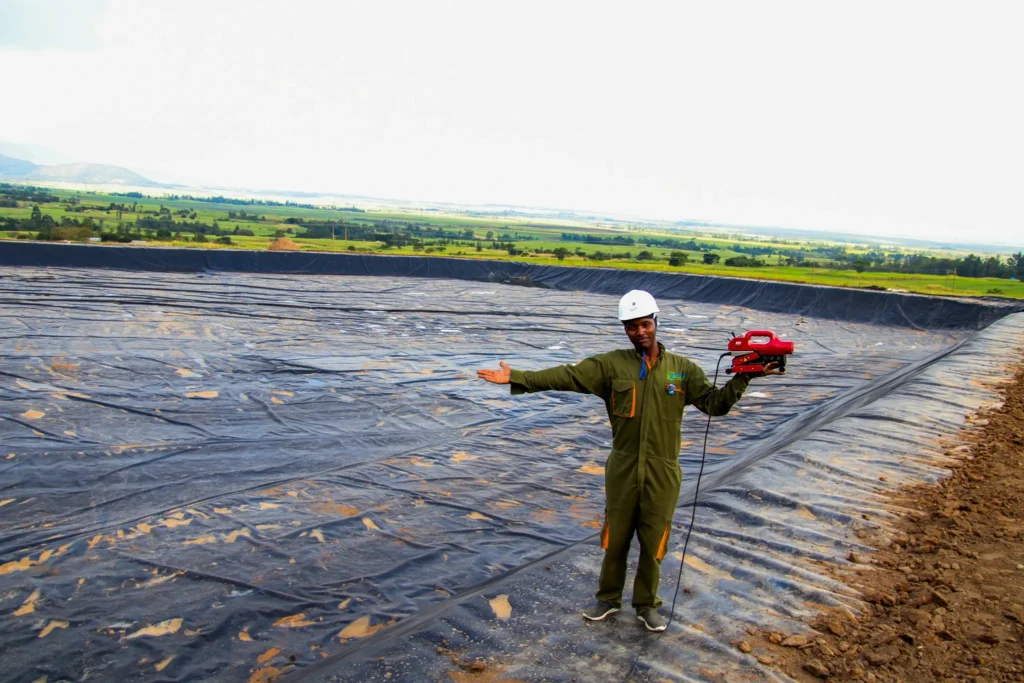
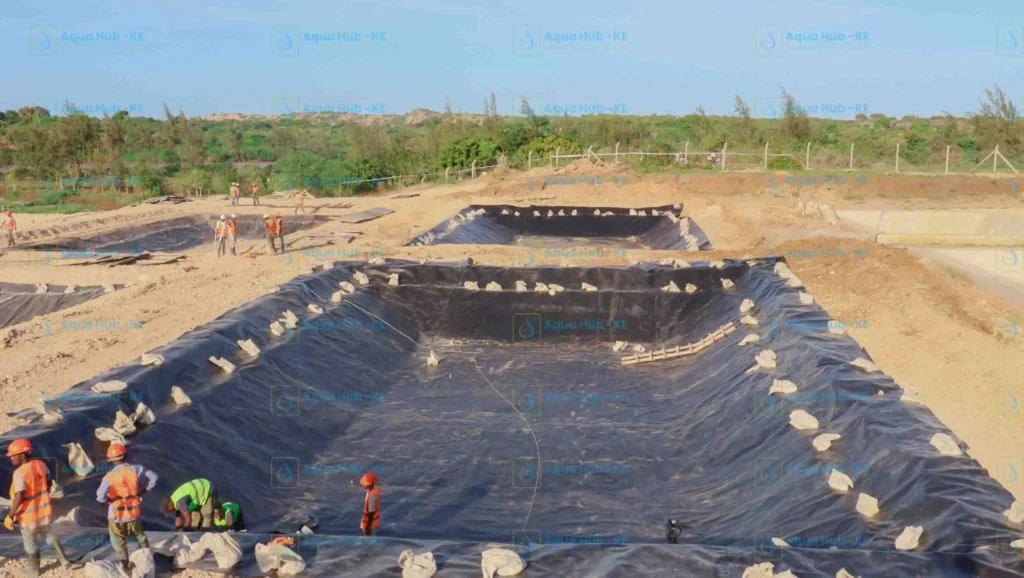
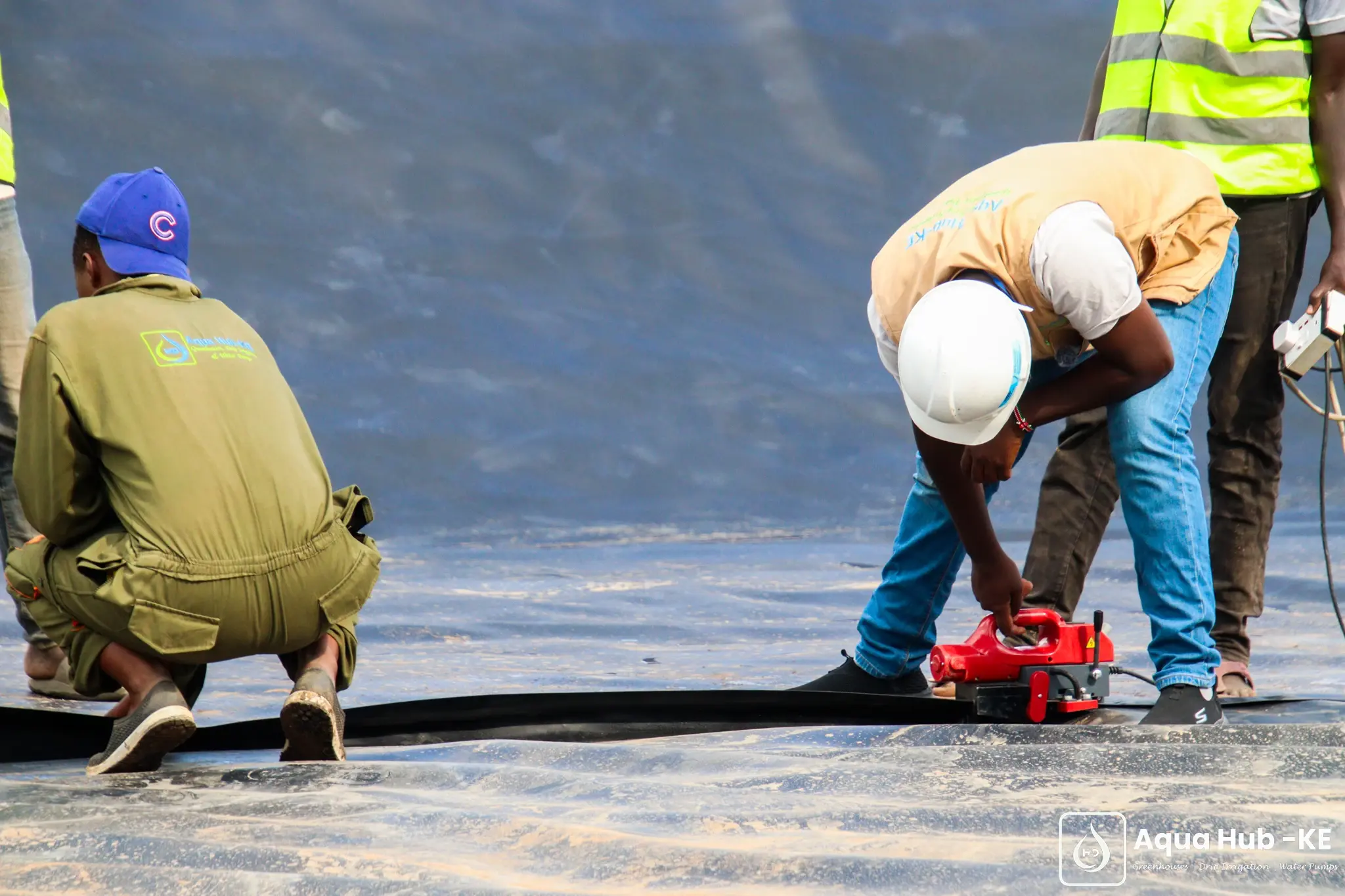
Aqua Hub Kenya installs the dam liners it supplies, so you do not need to hire a separate crew. The installation proceeds in this order:
- First, the installers inspect the dam and confirm its measurements.
- Next, they unroll the liner and position it across the floor and up the walls.
- Once the liner lies flat, they secure its edges in the anchor trench.
- After that, they fix the inlet and outlet pipes in place.
- Finally, they check the whole surface for damage before the dam fills.
Care for Your Liner Supplied by Aqua Hub Kenya After Installation
A lined dam needs little care. Keep these points in mind to avoid damage:
- Keep animals and vehicles off the liner.
- Keep sharp tools away from the edges.
- Remove branches and debris that fall into the dam.
- Inspect the edges and the anchor trench after heavy rain.
Keep the water level steady where you can, because a liner that stays covered by water avoids long exposure to the sun. If you notice a tear or a lifted edge, call +254790719020 and describe the damage to the team.
Planning the Cost of Dam Liner Before You Buy
A clear plan keeps the budget under control. Measure the dam, choose a thickness, work out the area and multiply it by the price per square metre. Then add the other costs and request a quote. Farmers who plan in this order avoid surprises, since the team can check the area and the thickness before they order. Keep a record of your measurements so that the team can compare them with your quote.
Why Buy Dam Liner from Aqua Hub Kenya?
Aqua Hub Kenya supplies dam liner in four thicknesses, so a farmer can match the liner to the dam and the budget. The same team that sells the liner also lays it, so one supplier answers for the whole job. Share your dam measurements, and the team will confirm the area and the price in one quote.
Aqua Hub Kenya also stocks pumps and drip kits to move and apply the stored water. To start your project, email info@aquahubkenya.co.ke with your dam measurements or call +254790719020.
Frequently Asked Questions
What is a dam liner?
A dam liner is a sheet of waterproof material that covers the floor and walls of a dam to stop water from seeping into the soil.
How much does a dam liner cost in Kenya?
Dam liner costs KES 210 to KES 430 per square metre at Aqua Hub Kenya, depending on the thickness. A 25 × 20 × 2 metre dam of 1,000 cubic metres needs 680 square metres, and email info@aquahubkenya.co.ke or call +254790719020 will confirm the price for your own dam.
How much liner does a 1,000 cubic metre dam need?
The area depends on the shape. A box-shaped dam of 25 × 20 × 2 metres needs 680 square metres, and a dam with sloping sides needs more.
Which liner thickness should I choose?
Choose by the ground and the use. Smooth ground and light use suit thinner liners, and stony ground or heavy use suits thicker ones.
Does the shape of the dam change the price?
Yes. The shape sets the floor and wall area, and the area sets the amount of liner you buy.
Can I line an existing dam?
Yes, if you clear the floor and walls, smooth the surface and dig an anchor trench first.
What should I do before the liner arrives?
Remove roots and stones, then smooth the surface and dig the anchor trench around the edge.
Can livestock drink from a lined dam?
Livestock can drink from the water, but keep them off the liner itself. Hooves can tear the liner, so a pump and a trough are safer.
Does a lined dam lose less water?
Yes, a liner stops seepage into the soil. Some water still evaporates from the surface.
Final Thoughts on the Cost of Dam Liner from Aqua Hub Kenya
The cost of dam liner depends on the area the dam needs and the thickness you choose. Therefore a clear set of measurements, a well-prepared site and the right thickness give a liner that holds water for the farm. Farmers who measure carefully and prepare the surface avoid wasted liner and repairs.
Dam liner costs KES 210 to KES 430 per square metre, and the example dam of 1,000 cubic metres costs from KES 142,800 to KES 292,400 in liner. For a price on the liner and its installation, call +254790719020 or email info@aquahubkenya.co.ke with your dam measurements.