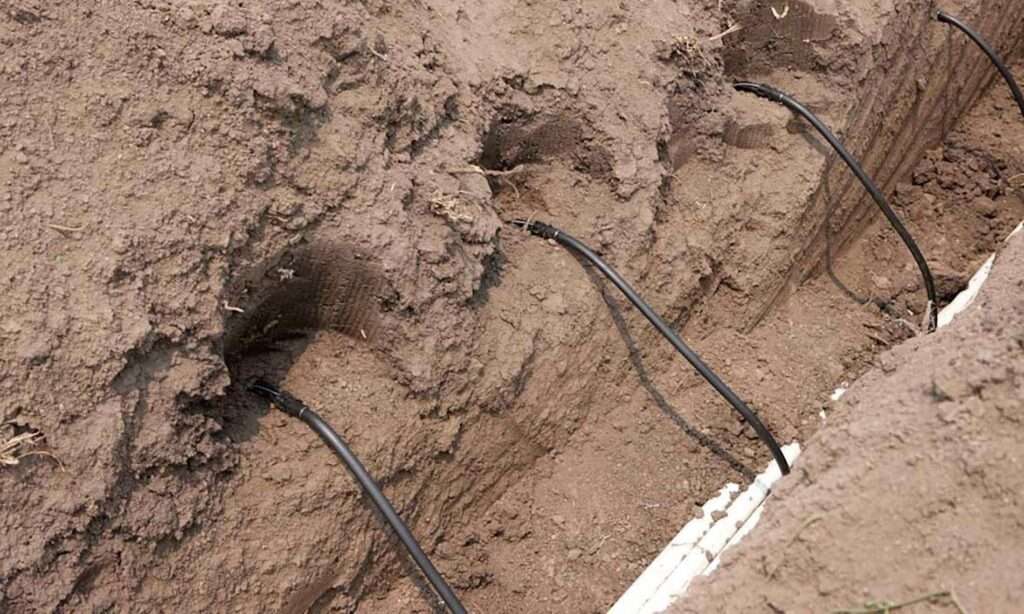

Blog
Modern Irrigation of Coffee and Orchards
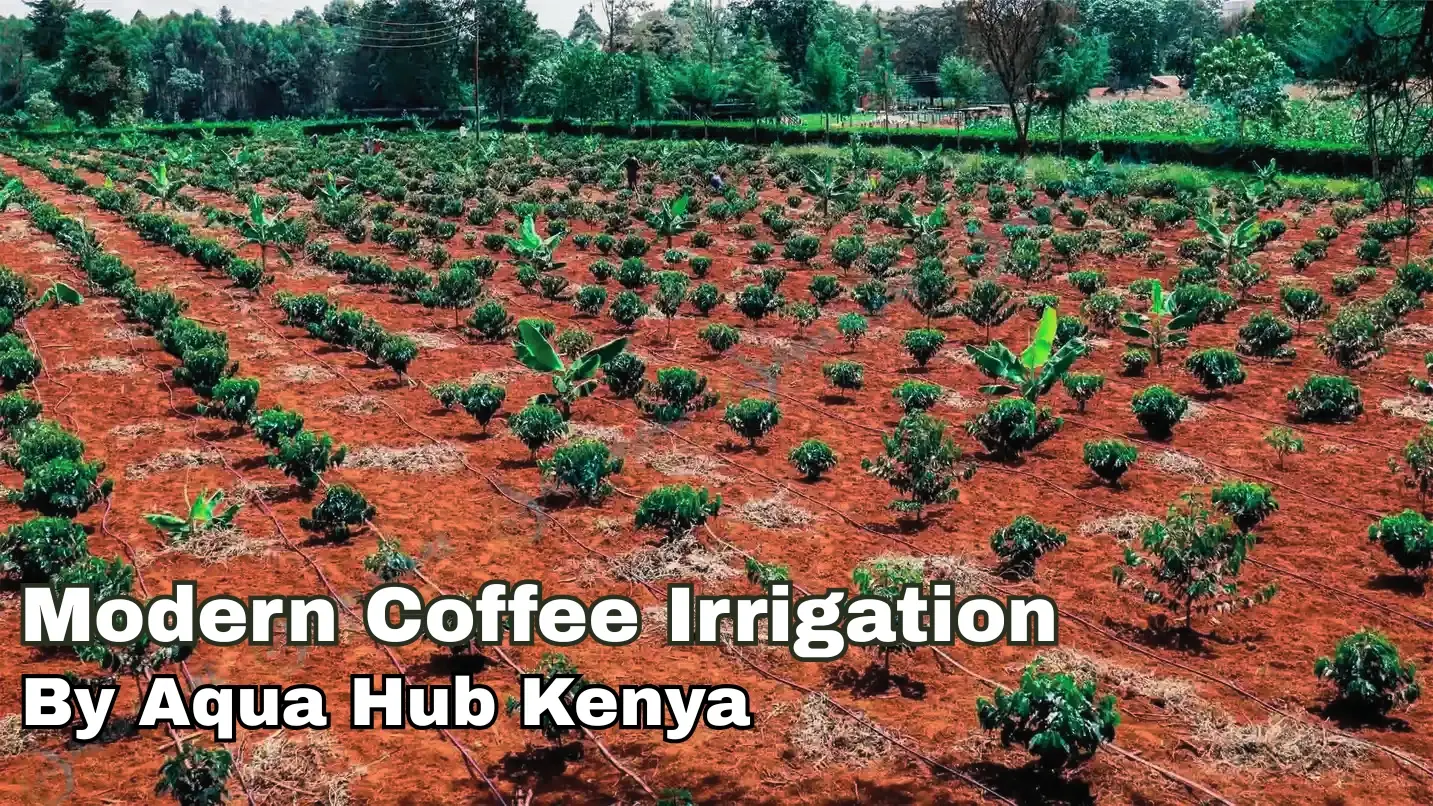
Coffee is one of the most famous cash crops among Kenyan farmers. However, most Kenyan farmers still rely on traditional irrigation. Adopting modern irrigation methods could significantly boost their yields and efficiency.
Traditional methods usually are very unpredictable which costs the farmer’s their yields. This is why Aqua Hub Kenya has brought up modern irrigation methods of coffee and orchards to help Kenyan farmers to maximize their production.
Why is Modern Irrigation of Coffee and Orchards in Kenya Changing the Game?
Most of the coffee in Kenya is grown in Kiambu, Murang’a, Kirinyaga and Nyeri. Fruits are typically grown around Rift Valley and Eastern.
These regions may experience irregular rainfall which impacts how well a farmer’s crops grow which impacts productivity. Some of the ways in which this unpredictability impacts farmers’ produce include:
- Coffee bushes can experience stunted growth or weak flowering. Consequently, the bushes can produce berries with poor quality.
- Certain crops such as avocado may become under-sized. Thus, the market value of the crop is reduced, especially with regard to export.
- The appearance of the crop can be impacted making the fruit appear discoloured when the tree is underwatered
- Some internal qualities like the sugar content of fruits like mangoes can also be impacted
- Most regulators like the Horticultural Crops Directorate and the Fresh Produce Exporters Association of Kenya enforce strict rules on the size of the fruit, its cosmetic appearance and whether there is any chemical residue. These standards are difficult to meet under traditional irrigation methods.
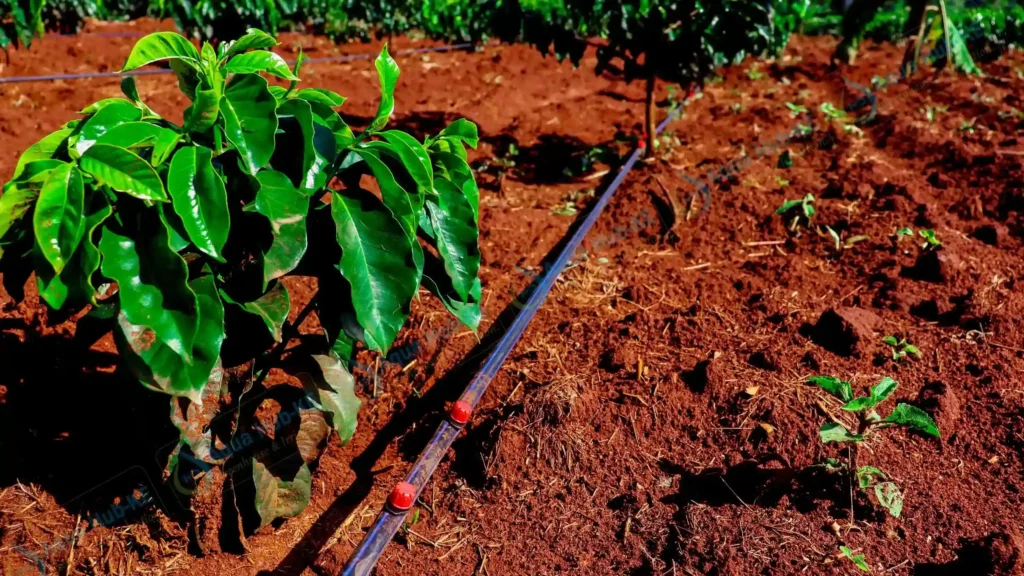
Therefore, farmers must use modern irrigation of coffee and orchards to maximize their crop production and ensure that their produce is of a high quality.
Since modern agriculture is built on precision, where every single drop of water is highly valued, traditional methods that tend to result in water wastage cannot be used effectively.
Additionally, modern irrigation for coffee and orchards allows arid and semi-arid land to be turned into high-yielding zones for farming.
What Exactly is Modern Irrigation of Coffee and Orchards in Kenya?
There are a number of reasons as to why traditional methods fail in modern farming such as:
- Massive water loss – methods like basin and furrow irrigation can lose up to 60% of water to evaporation and percolation. This causes the farmer to incur unnecessary water costs that feed into the profit margins.
- Destroys the soil structure – flooding can kill microorganisms that live inside the soil and contribute to the soil’s health. Additionally, it can dissolve important soil nutrients that plants depend on. This means that a farmer has to spend extra money on fertilizer
- Increase the risk of diseases – when plants are exposed to excessive moisture as is the case with traditional irrigation, they can become prone to various disease-causing bacteria
Modern irrigation of coffee and orchards as offered by Aqua Hub Kenya replaces these traditional approaches with new methods. These modern methods help to conserve the soil structure as well as reduce water loss and the risk of diseases for crops.
The two main modern irrigation methods
Precision Drip Irrigation
- First of all, drip lines are laid flat on the beds alongside the crop rows
- Then, emitters are placed at specific intervals, typically, 30cm to 60cm
- Water is then released drop by drop at a constant and regulated flow rate of about 1.6 to 2.4 litres per house
- There is pressure compensation which ensures that the flow rate remains steady even where there is uneven terrain
- Lastly, water remains confined to the area around the crop making sure that other regions remain dry
Micro-Sprinklers and Under-Canopy Jets
- They are designed for older orchards with large spacing between the crops
- These sprinklers and jets are placed at the bottom of the tree
- They spray small amounts of water at a low pressure. This spray is also arched to look like an umbrella
- The spray only covers the root zone and does not reach the leaves
- This method keeps leaves dry which prevents fungal diseases like powdery mildew that can destroy the crop
How Does Modern Irrigation Boost Kenyan Coffee Yields?
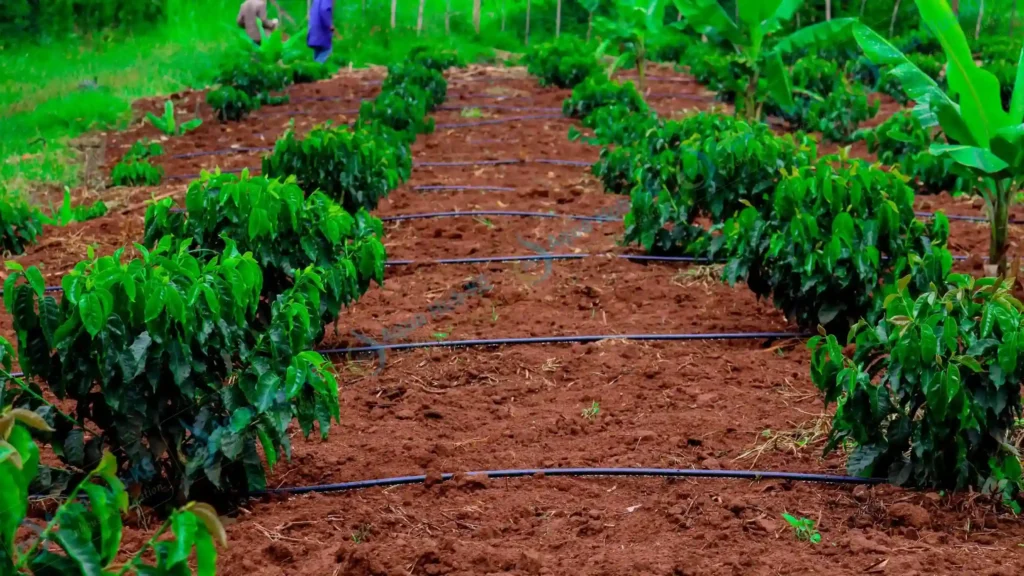
There are several reasons as to why coffee bushes are ideal for modern irrigation methods such as:
- High-quality coffee production offers income to many farmers in Kenya
- The price of coffee is determined by the grade/quality. Therefore, using modern irrigation for coffee and orchards ensures that farmers can harvest top quality produce and get a higher return
- Coffee bushes have development stages, and each stage has a different water requirement. Ensuring that the crop gets adequate water supply at each stage contributes to production.
- Modern irrigation for coffee allows the farmer to control the irrigation cycle without the need for relying on seasonal rainfall. This ensures that the farmer gets a stable income.
Controlling the Flowering Cycle via Moisture Stress Induction
Coffee needs a dry spell (2-3 months long) where the supply of water is lowered to allow for dormant floral buds to develop. Because of this, Aqua Hub Kenya’s modern irrigation systems allow the farmer to be in control of the water supply to the crops at this stage. After the floral buds have developed, the farmer can then increase the water supply as needed for the flower development to be uniform across the entire farm. This makes the harvesting process easier since the coffee berries reach maturity all at the same time.
How to Tailor Smart Watering for Avocado, Mango, and Macadamia
Some reasons as to why commercial fruit orchards benefit from Aqua Hub Kenya’s modern irrigation methods include:
- A mature tree demands significantly more water than most other cash crops
- Many orchards suffer from bad soil quality due to poor aeration
- Treating trees like other ordinary row crops puts the entire capital investment at risk
Modern irrigation of coffee and orchards in Kenya allows the farmer to match how water is supplied to fruit trees with their unique requirements.
| Fruit Crop | Root System Characteristics | Primary Water Risk Factors | Optimal Irrigation Hardware | Key Scheduling Strategy |
| Hass Avocado | Shallow, fibrous, lacks root hairs; sensitive to suffocation. | High susceptibility to Phytophthora root rot. | Double-line PC drip or micro-jets. | Keep soil at a constant “damp but aerated” field capacity; avoid saturation. |
| Apple Mango | Deep, extensive taproot system; highly resilient. | Excess water during ripening causes fruit cracking and bland flavour. | Under-canopy micro-sprinklers. | Supply heavy water during fruit set; stop irrigation entirely 3–4 weeks before harvest. |
| Macadamia Nut | Dense root mats in the upper soil layers. | Severe stress causes premature nut drop and hollow shells. | Multi-line heavy-duty drip lines. | Maintain uniform moisture during the critical nut-filling and oil-accumulation phases. |
Cultivating Premium Hass in Central and Rift Valley Regions
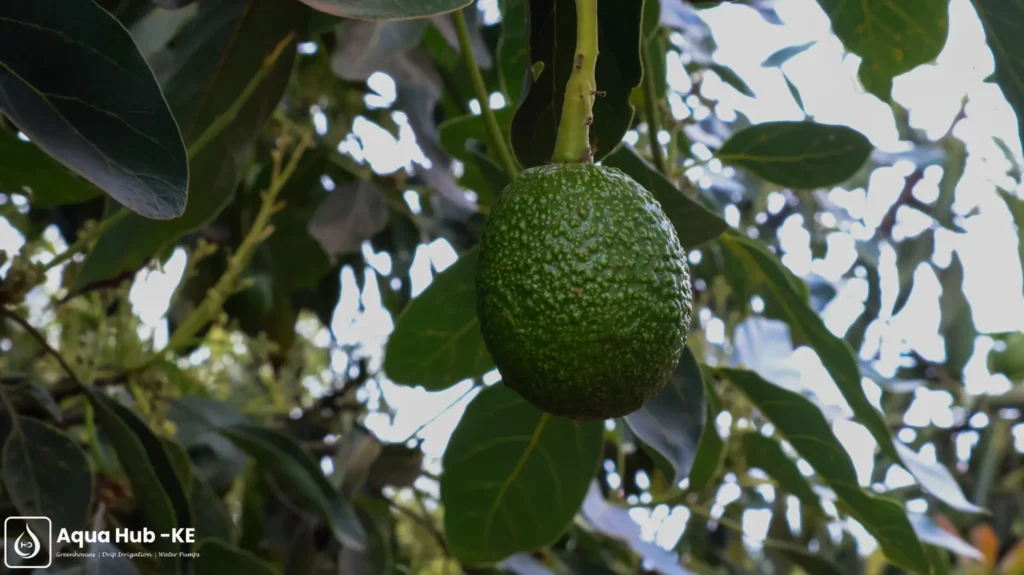
In Kenya, Hass avocadoes are a lucrative opportunity for farmers thanks to their global demand. The main areas where Hass avocadoes are being grown include:
- Nakuru
- Uasin Gishu
- Trans Nzoia
- Meru
However, avocadoes have a number of vulnerabilities that a farmer needs to consider, such as:
- They have shallow roots with no true root hairs meaning that the tree has to depend on soil microorganisms for nutrients
- The roots need properly aerated soil to ensure that they absorb maximum oxygen. Standing water can therefore suffocate the roots
- Has avocadoes are very susceptible to root rot when they are supplied with too much water
Therefore, modern irrigation systems are absolutely necessary for farmers looking into growing Hass avocadoes.
How to lay out avocado drip correctly
- Firstly, install pressure-compensated drip pipes on both sides of the tree row
- Next, position the lines between 0.5 meters to 1 meter away from the tree trunk
- Then, keep the base of the trunk dry to reduce the risk of root rot
- Finally, aim to get the soil to be moist and well-aerated without it being waterlogged
Cultivating Sweet Mangoes using Modern Irrigation or Coffee and Orchards
Mangoes are commonly grown by Kenyan farmers in the Eastern region. The tree is naturally touch with a deep taproot system that allows it to get water from lower soil layers.
The mango tree has three phases of development. These are:
- Vegetative and Flowering Phase: at this stage, the tree needs a consistent supply of water using micro-sprinklers to support strong growth and healthy flowers.
- Fruit Set Phase: After the fruits have begun to form, the water needs of the tree increase sharply
- The Ripening Cutoff: the water supply must be stopped around 3-4 weeks before the fruits are harvested.
As discussed above, the mango tree has different water requirements at the different stages of development. Using modern irrigation methods such as micro sprinklers helps to ensure that the crop’s variable needs are met.
What Hardware is Needed for a Modern Irrigation System?
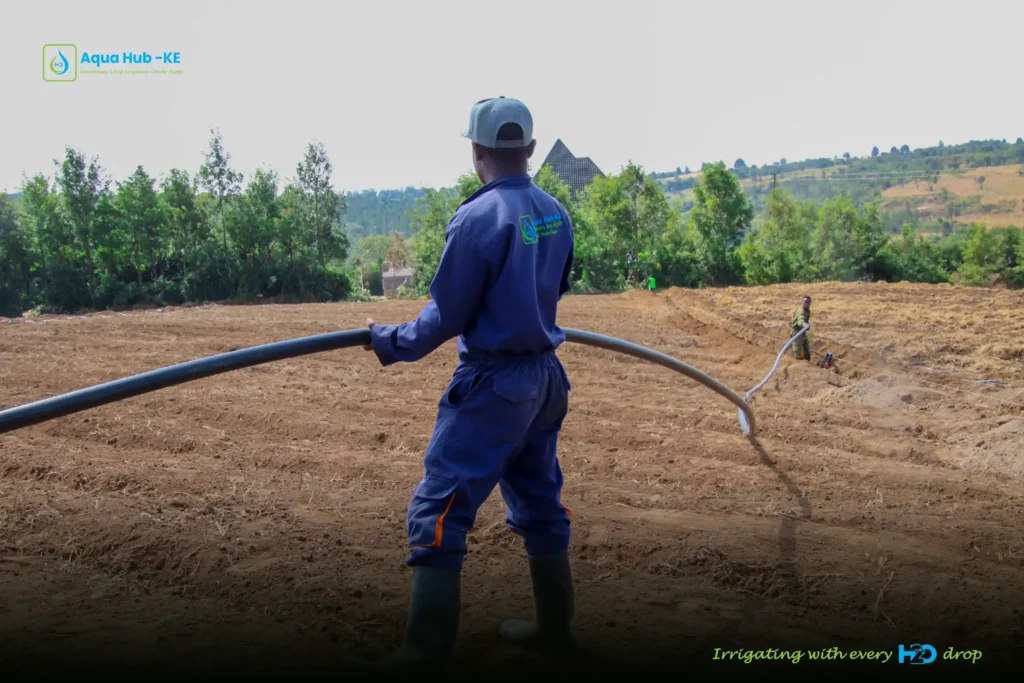
Aqua Hub Kenya’s modern irrigation of coffee and orchards in Kenya consists of various components that are designed for the harsh climate in the country. The system is of high quality with proper considerations made for the pressure level within the pipe. This ensures that the farmer’s crops are watered evenly and lowers the risk of breakages.
Some of these components are discussed in this section.
Solar-Powered Submersible Pumps for Modern Irrigation of Coffee and Orchards
Because Kenya is located on the equator, the country experiences high levels of sunlight which makes solar power a suitable method of powering modern irrigation systems. The setup of a solar-powered pump consists of:
- High efficiency DC submersible pump
- A ground-mounted solar PV array
Using solar in place of alternatives like grid electricity and fuel reduces the cost of production significantly since the sun is free and offers clean energy.
Multi-stage Filtration Units
Clogging is one of the main problems facing modern irrigation systems. This is an especially common issue because a lot of the water sources used by Kenyan farmers contain debris and sand. The water in the pumps carries these materials to more sensitive parts of the system, like the emitters, thus clogging them.
Aqua Hub Kenya’s modern irrigation of coffee and orchards takes this into account with our filtration systems that are placed at the pump’s outlet. This prevents blockages throughout the irrigation system.
HDPE-Lined Water Pans
Relying on rivers as a water source is risky since they are prone to drying during droughts. Water pans have become a common substitute for farmers using modern irrigation of coffee and orchards.
A water pan is first excavated, then a high-quality dam liner is laid down on the base. When multiple liners are used, the edges are sealed together using a welding gun. The dam can then get filled up during the rainy season and the water is still usable during droughts.
Is Modern Irrigation of Coffee and Orchards Worth Investing In?
While the upfront costs of setting up modern irrigations can be high as compared to traditional methods, over the long run a farmer using modern irrigation methods tends to save more money. This is because modern irrigation methods are usually more water efficient, cutting down on the cost of water. Additionally, they can cut fertilizer costs by helping conserve natural soil nutrients as well as minimize the risk of diseases which could result in heavy losses.
How much does modern irrigation of coffee and orchards cost in Kenya?
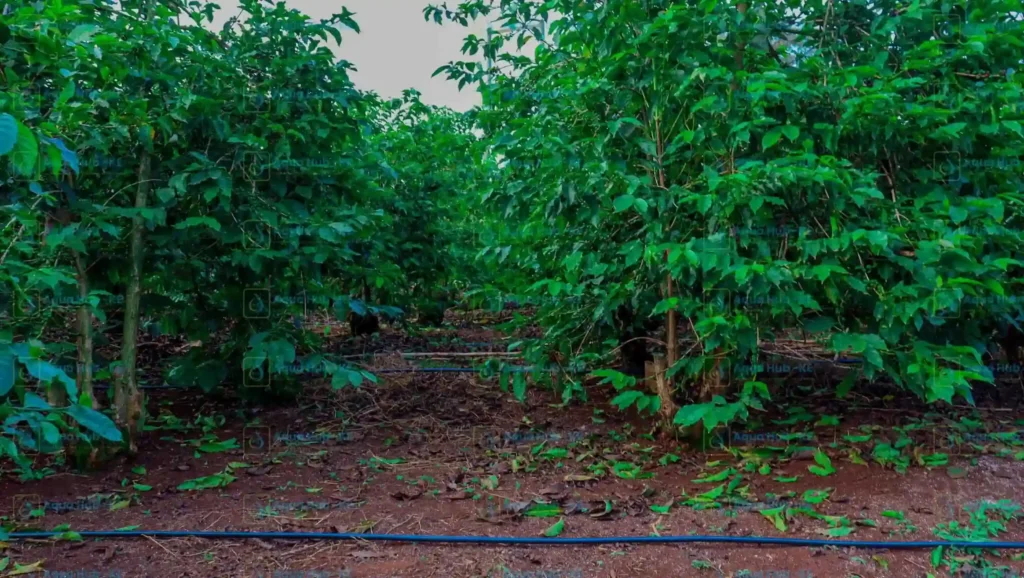
At Aqua Hub, we offer two main methods of modern irrigation. These are:
- Drip irrigation
- Sprinkler irrigation
Cost of Drip Irrigation in Kenya
The cost of a drip irrigation system by Aqua Hub Kenya varies based on the number of lines laid per bed. The table below offers a brief breakdown of these cost of 1-Acre drip irrigation.
| Lines per Bed | Estimated Cost (KES) |
| 1 line | 75,000 – 95,000 |
| 2 lines | 95,000 – 145,000 |
| 3 lines | 130,000 – 185,000 |
Cost of Sprinkler Irrigation
The cost of sprinkler irrigation in Kenya can range between KES 60,000 – KES 200,000 depending on the type of sprinkler used.
Some of the common types include:
- Brass Impact Sprinkler – KES 2,500 – KES 5,800.
- Plastic Impact Sprinklers – KES 800 – KES 2,500
- Rain Gun Sprinklers – KES 8,000 – KES 45,000
Additional Costs
In addition to the overall cost of the irrigation system, additional accessories must also be considered. These include:
- Water pumps
- Solar panels (if needed)
- Filtration units
- Installation costs