

Blog
Coffee Farming in Kenya: Practical best and Inexpensive Irrigation
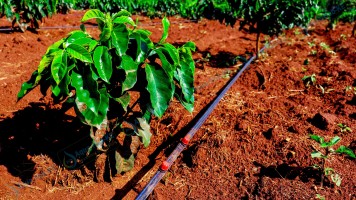
Coffee farming in Kenya through irrigation is by using button dripper irrigation kits available at Aqua Hub Kenya. We offer quality button drippers on lower prices in Kenya.
Call 0790719020 for coffee farming irrigation kits and solar dryers.
Coffee is grown in high altitude areas in Kenya including Kiambu, Nyeri, Kirinyaga, Embu and other parts such as Meru and Machakos. These regions produce approximately 70% of Kenya’s total coffee yield which can be around 50,000 tons.
In this blog, you will learn how different varieties of coffee can be grown through irrigation to ensure quality and higher yield.
Common Varieties of Coffee Farming in Kenya
- Arabica – mild in the cup with less caffeine
- Robusta – clustered berries with large caffeine.
Coffee Research Foundation has produced 4 varieties of arabica coffee which are best for cultivation in different altitudes. They include.
- K7 – grown in areas with lower altitude. resistant to Coffee Leaf Rust (CLR).
- SL 28 – does well in medium altitude areas.
- SL 34 – high altitude areas with reliable rainfall.
- Ruiru 11 – suitable for all coffee suited areas. Resistant to coffee berry disease and leaf rust.
Conditions for Arabica Coffee Farming in Kenya
| Coffee Variety | Ideal Altitude | Quality | Yield | Disease Resistance |
| SL28 | 1500 – 1700 m | Exceptional | High | low |
| SL34 | At least 1500 m | Outstanding | High | low |
| K7 | 1200 – 1500 m | Good | High | Moderate |
| Ruiru 11 | 1000 – 1600 m | Good | High | High |
Climatic Conditions for Coffee Farming in Kenya
- Suitable temperature of 18°C to 24° C. temperature drop below 15 °C is not favorable
- Altitude of 1400 – 2000 m above the sea level.
- Rainfall exceeding1000 mm per annum.
- Soil PH of 4.4 to 5.4
- Well drained soil depth of at least 1.5 m
Ideal Coffee Irrigation Method In Kenya
Coffee can also be practically grown through irrigation especially in arid and semi-arid parts of Kitui, Machakos and Nanyuki. Irrigation systems can also be installed to optimize coffee yield for a year-round production.
The best way to water coffee plants is through button drippers. Button drippers offer a low-cost way to optimize irrigation coffee farming in Kenya. With sufficient flow rates, it provides balanced and controllable irrigation ensuring quality yield and lower infections.
Button Drippers for Coffee farming in Kenya
A button dripper is a small plastic lid that release steady flow of water to the plant roots. Button dripper irrigation involves connection of pipes, fittings and button emitters placed at equal intervals on the delivery pipe.
Cost of Button Drippers in Kenya
Button drippers for coffee farming in Kenya are KES 13 per piece.
We install button drip irrigation system at different prices depending on the size of the farm.
Steps by Step Guide on Starting Coffee Farming in Kenya
Land Preparation involves activities of clearing vegetation, removing rocks and cultivation to make the land ready for growing coffee.
Soil analysis and test: conduct soil PH tests by consulting an agronomist to ensure the area is free from infections.
Transplanting: seedlings are transplanting is between 8-10 months after propagation in bags. Reduce watering 1-2 months before transplanting to harden the seeds.
How to Prepare for Coffee transplanting
- First buy certified seeds from popular coffee farming research organizations in Kenya such as (KALRO).
- When purchasing seedlings, ensure you buy seedlings that are 30-40 cm tall with more than 2 branches to transplant.
- Water the soil or plant during onset of the rainy season when the moisture is 2ft deep.
- To avoid damaging the roots, remove the planting bags carefully and keeps its initial soil intact.
- Insert the plant into the planting hole and fill in soil and press the soil with hands without stepping on it.
Management Practices for Coffee Farming in Kenya
Applying mulches such as dry leaves on young coffee plants to prevent water stress.
Removing infected leaves and unwanted branches through pruning.
Growing short crops such as vegetables, beans, onions, garlic, and peas in between coffee rows. It should be done during the first 2 years of planting coffee before they grow taller.
Managing Pests and Diseases
Healthy coffee plants give higher yields and better quality beans. Regular scouting is the first step. Walk through your coffee rows weekly and check leaves, stems and berries for early signs of trouble.
Common Coffee Diseases in Kenya
- Coffee Leaf Rust (CLR) – orange powdery spots on the underside of leaves that cause leaf drop.
- Coffee Berry Disease (CBD) – dark sunken spots on green berries, common in cool and wet weather.
Planting resistant varieties such as Ruiru 11 and K7 reduces infections. For SL28 and SL34, spray registered copper-based fungicides as advised by your agronomist.
Simple ways to keep coffee pests and diseases low include:
- Prune regularly to improve airflow and let in sunlight.
- Remove and burn infected leaves and berries.
- Weed around the coffee plants and keep the farm clean.
- Avoid overhead watering. Button drippers deliver water straight to the roots, keeping leaves dry and lowering the risk of fungal infections.
- Use only recommended pesticides and follow the label instructions.
Fertilization for Coffee Farms
Coffee is a heavy feeder. Without enough nutrients, plants produce fewer and smaller berries.
- Test your soil first. A soil test shows which nutrients are lacking and whether the pH is within the ideal range of 4.4 to 5.4.
- Apply manure. Well-decomposed manure improves soil structure and water retention. Apply it at the start of the rains.
- Use balanced fertilizers. NPK fertilizers and nitrogen sources such as CAN are commonly used. Split the application into two or three rounds during the rainy seasons instead of applying all at once.
- Add micronutrients. Foliar feeds with zinc and boron help flowering and berry setting.
- Consider fertigation. With a button dripper system, soluble fertilizers can be applied through the water. Nutrients reach the roots evenly with less wastage and lower labour costs.
Consult a local agronomist or the nearest KALRO office for fertilizer rates that suit your soil and altitude.
How to Harvest Coffee
Once coffee beans turn bright red and firm, they are ready for harvesting.
Harvesting coffee takes place after every 2 weeks for over a period of 7-9 months. Handpick coffee berries selectively to ensure harvesting only ripe berries.
How to Dry Coffee Harvest
Drying coffee after processing is essential to maintain the quality and enhance value addition. Solar dryers are the most reliable structures that can be used to effectively dry coffee beans. We have proven and practically fast dryers which enhance cost reduction in coffee drying and storage.
To acquire a reliable solar dryer for coffee farming in Kenya, consult Aqua Hub Kenya who are the top-rated supplier.
Frequently Asked Questions
How much can one earn from one acre of coffee?
One can earn over KES 200,000 from one acre of coffee in Kenya provided that the crop is well cared for throughout its growth.
How many months does coffee take to grow?
Coffee takes between 36 to 48 months to grow to maturity depending on the variety.
How many kilos of coffee per acre?
An acre of coffee can produce between 3,000 to 8,000 kilograms or coffee cherries per year.
Which fertilizer is good for coffee?
Balanced NPK fertilizers are the best for coffee as they contain the main micronutrients that coffee bushes need to grow.
How to apply manure to coffee?
To apply manure to coffee you need to place a 10 to 20kg ring of well-decomposed manure under the tree canopy and keep it 10-30 cm away from the main trunk.
How many times do you harvest coffee in a year?
You can harvest coffee once or twice a year depending on climatic conditions, specifically the number of rainy seasons experienced in the region.