
Blog
Low-Cost Irrigation with Flood Irrigation
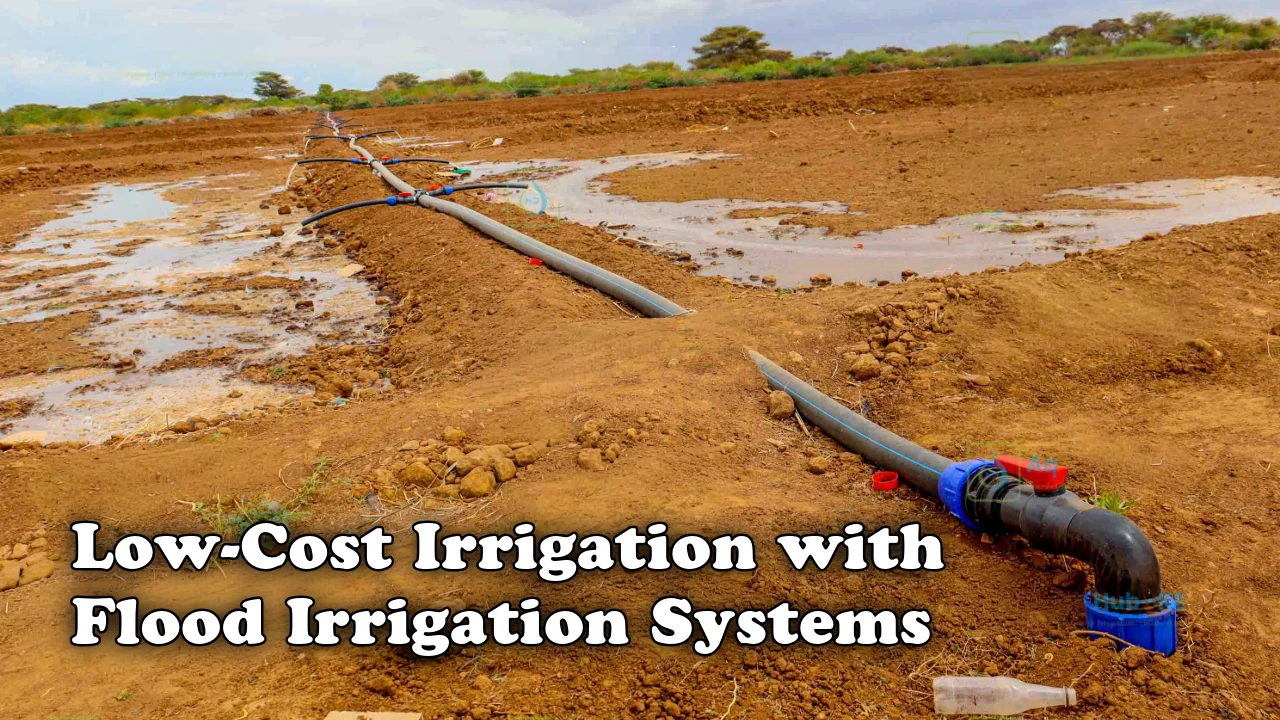
Low-cost irrigation with flood irrigation using HDPE pipes from Aqua Hub Kenya costs between KES 2,500 and KES 46,500 per roll, depending on the pipe size and pressure rating.
Flood irrigation spreads water across a field through furrows or basins, so the system needs no sprinklers or emitters. Therefore, the main expenses are the pump and the pipe that carry water from the source to the field. Farmers with flat or evenly sloping land and a steady water supply can irrigate many crops this way at a modest cost.
Aqua Hub Kenya stocks HDPE pipes in PN8 and PN10 pressure ratings, together with pumps that suit field irrigation. The range covers small plots as well as large farms, and our technicians install both pumps and pipes. Call +254790719020 to discuss the pipe sizes that your field requires.
Cost of Low-Cost Irrigation with Flood Irrigation from Aqua Hub Kenya
The cost of low-cost irrigation with flood irrigation depends mostly on the distance the water must travel and the length of pipe the field requires. HDPE pipe is priced per roll, and the sizes we stock in PN8 and PN10 ratings are listed below. Additionally, PN8 pipe works at a lower pressure than PN10 pipe, which means it suits fields where the pump delivers modest pressure.
| Pipe size | PN8 roll (KES) | PN10 roll (KES) |
|---|---|---|
| 16 mm | 2,500 | |
| 20 mm | 3,500 | 3,500 |
| 25 mm | 4,000 | 4,500 |
| 32 mm | 5,500 | 7,100 |
| 40 mm | 8,500 | 11,500 |
| 50 mm | 8,500 | 16,000 |
| 63 mm | 19,500 | 23,500 |
| 75 mm | 26,000 | 33,700 |
| 90 mm | 33,000 | 46,500 |
| 110 mm | 31,300 | 35,700 |
Prices change with the order, so call +254790719020 for the exact price of the size you need. Besides the pipe, the pump forms the second main expense, and the pump section below covers the options.
How Low-Cost Irrigation with Flood Irrigation Works on a Farm
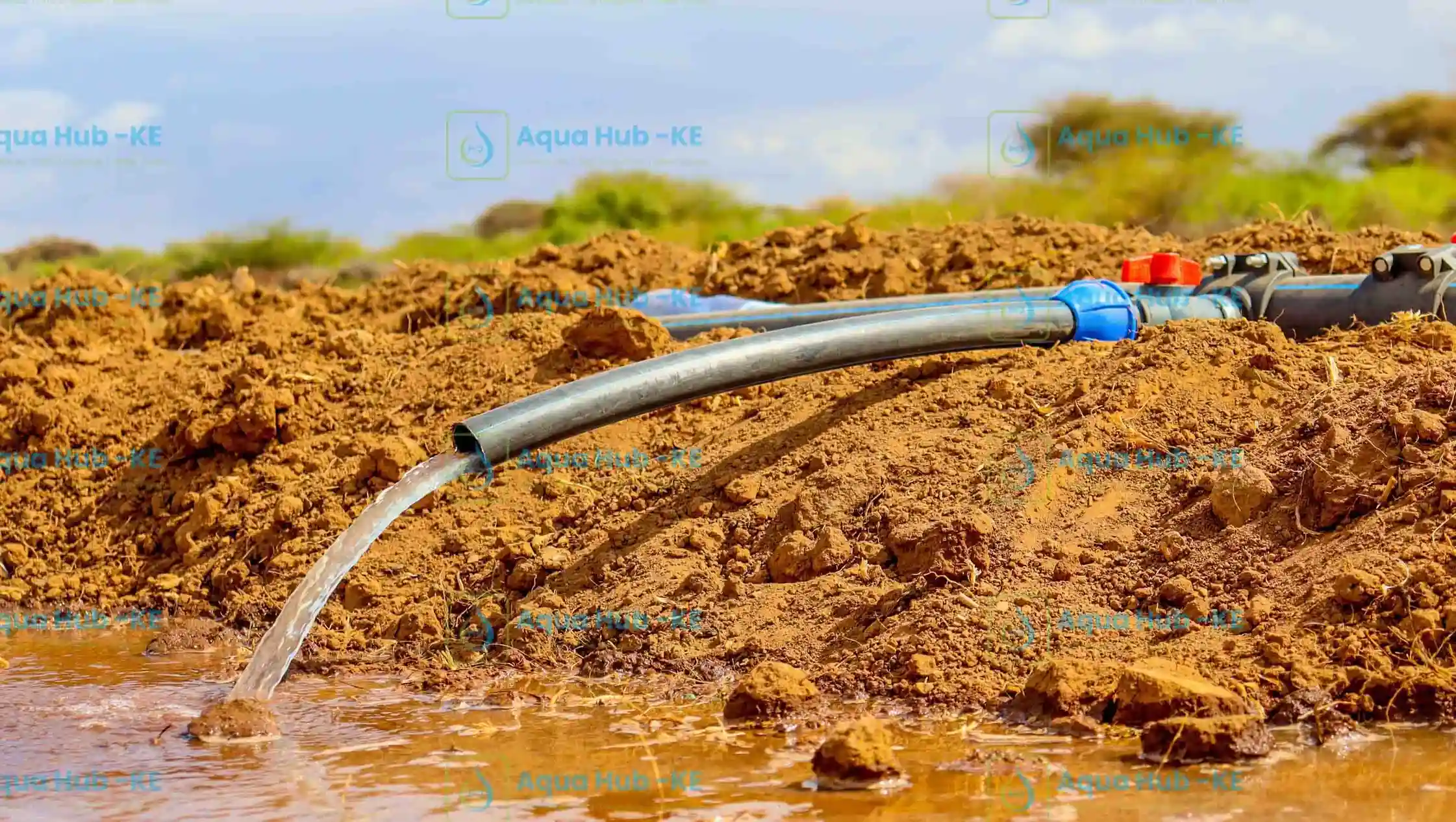
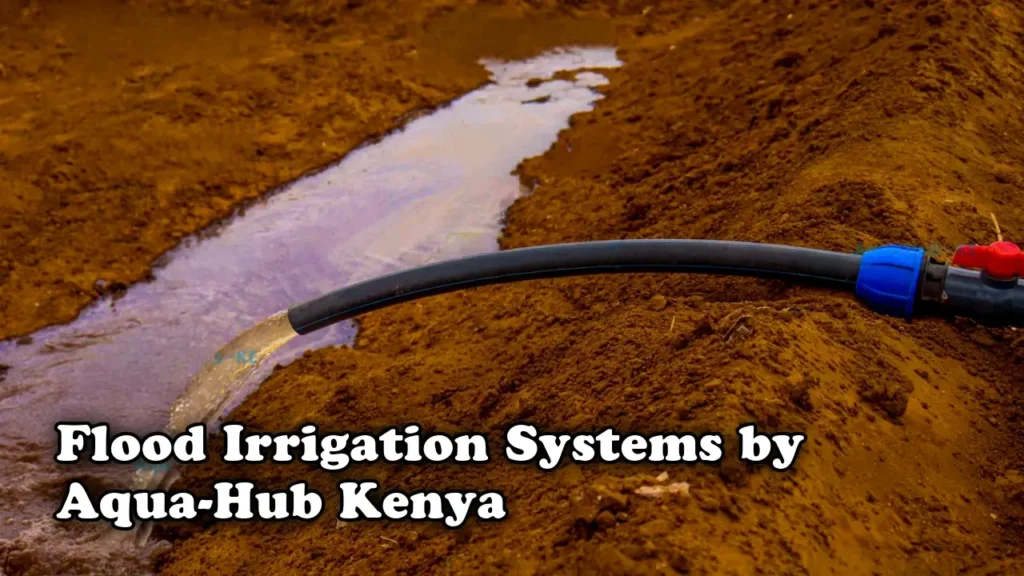
Low-cost irrigation with flood irrigation works by letting water spread across the soil surface instead of passing through sprinklers or emitters. First, a pump draws water from a dam, a river, a canal or a borehole and sends it through HDPE pipe to the top of the field. From there, the water flows down furrows or fills basins, and the soil absorbs it as the water moves.
Because the system relies on the slope of the land, it needs no filters and no high-pressure parts. As a result, the pump can run at a lower pressure, and the pipe can have a lower pressure rating. For this reason, the method uses few parts, so fewer items can break down or need replacement.
Furrows suit crops planted in rows, such as maize and sugarcane, while basins suit rice and bananas. Additionally, one irrigation session can cover a large area, since water reaches many rows at the same time. Flood irrigation does use more water than drip systems, therefore it works best on farms with a steady source of water.
Land and Soil Suited to Low-Cost Irrigation with Flood Irrigation
Land that is flat or slopes evenly in one direction suits low-cost irrigation with flood irrigation best. Uneven ground leaves some rows with too much water and others with too little, so farmers level the field before planting. In addition, a field of regular shape makes it easier to lay out furrows of equal length.
Soil type matters as well. Clay and loam soils hold water well, which means the water spreads across the field and soaks into the root zone. Sandy soils drain quickly, so the water sinks below the roots before it reaches the end of the furrow.
Crops that suit flood irrigation include:
- Rice
- Maize
- Sugarcane
- Bananas
- Napier grass
These crops cope well with furrow or basin watering when the soil drains between irrigations. However, crops that suffer in waterlogged soil, such as tomatoes, require shorter irrigation periods.
Preparing the Field for Low-Cost Irrigation with Flood Irrigation
Preparing the field decides how evenly low-cost irrigation with flood irrigation waters the crop. First, level the ground so that water reaches every row at a similar speed. Next, mark the furrows along the slope, or build low ridges around each basin.
Furthermore, keep the furrows the same length so that each row receives a similar amount of water. Finally, plan a drainage path at the lower end of the field, since extra water must leave without flooding neighbouring land. When the layout is ready, the pipe can run along the top edge of the field and release water into each furrow or basin.
Choosing HDPE Pipe Sizes from Aqua Hub Kenya
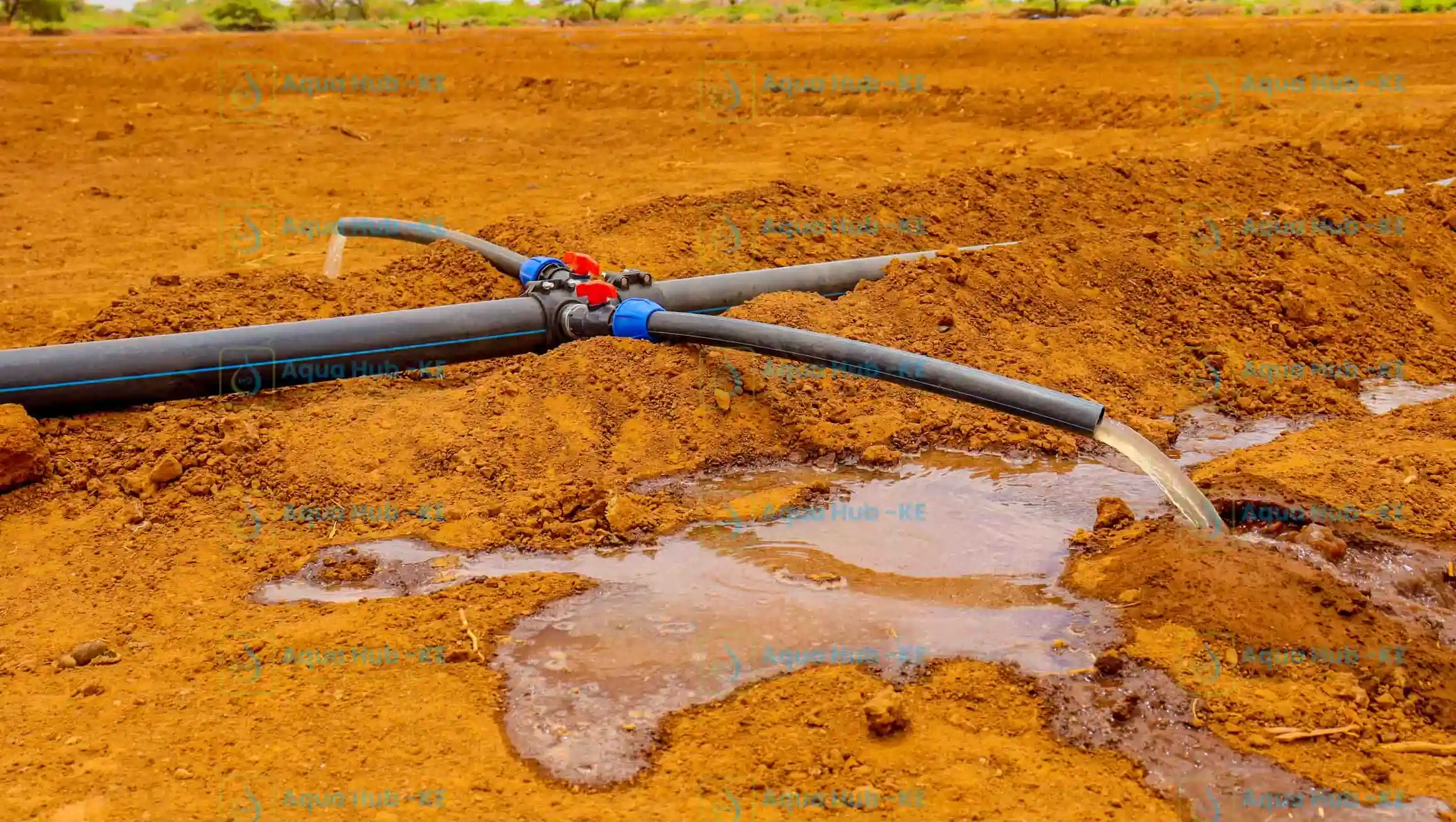
Pipe size depends on the amount of water the field requires and the distance from the source. A wider pipe carries more water at a time, so large fields use the larger sizes in our stock list. Meanwhile, small plots and short runs work well with the smaller sizes.
The pressure rating matters as well. PN8 pipe suits supply lines that carry water at low pressure, for example from a source at a higher level than the field. PN10 pipe suits lines that connect to stronger pumps. If you are unsure which rating fits your pump, call +254790719020 and our team will advise.
Factors that decide the pipe size include:
- Distance from the water source to the top of the field
- Total area to irrigate in one session
- Pump pressure at the pipe inlet
- Number of furrows or basins that fill at the same time
Pump Options from Aqua Hub Kenya for Your Water Source
The water source decides which pump suits the field. A dam or river at a low level requires a surface pump, whereas a borehole requires a submersible pump. Our solar surface pumps cost between KES 25,000 and KES 60,000, and they run in daylight without fuel. Electric submersible pumps for borehole water cost between KES 15,000 and KES 250,000.
Besides this, flood irrigation needs a large volume of water rather than high pressure, so a pump with a strong flow suits the system better than a pump built for high pressure. Therefore, tell our team the size of the field and the water source when you ask for a pump, and call +254790719020 to get the exact price.
Installation of Pumps and Pipes by Aqua Hub Kenya
Aqua Hub Kenya’s technicians install the pumps and pipes for low-cost irrigation with flood irrigation on farms of different sizes. A typical job follows these stages:
- To begin with, the technicians visit the farm and measure the distance from the water source to the field.
- Next, they fit the pump at the source and connect it to the first length of pipe.
- Once the pump is in place, they lay the HDPE pipe along the edge of the field up to the top of the furrows or basins.
- Subsequently, they join the pipe sections and test the line for leaks.
- Last, they run the pump and check that water reaches every furrow evenly.
Book an installation by calling +254790719020 or emailing info@aquahubkenya.co.ke.
Maintenance of Pipes Supplied by Aqua Hub Kenya
HDPE pipe needs little maintenance, but regular checks keep the line working properly. After each irrigation, walk along the pipe and look for wet patches that show a leak. Furthermore, clear silt and weeds from the furrows so that water reaches the end of each row. Then drain the pipe before long dry spells, because water left inside can collect dirt.
Checks worth repeating each season include:
- Pipe joints, for leaks and loose connections
- Pump intake, for debris that blocks the flow
- Furrow ends, for silt that stops the water
- Field levels, for low spots that hold extra water
Additionally, replace any damaged length of pipe as soon as you find it, since a cracked section loses water before it reaches the field.
Why Choose Aqua Hub Kenya for Flood Irrigation Pipes?
Aqua Hub Kenya supplies HDPE pipe for low-cost irrigation with flood irrigation in sizes from 16 mm to 110 mm and in two pressure ratings. As a result, farmers with small plots and farmers with large fields can find a size that matches the water source and the distance to the field. The team also explains which rating suits your pump before you place an order.
Pumps and pipes come from the same supplier, and our technicians install both on the farm. Additionally, the team gives honest advice on whether flood irrigation suits your land and water supply. Call +254790719020 to ask about pipe sizes and installation.
Frequently Asked Questions
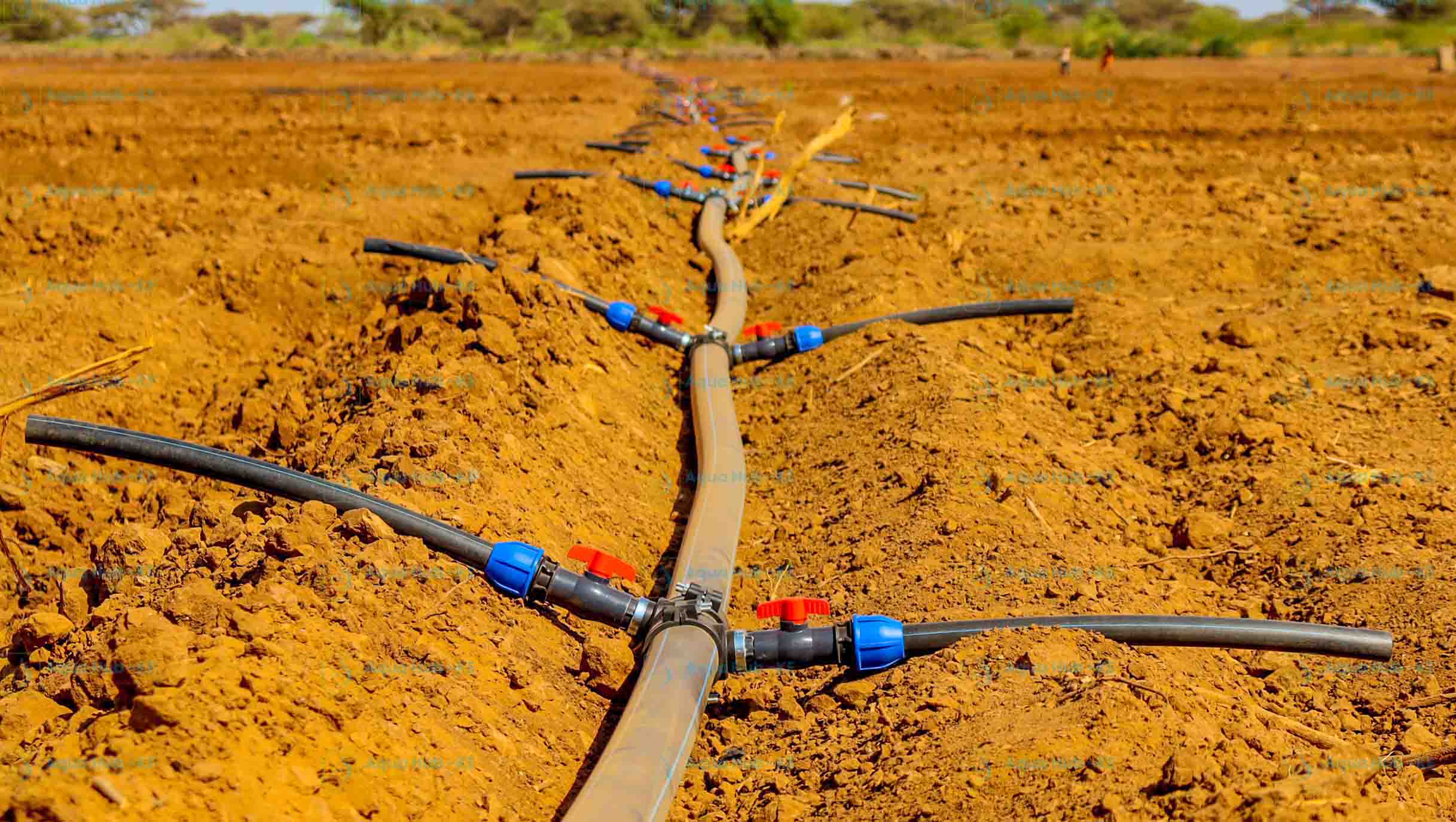
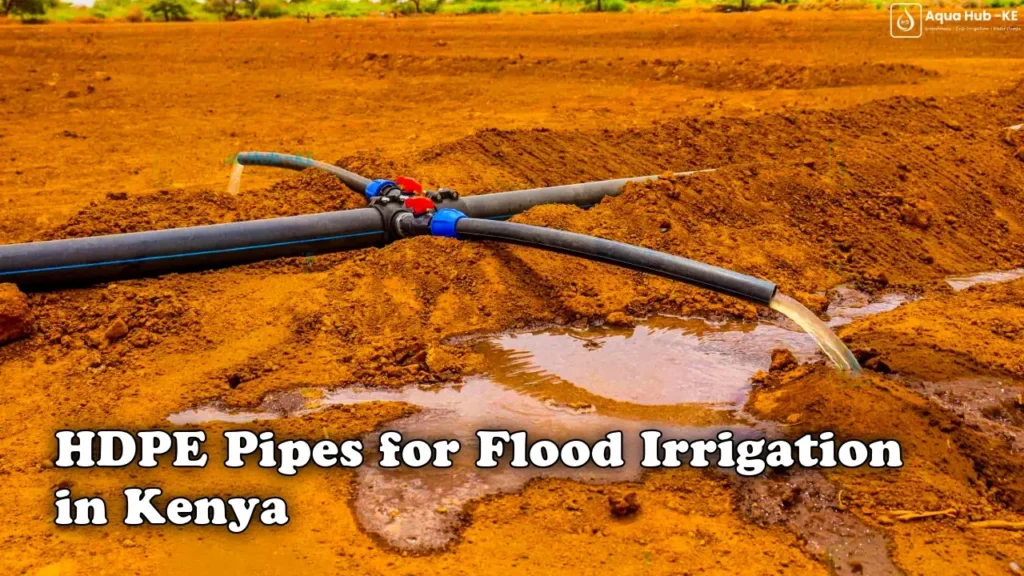
HDPE Pipe used as mainline for furrow Irrigation
What is flood irrigation?
Flood irrigation is a method that spreads water over the soil surface through furrows or basins.
How much do HDPE pipes for flood irrigation cost?
HDPE pipes for flood irrigation cost from KES 2,500 to KES 46,500 per roll, depending on the size and pressure rating. Call +254790719020 for the exact price of the size you need.
Which crops grow well under flood irrigation?
Crops such as rice, maize, sugarcane, bananas and napier grass grow well under flood irrigation. They cope with wet soil when it drains between irrigations.
Is flood irrigation suitable for sandy soil?
Flood irrigation does not suit sandy soil well, because the water sinks below the roots before it reaches the end of the furrow.
Does flood irrigation use more water than other methods?
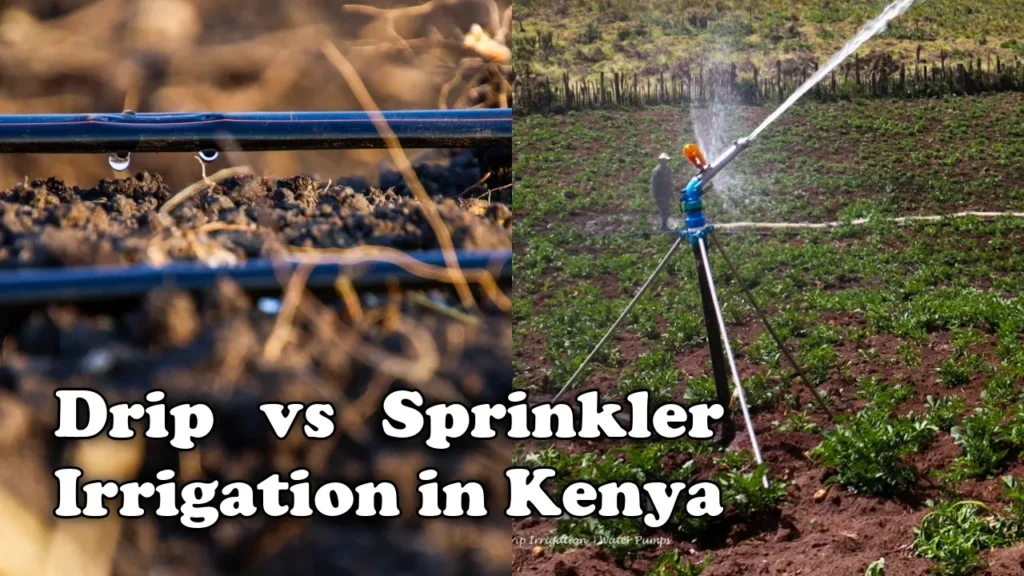
Flood irrigation uses more water than drip systems, because water covers the whole soil surface. Therefore, it suits farms with a steady source such as a dam or river. A farm with a limited water supply may do better with drip.
What pressure rating of HDPE pipe suits flood irrigation?
PN8 HDPE pipe suits flood irrigation lines that carry water at low pressure. PN10 pipe suits lines that connect to stronger pumps.
Can flood irrigation work with a solar pump?
Flood irrigation can work with a solar pump when the pump delivers enough water to fill the furrows during the day.

How do I maintain flood irrigation pipes?
To maintain flood irrigation pipes, check the joints for leaks and drain the line before long dry spells. Additionally, clear silt from the furrows after each irrigation.
Can Aqua Hub Kenya install pumps and pipes for flood irrigation?
Aqua Hub Kenya can install pumps and pipes for flood irrigation on your farm. Our technicians lay the pipe and test the line. Book an installation by calling +254790719020.
Final Thoughts on Low-Cost Irrigation with Flood Irrigation from Aqua Hub Kenya
Low-cost irrigation with flood irrigation suits farms with level land and a steady water source, and it works best for crops that cope with wet soil. The system needs only a pump and HDPE pipe to bring the water to the field, and the slope of the land moves the water across the rows. Hence, a pipe of the correct size and pressure rating helps the line work properly.
HDPE pipe for flood irrigation costs from KES 2,500 to KES 46,500 per roll. Call +254790719020 or email info@aquahubkenya.co.ke to get the exact price and to book installation.