
Blog
Impact Sprinklers for Vegetable Farmers in Kenya
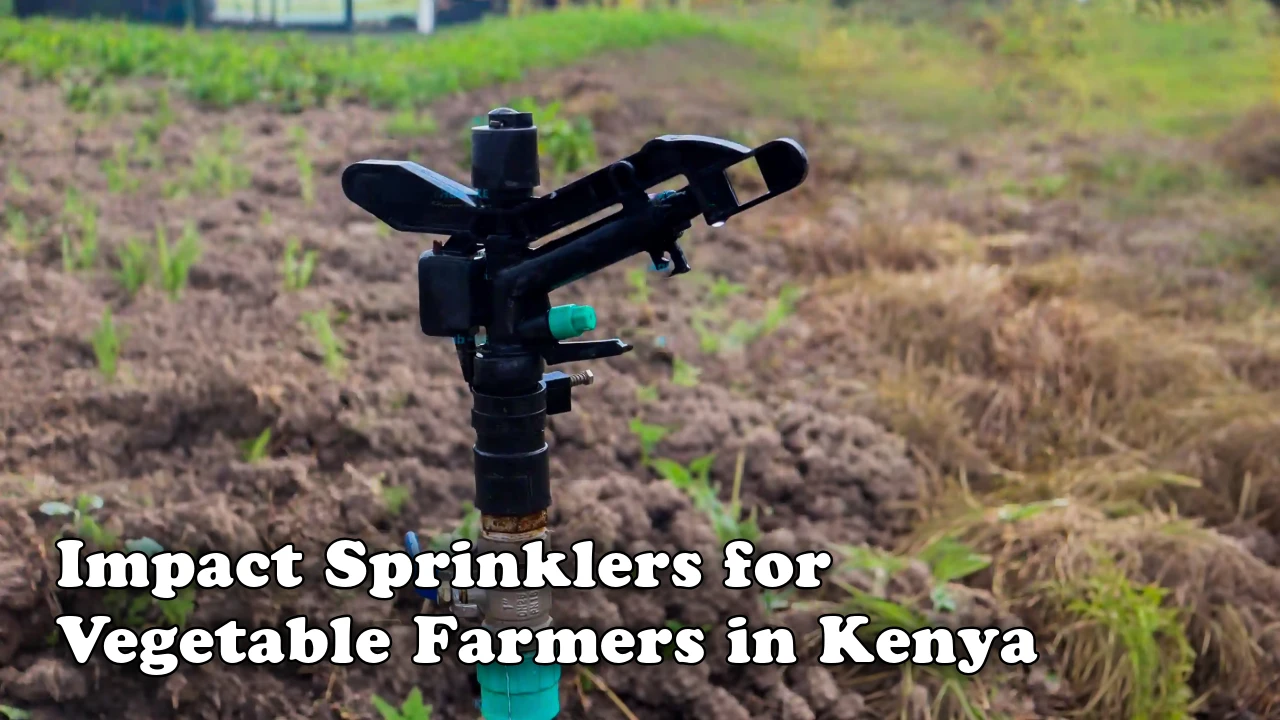
Impact sprinklers for vegetable farmers start at KES 600 each for the ½ inch size at Aqua Hub Kenya, and the ¾ inch size costs KES 650.
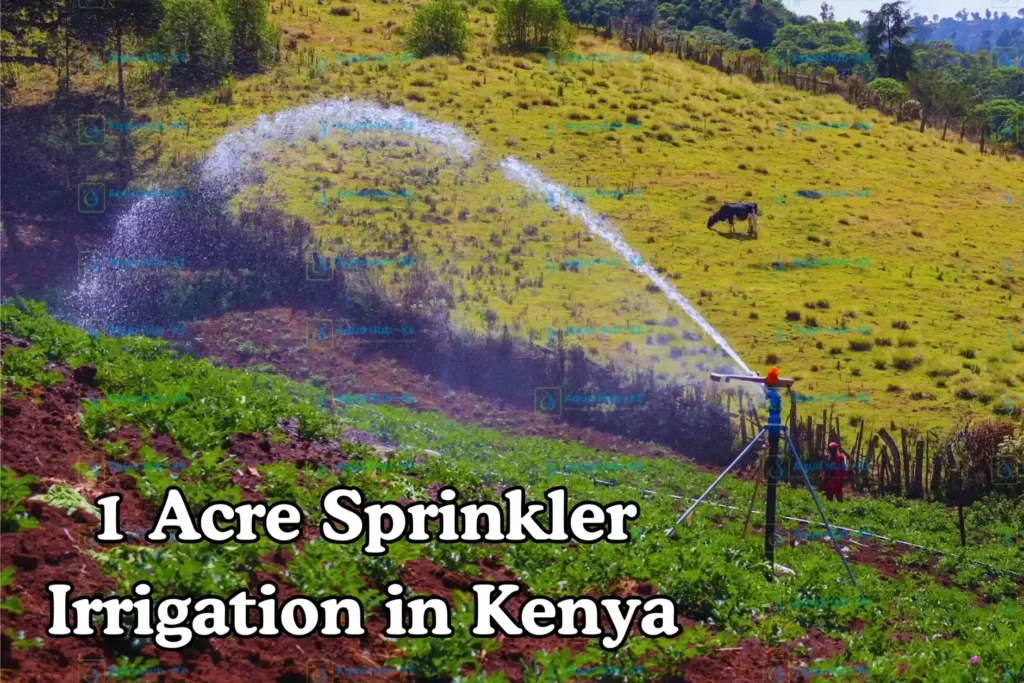
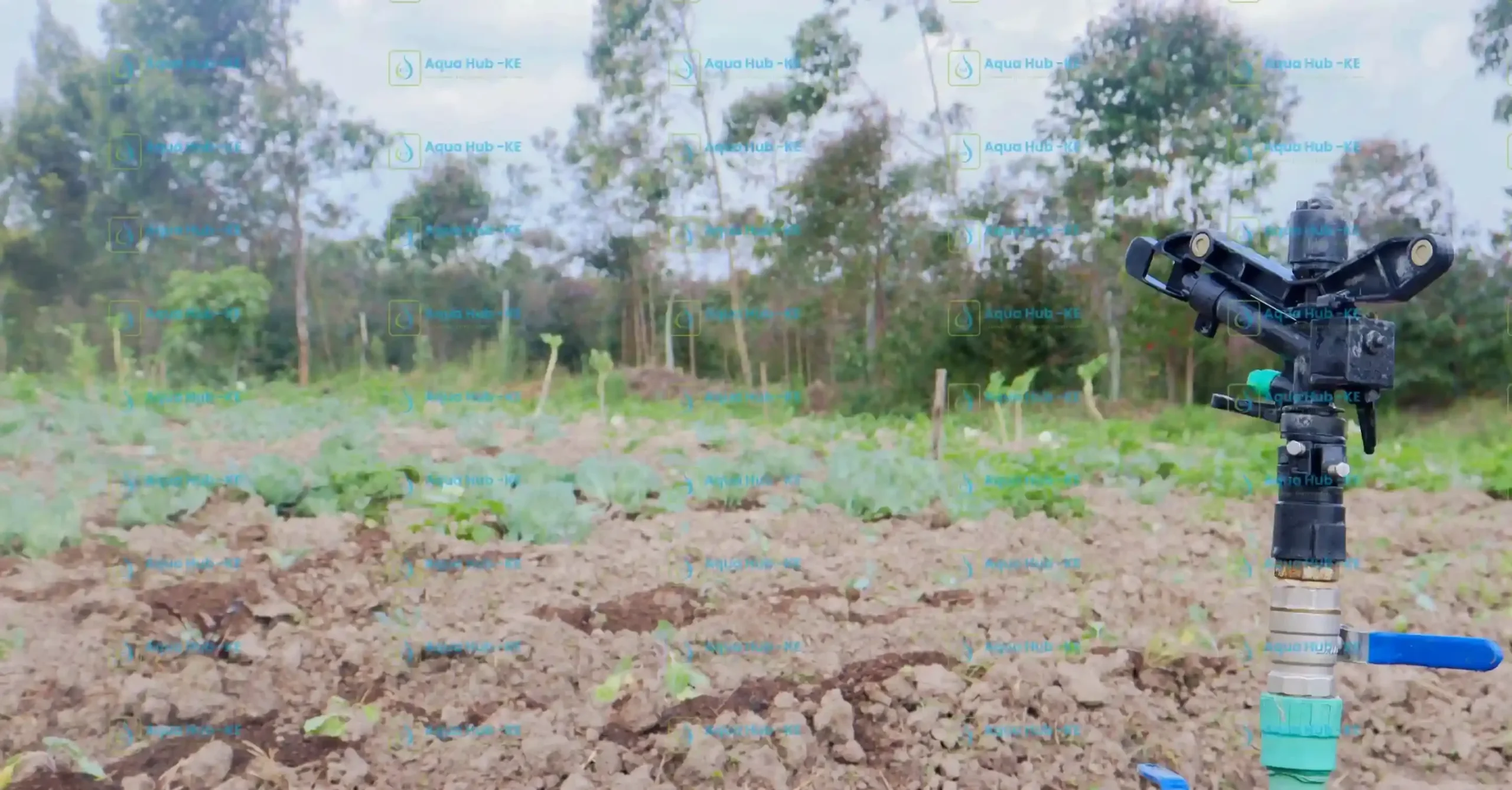
An impact sprinkler waters a vegetable bed by spraying water in a circle or an arc, while a small arm hits the head and turns it. The spray covers much more ground than a hose or a watering can, so a farmer spends less time carrying water and more time on the rest of the farm.
Aqua Hub Kenya sells plastic and brass sprinklers in two sizes, and our technicians install them. Call +254790719020 with the size of your plot, and we will tell you how many sprinklers it needs.
Prices of Impact Sprinklers for Vegetable Farmers at Aqua Hub Kenya
Impact sprinklers at Aqua Hub Kenya cost KES 600 for the ½ inch size and KES 650 for the ¾ inch size, in plastic or brass. A vegetable plot needs several sprinklers, and the table shows what a set costs at each size.
| Sprinkler size | Price of one, plastic or brass (KES) | 10 sprinklers (KES) | 20 sprinklers (KES) |
|---|---|---|---|
| ½ inch | 600 | 6,000 | 12,000 |
| ¾ inch | 650 | 6,500 | 13,000 |
The pipes that carry water to the sprinklers cost extra, and the amount depends on the layout of your plot. For the exact price of the sprinklers and the pipes, email info@aquahubkenya.co.ke with the size of your plot.
How Sprinklers from Aqua Hub Kenya Water a Vegetable Bed
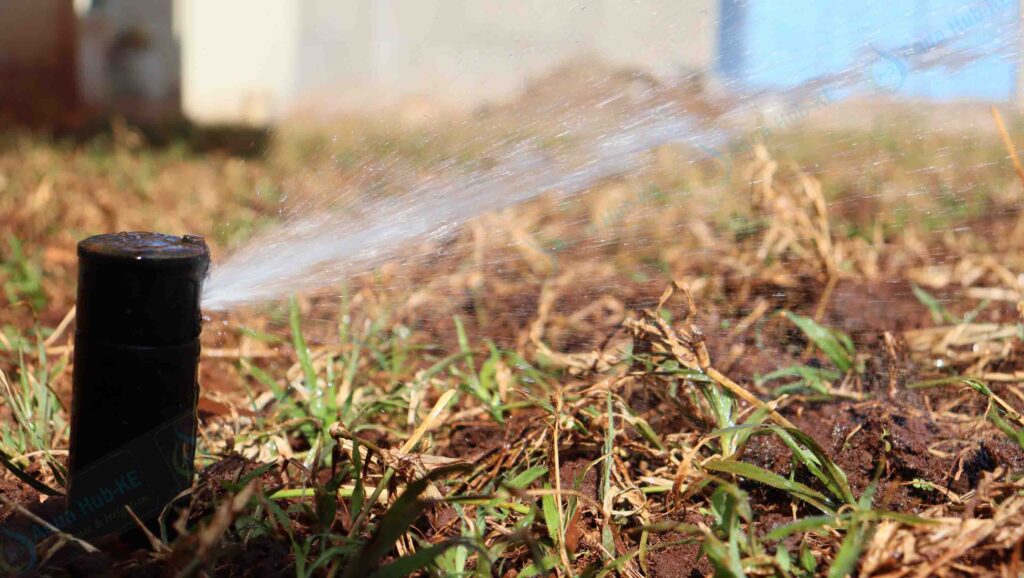
Water enters the sprinkler head under pressure and leaves through a nozzle. A spring-loaded arm swings into the jet of water, and each hit turns the head by a small step. The spray therefore travels around in a full circle, or back and forth in an arc when you set the head to cover only part of a circle. After each hit, the spring returns the arm to its place, and the movement repeats for as long as the water flows.
Most vegetable beds are wide and flat, so a rotating spray suits them better than a fixed nozzle. It also reaches the outer rows of a block, which a hand-held hose often misses. Strong wind pushes the spray off course, hence it is best to water in calm hours, when the water lands on the plants instead of the paths.
Plastic and Brass Sprinklers from Aqua Hub Kenya
Aqua Hub Kenya supplies impact sprinklers in plastic and in brass, and each material comes in the ½ inch and ¾ inch sizes. Plastic sprinklers are light, so you can carry them from bed to bed and set them up where the crop needs water. They also do not rust.
Brass sprinklers are heavier and tougher. They withstand knocks from hoes and boots better than plastic, which makes them a good fit for sprinklers that stay in one place for many seasons. Both materials turn on the same arm and spring system, so the choice depends on how long the sprinkler will stay where you put it.
Choosing Impact Sprinklers for Vegetable Farmers by Size
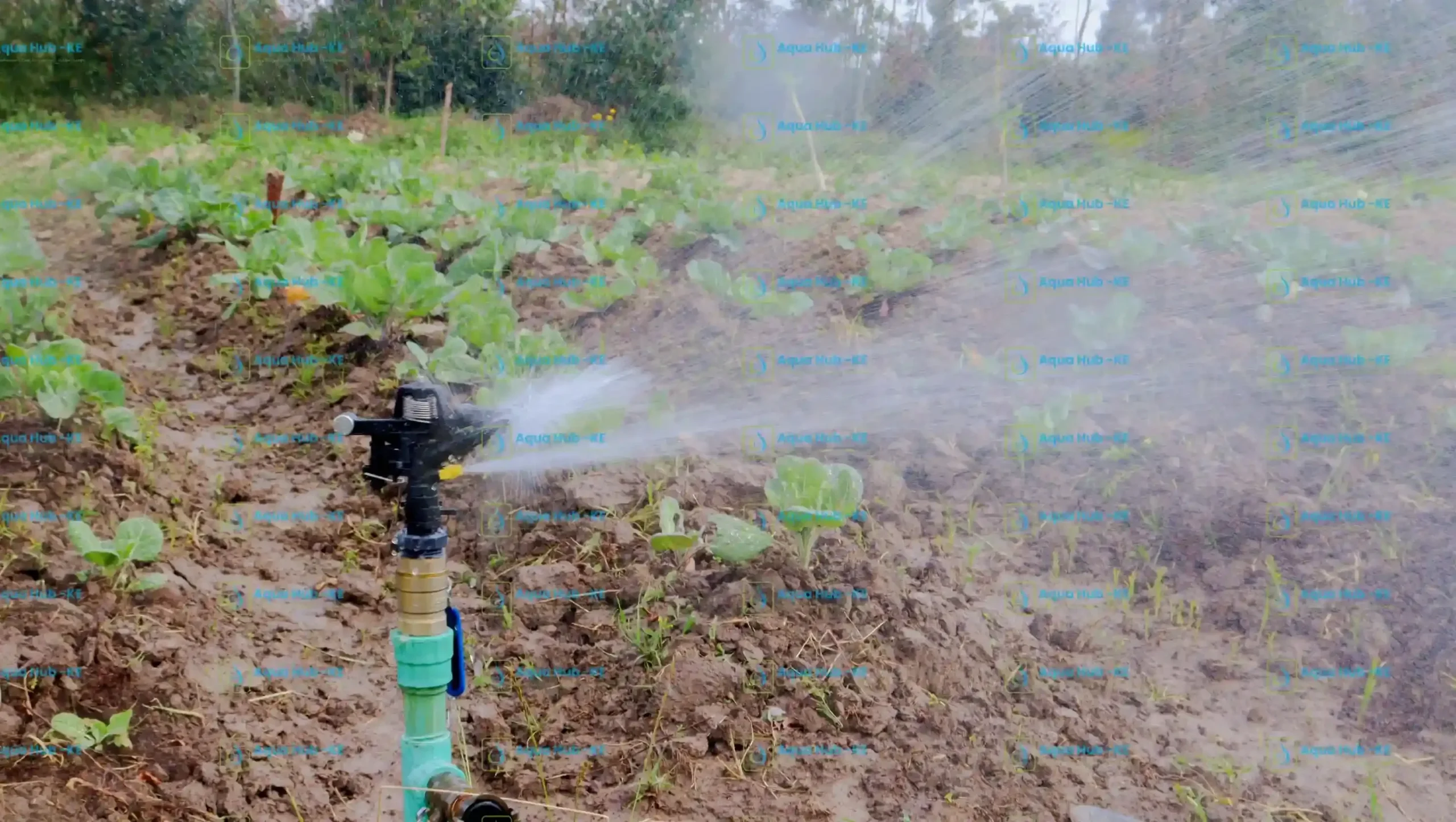
The ½ inch sprinkler suits small beds and narrow plots, where each head has a short distance to cover. The ¾ inch sprinkler suits larger blocks, because the bigger head lets more water through and covers more ground. If your plot has both small and large blocks, you can use both sizes on the same farm.
Pick the size by looking at the following:
- Area of each block you plan to water.
- Water pressure at the farm, which the sprinkler needs to turn.
- Size of the pipe that feeds each line.
- Number of sprinklers that must run at the same time.
If the answers are unclear, call +254790719020 and describe the plot, and the team will suggest a size.
Spacing Impact Sprinklers for Vegetable Farmers Across a Plot
Impact sprinklers for vegetable farmers water a plot evenly only when the spray from one sprinkler reaches the next. Place the sprinklers close enough that their spray patterns overlap slightly, because a gap leaves a dry strip where the plants grow slowly. Set the sprinklers along the edges of each block, or down the middle of a wide block, so that the spray crosses every row.
Raise each head on a riser, so that the spray clears the top of the crop. Tall plants such as maize or climbing beans block the spray from a low head, whereas a head on a tall riser sprays the water above them. Check the plot after the first watering and look for dry patches. If you find any, move a sprinkler or add one.
Vegetables That Do Well with Sprinklers from Aqua Hub Kenya
Impact sprinklers for vegetable farmers suit crops whose leaves cope with overhead water, such as cabbage, kale, spinach, onions, carrots, beetroot and lettuce. These crops cover the soil with leaves and take in water from the whole bed, so a wide spray reaches them easily.
Tomatoes and capsicums behave differently. Wet leaves raise the risk of disease in these crops, and they do better when the water goes straight to the roots. Aqua Hub Kenya sells drip kits for such beds, so you can run sprinklers on one block and drip lines on another.
Water Source and Pressure for Impact Sprinklers for Vegetable Farmers
The arm only turns when the water arrives with enough pressure. Too little pressure leaves the arm stuck and the spray short, and the far end of the plot stays dry. Your water source decides whether you need a pump, and which type:
- A borehole requires a submersible pump that sits in the water and pushes it up.
- A dam or a pond suits a surface pump, and the solar version runs without fuel.
- A weak mains line needs an electric booster pump to raise the pressure.
- A tank on higher ground can supply pressure by gravity, so you may not need a pump.
Aqua Hub Kenya supplies each of these pumps. Call +254790719020 with the details of your water source, and we will name the pump that fits your sprinklers.
Installation of Sprinklers by Aqua Hub Kenya
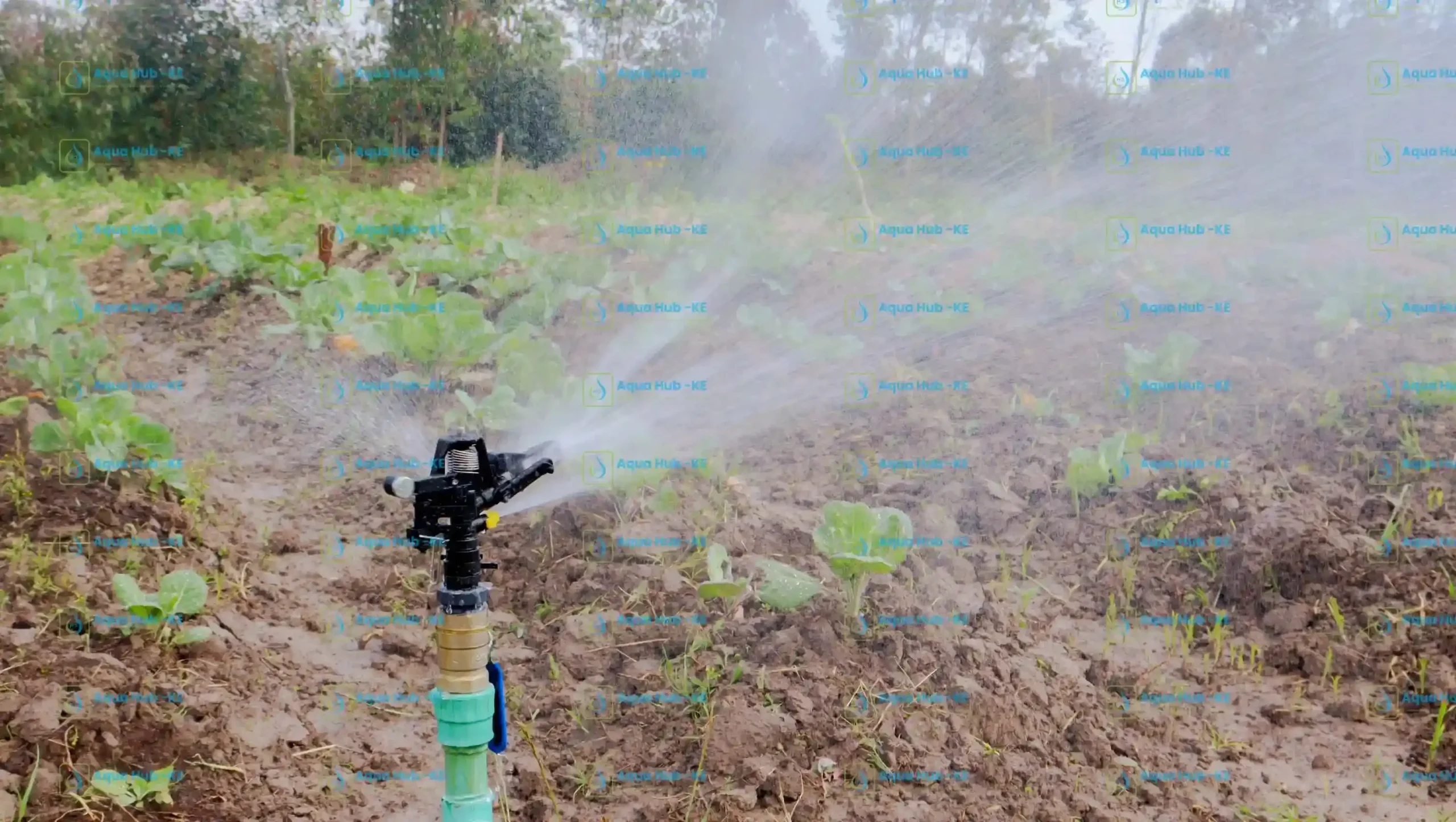
Aqua Hub Kenya sells the sprinklers and fits them as well, so the same team handles the supply and the setup. The work follows these stages:
- To start, they walk the plot with you and mark where each sprinkler will stand.
- Once the marks are in place, they lay the pipe along the lines.
- Then they fix a riser at each point and screw a sprinkler on top.
- With the risers in place, they connect the line to your water source or pump.
- Finally, they run the system and adjust each head so that it turns freely and covers its area.
Tell the team your preferred week for the work by emailing info@aquahubkenya.co.ke.
Maintenance of Sprinklers Supplied by Aqua Hub Kenya
Impact sprinklers have few moving parts, but dirt can stop them. Water from dams and ponds often carries silt, which blocks the nozzle and slows the arm. Regular checks include:
- Clearing grit from the nozzle.
- Making sure the arm swings freely and returns to its place.
- Looking for leaks where the pipe meets the riser and where the riser meets the head.
- Replacing a sprinkler whose head no longer turns.
A filter at the start of the line keeps most silt out of the sprinklers, which reduces the cleaning you need to do.
Why Choose Aqua Hub Kenya for Impact Sprinklers for Vegetable Farmers?
Aqua Hub Kenya offers a clear choice of plastic and brass sprinklers in two sizes, so a farmer can fit the sprinkler to the plot instead of the plot to the sprinkler. The same team supplies the pump and the drip kits that go with the system, which means one supplier can equip the whole farm.
Our technicians also install the sprinklers they sell, and they set each head to cover its area before they leave. To order impact sprinklers for vegetable farmers, send your plot size to info@aquahubkenya.co.ke or call +254790719020.
Frequently Asked Questions
What is an impact sprinkler?
An impact sprinkler is a sprinkler head with a spring-loaded arm that hits the water jet and turns the head, so that the spray covers a circle or an arc.
How much do impact sprinklers cost in Kenya?
Impact sprinklers at Aqua Hub Kenya cost KES 600 for the ½ inch size and KES 650 for the ¾ inch size. For the exact price of your order, call +254790719020.
Are brass or plastic impact sprinklers better?
Brass impact sprinklers last longer under heavy use, whereas plastic ones are lighter and easier to move between beds. Both materials water a vegetable bed well. Choose by how long you plan to leave the sprinkler in one place.
Which sprinkler size suits a small vegetable plot?
The ½ inch impact sprinkler suits a small vegetable plot, because the head only needs to cover a short distance.
How far apart should I place impact sprinklers?
The distance depends on how far each sprinkler sprays. Place them close enough that the spray patterns overlap slightly.
Can impact sprinklers water all vegetables?
Impact sprinklers water most leafy and root vegetables well. Tomatoes and capsicums do better with water at the roots, because wet leaves raise the risk of disease. Drip lines suit those crops better.
When should I water vegetables with impact sprinklers?
Water vegetables with impact sprinklers in the early morning, because the air is calm and less water evaporates. Evening watering also works, but leaves that stay wet overnight raise the risk of disease.
Do impact sprinklers need a pump?
Impact sprinklers need a pump when the water pressure at your farm is too low to turn the arm. Water from a borehole or a dam usually needs one. Email info@aquahubkenya.co.ke with your water source, and the team will name a pump.
Does wind affect impact sprinklers?
Yes, strong wind pushes the spray off course, so water during calm hours.
What should I do when an impact sprinkler stops turning?
Check the nozzle for grit, and clear it if grit blocks it. If the arm still sticks after cleaning, replace the sprinkler head.
Final Thoughts on Impact Sprinklers for Vegetable Farmers
Impact sprinklers for vegetable farmers water a bed evenly and cover a wide area, so one set of sprinklers replaces many hours of hand watering. A size and material that match the plot give the best results, as do correct spacing and steady pressure.
A ½ inch sprinkler costs KES 600 and a ¾ inch sprinkler costs KES 650 at Aqua Hub Kenya, in plastic or brass. To order your sprinklers and book installation, call +254790719020 or email info@aquahubkenya.co.ke.