
Blog
UV-Stabilized Dam Liners in Kenya
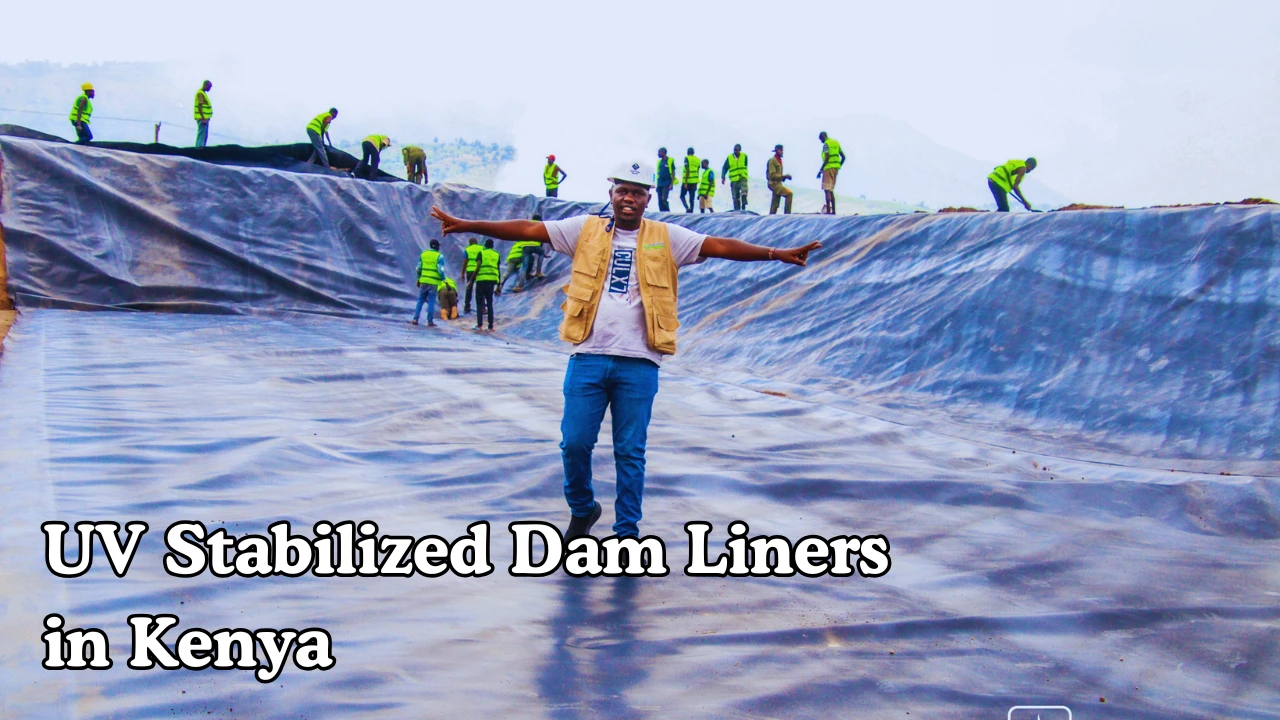
UV-stabilized dam liners in Kenya start at KES 210 per square metre at Aqua Hub Kenya for a 0.3 mm sheet.
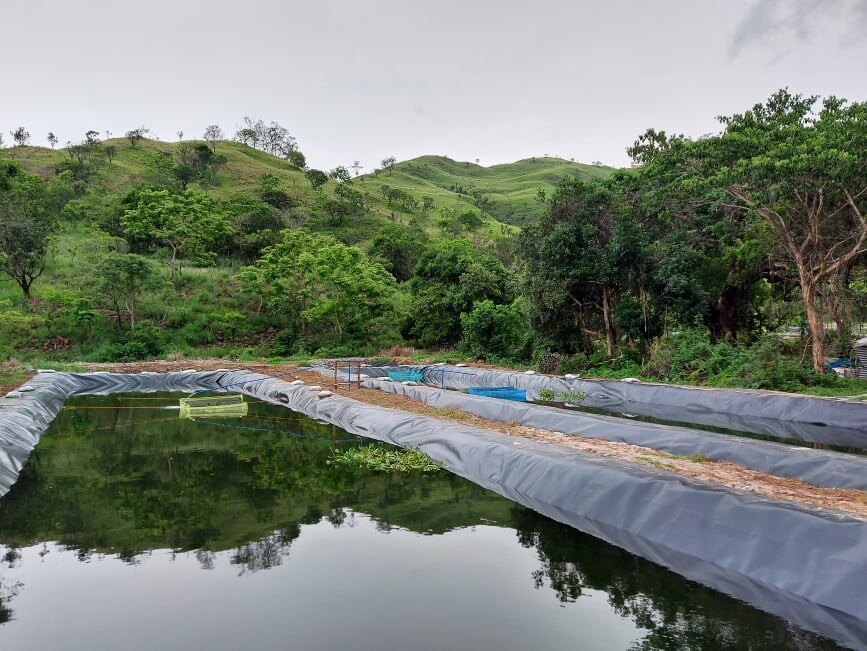
Sunlight is one of the main causes of damage to a liner that covers an open dam. Over time, ordinary plastic sheeting becomes brittle and cracks, and the water then drains into the soil. Therefore, a liner made with a UV stabilizer is the better choice for an open dam, since the stabilizer slows this damage.
Aqua Hub Kenya stocks uv-stabilized dam liners in four thicknesses from 0.3 mm to 1 mm. Our technicians also fit the liner at your site. To discuss the size of your dam and the right thickness, call +254790719020 and speak to our team.
Cost of UV-Stabilized Dam Liners at Aqua Hub Kenya
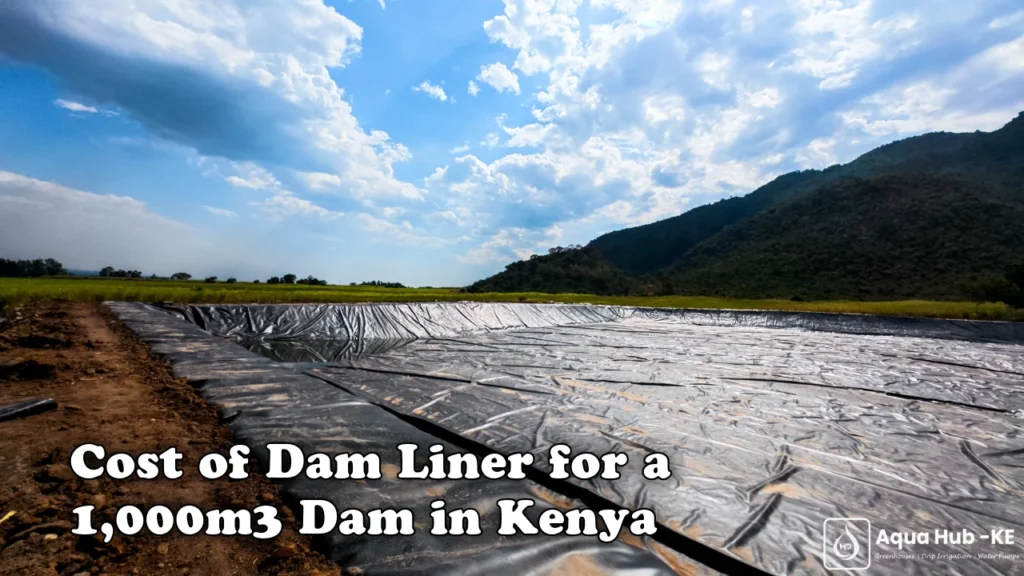
The uv-stabilized dam liners we stock are priced per square metre according to thickness. A 25 × 20 × 2 m dam that holds 1,000 cubic metres requires 680 square metres of liner. That quantity costs as follows in each thickness:
| Thickness | Price per square metre | Cost for 680 square metres |
|---|---|---|
| 0.3 mm | KES 210 | KES 142,800 |
| 0.5 mm | KES 240 | KES 163,200 |
| 0.75 mm | KES 340 | KES 231,200 |
| 1 mm | KES 430 | KES 292,400 |
If your dam has a different size, multiply the price per square metre by the area of liner you need to estimate the cost. The final price depends on the exact size of the dam and on the order. Therefore, call +254790719020 or email info@aquahubkenya.co.ke with your measurements to receive a quote.
How Sunlight Damages a Dam Liner
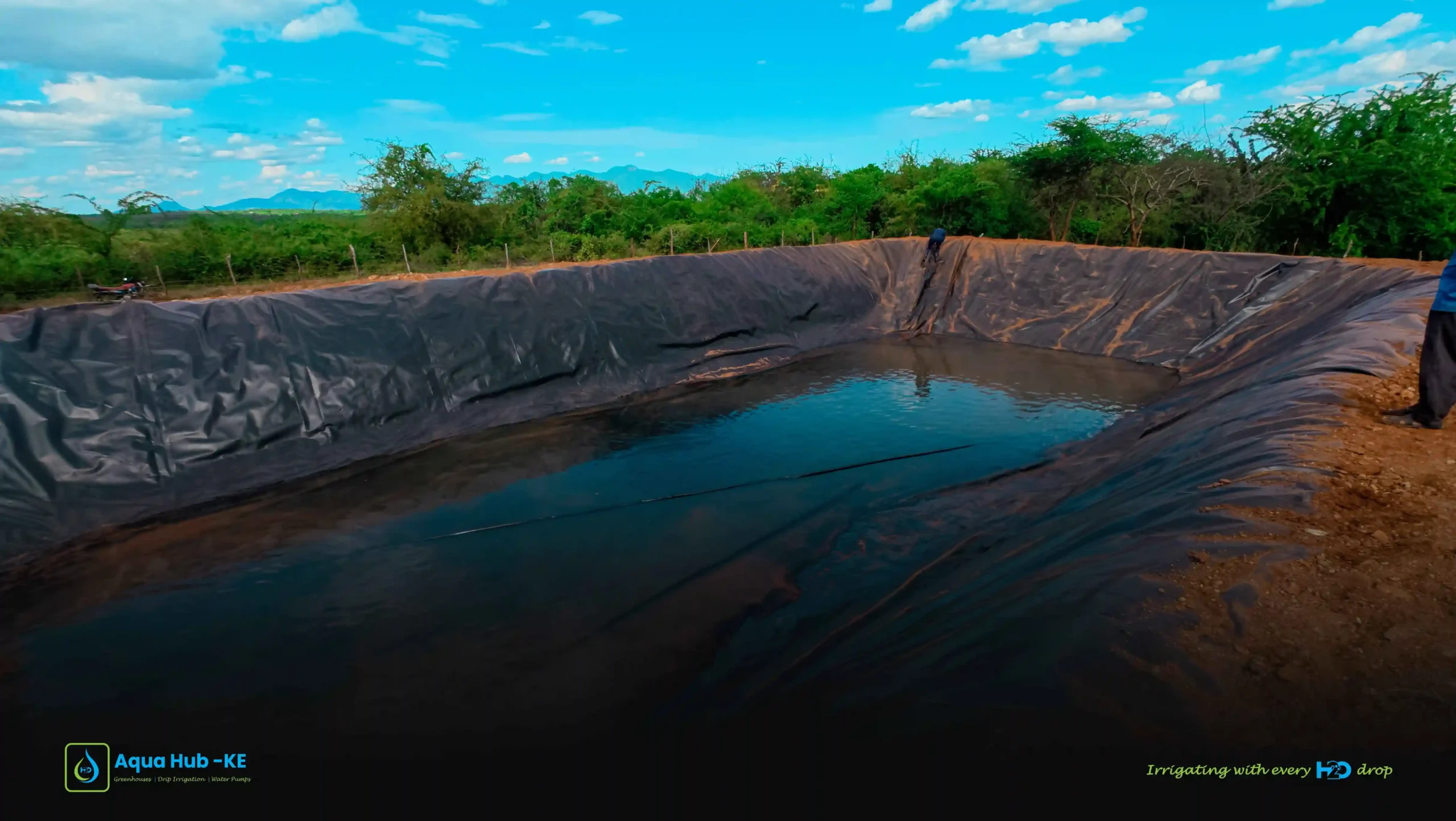
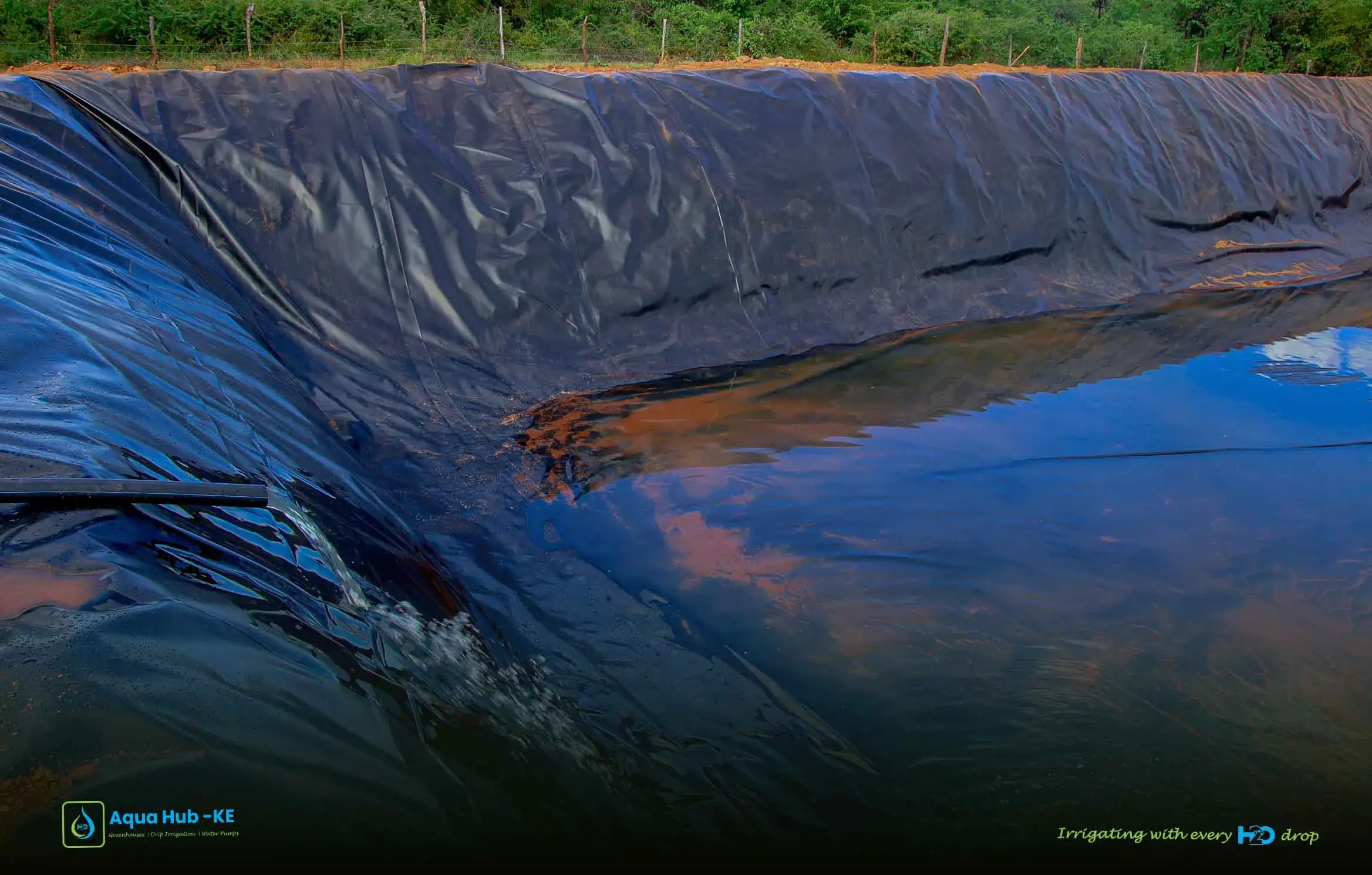
Ultraviolet (UV) rays are the part of sunlight that breaks down plastic. When a liner sits in direct sun, the rays gradually damage the material, and the sheeting loses its flexibility. The edge above the water line receives the most direct sun every day. Hence, cracks usually form there first. Water covers the lower part of the liner, which means that part receives less direct exposure.
Cracks also form along folds and around the anchor points, because those areas bend and stretch the most. Once a crack opens, water leaks into the soil, and the crack spreads as the sheeting ages in the sun. A leaking dam loses the water you collected during the rains. It can also wash soil from the sides of the dam.
Why UV-Stabilized Dam Liners Last Longer in the Kenyan Sun
UV-stabilized dam liners contain stabilizers that reduce the damage from ultraviolet rays. Manufacturers add the stabilizers to the plastic during production. As a result, the sheeting keeps its strength and flexibility for longer than untreated plastic does.
The benefits of a stabilized liner include:
- Slower cracking along the folds and corners of the dam
- Less brittleness as the sheeting ages in the sun
- Fewer repairs above the water line
- A longer working life for the sheeting
However, a stabilizer does not replace correct fitting, because the liner still requires a smooth base and secure anchoring at the rim. Moreover, thickness and UV stabilization work together, since the thickness resists punctures and the stabilizer resists sunlight.
Thickness Choices at Aqua Hub Kenya
We stock four thicknesses: 0.3 mm, 0.5 mm, 0.75 mm and 1 mm, and each one is UV-stabilized. The right choice depends on the size of the dam and the type of soil. A 0.5 mm liner can suit a farm dam on clean soil, while a 1 mm liner suits the same dam when the ground has stones. Therefore, measure the dam first and note whether the ground contains many stones.
Lighter Sheets Stocked by Aqua Hub Kenya
The 0.3 mm and 0.5 mm liners suit small farm dams and seasonal water storage for irrigation. Because the sheets are lighter, they are quicker to handle and spread on a small dam. These thicknesses work best where the soil is clean and smooth and has few stones.
Thicker Sheets Supplied by Aqua Hub Kenya
The 0.75 mm and 1 mm liners suit large dams and dams that hold water through the whole year. Their thickness also resists punctures better on ground that contains stones. Additionally, they suit dams with deeper water, where the water puts more pressure on the liner.
Estimating the Liner Area for Your Dam
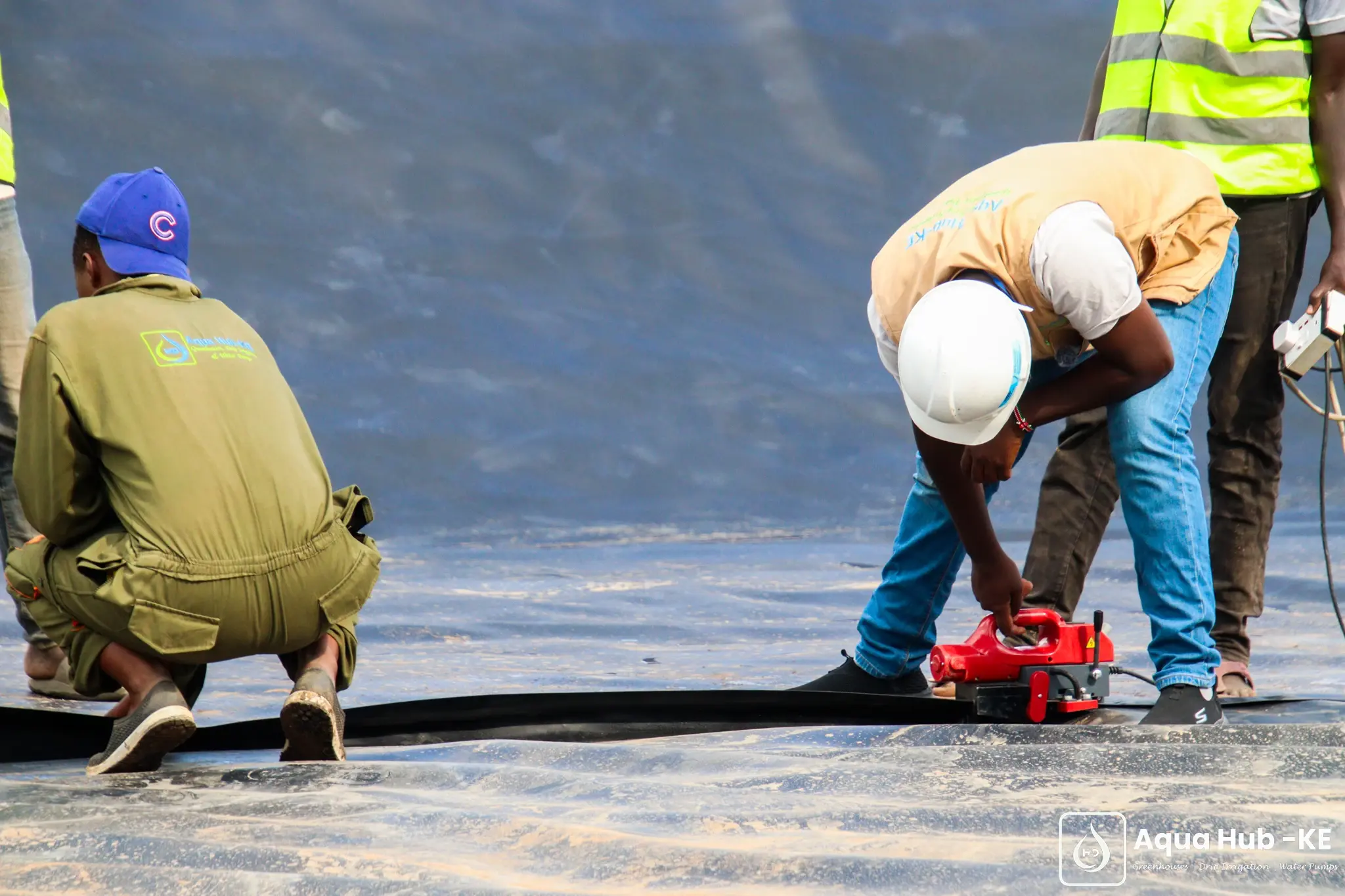
The liner must cover the floor of the dam and its sloping sides, and it must also reach into the anchor trench along the rim. For this reason, the area of liner you buy is larger than the surface area of the water. Measure the length and width of the dam at the top and at the bottom, and then measure the depth.
The example above shows how this works, since a 25 × 20 × 2 m dam holds 1,000 cubic metres of water and requires 680 square metres of liner. A larger or deeper dam requires more liner, and a dam with steep sides requires more than one with shallow slopes. If you are unsure about your measurements, call +254790719020 and describe the dam to our team.
Farm Uses for UV-Stabilized Dam Liners Sold by Aqua Hub Kenya
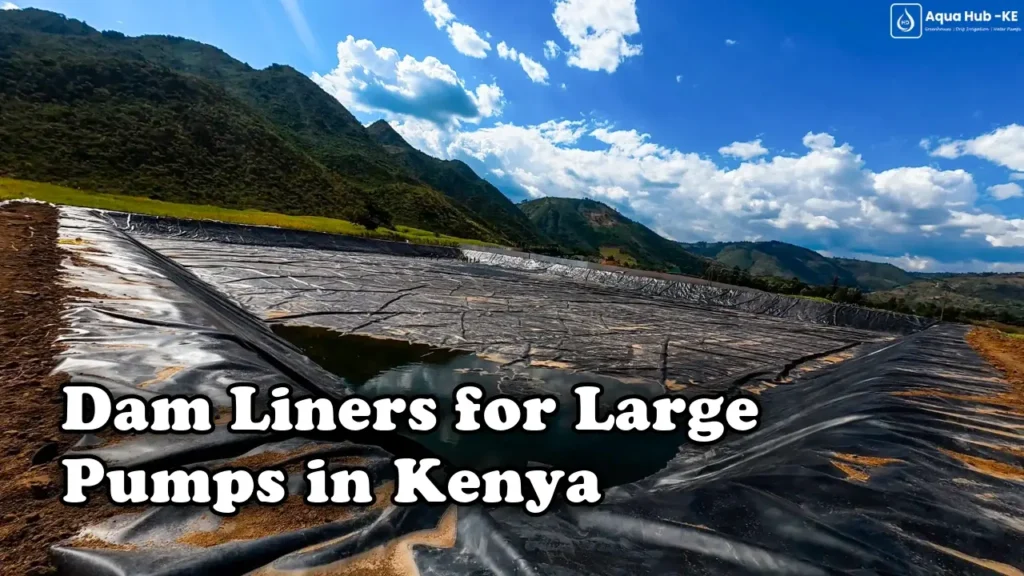
UV-stabilized dam liners suit any dam that sits in open sun and has to hold water through the dry months. Common uses include:
- Irrigation dams on vegetable and fruit farms
- Livestock watering dams in dry areas
- Rainwater harvesting dams at homes and schools
- Dams on large estates that need a steady water supply
Dams built in sandy soil lose water quickly, so a liner keeps the water in the dam through the dry season. Clay soil holds water better, but a liner still reduces the losses through leaks and through cracks that form when the clay dries.
Installation of UV-Stabilized Dam Liners by Aqua Hub Kenya
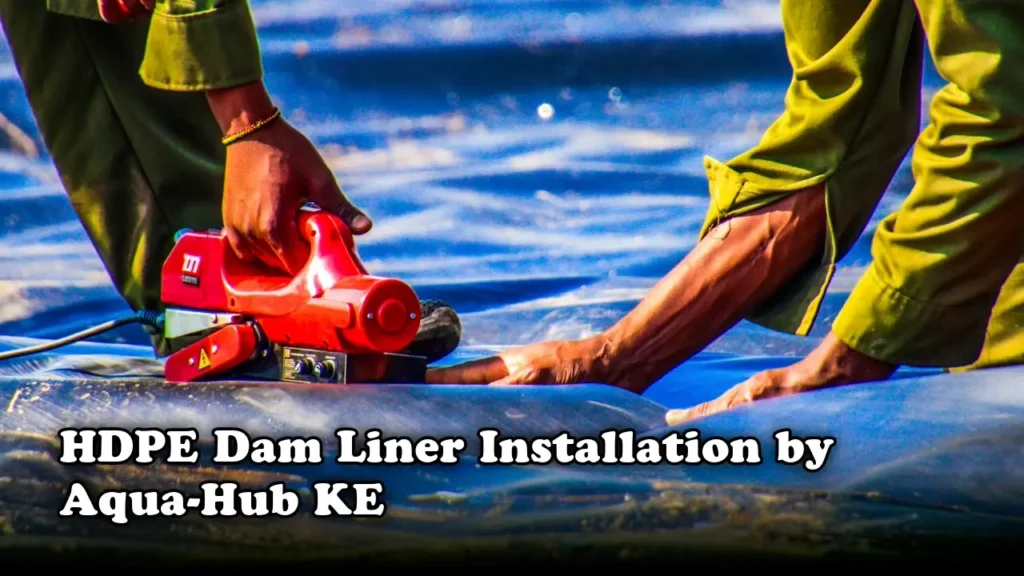
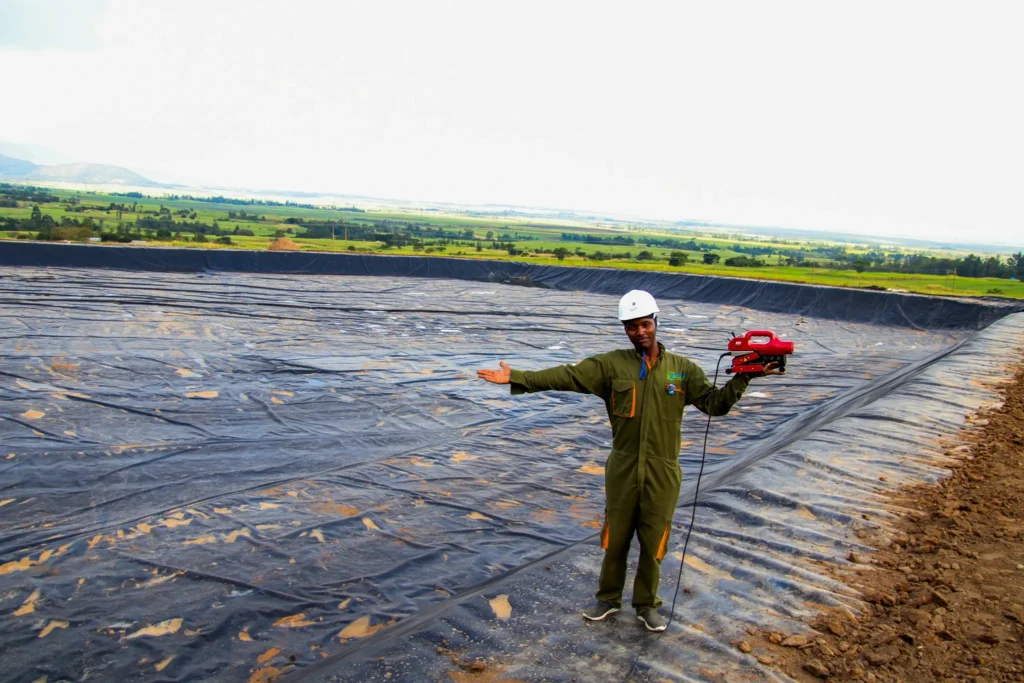
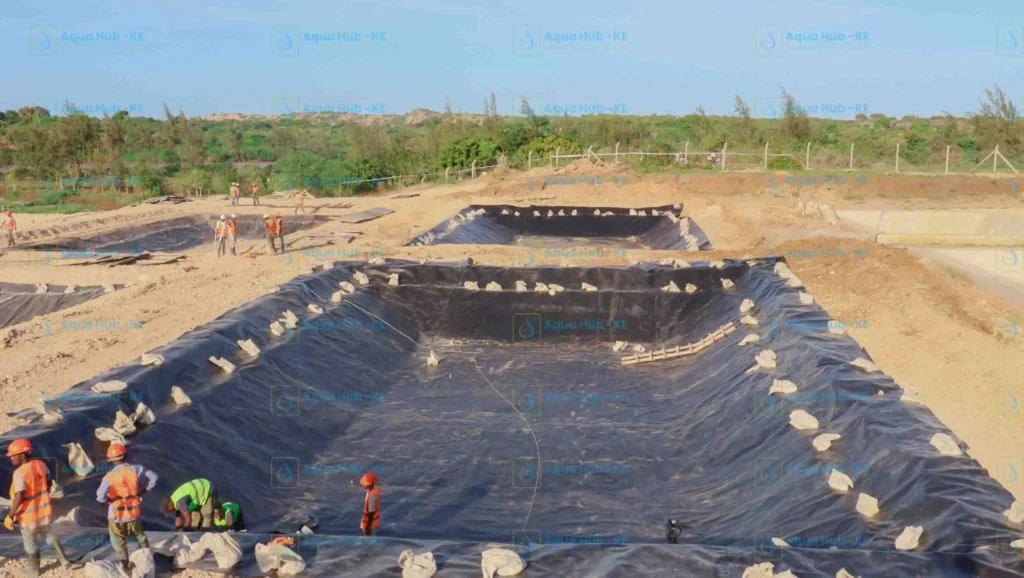
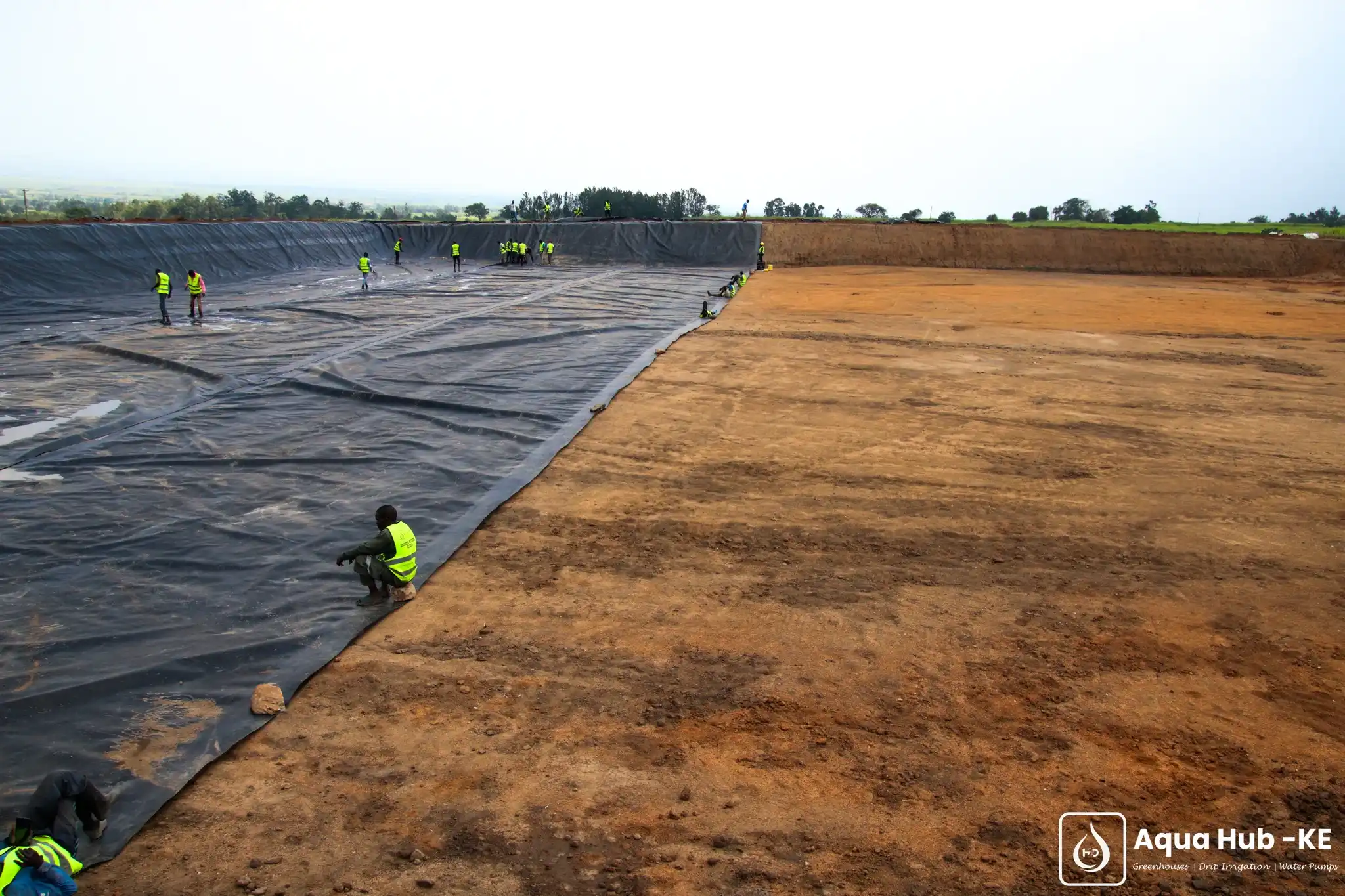
Aqua Hub Kenya’s technicians install the liner at your site. The work follows these stages:
- First, the technicians clear roots and stones from the floor and sides of the dam.
- After that, they level the surface and compact the soil so that it is smooth.
- When the soil is ready, they dig an anchor trench along the rim.
- Having done that, they spread the liner across the dam and leave some loose material so that it does not stretch when water enters.
- Then they place the edges in the anchor trench and cover them with soil.
- Finally, they inspect the liner for damage before water enters the dam.
A smooth base matters because a stone under the sheet can puncture it once the dam is full. To book an installation visit, call +254790719020 or email info@aquahubkenya.co.ke with the location and approximate size of your dam.
Dam Liner Maintenance
A dam liner needs little attention, but regular checks extend its life. Walk around the rim every month and look for punctures and loose edges. Moreover, check the area above the water line, because that part receives the most sun.
Keep livestock away from the edges, since hooves can damage the liner above the water line. Remove branches and sharp objects that fall into the dam, and repair a small hole as soon as you find it. Water loss continues until you fix the damage. After heavy rain, check that running water has not washed away the soil around the edges of the liner.
Why Choose Aqua Hub Kenya for UV-Stabilized Dam Liners?
Aqua Hub Kenya offers four thicknesses of uv-stabilized dam liners, from 0.3 mm to 1 mm, and every sheet carries the same sun protection. As a result, you choose the thickness by the size of your dam and the type of soil.
We sell the liner by the square metre, and our team checks your dam measurements before you place an order. A large dam on stony ground requires a different liner from a small dam on clay, so the dimensions and the soil type are the first details we ask for.
Our technicians also fit the liner on site. To ask about thicknesses or arrange a visit, call +254790719020.
Frequently Asked Questions
What Does UV Stabilization Mean for Dam Liners?
UV stabilization for dam liners means the plastic contains additives that reduce the damage from ultraviolet rays.
How Long Do Dam Liners Last in Kenya?
Dam liners last longer when the base is smooth and the edges are anchored well. A UV-stabilized liner lasts longer than untreated sheeting in open sun, and a thicker liner resists punctures better. Regular checks of the rim and quick repairs help the liner reach its full life.
Which Thickness of Dam Liner Suits a Farm Dam?
A dam liner of 0.3 mm or 0.5 mm suits small farm dams on smooth soil. A 0.75 mm or 1 mm dam liner suits large dams and stony ground.
How Much Do Dam Liners Cost per Square Metre?
Dam liners cost KES 210 per square metre for 0.3 mm, KES 240 for 0.5 mm, KES 340 for 0.75 mm and KES 430 for 1 mm. For the exact price of your order, call +254790719020 or email info@aquahubkenya.co.ke.
How Do I Work Out the Liner Area for My Dam?
The liner area for your dam depends on its dimensions and on the slope of its sides. A 25 × 20 × 2 m dam that holds 1,000 cubic metres requires 680 square metres of liner. Measure the dam before you order so that the quote matches the work.
Can Dam Liners Be Used on Sandy Soil?
Dam liners work well on sandy soil because they stop the water from draining into the ground.
Do Dam Liners Need a Smooth Base?
Dam liners need a smooth base because stones and roots can puncture the sheeting. Clear and compact the floor and sides before fitting. Dig an anchor trench along the rim as well.
Does Aqua Hub Kenya Install Dam Liners?
Yes, Aqua Hub Kenya’s technicians install dam liners on farms and estates. To book a visit, call +254790719020.
Can I Patch a Small Hole in a Dam Liner?
You can patch a small hole in a dam liner by cleaning and drying the area, then fixing a patch of the same liner material over the hole. A long tear is harder to patch, because the sheeting then needs to be welded.
Final Thoughts on UV-Stabilized Dam Liners from Aqua Hub Kenya
A UV stabilizer slows the sun damage that makes an ordinary liner fail. A correct thickness and a smooth base both help a liner last, and regular checks of the rim help you find damage early.
UV-stabilized dam liners from Aqua Hub Kenya cost between KES 210 and KES 430 per square metre, depending on thickness. To order or book installation, call +254790719020 or email info@aquahubkenya.co.ke.