
Blog
Drip Line Spacing for Vegetable Beds
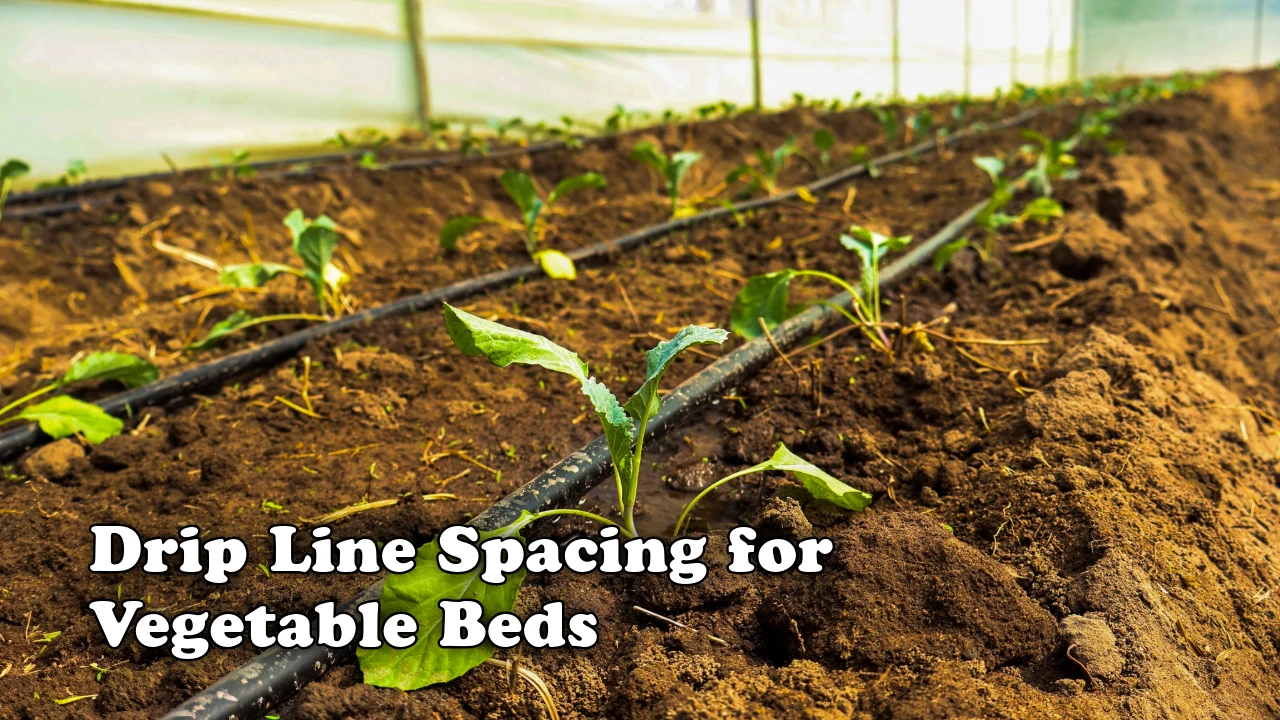
Getting drip line spacing for vegetable beds right starts with the right kit, and a full acre kit from Aqua Hub Kenya costs KES 130,000 while an eighth of an acre starts at KES 10,000.
Drip line spacing is the distance between the lines that run along a bed, together with the gap between the emitters on each line. When the distance is too wide, water leaves dry strips between the lines and the plants in those strips grow poorly. Moreover, when the distance is too close, you buy extra pipe and keep the soil wetter than the crop needs.
Aqua Hub Kenya supplies drip kits for vegetable farmers, and each kit matches your land and the number of lines you want along every bed. Therefore, a farmer who already knows the bed width can call +254790719020 to talk through a layout before buying.
Cost of Drip Kits for Vegetable Beds from Aqua Hub Kenya
Aqua Hub Kenya prices drip kits by the size of your land and by the number of lines you run along each bed. Hence, the number of lines you choose affects the final price as much as the size of the plot does. The kit for an eighth of an acre starts at KES 10,000, while the full acre kit with three lines per bed costs KES 130,000.
| Land size | Kit layout | Price |
|---|---|---|
| 1/8 acre | Starting kit | From KES 10,000 |
| 1 acre | Three lines per bed | KES 130,000 |
Prices change with each order, so call +254790719020 or email info@aquahubkenya.co.ke to get the exact price for your plot. Additionally, the post on drip irrigation prices in Kenya explains how kit prices follow the size of a farm.
How Drip Line Spacing Works in Vegetable Beds
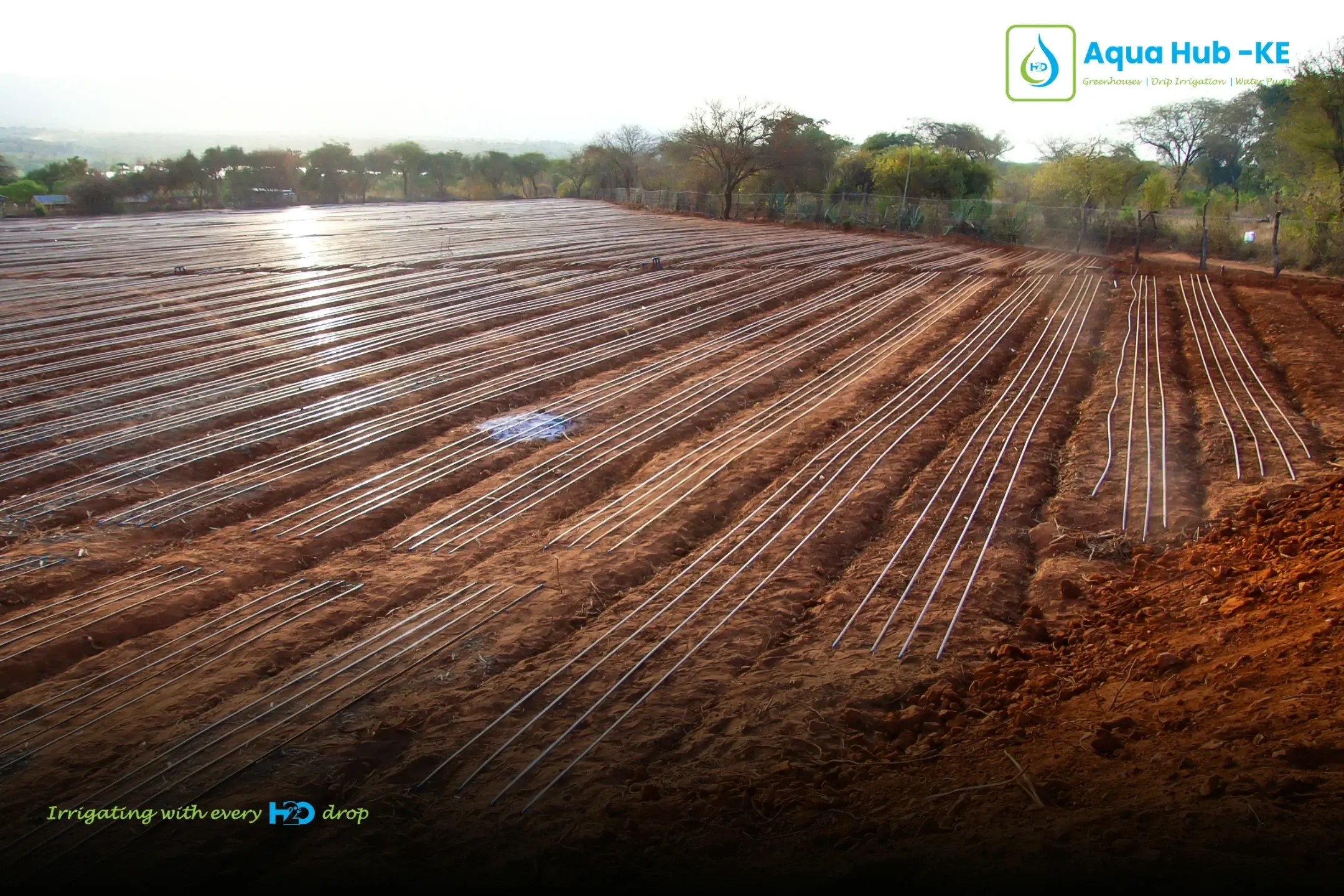
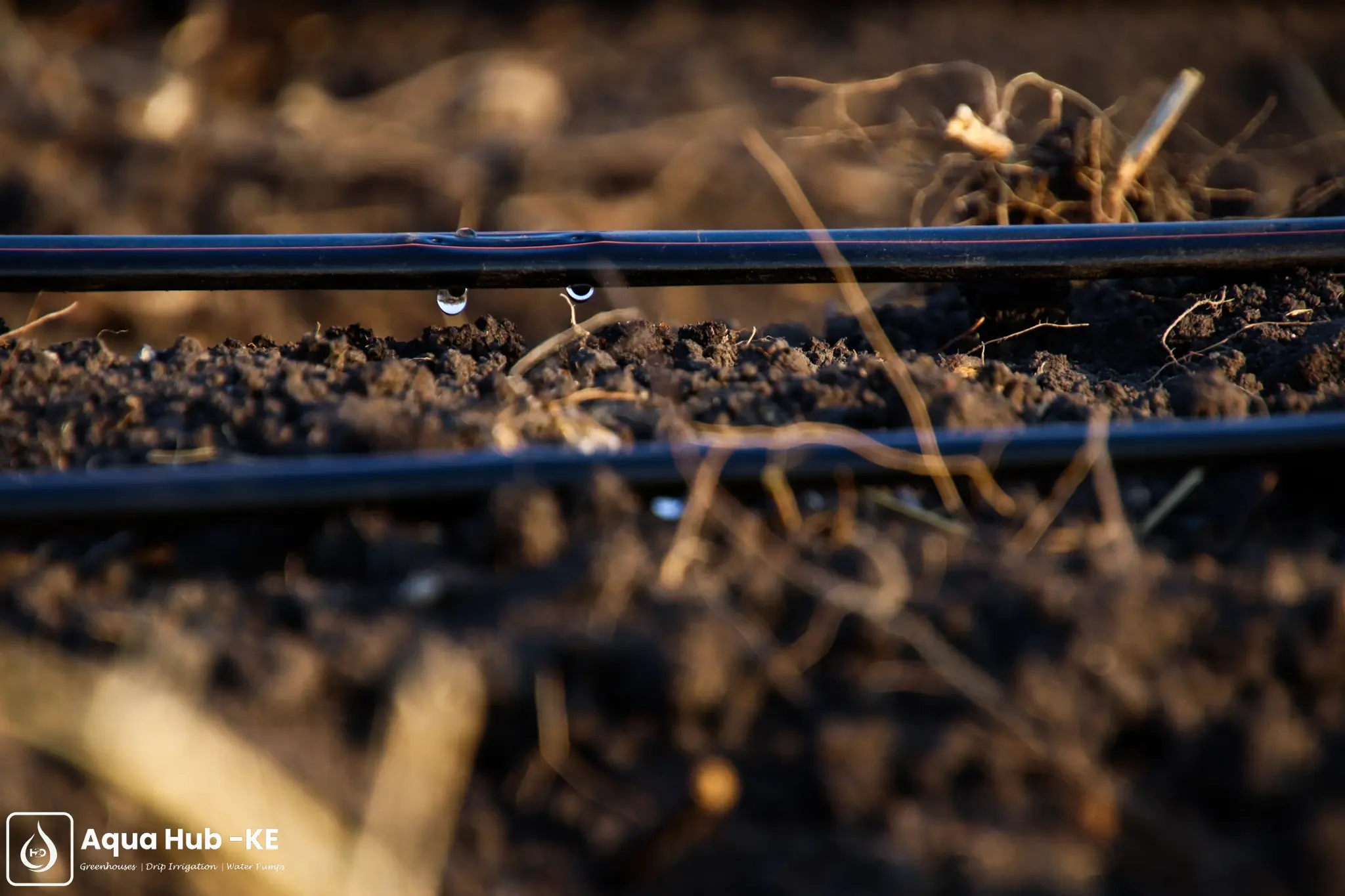
Water leaves an emitter, moves down into the soil and spreads sideways in a wet circle. The size of that circle depends on the soil, so it decides how far apart the lines can sit. Drip line spacing works when the wet circles from neighbouring emitters and lines meet in the middle of the bed, because every plant then has water within reach of its roots.
Two settings control the result:
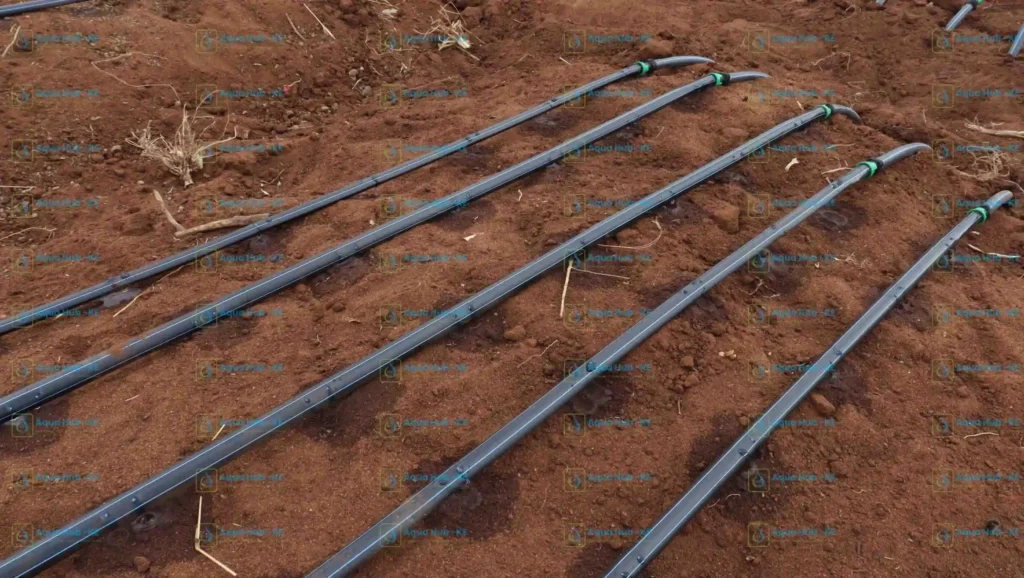
- Emitter spacing, which is the gap between emitters along one line and decides how evenly water reaches the plants in a row.
- Line spacing, which is the gap between neighbouring lines across the bed and decides whether the wet strips overlap.
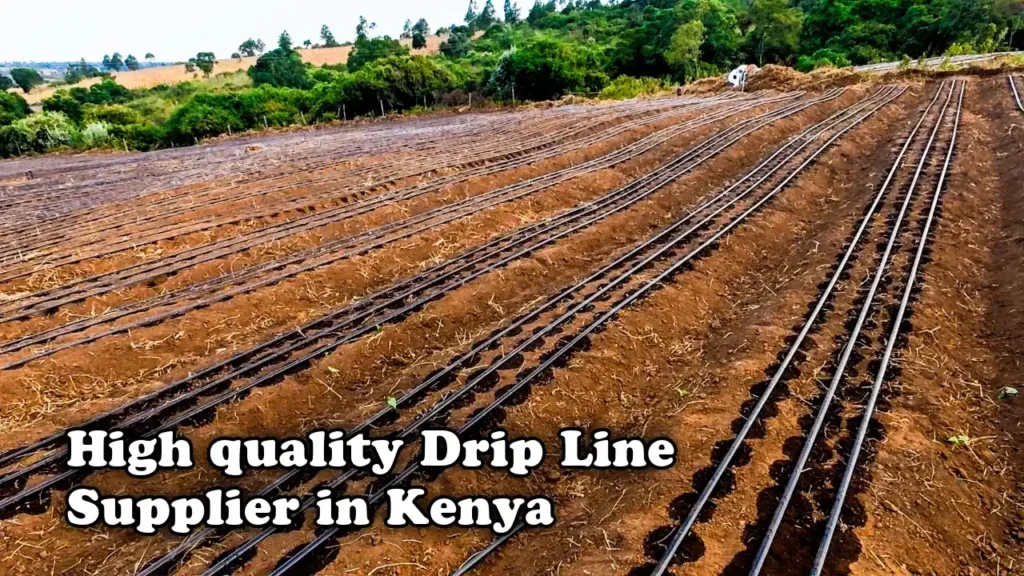
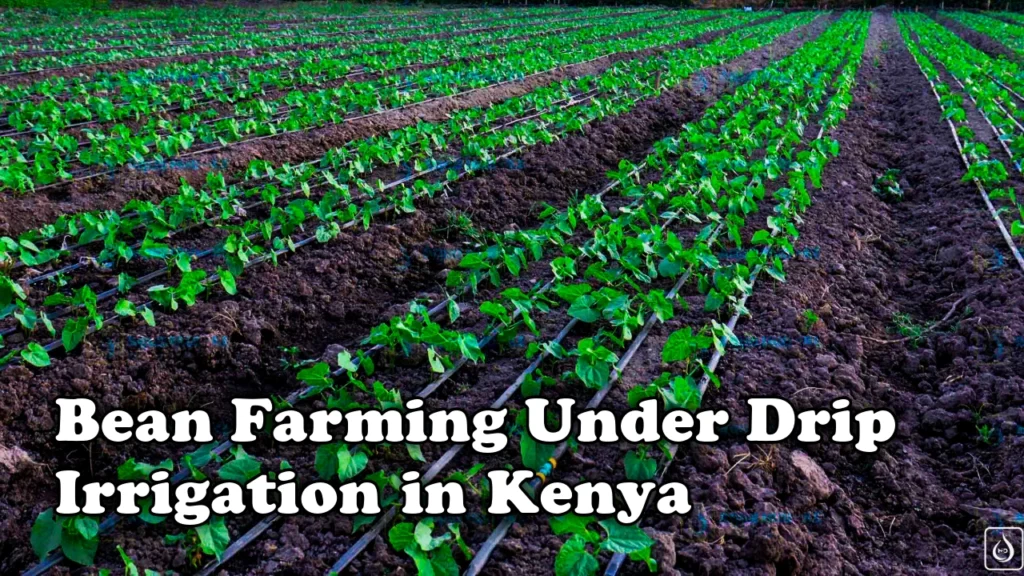
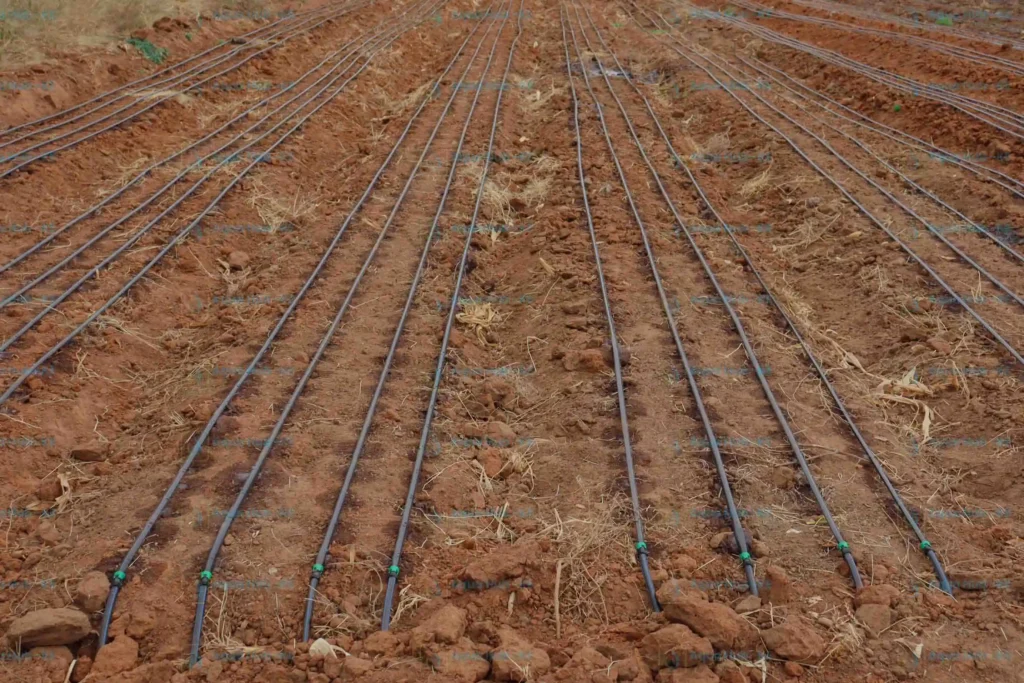
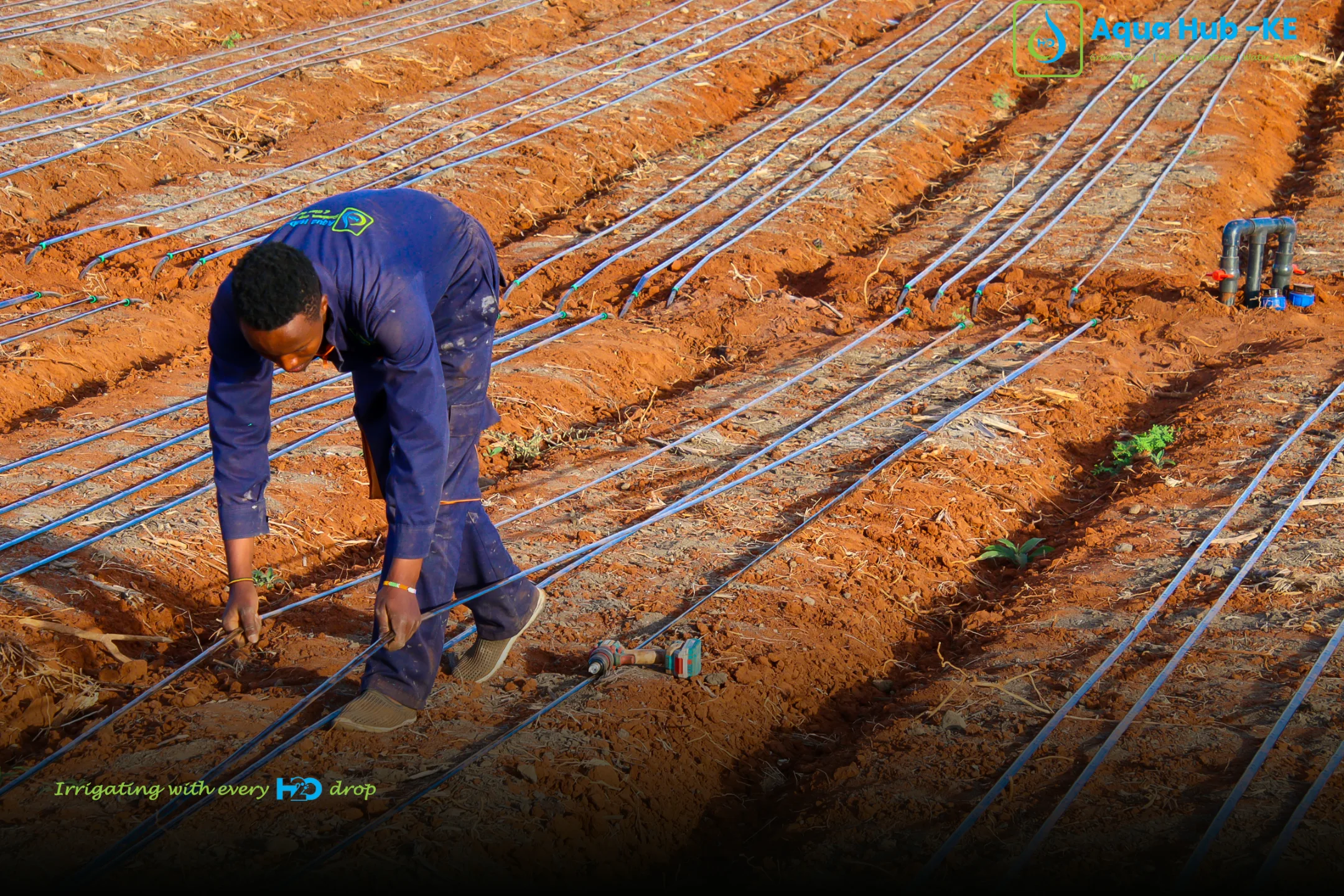
Plant rows matter as well. When a line runs close to a row, the water reaches the roots directly and little of it goes to waste on bare soil. In a bed about 1 m wide, farmers commonly run two lines, one on each side of the centre, so that every row sits near a line. A bed with a single row usually needs only one line beside it.
The shape of the bed also affects the layout. Raised beds drain faster than flat beds, which means the lines in a raised bed often sit a little closer together. Furthermore, a layer of mulch over the lines reduces the water that evaporates from the surface, and the soil stays evenly damp for longer.
Drip Line Spacing for Aqua Hub Kenya Kits in Different Soils
Soil type changes how far water spreads, so it changes the spacing that suits your beds. The figures below are general guidance for vegetable beds and give you a starting point for your own layout.
| Soil type | Water movement | Emitter gap | Line gap |
|---|---|---|---|
| Sandy | Mostly downward, with a narrow sideways spread | 15 to 20 cm | 30 to 40 cm |
| Loam | Even spread downward and sideways | 20 to 30 cm | 40 to 50 cm |
| Clay | Slow movement with a wide sideways spread | 30 to 40 cm | 50 to 60 cm |
Sandy soil drains quickly, and the wet strip beneath the line stays narrow. As a result, lines in sandy beds sit closer together, and the emitters sit closer on each line. Wide gaps in sandy soil leave dry patches between the plants.
Loam holds water well and spreads it evenly, so medium gaps suit most vegetable beds on loam. Clay spreads water sideways more than the other soils, which means you can place the lines further apart. However, closely spaced emitters keep clay wet for too long, so a wider emitter gap suits it better.
Drip Line Spacing for Common Vegetables
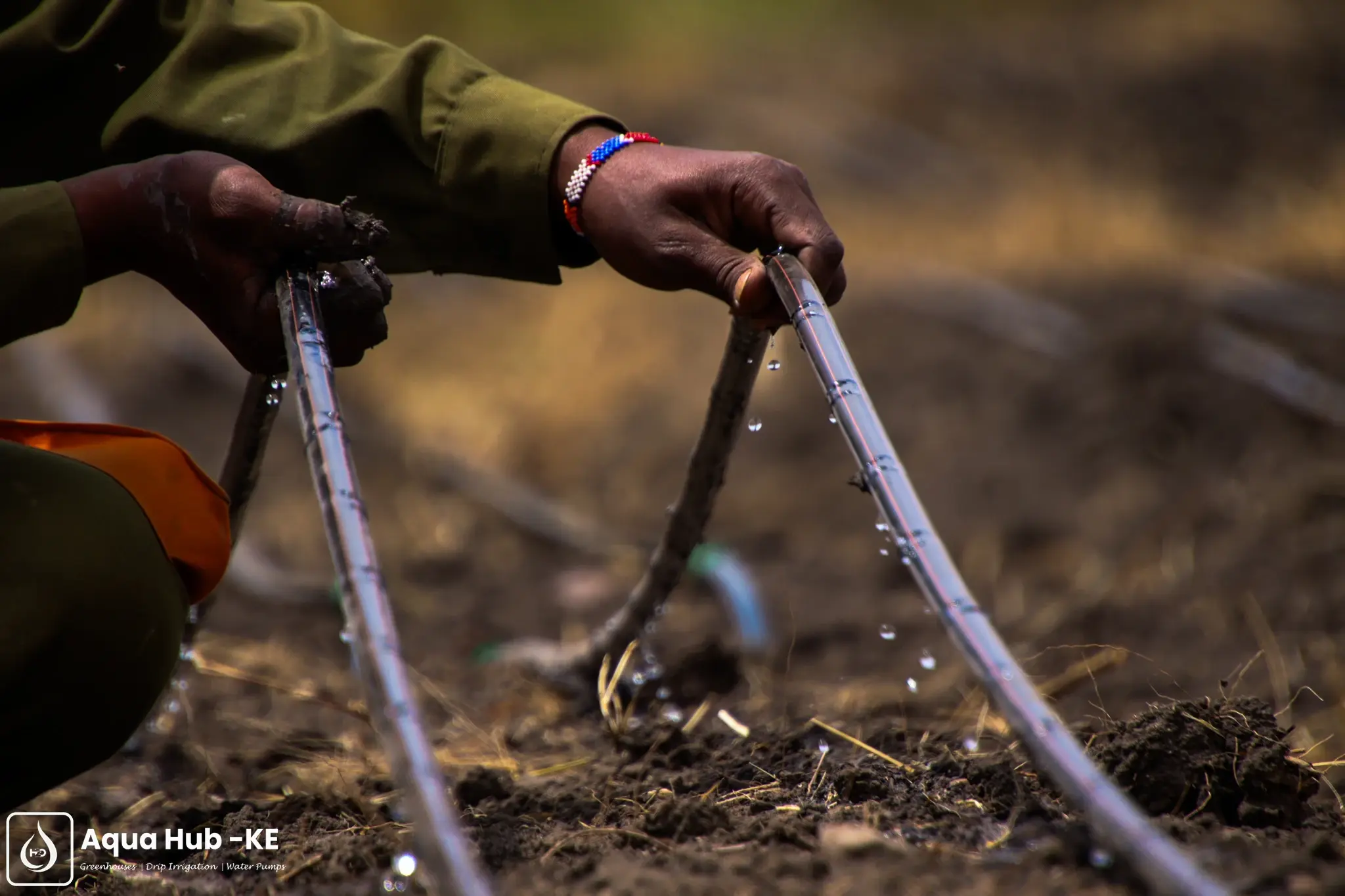
Different vegetables sit at different distances in the bed, so their layouts differ. Common choices for the beds include:
- Tomatoes: one line beside each row, because the rows stand far apart and the plants need steady water.
- Capsicum: one line per row, with the emitters close to the stems.
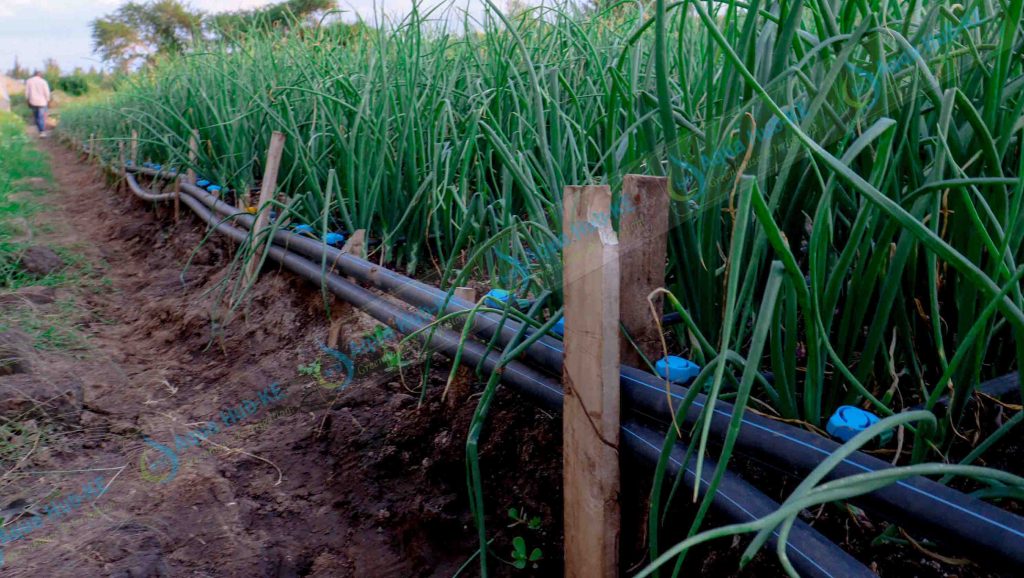
- Onions: a line between every pair of rows, since the plants grow close together and have shallow roots.
- Kale: one line for each pair of rows in a bed about 1 m wide.
- Spinach: closer lines than the other crops, because the roots stay near the surface.
Crops with shallow roots, such as onions and spinach, need closer lines and shorter gaps between emitters, since the water must reach the top layer of soil. Deep-rooted crops, such as tomatoes, take water from lower down and tolerate wider gaps. Therefore, the same drip line spacing rarely suits two different crops on the same bed.
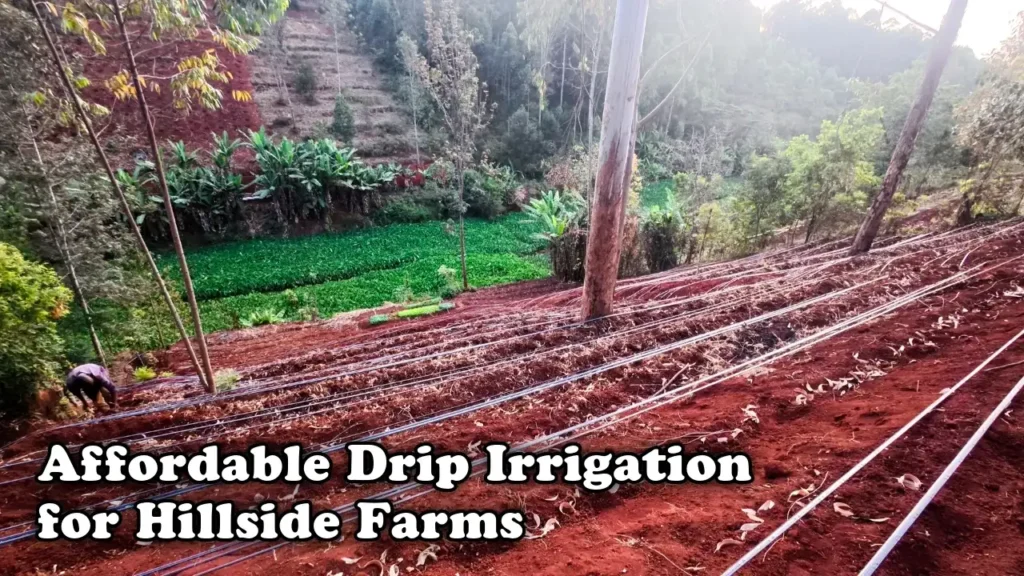
On sloping land, the lines should follow the contour so that water does not run to the lower end of the bed. Aqua Hub Kenya has a post on drip irrigation for hillside farms that covers slopes in more detail. In addition, farmers who grow vegetables under a ventilated greenhouse can read about insect net installation, because the same beds then need protection from pests.
How to Plan Drip Line Spacing for a Kit from Aqua Hub Kenya
A clear order of work saves time and avoids lines that you later have to move. Planning a layout works best in this order:
- To begin with, measure the bed width and length, and note how many rows the crop needs.
- Next, check the soil type, because the soil sets how far the water spreads.
- Then choose the number of lines, using one line for a single row and two lines for a bed about 1 m wide.
- Afterwards, pick the emitter gap that suits the soil and the plant spacing of your crop.
- Once the layout is ready, lay one test bed and run the system for about an hour.
- Finally, dig beside the lines to check that the wet strips meet before you lay the rest of the plot.
The test bed is the most useful step, because it shows how your own soil behaves instead of how soil behaves in general. If the strips do not meet, move the lines closer and test again. Farmers who want a second opinion can call +254790719020 to talk through the layout before buying a kit.
Drip Line Spacing Errors That Waste Water
Several choices lead to uneven watering in vegetable beds, including:
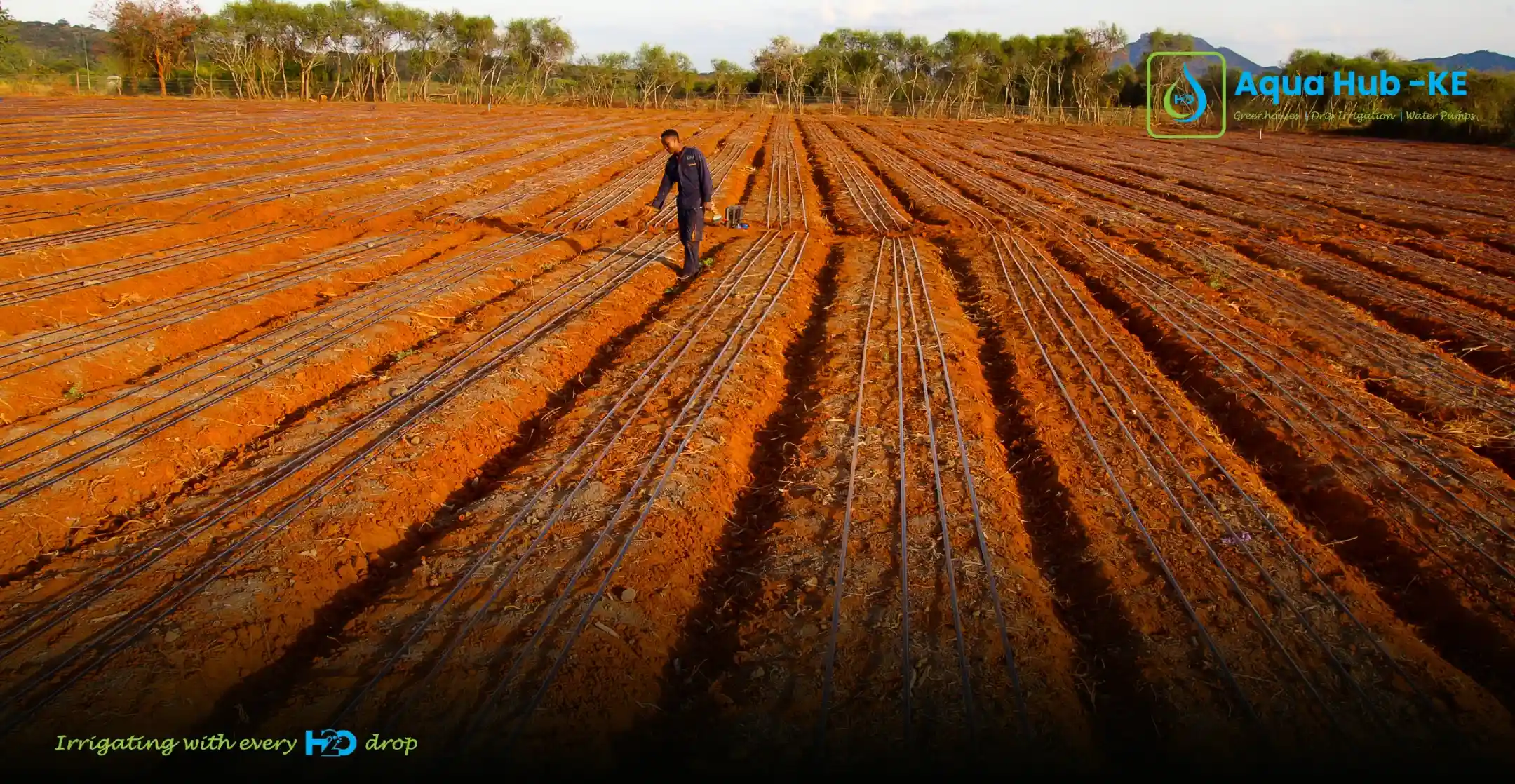
- Lines that sit too far apart, which leave dry strips between the wet ones.
- Emitters set too close on heavy soil, which keep the bed wet for too long.
- Very long lines that lose pressure towards the far end, so the last plants receive less water.
- Leaving lines in the same position after the crop changes, even though the new rows may not match the old ones.
Pressure matters most on long beds. If your water source sits low or far from the beds, petrol water pumps from Aqua Hub Kenya supply the pressure the lines need. Additionally, flush the ends of the lines regularly, because dirt collects there and blocks the emitters.
Review your drip line spacing whenever you plant a different crop, because row distances change from one vegetable to the next. Furthermore, walk along the beds a few days after planting and look for dry strips or puddles, since both show that a gap needs adjusting.
Kits Supplied by Aqua Hub Kenya for Vegetable Farmers
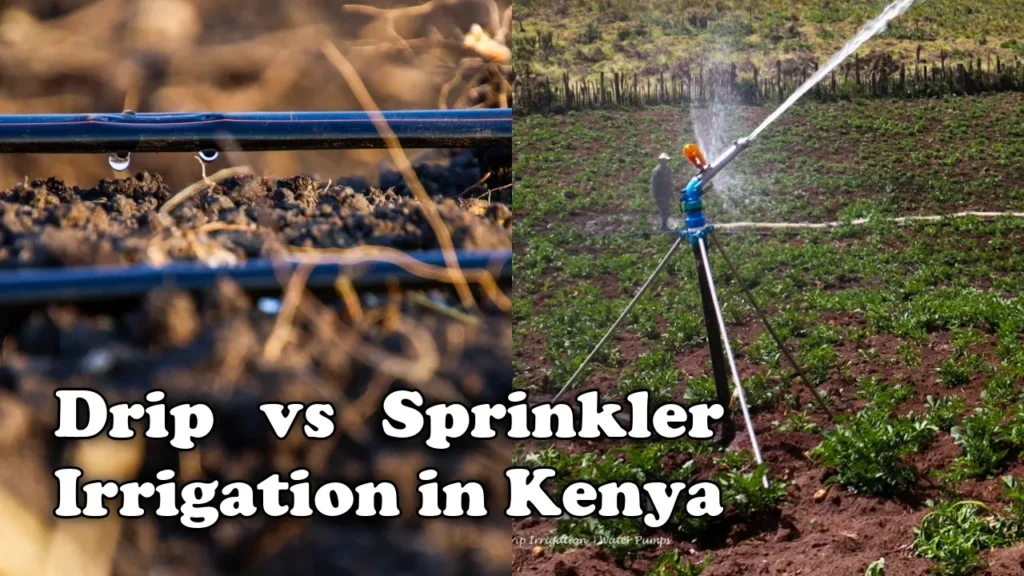
Aqua Hub Kenya sells drip kits by land size, so a farmer with a small kitchen garden and a farmer with a full acre can each find a kit that fits. The high quality drip lines we supply come in complete kits, and the kit price follows the size of the plot. Meanwhile, lawns and flower gardens beside your vegetable beds suit pop-up sprinklers, while the beds themselves work best with drip lines.
When you call +254790719020, have your bed measurements and your crop ready.
Why Choose Aqua Hub Kenya for Vegetable Bed Irrigation?
Aqua Hub Kenya sells drip kits in sizes from an eighth of an acre to a full acre. Hence, the kit matches the plot and the farmer buys only the length of line the beds need. Our team also talks through your soil and bed width before you buy, which gives you a layout that suits your own land.
Farmers also get clear size options, from a single small bed to a full field. Besides, the same supplier stocks petrol water pumps and pop-up sprinklers for other parts of the farm or home. Call +254790719020 if you want to compare layouts for your own beds.
Frequently Asked Questions
How far apart should drip lines sit in vegetable beds?
Drip lines in vegetable beds usually sit between 30 and 60 cm apart, with closer lines for sandy soil and wider lines for clay.
How far apart should emitters be on a drip line?
Emitters on a drip line should sit about 15 to 40 cm apart, with the smaller gap for sandy soil and the larger gap for clay. Plants that grow close together, such as onions, also do better with the smaller gap.
How many drip lines does one vegetable bed need?
A vegetable bed about 1 m wide usually needs two drip lines, while a narrow bed with a single row needs one. Wider beds with several rows need more lines. The best number depends on how close the rows sit to each other.
Can drip lines be too close together?
Drip lines can be too close together, and this wastes pipe. Additionally, the soil stays wet for too long, which can harm the roots.
Does slope change drip line spacing?
Slope changes how you lay drip lines because water moves downhill, so the lines should follow the contour of the land.
How long can one drip line run in a vegetable bed?
The length one drip line can run in a vegetable bed depends on the water pressure and the size of the line. Call +254790719020 to ask about the right layout for long beds.
How much does a drip kit for vegetable beds cost?
A drip kit for vegetable beds starts at KES 10,000 for an eighth of an acre and costs KES 130,000 for a full acre with three lines per bed. Call +254790719020 or email info@aquahubkenya.co.ke to get the exact price for your plot.
Should I change drip line spacing when I change crops?
You should check the spacing whenever you change crops, because each crop has its own row distance. Tomatoes and onions, for example, need very different layouts. Also, a bed that suits one crop may leave dry strips for the next.
Can I use one layout for every vegetable?
One layout rarely suits every vegetable, because the crops differ in root depth and row distance.
Final Thoughts from Aqua Hub Kenya
Drip line spacing decides how evenly water reaches the plants in a vegetable bed. The right gap depends on the soil and the crop, and a short test on one bed shows whether the wet strips meet. As a result, a layout that suits the soil saves water and gives plants steady moisture.
Drip kits from Aqua Hub Kenya start at KES 10,000 for an eighth of an acre, and a full acre kit with three lines per bed costs KES 130,000. Call +254790719020 or email info@aquahubkenya.co.ke to get the exact price for your vegetable beds.