
Blog
Rain Hose Irrigation for Small Plots
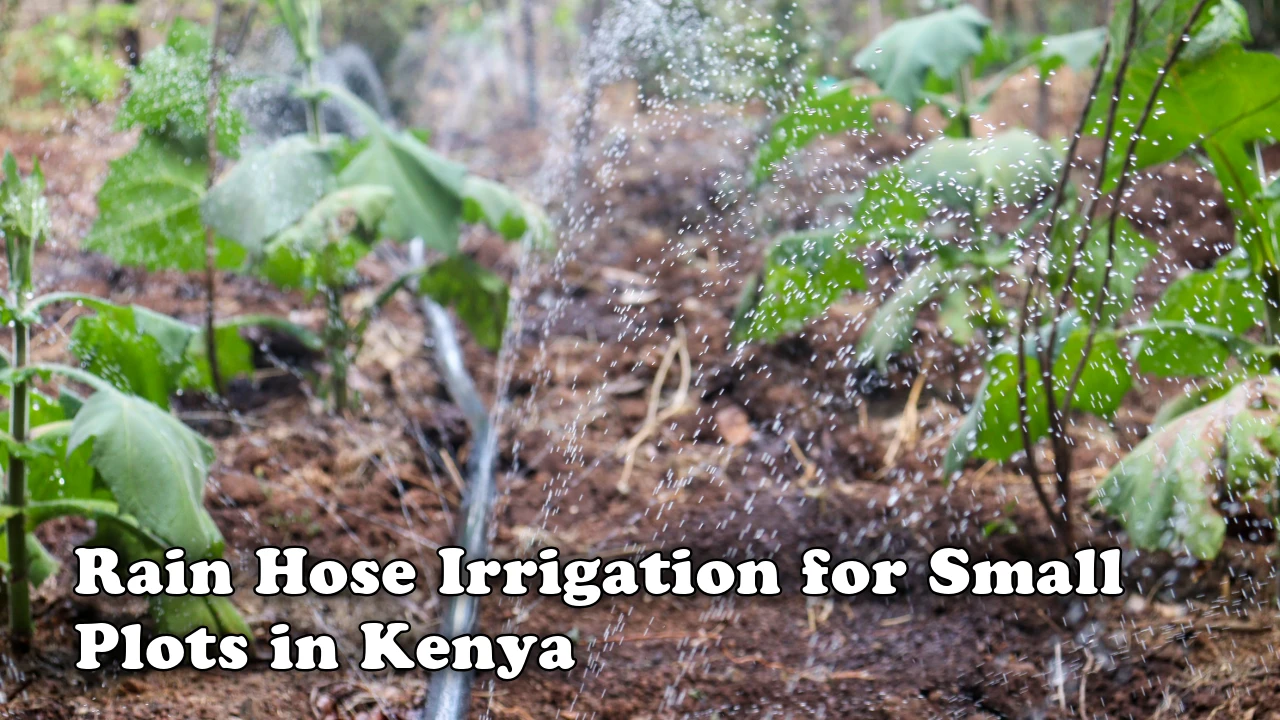
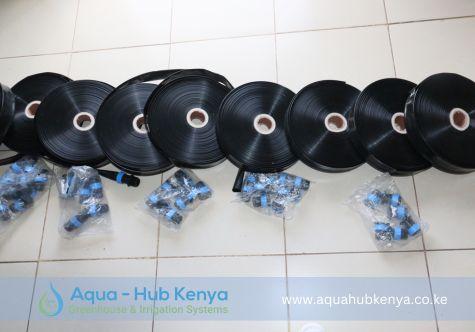
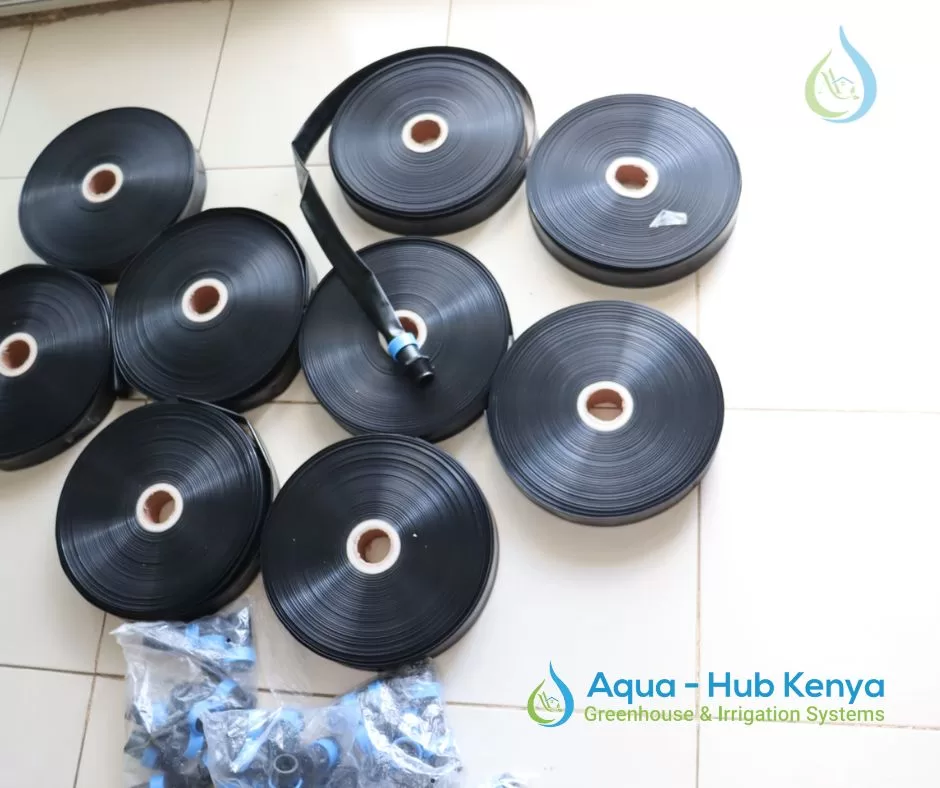
Rain hose irrigation for small plots costs between KES 3,400 and KES 5,500 for a hose at Aqua Hub Kenya, depending on the size.
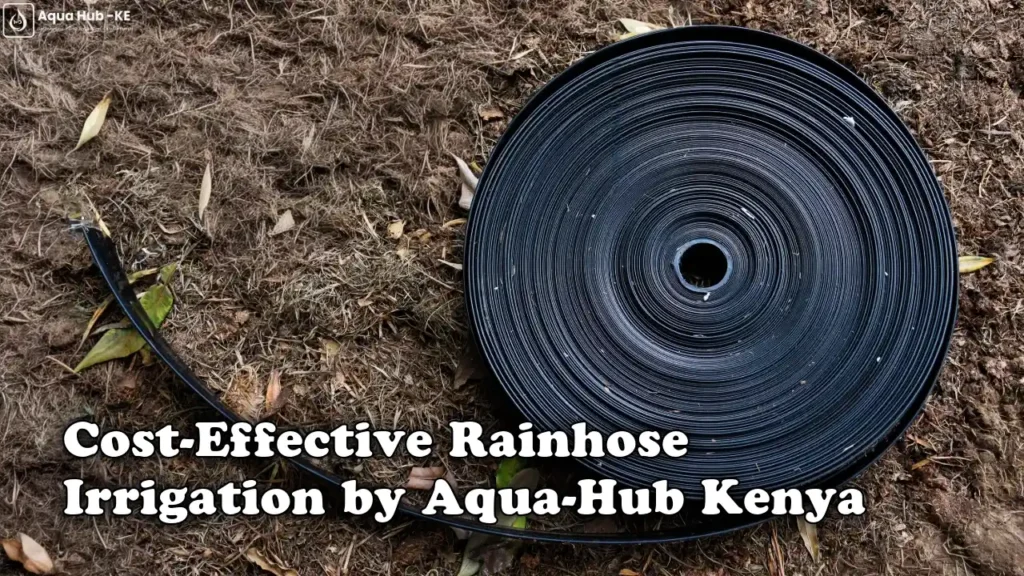
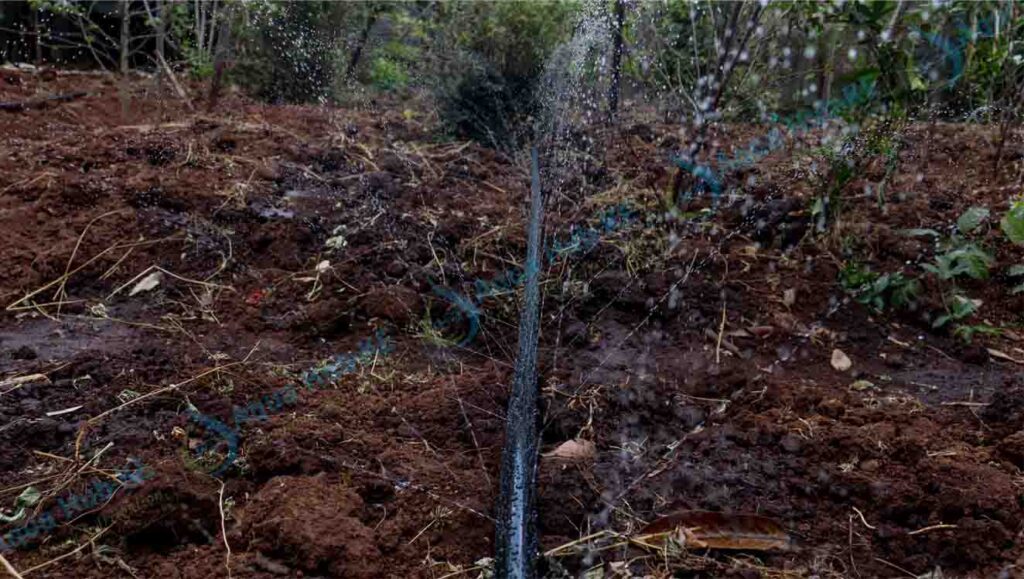
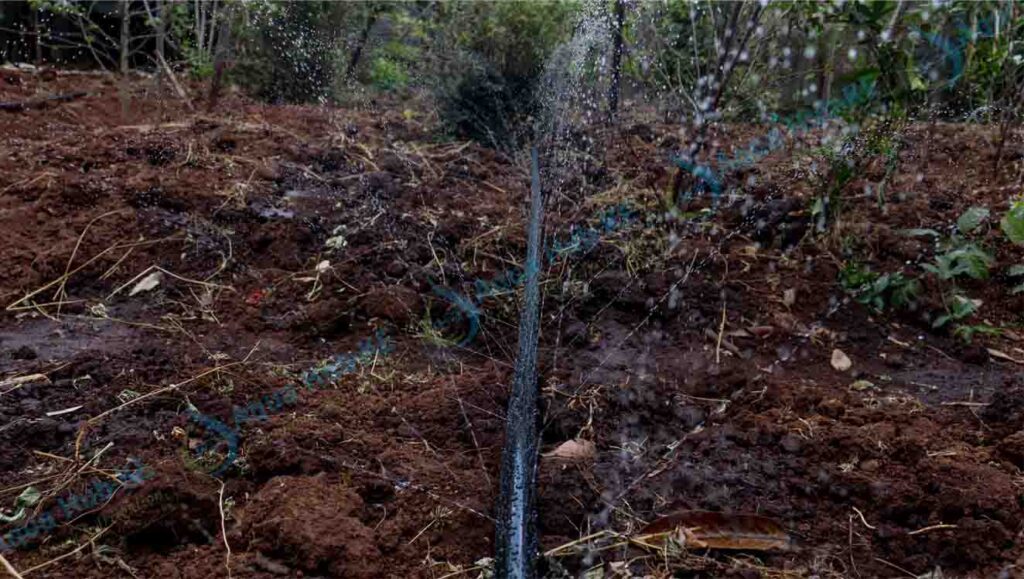
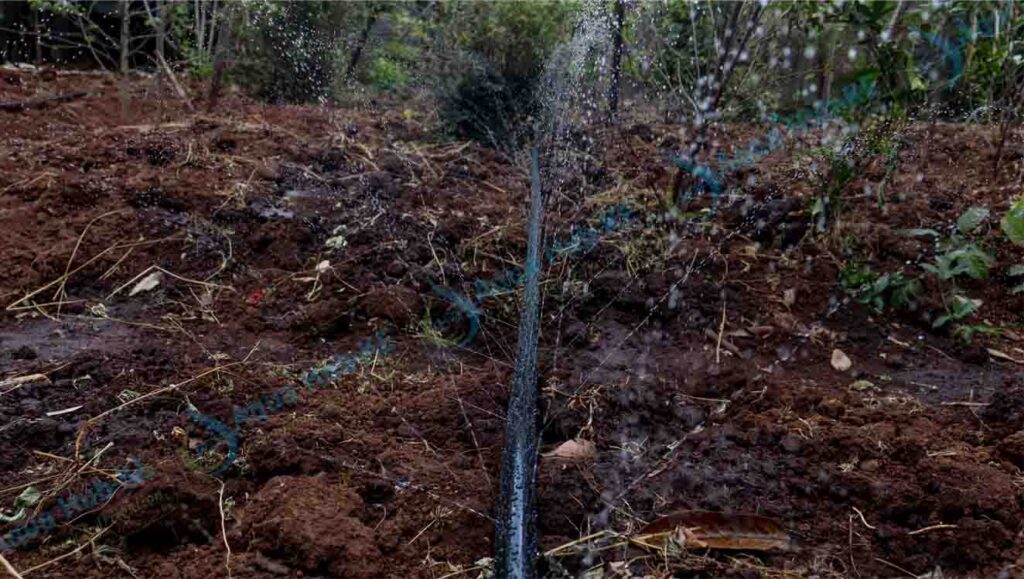
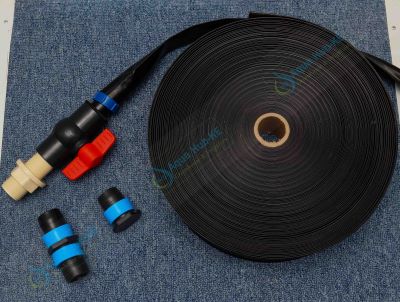
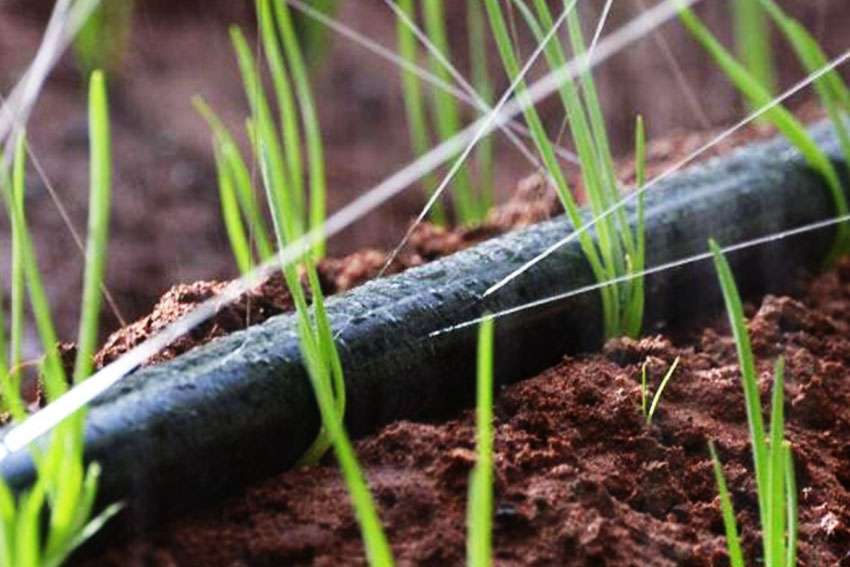
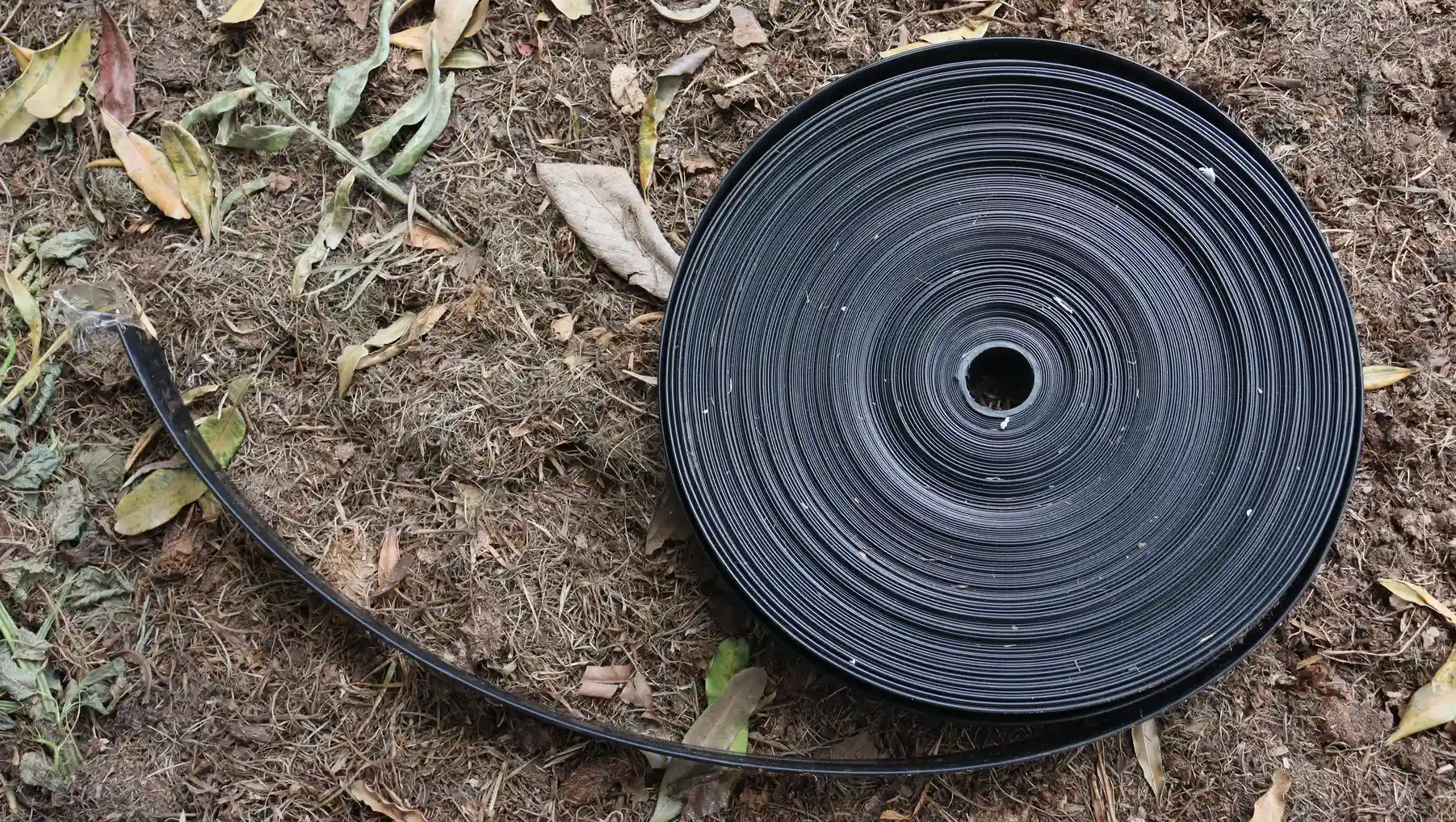
Rain hose is a flexible hose with small holes along its length, and it waters the strip of soil beside it once water flows through. Because the hose lies on top of the soil, a farmer with a vegetable plot or a kitchen garden can irrigate without digging trenches. Rain hose irrigation for small plots also works with a pump that supplies moderate pressure.
Aqua Hub Kenya supplies rain hose from 32 mm to 50 mm in diameter. If you already know your bed lengths, call +254790719020 and ask which size fits.
Rain Hose Irrigation for Small Plots Cost from Aqua Hub Kenya
The price of a rain hose depends on its diameter.
| Rain hose size | Typical use | Price (KES) |
|---|---|---|
| 32 mm | Narrow beds and short runs | 3,400 |
| 40 mm | Medium-length runs | 4,700 |
| 50 mm | Longer runs or a larger plot | 5,500 |
These prices cover the hose. A pump and installation are quoted separately, since both depend on your water source and the layout of the plot. A plot beside a borehole or a river needs a different pump from a plot on a piped supply. Additionally, exact prices change with the order, so call +254790719020 to confirm the price and the hose length supplied with each size.
How Rain Hose Irrigation for Small Plots Works
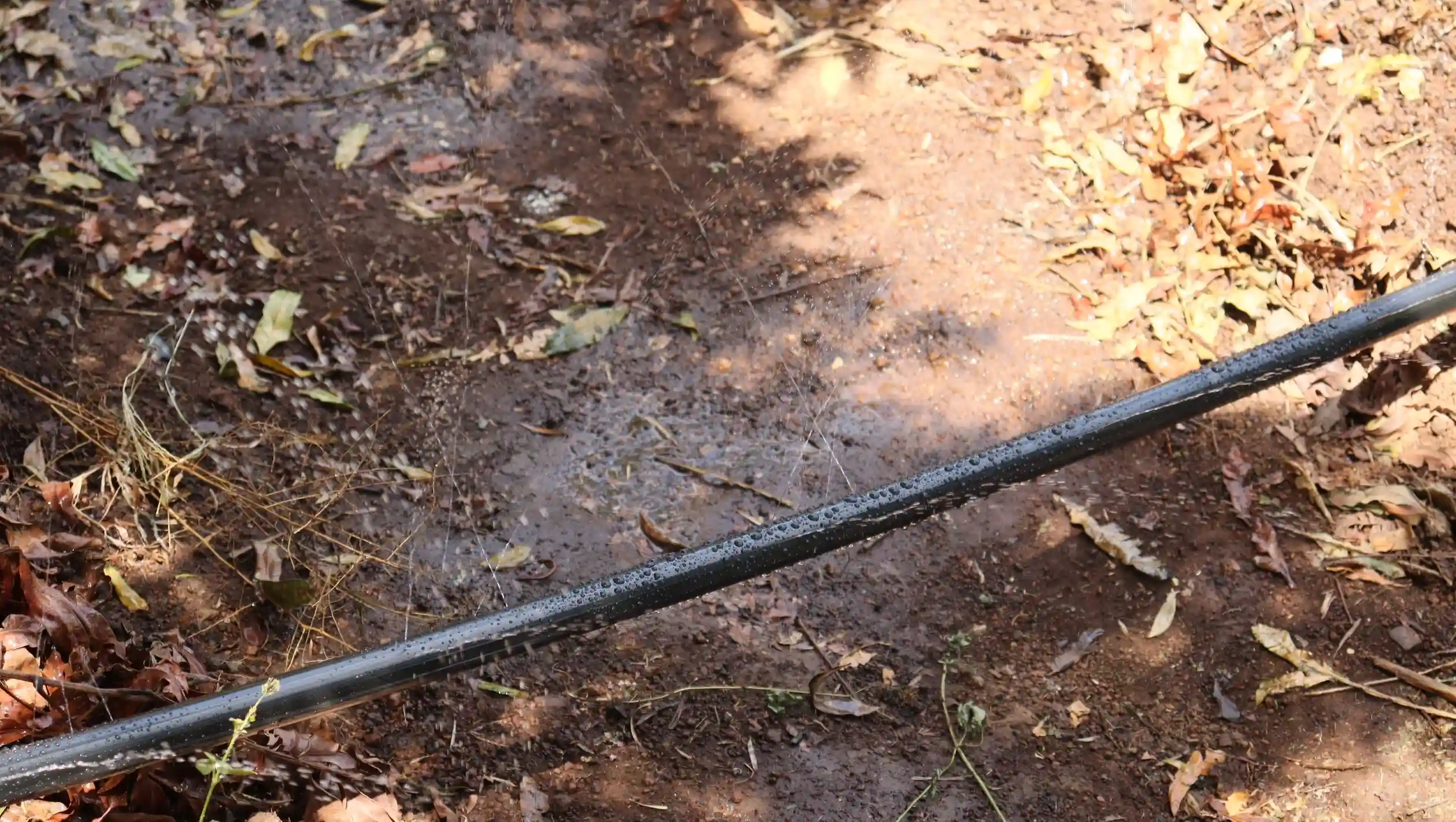
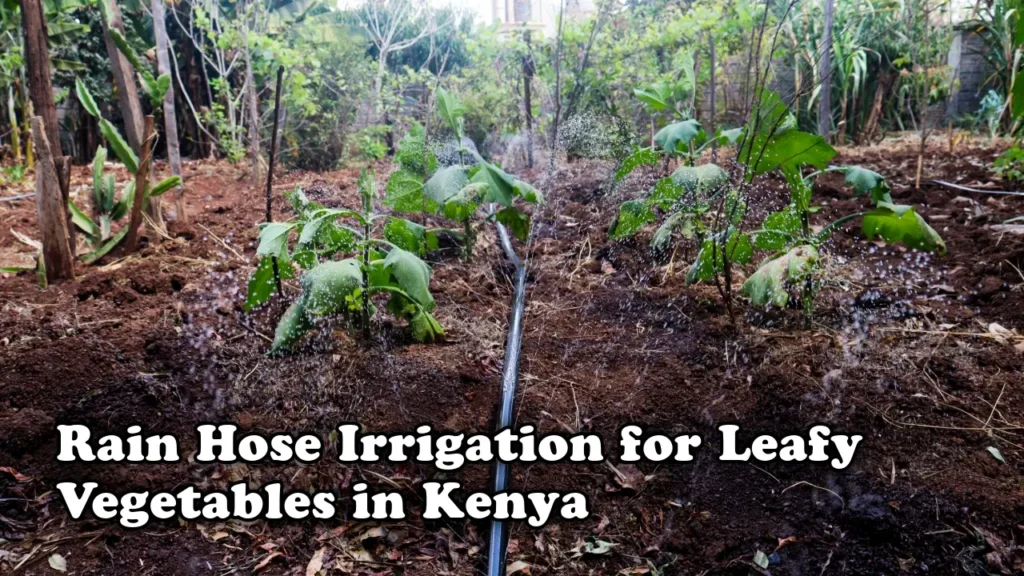
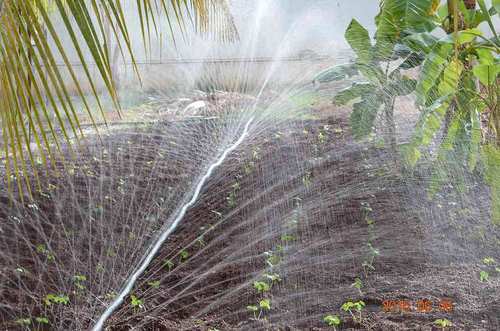
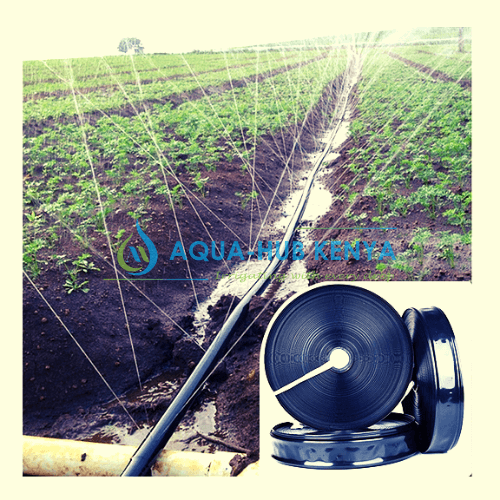
A pump supplies water to the hose at moderate pressure. Once the hose fills, water leaves through the holes as a fine spray that falls on the soil beside it. As a result, the soil on both sides of the hose receives water at the same time, which suits narrow beds. Lay the hose along the middle of the bed so that the water falls evenly on both sides.
Pressure also affects how far the water travels. Higher pressure widens the wet strip, whereas lower pressure narrows it. Hence, the pump and the hose size need to match, or some parts of the bed will stay dry.
Sprinkler irrigation systems spread water over a wide area, while a rain hose waters only the bed it lies along. This makes rain hose irrigation for small plots simple to lay out, because each hose covers one bed and needs no spacing calculations between sprinkler heads. A rain hose also lies on the ground, so you can move it from one bed to another when you rotate crops.
Choosing a Rain Hose Size at Aqua Hub Kenya
A larger hose carries water along a longer run. Accordingly, the size you choose depends on how long your beds are and how many hoses you plan to run together. Larger vegetable plots may suit impact sprinklers better than a hose. Measure your longest bed before you choose, because that length usually sets the size.
Weigh these points when you choose a size:
- Bed length, since a longer run requires a larger hose.
- Pump output, because a small pump suits a smaller hose.
- Number of hoses running together, which changes how much water the pump must supply.
- Slope of the plot, as water pressure changes along the hose on uneven ground.
For a plot with narrow beds, the 32 mm hose is the usual starting point. Meanwhile, the 40 mm and 50 mm hoses suit longer beds and plots where several hoses run at once. A larger plot may need two or more hoses fed from one main line. Write down the length of each bed and the distance from your water source to the plot before you call, so that the size and the pump can be matched in one conversation. If you are unsure, call +254790719020 and describe your plot, and the team will suggest a size.
Crops to Grow Using Rain Hose Irrigation for Small Plots
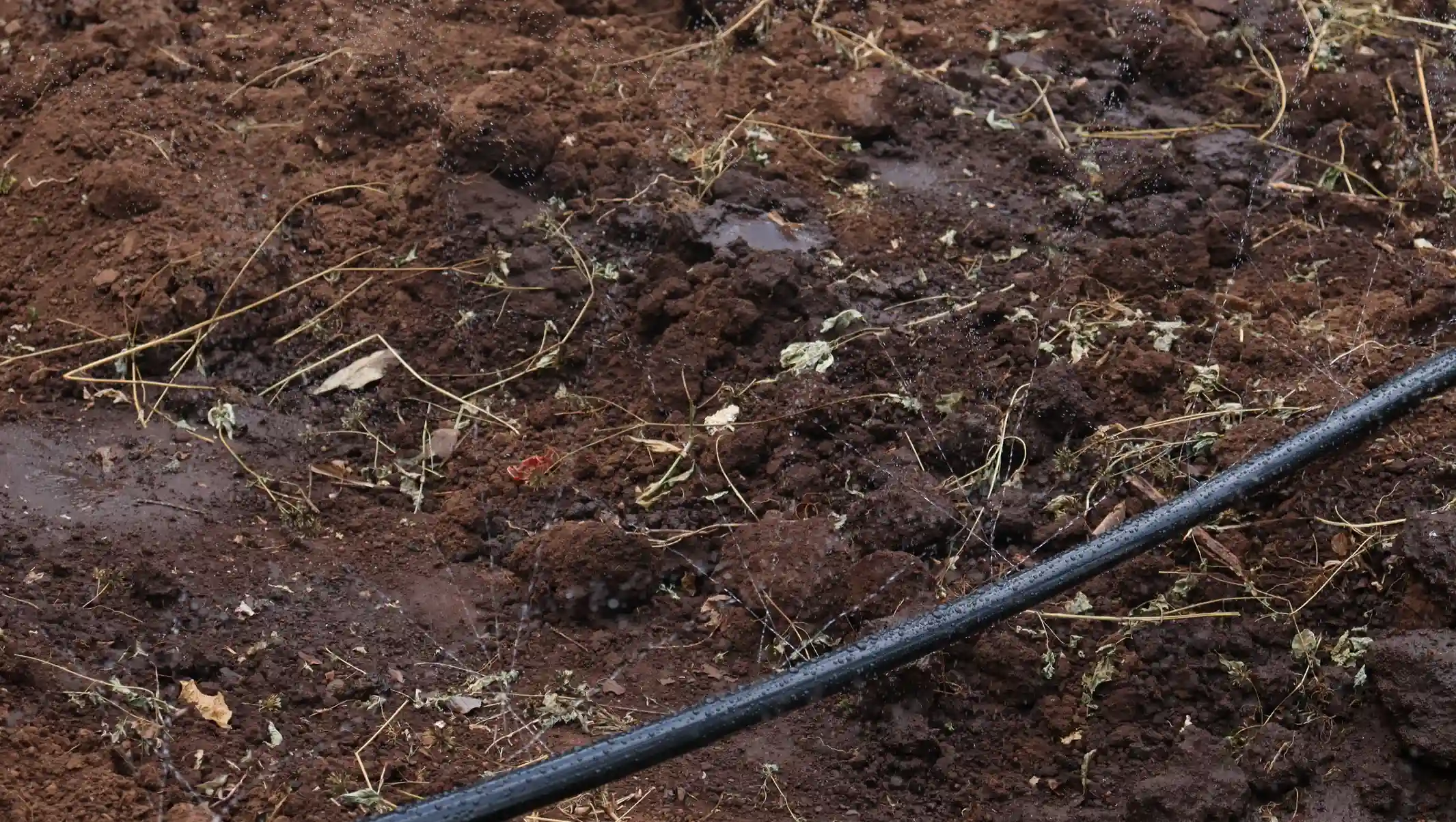
Rain hose irrigation for small plots suits crops that grow close together and need even watering across the bed. Common choices include:
- Spinach
- Kale
- Onions
- Carrots
- Cabbages
- Coriander
These crops grow in narrow beds and need steady moisture near the surface, which a rain hose supplies along the whole bed. Plant them in rows that run along the hose, so that each row sits inside the wet strip and none stays dry.
Crops planted far apart, such as fruit trees, may do better with button dripper kits, since each plant receives water through its own dripper. Farmers who plant vegetables in wide rows can also read about drip line spacing before they choose between a rain hose and a drip kit.
How Aqua Hub Kenya Installs The System on Your Plot
Aqua Hub Kenya installs rain hose systems on small plots and fits the pump that supplies them. Farms that draw water from a dam or a river may need heavy-duty water pumps, whereas a small plot usually requires a smaller pump.
Hose spacing on a bed follows the width of the wet strip. Hoses laid too far apart leave dry soil between them, while hoses laid too close together use more water than the crop needs. For this reason, our technicians check the spacing before they connect anything. Good spacing is what lets rain hose irrigation for small plots water a bed evenly from edge to edge.
On your plot, the work includes these steps:
- Our technicians measure the beds and mark where each hose will run.
- Stones and crop residue come off the beds so the hose lies flat on the soil.
- A supply pipe from the pump joins the main line through fittings.
- Each hose goes along its bed, and an end cap closes the far end.
- A test run of the pump shows whether water leaves every hole evenly.
- Before leaving, the technicians show you how to switch on the pump and set the watering time.
Rain hose irrigation for small plots works best in the early morning or late afternoon, because less water evaporates at those times. Also, sandy soil needs shorter and more frequent watering than clay soil, which holds water for longer. After watering, check the soil a few centimetres down to see whether the water has reached the roots.
To arrange installation on your plot, call +254790719020, or send your plot size and location to info@aquahubkenya.co.ke.
Maintenance of Watering Lines Installed by Aqua Hub Kenya
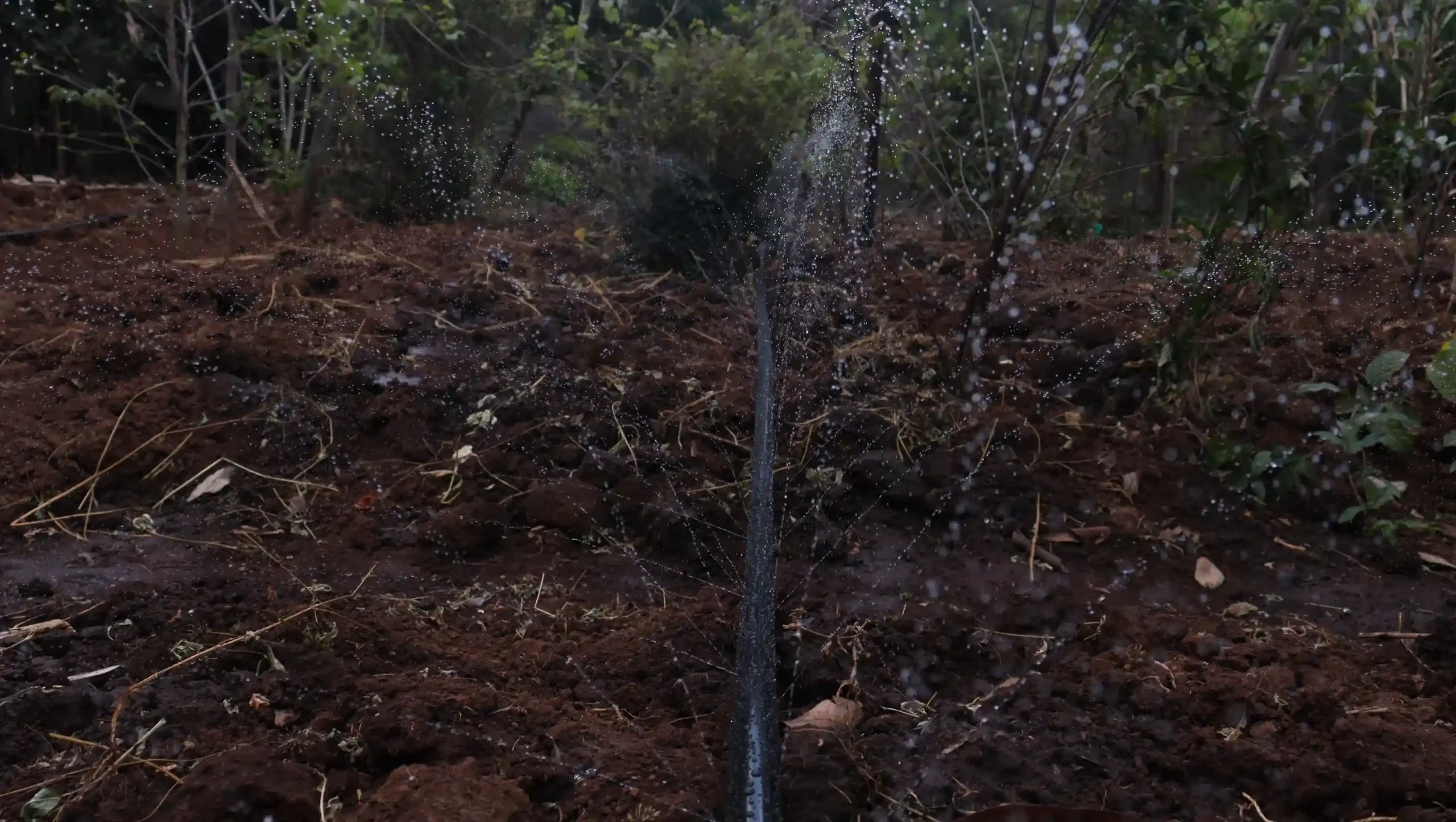
Dirt in the water is the main cause of blocked holes. Therefore, clean water from the pump keeps the hose working for longer, and a regular flush clears most of the dirt before it settles.
Maintenance steps that matter most are:
- Flushing each hose at the open end before every season so that dirt leaves the line.
- Checking the holes along the hose for blockages and clearing any that you find.
- Rolling the hose up after harvest and keeping it out of direct sun.
- Watching the pump pressure, since a sudden drop may point to a leak in the hose.
Walk the line after each planting season to look for cuts, since a cut leaks water and lowers the pressure further along the hose. Besides, a quick walk along each bed while the pump runs shows wet and dry patches early. A dry strip usually points to a blocked hole or a bend in the hose, and rain hose irrigation for small plots waters evenly again once you fix it.
Why Choose Aqua Hub Kenya for Rain Hose Irrigation for Small Plots?
Rain hose from Aqua Hub Kenya is UV treated, so it keeps working while it lies on the soil in strong sun. The hose comes in a range of diameters, which lets you match it to the length of your beds.
One supplier can also provide the pump for the hose, since both are chosen against the same bed lengths. The range also covers flood irrigation with HDPE pipes, so a farmer whose plot grows over time can move to a larger system from the same supplier. For advice on your plot, call +254790719020.
Frequently Asked Questions
How does a rain hose water a small plot?
A rain hose waters a small plot by letting water leave through small holes along its length. The pump supplies the water at moderate pressure, and the water falls on the soil on both sides of the hose. Consequently, the whole bed receives water at the same time.
How much does a rain hose cost at Aqua Hub Kenya?
A rain hose costs from KES 3,400 for a 32 mm hose, and the price rises with the size. Call +254790719020 to confirm the exact price and the hose length for your order.
Which pump does an irrigation system need?
An irrigation system needs a pump that supplies moderate pressure, and the right size depends on the length of hose you run.
Can a rain hose work without electricity?
A rain hose can work without electricity. A solar or diesel pump can supply the water at the pressure the hose needs.
Which crops suit a rain hose?
Crops that suit a rain hose include close-planted vegetables such as spinach and kale.
Why do irrigation pipe holes block?
Irrigation pipe holes block when dirt or sediment in the water collects inside the hose. Clean water from the source reduces the problem. Also, flushing the hose at the open end clears dirt before it settles in the holes.
Does Aqua Hub Kenya install rain hose systems?
Yes, Aqua Hub Kenya installs rain hose systems on small plots. To book, call +254790719020 with your plot size and location.
How should I lay a rain hose on a sloping plot?
On a sloping plot, lay the rain hose along the contour so the water pressure stays even along the hose.
Final Thoughts on Rain Hose Irrigation for Small Plots from Aqua Hub Kenya
Rain hose irrigation for small plots waters narrow beds evenly using a pump that supplies moderate pressure, and it needs no trenches or complex layout. The hose size depends on the bed length and the pump output, while regular flushing keeps the holes clear. With the right size and a matching pump, a small plot needs little effort to irrigate.
Rain hose costs from KES 3,400 for the 32 mm size, and larger sizes cost more. A pump and installation are quoted separately, so call +254790719020 or email info@aquahubkenya.co.ke to confirm the price for your plot and to book installation.