
Blog
Best Irrigation Pipes in Kenya: Types and Prices
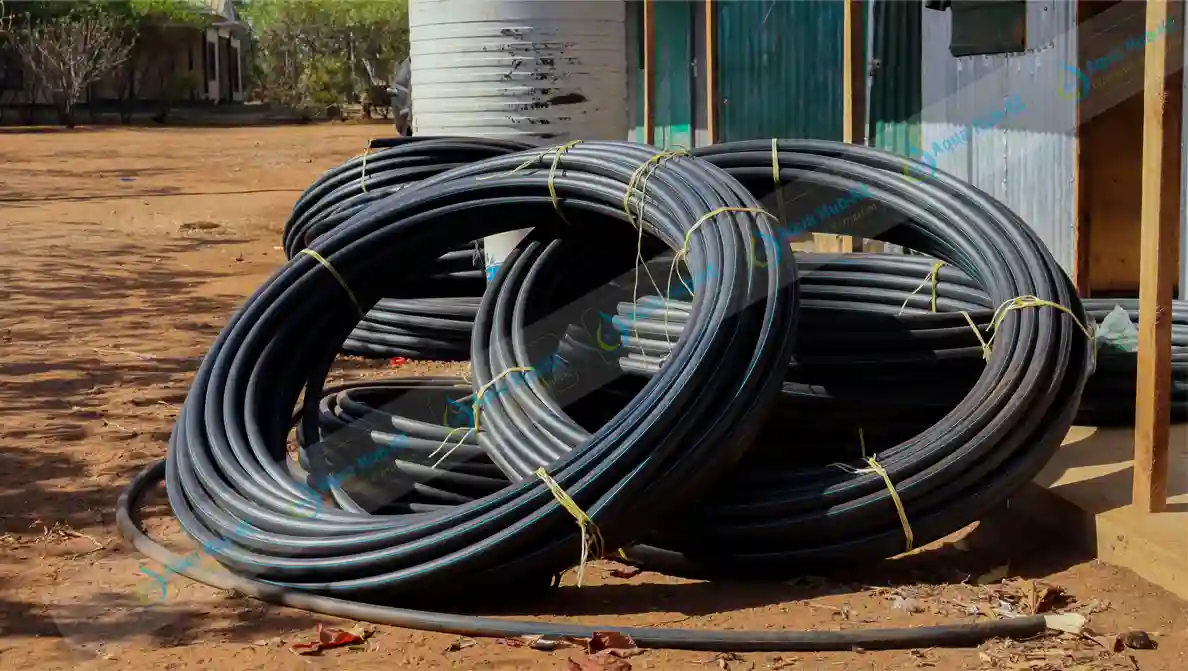
Buy quality irrigation pipes in Kenya from Aqua Hub LTD. We have HDPE pipes, driplines, rain hose pipes, and connectors. Our HDPE pipes come in diameter sizes of 20 mm to 110 mm and pressure ratings of PN8 to PN16. HDPE pipes cost between KES 1500 and KES 40,000 per roll. For driplines we have 0.3 mm gauge at KES 7,500 and 0.4 mm thickness at KES 8,500 per 1,000 m roll.
Call 0790719020
Quick Takeaways
- The cost of irrigation pipes in Kenya depends mainly on diameter and material.
- HDPE is best for durability and pressure systems.
- Correct pipe sizing prevents pressure loss.
- Quality connectors reduce leaks.
- Proper irrigation pipe laying increases lifespan.
- Quality irrigation pipes are available at Aqua Hub
Cost of Irrigation Pipes in Kenya
Irrigation pipe prices vary depending on the type, size and pressure rating.
HDPE Irrigation Pipe Prices in Kenya
A PN6 HDPE pipe roll of 100 m ranges from KES 1,500 to KES 40,000 for diameter sizes of 20 mm – 110 mm.
Drip irrigation pipe prices in Kenya
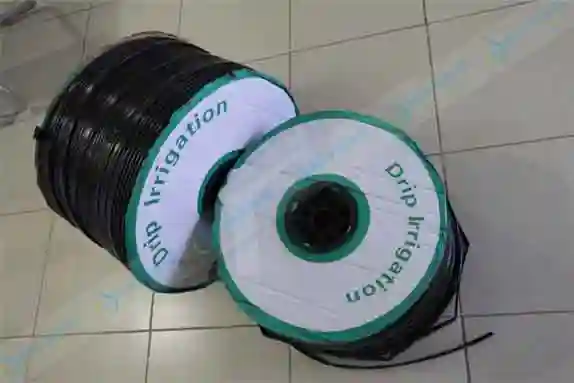
The cost of driplines is according to the thickness of the pipe rolls. For 0.3 mm, the roll is KES 7,500, while for 0.4 mm, the standard roll is KES 8,500.
Different Types of Irrigation Pipe
HDPE Irrigation Pipes
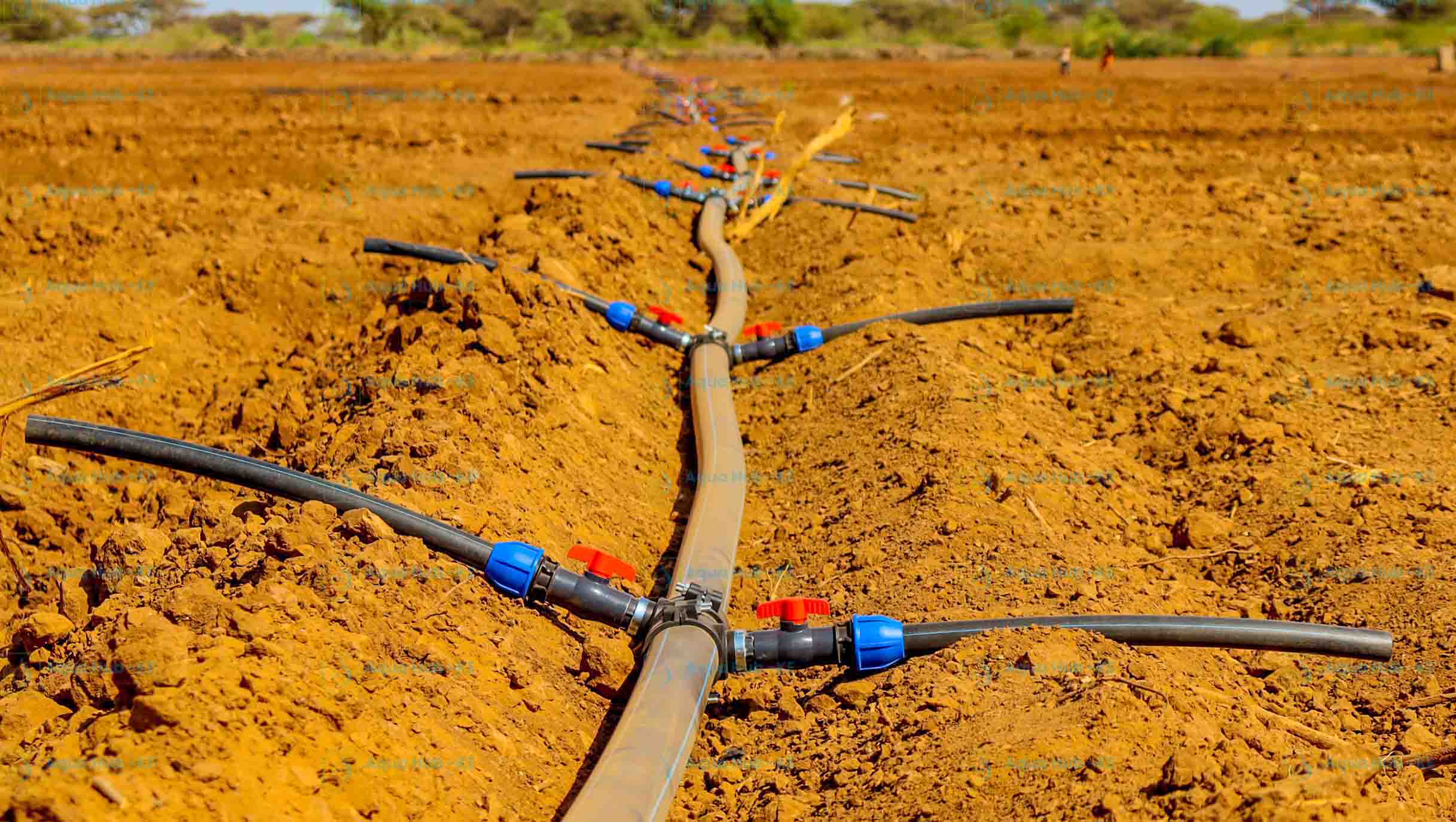
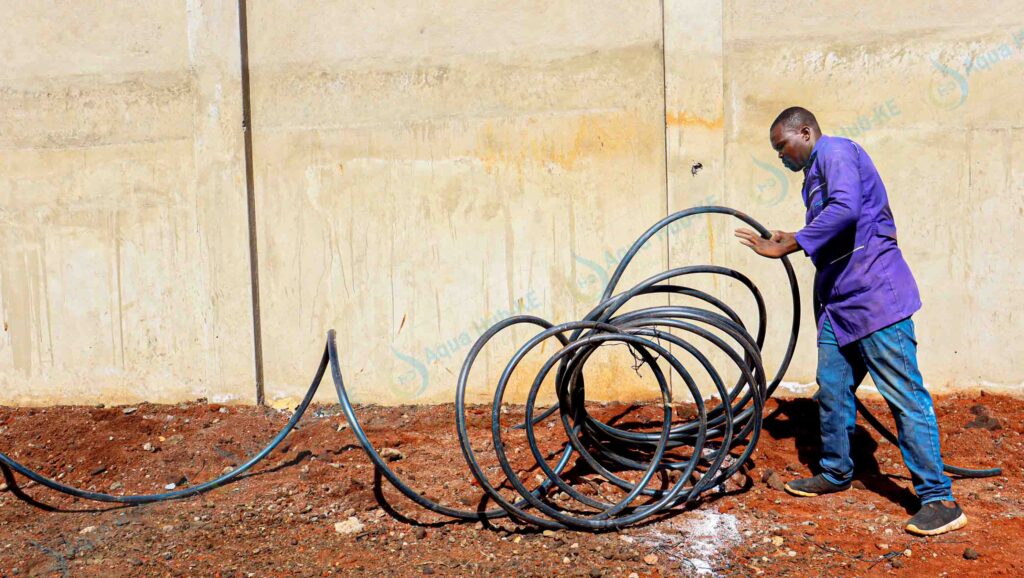
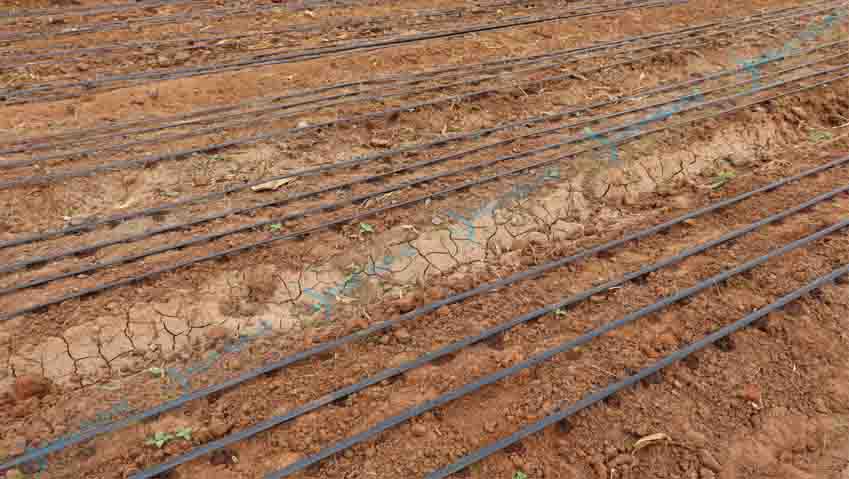
HDPE Pipe used as mainline for furrow Irrigation
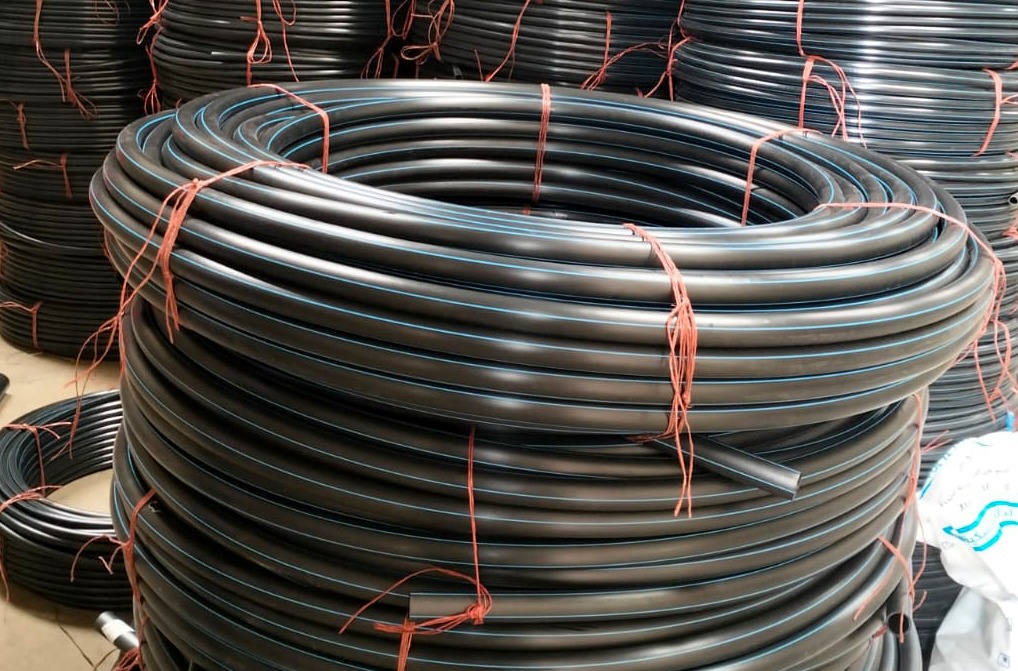
High-density polyethylene (HDPE) pipes are the most common pipes used for irrigation. It comes in a wide range of classes or pressure ratings and thus can handle different irrigation needs. HDPE pipes are highly durable (UV treated), making them preferable.
Specific Uses
- Mainline connection in drip irrigation, sprinklers, or rain hose systems.
- Water supply connections.
- Borehole water delivery
- Pumping water to tanks
Advantages:
- Long lifespan (10–20 years)
- Flexible and easy to install
- Can handle high pressure
- Wide range of applications in water systems.
PVC Irrigation Pipes
PVC pipes are alternatives for HDPE pipes.
Application of PVC Pipes
- Used for drip irrigation or rain hose mainline connection.
- Temporary water supply systems.
- Handling sewage waste transfer.
Since they don’t last long under UV radiation, they are installed underground.
Advantages of PVC Pipes
- Affordable
- Strong and durable
- Smooth interior for good water flow
Rain Hose Pipes
Flexible pipe with laser-punched holes across the entire pipe length to deliver smooth rain-like overhead irrigation. These pipes are used to water row-planted crops that require high water volumes
Crops Applicable
- Vegetables including kale, spinach, and brassicas.
- Animal feeds: Napier grass, lucerne grass, and cowpeas.
- Fruits: avocados, pixie oranges.
- Coriander, onions, and garlic.
Drip Lines / Drip Tape
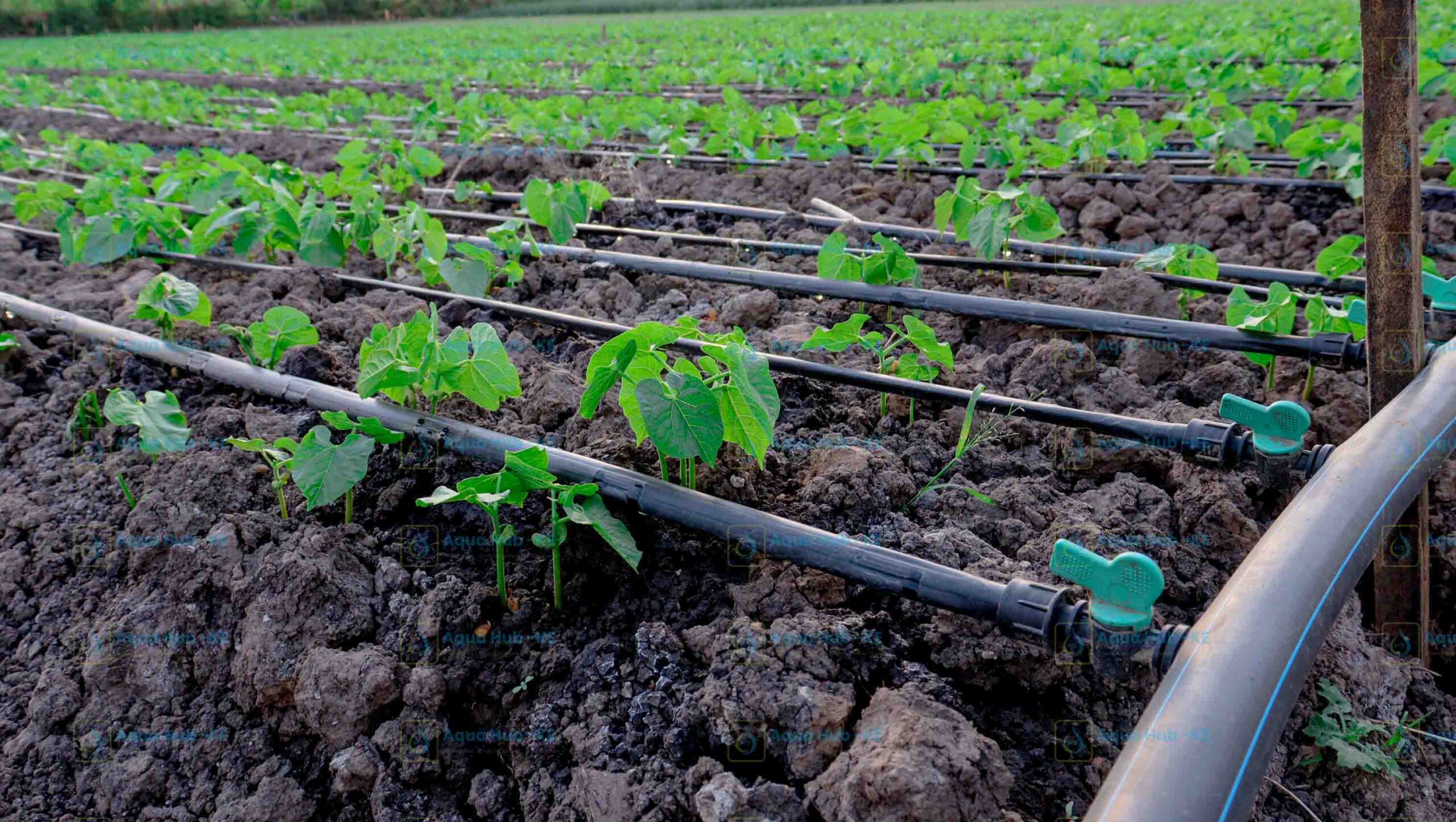
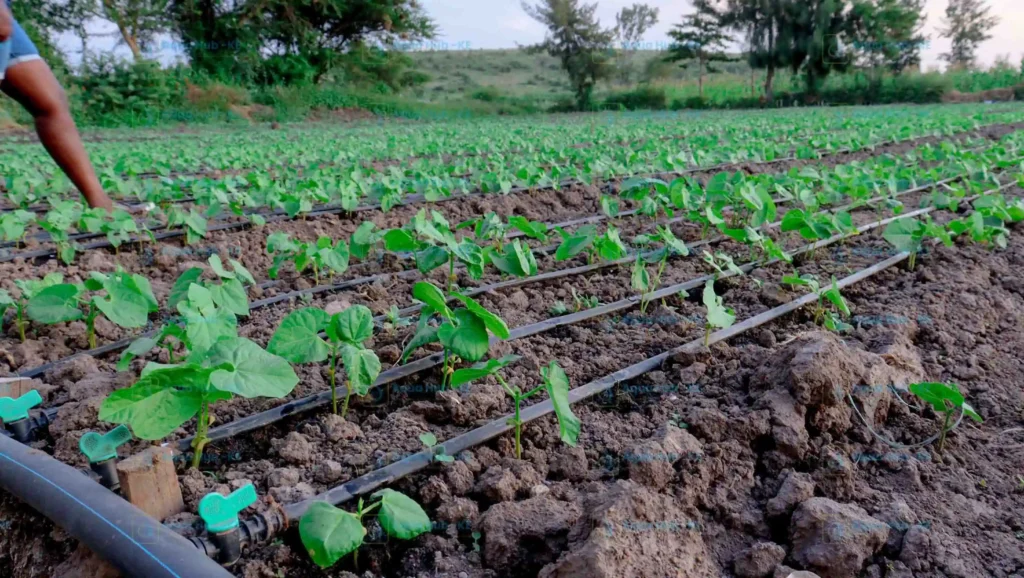
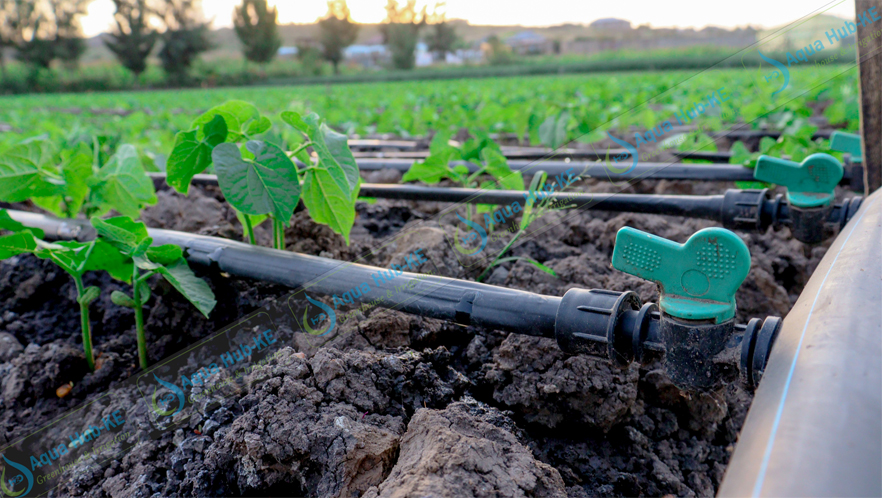
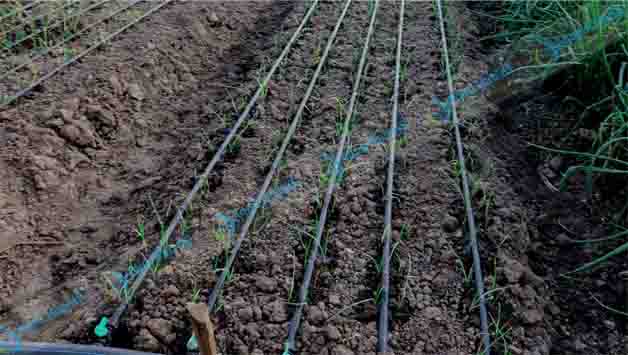
driplines irrigating beans
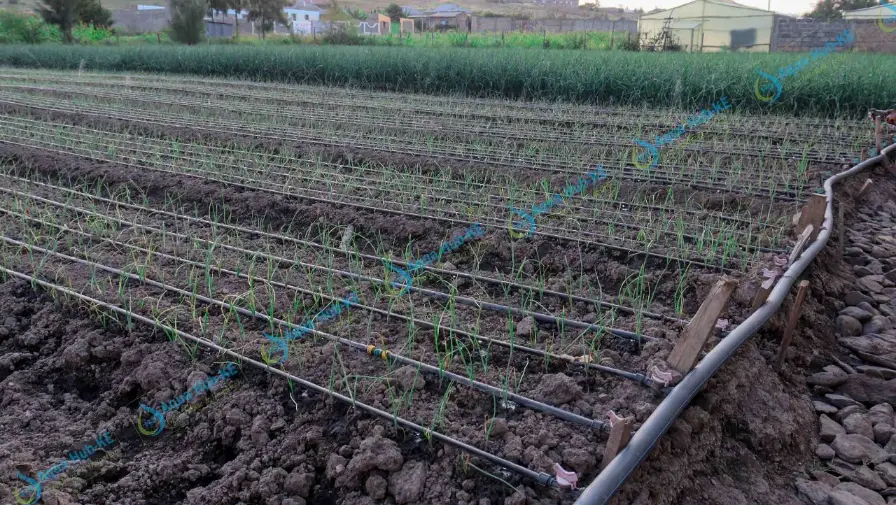
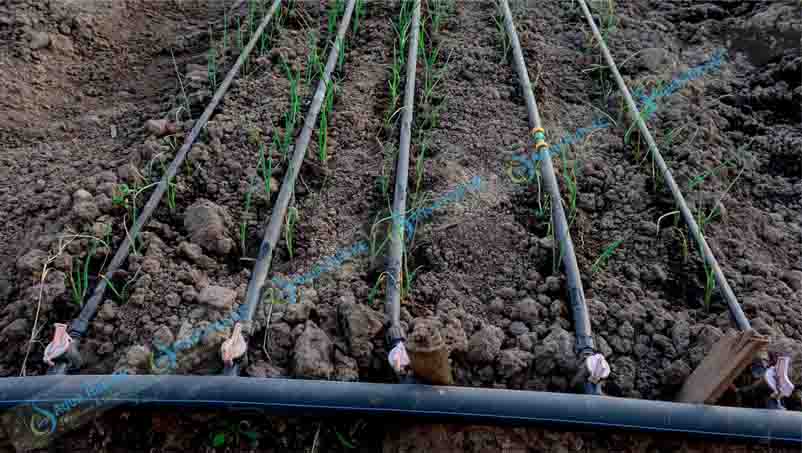
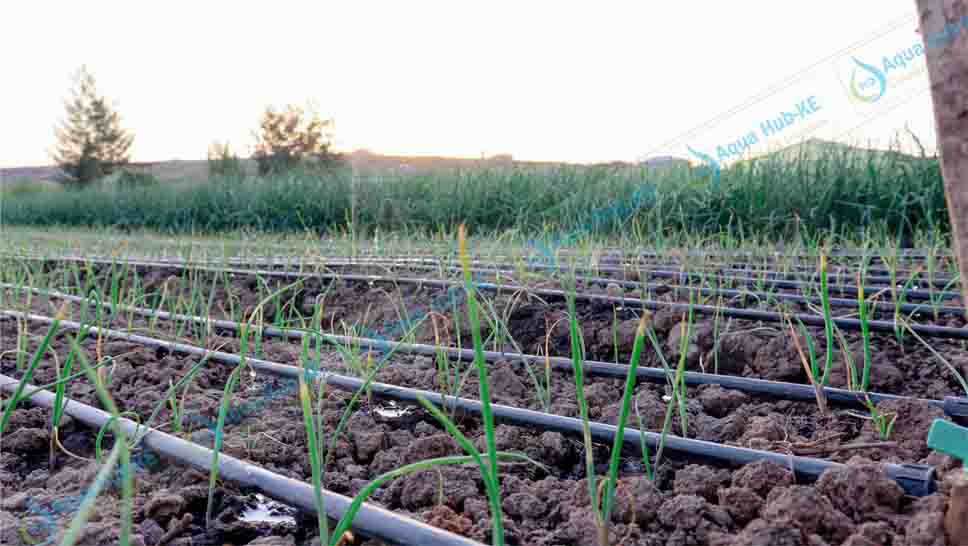
A special irrigation pipe is used to deliver water directly to the plant root zone, minimising wastage. Available in thickness sizes of 0.3 and 0.4 mm with emitter hole spacing of 15cm, 20 cm, and 30 cm.
Crops Applicable
- 15 cm dripline: onions, garlic, strawberries, green gram, lentils, and herbs.
- 20 cm dripline: sukuma wiki (kales), spinach, brassicas, capsicum, and cucumbers.
- 30 cm dripline: cabbage, watermelons, and potatoes.
Benefits of dripline
- Saves up to 50% water
- Reduces weed growth
- Improves fertilizer efficiency
What Size of Irrigation Pipe Should I Use?
The size of pipe to lay will depend on the farm size and type of irrigation system you want to use. For drip irrigation, often 50 mm or 32 mm mainline pipe.
Pipe size affects the system pressure and water distribution efficiency.
Irrigation Pipe Connectors
Irrigation pipes have different types of fittings depending on the pipe type.
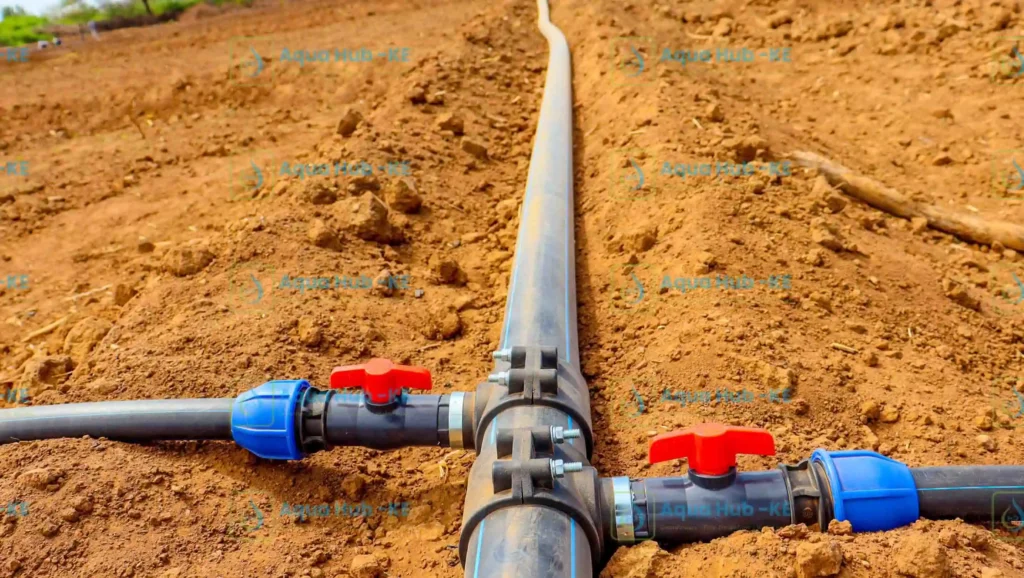
HDPE Compression Fittings
The type of fittings designed for connecting HDPE pipes. Designed with a threaded ring and gasket for a tight, secure connection. Includes:
- Tee: connection of pipes from the main line to delivery pipes serving different farm sections or beds.
- Elbows: allows pipe connection at corners
- Couplings: used to connect HDPE pipes of different diameters.
- Adapter: connects HDPE pipe to other components. For example, a screen filter.
- End caps: seals the pipeline to prevent water flow at the farm end.
PVC fittings
PVC fittings are non-threaded; they connect to PVC pipes using glue sealant. They include tees, elbows, couplings, nipples, and end caps. All function the same as HDPE pipe.
Drip Fittings
Types of fittings used to connect delivery pipes to driplines. Include:
- PE take-off: Inserted into the HDPE sub-mainline and connects to a PE riser pipe.
- Rubber Grommet: fits the punched holes on the sub-mainline pipe (where the risers are inserted) to ensure a leak-free connection.
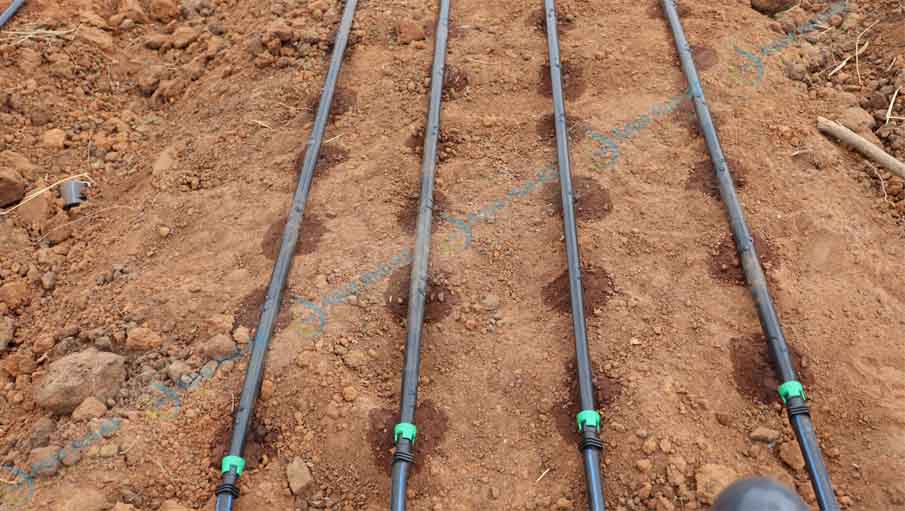
- Start connector for drip: connects the PE riser pipe to the drip tape laid on beds.
- Drip end plug: for closing ends of driplines
How to Connect Irrigation Pipes
HDPE Pipe Connection
- Select the right fitting and pipe size.
- Cut the pipe squarely.
- Clean the pipe to remove particles. Particles can interfere with the connection if not removed.
- Disassemble the compression fitting. Slide the fitting components to the pipe. First the nut, then the grip ring, the thrust ring, and the rubber sealing ring.
- Insert the pipe fully into the fitting body.
- Slide the rings into position. Ensure they are in order: sealing ring → thrust ring → grip ring.
- Move the compression nut up to the fitting’s thread
- Tighten the compression nut; use a wrench to ensure it is tightened hard.
PVC Pipe Connection
- Cut the PVC pipe smoothly to the required length.
- Clean the pipe ports using a wet cloth to remove dirt or particles.
- Apply PVC glue or primer to the outer surface of the PVC pipe end and inside the PVC fitting.
- Insert the primed end of the PVC pipe into the fitting and push it firmly.
- Leave the pipe joint for at least 5 minutes to harden.
Irrigation Pipe Laying Guide
Proper laying of irrigation pipes ensures durability and efficient water distribution to the plants.
Surface Connection
Irrigation pipes connected on the ground surface. Connection and repair is straightforward.
Underground Connection
Mainline and sub-mainline pipes are connected and buried underground. Water is transferred to the dripline laid on the bed surface through risers or laterals.
This layout is often used where the farm has raised beds.
Irrigation Pipes for Sprinklers
Sprinkler systems require pipes that handle moderate to high pressure. HDPE PN 10 to PN 16 pipes is ideal depending on the pressure requirements of your sprinkler heads.
When selecting irrigation pipes for sprinkler setup, ensure your pump output matches pipe diameter to avoid uneven spray patterns.
When Should Irrigation Be Done?
You can irrigate your crops at your preferred time, but it is best to follow the recommended schedule below:
- For drip irrigation, water 3 or 4 times a week. Schedule irrigation to take place during morning hours or late afternoon.
- For sprinkler irrigation: 3 times a week. Irrigation should be done in the morning or calm hours to avoid wind effect.
Note: This may not work for all crops; some crops require more frequent irrigation, especially in hot areas.
Where to Get Irrigation Pipes in Kenya
Aqua Hub Kenya, where quality meets demand.
Call 0790719020
Frequently Asked Questions
1. What is the cost of HDPE irrigation pipes in Kenya?
KES 1,500 to KES 40,000.
2. How much does 1 acre of drip irrigation cost?
KES 135,000 to KES 180,000.
3. Can I use PVC pipe for irrigation?
PVC can be used, but HDPE is preferred due to durability.
4. How much are drip pipes?
KES 7,000 to KES 8,500.
5. How do I connect irrigation pipes?
Use compression fittings for HDPE and solvent glue for PVC.
6. When should irrigation be done?
Early morning or evening for maximum efficiency.
7. How deep should irrigation pipe laying be buried?
30–60 cm below ground.
8. What are the types of irrigation pipes in Kenya?
HDPE, PE, PVC, and driplines.
9. How long do irrigation pipes last?
10–20 years.
10. Where can I buy irrigation pipes in Kenya?
Aqua Hub Kenya.