
Blog
Drip Kit for Small Scale Farmers in Kenya
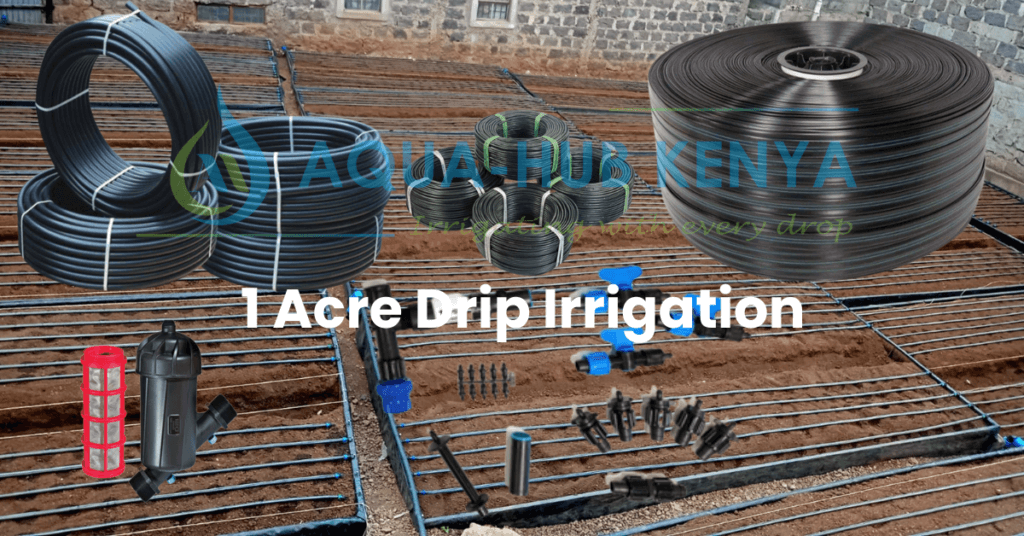
We are the reliable dealers in drip irrigation kits for both large scale and small scale farming. We have ⅛ drip kit at KES 25,000, ¼ acre kit at KES 40,000, ½ kit at KES 75,000 and 1 acre kit at KES 130,000 for 1 line of dripline per bed. The cost of drip kit packages increases with the increase in size of the farm and number of driplines per bed.
Quick Takeaways
- Drip irrigation saves water and increases yields
- Drip Irrigation kit costs around KES 25,000–180,000.
- Gravity systems are cheaper than pump systems
- Proper drip kit installation should be done to ensure long lasting and efficient performance.
- It is ideal for vegetables, fruits and flowers.
- The system requires proper maintenance to ensure it operates efficiently
Dripline Prices in Kenya
Driplines cost between KES 8,000 and KES 9,000 per roll.
Cost of Drip Kits for Small Scale farming in Kenya
| Size/ Line per bed | 1 Line | 2 lines | 3 Lines |
| 1 acre | 135,000 | 165,000 | 180,000 |
| 1/2 acre | 65,000 | 74,000 | 90,000 |
| 1/4 acre | 38,000 | 45,000 | 55,000 |
| 1/8 acre | 20,000 | 24,000 | 28,000 |
Small-Scale Farm Drip Kit by Aqua Hub
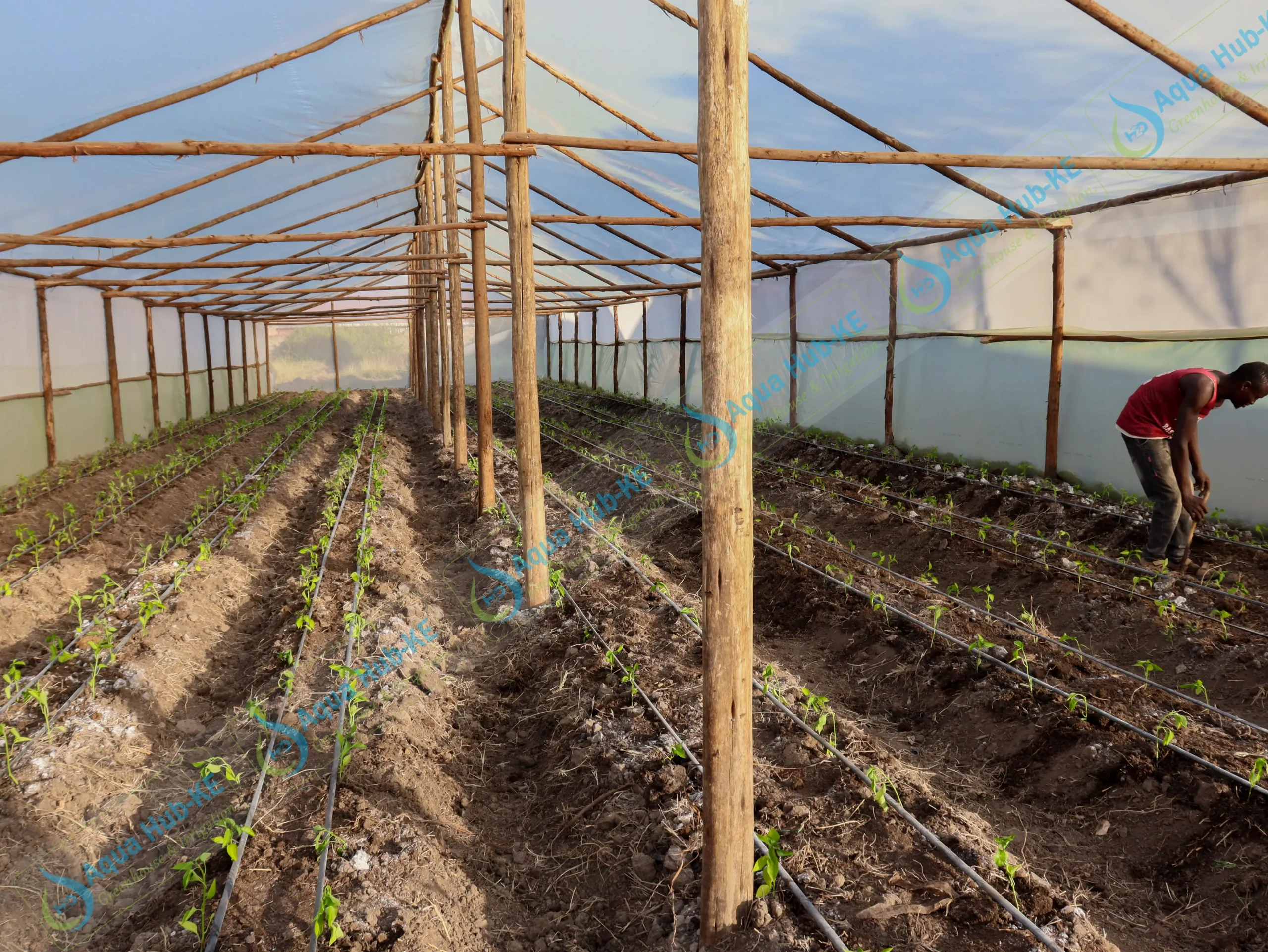
We often consider such farmers low budget, especially when they are beginners to farming or sustainable farming methods such as drip irrigation farming. Drip line prices in Kenya depend on the supplier and size of your farm.
Small-Scale Drip Irrigation Kit Complete
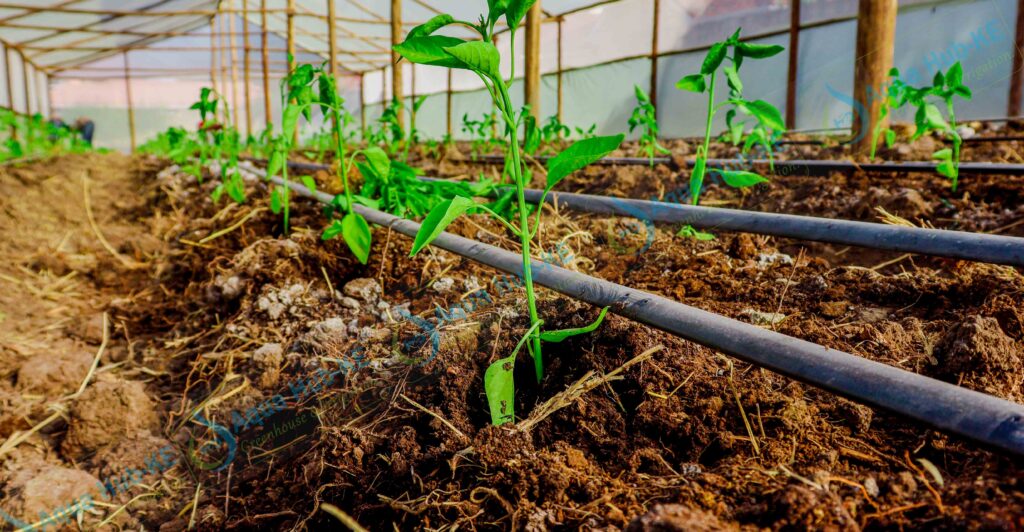
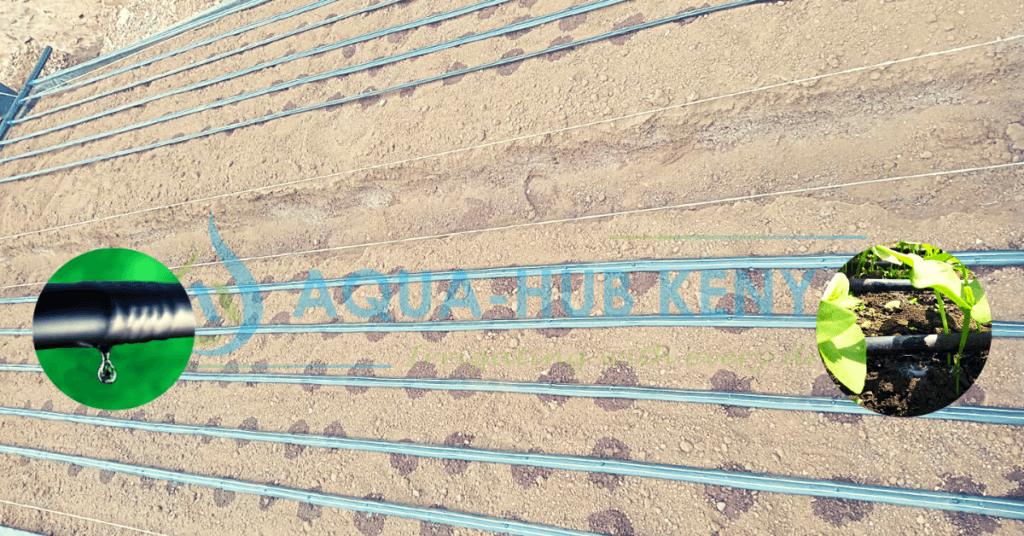
- Drip Tapes – Drip line pipes with emitter holes for direct supply of water to the soil plant root zone. The size of the emitter hole is small and equal across the entire pipe to allow precision flow. Can be available at spacings of 15, 20 and 30 cm apart.
- Mainline pipe – HDPE or PVC pipes for drawing water from the storage tanks or source to drip lines
- Sub-mainline Pipe – Connects to mainline pipes. Still can be HDPE or PVC meant to reduce the volume of water entering certain farm sections. For water balance, you must divide farms into sections and distribute water to each section.
- Lateral pipes – Lateral or delivery pipes are hose tubes that distribute water to drip lines. They are laid along the sub-mainline pipes but on the surface of the soil.
- Drip Connectors – Connectors enhance leak free connection of pipes and fittings along the entire drip irrigation system.
- Water Irrigation Filters – The system needs a device to trap and enhance removal of sand and soil particles that can accumulate.
- Fertilizer tank – it may be necessary to install a fertilizer tank and connect it to the system for easier injection of soluble fertilizers into the plant line.
- Ball Valves – to regulate flow of irrigation water.
- Check Valves – To flush the system and prevent the back flow of water.
How drip Irrigation is Done
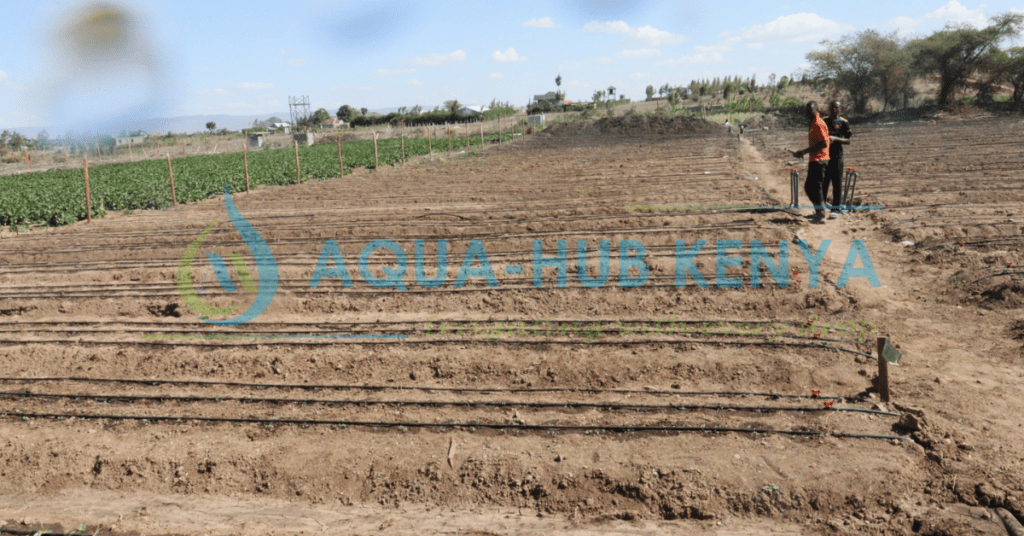
Drip irrigation can be done anywhere, so long as there is access to water and the crop growth conditions are favourable for production. The limitation is the access to resources such as funding, land, and water for cultivation.
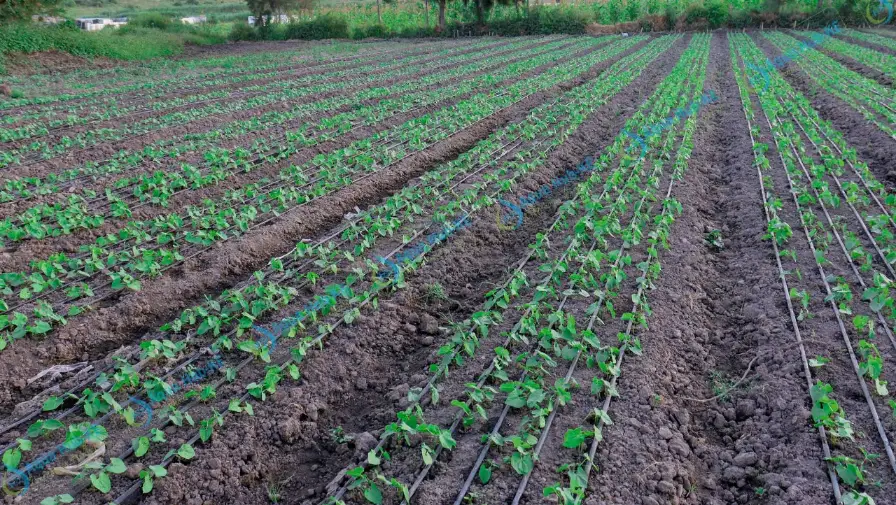
Crops are irrigated through precision watering by driplines connected to pipes that move water from the source. The water is sourced from the tank raised 3m above the ground for pressure build up that enhances uniform water distribution. If the farm is not flat, you may need a pump and pressure compensating driplines for uniform irrigation.
How Drip Kits can Improve Crop Production
Semi-urban areas with limited lands for cultivation can enhance faster and enhanced flow of food products using drip irrigation. Another benefit of drip irrigation in urban areas is water maintenance, since water is a scarce and costly resource in urban settings.
Drip Irrigation Kits: Return on Investment
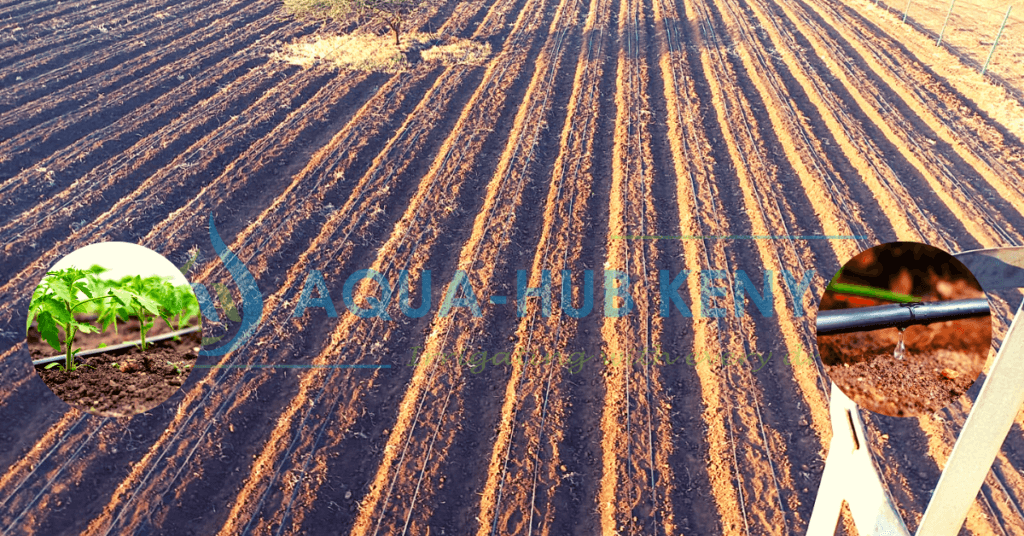
Depending on the crop you go for, drip irrigation can be very profitable. Let’s assume you have an acre of land under drip irrigation of tomatoes. You are likely to yield 6–8 tons of tomatoes, which can be equivalent to KES 800,000 – 1,000,000. If you subtract KES 130,000 or a maximum of KES 180,000 spent on the drip kit, you still remain with a lot of profit. It can take you 1-2 seasons to recover the investment on the drip kit.
Importance of Drip Kits
Water supply through drip irrigation maintains a balance in water supply to individual crops across the entire crop field. Fertilizers can also be diluted and supplied to crops using drip irrigation systems.
There are better ways to enhance efficiency in your drip irrigation systems despite being expensive. Such methods as using timers and smart automated systems on your drip line can enhance maximum water saving.
Drip Kits Supplier in Kenya
Aqua Hub Kenya is a popular supplier dealing in affordable drip line prices in Kenya and small-scale drip irrigation kits installation.
Call 0790719020
How to Install a Drip Irrigation Kits
- Prepare the land by cultivation and clearing of vegetation.
- Make beds for cultivation and trenches around the beds for laying pipes.
- Lay HDPE mainline pipe and sub-mainline on the trenches.
- Connect the mainline pipe to the tank.
- Connect a filter to the mainline section near the tank.
- Join the main and submainline pipe
- Connect the submain to the risers.
- Lay and connect driplines to the riser pipes.
- Flush the system
- Connect end plugs
- Cover the trenches to protect mainline pipes.
Which crops require drip kits?
The common crops that do well when watered under drip irrigation kits are vegetables, fruits and flowers grown in spaced lines. Examples include:
- Tomatoes
- Onions
- Capsicum
- Watermelon
- Strawberries
Benefits of Drip Kits in Kenya
- Saves water – conserves water by 30 – 60% compared to furrow or overhead irrigation methods.
- Reduces labour – the system only requires one person to open valves, and irrigation takes place. can also be automated to irrigate automatically at set intervals.
- Improves yields – because of optimal irrigation levels, the crop production is high.
- Minimises weeds – drip kits do not wet the entire farm space; thus, weed growth reduces significantly.
- Works with fertilizers (fertigation)
Frequently Asked Questions
1. How much is a drip irrigation kit for 1 acre in Kenya?
Between KES 135,000 and 180,000.
2. What is the maximum length of a dripline roll in meters?
1000m.
3. What crops are ideal for drip irrigation?
Tomatoes, onions, and fruits perform very well.
4. How deep should drip irrigation lines be buried?
12 inch below the ground.
5. How much is a dripline in Kenya?
KES 8,000 – 9,000.
6. Does drip irrigation save water?
Yes, it saves up to 60% compared to traditional methods.
7. How much does a dripper cost in Kenya?
KES 130,000 or more per 1 acre.
8. What are the two types of drip irrigation?
Surface and Sub-surface drip Irrigation.
9. How often should I maintain the system?
Check weekly and clean filters regularly.
10. Where Can I Buy Drip Kits in Kenya?
Aqua Hub Kenya.