
Blog
Solar Dryers for Cereal Crops in Kenya
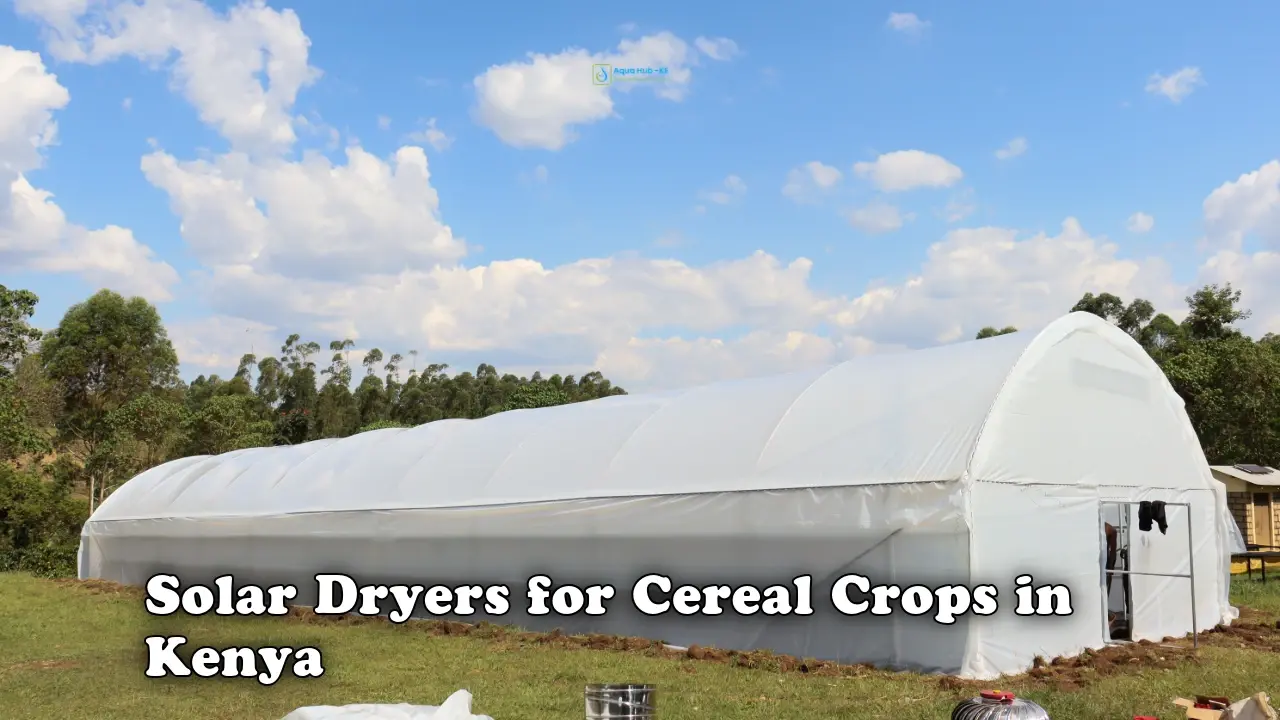
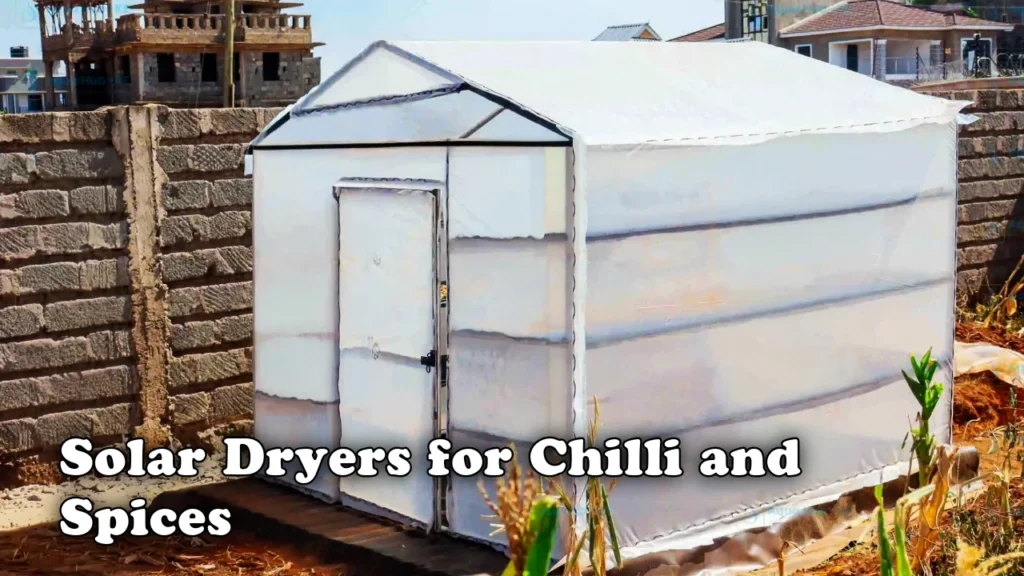
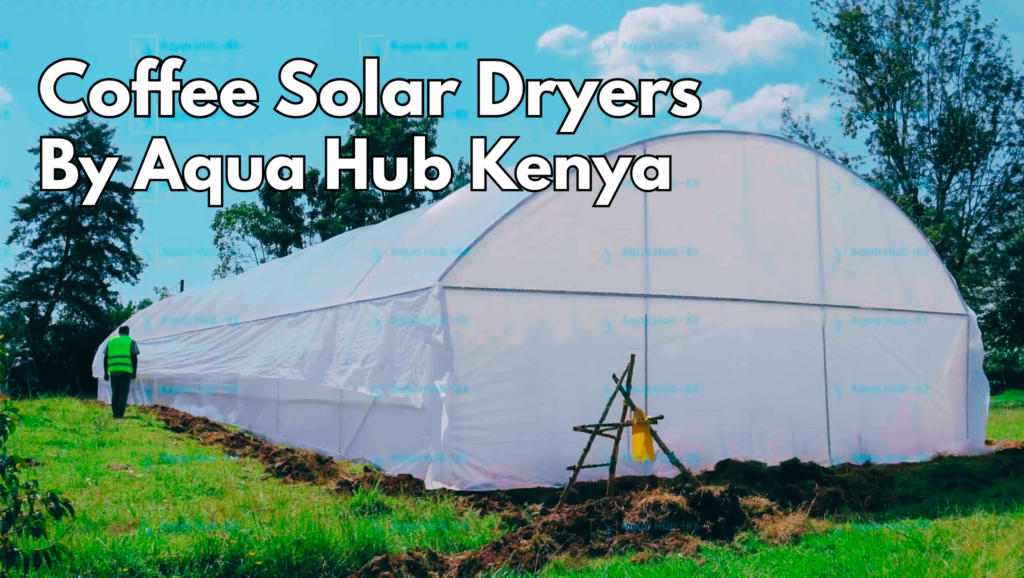
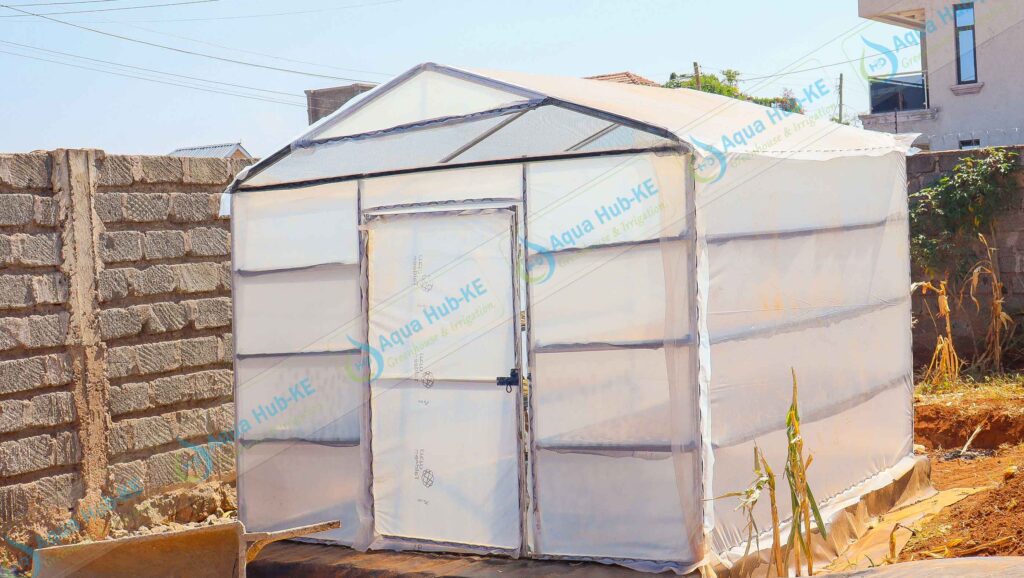
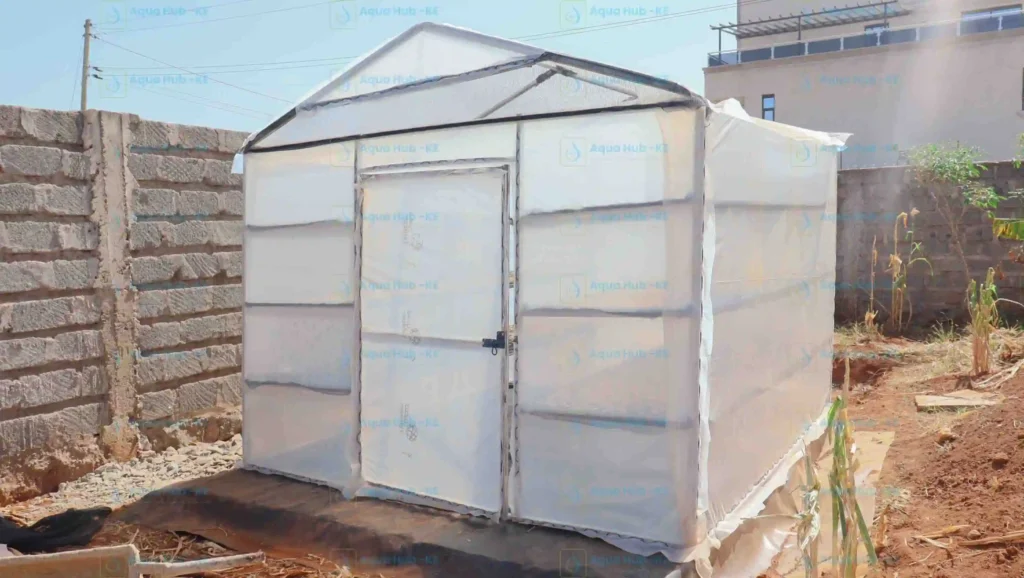
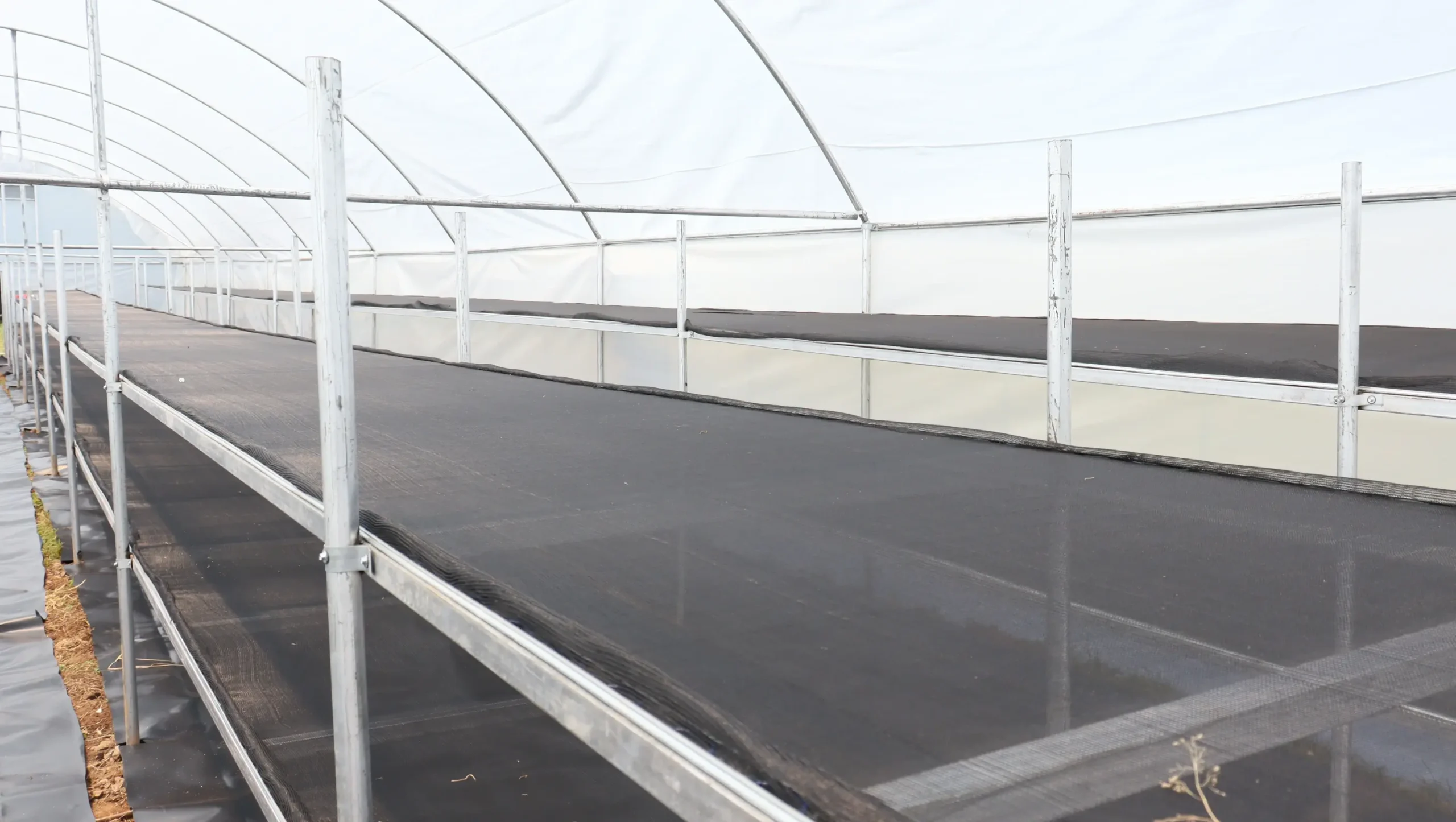
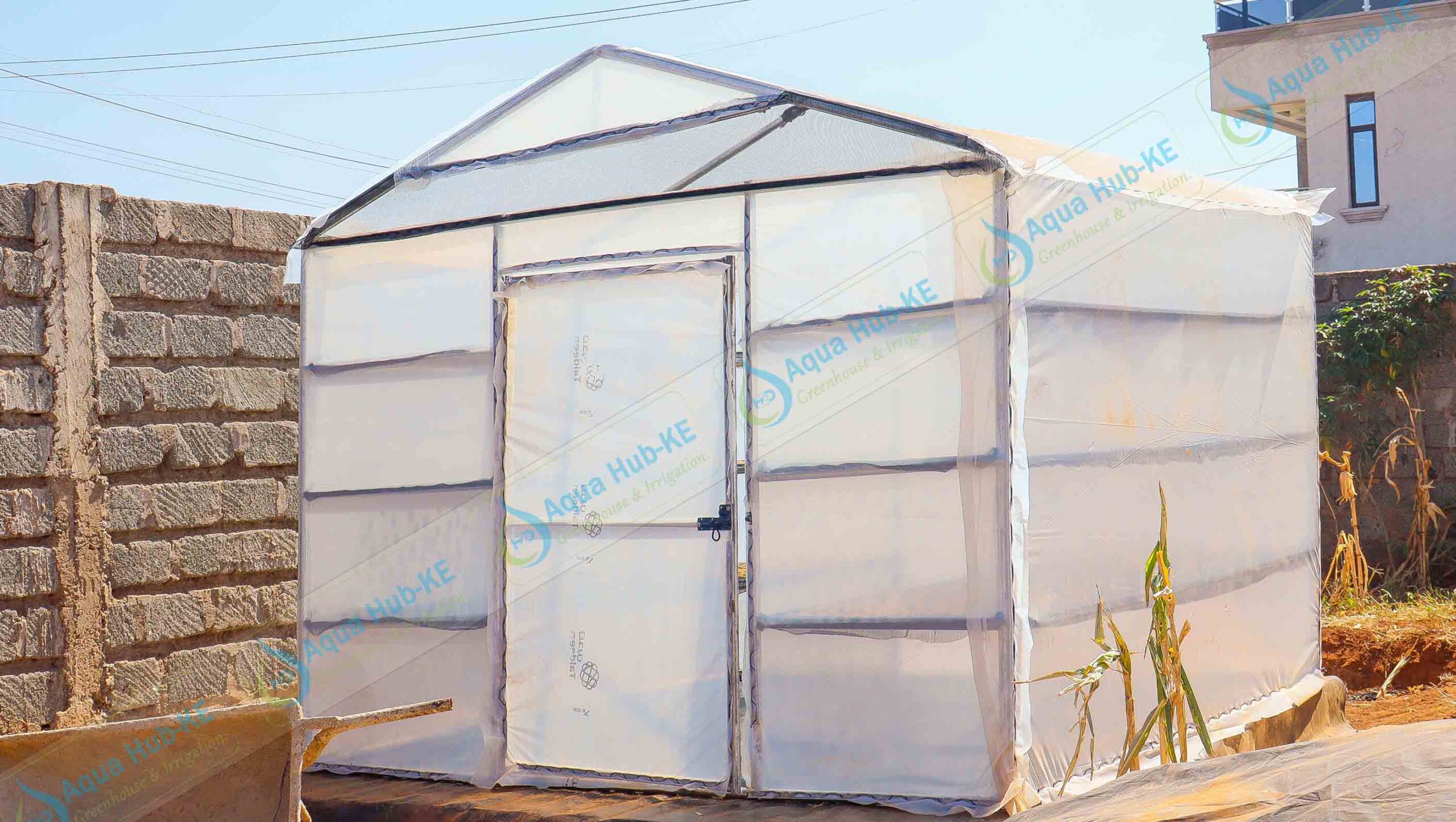
Solar dryers for cereal crops at Aqua Hub Kenya cost between KES 150,000 for a 3 × 3 × 2 m unit and KES 824,000 for an 8 × 30 m unit.
After harvest, cereal grain often holds more moisture than safe storage allows. A solar dryer uses heat from the sun inside a covered chamber to bring that moisture down. As a result, you can store the grain or sell it later with much less risk of mould forming in the bags.
Aqua Hub Kenya supplies and installs grain solar dryers for single farms and for farmer groups that share one unit. Our range runs from compact dryers for a family harvest up to large units for cooperatives. Speak to our team through +254790719020 to pick a size that matches the amount of grain you harvest each season.
Cost of Solar Dryers for Cereal Crops from Aqua Hub Kenya
The cost of a grain dryer depends mainly on its floor size. Hybrid models also vary with their chamber size and drying capacity. Prices for the main options are:
| Dryer Type | Size | Price (KES) |
|---|---|---|
| Grain solar dryer | 3 × 3 × 2 m | From 150,000 |
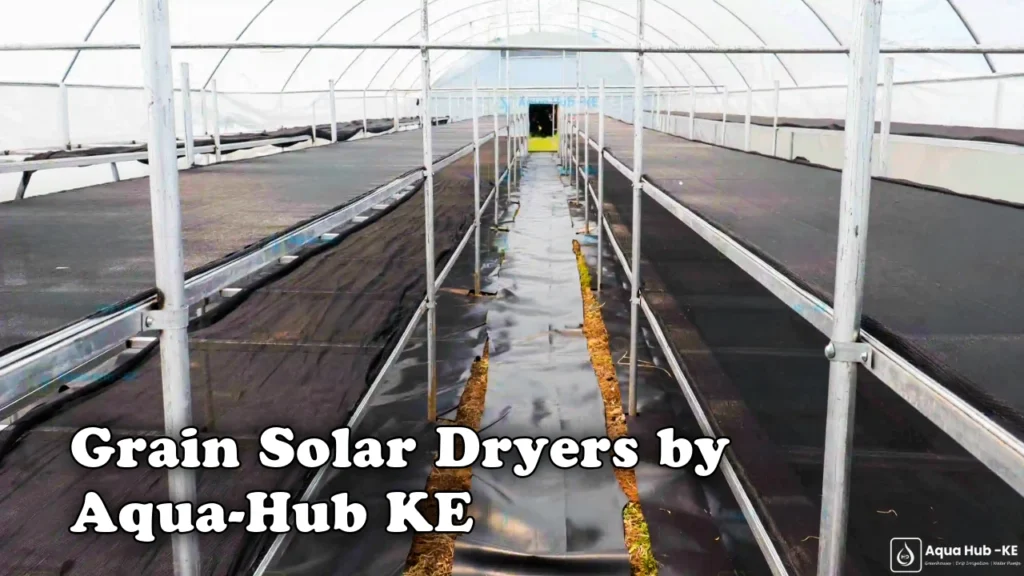
| Grain solar dryer | 8 × 30 m | Up to 824,000 |
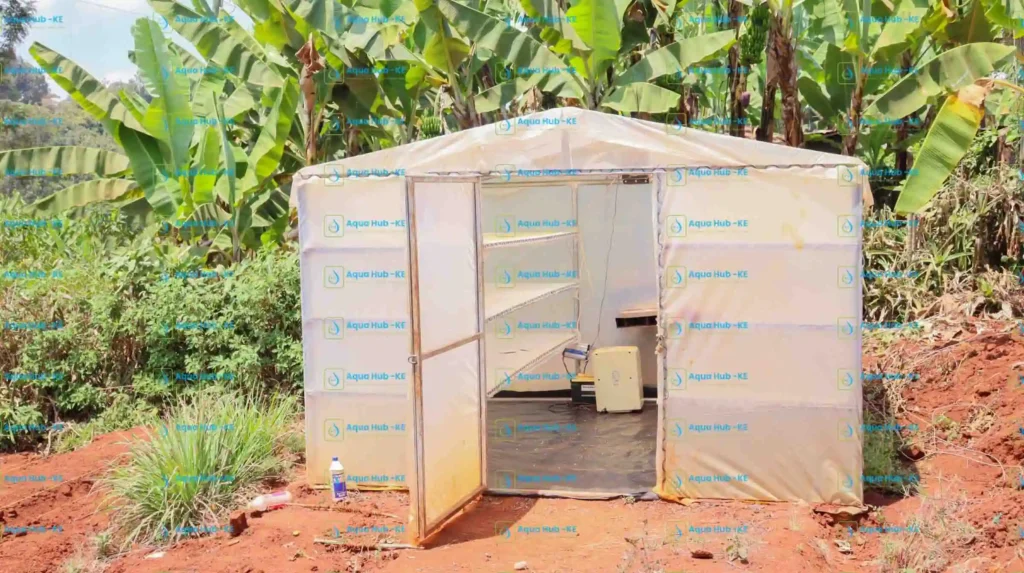
| Hybrid solar dryer | Depends on chamber size | 150,000 to 1,000,000 |
Between these two grain dryer sizes, Aqua Hub Kenya also supplies middle sizes such as 5 × 8 × 2 m and 8 × 15 m for farms that harvest more than a small unit holds. You can view the full range of solar dryers before you choose. Prices change with materials and the details of each build. Hence, ask for the exact price of your order by calling +254790719020 before you set your budget.
When several farmers share one large dryer, each member pays a smaller part of the cost. As a result, a large unit with a drying timetable works well for cooperatives and farmer groups.
Aflatoxin and Weevil Risk in Damp Cereals
Mould grows on damp grain, and some of these moulds produce aflatoxin on maize. Because aflatoxin is a toxin, many buyers and millers test maize and can reject loads that fail. Moreover, damp grain in storage favours weevil damage and mould. Dry grain also keeps for longer, so you can hold it until you are ready to sell.
Drying grain on the ground or on tarpaulins in the open brings several problems:
- Rain can wet the grain again before you gather it in.
- Dust and small stones mix with the grain and lower its market grade.
- Birds and chickens feed on grain that farmers leave in the open.
- On cloudy days, drying slows down, and the grain stays damp for longer.
For these reasons, solar dryers for cereal crops give you a covered space where the grain dries away from rain and animals. Besides that, the cover keeps dust off the grain, which means you bag a cleaner product for the market.
Grain-by-Grain Use of Solar Dryers for Cereal Crops from Aqua Hub Kenya
Each cereal dries in a slightly different way, which means you set up each batch to suit the crop. Common cereals that Kenyan farmers dry in these units include maize, sorghum, finger millet, wheat, rice and barley. Whichever cereal you dry, keep each crop in its own section of the shelves to avoid mixing.
Maize Drying with Aqua Hub Kenya Units
Maize is the main cereal that Kenyan farmers dry, and it is also the cereal most affected by aflatoxin. Maize stores safely at about 13 to 13.5 percent moisture, so that is the usual target before storage. When harvest coincides with rain, a covered dryer lets you keep drying while open-air drying has to stop.
Cobs Versus Shelled Grain
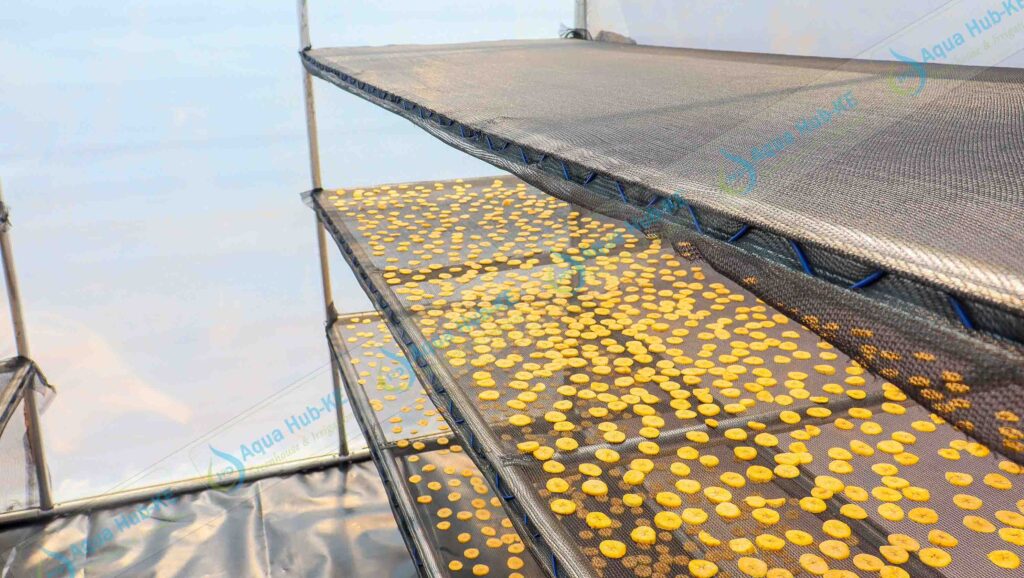
Cobs dry well when you spread them in a single layer on the drying shelves. Once the cobs are dry enough to shell easily, you can shell them and return the grain to the dryer for a final short spell.
Shelled maize dries faster than cobs because more of each grain is open to warm air. However, you need to stir shelled grain more often, since the bottom of the layer stays damp longer than the top.
Small Grains and Rice
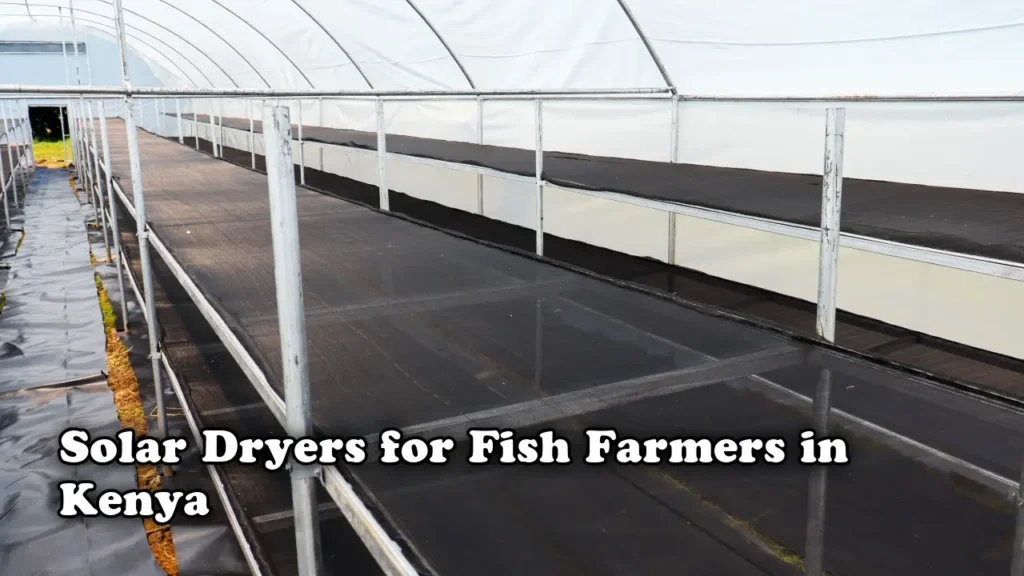
Sorghum and finger millet have small seeds that pack tightly on a shelf. For this reason, spread them in a thin layer and stir them regularly. Wheat and barley dry in a similar way, and both need regular stirring once the top of the layer feels dry.
Rice paddy needs gentle, even drying, because drying it too fast causes tiny cracks that make the grains break during milling. Therefore, keep the vents open on hot days and stir the paddy often to keep the heat even across the batch.
Loading Grain into Solar Dryers for Cereal Crops by Aqua Hub Kenya
Careful loading helps a solar dryer dry each batch evenly. Before each batch, work through these steps:
- Clean the grain first, removing chaff and stones.
- Give each crop its own section instead of mixing cereals on one shelf.
- Load in the morning, as soon as the sun starts to heat the chamber.
- Stir or turn the grain at regular intervals through the day.
- Close the doors and vents in the evening to keep out dew and night damp.
To check whether a batch is ready, use a moisture meter, which gives a reading in seconds. Where you have no meter, the salt test gives a rough check. Put a few grains and a spoonful of dry salt in a dry glass jar, swirl the jar gently and watch the salt. If it sticks to the base or sides of the jar, the grain holds more than about 15 percent moisture and needs more time in the dryer. However, the test only catches very damp grain, so confirm the reading with a meter before you store the batch. Once the batch is ready, let the grain cool before you bag it, because bagging warm grain causes damp to form inside the bag.
Hybrid Models from Aqua Hub Kenya for the Long Rains
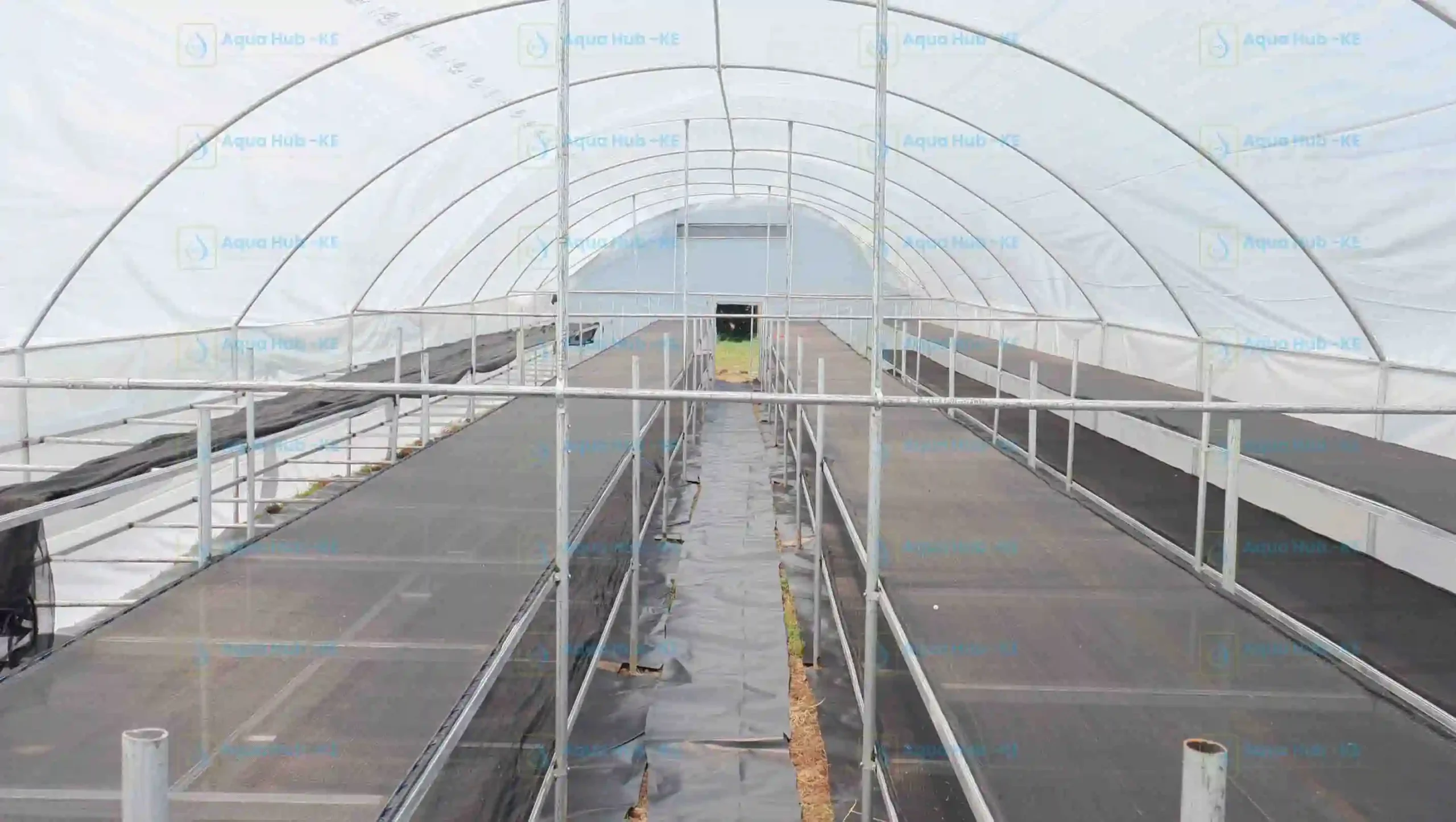
Plain solar dryers depend on sunshine, which means drying slows during the long rains and on cloudy days. A hybrid solar dryer adds a second heat source, such as a furnace that burns charcoal or biomass, that keeps the chamber warm when there is little sun.
Because the second heat source does not depend on sunshine, a hybrid unit allows longer drying days for large harvests. This option suits farmers who harvest during wet months and cooperatives that dry grain for many members. Unlike plain models, a hybrid dryer with backup heat lets you plan drying around your harvest date rather than the weather. Our guide to affordable solar dryers compares plain and hybrid types in more detail.
Installation of Solar Dryers for Cereal Crops by Aqua Hub Kenya
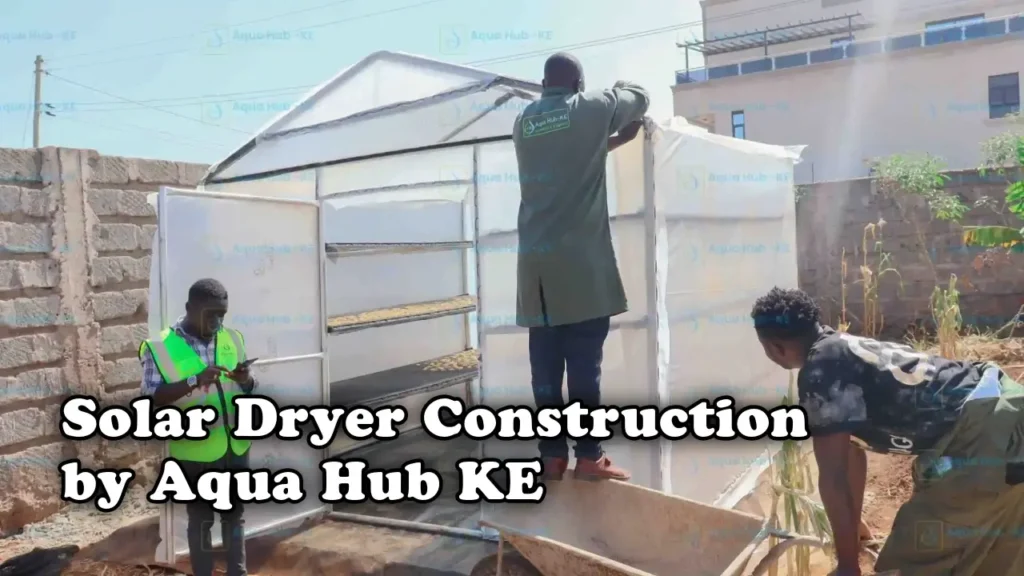
Aqua Hub Kenya’s technicians set up the dryer on your farm once you have agreed on a size and a site. The site needs open ground with full sun for most of the day and no shade from trees or buildings. In addition, keep a clear path to the dryer door, because you will carry bags in and out during every batch.
Our technicians then work through these stages:
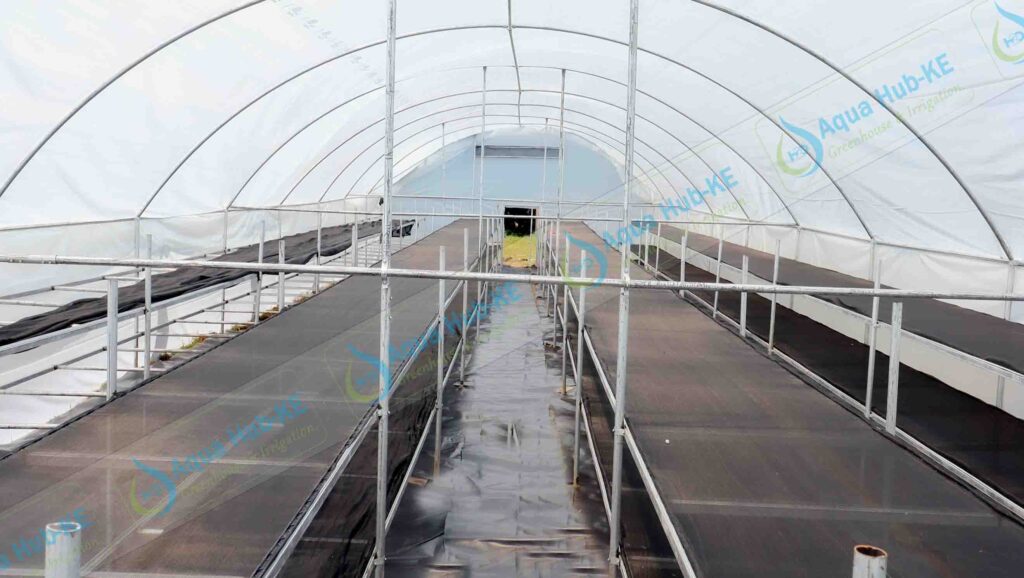
- To begin with, they level the ground and mark the outline of the dryer.
- Next, they assemble the frame and fix it firmly to the ground to stop wind from shifting it.
- Afterwards, they stretch the clear cover over the frame and seal the edges to keep out rain and dust.
- With the cover in place, they fit the drying shelves.
- Then they set the vents at the air inlet and outlet.
- For hybrid units, they connect the backup heat source and check that it runs safely.
- Finally, they check every joint and vent before handing over the dryer.
To see how we build our dryers, read our guide to solar dryer construction. You can book installation for your grain dryer by calling +254790719020.
Why Choose Aqua Hub Kenya for Solar Dryers for Cereal Crops?
Aqua Hub Kenya supplies a wide range of grain dryers, from a 3 × 3 × 2 m unit for one family up to an 8 × 30 m unit for a cooperative. Because the range also includes hybrid models, you can choose between plain solar drying and a unit with backup heat.
Our team matches the dryer to the amount of grain you harvest each season, rather than to the largest unit available. If you expect your harvest to grow, we can suggest a size that leaves room for more grain in later seasons. Likewise, our technicians install the dryers we supply on your farm. We also supply drip irrigation and metallic greenhouses for farmers who grow as well as dry their crops. To discuss the right size for your next harvest, call +254790719020 or email info@aquahubkenya.co.ke.
Frequently Asked Questions
How Much Do Solar Dryers for Cereal Crops Cost in Kenya?
Solar dryers for cereal crops cost from KES 150,000 for a 3 × 3 × 2 m unit to KES 824,000 for an 8 × 30 m unit at Aqua Hub Kenya. To get the exact price for your harvest, call +254790719020.
Can a Solar Dryer Reduce Aflatoxin in Maize?
A solar dryer can reduce aflatoxin risk in maize by drying the grain before mould has time to grow. However, drying does not remove aflatoxin that has already formed in the grain, because aflatoxin resists heat.
Should I Shell Maize Before Drying It?
You do not need to shell maize before drying it, although shelled grain dries faster than whole cobs.
Can I Dry Rice Paddy in a Solar Dryer?
You can dry rice paddy in a solar dryer if you spread it thinly and stir it often to keep the heat even.
How Thick Should the Grain Layer Be?
The grain layer should be thin enough for warm air to reach every part of the batch when you stir it. For cobs, a single layer works best.
Can Farmer Groups Share One Dryer?
Farmer groups can share one dryer by setting a drying timetable for members. Each member then dries a batch on agreed days, and the group shares the maintenance. Also, keep each member’s grain in a labelled section to avoid mix-ups.
Does Aqua Hub Kenya Install Solar Dryers?
Yes, Aqua Hub Kenya installs solar dryers, and our technicians set up the frame and cover on your farm. To book an installation date, call +254790719020.
How Do I Keep Birds and Rodents Out of the Dryer?
You keep birds and rodents out of the dryer by closing the doors after each loading and covering the vents with fine mesh. Additionally, clear spilt grain from around the dryer, because it attracts rodents to the site. Next, check the cover for holes each week and patch any tears.
Can I Dry Beans in the Same Dryer?
You can dry beans in the same dryer as your cereals, as long as you keep each crop in its own section.
Final Thoughts on Solar Dryers for Cereal Crops from Aqua Hub Kenya
A solar dryer gives your cereal harvest a covered space to dry away from rain and animals. Once you load the grain thinly and test it before bagging, you lower the risk of aflatoxin and weevil damage.
Our grain solar dryers cost from KES 150,000 for a 3 × 3 × 2 m unit, with larger units and hybrid models for cooperatives. For a price that matches your harvest, you can call +254790719020 or email info@aquahubkenya.co.ke.