
Blog
HDPE Irrigation Pipes Prices in Kenya
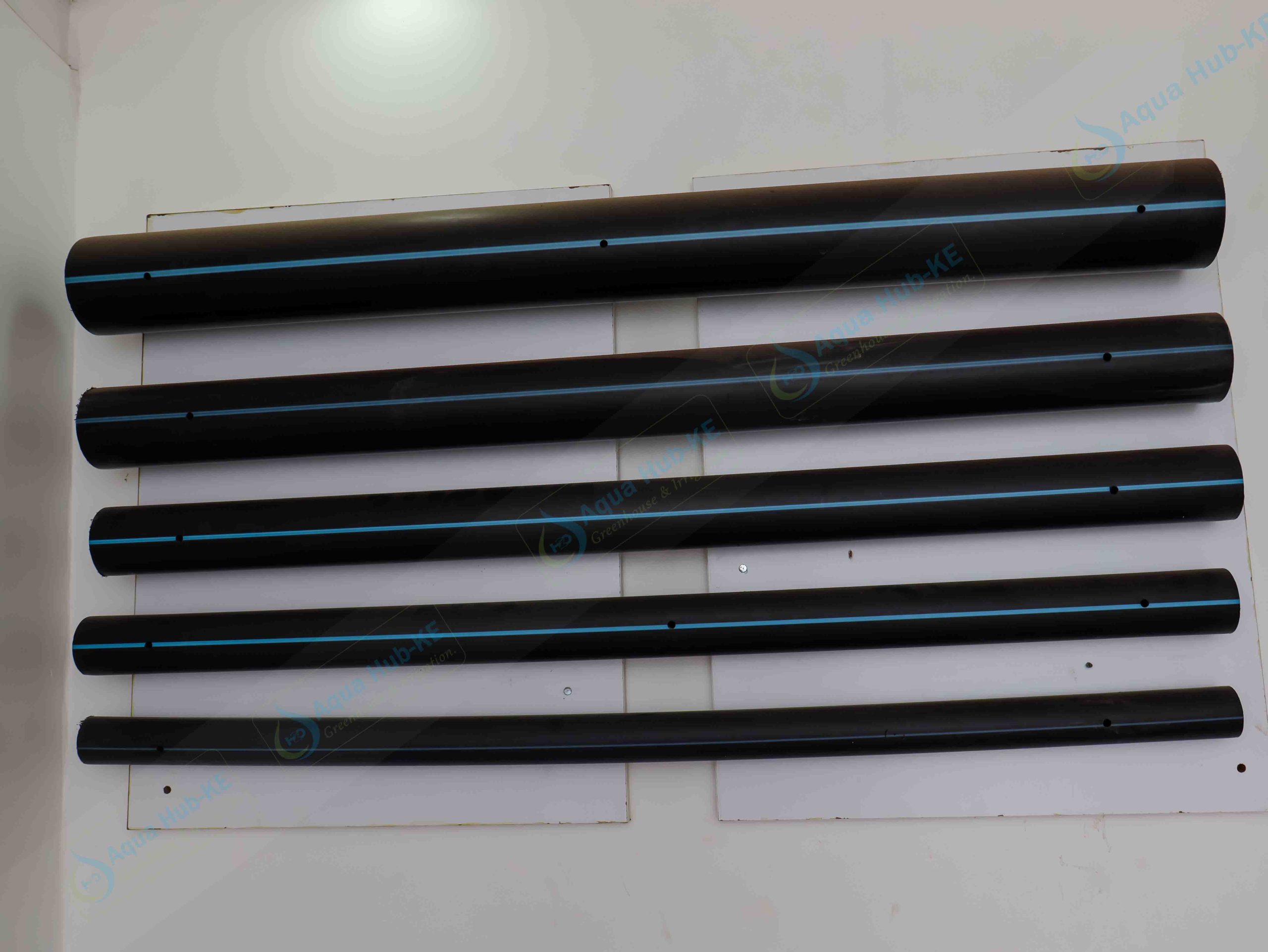
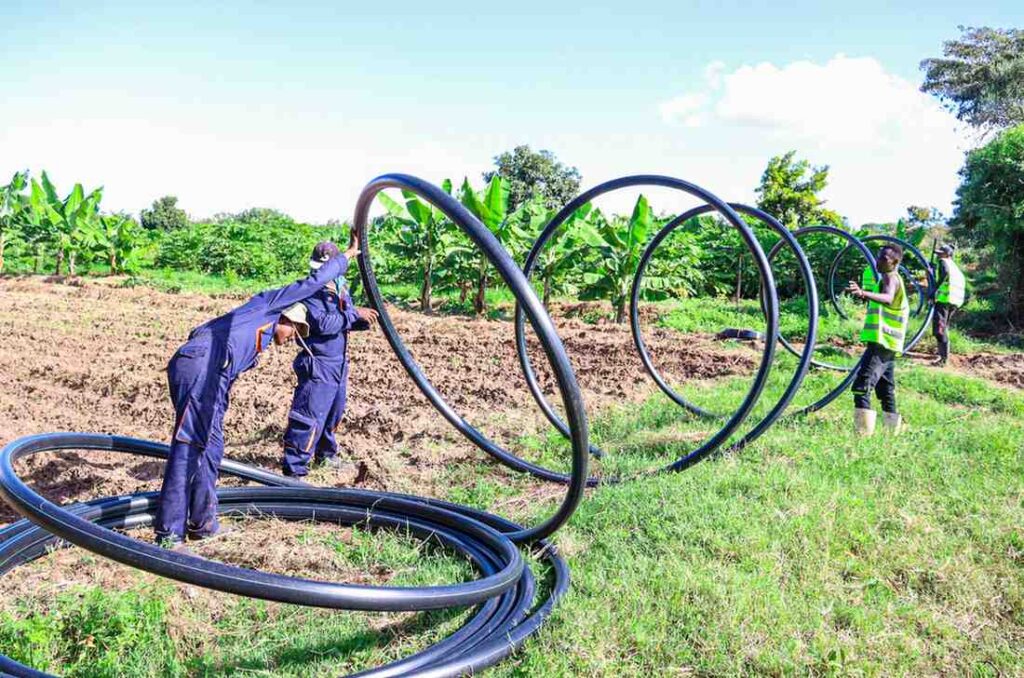
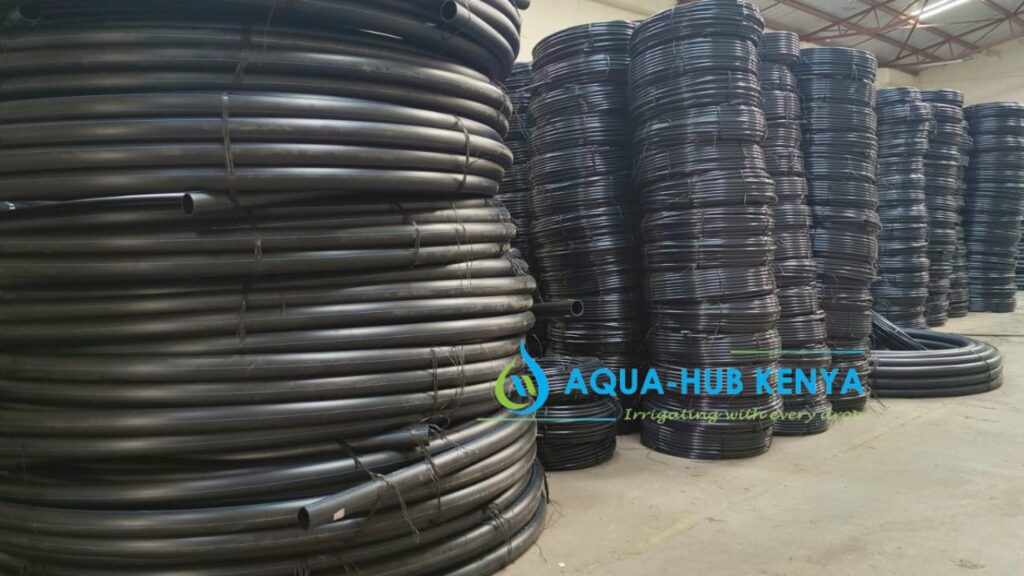
Irrigation pipes are available in different types, including high-density polyethylene pipes, which are popular for water supply in Kenya.
Our HDPE pipes are popular due to their quality and reliability in supplying irrigation water in most irrigation methods.
HDPE Pipe Prices in Kenya
The cost of irrigation pipes varies according to the size of the pipe you want. It often ranges from KES 1500 to KES 45,000 for small diameter sizes of 16 mm to 110 mm.
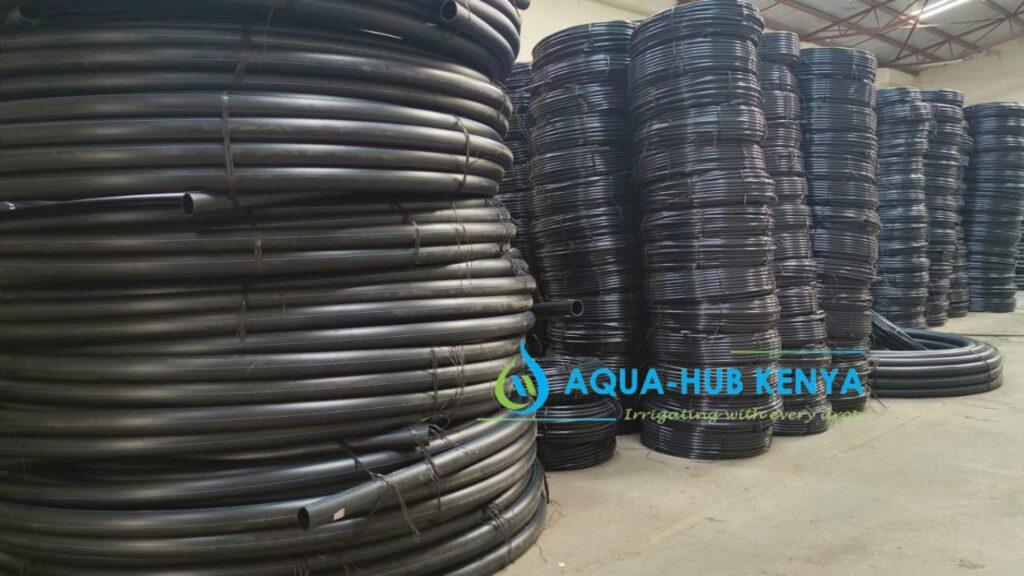
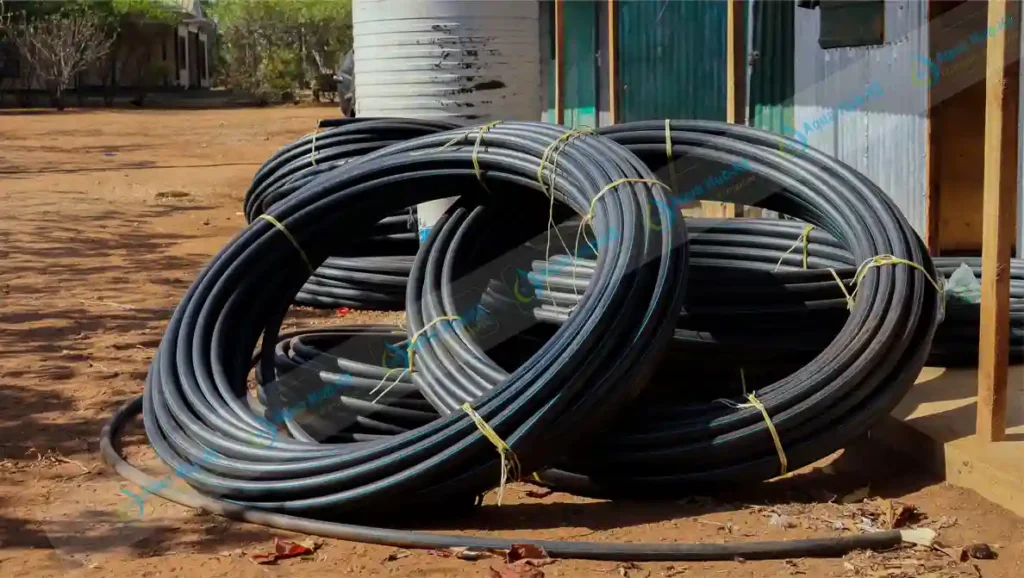
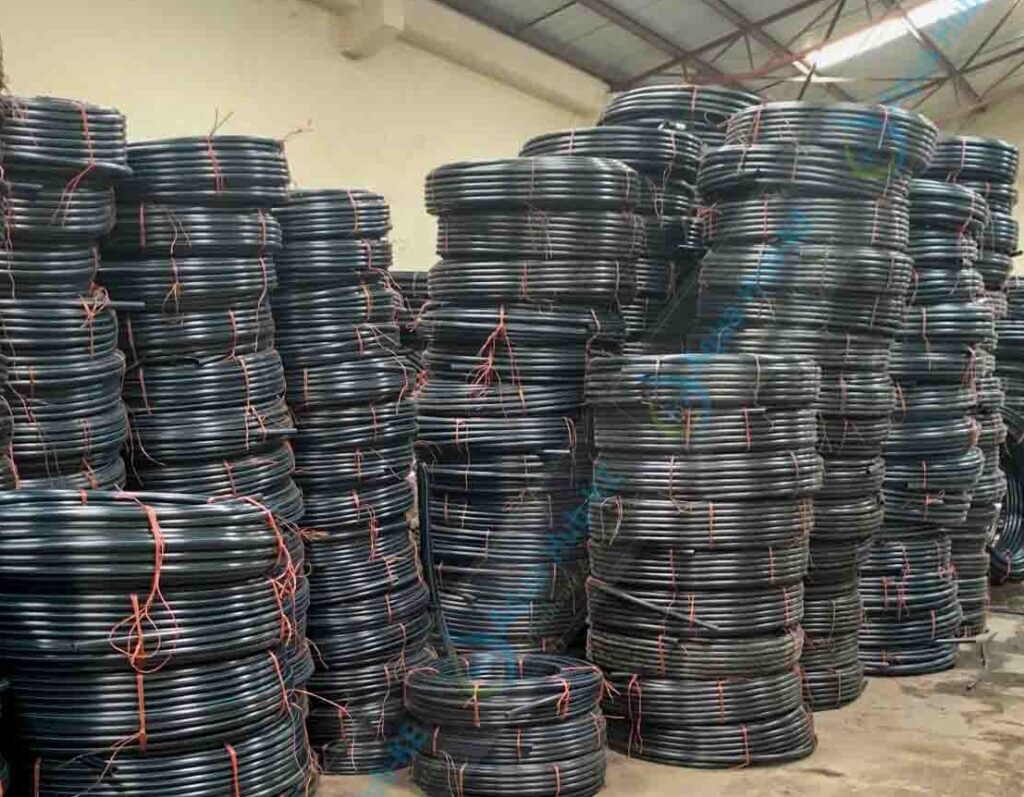
HDPE Pipes for Sale in Kenya
At Aqua Hub, we deal with high-quality HDPE pipes ranging from PN10 to PN16, all available in different sizes. Pipe diameter sizes range from 20 mm to 110 mm at affordable prices in the market.
HDPE Irrigation Pipes in Nairobi
If you are looking for HDPE irrigation pipes, you can get them at Aqua Hub Kenya based in Nairobi. For those far from Nairobi, we conduct delivery to their specified locations at low cost.
Need Assistance? Call 0790719020
Best Irrigation Pipes in Kenya
Buying quality Irrigation pipes and accessories is a challenge if you don’t understand what to look at. Aqua Hub LTD guides farmers on the best pipes to use for their irrigation and water supply needs.
Call 0790719020
Specifications of Our HDPE Pipes
- High-Density Polyethylene material (HDPE)
- Available in Sizes of 16mm to 110mm
- Pressure ranges from PN6 to PN25
- Standard length of 100m
What are HDPE Irrigation Pipes?
HDPE stands for high-density polyethylene, a plastic component of polymers that is a raw material used to manufacture flexible pipes.
HDPE pipes are reliable for supplying water, oil, or gas in domestic and industrial applications. They pipes are tensile and strong accessories, and this explains their common application in high-pressure fluid supply.
What is the difference between HDPE and PE pipes?
HDPE are PE pipes that are more durable than polyethylene (PE) water pipes. Polyethylene pipes are popular in clean water supply systems due to their wide range of pressure ranges.
High-density polyethylene pipes are more flexible and reliable in different water supply systems, including domestic and industrial uses.
What are the Common HDPE Pipe Selection Considerations?
- Flow rates: The water needs to determine what pipes to select in size and flow rates.
- Pressure needs: HDPE pipes vary in pressure ratings; thus, the choice of pressure ranges is according to the water requirements.
- Application: the desired need for the pipes is important. Irrigation needs may require a different class of HDPE (PN8) while community water projects would require PN16 and above.
- Farm size: the size of the farm will determine the size of HDPE pipe to use.
- Durability: Learning how long a pipe can last is important when selecting the best pipe to provide long-lasting performance.
How to Connect HDPE Pipes
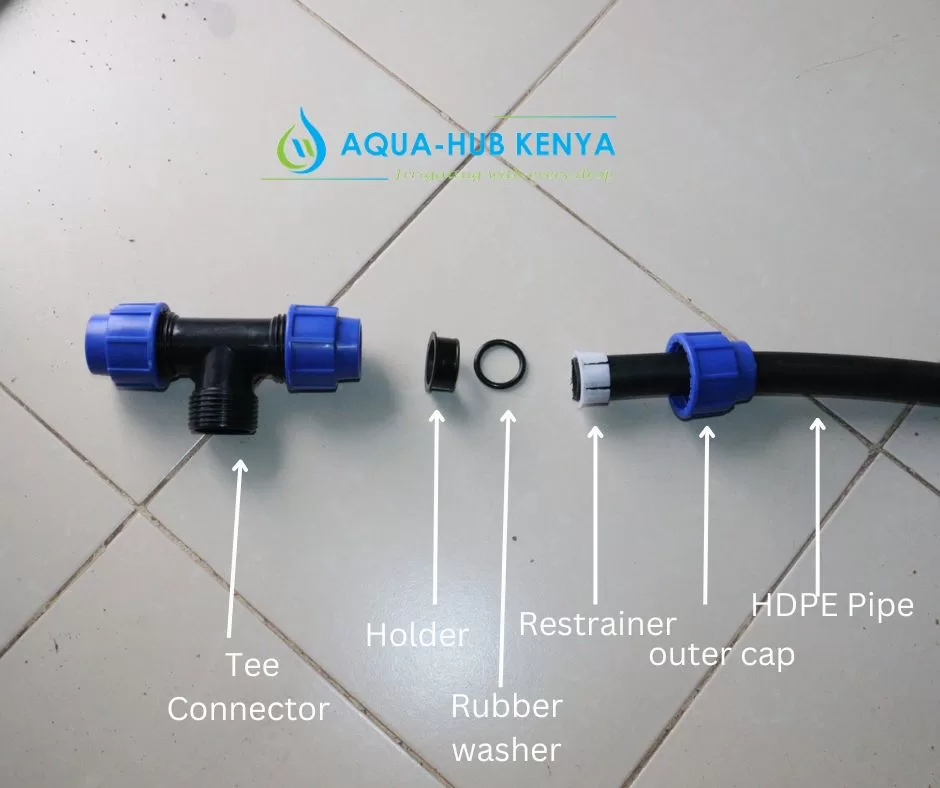
HDPE pipes can be connected through the butt fusion method, electrofusion, or through mechanical compression fittings.
Butt Fusion: HDPE pipes are heated and then joined to form a secure connection. This method is common in high-pressure applications.
Electrofusion: A method where an electrical current is passed through a specialized fitting to fuse the HDPE pipes. This is often used in situations where space is limited or precision is required.
Mechanical Fittings: These HDPE pipe fittings are often used in temporary installations or systems where ease of assembly and disassembly is necessary.
Common Fittings for HDPE Irrigation Pipes
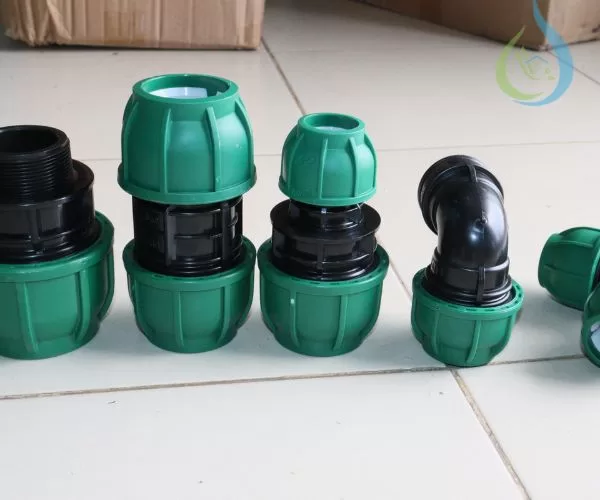
- Couplings: For connecting two HDPE pipes.
- Elbows: Makes it convenient to divert HDPE pipes, typically at 45° or 90° angles.
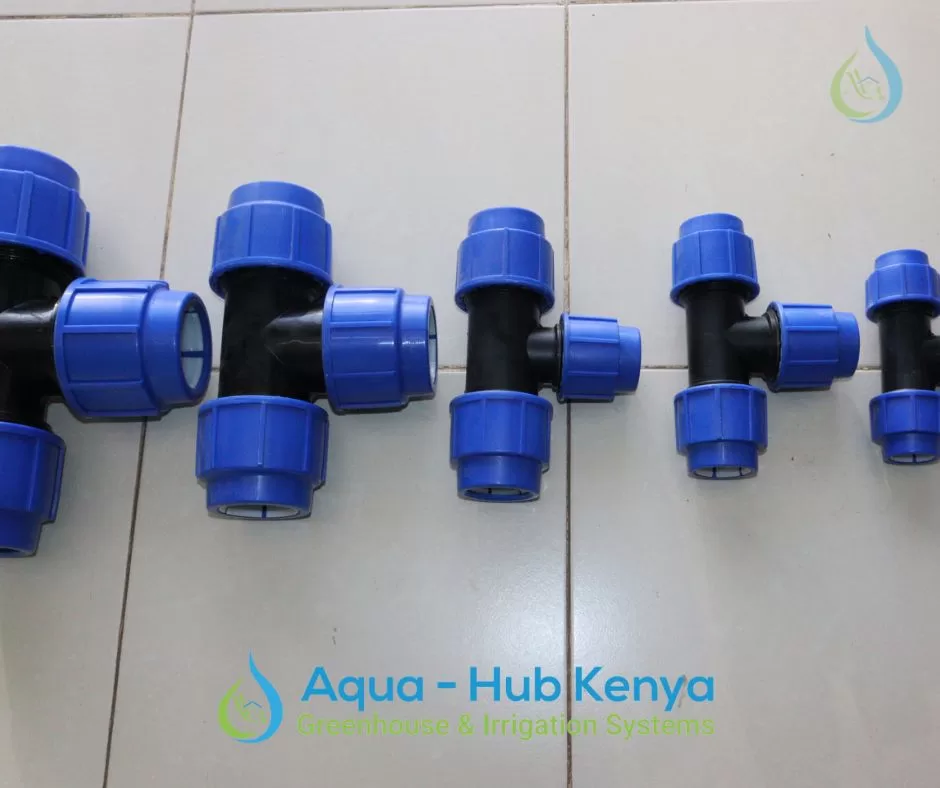
- Tees: to branch HDPE pipes into two directions. Basically, for distributing water to different farm sections.
- Reducers: Connect HDPE pipes of different sizes, allowing for changes in diameter.
- End Caps: Used to seal the end of an HDPE pipe, ensuring the system is waterproof.
What are the Uses of Different HDPE Fittings?
Elbows: mainly used in irrigation and water systems in areas where HDPE pipes pass around obstacles.
Reducer coupling: suitable for applications where size needs reduction to accommodate flow restrictions or smaller branches of a network.
Tees: Best in drip and sprinkler systems where water needs to flow to different farm sections.
Uses of HDPE Pipes in Irrigation
- Commonly applicable as mainline pipes for drip irrigation systems
- Mainline connection in sprinkler systems
- Rain hose start connection.
- Delivery pipes in irrigation systems.
Advantages of HDPE Pipes
- Capable of Long Shelf Life: HDPE pipes can last for a long time without damage. They can last for 50 years if well-maintained.
- High tensile strength: They exhibit high strength, making them suitable for use in tough applications such as sewage containment and water treatment.
- Non-corrosive nature: Plastic HDPE pipes are less corrosive due to their plastic nature.’
- Zero Leakage: Our HDPE pipes connect to fittings and other pipes, thus forming a secure and leak-proof connection.
- Ease of Installation: HDPE pipes are flexible, making them easier to connect to irrigation pipes and fittings.
- Effectiveness: HDPE pipes are more suitable than PVC as they are easier to repair and extend.
Frequently Asked Questions
1. How much is HDPE pipe in Kenya?
KES 1,500 – KES 45,000 per 100 m roll.
2. What is the length of an HDPE pipe in metres?
HDPE pipes are available in 12m, 50m and 100m lengths.
3. Which is cheaper, HDPE or PVC?
PVC pipe is cheaper.
4. What sizes of HDPE pipes are commonly used for irrigation in Kenya?
20mm, 32mm, 40mm, 50mm, 63mm, 75mm, 90mm and 110mm.
5. How many types of HDPE pipes are there?
HDPE pipes are available in different classes: PN4, PN6, PN8, PN10, PN12.5, PN16 and PN20.
6. How much is 16MM HDPE pipe in Kenya?
KES 1,500 – KES 2,000.
7. How long do HDPE pipes last?
10–20 years.
8. Can HDPE pipes be used for both drip and sprinkler irrigation?
Yes, HDPE pipes are versatile and are used as mainline pipes
9. Is HDPE pipe sun resistant?
HDPE pipes are UV treated, thus resistant to sunlight degradation.
10. Where can I buy affordable HDPE pipes in Kenya?
Aqua Hub Kenya.